
Chubu · Prefecture Guide

Aichi Travel Guide

Birthplace of Japan's three great unifiers — a powerhouse of history, manufacturing, and the nation's most distinctive regional cuisine

🏯 Inuyama — Japan's Oldest Original Castle🚗 Toyota — Japan's Automotive Capital🍱 Nagoya Meshi — Japan's Most Distinctive Regional Cuisine☕ Japan's 'Morning Culture' Coffee Shop Tradition⚔️ Birthplace of Nobunaga, Hideyoshi & Ieyasu

🗾 About Aichi

Aichi Prefecture is where Japan's history was made — the three warlords who unified the country (Nobunaga Oda, Hideyoshi Toyotomi, and Ieyasu Tokugawa) were all born within its borders, and Nagoya Castle was the grandest symbol of Tokugawa power outside Edo. Today, Aichi is Japan's industrial heartland — home to Toyota's global headquarters and a dense cluster of manufacturing that makes it one of Japan's wealthiest prefectures. Yet for visitors, the greatest draws are its extraordinary cultural riches: Japan's oldest surviving original castle keep at Inuyama, the vast open-air Meiji Mura museum, the world's best automotive museum at Toyota Commemorative Museum, and Nagoya's famously peculiar food culture — a proudly regional cuisine of thick miso, double-fried chicken wings, and a coffee shop 'morning culture' unlike anywhere else in Japan.

🌏
Location
Chubu region, central Honshu — between Tokyo and Osaka on the Tokaido corridor
🗣️
Language
Japanese (English available in major tourist areas; Toyota and Meiji Mura have excellent English)
💴
Currency
Japanese Yen (JPY) — IC cards widely accepted; cash useful for small restaurants
🕐
Time Zone
JST (UTC+9) — no daylight saving
🌡️
Best Season
Spring (Mar–Apr) & Autumn (Oct–Nov) — summers are very hot and humid
✈️
Nearest Airports
Chubu Centrair International (NGO) — 30 min to Nagoya by meitetsu train
🚇
Getting Around
Nagoya Municipal Subway & Meitetsu/JR rail for city and Inuyama; car for rural areas
Power Plug
Type A, 100V / 60Hz

✈️ Getting There

Nagoya is perfectly positioned between Tokyo and Osaka on the Tokaido Shinkansen, making it an easy addition to a Japan itinerary. Chubu Centrair International Airport (NGO) is 30 minutes from central Nagoya by Meitetsu Railway and receives direct flights from throughout Asia. The Nagoya city subway is excellent for getting around the central area.

🚄 From Tokyo
  • Tokaido Shinkansen Nozomi (Tokyo → Nagoya) — 1 hr 37 min. ¥10,560 (reserved). Departs every 10–15 min from Tokyo Station — the fastest and most convenient option.
  • Hikari (Tokyo → Nagoya) — 1 hr 50 min. ¥10,560. Slightly slower but Japan Rail Pass holders must use this (Nozomi not JR Pass covered).
  • Highway Bus — 5–6 hrs overnight. ¥3,500–¥5,000. Budget option with night buses from Shinjuku.
🚄 From Osaka
  • Tokaido Shinkansen Nozomi (Shin-Osaka → Nagoya) — 49 min. ¥6,680. Extremely convenient — makes Nagoya a realistic day trip from Osaka.
  • Kintetsu Limited Express (Osaka-Uehommachi → Nagoya) — 1 hr 58 min. ¥4,540. The scenic private rail alternative to the Shinkansen — excellent value.
✈️ From Chubu Centrair Airport (NGO)
  • Meitetsu Airport Express (NGO → Nagoya) — 28 min. ¥870. Direct train from the airport terminal to Meitetsu Nagoya Station.
  • Direct international flights from: Seoul, Taipei, Hong Kong, Shanghai, Bangkok, Singapore on multiple airlines.
🚇 Getting Around Aichi
  • Nagoya Municipal Subway — Six lines covering the entire city efficiently. The Higashiyama Line connects Nagoya Station to Sakae, the central entertainment district. One-day pass ¥740.
  • Meitetsu Railway — Private railway connecting Nagoya to Inuyama (30 min), the airport, and Gifu. The Inuyama line is the most tourist-relevant route.
  • JR Chuo/Tokaido Lines — JR Pass valid; connects Nagoya to surrounding cities including Gifu and the Kiso Valley.
  • Rental Car — Useful for Meiji Mura, Korankei gorge, and the Atsumi Peninsula. Available from Nagoya Station.
💡 Travel TipNagoya makes an excellent day trip from either Tokyo or Osaka thanks to its Shinkansen position — but two nights allows you to properly explore the city's food scene, Inuyama Castle, and Meiji Mura without rushing. Combine with a Kiso Valley post-town walk for a memorable Chubu itinerary.

📖 Recommended Travel Guides

Deep-dive guides to help you plan every aspect of your visit — from top sightseeing spots to the best restaurants and seasonal events.

⛩️

Sightseeing

5 spots
Nagoya Castle
📍

Nagoya Castle

One of Japan's finest castle complexes — the original keep was destroyed in WWII, but the reconstructed donjon and the fully restored Honmaru Palace are outstanding. The golden shachihoko (tiger-fish) roof ornaments are Nagoya's most iconic symbol.
Castle Edo Period Shachihoko
Atsuta Jingu Shrine
📍

Atsuta Jingu Shrine

Japan's second most sacred Shinto shrine after Ise — Atsuta Jingu enshrines the Kusanagi-no-Tsurugi sword, one of the three Imperial treasures. Over 6 million visitors come each year to its ancient forested grounds in central Nagoya.

Shrine Sacred Kusanagi Sword
Toyota Commemorative Museum
📍

Toyota Commemorative Museum

A world-class industrial museum tracing Toyota's evolution from a textile loom factory to the world's largest automaker — housed in the original red-brick spinning factory in Nagoya's Noritake district.

Toyota Industry Museum
Inuyama Castle
📍

Inuyama Castle

Japan's oldest surviving original castle keep (1537), designated a National Treasure — perched dramatically on a cliff above the Kiso River. Until 2004 it was privately owned by the Naruse family for 229 years, an extraordinary piece of living history.

Castle National Treasure River
Meiji Mura Open-Air Museum
📍

Meiji Mura Open-Air Museum

A vast open-air museum near Inuyama preserving 67 relocated Meiji-era buildings — including the lobby of Frank Lloyd Wright's original Imperial Hotel, a lighthouse, bathhouse, and army barracks spread across forested hills.

Meiji Era Architecture Open-Air Museum
🍜

Gourmet

5 spots
Nagoya Meshi — Hitsumabushi
📍

Nagoya Meshi — Hitsumabushi

Nagoya's most celebrated dish — grilled eel over rice eaten three ways: plain, with condiments, and as ochazuke (with dashi broth poured over). The Atsuta Horaiken near the shrine is the most famous restaurant, but the queue stretches hours.

Eel Hitsumabushi Local Specialty
Miso Katsu & Nagoya Miso
📍

Miso Katsu & Nagoya Miso

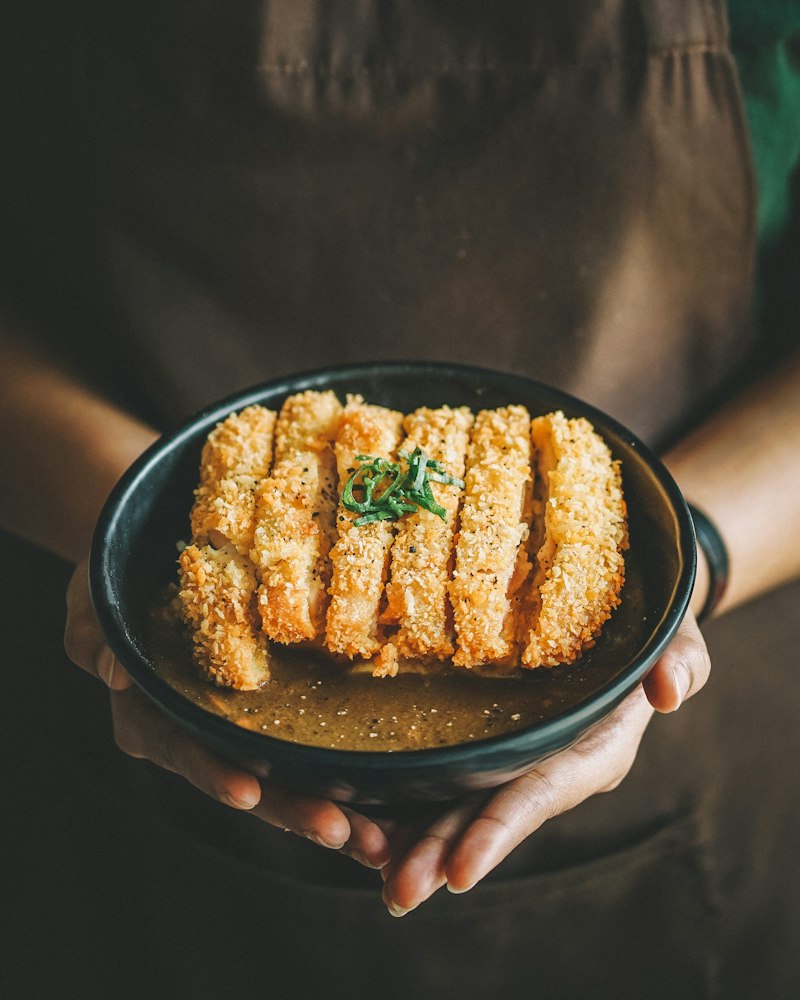
Nagoya's signature pork cutlet smothered in a thick, pungent Hatcho miso sauce — far darker and richer than standard miso. Yabaton is the chain that made it famous, with branches throughout the city and the Oasis 21 shopping centre.

Miso Katsu Hatcho Miso Nagoya
Nagoya Tebasaki (Chicken Wings)
📍

Nagoya Tebasaki (Chicken Wings)

Nagoya's addictive style of chicken wings — double-fried until crackling crisp, then glazed with a sweet-spicy soy-and-pepper sauce. Sekai no Yamachan is the legendary chain; find it in any Nagoya izakaya district for a late-night feast.

Chicken Wings Izakaya Local
Nagoya Morning Culture & Ogura Toast
📍

Nagoya Morning Culture & Ogura Toast

Nagoya's extraordinary 'morning culture' — order a coffee and receive free toast, boiled egg, and sometimes even a small pasta or salad. Ogura toast (thick bread slathered with red bean paste and butter) is the city's beloved morning staple.

Morning Set Coffee Shop Unique
Kishimen & Nagoya Noodles
📍

Kishimen & Nagoya Noodles

Kishimen are Nagoya's flat udon-like noodles — wide and thin, served in a delicate bonito-dashi broth with spinach, kamaboko, and abura-age. Find them in simple station noodle bars across Nagoya for under ¥500.

Kishimen Noodles Local
🏔️

Nature

4 spots
Mikawa Bay & Laguna Ten Bosch
📍

Mikawa Bay & Laguna Ten Bosch

Mikawa Bay's calm warm waters and oyster-rich shoreline stretch along Aichi's southern coast. Laguna Ten Bosch is a coastal resort with water rides, craft workshops, and excellent seafood, popular with Nagoya families.

Bay Resort Cycling
Korankei Gorge Autumn Foliage
📍

Korankei Gorge Autumn Foliage

One of Aichi's most celebrated natural spectacles — the Korankei valley in Toyota City turns brilliant red and gold each November, with 4,000 maple trees lining a river gorge. The evening light-up (momiji matsuri) extends viewing into the night.

Autumn Foliage Gorge Photography
Kiso River & Tsumago-Magome (Gifu Border)
📍

Kiso River & Tsumago-Magome (Gifu Border)

The Kiso River cuts through dramatic gorges along Aichi's northern border with Gifu — the restored Nakasendo post towns of Tsumago and Magome are a short drive away, offering Japan's most atmospheric Edo-period hiking trail.

River Nakasendo Historic
Tahara Coast & Irago Cape
📍

Tahara Coast & Irago Cape

The Atsumi Peninsula's Irago Cape is a dramatic windswept headland overlooking the Pacific and Mikawa Bay — a key hawk migration point in autumn, with a lighthouse, flower fields, and quiet fishing villages.

Cape Coastal Remote
🎿

Leisure

4 spots
SCMaglev & Railway Park
📍

SCMaglev & Railway Park

The SCMaglev and Railway Park in Nagoya showcases Japan's extraordinary railway heritage — 39 original rolling stock including a 1964 Shinkansen and a magnetic levitation test vehicle, with a massive N700 Series diorama.

Maglev Train Museum
Legoland Japan & Minato Area
📍

Legoland Japan & Minato Area

Legoland Japan Resort occupies a large waterfront site in Nagoya's Minato district alongside the Port of Nagoya Public Aquarium — home to beluga whales, orca, and polar bears — making it a full-day family destination.

Theme Park Family Waterfront
Osu Shopping District
📍

Osu Shopping District

Nagoya's lively covered arcade district — over 1,200 shops mixing vintage clothing, electronics, anime merchandise, international food stalls, and Osu Kannon temple in a single compact area. Nagoya's answer to Akihabara meets Harajuku.

Shopping Electronics Street Food
Noritake Garden
📍

Noritake Garden

The birthplace of Japan's finest porcelain — the old Noritake factory complex in central Nagoya is now a beautiful park with a craft museum, a showroom of their iconic western-style tableware, and a ceramics workshop.

Pottery Museum Craft
🎆

Events

7 spots
Nagoya Women's Marathon (Mar)
📍

Nagoya Women's Marathon (Mar)

The world's largest women-only marathon — 25,000 runners race through the streets of Nagoya in March, finishing in the Nagoya Dome to thunderous applause. All finishers receive a Tiffany necklace, making it one of the world's most glamorous races.

Marathon Women Sports
Nagoya Festival (Oct)
📍

Nagoya Festival (Oct)

One of Japan's three great historical processions — the Nagoya Festival in October recreates the retinues of Nagoya's three great warlords (Nobunaga Oda, Hideyoshi Toyotomi, Ieyasu Tokugawa) with 2,000 participants in full period costume.

Festival Historical Parade Autumn
Inuyama Cormorant Fishing (May–Oct)
📍

Inuyama Cormorant Fishing (May–Oct)

A 1,300-year-old fishing tradition on the Kiso River — watch skilled ukai fishermen control diving cormorants from torch-lit wooden boats on summer evenings. Viewing boats depart from Inuyama from May through October.

Ukai Cormorant Fishing Traditional
Tagata Jinja Fertility Festival (Mar)
📍

Tagata Jinja Fertility Festival (Mar)

One of Japan's most famous and unusual Shinto festivals — held on the first Sunday of March at Tagata Shrine in Komaki, a large sacred phallus is paraded through the streets to pray for fertility, good harvest, and business prosperity.

Unique Festival Shinto Spring
Korankei Momiji Festival (Nov)
📍

Korankei Momiji Festival (Nov)

The month-long maple festival at Korankei gorge includes daytime foliage walks, food stalls, and nightly illuminations that bathe the 4,000 maple trees in golden light — one of central Japan's most atmospheric autumn events.

Autumn Foliage Night Illumination Festival
Nagoya Port Fireworks Festival (Aug)
📍

Nagoya Port Fireworks Festival (Aug)

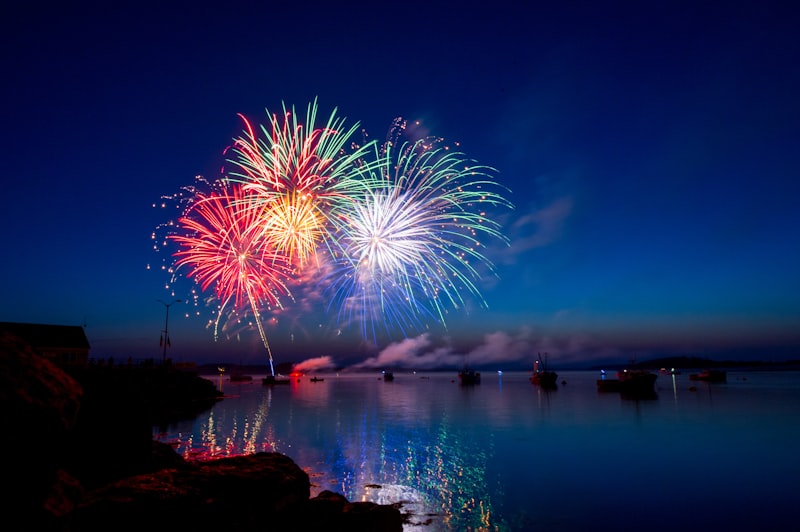
One of central Japan's largest summer fireworks displays — thousands of shells burst over Nagoya Port each August, with viewing from the waterfront park, pleasure boats, and the Portmesse venue area.

Fireworks Summer Waterfront
Tsuruma Park Cherry Blossoms (Apr)
📍

Tsuruma Park Cherry Blossoms (Apr)

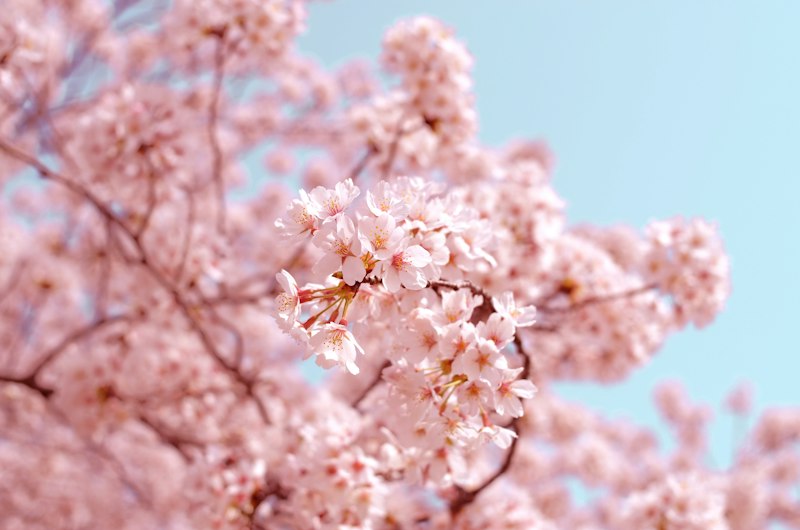
Tsuruma Park in central Nagoya is Aichi's most celebrated cherry blossom destination — over 1,000 cherry trees canopy the Meiji-era Western garden, with the old bandstand and rose gardens adding romantic character to hanami parties.

Cherry Blossoms Park Spring

💡 Practical Travel Tips

Everything you need to know before and during your visit.

🌸
Best Time to Visit
  • Autumn (Oct–Nov) — Korankei gorge turns crimson in November; the Nagoya Festival historical parade runs in October; temperatures are comfortable at 15–22°C.
  • Spring (Mar–Apr) — Cherry blossoms at Tsuruma Park (late March); the Tagata Shrine Fertility Festival (first Sunday March) is bizarre and fascinating; mild temperatures.
  • Avoid July–August — Nagoya is one of Japan's hottest cities in summer, frequently reaching 37°C with high humidity. The Nagoya Port Fireworks (August) is worth it, but plan indoor activities.
  • Year-round — Nagoya's indoor attractions (Toyota Museum, Meiji Mura, SCMaglev Railway Park) make it a viable destination in any season.
🍱
Nagoya Meshi Food Guide
  • Hitsumabushi — Reserve at Atsuta Horaiken 2–3 weeks ahead for the original, or try the perfectly good Bincho Ukai branches with shorter queues. The three-way eating method (plain / condiments / ochazuke) is essential to experience properly.
  • Miso katsu — Yabaton's main Osu branch is the pilgrimage spot. Order the 'Wabaton set' for a sampler of pork types. The thick Hatcho miso sauce is an acquired but ultimately addictive taste.
  • Morning culture — Any Komeda Coffee or Doutor near Nagoya Station offers the 'morning set' (order a drink, get free toast) from 7am. Ogura toast with red bean paste and butter is the essential choice.
  • Tebasaki — Sekai no Yamachan and Furaibo are the two rival chains for chicken wings. Both are excellent; order two portions minimum and finish with additional sauce for dipping.
🏯
Sightseeing Tips
  • Inuyama Castle requires a 30-min Meitetsu train from Nagoya (¥590) — combine with the Ukai cormorant fishing (May–Oct evenings) for a memorable day trip. The castle's original wooden interior and river views are outstanding.
  • Meiji Mura is a full-day attraction — buy the all-day tram/bus pass (¥500) included with entry. Allow 4–5 hours minimum. The Frank Lloyd Wright Imperial Hotel lobby is in Block 3; start there before crowds arrive.
  • Toyota Commemorative Museum is in the Noritake district — combine with the Noritake Garden next door for an industrial heritage morning. The automated loom demonstrations every 30 min are mesmerising.
  • The SCMaglev Railway Park is in Kinjofuto (near the port) — take the Aonami subway line from Nagoya Station (15 min). The driving simulators require advance web booking; arrive early for the best diorama viewing times.
⚔️
History & Culture
  • Nagoya's three great warlords are everywhere — Nobunaga Oda's birthplace is at Shobata Castle ruins in the city; Hideyoshi's childhood home site is marked in Nakamura; Ieyasu Tokugawa was born at Okazaki Castle (40 min by train).
  • The Nagoya Festival historical parade (October) is one of Japan's finest — 2,000 participants in Edo-period armour, horses, and palanquins process through the city centre. Free viewing from the roadside; VIP stands bookable online.
  • Atsuta Jingu is most atmospheric at dawn — the forest walkways are misty and almost deserted at 7am, and the shrine's ancient scale becomes palpable before the day-trip crowds arrive from 10am.
  • Ozu district (south of Nagoya centre) is the city's most characterful neighbourhood — old merchant houses, izakaya with local sake, and the massive Ozu Kannon temple at its heart.
🛍️
Shopping & Leisure
  • Osu Shopping District is Nagoya's most entertaining retail area — the covered Osu Kannon shotengai arcade has over 1,200 shops. Best visited on Sunday when street performers and cosplayers fill the main arcade.
  • Sakae is central Nagoya's entertainment district — department stores (Mitsukoshi, Matsuzakaya), the TV Tower, and Hisaya Odori Park are all within walking distance.
  • Noritake pottery makes an excellent premium souvenir — the Noritake Garden showroom sells seconds and discontinued designs at significant discounts. The craft studio offers hand-painting workshops (¥2,000–¥4,000).
  • For night food, Nishiki and Imaike are Nagoya's liveliest izakaya districts — cheaper than Tokyo, with excellent local craft beer bars opening alongside traditional tebasaki-and-beer establishments.

🏨 Find Hotels in Aichi

Compare prices across hundreds of hotels — from budget capsules to luxury ryokan.

Search Hotels on Booking.com →

🎌 Tours & Experiences

Book guided tours, day trips, cooking classes, and cultural experiences.

Browse Tours on Viator →

🗺️ Activities & Attractions

Skip the queues — pre-book entry tickets, day tours, and local experiences.

Explore on GetYourGuide →

🎟️ Things to Do in Aichi

Discover tickets, transport passes, and unique local experiences in Aichi with Klook.

Book on Klook →

🚄 JR Pass & Rail Tickets

Pre-purchase your JR Pass or individual shinkansen tickets before you arrive.

Buy JR Pass →