
Tohoku · Prefecture Guide

Akita Travel Guide

Tohoku's hidden gem — a perfectly preserved samurai town, milky forest hot springs, Japan's deepest cobalt lake, fearsome New Year demons, and the country's most distinctive regional cuisine

🏯 Kakunodate — Japan's Best-Preserved Samurai Town♨️ Nyuto Onsen — Japan's Most Atmospheric Forest Hot Spring🏮 Kantō Festival — UNESCO Intangible Cultural Heritage🐕 Akita Inu — Japan's Most Famous Dog Breed🍶 One of Japan's Top Sake Prefectures

🗾 About Akita

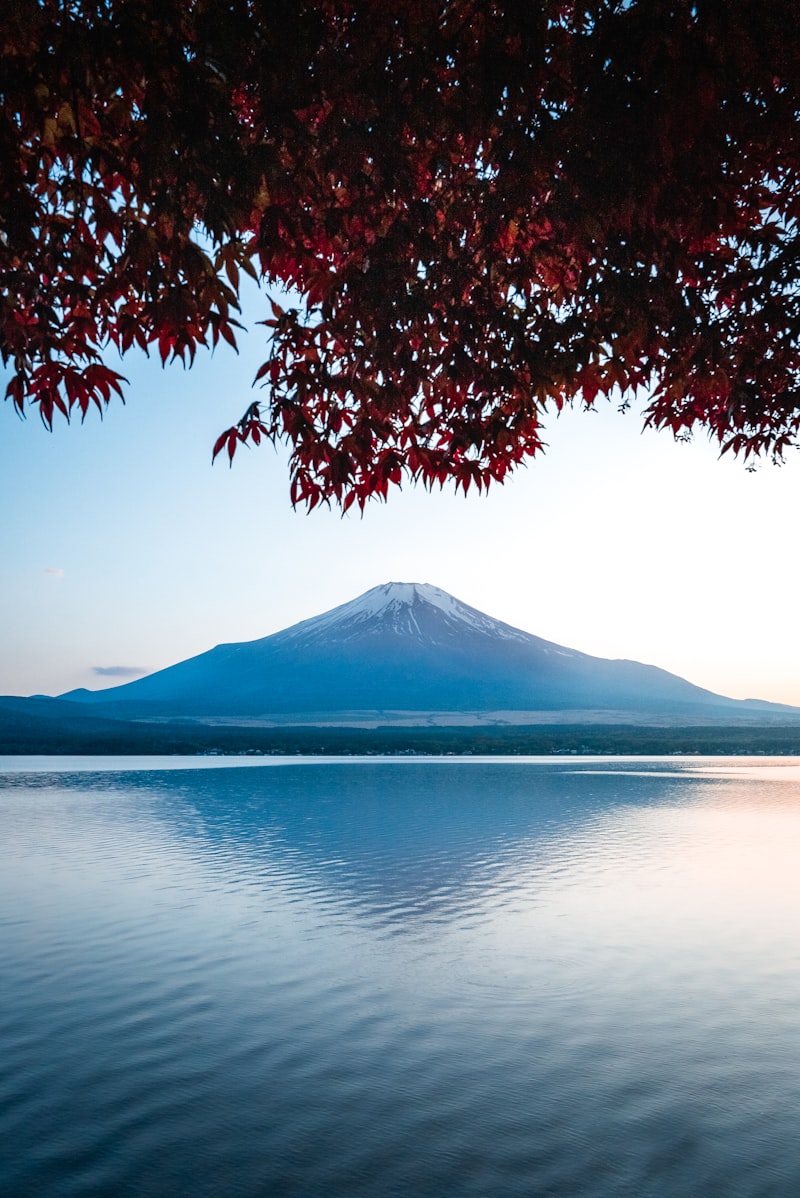
Akita occupies the northwest coast of Tohoku, a land of heavy snowfall, ancient beech forests, and a culture that has remained proudly distinct for centuries. Its most visited town is Kakunodate — a samurai district where 400-year-old black-walled mansions line a street of weeping cherry trees, creating one of Japan's most atmospheric Edo-period streetscapes. Deep in the mountains, Nyuto Onsen's seven rustic lodge complexes offer hot springs of extraordinary character — milky white, rust-red, and crystal clear — each fed by different volcanic sources. Lake Tazawa, Japan's deepest at 423 metres, glows an impossible cobalt blue year-round. The Kantō Festival transforms Akita City each August into a forest of swaying bamboo poles hung with lanterns — one of Tohoku's four great festivals and a UNESCO Intangible Cultural Heritage. And through the winter, the fearsome Namahage demons of Oga Peninsula visit homes to frighten children into good behaviour, in a tradition that has endured for over a thousand years. Akita's food is equally compelling: kiritanpo nabe, silky Inaniwa udon, Hinai-jidori chicken, and sake of national renown.

🌏
Location
Northwestern Tohoku, facing the Sea of Japan — bordered by Iwate, Yamagata, Aomori, and Miyagi
🗣️
Language
Japanese (Akita dialect; English available in Kakunodate and major tourist sites)
💴
Currency
Japanese Yen (JPY) — cash essential in rural areas; IC cards in Akita City
🕐
Time Zone
JST (UTC+9) — no daylight saving
🌡️
Best Season
Late Apr–May (cherry blossoms); Jul–Aug (festivals); Oct (autumn foliage); Jan–Feb (snow festivals)
✈️
Nearest Airports
Akita Airport (AXT) · 40 min by bus from Akita City
🚇
Getting Around
Akita Shinkansen to Akita City or Kakunodate; JR lines; rental car essential for Oga, Nyuto, Shirakami
Power Plug
Type A, 100V / 50Hz

✈️ Getting There

Akita City is reached from Tokyo in 3 hours 50 minutes by the Akita Shinkansen (Komachi). Kakunodate, the samurai town, is a stop on the same line — just 2 hours 45 minutes from Tokyo. A rental car is essential for exploring Oga Peninsula, Nyuto Onsen, Shirakami Sanchi, and the national park areas.

🚄 From Tokyo
  • Akita Shinkansen Komachi (Tokyo → Kakunodate) — 2 hrs 47 min. ¥15,200 (reserved). The Komachi splits from the Hayabusa at Morioka — quiet, comfortable carriages that traverse some of Tohoku's most scenic mountain passes.
  • Akita Shinkansen Komachi (Tokyo → Akita) — 3 hrs 48 min. ¥17,340. Direct to Akita City — the westernmost Shinkansen destination in Tohoku.
  • Highway Bus (Shinjuku / Tokyo → Akita) — 9–10 hrs overnight. ¥4,500–¥7,000. Budget night bus option; departs late evening, arrives early morning.
🚄 From Sendai / Morioka
  • Akita Shinkansen Komachi (Morioka → Akita) — 1 hr 13 min. ¥4,710. Easy connection from Morioka.
  • JR Ou Line (Akita → Aomori) — 2 hrs 45 min limited express. Scenic coastal route along the Sea of Japan connecting to Aomori and the Shirakami trailheads.
✈️ From Osaka / Nagoya
  • ANA / JAL (ITM or NGO → Akita AXT) — 1 hr 20 min. From ¥12,000. Akita Airport is 40 min by airport bus to Akita Station.
  • Peach (KIX → Akita) — From ¥6,000. Low-cost option from Kansai.
🚗 Getting Around Akita
  • Rental Car — Essential for Nyuto Onsen (1 hr from Tazawako Station), Oga Peninsula (1 hr from Akita City), Shirakami Sanchi (2 hrs from Akita City), and Hachimantai. Book at Akita Station or Tazawako Station.
  • Akita Shinkansen / JR Tazawako Line — Connects Akita City to Kakunodate (25 min, ¥840) and Tazawako Station (40 min, ¥1,140) — the gateway for Lake Tazawa and Nyuto Onsen by taxi or bus.
  • Oga Peninsula Bus — Seasonal sightseeing buses run from Akita Station to Oga in summer (Jul–Sep). Out of season, a rental car or tour bus is necessary.
  • Akita City — Compact and walkable around the station; city loop bus (¥100/ride) covers Senshu Park and the museum district.
💡 Travel TipThe ideal Akita itinerary combines the Akita Shinkansen (Kakunodate → Tazawako) with a rental car from Tazawako Station for Nyuto Onsen and the mountains. Kakunodate needs 3–4 hours; Lake Tazawa a half-day; Nyuto Onsen ideally requires an overnight stay. Oga Peninsula is best as a full rental-car day from Akita City.

📖 Recommended Travel Guides

Deep-dive guides to help you plan every aspect of your visit — from top sightseeing spots to the best restaurants and seasonal events.

⛩️

Sightseeing

5 spots
Kakunodate Samurai District
📍

Kakunodate Samurai District

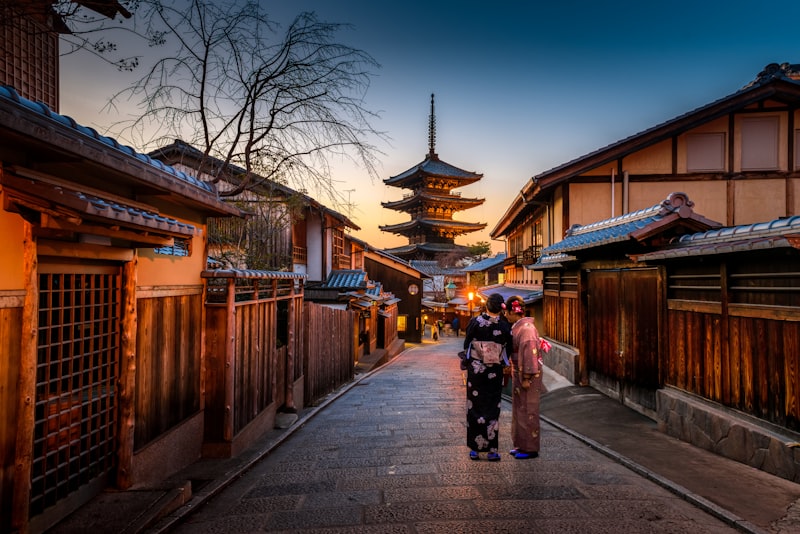
One of Japan's best-preserved samurai towns — Kakunodate's 400-year-old bukeyashiki (samurai residence) street is lined with ancient black-walled mansions and weeping cherry trees planted by samurai families. Six of the original residences are open to the public, revealing the refined domestic life of the Edo warrior class.

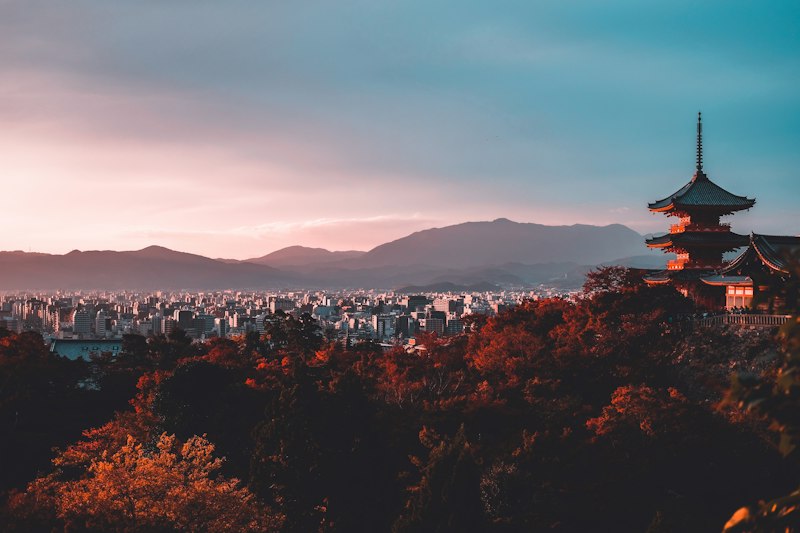
Samurai Edo Period Historic Street Cherry Blossoms
Lake Tazawa (Japan's Deepest Lake)
📍

Lake Tazawa (Japan's Deepest Lake)

Japan's deepest lake (423 m) glows a vivid cobalt blue year-round thanks to its extraordinary depth — it never freezes in winter. The golden statue of Tatsuko, a legendary beauty said to have become the lake's goddess, stands on the western shore. The surrounding caldera provides panoramic views from hiking trails above the rim.

Lake Deepest in Japan Tatsuko Cobalt Blue
Oga Peninsula & Namahage Museum
📍

Oga Peninsula & Namahage Museum

The rugged Oga Peninsula juts into the Sea of Japan, home to the Namahage — fearsome demon-masked figures who visit houses on New Year's Eve to discipline lazy children. The Oga Shinzan Folklore Museum features nightly Namahage ceremonies, while the dramatic coastline offers volcanic sea cliffs and hidden coves.

Namahage UNESCO Folklore Coastline
Shirakami Sanchi (UNESCO)
📍

Shirakami Sanchi (UNESCO)

A vast UNESCO World Natural Heritage primeval beech forest straddling Akita and Aomori prefectures — the last great untouched virgin beech forest in East Asia. The Aoike (Blue Pond) within Shirakami glows a supernatural turquoise fed by mineral springs. Strictly limited visitor access preserves its extraordinary integrity.

UNESCO Beech Forest Wilderness Primeval
Kubota Castle & Senshu Park
📍

Kubota Castle & Senshu Park

Akita City's Senshu Park occupies the site of Kubota Castle — the former seat of the Satake clan — with a reconstructed turret offering city views. The park's 840 cherry trees are among Tohoku's finest, and the surrounding museum district includes the excellent Akita Museum of Art (featuring Fujita Tsuguharu's monumental canvas).

Castle Cherry Blossoms Park City
🍜

Gourmet

5 spots
Kiritanpo Nabe (Hot Pot)
📍

Kiritanpo Nabe (Hot Pot)

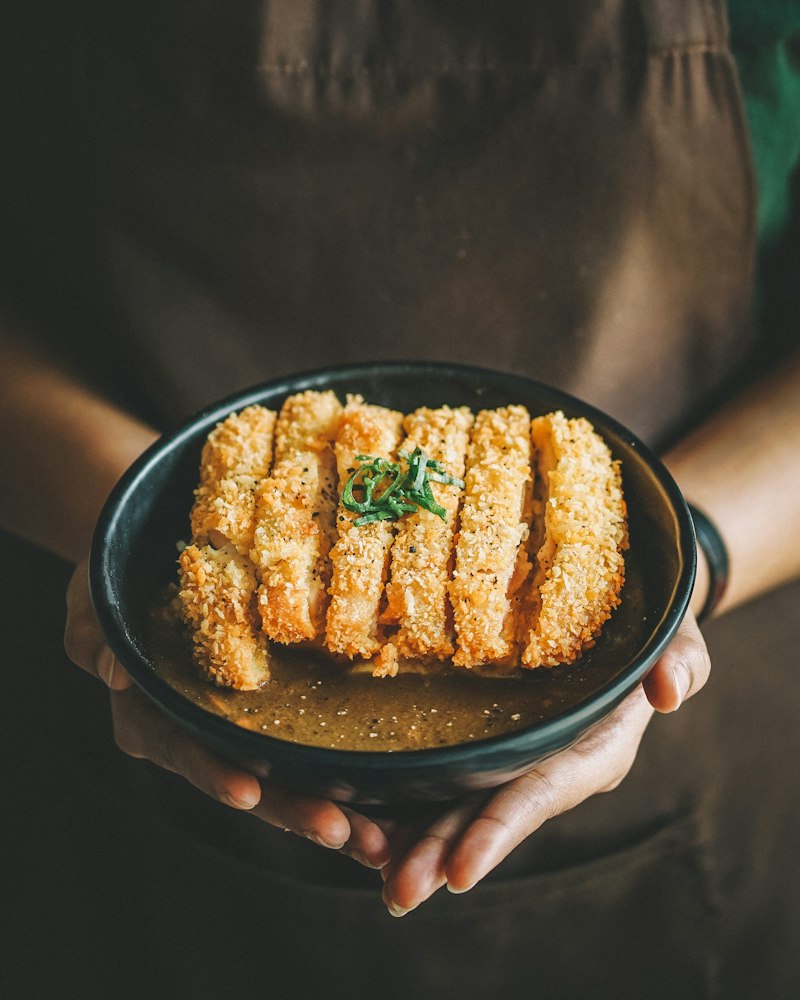
Akita's most iconic dish — freshly pounded rice is moulded onto cedar skewers, grilled over charcoal, then simmered in a rich broth with Hinai-jidori chicken (one of Japan's three great chickens), burdock, Japanese parsley, and maitake mushrooms. The mochi-like kiritanpo absorbs the umami-rich broth beautifully.

Kiritanpo Hot Pot Hinai Chicken Akita Specialty
Inaniwa Udon
📍

Inaniwa Udon

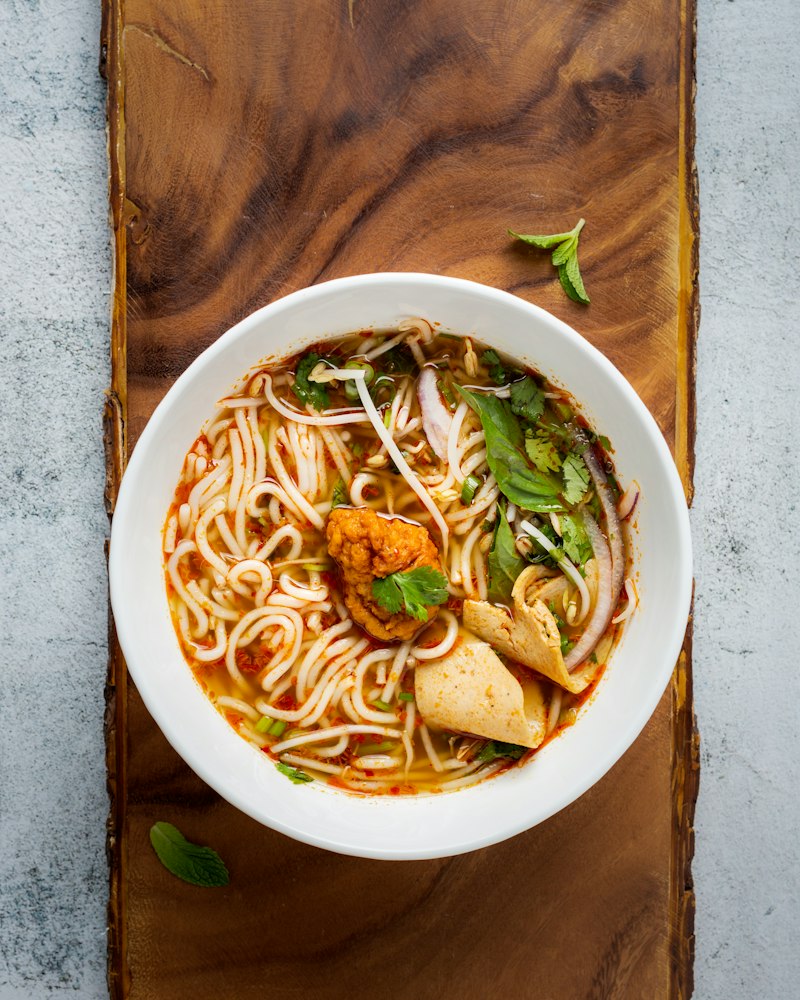
One of Japan's three great udon alongside Sanuki and Mizusawa — Inaniwa udon from Akita's Yuzawa region is distinguished by its extraordinarily thin, silky-smooth strands made by a laborious 72-hour hand-stretching process. Served cold in summer with dipping broth, or warm in a clear dashi, it is a study in refined simplicity.

Inaniwa Udon One of Japan's Three Great Noodles Handmade Silky
Akita Sake — Japan's Finest Rice Wine Region
📍

Akita Sake — Japan's Finest Rice Wine Region

Akita is one of Japan's most celebrated sake prefectures — the combination of pure snowmelt water, high-quality Akita Komachi rice, and the cold winters that allow slow fermentation produces sake of exceptional clarity and elegance. Over 40 breweries welcome visitors; the Yamamoto, Kariho, and Dewatsuru labels are internationally recognised.

Sake Rice Wine Brewery Tohoku
Hinai-jidori Chicken Cuisine
📍

Hinai-jidori Chicken Cuisine

Hinai-jidori is one of Japan's three designated premium chicken breeds, raised free-range in Akita's Hinai region for 150 days — twice as long as standard poultry. The meat is firmer, richer, and more intensely flavoured than anything available in a supermarket. Taste it in kiritanpo nabe, grilled yakitori, or as sashimi (raw chicken) at specialist restaurants.

Hinai Chicken Free-Range One of Japan's Three Great Chickens Local
Shottsuru Fish Sauce & Hatahata
📍

Shottsuru Fish Sauce & Hatahata

Akita's ancient fish sauce — shottsuru — is made from hatahata (sailfin sandfish) fermented for over a year, producing a deep, savoury umami liquid used across local cooking. Hatahata itself appears in winter hot pots and as salted grilled fish; its roe (buri-ko) is a delicacy found only in Akita.

Fish Sauce Hatahata Fermented Umami
🏔️

Nature

7 spots
Lake Tazawa (Japan's Deepest Lake)
📍

Lake Tazawa (Japan's Deepest Lake)

Japan's deepest lake (423 m) glows a vivid cobalt blue year-round thanks to its extraordinary depth — it never freezes in winter. The golden statue of Tatsuko, a legendary beauty said to have become the lake's goddess, stands on the western shore. The surrounding caldera provides panoramic views from hiking trails above the rim.

Lake Deepest in Japan Tatsuko Cobalt Blue
Shirakami Sanchi (UNESCO)
📍

Shirakami Sanchi (UNESCO)

A vast UNESCO World Natural Heritage primeval beech forest straddling Akita and Aomori prefectures — the last great untouched virgin beech forest in East Asia. The Aoike (Blue Pond) within Shirakami glows a supernatural turquoise fed by mineral springs. Strictly limited visitor access preserves its extraordinary integrity.

UNESCO Beech Forest Wilderness Primeval
Nyuto Onsen Village
📍

Nyuto Onsen Village

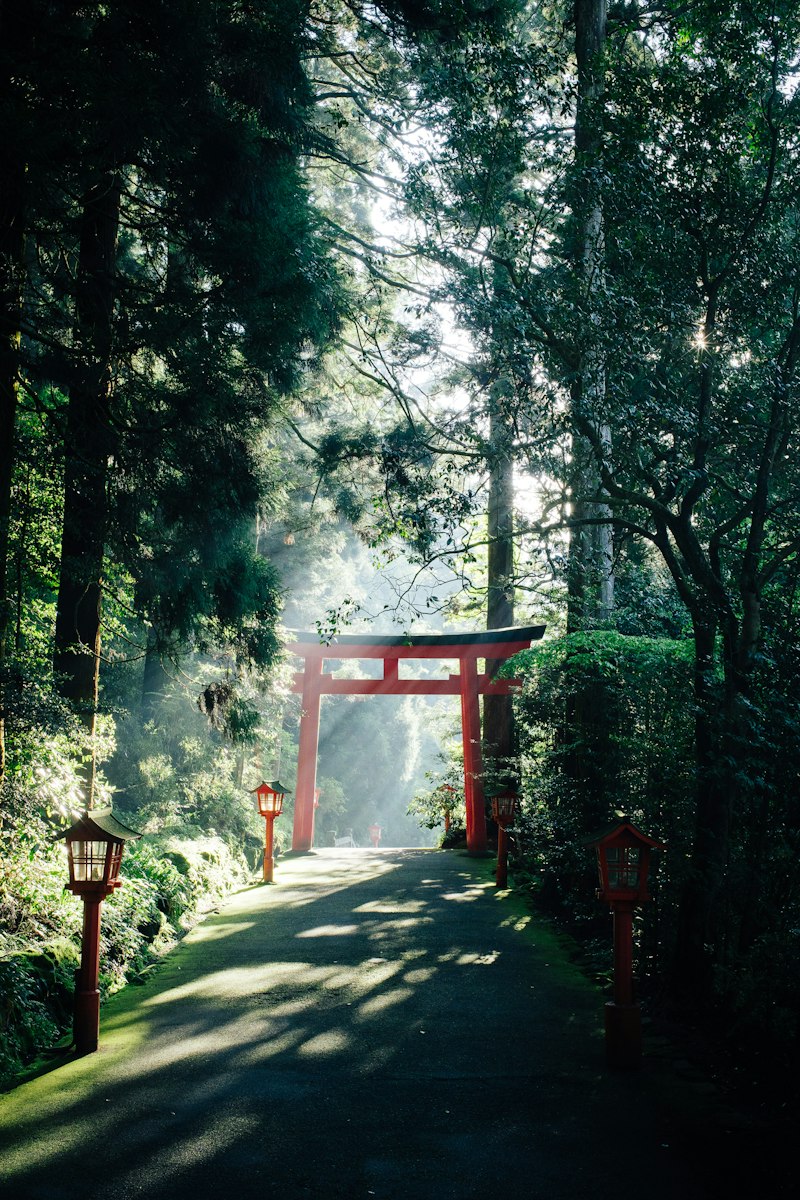
One of Japan's most celebrated onsen destinations — seven rustic ryokan lodges scattered through the snowy beech forests of the Nyuto mountains, each drawing from different spring sources with distinct mineral compositions and colours. The famous milky-white sulphurous spring at Tsuru-no-yu ryokan, operating since 1638, is among the most atmospheric outdoor baths in Japan.

Onsen Milky White Springs Forest Baths Remote
Towada-Hachimantai National Park
📍

Towada-Hachimantai National Park

The Hachimantai plateau in northern Akita is a volcanic highland of crater lakes, alpine marshes, and steaming volcanic vents. The Aspite Line mountain road (open May–November) traverses the plateau past the stunning Goshikinu five-colour marsh and Hachimantai summit — one of Japan's great scenic drives.

National Park Volcanic Alpine Aspite Line
Tazawako Highland Hiking
📍

Tazawako Highland Hiking

The mountains surrounding Lake Tazawa offer superb hiking — Komagatake (1,637 m) rises directly from the lake's caldera rim with sweeping views over the cobalt water to the Ou Mountains beyond. The route from Tazawako Ski Area via the Hachigougo trail is the most popular, taking 3–4 hours return.

Hiking Lake Views Komagatake Alpine
Oga Peninsula Volcanic Coastline
📍

Oga Peninsula Volcanic Coastline

The Oga Peninsula is a globally significant geopark — its dramatic sea cliffs expose 50-million-year-old volcanic strata, and the famous Godzilla Rock formation at Kanpuzaki is a favourite for sunset photography. The 60 km coastal drive passes sea caves, tidal pools, and fishing villages largely untouched by tourism.

Sea Cliffs Volcanic Rock Geopark Sunset
Shirakami Anmon Waterfall Hike
📍

Shirakami Anmon Waterfall Hike

The Anmon Waterfall trail in Shirakami Sanchi is the most accessible route into the UNESCO beech forest — a 3 km hike through ancient woodland leads to three cascading falls, the largest dropping 26 m through moss-covered rocks. Spring brings wildflowers; autumn transforms the canopy into a riot of gold and crimson.

Waterfall Beech Forest UNESCO Hiking
🎿

Leisure

5 spots
Nyuto Onsen Village
📍

Nyuto Onsen Village

One of Japan's most celebrated onsen destinations — seven rustic ryokan lodges scattered through the snowy beech forests of the Nyuto mountains, each drawing from different spring sources with distinct mineral compositions and colours. The famous milky-white sulphurous spring at Tsuru-no-yu ryokan, operating since 1638, is among the most atmospheric outdoor baths in Japan.

Onsen Milky White Springs Forest Baths Remote
Tazawako & Hachimantai Skiing
📍

Tazawako & Hachimantai Skiing

Tazawako Ski Resort offers the extraordinary sight of skiing above Japan's deepest cobalt-blue lake — runs with direct lake views are unique in Japan. The nearby Hachimantai resort system spans multiple connected areas and receives consistently deep, dry powder throughout winter (December–April).

Skiing Powder Snow Lake Views Tohoku
Akita Inu — Japan's National Dog
📍

Akita Inu — Japan's National Dog

The Akita is Japan's most famous dog breed — designated a national natural monument in 1931. The Akita Inu Tourism Association in Odate city (breed's birthplace) runs an experience centre where visitors can meet and pet these powerful, loyal dogs. Odate also has a monument to Hachiko, the most famous Akita of all, who was born nearby.

Akita Dog Hachiko National Monument Dog
Kakunodate Kabazaiku (Cherry Bark Craft)
📍

Kakunodate Kabazaiku (Cherry Bark Craft)

Kakunodate's 200-year-old craft tradition of kabazaiku uses cherry tree bark to create lustrous, durable containers, tea canisters, and accessories. The bark is peeled, layered, and polished to a warm honey-brown sheen — a uniquely Akita art form. Several workshops in the samurai district welcome visitors to watch artisans at work.

Kabazaiku Cherry Bark Traditional Craft Souvenir
Nyuto Onsen Forest Bathing
📍

Nyuto Onsen Forest Bathing

Bathing in Nyuto Onsen's outdoor pools while deep snow blankets the surrounding beech forest is one of Japan's most sought-after winter experiences. Tsuru-no-yu's mixed outdoor bath (konyoku rotenburo) open since 1638 is the most photographed onsen in Japan — arrive at dawn before tour groups for the full atmosphere.

Open-Air Bath Snow Bathing Forest Relaxation
🎆

Events

6 spots
Akita Kantō Festival (Aug)
📍

Akita Kantō Festival (Aug)

One of Tohoku's four great festivals and a UNESCO Intangible Cultural Heritage — the Akita Kantō Festival fills the city's main boulevard for four evenings in early August with performers balancing towering bamboo poles hung with up to 46 lit paper lanterns on their palms, foreheads, and shoulders. Each pole weighs 50 kg and stands 12 m tall.

Kantō Festival Bamboo Poles UNESCO August
Namahage Sedo Festival (Feb)
📍

Namahage Sedo Festival (Feb)

The Namahage Sedo Festival at Shinzan Shrine on Oga Peninsula combines ancient Shinto fire rituals with the fearsome Namahage demons — the ceremony, performed on the second Friday–Sunday of February, is a UNESCO Intangible Heritage. Torch-lit processions and the appearance of the masked figures in deep snow create an otherworldly atmosphere.

Namahage UNESCO Winter Festival Fire
Kakunodate Cherry Blossoms (Late Apr)
📍

Kakunodate Cherry Blossoms (Late Apr)

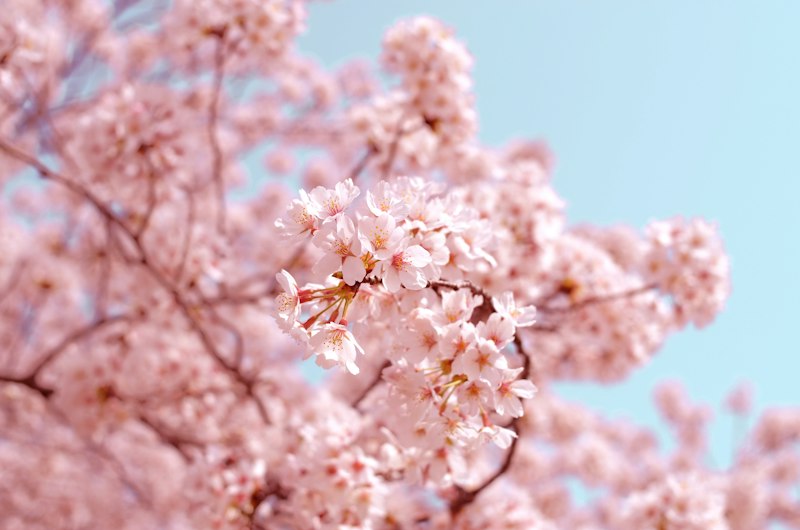
Kakunodate's weeping cherry trees — planted by samurai families 350 years ago — form tunnels of pink blossom over the historic bukeyashiki street in late April. Unlike the upright somei yoshino common elsewhere, these shidarezakura drape dramatically over garden walls. The Hinokinai riverbank adds 2 km of cherry-lined riverside for hanami picnics.

Cherry Blossoms Weeping Cherry Samurai Street Spring
Omagari All-Japan Fireworks Championship (Aug)
📍

Omagari All-Japan Fireworks Championship (Aug)

Japan's most prestigious fireworks competition — held in Daisen (formerly Omagari) on the last Saturday of August, this century-old competition draws 30 pyrotechnic teams from across Japan to display their finest original creations. Over 18,000 shells light up the night sky above the Omono River before 800,000 spectators.

Fireworks Competition August National Championship
Yokote Kamakura Snow Festival (Feb)
📍

Yokote Kamakura Snow Festival (Feb)

Yokote's Kamakura Festival (February 15–16) fills the city with hundreds of dome-shaped snow huts — children sit inside eating mochi and offering amazake (sweet sake) to visitors who bow to enter through the small opening. After dark, candles within each kamakura glow amber through the snow walls, creating one of Japan's most magical winter scenes.

Kamakura Snow Lanterns Winter Festival Unique
Towada-Hachimantai Autumn Foliage (Oct)
📍

Towada-Hachimantai Autumn Foliage (Oct)

The Hachimantai Aspite Line mountain road turns incandescent in mid-October — crimson and gold beech forest flanks both sides of the road as it crosses the volcanic plateau, and the Goshikinu marsh reflects the autumn canopy in perfect stillness. Widely regarded as one of Tohoku's finest autumn foliage experiences.

Autumn Foliage Aspite Line National Park October

💡 Practical Travel Tips

Everything you need to know before and during your visit.

🌸
Best Time to Visit
  • Late April – May — Kakunodate's weeping cherry trees (shidarezakura) peak in late April — roughly a week after Tokyo's blossoms, making this an excellent second leg of a spring trip. The Hinokinai riverbank adds 2 km of cherry-lined riverside. Late May brings fresh greenery to the Nyuto beech forests.
  • Summer (Aug) — The Kantō Festival (August 3–6) is Akita City's defining event. Omagari's All-Japan Fireworks Championship falls on the last Saturday of August — one of the most spectacular fireworks nights in Japan.
  • Autumn (Oct) — Hachimantai's Aspite Line road and Shirakami Sanchi erupt in gold and crimson. Lake Tazawa surrounded by autumn colour is one of Tohoku's finest sights.
  • Winter (Jan–Feb) — Yokote Kamakura Festival (Feb 15–16) and Namahage Sedo Festival (second weekend of Feb) are uniquely Akita experiences. Nyuto Onsen bathing in snowfall is Japan's most atmospheric hot spring experience — but book 3–6 months ahead.
♨️
Nyuto Onsen Tips
  • Tsuru-no-yu is the most famous lodge — the large mixed outdoor bath (konyoku rotenburo) with milky white water, surrounded by beech forest or snow, is a singular Japanese experience. However, it books out months ahead for Friday–Saturday nights. Midweek or day-visit (¥600, 10am–3pm) is a more realistic option.
  • The Nyuto Onsen-kyo Meguri Pass (¥2,500) allows a full day visiting multiple lodges — each has completely different water composition, colour, and character. Ganiba Onsen's rust-red iron spring and Magoroku Onsen's clear sulphurous water are the most dramatic contrasts to Tsuru-no-yu's milky white.
  • From Tazawako Station, a seasonal bus runs to Tsuru-no-yu (40 min). Out of season (Nov–Apr outside weekends), a taxi or rental car is necessary — confirm bus timetables before visiting.
  • Nyuto Onsen lodges do not have Wi-Fi, mobile signal is sparse, and the mountain road is narrow. Embrace it — this is genuinely remote Japan, and the silence after the last day-visitor leaves is profound.
🏯
Kakunodate Tips
  • The bukeyashiki (samurai residence) street is free to walk; six houses charge admission (¥300–¥500 each). The Ishiguro Residence and Aoyagi Residence are the most complete — the Aoyagi has five separate exhibition buildings including a rare collection of Meiji-era Western objects owned by the samurai family.
  • The craft workshops on the main shopping street (Nishi-Kiya-machi) sell kabazaiku (cherry bark ware), which is unique to Kakunodate. Small items (business card holders, chopstick rests) start from ¥1,500 — genuinely useful and portable souvenirs made from a craft tradition over 200 years old.
  • Kakunodate is compact — the entire samurai district and riverside are walkable in 2–3 hours. Arriving on the Shinkansen from Tokyo (2 hrs 47 min) and continuing to Tazawako (15 min) makes a perfect day combining culture and nature.
  • During cherry blossom season (late April), the town fills completely on weekends — arrive by the first Shinkansen (before 10am) to beat the crowds. Weekday visits are quieter and allow proper appreciation of the residences.
🍜
Food & Drink Tips
  • Kiritanpo nabe requires an advance reservation at the best restaurants — Akita City's Kiritanpo Honke Yamamoto is the definitive address. The full course (kiritanpo, Hinai chicken, local vegetables) costs ¥4,000–¥6,000 per person. Outside the city, roadside restaurants near Kakunodate serve simpler versions from ¥1,500.
  • Inaniwa udon is sold dried in elegant boxes at any Akita souvenir shop — it makes one of Japan's finest food gifts. For the fresh restaurant experience, the Sato Yosuke chain (with branches nationwide) serves it hot or cold; the original shop is in Yuzawa (1.5 hrs from Akita by local train).
  • Akita's sake breweries welcome visitors — the Kariho Brewery in Daigo (north of Akita City) and Dewatsuru in Akita City offer tours and tastings, with English-language materials available. Look for junmai daiginjo made with Akita Komachi rice for the prefecture's finest expression.
  • Shottsuru hot pot (shottsuru nabe) is served at izakaya throughout Akita City in winter — the fermented fish sauce base is pungent but deeply savoury, with hatahata fish and tofu simmered in the broth. Pair with local sake for the most authentic Akita dining experience.
🏮
Festival Tips
  • The Kantō Festival (August 3–6) daytime performances at Kandō-en hall (¥500, 9:30am–3:30pm) allow close viewing and photo opportunities; evening parades begin at 7:15pm along Kanto Odori Avenue. The evening parade is free from the roadside — arrive by 6pm for a front-row position.
  • During the Kantō Festival, try-a-Kantō sessions after the evening parade allow anyone to attempt balancing a real pole — even a small-size practice pole is surprisingly heavy, and the experience gives deep respect for the performers' skill.
  • For the Omagari Fireworks (last Saturday of August), the venue in Daisen is 40 min from Akita by JR. Trains fill immediately after the finale — buy a reserved seat or take a taxi. Viewing areas open in the afternoon; bring a picnic mat and arrive early for the best positions.
  • The Yokote Kamakura Festival (Feb 15–16) is most magical after dark when candles illuminate the snow domes from within. Bring extreme cold-weather gear (−10°C is common); the town provides free amazake (warm sweet sake) and mochi at most kamakura. Stay overnight in Yokote — the early morning before the crowds is serene.
🐕
Akita Inu & Wildlife Tips
  • The Akita Inu Tourism Association in Odate (1 hr north of Akita by JR) runs a dedicated experience centre — visitors can walk, pet, and photograph certified Akita dogs with a licensed handler. Sessions (¥1,000–¥2,000) should be booked online in advance; the dogs are calm, majestic, and photographically magnificent.
  • Odate also has a Hachiko memorial (the famous loyal Akita dog immortalised in film and the Shibuya statue) near Odate Station — a pilgrimage spot for dog lovers and a touching piece of local history.
  • Shirakami Sanchi is home to Japanese black bears, Japanese serow, golden eagles, and the rare Blakiston's fish owl. The Anmon Waterfall trail (the most accessible route) is excellent for forest birdwatching in spring; the deeper wilderness zones require a registered guide and advance permit.
  • The Goshikinu marsh in Hachimantai National Park hosts rare alpine wetland species including marsh marigolds, bog cotton, and dragonfly species. The boardwalk route (30 min loop) is accessible from the Aspite Line road without serious hiking gear.

🏨 Find Hotels in Akita

Compare prices across hundreds of hotels — from budget capsules to luxury ryokan.

Search Hotels on Booking.com →

🎌 Tours & Experiences

Book guided tours, day trips, cooking classes, and cultural experiences.

Browse Tours on Viator →

🗺️ Activities & Attractions

Skip the queues — pre-book entry tickets, day tours, and local experiences.

Explore on GetYourGuide →

🎟️ Things to Do in Akita

Discover tickets, transport passes, and unique local experiences in Akita with Klook.

Book on Klook →

🚄 JR Pass & Rail Tickets

Pre-purchase your JR Pass or individual shinkansen tickets before you arrive.

Buy JR Pass →