Tohoku · Prefecture Guide

Aomori Travel Guide

Japan's wild northern frontier — Nebuta lantern warriors, the world's greatest tuna, misty old-growth forests, and Japan's most revered cherry blossom castle

🏮 Aomori Nebuta Festival — Japan's Greatest Summer Spectacle🍣 Oma Tuna — The Most Prized Tuna in Japan🏯 Hirosaki Castle — Japan's Most Beautiful Cherry Blossom Site🌊 Oirase Stream — Tohoku's Most Scenic Forest Walk♨️ Sukayu Onsen — 400-Year-Old Communal Bath

🗾 About Aomori

Aomori is one of Japan's most rewarding but undervisited prefectures. In summer, the Nebuta Festival transforms Aomori City with enormous illuminated lantern floats of warriors and mythological figures — a spectacle unlike anything else in Japan, and one of the country's three great festivals. In spring, Hirosaki Castle is surrounded by 2,600 cherry trees and a moat filled with fallen petals — consistently voted Japan's most beautiful cherry blossom site. The prefecture's food culture is anchored by Oma tuna (the most expensive bluefin tuna in Japan), Tsugaru-style senbei-jiru hot pot, and the highest apple production of any Japanese prefecture. In the mountains and forests east of Aomori City, the Oirase Stream gorge and Lake Towada form one of the most beautiful landscapes in northern Japan.

🌏
Location
Northern tip of Honshu, Tohoku region — Tsugaru Strait, facing Hokkaido
🗣️
Language
Japanese (Tsugaru dialect spoken locally; English available in main tourist areas)
💴
Currency
Japanese Yen (JPY) — cash still important in rural areas
🕐
Time Zone
JST (UTC+9) — no daylight saving
🌡️
Best Season
Late Apr–May (cherry blossoms) & Aug (Nebuta Festival)
✈️
Nearest Airport
Aomori Airport (AOJ) — 35 min by bus to Aomori Station
🚃
Getting Around
JR Tohoku Shinkansen to Shin-Aomori; rental car recommended for Oirase/Towada area
Power Plug
Type A, 100V / 60Hz

✈️ Getting There

Aomori is reached by the JR Tohoku/Hokkaido Shinkansen to Shin-Aomori Station (connected to Aomori by local train, 6 min). Within the prefecture, a rental car is strongly recommended for exploring the Oirase Stream, Lake Towada, and the Tsugaru Peninsula — public transport coverage outside the main cities is limited.

✈️ From Aomori Airport (AOJ)
  • Airport Limousine Bus → Aomori Station — 35 min. ¥740. Runs in coordination with flights.
  • Airport Limousine Bus → Hirosaki Bus Terminal — 70 min. ¥1,200. Direct service on some routes.
🚄 From Other Japanese Cities
  • Tokyo → Shin-Aomori (Hayabusa Shinkansen) — 3 hrs. ¥17,470. Fastest option.
  • Sendai → Shin-Aomori (Hayabusa) — 1 hr 30 min. ¥10,890.
  • Morioka → Shin-Aomori (Hayabusa) — 40 min. ¥5,830.
  • Shin-Aomori → Aomori Station (local JR) — 6 min. ¥200.
🚗 Getting Around Aomori
  • Rental Car (strongly recommended) — The most practical way to reach Oirase Stream, Lake Towada, Sukayu Onsen, and the Tsugaru Peninsula. Roads are well maintained and English GPS navigation is widely available. Book in advance during Nebuta Festival (Aug 2–7) and cherry blossom season (late Apr).
  • JR Ou Main Line — Connects Aomori City to Hirosaki: 35 min, ¥680. Frequent service.
  • JR Bus (Towada Minami Line) — Seasonal bus from Aomori Station to Oirase Stream and Lake Towada (Apr–Nov). ¥2,250 to Nenokuchi (Oirase gorge start).
  • Aomori City Bus — Covers the city centre, Aomori Museum of Art (A-FACTORY route), and the Nebuta Museum WA RASSE.
💡 Travel TipDuring <strong>Nebuta Festival (Aug 2–7)</strong>, Aomori City hotels sell out months in advance — book as early as possible. Consider staying in Hirosaki and commuting in (35 min by train) if Aomori City accommodation is unavailable.

📖 Recommended Travel Guides

Deep-dive guides to help you plan every aspect of your visit — from top sightseeing spots to the best restaurants and seasonal events.

⛩️

Sightseeing

7 spots
Hirosaki Castle Cherry Blossom Festival
📍 Hirosaki, Aomori

Hirosaki Castle Cherry Blossom Festival

Held late April to early May, the Hirosaki Cherry Blossom Festival is consistently voted Japan's best hanami destination, with over 2,600 cherry trees of 52 varieties encircling the moats and ramparts of historic Hirosaki Castle. A carpet of fallen petals floats on the castle moat in a phenomenon locals call the 'flower raft,' creating one of Japan's most photographed spring scenes. Evening illuminations transform the blossoms into a glowing pink canopy.

Cherry Blossoms Castle Spring
Hirosaki Castle & Park
📍 Hirosaki, Aomori

Hirosaki Castle & Park

Japan's most celebrated cherry blossom site — 2,600 cherry trees surround the only surviving Edo-period castle in Tohoku. In late April and early May, the castle moat fills with fallen petals creating a legendary 'hanaikada' (flower raft) phenomenon. The keep itself is one of only 12 original castle towers remaining in all of Japan.

Cherry Blossoms Castle Tsugaru Clan Historic
Osorezan (Mt. Fear) — Entsuji Temple
📍 Mutsu City, Aomori

Osorezan (Mt. Fear) — Entsuji Temple

Japan's most otherworldly sacred site — a volcanic caldera on the Shimokita Peninsula where sulfurous fumes, grey pumice fields, and eerie-coloured lakes create a landscape believed by Buddhists to be the actual entrance to the afterlife. Blind shamanesses (itako) who commune with the dead gather at the Grand Festivals in July and October.

Sacred Mountain Buddhist Itako Shimokita Peninsula
Nebuta Museum WA RASSE
📍 Aomori City, Aomori

Nebuta Museum WA RASSE

Home to five of the giant illuminated Nebuta warrior floats, WA RASSE brings Aomori's greatest festival to life year-round. The towering paper-and-wire sculptures — some 9 metres tall and 20 metres wide — pulse with recorded taiko drumming, giving visitors a visceral sense of the August spectacle even outside festival season.

Nebuta Festival Lantern Floats Japanese Festival Museum
Sannai-Maruyama Jomon Site (UNESCO)
📍 Aomori City, Aomori

Sannai-Maruyama Jomon Site (UNESCO)

One of Japan's most significant archaeological sites — a 5,500-year-old Jomon settlement occupied for 1,500 years, covering 35 hectares and sheltering the remains of pit dwellings, burial grounds, and the iconic six-pillared watchtower. Added to UNESCO's World Heritage list in 2021 as part of the Jomon Prehistoric Sites designation.

UNESCO Jomon Archaeology Ancient Japan
Aomori Museum of Art (Aomori-ken Bijutsukan)
📍 Aomori City, Aomori

Aomori Museum of Art (Aomori-ken Bijutsukan)

Home to Yoshitomo Nara's colossal 8.5-metre 'Aomori Dog' sculpture — the iconic white dog that has become Aomori's modern symbol. The museum, designed by Jun Aoki with half-buried white volumes referencing archaeological excavation, holds an extensive collection of Nara's fierce-eyed children alongside Marc Chagall's set designs for Aleko.

Yoshitomo Nara Contemporary Art Aomori Dog Architecture
🍜

Gourmet

8 spots
Hachinohe Minato Morning Market
📍 Hachinohe, Aomori

Hachinohe Minato Morning Market

Japan's largest Saturday morning market — 300+ stalls line the Tatehana Wharf from 3am, selling fresh seafood, vegetables, grilled fish, local snacks, and handmade goods. Hachinohe's fishermen and farmers trade directly with the public in a thoroughly local atmosphere that feels entirely unchanged by tourism. Perfect squid, crab, and fresh salmon roe at unbeatable prices.

Morning Market Street Food Seafood Local Life
Tsugaru Apple Orchard Tours
📍 Tsugaru, Aomori

Tsugaru Apple Orchard Tours

Aomori produces 60% of Japan's entire apple harvest — the Tsugaru Plain's orchards are the source of this extraordinary output. From August through November, several farms open for guided picking tours where visitors can taste 20+ apple varieties straight from the tree. Farm stalls sell fresh juice pressed on the spot and single-variety cider that never makes it to city shops.

Apple Picking Farm Tour Tsugaru Seasonal
Aomori Furukawa Fish Market (Asa-ichi)
📍 Aomori City, Aomori

Aomori Furukawa Fish Market (Asa-ichi)

Aomori's legendary morning market — open since the Meiji era, the Furukawa Fish Market and surrounding stalls offer the best street-level experience of Aomori's seafood culture. Fresh Oma bluefin tuna, Mutsu Bay scallops, sea urchin, and Hachinohe squid arrive daily. Don't miss the standing sushi counters where the morning's catch appears at remarkably low prices.

Fish Market Oma Tuna Seafood Morning Market
Hirosaki Apple Pie & Sweets Trail
📍 Hirosaki, Aomori

Hirosaki Apple Pie & Sweets Trail

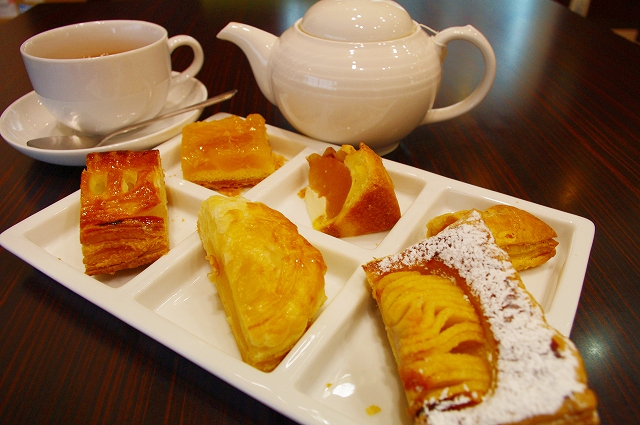
Hirosaki's delicious contribution to food tourism — over 50 bakeries, cafés, and restaurants within the city each create their own distinctive apple pie, resulting in a rich variety of styles from buttery lattice to French-style tarte. The informal 'apple pie road' circuit connects the best shops around the castle park area, making for a memorable afternoon of tastings.

Apple Pie Hirosaki Patisserie Local Sweets
Aomori Apple Varieties & Cider Tasting
📍 Hirosaki, Aomori

Aomori Apple Varieties & Cider Tasting

Aomori Prefecture produces over half of Japan's apples, cultivating more than 50 varieties from the classic Fuji to the rare Mutsu and Sekai-ichi. Visitors can tour roadside orchard stalls and dedicated cider breweries around Hirosaki and Kuroishi, sampling crisp craft ciders made from single-variety harvests. The October apple harvest season brings festivals, picking experiences, and freshly pressed juice.

Apples Cider Local Produce
A-FACTORY Aomori
📍 Aomori City, Aomori

A-FACTORY Aomori

The essential one-stop destination for Aomori food culture — a stylish market building next to Aomori Station showcasing the prefecture's finest edible products. The glass-enclosed cider brewery produces Aomori's famous apple cider on-site; the market hall offers apple juice, local sake, dried scallops, kelp, craft foods, and the best curated Aomori food souvenirs in the prefecture.

Apple Products Local Food Cider Souvenir Shopping
🏔️

Nature

6 spots
Oirase Stream (Oirase Keiryu)
📍 Towada-Hachimantai NP, Aomori

Oirase Stream (Oirase Keiryu)

A designated National Scenic Treasure — 14km of pristine forest gorge along a rapid mountain stream, with 14 named waterfalls including the dramatic Choshi and Kumoi falls. The walking trail between Yakeyama and Nenokuchi is one of Japan's most celebrated nature walks, reaching peak beauty during late October's golden and crimson foliage.

Forest Walk Waterfalls National Park Scenic
Oirase–Towada Autumn Foliage Season
📍 Towada-Hachimantai NP, Aomori

Oirase–Towada Autumn Foliage Season

The Oirase Stream gorge and Lake Towada shore together form one of Japan's most celebrated autumn foliage landscapes — maples, beeches, and firs turning gold, orange, and crimson against rushing white water. Peak colour typically falls between October 20–November 5. Unlike Nikko or Kyoto's famous koyo spots, this landscape remains blissfully free of the most intense crowds.

Autumn Leaves Oirase Stream Lake Towada October
Hotokegaura (Buddha Shore) Coast
📍 Sai Village, Aomori

Hotokegaura (Buddha Shore) Coast

One of Japan's most extraordinary coastal landscapes — white dolomite columns rising up to 100 metres from the Sea of Japan along the Shimokita Peninsula's western coast, their shapes resembling Buddhist saints and figures. Medieval monks named individual formations after Bodhisattvas. Accessible only by seasonal boat tour from Sai village, which makes it almost unknown to foreign visitors.

Sea Cliffs Rock Formations Shimokita Boat Tour
Lake Towada
📍 Towada, Aomori

Lake Towada

A double volcanic crater lake sitting at 320 metres above sea level, filled with water of astonishing clarity. The famous 'Otome no Zo' bronze maidens sculpture graces the lakeside, and 50-minute boat tours reveal the lake's extraordinary blue depths. Autumn colours here — mid-October — rank among Japan's finest.

Volcanic Lake Boat Tour Autumn Leaves Scenic Drive
Shirakami-Sanchi (Juniko 33 Lakes)
📍 Nishitsugaru, Aomori

Shirakami-Sanchi (Juniko 33 Lakes)

The largest surviving tract of virgin beech forest in East Asia — UNESCO World Heritage since 1993. The accessible Juniko (33 Lakes) area features trails through ancient beech woodland to a series of mountain lakes, including Aoike (Blue Pond), whose intense cobalt colour rivals Hokkaido's famous Blue Pond. No crowds, just ancient trees and silence.

UNESCO Primeval Beech Forest Lakes Hiking
Hakkoda Mountains & Ropeway
📍 Aomori, Aomori

Hakkoda Mountains & Ropeway

A volcanic plateau 20 minutes from Aomori City, famed for Japan's deepest snowfall — drifts exceeding 8 metres bury the trees, creating sculpted snow monsters (juhyo) beloved by skiers. The ropeway ascends to 1,324 metres year-round: summer brings alpine wildflowers and 360-degree panoramas; winter offers world-class powder skiing and spectacular rime ice.

Ropeway Alpine Skiing Volcanic
🎿

Leisure

8 spots
Tsuta Onsen Ryokan
📍 Towada NP, Aomori

Tsuta Onsen Ryokan

One of Japan's most atmospheric and difficult-to-book small hot spring inns — a historic thatched-roof ryokan deep in the beech forest of Towada-Hachimantai National Park. Three naturally different hot springs feed wooden tub baths accessed by forest paths. The inn has stood here since 1909; rooms are strictly limited, and bookings open months in advance. Pure magic in autumn foliage season.

Secluded Onsen Beech Forest Historic Inn National Park
Hakkoda Ski Resort
📍 Aomori, Aomori

Hakkoda Ski Resort

One of Japan's legendary powder ski destinations — annual snowfall routinely exceeds 17 metres (among the highest in the world), creating prime conditions for tree skiing in old-growth fir forest. The resort is small (one gondola) but the terrain and snow quality attract serious skiers globally. Snow monsters (juhyo) — fir trees encased in wind-sculpted rime ice — appear from January.

Skiing Powder Snow Off-Piste Deep Snow
Sukayu Onsen
📍 Aomori City area, Aomori

Sukayu Onsen

One of Japan's most historically significant hot springs — operating for over 400 years on the slopes of the Hakkoda volcano. The famous 'sennin-buro' (thousand-person bath) is a vast 160-tatami wooden hall filled with milky sulfuric water, offering one of the last great traditional mixed-gender communal bathing experiences in Japan. Snow outside often exceeds 2 metres even in late March.

Historic Onsen Mixed Bath Hakkoda Milky Sulfur Water
Hakkoda Mountains & Ropeway
📍 Aomori, Aomori

Hakkoda Mountains & Ropeway

A volcanic plateau 20 minutes from Aomori City, famed for Japan's deepest snowfall — drifts exceeding 8 metres bury the trees, creating sculpted snow monsters (juhyo) beloved by skiers. The ropeway ascends to 1,324 metres year-round: summer brings alpine wildflowers and 360-degree panoramas; winter offers world-class powder skiing and spectacular rime ice.

Ropeway Alpine Skiing Volcanic
Tsugaru Apple Orchard Tours
📍 Tsugaru, Aomori

Tsugaru Apple Orchard Tours

Aomori produces 60% of Japan's entire apple harvest — the Tsugaru Plain's orchards are the source of this extraordinary output. From August through November, several farms open for guided picking tours where visitors can taste 20+ apple varieties straight from the tree. Farm stalls sell fresh juice pressed on the spot and single-variety cider that never makes it to city shops.

Apple Picking Farm Tour Tsugaru Seasonal
Aomori Museum of Art (Aomori-ken Bijutsukan)
📍 Aomori City, Aomori

Aomori Museum of Art (Aomori-ken Bijutsukan)

Home to Yoshitomo Nara's colossal 8.5-metre 'Aomori Dog' sculpture — the iconic white dog that has become Aomori's modern symbol. The museum, designed by Jun Aoki with half-buried white volumes referencing archaeological excavation, holds an extensive collection of Nara's fierce-eyed children alongside Marc Chagall's set designs for Aleko.

Yoshitomo Nara Contemporary Art Aomori Dog Architecture
🎆

Events

8 spots
Aomori Nebuta Festival (Aug 2–7)
📍 Aomori City, Aomori

Aomori Nebuta Festival (Aug 2–7)

One of Japan's three great festivals — and many argue the most spectacular. Giant illuminated warrior figures (up to 9 metres tall) crafted from wire and washi paper parade through Aomori City each evening, accompanied by thousands of Haneto dancers in matching costume chanting 'Rassera!' The final night (Aug 7) culminates with floats transported onto Aomori Bay.

Summer Festival Nebuta Floats Haneto Dancers One of Japan's Top 3
Hirosaki Sakura Festival (Late Apr – Early May)
📍 Hirosaki, Aomori

Hirosaki Sakura Festival (Late Apr – Early May)

Consistently voted Japan's single finest cherry blossom site — 2,600 trees around Hirosaki Castle reach peak bloom in late April. The signature image: fallen petals pack the castle moat into a solid pink 'hanaikada' (flower raft), framing the castle tower. Evening illumination until 11pm extends the viewing window; local vendors fill the park with food and sake stalls.

Cherry Blossoms Hirosaki Castle Spring Festival Flower Raft
Oirase–Towada Autumn Foliage Season
📍 Towada-Hachimantai NP, Aomori

Oirase–Towada Autumn Foliage Season

The Oirase Stream gorge and Lake Towada shore together form one of Japan's most celebrated autumn foliage landscapes — maples, beeches, and firs turning gold, orange, and crimson against rushing white water. Peak colour typically falls between October 20–November 5. Unlike Nikko or Kyoto's famous koyo spots, this landscape remains blissfully free of the most intense crowds.

Autumn Leaves Oirase Stream Lake Towada October
Hirosaki Castle Cherry Blossom Festival
📍 Hirosaki, Aomori

Hirosaki Castle Cherry Blossom Festival

Held late April to early May, the Hirosaki Cherry Blossom Festival is consistently voted Japan's best hanami destination, with over 2,600 cherry trees of 52 varieties encircling the moats and ramparts of historic Hirosaki Castle. A carpet of fallen petals floats on the castle moat in a phenomenon locals call the 'flower raft,' creating one of Japan's most photographed spring scenes. Evening illuminations transform the blossoms into a glowing pink canopy.

Cherry Blossoms Castle Spring
Hachinohe Emburi Festival (Feb 17–20)
📍 Hachinohe, Aomori

Hachinohe Emburi Festival (Feb 17–20)

One of Japan's most unusual and least-known major festivals — an ancient rice-planting ceremony performed by farmers wearing magnificent horse-head headdresses (eboshi), dancing to pray for a bountiful harvest. Dating back over 800 years, Emburi groups perform simultaneously across Hachinohe City in an experience that feels genuinely archaic. Virtually unknown to foreign visitors.

Winter Festival Shamanic Dance Horse Headdress Unique
Hirosaki Neputa Festival (Aug 1–7)
📍 Hirosaki, Aomori

Hirosaki Neputa Festival (Aug 1–7)

Hirosaki's answer to Aomori's Nebuta — the floats here are fan-shaped (ogi-neri) rather than warrior-form, featuring painted mythological scenes lit from within. The aesthetic is more refined and mysterious than Aomori's powerful warrior figures. Running simultaneously with Aomori Nebuta (Aug 1–7), the two festivals together form the centrepiece of the Tohoku summer festival circuit.

Summer Festival Fan-Shaped Floats Tsugaru Drumming
🎌

Experience

2 spots
Tsugaru Shamisen Lesson
📍 Hirosaki, Aomori

Tsugaru Shamisen Lesson

Tsugaru shamisen — the ferociously energetic style of three-stringed lute playing born in Aomori's Tsugaru region — is one of Japan's most visceral musical traditions. Short taster lessons in Hirosaki introduce beginners to basic plucking technique and the characteristic hard-hitting bachi strikes, with instructors who perform in the nationally famous Tsugaru Jamisen competitions.

Shamisen Traditional Music Workshop Cultural
Aomori Apple Picking & Juice Pressing
📍 Hirosaki, Aomori

Aomori Apple Picking & Juice Pressing

Aomori produces 60% of Japan's apples and the region around Hirosaki is blanketed with orchards ripening from August to November. Pick-your-own sessions at family farms let visitors sample 30+ varieties straight from the branch, then press fresh juice in a hand-cranked mill to take home — a pure expression of Japan's finest apple-growing heritage.

Apple Fruit Picking Autumn Cider

💡 Practical Travel Tips

Everything you need to know before and during your visit.

🌸
Best Time to Visit
  • Late April – early May — Hirosaki Cherry Blossom Festival (Hirosaki Sakura Matsuri, late Apr to early May) is consistently voted Japan's most beautiful. The moat fills with fallen petals creating a pink carpet. Book hotels 3–6 months in advance.
  • August 2–7 (Nebuta Festival) — The highlight of the Tohoku calendar. Giant illuminated paper floats parade through Aomori City each evening; the final day (Aug 7) culminates with floats launched into Aomori Bay. Combine with Sendai Tanabata (Aug 6–8) for a Tohoku festival circuit.
  • Autumn (Oct–Nov) — Oirase Stream and Lake Towada are among Japan's finest autumn foliage landscapes. Peak colour: mid-October to early November. Fewer crowds than Kyoto.
  • Winter (Dec–Mar) — Heavy snowfall transforms Aomori into a deep winter landscape. Sukayu Onsen's famous mixed-bath (sennin-buro) is especially atmospheric in snow. Apple picking ends in November but fresh apples are available at farm stalls all winter.
💴
Budget Guide
  • Budget (¥5,000–¥9,000/day) — Guesthouse in Aomori City, senbei-jiru set lunch (¥900–¥1,200), Nebuta Museum WA RASSE (¥620), Oirase Stream bus trip.
  • Mid-range (¥15,000–¥28,000/day) — Business hotel in Hirosaki, rental car for Lake Towada day trip, fresh tuna bowl at Aomori fish market, Hirosaki Castle (¥420).
  • Luxury (¥40,000+/day) — Traditional ryokan at Sukayu Onsen with kaiseki dinner, private guide for Oirase forest walk, omakase sushi with Oma tuna in Aomori City.
  • Nebuta Festival grandstand seats: ¥2,000–¥3,000. Worth it for the front-row view of the illuminated floats.
🚗
Getting Around
  • A rental car is essential for visiting Oirase Stream, Lake Towada, Sukayu Onsen, and the Tsugaru Peninsula. Pick up at Aomori Station or Shin-Aomori Station. Toyota Rent A Car and Times Car Rental have reliable English GPS units.
  • The JR Ou Main Line between Aomori and Hirosaki is reliable and frequent (35 min, ¥680) — use this if only visiting the two main cities.
  • During Nebuta Festival, the city centre roads close for parades — taxis and buses cannot get through. Walk from your hotel to the route, or take early trains from Hirosaki.
  • The Tsugaru Free Pass (¥3,500, 4 days) covers JR trains across the Tsugaru area including Aomori–Hirosaki and bus connections. Useful if not renting a car.
📱
Staying Connected
  • Buy a data SIM or pocket WiFi before arriving in Aomori — the selection at Aomori Airport is limited compared to major airports. Hiroshima-brand SIMs are widely available online (IIJmio, Mineo).
  • Rural areas around Oirase Stream and Lake Towada have patchy coverage — download offline maps (Maps.me or Google Maps offline) before leaving the city.
  • Aomori Station, Hirosaki Station, and most major tourist facilities have free WiFi.
🍽️
Food & Dining Tips
  • Oma tuna — the bluefin tuna from Oma (northernmost point of Honshu) is considered Japan's finest, with exceptional fat content from the cold Tsugaru Strait. Best eaten at Aomori City's Furukawa fish market (朝市) or dedicated tuna restaurants in central Aomori. Sashimi sets ¥1,500–¥3,000.
  • Senbei-jiru (南部煎餅汁) — a hot pot soup with broken wheat crackers instead of rice or noodles, vegetables, and chicken or mushrooms. A genuine comfort food unique to Aomori and neighbouring Iwate. Available at traditional restaurants throughout the prefecture.
  • Tsugaru-style apples — Aomori produces 60% of Japan's apples. Farm stalls in the Tsugaru Plain sell direct at harvest (August–November). Apple juice, apple pie, and apple cider are local specialities available year-round.
  • The A-FACTORY building next to Aomori Station is the best one-stop spot for Aomori food souvenirs — mentaiko apple products, local sake, dried scallops, and artisan food stalls.
🎌
Etiquette & Culture
  • At Nebuta Festival, you can join the Haneto dancer groups who accompany the floats — renting a costume (¥2,000–¥4,000) is encouraged. The chant is "Rassera, rassera, rasserasserasse-ra!" — practice it before you go.
  • Tsugaru dialect is notably different from standard Japanese — locals may find your confusion amusing and will happily switch to standard Japanese for visitors.
  • Sukayu Onsen's sennin-buro (1,000-person bath) is a traditional mixed-gender communal bath — a rare experience in modern Japan. Modesty towels are provided; follow the onsen etiquette of washing thoroughly before entering.
  • Aomori's rural culture values hospitality (omotenashi) — if you're lost or confused, locals will often go out of their way to help, sometimes walking you to your destination.

🏨 Find Hotels in Aomori

Compare prices across hundreds of hotels — from budget capsules to luxury ryokan.

Search Hotels on Booking.com →

🎌 Tours &amp; Experiences

Book guided tours, day trips, cooking classes, and cultural experiences.

Browse Tours on Viator →

🗺️ Activities &amp; Attractions

Skip the queues — pre-book entry tickets, day tours, and local experiences.

Explore on GetYourGuide →

🎟️ Things to Do in Aomori

Discover tickets, transport passes, and unique local experiences in Aomori with Klook.

Book on Klook →

🚄 JR Pass &amp; Rail Tickets

Pre-purchase your Japan Rail Pass online before you arrive — the easiest way to travel by Shinkansen across Japan.

Buy JR Pass on JRPass.com →
🗺️ Plan