


Nokogiri-yama (Mt. Nokogiri)
A dramatic serrated ridge on the Boso Peninsula with stunning Tokyo Bay views, a colossal cliff-carved Buddha (31 m), and a cliffside Jizo statue overlooking the sea.
Kanto · Prefecture Guide
Ancient temples at the airport gate, Japan's longest beach, a colossal cliff Buddha, and the freshest seafood in the Kanto region
Chiba wraps around the eastern side of Tokyo Bay and stretches far into the Pacific, creating a prefecture of surprising contrasts. Within its borders you'll find one of Japan's most important Buddhist temples minutes from Narita Airport, the colossal Kujukuri beach strip — the longest straight sandy shoreline in Japan — a cliff-face Buddha carved into the mountain above Tokyo Bay, Tokyo Disney Resort, and the wild, largely undiscovered Boso Peninsula with its ancient walking trails, morning fish markets, and rapeseed-framed rural railways. Chiba rewards travellers who venture beyond the airport and the theme parks into a region that most tourists simply pass through.
Chiba is unique among Japanese prefectures in that it contains Narita International Airport — Japan's main gateway for international arrivals. This makes it instantly accessible for overseas visitors. Naritasan Temple is a 15-minute walk from the airport area; Tokyo's Chiba suburbs are 30–40 minutes by express train; and the Boso Peninsula's coastal towns require 60–120 minutes from Tokyo.
Deep-dive guides to help you plan every aspect of your visit — from top sightseeing spots to the best restaurants and seasonal events.
A dramatic serrated ridge on the Boso Peninsula with stunning Tokyo Bay views, a colossal cliff-carved Buddha (31 m), and a cliffside Jizo statue overlooking the sea.

One of Japan's most visited temples — a grand complex of halls, pagodas, and serene gardens founded over 1,000 years ago, just minutes from Narita Airport.

A hidden gem in the Kimitsu mountains — a perfectly circular cave formed by the Shimizu River, through which morning light creates a glowing heart-shaped reflection on the water each spring and autumn. One of Chiba's most photographed natural spots.
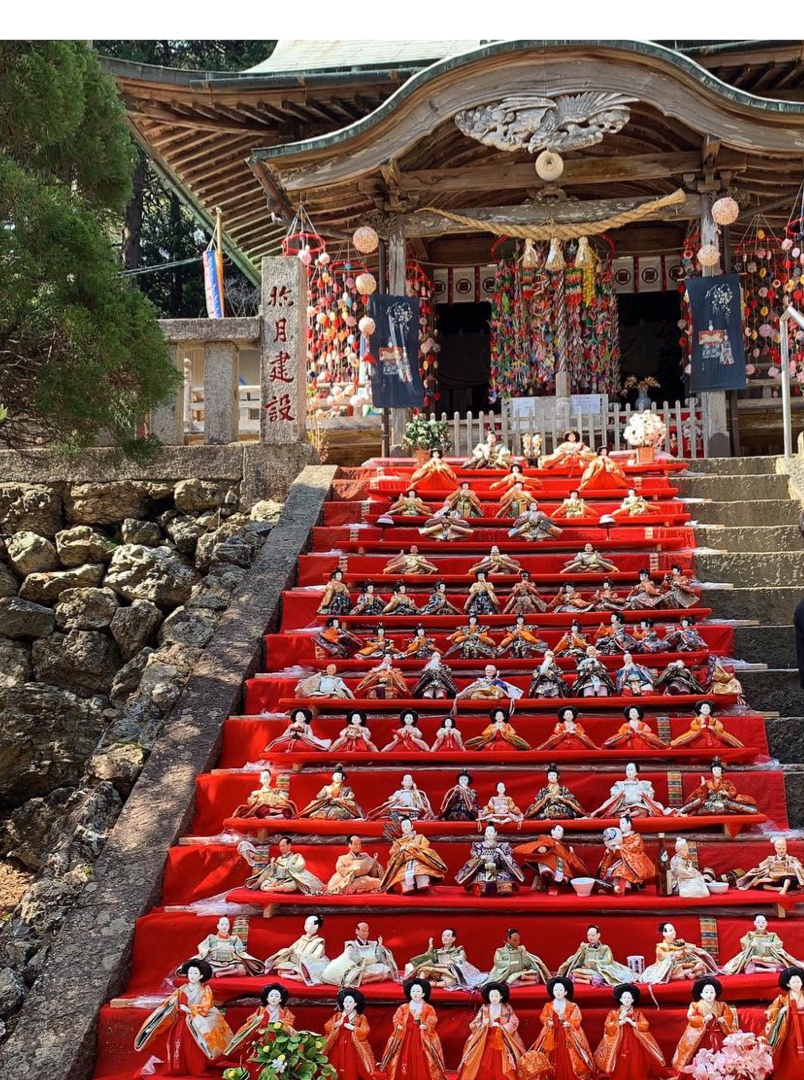
The seaside town of Katsuura displays over 30,000 hina dolls on outdoor stone staircases in March — one of Japan's most spectacular Hinamatsuri displays.

A secluded hot-spring village tucked deep in the forested Yoro River gorge in central Chiba — famous for some of the finest autumn foliage in the Kanto region and traditional ryokan with open-air baths above the river.

Tateyama, Isumi, and Otaki preserve Edo-period merchant architecture and old-fashioned town streets far from Tokyo crowds, perfect for unhurried exploration.

Katsuura's morning fish market opens to the public — buy sashimi-grade bluefin tuna, bonito, and live seafood direct from fishing boats, then have it prepared next door.

The famous 800 m approach road to Naritasan temple is lined with century-old unagi (eel) restaurants. Grilled eel set lunches here are considered among the finest in Japan.

The Pacific coast off Katsuura is Japan's premier bonito fishing ground. Try seared katsuo tataki — thick slabs flash-charred over rice straw — at harbourside restaurants.

Choshi at the tip of the Boso Peninsula is Japan's largest fishing port and home to the Yamasa and Higeta soy sauce breweries. Izakaya menus overflow with ultra-fresh local fish.

Chiba is Japan's peanut capital — producing over 80% of the nation's crop. Local peanut tofu, freshly ground peanut butter, and fried peanut snacks make excellent souvenirs.
A dramatic serrated ridge on the Boso Peninsula with stunning Tokyo Bay views, a colossal cliff-carved Buddha (31 m), and a cliffside Jizo statue overlooking the sea.

Every March–April, the single-track Isumi Railway runs through golden rapeseed fields and blooming cherry trees — photographers line the tracks for this iconic rural Japan scene.
A hidden gem in the Kimitsu mountains — a perfectly circular cave formed by the Shimizu River, through which morning light creates a glowing heart-shaped reflection on the water each spring and autumn. One of Chiba's most photographed natural spots.

The southern Boso Peninsula around Tateyama and Minamiboso hosts Japan's earliest seasonal flowers — canola fields blooming in February against views of Mt. Fuji across the bay, followed by poppies and nemophila in spring. The cliffs of Nokogiriyama offer 360° panoramas from a dramatic giant stone Buddha 30 m above the sea of trees.

The Nokogiri mountain ridge offers several hiking routes through old cedar forest, with cliffside viewpoints over Tokyo Bay and a ropeway option for easy access.

The Pacific waters off Cape Inubosaki are prime whale-watching territory from October to January — local charter boats offer half-day tours to spot humpback and sperm whales.

Tokyo Disneyland and Tokyo DisneySea — two of the world's highest-rated theme parks, located in Urayasu on Tokyo Bay. Book tickets and accommodation well in advance.

Japan's longest straight sandy beach — 66 km of Pacific Ocean shore with reliable surf, clear water, and wide open skies just 1.5 hours from Tokyo.
The Pacific swells along Kujukuri Beach make it the Kanto region's top surf spot. Numerous surf schools cater to beginners, and equipment hire is widely available.

The Boso Peninsula has a well-marked coastal cycling path circling the entire peninsula — popular among touring cyclists for gentle terrain, sea views, and rural onsen stops.

A J-League football match at Kashiwa's Sankyo Frontier Kashiwa Stadium offers a genuine look at Japan's vibrant domestic football culture — ultra supporter groups with coordinated chants, pre-match taiko drumming, and the uniquely polite crowd etiquette (applauding good play from the opposing team) that characterises Japanese sports fans.

Baseball games at ZOZO Marine Stadium and a pleasant waterfront park along Tokyo Bay — a popular local outing combining sport and seaside strolling.

Sawara's Yasaka Shrine festival (July) and Suwa Shrine festival (October) are listed among Japan's greatest float festivals. Giant papier-mâché figures of legendary heroes ride elaborately decorated dashi floats through the narrow Edo-period waterway streets, accompanied by hayashi festival music — a spectacle that has continued for 300 years.

Naritasan Shinshoji Temple's Setsubun festival on February 3 draws hundreds of thousands for the bean-throwing ceremony (mamemaki). Sumo yokozuna champions and kabuki actors in elaborate hairstyles and costumes throw bags of lucky beans from a stage — the combination of celebrity, tradition, and crowd joy makes this Japan's most spectacular Setsubun event.
Japan's largest Setsubun celebration — kabuki actors and sumo wrestlers throw lucky beans to tens of thousands of visitors at Naritasan Shinshoji Temple on February 3.
Every March–April, the single-track Isumi Railway runs through golden rapeseed fields and blooming cherry trees — photographers line the tracks for this iconic rural Japan scene.
The Pacific waters off Cape Inubosaki are prime whale-watching territory from October to January — local charter boats offer half-day tours to spot humpback and sperm whales.

Izumi Nature Park (泉自然公園) in Chiba City bursts with over 500 cherry trees each April, hosting the popular Sakura Matsuri with food stalls, folk performances, and festive crowds against a backdrop of rolling blossom-covered hills.

The Boso Peninsula's Pacific and Tokyo Bay coastlines offer calm-water sea kayaking through sea caves, past fishing villages, and along rocky headlands teeming with seabirds. Guided half-day tours from Katsuura and Tateyama suit beginners, while experienced paddlers can arrange multi-day coastal expeditions staying in minshuku guesthouses along the Uchibo coast.

Naritasan Shinshoji Temple's cultural centre offers shodo (calligraphy) workshops in a tatami room overlooking the temple gardens. Instructors teach brush-loading technique, the basic strokes of hiragana or kanji characters, and composition on traditional washi paper — participants leave with a framed piece of their own calligraphy mounted for display.
Everything you need to know before and during your visit.
Compare prices across hundreds of hotels — from budget capsules to luxury ryokan.
Search Hotels on Booking.com →Book guided tours, day trips, cooking classes, and cultural experiences.
Browse Tours on Viator →Skip the queues — pre-book entry tickets, day tours, and local experiences.
Explore on GetYourGuide →Discover tickets, transport passes, and unique local experiences in Chiba with Klook.
Book on Klook →Pre-purchase your Japan Rail Pass online before you arrive — the easiest way to travel by Shinkansen across Japan.
Buy JR Pass on JRPass.com →