Shikoku · Prefecture Guide

Ehime Travel Guide

Japan's oldest hot spring bathhouse, a hilltop castle with original keeps, the world's most scenic cycling bridge route, and citrus groves spilling down to a turquoise sea

♨️ Dogo Onsen — Japan's Oldest Hot Spring🏯 Matsuyama Castle (Original Keep)🚴 Shimanami Kaido Cycling Route🍊 Mikan Oranges — Japan's Top Producer🏘️ Ozu — The Little Kyoto of Shikoku

🗾 About Ehime

Ehime is where Japan's oldest hot spring bathhouse soaks in 3,000 years of history, where a genuine original-keep castle crowns a city hill, and where a chain of islands connected by graceful suspension bridges has become the world's most celebrated cycling route. Dogo Onsen Honkan — the creaking Meiji-era bathhouse widely believed to have inspired Studio Ghibli's Spirited Away — sits at the heart of Matsuyama city, surrounded by traditional inns and sake bars. Sixty kilometres west, the Shimanami Kaido spans six islands and five sea bridges between Imabari and Onomichi, offering cyclists and motorcyclists a route of extraordinary beauty. And in the south, Ozu's vine-bridge castle and cormorant fishing tradition feel utterly removed from modern Japan.

🌏
Location
Northwest Shikoku, facing the Seto Inland Sea and Uwa Sea
🗣️
Language
Japanese (English at Matsuyama tourist sites; Dogo Onsen has multilingual staff)
💴
Currency
Japanese Yen (JPY) — IC cards in cities; cash for rural ryokan and small shops
🕐
Time Zone
JST (UTC+9) — no daylight saving
🌡️
Best Season
Spring (Mar–May) & Autumn (Oct–Nov) for cycling; mild winters for onsen
✈️
Nearest Airports
Matsuyama Airport (MYJ) · Takamatsu (TAK) 1.5 hr · Hiroshima (HIJ) via ferry/bridge
🚌
Getting Around
JR Yosan Line · Iyotetsu tram in Matsuyama · rental bike/car for Shimanami Kaido
Power Plug
Type A, 100V / 50Hz

✈️ Getting There

Matsuyama is the main gateway, served by Matsuyama Airport with direct flights from Tokyo Haneda, Osaka, and Nagoya. The Shimanami Kaido starts from Imabari (40 min from Matsuyama by JR) or the Onomichi end in Hiroshima prefecture. Ferry connections link Matsuyama to Hiroshima and Oita (Kyushu).

✈️ From Tokyo (Haneda)
  • Fly to Matsuyama Airport (MYJ) — ANA/JAL direct: 1 hr 20 min. From ¥12,000 (sale). Airport bus to Matsuyama city: 15 min, ¥480.
  • Shinkansen + train — Tokyo to Okayama (3 hr 15 min), limited express to Matsuyama (~2 hr 30 min). Total ~6 hr. Covered by JR Pass.
🚄 From Osaka / Hiroshima
  • JR from Okayama via Yosan Line — Shin-Osaka to Okayama (30 min), limited express Shiokaze to Matsuyama (2 hr 30 min). Total ~3 hr. ¥8,500.
  • Ferry from Hiroshima Ujina Port — High-speed ferry to Matsuyama Kanko Port: 1 hr 10 min. ¥7,100 return. Scenic and convenient.
🚴 Shimanami Kaido Access
  • From Imabari (Ehime side) — JR from Matsuyama to Imabari: 40 min, ¥840. Rental bikes available at Imabari Station or Sunrise Itoyama cycle terminal.
  • From Onomichi (Hiroshima side) — Ferry from Onomichi to Mukaishima, then cycle south to Imabari (~70 km). Giant bicycle shop at Onomichi rents quality road bikes.
  • Rental bicycle options — GIANT store in Onomichi (¥3,000/day for road bike), cycle terminals at each island bridge. Bicycles can be dropped off at the other end (¥1,100 surcharge).
🚌 Getting Around Ehime
  • Iyotetsu Tram (Matsuyama) — Japan's oldest surviving private railway, trams run through central Matsuyama to Dogo Onsen. ¥180 flat fare.
  • Dogo Onsen from Matsuyama Station — Tram: 20 min. Or Iyotetsu bus: 15 min. Matsuyama is compact and very walkable.
  • JR Yosan Line — Connects Matsuyama with Imabari (north) and Uwajima/Ozu (south). Limited express Shiokaze and Uzu are comfortable.
💡 Travel TipThe <strong>Shimanami Kaido Giant Loop bicycle pass</strong> (¥3,000 for 3 days) is excellent value if cycling the full route. Book rental bikes in advance during Golden Week (late April–early May) and autumn (October–November) as they sell out.

📖 Recommended Travel Guides

Deep-dive guides to help you plan every aspect of your visit — from top sightseeing spots to the best restaurants and seasonal events.

⛩️

Sightseeing

6 spots
Oyamazumi Jinja (Omishima Island)
📍 Omishima Island, Imabari, Ehime

Oyamazumi Jinja (Omishima Island)

Japan's most important shrine for the gods of war, sea, and mountains, located on Omishima island along the Shimanami Kaido. The shrine treasury holds over 80% of Japan's designated national treasure armour and swords.

Sacred Shrine
Dogo Onsen Honkan
📍 Dogo, Matsuyama, Ehime

Dogo Onsen Honkan

Japan's oldest hot spring bathhouse, dating to 1894, widely believed to have inspired Studio Ghibli's Spirited Away. The iconic three-storey Meiji wooden structure is a National Important Cultural Property. Multiple bath tiers available.

Oldest Hot Spring
Matsuyama Castle
📍 Matsuyama, Ehime

Matsuyama Castle

One of Japan's 12 original castles with an unrestored wooden keep, perched on a hill above Matsuyama city. The ropeway or gondola lift provides access. In spring, cherry blossoms surround the keep in a spectacular display.

Historic Castle
Ozu Castle & Cormorant Fishing
📍 Ozu, Ehime

Ozu Castle & Cormorant Fishing

A beautifully restored hilltop castle in Ozu, called the 'Little Kyoto of Shikoku'. From May to September, traditional ukai (cormorant fishing) takes place on the Hijikawa River below, with viewing boats available.

Historic Town
Kosan-ji Temple (Ikuchijima)
📍 Ikuchijima Island, Onomichi, Ehime

Kosan-ji Temple (Ikuchijima)

A flamboyant temple on Ikuchijima island along the Shimanami Kaido, built by a businessman in the 1950s as a tribute to his late mother. The temple complex is covered in gold leaf and extravagant reproductions of famous Japanese architectural works.

Golden Temple
Uwajima Castle
📍 Uwajima, Ehime

Uwajima Castle

One of Japan's 12 surviving original-keep castles, Uwajima Castle sits on a low hill overlooking the Uwa Sea. It is notable for its compact, elegant three-storey tower and peaceful grounds. The city is also known for bullfighting (togyu).

Original Keep Castle
🍜

Gourmet

7 spots
Taimeshi (Sea Bream Rice)
📍 Matsuyama, Ehime

Taimeshi (Sea Bream Rice)

Ehime's most celebrated local dish, served in two regional styles: Matsuyama-style (raw sea bream on hot rice with egg and dashi broth) and Uwa-style (whole grilled sea bream cooked directly over rice). Both versions showcase the exceptional quality of Ehime's Seto Inland Sea snapper.

Signature Dish
Saijo Sake Breweries
📍 Saijo, Ehime

Saijo Sake Breweries

Saijo City is one of Japan's most celebrated sake-brewing towns, famous for its exceptionally soft water drawn from the Nishiyama groundwater system. The city has 8 active breweries in a small area, many offering tastings. Labels including Chitosetsuru and Sachi no Tsuru are sought after.

Soft-Water Sake
Mikan & Citrus Products
📍 Throughout Ehime Prefecture

Mikan & Citrus Products

Ehime produces around 20% of Japan's mikan (mandarin oranges) and is also famous for iyokan, dekopon, and beni madonna — some of Japan's finest citrus varieties. The terraced orange groves spilling down hillsides to the Uwa Sea are iconic Ehime scenery.

Japan's Top Citrus
Matsuyama Ramen & Imabari Yakibuta
📍 Matsuyama & Imabari, Ehime

Matsuyama Ramen & Imabari Yakibuta

Ehime has two distinct local ramen styles: Matsuyama-style, featuring a soy-based broth with a delicate balance of sweetness, and Imabari-style featuring thick noodles with a strong pork-bone broth and distinctive 'yakibuta' (grilled pork slices). Both reflect the prefecture's confident food culture.

Local Noodles
Jakoten Fish Cake
📍 Yawatahama, Ehime

Jakoten Fish Cake

A beloved Ehime snack made from small ground fish (primarily small sharks and other bycatch), mixed and deep-fried into a flat cake. The texture is dense and chewy with a pleasantly savoury, slightly salty fish flavour. Sold hot from the fryer at market stalls.

Local Snack
Kamaboko & Seafood Products
📍 Yawatahama, Ehime

Kamaboko & Seafood Products

Ehime's Seto Inland Sea location makes it exceptional for seafood-based preserved foods. Kamaboko (steamed fish paste), chikuwa (grilled fish tube), and satsuma-age (fried fish cake) are produced locally in many regional styles. Yawatahama's morning market is the best place to sample and buy.

Seto Sea Cuisine
🏔️

Nature

4 spots
Shimanami Kaido Sea Views
📍 Shimanami Kaido, Imabari, Ehime

Shimanami Kaido Sea Views

The Shimanami Kaido connects six islands between Imabari (Ehime) and Onomichi (Hiroshima) with five spectacular suspension bridges over the Seto Inland Sea. The views of island-dotted emerald waters from bridge walkways are considered among the most beautiful in Japan.

Island Sea Bridge Route
Mt. Ishizuchi
📍 Ishizuchi, Ehime

Mt. Ishizuchi

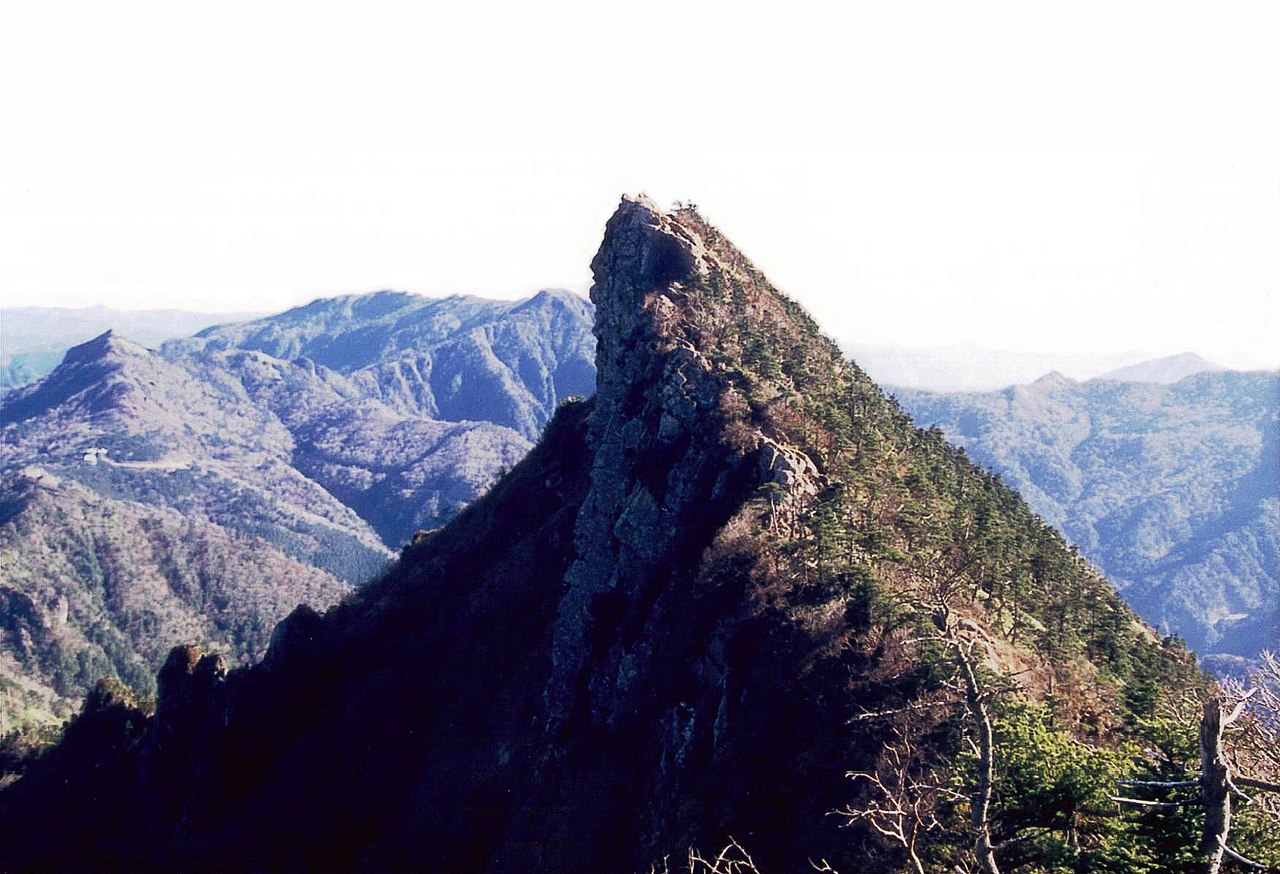
At 1,982 metres, Mt. Ishizuchi is the highest mountain in western Japan and a sacred peak of the Shugendo mountain ascetic tradition. The dramatic ridge walk features vertical chain-assisted climbs on the traditional pilgrimage route. Panoramic views from the summit extend to the Seto Inland Sea.

Highest Peak in W. Japan
Shikoku Karst Plateau
📍 Shikoku Karst, Ehime-Kochi Border

Shikoku Karst Plateau

A dramatic limestone karst plateau straddling the Ehime-Kochi border at 1,400 metres elevation, with white limestone rocks jutting from green alpine pastures grazed by dairy cattle. The panoramic views of both the Pacific side and Seto Inland Sea side of Shikoku are extraordinary.

Karst Highlands
Uwa Sea & Sightseeing Boat
📍 Uwajima, Ehime

Uwa Sea & Sightseeing Boat

The Uwa Sea on Ehime's western coast is a drowned ria coastline of extraordinary beauty — dozens of small islands, pearl oyster farms, and fishing villages accessible by local ferry. The Uwa-jima area offers glass-bottom boat tours to see pearl cultivation and coral.

Ria Coastline
🎿

Leisure

5 spots
Shimanami Kaido Cycling
📍 Shimanami Kaido, Imabari, Ehime

Shimanami Kaido Cycling

The 70-kilometre cycling route across six islands between Imabari and Onomichi is widely considered the world's most scenic cycling route. Dedicated cycle lanes, well-marked blue line routes, and rental terminals on each island make it accessible to all fitness levels.

World-Class Cycling
Shimanami Kaido Cycling (Ehime Side)
📍 Imabari, Ehime

Shimanami Kaido Cycling (Ehime Side)

Starting from Imabari on the Ehime side, the 70-km Shimanami Kaido cycling route crosses six Seto Inland Sea islands via spectacular suspension bridges — including the world's longest bicycle-exclusive suspension bridge. Citrus groves, fish drying racks, and traditional fishing villages line the route, with salt-wind cycling and epic sea views all the way to Onomichi.

Cycling Bridge Seto Inland Sea Imabari
Dogo Onsen Bathing Experience
📍 Dogo, Matsuyama, Ehime

Dogo Onsen Bathing Experience

Bathing at Dogo Onsen is one of Japan's most memorable hot spring experiences — the sodium bicarbonate waters are gentle on the skin and the atmospheric Meiji wooden buildings add historical depth. Multiple facilities (Honkan, Asuka-no-Yu, Tsubaki-no-Yu) cater to different preferences.

Historic Bathing
Sea Kayaking in the Seto Inland Sea
📍 Imabari & Seto Inland Sea, Ehime

Sea Kayaking in the Seto Inland Sea

The calm, island-sheltered waters of the Seto Inland Sea offer ideal conditions for sea kayaking. Multi-day guided paddling tours connect small islands with overnight stays at fishing village guesthouses. Day tours from Imabari explore the Kurushima island chain.

Island Paddling
Mt. Ishizuchi Hiking & Chain Climbing
📍 Ishizuchi, Ehime

Mt. Ishizuchi Hiking & Chain Climbing

Three traditional iron chain routes ascend the sacred peak of Mt. Ishizuchi — the steepest chain section rises nearly vertically up a bare granite face. The pilgrimage route has been walked by Shugendo practitioners for over 1,000 years. Summit views on clear days reach both coasts of Shikoku.

Sacred Mountain Trek
🎆

Events

5 spots
Niihama Taiko Drum Festival (October)
📍 Niihama, Ehime

Niihama Taiko Drum Festival (October)

One of Japan's greatest festival spectacles — 54 massive festival floats (taiko-dai), each weighing 2.5 tonnes and decorated with elaborate golden ornaments, are carried through the streets by teams of young men. The floats are then used in dramatic float-carrying contests (kakikurabe).

Taiko Festival
Dogo Onsen Spring Festival
📍 Matsuyama, Ehime

Dogo Onsen Spring Festival

Dogo Onsen's spring festival (April) celebrates Japan's oldest hot spring with a mikoshi procession carrying a portable shrine through the bathhouse district, traditional dance performances, and special public bath events. The festival's highlight is the night procession when lantern-lit mikoshi pass the illuminated Meiji-era bathhouse facade — one of Japan's most photogenic festival settings.

Onsen Spring Festival Traditional Mikoshi
Uwajima Toro Nagashi Lantern Float
📍 Uwajima, Ehime

Uwajima Toro Nagashi Lantern Float

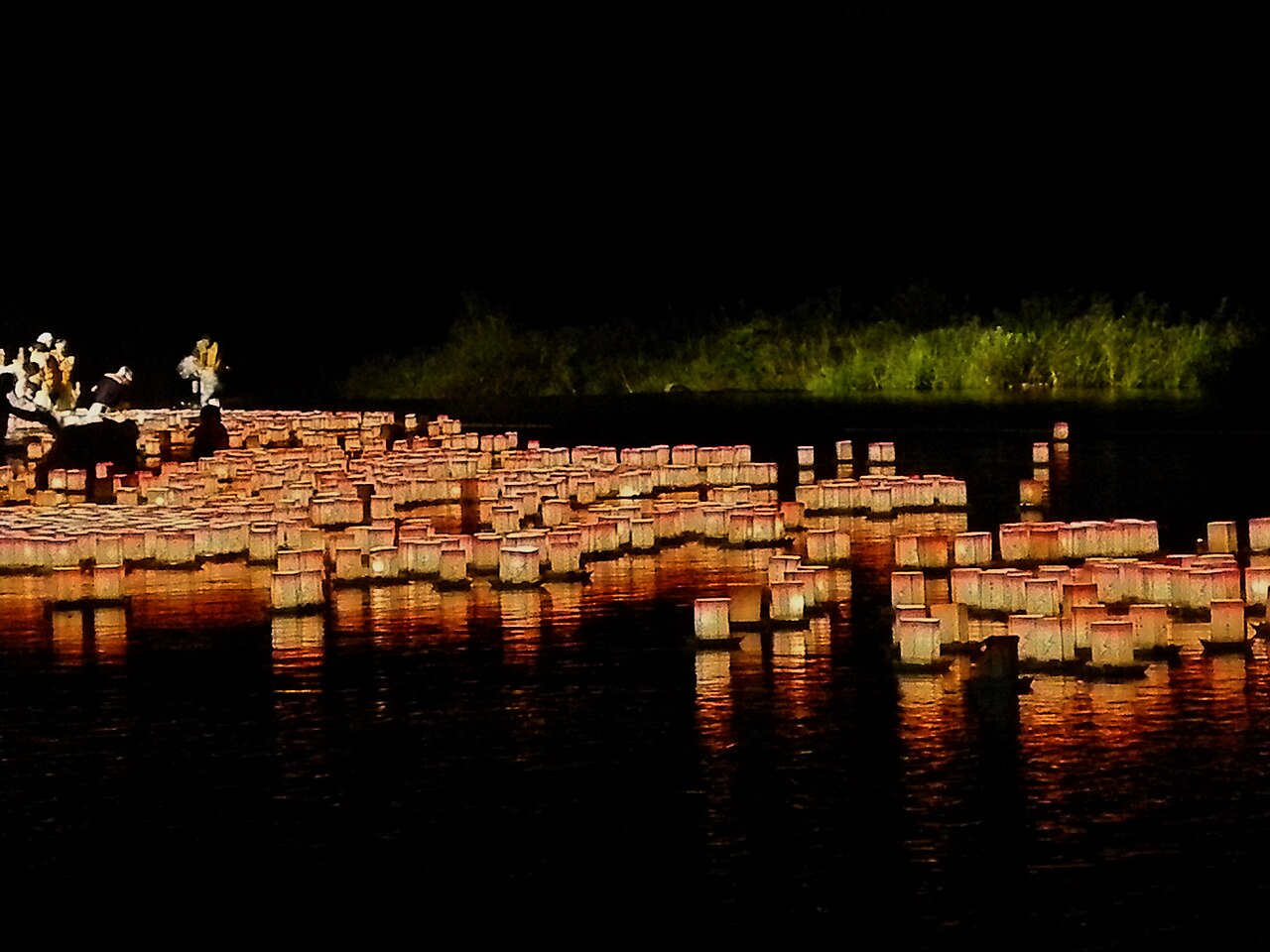
On August 14 during Obon, Uwajima city releases hundreds of illuminated paper lanterns on the Suka River to guide ancestral spirits back to the afterlife. The slow-moving stream of glowing lanterns drifting seaward in the summer dusk, accompanied by traditional music from the riverside, creates a meditative and deeply moving spectacle unique to this castle town.

Lantern Float Obon River Summer
Uwajima Ushioni Festival (July)
📍 Uwajima, Ehime

Uwajima Ushioni Festival (July)

One of Shikoku's oldest and most distinctive festivals, held every July 22–24 in Uwajima. The centrepiece is the ushioni — a fierce bull-demon float with a long serpentine body carried through the streets. Accompanied by traditional music, fireworks over Uwajima Bay, and yakyu (bullfighting) events.

Ancient Festival
Matsuyama Festival (August)
📍 Matsuyama, Ehime

Matsuyama Festival (August)

Held over three days in mid-August, the Matsuyama Festival features the spectacular Dogo Onsen Matsuri parade and the lively bon-odori (folk dancing) processions through the city centre. The festival celebrates the end of summer with traditional costumes, taiko drums, and street food stalls.

Summer Festival
🎌

Experience

1 spots
Dogo Onsen Historic Bathhouse Experience
📍 Matsuyama, Ehime

Dogo Onsen Historic Bathhouse Experience

Dogo Onsen Honkan — Japan's oldest continuously operating hot spring bathhouse (opened in its current form in 1894) — is a three-storey wooden building that inspired the spirit bathhouse in Spirited Away. The signature Tama no Yu (Spirit Bath) requires a reservation and includes bathing in a private stone tub, wearing a yukata, and being served hot tea and monaka wafer sweets in an upstairs tatami room.

Onsen Historic Dogo Natsume Soseki

💡 Practical Travel Tips

Everything you need to know before and during your visit.

♨️
Dogo Onsen Essentials
  • The Honkan (main building) is the historic 1894 structure. It underwent major renovation in 2019 and reopened progressively — check the current open wings before visiting (some baths may still be under phased reopening).
  • Entry tiers: Kami-no-Yu (1F public bath, ¥460), Tama-no-Yu (2F private rooms + tea, ¥1,560), Yushinden (imperial suite viewing, ¥1,610). Book the Yushinden via website.
  • The Dogo Onsen Annex (Asuka-no-Yu) is the newer companion facility — less crowded, excellent quality, and features artwork by Otomo Katsuhiro (Akira). Open until 23:00.
  • The charming Dogo shopping arcade (Honmachi Shotengai) leading to the bathhouse is lined with sweet shops, sake brewers, and craft souvenirs — allow time to browse.
🏯
Matsuyama Castle
  • Matsuyama Castle is one of Japan's 12 original castles with an unrestored wooden keep — a rare authentic survival from the feudal era. Entry ¥520 (+ ¥270 ropeway or gondola).
  • The ropeway takes 3 minutes; the gondola (lift chair) takes 6 minutes and offers open-air views of the city and Seto Inland Sea — the more scenic option on clear days.
  • Spring (late March): one of western Japan's finest cherry blossom castle settings — the keep surrounded by pink sakura trees. Arrive early; the grounds are very popular.
  • Combine with Ninomaru Shiseki Teien — a beautiful garden reconstructed on the castle's second bailey. Free entry.
🚴
Shimanami Kaido Cycling
  • The full route from Imabari (Ehime) to Onomichi (Hiroshima) is 70 km and usually takes a full day of comfortable cycling. Most riders take 6–8 hours including stops.
  • Each of the 6 islands (Oshima, Hakatajima, Omishima, Ikuchijima, Mukaishima) has its own character — Omishima has Japan's oldest shrine (Oyamazumi Jinja), Ikuchijima has a temple covered in 1 billion yen of gold leaf (Kosan-ji).
  • The cycling route is well-marked with blue lines painted on the road. Bicycle rental terminals at each bridge let you return bikes at a different point.
  • E-bikes (denki assist) are available at major rental points for ¥1,500/day extra — highly recommended for the bridge climbs.
🍊
Mikan & Local Food
  • Ehime produces about 20% of Japan's mikan (mandarin oranges). The season runs October–February; roadside stalls and farm shops offer excellent value.
  • Taimeshi (sea bream mixed rice) is Ehime's signature dish — served two ways: Matsuyama style (raw sea bream on rice with egg and dashi) and Uwa style (grilled sea bream on rice). Both are outstanding.
  • Jakoten (small fish cake) is a local snack eaten hot from the fryer — ¥100–¥200 per piece at fish shops near Matsuyama's Okaido shopping street.
  • Ehime sake breweries cluster around Saijo (the city, not the ward) — known for soft-water sake that is exceptionally smooth. Look for Chitosetsuru and Sachi no Tsuru labels.
💴
Budget Guide
  • Budget (¥5,000–¥9,000/day) — Guesthouse in Matsuyama, Dogo Onsen Kami-no-Yu, taimeshi lunch, tram transport.
  • Mid-range (¥15,000–¥28,000/day) — Dogo Onsen ryokan with dinner, Matsuyama Castle, day cycling on Shimanami.
  • Luxury (¥40,000+/day) — Luxury Dogo ryokan, private cycling guide on Shimanami, kaiseki with Seto seafood.
  • The Matsuyama Sightseeing Pass (¥1,700/day) covers unlimited trams, selected bus routes, and discounts at the castle and Dogo Onsen — good value for a city exploration day.

🏨 Find Hotels in Ehime

Compare prices across hundreds of hotels — from budget capsules to luxury ryokan.

Search Hotels on Booking.com →

🎌 Tours &amp; Experiences

Book guided tours, day trips, cooking classes, and cultural experiences.

Browse Tours on Viator →

🗺️ Activities &amp; Attractions

Skip the queues — pre-book entry tickets, day tours, and local experiences.

Explore on GetYourGuide →

🎟️ Things to Do in Ehime

Discover tickets, transport passes, and unique local experiences in Ehime with Klook.

Book on Klook →

🚄 JR Pass &amp; Rail Tickets

Pre-purchase your Japan Rail Pass online before you arrive — the easiest way to travel by Shinkansen across Japan.

Buy JR Pass on JRPass.com →
🗺️ Plan