Kyushu · Prefecture Guide

Fukuoka Travel Guide

Japan's most liveable city — Hakata ramen steaming at midnight yatai stalls, ancient shrines, canal punting, and the soul of Kyushu

🍜 Hakata Ramen — Japan's Most Famous Tonkotsu🧆 Mentaiko — Spicy Pollock Roe, Born in Hakata⛩️ Dazaifu Tenmangu — 1,100-Year-Old Scholar Shrine🥁 Hakata Gion Yamakasa — One of Japan's Top Festivals🚣 Yanagawa — Canal City with Punting Boats

🗾 About Fukuoka

Fukuoka is consistently ranked Japan's most liveable city — and for good reason. It combines a genuine food culture (ramen, mentaiko, motsu nabe, hakata-style yakitori) with manageable scale, excellent transport, mild winters, and a relaxed Kyushu warmth that sets it apart from the intensity of Tokyo and Osaka. The Hakata district's yatai street stalls — open-air food carts that line the Nakasu riverfront — offer some of Japan's best late-night dining experiences. An hour south, Dazaifu Tenmangu shrine draws students from across Japan seeking the blessing of the learning deity Tenjin. Fukuoka is also the ideal base for day trips to Nagasaki, Kumamoto Castle, and the geothermal onsen landscape of Beppu.

🌏
Location
Kyushu island, northern tip — Hakata Bay, facing the Korea Strait
🗣️
Language
Japanese (English available in Hakata and Tenjin areas; Korean signage common near Hakata Station)
💴
Currency
Japanese Yen (JPY) — IC cards (Suica/Nimoca/Hayakaken) accepted widely
🕐
Time Zone
JST (UTC+9) — no daylight saving
🌡️
Best Season
Spring (Mar–May) & Autumn (Oct–Nov)
✈️
Nearest Airport
Fukuoka Airport (FUK) — 6 min by subway to Hakata Station (closest major airport to city centre in Japan)
🚇
Getting Around
Fukuoka City Subway (3 lines) + Nishitetsu train and bus network
Power Plug
Type A, 100V / 60Hz

✈️ Getting There

Fukuoka Airport is one of the most conveniently located airports in Japan — just 6 minutes by subway from Hakata Station. The Shinkansen connects Fukuoka (Hakata) to Hiroshima, Osaka, and Tokyo. Kyushu Shinkansen runs south to Kumamoto and Kagoshima.

✈️ From Fukuoka Airport (FUK)
  • Fukuoka City Subway (Airport Line) → Hakata — 6 min. ¥260. The world's most convenient airport-to-city connection.
  • Fukuoka City Subway (Airport Line) → Tenjin — 11 min. ¥260. Direct to the main shopping and entertainment district.
🚄 From Other Japanese Cities
  • Tokyo → Hakata (Nozomi Shinkansen) — 4 hrs 45 min. ¥22,950.
  • Osaka (Shin-Osaka) → Hakata (Nozomi) — 2 hrs 25 min. ¥15,870.
  • Hiroshima → Hakata (Nozomi) — 50 min. ¥7,790.
  • Kumamoto → Hakata (Kyushu Shinkansen Sakura) — 35 min. ¥4,460.
🚇 Getting Around Fukuoka
  • Fukuoka City Subway — 3 lines (Airport, Hakozaki, Nanakuma). Covers Hakata, Tenjin, Ohori Park, and most major areas. IC card or day pass (¥640) recommended.
  • Nishitetsu Train (Tenjin Omuta Line) — From Fukuoka (Tenjin) Station to Dazaifu: 40 min total (change at Futsukaichi). ¥420.
  • Nishitetsu Bus — Comprehensive city bus network covering areas beyond the subway. The same IC card works on all Nishitetsu services.
  • Taxi / Uber — Readily available throughout Hakata and Tenjin. Uber operates in Fukuoka.
💡 Travel TipThe <strong>Fukuoka Tourist City Pass</strong> (¥1,500/day) covers unlimited rides on all city subways, Nishitetsu buses, and selected routes — excellent value if you're visiting Dazaifu and doing multiple subway journeys.

📖 Recommended Travel Guides

Deep-dive guides to help you plan every aspect of your visit — from top sightseeing spots to the best restaurants and seasonal events.

⛩️

Sightseeing

8 spots
Dazaifu Tenmangu Shrine
📍 Dazaifu, Fukuoka

Dazaifu Tenmangu Shrine

Japan's most important shrine dedicated to Sugawara no Michizane, the deity of learning, Dazaifu Tenmangu draws students nationwide to pray for exam success. The ornate main hall dates to 1591, and the 6,000 plum trees burst into fragrant bloom every February, creating a spectacular pink canopy.

Shrine Learning Plum Blossoms History
Miyajidake Shrine & Power Spot
📍 Fukutsu, Fukuoka

Miyajidake Shrine & Power Spot

Miyajidake Shrine on a hillside above Fukutsu city is famous for its 'light road' (hikari no michi) — twice a year at sunset the setting sun aligns perfectly with the shrine's stone staircase and the sea road below, creating a glowing golden corridor. The shrine's enormous shimenawa rope weighs three tonnes.

Shrine Power Spot Sunset Shichi-Go-San
Nanzoin Temple — World's Largest Bronze Buddha
📍 Sasaguri, Fukuoka

Nanzoin Temple — World's Largest Bronze Buddha

Nanzoin's reclining bronze Shakyamuni Buddha is 41 m long and 11 m tall — the world's largest bronze statue — lying serenely in a green valley near Sasaguri. The sprawling temple complex also houses smaller statues, koi ponds, and a prayer hall where visitors rub the Buddha's feet for luck.

Giant Buddha Temple Bronze Spiritual
Mojiko Retro District
📍 Moji-ku, Kitakyushu

Mojiko Retro District

At the tip of Kyushu, the former international trade port of Moji retains its Meiji-Taisho era Western-style buildings — customs house, railway station, and grand hotels — in an atmospheric retro district. The Kanmon Strait separating Kyushu from Honshu can be crossed via a 780-m underwater pedestrian tunnel.

Retro Architecture Port Town History Banana
Kushida Shrine
📍 Hakata-ku, Fukuoka

Kushida Shrine

The guardian shrine of Hakata and focal point of the Gion Yamakasa festival, Kushida Shrine preserves one of the giant yamakasa floats year-round in its treasure hall. The grounds include ancient camphor trees over a thousand years old and an ema collection representing Hakata's merchant history.

Shrine Yamakasa Festival Float Hakata History
Fukuoka Tower
📍 Sawara-ku, Fukuoka

Fukuoka Tower

At 234 m Japan's tallest seaside tower, Fukuoka Tower offers sweeping views from Hakata Bay to the mountains of Kyushu. The mirrored exterior tiles reflect the sea and sky, and the observation floor at 123 m is particularly magical at sunset and during seasonal illuminations.

Tower Observation Deck Bay View Landmark
🍜

Gourmet

5 spots
Fukuoka Yatai Street Food Stalls
📍 Chuo-ku, Fukuoka

Fukuoka Yatai Street Food Stalls

Fukuoka's yatai (open-air food stalls) are a city institution found nowhere else in Japan at this scale. Dozens line the banks of Naka River and Tenjin streets each evening, serving tonkotsu ramen, yakitori, oden, and mentaiko dishes under red lantern light — a warm, communal dining ritual best enjoyed solo at the counter.

Yatai Street Food Night Food Local Experience
Hakata Tonkotsu Ramen
📍 Hakata-ku, Fukuoka

Hakata Tonkotsu Ramen

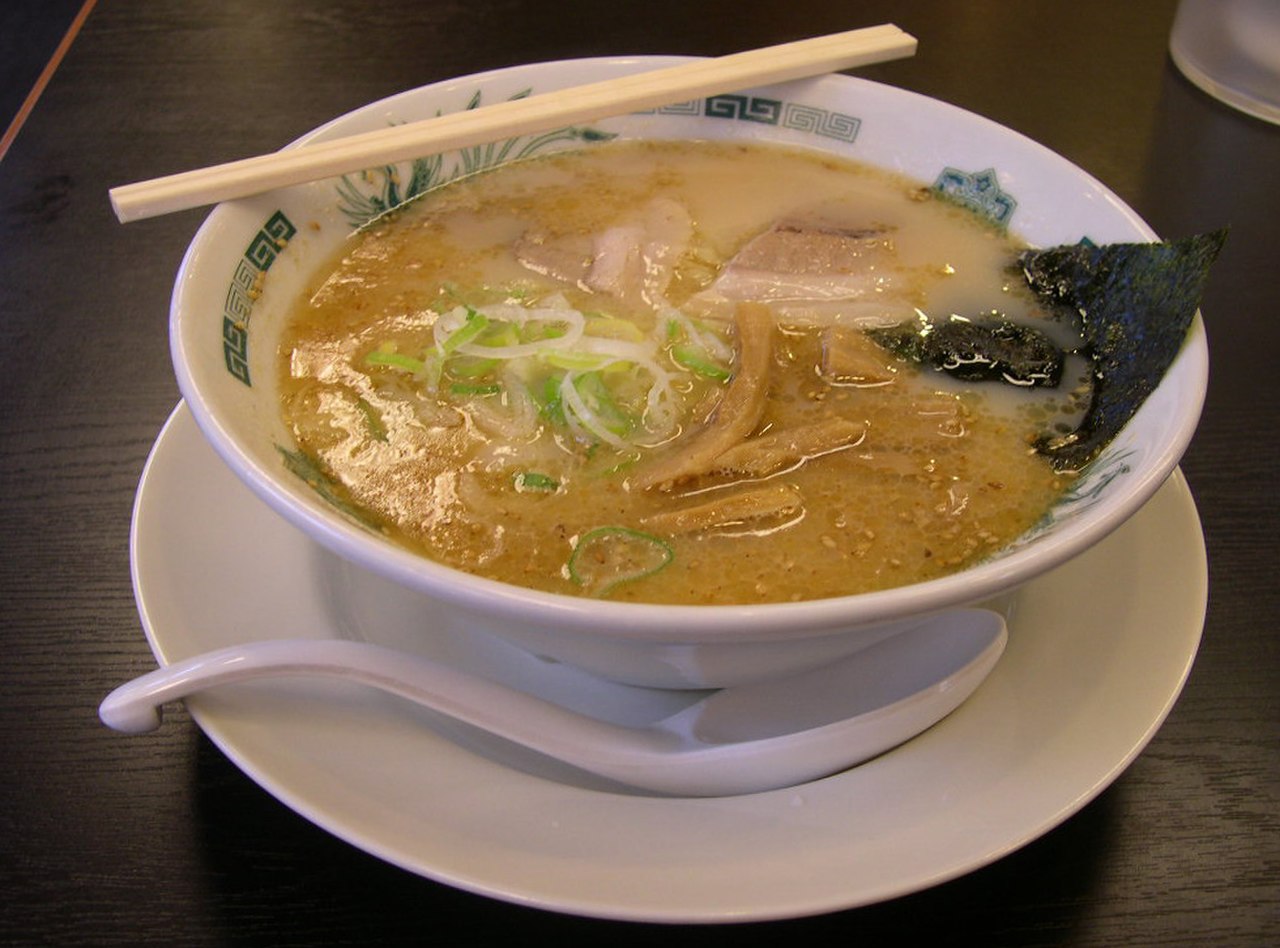
Hakata ramen — thin straight noodles in a milky pork-bone broth — is the original tonkotsu, invented in Kurume and perfected in Fukuoka. Choose your firmness (kata, or 'hard' is local style) and order kaedama (extra noodles) when your bowl is nearly empty. Shin-Shin and Ichiran are top destinations.

Ramen Tonkotsu Local Specialty Noodles
Itoshima Oyster Huts (Kaki-goya)
📍 Itoshima, Fukuoka

Itoshima Oyster Huts (Kaki-goya)

From November to March, smoke-filled kaki-goya (oyster shacks) pop up along Itoshima's coastline, serving mountains of freshly harvested oysters grilled directly over charcoal on corrugated iron sheets. Diners pick from buckets, prise shells open with metal claws, and devour them with ponzu — a messy, essential winter ritual.

Oysters Seafood Winter Gourmet Local
Mentaiko Culture in Fukuoka
📍 Hakata-ku, Fukuoka

Mentaiko Culture in Fukuoka

Fukuoka is the birthplace of mentaiko — spicy marinated pollock roe — introduced by a Korean immigrant in 1949. Today it flavours everything from ochazuke and pasta to bread and chips. Visit the Fukuya flagship store in Hakata for the full mentaiko experience, or order mentaiko cream pasta at any izakaya.

Mentaiko Pollock Roe Specialty Souvenir
Fukuoka Ramen Stadium
📍 Hakata-ku, Fukuoka

Fukuoka Ramen Stadium

Ramen Stadium on the fifth floor of Canal City Hakata assembles eight iconic ramen shops from across Japan under one roof, from Hakata tonkotsu and Sapporo miso to Kitakata shoyu. Themed in the style of a 1960s Japanese streetscape, it's a fun and delicious way to compare Japan's regional ramen styles side-by-side.

Ramen Food Court Tonkotsu Variety
🏔️

Nature

4 spots
Itoshima Peninsula & Futamigaura Beach
📍 Itoshima, Fukuoka

Itoshima Peninsula & Futamigaura Beach

Itoshima's Futamigaura beach is famous for a pair of 'married rocks' (meoto-iwa) connected by a ceremonial rope, with a small vermilion torii gate rising from the sea — a perfect sunset spot. The peninsula combines Fukuoka-grown oysters, craft cafés in old farmhouses, and scenic coastal drives.

Beach Sunset Torii Gate Scenic Drive
Uminonakamichi Seaside Park
📍 Higashi-ku, Fukuoka

Uminonakamichi Seaside Park

Stretching 5 km across the Uminonakamichi peninsula, this national park hosts Japan's finest seasonal flower displays — nemophila covering hillsides in blue waves in spring, zinnia and cosmos in summer and autumn. Cycling paths loop through the entire park and beach access is available on calm Hakata Bay shores.

Seasonal Flowers Cycling Family Park
Ohori Park & Fukuoka Castle Ruins
📍 Chuo-ku, Fukuoka

Ohori Park & Fukuoka Castle Ruins

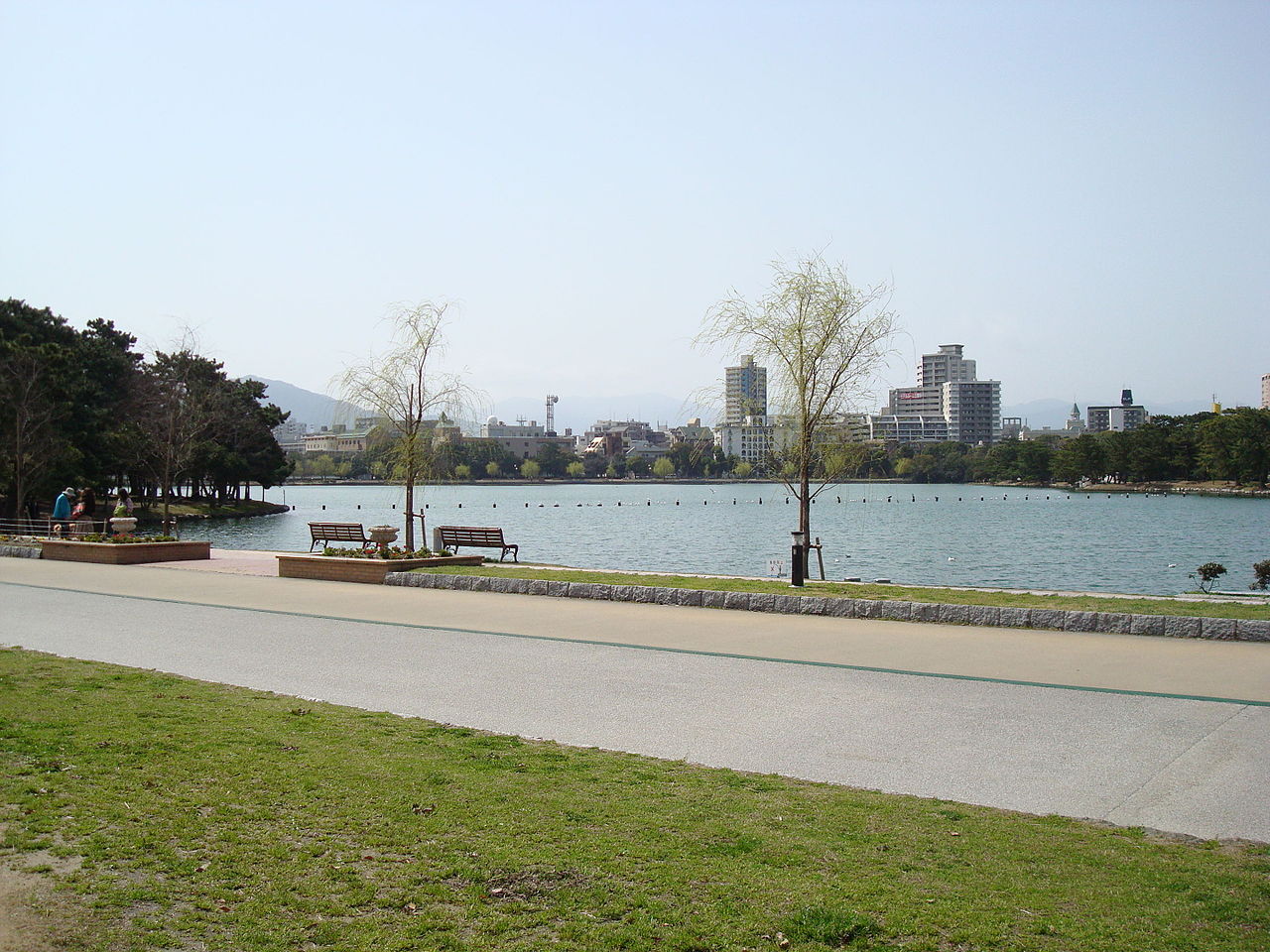
Ohori Park's large central pond, encircled by a 2-km jogging path, connects via a series of picturesque islands and bridges to Maizuru Park where Fukuoka Castle's stone walls and watchtower remain. In spring, over 1,000 cherry trees create a tunnel of blossoms that is among Kyushu's finest.

Park Lake Castle Ruins Cherry Blossoms
Shingu Beach & Genkai Quasi-National Park
📍 Shingu, Fukuoka

Shingu Beach & Genkai Quasi-National Park

North Fukuoka's Genkai coast offers the cleanest ocean swimming in the prefecture, with sandy beaches backed by pine forests and clear blue water perfect for snorkelling and sea kayaking. Shingu-cho and Shingumachi beaches are popular summer destinations easily reached by train from Fukuoka city.

Beach Swimming Sea Kayaking Coastal
🎿

Leisure

7 spots
Hakata-ori Silk Weaving Experience
📍 Hakata-ku, Fukuoka

Hakata-ori Silk Weaving Experience

Hakata-ori is a 750-year-old silk weaving technique producing the stiff, richly textured obi sashes prized by sumo referees and geisha across Japan. Several studios near Kushida Shrine offer hands-on weaving workshops where visitors create a small coaster or bookmark on a traditional loom to take home.

Traditional Craft Silk Weaving Workshop Cultural Experience
Yanagawa Canal Boat Cruise
📍 Yanagawa, Fukuoka

Yanagawa Canal Boat Cruise

Yanagawa's 930-km network of Edo-period waterways is best explored by traditional wooden punt (donko-bune), poled along by a boatman singing folk songs as you drift past willow-lined canals and white-walled merchant houses. In spring, the canals are lined with cherry blossoms; in summer, iris flowers.

Canal Boat Scenic Edo Period
Itoshima Peninsula & Futamigaura Beach
📍 Itoshima, Fukuoka

Itoshima Peninsula & Futamigaura Beach

Itoshima's Futamigaura beach is famous for a pair of 'married rocks' (meoto-iwa) connected by a ceremonial rope, with a small vermilion torii gate rising from the sea — a perfect sunset spot. The peninsula combines Fukuoka-grown oysters, craft cafés in old farmhouses, and scenic coastal drives.

Beach Sunset Torii Gate Scenic Drive
Ohori Park & Fukuoka Castle Ruins
📍 Chuo-ku, Fukuoka

Ohori Park & Fukuoka Castle Ruins

Ohori Park's large central pond, encircled by a 2-km jogging path, connects via a series of picturesque islands and bridges to Maizuru Park where Fukuoka Castle's stone walls and watchtower remain. In spring, over 1,000 cherry trees create a tunnel of blossoms that is among Kyushu's finest.

Park Lake Castle Ruins Cherry Blossoms
Marine World Uminonakamichi
📍 Higashi-ku, Fukuoka

Marine World Uminonakamichi

Set on the scenic Uminonakamichi peninsula facing Hakata Bay, this large aquarium is famous for its dolphin and sea lion shows, open-air penguin exhibit, and a 50,000-litre shark tank. The surrounding Uminonakamichi Seaside Park adds cycling paths, flower gardens, and beach access.

Aquarium Dolphins Family Seaside
Canal City Hakata
📍 Hakata-ku, Fukuoka

Canal City Hakata

A city within a city, Canal City Hakata is a vast indoor-outdoor retail and entertainment complex carved through by a curving artificial canal. Its dazzling fountain shows, rooftop theatre, and 250+ shops and restaurants make it Fukuoka's most visited leisure destination regardless of weather.

Shopping Entertainment Fountain Show Architecture
🎆

Events

3 spots
Hakata Gion Yamakasa Festival
📍 Hakata-ku, Fukuoka

Hakata Gion Yamakasa Festival

Listed as UNESCO Intangible Cultural Heritage, Yamakasa fills Hakata for the entire month of July. The climax is the Oiyama race on July 15 at 4:59 a.m., when competing teams sprint giant festival floats (kazariyama) weighing over a tonne through the old town streets in a breathtaking pre-dawn spectacle.

Festival UNESCO Traditional Racing
Hakata Dontaku Port Festival
📍 Hakata-ku, Fukuoka

Hakata Dontaku Port Festival

Held every May 3–4 across central Fukuoka, Hakata Dontaku is one of Japan's largest festivals with attendance exceeding two million. Parade floats of mythological figures wind through the streets, while dance groups in traditional Hakata costumes perform at dozens of stages city-wide, accompanied by the distinctive sound of shamoji (rice paddle) percussion.

Festival Golden Week Parade Traditional Dance
Fukuoka Halloween & Winter Illumination
📍 Chuo-ku, Fukuoka

Fukuoka Halloween & Winter Illumination

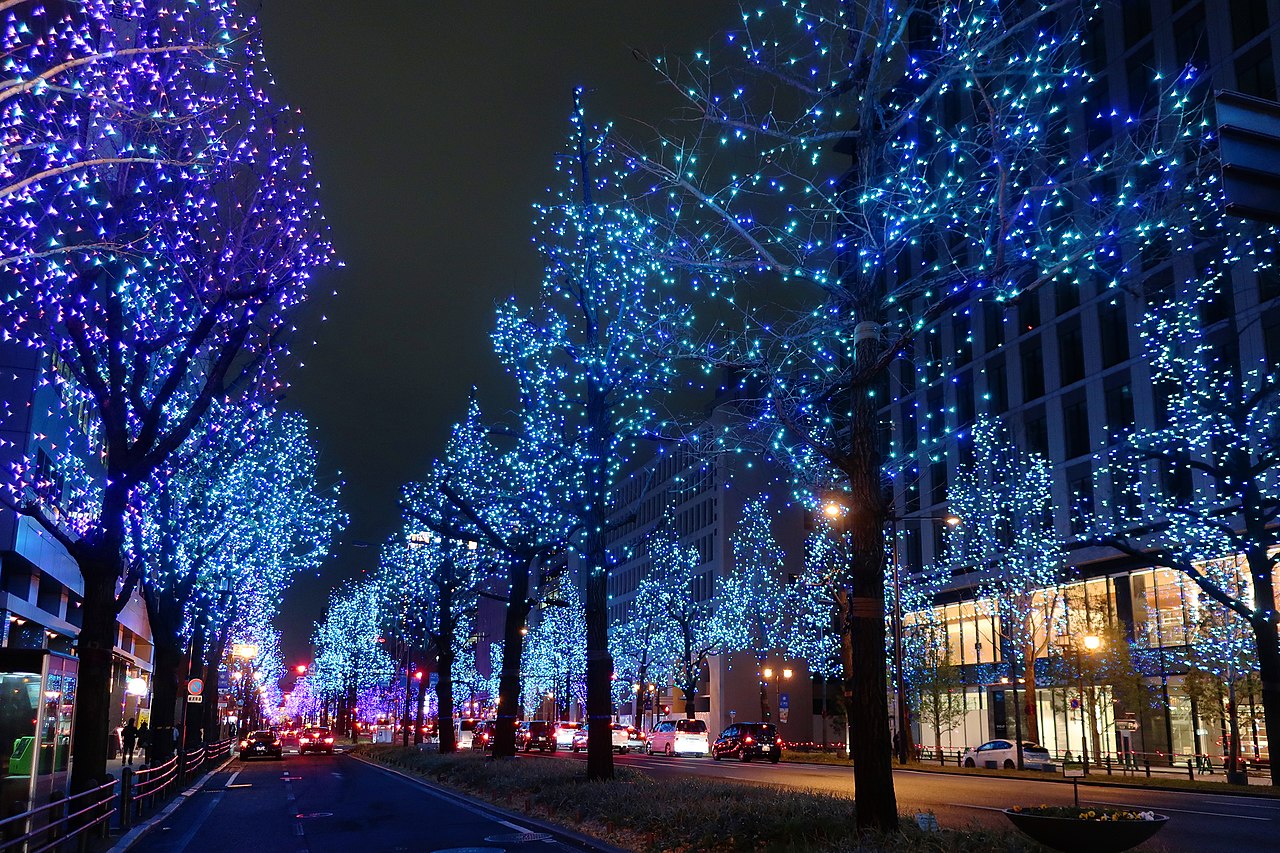
Fukuoka's Tenjin district hosts some of Kyushu's most elaborate seasonal events: vibrant Halloween street parties in October draw tens of thousands in costume, while December brings the Tenjin Christmas Market and spectacular LED illuminations transforming Keyaki-dori avenue into a tunnel of light.

Illumination Winter Events City Festival
🎌

Experience

2 spots
Hakata Ramen School
📍 Chuo-ku, Fukuoka

Hakata Ramen School

The Hakata Ramen School in Tenjin offers half-day workshops teaching the secrets of authentic tonkotsu broth — how to blanch and pressure-boil pork bones to achieve the cloudy, collagen-rich white soup, season it with shio or shoyu tare, and cook the ultra-thin straight noodles to the local kata (firm) preference. Participants take home a recipe card and a jar of their own tare blend.

Ramen Cooking Tonkotsu Workshop
Hakata-ori Silk Weaving Experience
📍 Hakata-ku, Fukuoka

Hakata-ori Silk Weaving Experience

Hakata-ori — the 750-year-old silk weaving tradition producing the stiff, brightly striped brocade used in sumo referees' and geisha's obi sashes — is practised by just a handful of certified master weavers. Studios near Kushida Shrine offer hands-on weaving sessions where participants create a small coaster or bookmark on a traditional jacquard loom, experiencing the satisfying resistance of the tight brocade weave.

Hakata-ori Silk Weaving Traditional Craft Obi

💡 Practical Travel Tips

Everything you need to know before and during your visit.

🌸
Best Time to Visit
  • Spring (Mar–May) — Cherry blossoms in Maizuru Park and along Naka River are spectacular. Mild temperatures (14–22°C) make it ideal for exploring on foot and cycling around Ohori Park.
  • Autumn (Oct–Nov) — The best all-round season: comfortable weather, autumn foliage at Dazaifu, and the city's food culture in full swing.
  • July (Yamakasa) — The Hakata Gion Yamakasa festival culminates on July 15 with the Oiyama race (pre-dawn sprint with 1-tonne floats). One of Japan's most thrilling festivals — plan ahead as hotels book out.
  • Winter (Dec–Feb) — Fukuoka's mildest season compared to northern Japan. The yatai stalls are especially atmospheric in cooler weather. Strawberry season begins in January.
💴
Budget Guide
  • Budget (¥4,000–¥8,000/day) — Hostel in Hakata or Tenjin, ramen at a stand-up counter (¥700–¥950), Ohori Park (free), yatai stall beer (¥600).
  • Mid-range (¥12,000–¥22,000/day) — Business hotel near Hakata Station, Dazaifu day trip, mentaiko shopping, motsu nabe dinner for two (¥3,000–¥4,000).
  • Luxury (¥35,000+/day) — Design hotel in Tenjin, omakase kappo dinner, private car to Itoshima Peninsula, sake bar in the Nakasu entertainment district.
  • Day trip costs: Dazaifu Tenmangu (shrine free, treasure house ¥500) — budget ¥2,000 including transport and a umegae mochi (sweet).
🚇
Getting Around
  • The city subway is the backbone — clean, frequent, and easy. Load a Suica, Hayakaken, or Nimoca IC card at the airport for seamless travel across all trains and buses.
  • Hakata and Tenjin are Fukuoka's two main hubs. Hakata is the business and transport centre; Tenjin is shopping, dining, and nightlife. They're 5 minutes apart by subway or 15 minutes on foot.
  • For Dazaifu, take the subway to Futsukaichi then Nishitetsu Dazaifu Line (total 40 min, ¥420). Alternatively, the direct Dazaifu Liner from Tenjin runs on weekends.
  • Cycling is excellent in Fukuoka — Ohori Park has a bike rental station, and the waterfront from Bayside Place to Uminonakamichi is a scenic flat route.
📱
Staying Connected
  • Buy a data SIM or pocket WiFi at Fukuoka Airport (very close to the city, so no long wait needed). IIJmio, Docomo, and SoftBank have counters.
  • Free WiFi is available at Hakata Station, Canal City Hakata, and most major shopping areas. Tenjin underground city has comprehensive coverage.
  • Fukuoka City's Fukuoka Free Wi-Fi covers the major tourist zones including Nakasu and the waterfront.
🍽️
Food & Dining Tips
  • Yatai stalls (open-air food carts) are Fukuoka's iconic late-night experience. The main cluster is along Nakasu island and in Tenjin. Most open from dusk to around 2 am. Arrive early (7–8 pm) for the best seats. Budget ¥2,000–¥3,000 per person including drinks.
  • Hakata ramen: the standard order is a ¥700–¥900 bowl with rich tonkotsu broth and thin straight noodles. Most shops offer free kaedama (noodle refills) — ask for it when your bowl is almost empty.
  • Mentaiko (spicy marinated pollock roe) is Fukuoka's signature ingredient. Buy as a souvenir at Hakata Station's Deitos basement food hall — it comes in plain, cheese, and various flavour variations.
  • Canal City Hakata has an excellent food floor with regional Kyushu cuisine — a convenient introduction to the full range of local flavours.
🎌
Etiquette & Culture
  • Fukuoka has a distinct Hakata identity — locals are proud of being from Hakata (the historic merchant district) rather than "Fukuoka" (the administrative name). Using either is fine, but locals may correct you warmly.
  • At Dazaifu Tenmangu, students leave ema (wooden wishing plaques) praying for exam success. The main hall is an active place of worship — maintain quiet respectful behaviour.
  • Yatai stall etiquette: sit down only if there's a free seat, don't ask to split the bill (order and pay individually), and don't linger too long when the stall is full.
  • Fukuoka's proximity to Korea and China gives it a more international feel than most Japanese cities — English and Korean menus are increasingly common in central areas.

🏨 Find Hotels in Fukuoka

Compare prices across hundreds of hotels — from budget capsules to luxury ryokan.

Search Hotels on Booking.com →

🎌 Tours &amp; Experiences

Book guided tours, day trips, cooking classes, and cultural experiences.

Browse Tours on Viator →

🗺️ Activities &amp; Attractions

Skip the queues — pre-book entry tickets, day tours, and local experiences.

Explore on GetYourGuide →

🎟️ Things to Do in Fukuoka

Discover tickets, transport passes, and unique local experiences in Fukuoka with Klook.

Book on Klook →

🚄 JR Pass &amp; Rail Tickets

Pre-purchase your Japan Rail Pass online before you arrive — the easiest way to travel by Shinkansen across Japan.

Buy JR Pass on JRPass.com →
🗺️ Plan