
Tohoku · Prefecture Guide

Fukushima Travel Guide

Samurai castles, thatched Edo post towns, volcanic colour ponds, Japan's top ramen town, the country's most celebrated weeping cherry tree, and peaches of extraordinary sweetness

🏯 Tsurugajo — The Samurai Spirit of Aizu🌸 Miharu Takizakura — Japan's Most Famous Cherry Tree🌈 Goshiki-numa — Five-Colour Volcanic Ponds🍜 Kitakata — Japan's Ramen Town🍑 Japan's Finest Peaches & Apples

🗾 About Fukushima

Fukushima Prefecture divides naturally into three distinct worlds: the Hamadori coastal strip facing the Pacific, the Nakadori central valley cradled between mountain ranges, and the Aizu highlands in the west — each with its own climate, character, and cuisine. The Aizu region holds the deepest history: the castle town of Aizu-Wakamatsu was the last to resist the Meiji imperial army in the 1868 Boshin War, and the loyalty of its samurai — particularly the teenage Byakkotai corps — left a story of honour and tragedy that still defines the city's identity. Inland from Aizu, the Edo-period post town of Ouchijuku sits frozen in time beneath its deep-thatched roofs, while the Bandai Plateau to the north conceals a volcanic wonderland of colour-shifting ponds, swan-filled lakes, and alpine marshland. Back in the Nakadori valley, the warm summers ripen what many Japanese regard as the finest peaches and apples in the country, and the city of Kitakata has achieved the remarkable distinction of hosting more ramen shops per capita than anywhere else in Japan. Fukushima is also a story of resilience — the prefecture has spent the years since 2011 quietly and determinedly rebuilding its reputation, and today its food, its sake, and its landscapes stand as testament to a region that refused to be defined by a single moment in its history.

🌏
Location
Southern Tohoku, Japan's third largest prefecture — bordered by Miyagi, Yamagata, Niigata, Tochigi, Ibaraki, and the Pacific Ocean
🗣️
Language
Japanese (Tohoku dialect; English available at Aizu-Wakamatsu, major castles, and national park centres)
💴
Currency
Japanese Yen (JPY) — cash essential in rural areas including Ouchijuku and Urabandai; IC cards work in Fukushima City and Aizu-Wakamatsu
🕐
Time Zone
JST (UTC+9) — no daylight saving
🌡️
Best Season
April (Miharu Takizakura weeping cherry, Ouchijuku); June (Oze wetland); Jul–Aug (peach picking); Sep–Oct (Aizu Festival, autumn foliage at Urabandai); Dec–Mar (Aizu sake and snow)
✈️
Airport
Fukushima Airport (FKS) · limited domestic routes. More practical: Sendai Airport (SDJ) 1.5 hrs, or Shinkansen from Tokyo
🚇
Getting Around
Tohoku Shinkansen to Koriyama or Fukushima City (1h30m from Tokyo); then JR Ban-etsu Nishi Line to Aizu-Wakamatsu; rental car essential for Ouchijuku, Urabandai, and mountain areas
Power Plug
Type A, 100V / 50Hz

✈️ Getting There

Fukushima City and Koriyama are both reached in approximately 1 hour 30 minutes from Tokyo by Tohoku Shinkansen — making Fukushima one of the more accessible Tohoku prefectures for a quick trip or as a longer itinerary hub. From Koriyama, the JR Ban-etsu Nishi Line continues west to Aizu-Wakamatsu in about 1.5 hours, passing through mountain tunnels and river valleys. Most of Fukushima's best sights — Ouchijuku, Goshiki-numa, Miharu Takizakura, and the Bandai-Azuma Skyline — require a rental car to reach comfortably.

🚄 From Tokyo
  • Tohoku Shinkansen Yamabiko (Tokyo → Fukushima City) — 1 hr 30 min. ¥10,890 (reserved). Departs every 30–40 min from Tokyo Station. Best base for the Nakadori valley and Bandai-Azuma Skyline.
  • Tohoku Shinkansen Yamabiko (Tokyo → Koriyama) — 1 hr 20 min. ¥9,720. Koriyama is the transit hub for Aizu-Wakamatsu (JR Ban-etsu Nishi Line, 1.5 hrs west) and Miharu Takizakura (JR Suigun Line, 20 min).
  • Highway Bus (Shinjuku → Aizu-Wakamatsu) — 4–5 hrs. ¥3,000–¥4,500. Budget option direct to the Aizu region; useful for late-night arrivals.
🚄 From Sendai (Miyagi)
  • Tohoku Shinkansen (Sendai → Fukushima City) — 17 min. ¥3,020. Fukushima is one Shinkansen stop south of Sendai — easily combined in a two-city itinerary.
  • Tohoku Shinkansen (Sendai → Koriyama) — 35 min. ¥5,170. Best connection for the Aizu region and Miharu Takizakura.
🚂 Aizu-Wakamatsu & Ouchijuku
  • JR Ban-etsu Nishi Line (Koriyama → Aizu-Wakamatsu) — 1 hr 30 min. ¥1,170. Scenic mountain railway through river gorges; runs roughly hourly.
  • Aizu Tetsudo (Aizu-Wakamatsu → Yunogami-Onsen for Ouchijuku) — 50 min to Yunokami Onsen Station, then 10 min by shuttle bus to Ouchijuku village. No direct road bus — shuttle or taxi from the station.
🚗 Getting Around Fukushima
  • Rental Car — Essential for Ouchijuku, Goshiki-numa, Bandai-Azuma Skyline, Oze Marshland, and Miharu Takizakura. Pick up at Fukushima Station, Koriyama Station, or Aizu-Wakamatsu Station. Winter tyres required November–April in all mountain areas.
  • Aizu-Wakamatsu City — The Haikara-san and Akabe retro loop buses connect all major sights including Tsurugajo, Higashiyama Onsen, Iimori Hill, and the sake district. A day pass costs ¥600 and is very convenient.
  • Bandai Plateau — Goshiki-numa and the Urabandai nature trails are accessible by bus from Inawashiro Station (JR Ban-etsu Nishi Line) in summer, but a rental car gives far more flexibility for the lake circuit.
💡 Travel TipA rental car is strongly recommended for the best of Fukushima outside the city centres. The Ouchijuku post town has no direct public transport from Aizu-Wakamatsu, the Bandai-Azuma Skyline road is inaccessible without a car, and Oze Marshland requires driving to a designated car park before the park entrance. If you do not want to drive, base yourself in Aizu-Wakamatsu and use the excellent city loop buses for the castle, brewery district, and Higashiyama Onsen — the rural highlights require a guide tour or taxi arrangement.

📖 Recommended Travel Guides

Deep-dive guides to help you plan every aspect of your visit — from top sightseeing spots to the best restaurants and seasonal events.

⛩️

Sightseeing

6 spots
Tsurugajo Castle, Aizu-Wakamatsu
📍

Tsurugajo Castle, Aizu-Wakamatsu

Tsurugajo is one of Tohoku's most striking castles — distinguished by its deep crimson-tiled roof, a restoration choice that honours the Aizu domain's fierce resistance to imperial forces during the 1868 Boshin War. The keep houses a superb museum on Aizu samurai culture and the tragic last stand that cemented the domain's reputation for loyalty and honour. Cherry blossoms transform the moat in April into one of Japan's most photogenic scenes.
Samurai Castle Boshin War Aizu History
Ouchijuku Post Town
📍

Ouchijuku Post Town

Ouchijuku is one of Japan's most perfectly preserved post towns — a single main street lined entirely with deep-thatched-roof inns and merchant houses that have not changed since the Edo period. Travelers who once walked the Aizu Nishi Kaido mountain road rested here, and today the village remains entirely car-free and uncommercialised. The signature dish is negi-soba, eaten using a whole giant spring leek as a chopstick rather than wooden utensils.

Edo Period Thatched Roof Post Town Historic Village
Byakkotai Samurai Youth Memorial, Mt. Iimori
📍

Byakkotai Samurai Youth Memorial, Mt. Iimori

On a hillside above Aizu-Wakamatsu, the Byakkotai memorial honours 19 teenage samurai boys who took their own lives in 1868 after mistakenly believing Tsurugajo Castle had fallen to the Meiji imperial forces. Their story of loyalty and sacrifice became one of Japan's most powerful symbols of the old warrior code, and the hilltop view over the city they died defending remains deeply moving. The site also holds a monument gifted by Mussolini, reflecting the international reach the story once held.

Samurai Byakkotai History Memorial Aizu
Miharu Takizakura — 1,000-Year Weeping Cherry
📍

Miharu Takizakura — 1,000-Year Weeping Cherry

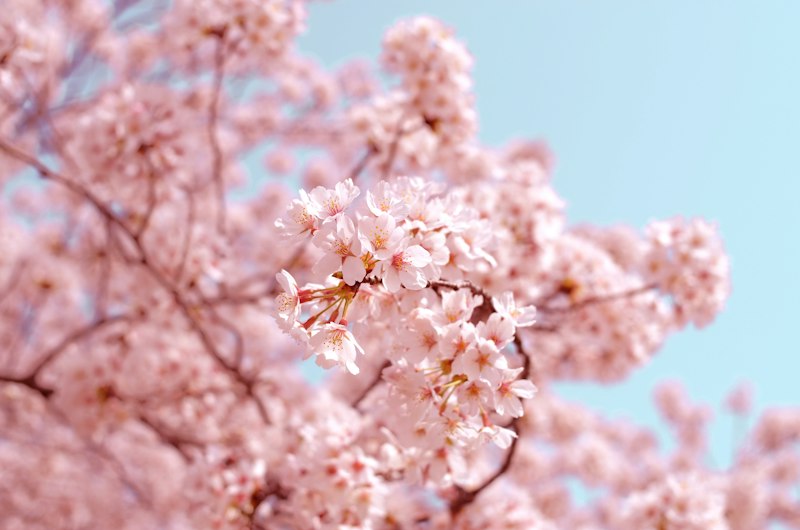
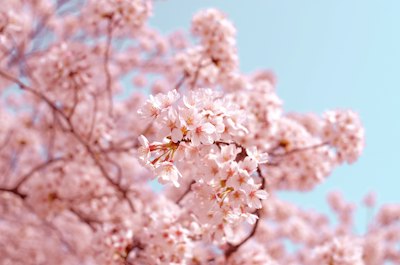
The Miharu Takizakura is widely considered Japan's most magnificent cherry tree — a 1,000-year-old weeping cherry whose cascading branches spread 25 metres wide, creating a waterfall of pale pink blossoms in mid-April. Designated a National Natural Monument, it stands alone in a hillside field, illuminated at night during the brief flowering season. Crowds come from across Japan and overseas to witness what many call an unmissable once-in-a-lifetime experience.

Cherry Blossom Weeping Cherry 1000 Years Old National Monument
Shiramizu Amidado Temple (National Treasure)
📍

Shiramizu Amidado Temple (National Treasure)

Shiramizu Amidado is Fukushima's only National Treasure building — an intimate Heian-period Amida Hall built in 1160 by Princess Tokuhime, set within a Pure Land garden of lotus-filled ponds, stone lanterns, and ancient pines. Far quieter than more famous temples, it rewards visitors with an atmosphere of unhurried contemplation that recalls the spiritual world of the Fujiwara clan. Autumn reflections on the garden pond are extraordinary.

National Treasure Heian Period Garden Temple Iwaki
Fukushima Fruit Orchards (Peach & Apple Picking)
📍

Fukushima Fruit Orchards (Peach & Apple Picking)

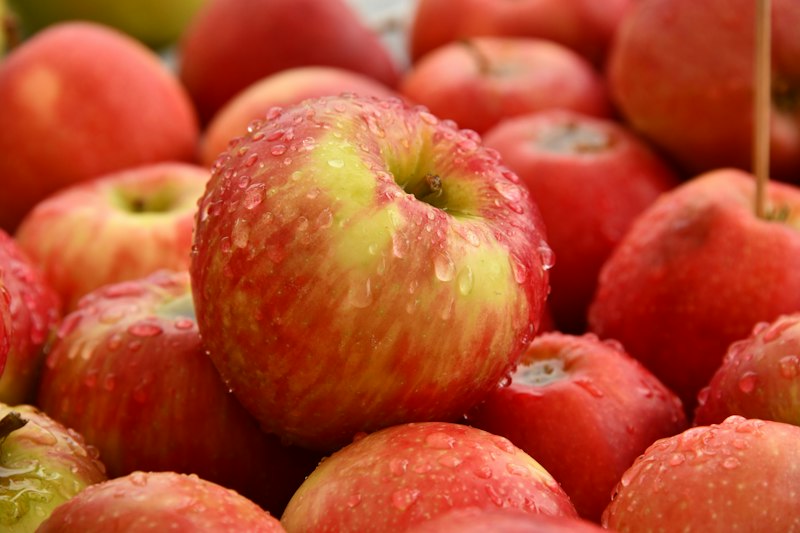
The warm Nakadori valley around Fukushima City produces some of Japan's most celebrated stone fruit — the peaches ripen from late July through August with an extraordinary sweetness that has made Fukushima peaches famous nationwide. Dozens of family orchards around Fukushima Station offer pick-your-own experiences, and local fruit parlours serve peach parfaits and fresh-pressed juice at roadside stalls throughout summer. Apple picking follows in September and October.

Peach Picking Apple Orchard Fruit Fukushima City Seasonal
🍜

Gourmet

5 spots
Aizu-Wakamatsu Sake Breweries
📍

Aizu-Wakamatsu Sake Breweries

Aizu-Wakamatsu is considered one of Japan's great sake-producing regions — the deep winter snowfall feeds extraordinarily pure mountain water into the city, and the cold climate creates ideal slow-fermentation conditions. More than ten breweries operate in the Aizu area, with Suehiro, Miyaizumi, and Daishichi among the most respected labels nationally. Several offer English-friendly brewery tours and tasting rooms where visitors can try premium junmai daiginjo poured direct from the tank.

Sake Brewery Tour Snow Country Aizu Tasting
Kitakata Ramen
📍

Kitakata Ramen

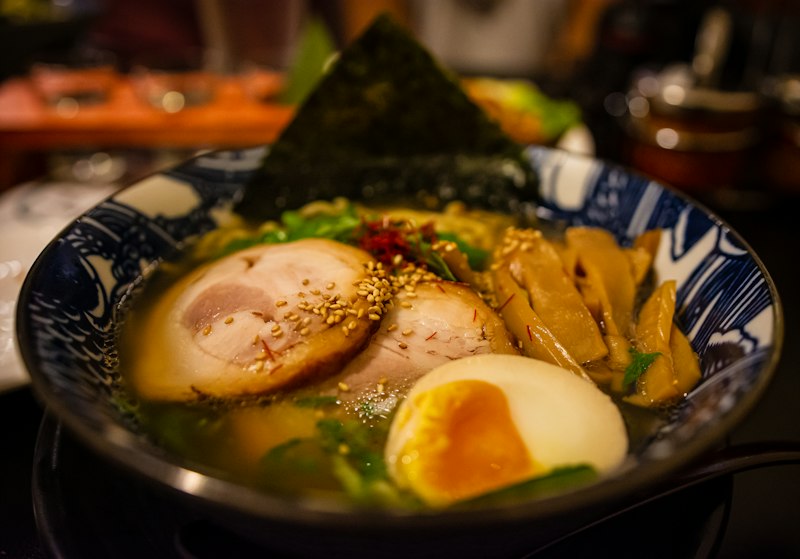
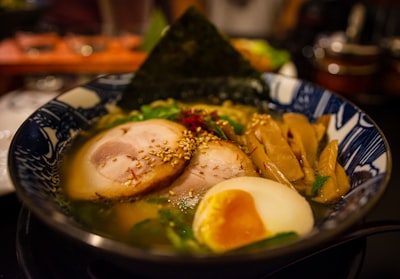
Kitakata is one of Japan's three great ramen cities — a small town of 50,000 people that somehow sustains more than 120 ramen shops, giving it the highest ramen-per-capita ratio in the country. The signature style features thick, flat, wavy noodles in a clean soy-and-pork broth, typically topped with generous slices of chashu pork. Locals eat ramen for breakfast — a tradition unique to Kitakata — and the early-morning queue at legendary Genraiken starts before 8am.

Ramen Kitakata Flat Noodles Light Soy Broth Tohoku
Ouchijuku Negi-Soba
📍

Ouchijuku Negi-Soba

Negi-soba at Ouchijuku is one of Japan's most theatrical food traditions — buckwheat noodles served in a lacquer bowl with a whole giant spring leek (negi) laid across it, which diners use as both a chopstick and a condiment, biting into the leek between mouthfuls of noodle. The inns along Ouchijuku's main street all prepare the dish using locally grown negi, and the combination of earthy soba and sharp onion flavour is uniquely satisfying. Eating it outside on a winter day in the thatched village is a memory that stays.

Negi Soba Leek Chopstick Buckwheat Ouchijuku Unique
Fukushima Peaches — Japan's Finest
📍

Fukushima Peaches — Japan's Finest

Fukushima peaches are ranked among the finest in Japan — the combination of hot summers, cool nights, and volcanic mineral soil in the Nakadori valley produces fruit of exceptional sugar content and delicate floral aroma. Available in roadside stalls, fruit parlours, and department food halls from late July through August, they are sold whole and already perfectly ripe. The white-fleshed akatsuki variety is the most prized, often sold in individual presentation boxes as gifts.

Peach Fukushima Fruit Summer Japanese Produce Sweet
Mishima-machi Kouji Pickles
📍

Mishima-machi Kouji Pickles

The mountain village of Mishima-machi in the Aizu region has preserved a centuries-old tradition of kouji pickling — vegetables fermented in rice malt (kouji) with salt and local mountain herbs to produce complex, deeply umami flavours quite unlike ordinary tsukemono. Mishima daikon, cucumber, and wild mountain vegetables take on sweetness and depth through the slow kouji process, and the village co-operative ships nationwide. Visiting the valley in autumn when pickling season begins reveals the full aromatic intensity of the craft.

Pickles Kouji Fermented Traditional Aizu
🏔️

Nature

7 spots
Goshiki-numa Five Colour Ponds, Urabandai
📍

Goshiki-numa Five Colour Ponds, Urabandai

Goshiki-numa — the Five Colour Ponds — is one of Japan's most visually astonishing landscapes: a chain of volcanic ponds in the Urabandai highlands, each a completely different mineral colour from cobalt blue to emerald green to rust red, depending on the chemical composition of the crater waters. The ponds formed after the 1888 eruption of Mount Bandai, which dramatically reshaped the plateau overnight. A 3.6-km nature trail connects the main ponds through birch forest, passable year-round.

Volcanic Ponds Urabandai Five Colours Crater Lake Hiking
Lake Inawashiro — Winter Swan Lake
📍

Lake Inawashiro — Winter Swan Lake

Lake Inawashiro is Japan's fourth largest lake — a vast, exceptionally clear body of water known as the 'sky mirror lake' for the way it reflects the surrounding mountains and the cone of Mt. Bandai. Each winter from November through March, thousands of whooper swans migrate from Siberia to overwinter on the lake's southern shores, and the spectacle of white birds against snow-covered mountains draws photographers from across Japan. The lake offers sailing and cycling in summer, with Bandai reflected in its still surface.

Lake Swans Winter Bandai Birdwatching
Oze Marshland National Park
📍

Oze Marshland National Park

Oze is Japan's largest high-altitude wetland — a vast plateau of marshes, ponds, and bog straddling the Fukushima-Gunma border at 1,400 metres, and one of Japan's most celebrated hiking destinations. In late May and June, the marshes explode with white mizubasho (Asian skunk cabbage) blooms and yellow nikko-kisuge lilies, creating a carpet of colour across the boardwalk trails. The full loop takes 4–6 hours through pristine subalpine scenery.

Wetland Mizubasho Hiking High Altitude National Park
Azuma-Kofuji Volcanic Crater
📍

Azuma-Kofuji Volcanic Crater

Azuma-Kofuji is Fukushima's most accessible volcanic summit — a young, near-perfectly circular crater that rewards hikers with an extraordinary bird's-eye view of the emerald-green acid lake within. The trail from the Jododaira plateau car park reaches the crater rim in 30 minutes, making it ideal even for those without hiking experience. The surrounding Bandai-Azuma Skyline road ranks among Tohoku's finest mountain drives, with views across Fukushima City all the way to the Pacific Ocean on clear days.

Volcano Crater Bandai Azuma Hiking Panorama
Nishi Azuma Sky Valley (Scenic Highland Road)
📍

Nishi Azuma Sky Valley (Scenic Highland Road)

The Nishi Azuma Sky Valley road winds through the Azuma mountain range at elevations above 1,500 metres, offering sweeping views across both Fukushima and Yamagata prefectures — including Mt. Bandai, Lake Inawashiro, and on clear days, the Sea of Japan. Autumn transforms the surrounding beech and maple forest into blazing orange and crimson, making October the most popular month for the drive. The road is closed from November through May due to snow.

Mountain Road Scenic Drive Autumn Leaves Highland Panorama
Bandai Azuma Skyline Drive
📍

Bandai Azuma Skyline Drive

The Bandai Azuma Skyline is one of Japan's great mountain roads — a 29-km route traversing the Azuma volcanic range at altitudes up to 1,622 metres, passing steaming fumaroles, bare volcanic moonscapes, and sudden sweeping views of Fukushima City and the Pacific beyond. The road passes directly below Azuma-Kofuji crater and through Jododaira, an alpine plateau excellent for short hikes. Late October brings spectacular autumn colour; the road closes December through April.

Scenic Drive Mountain Road Volcano Autumn Leaves Fukushima
Bandai Highland Lakes & Urabandai Plateau
📍

Bandai Highland Lakes & Urabandai Plateau

The Urabandai plateau on the northern slopes of Mt. Bandai is a landscape utterly shaped by the catastrophic 1888 eruption — over 300 lakes and ponds of every size now fill the volcanic depressions across a highland of beech forest and marshland. Beyond Goshiki-numa, a network of cycling paths and walking trails connects the lakes through some of Tohoku's most pristine scenery. Canoe hire is available on the larger lakes in summer, and the plateau turns blazing gold in early October.

Urabandai Lakes Bandai Cycling Nature
🎿

Leisure

9 spots
Fukushima Fruit Orchards (Peach & Apple Picking)
📍

Fukushima Fruit Orchards (Peach & Apple Picking)

The warm Nakadori valley around Fukushima City produces some of Japan's most celebrated stone fruit — the peaches ripen from late July through August with an extraordinary sweetness that has made Fukushima peaches famous nationwide. Dozens of family orchards around Fukushima Station offer pick-your-own experiences, and local fruit parlours serve peach parfaits and fresh-pressed juice at roadside stalls throughout summer. Apple picking follows in September and October.

Peach Picking Apple Orchard Fruit Fukushima City Seasonal
Aizu-Wakamatsu Sake Breweries
📍

Aizu-Wakamatsu Sake Breweries

Aizu-Wakamatsu is considered one of Japan's great sake-producing regions — the deep winter snowfall feeds extraordinarily pure mountain water into the city, and the cold climate creates ideal slow-fermentation conditions. More than ten breweries operate in the Aizu area, with Suehiro, Miyaizumi, and Daishichi among the most respected labels nationally. Several offer English-friendly brewery tours and tasting rooms where visitors can try premium junmai daiginjo poured direct from the tank.

Sake Brewery Tour Snow Country Aizu Tasting
Lake Inawashiro — Winter Swan Lake
📍

Lake Inawashiro — Winter Swan Lake

Lake Inawashiro is Japan's fourth largest lake — a vast, exceptionally clear body of water known as the 'sky mirror lake' for the way it reflects the surrounding mountains and the cone of Mt. Bandai. Each winter from November through March, thousands of whooper swans migrate from Siberia to overwinter on the lake's southern shores, and the spectacle of white birds against snow-covered mountains draws photographers from across Japan. The lake offers sailing and cycling in summer, with Bandai reflected in its still surface.

Lake Swans Winter Bandai Birdwatching
Nishi Azuma Sky Valley (Scenic Highland Road)
📍

Nishi Azuma Sky Valley (Scenic Highland Road)

The Nishi Azuma Sky Valley road winds through the Azuma mountain range at elevations above 1,500 metres, offering sweeping views across both Fukushima and Yamagata prefectures — including Mt. Bandai, Lake Inawashiro, and on clear days, the Sea of Japan. Autumn transforms the surrounding beech and maple forest into blazing orange and crimson, making October the most popular month for the drive. The road is closed from November through May due to snow.

Mountain Road Scenic Drive Autumn Leaves Highland Panorama
Higashiyama Onsen — Geisha Hot Spring Town
📍

Higashiyama Onsen — Geisha Hot Spring Town

Higashiyama Onsen is one of Tohoku's most atmospheric traditional onsen towns — a cluster of classic wooden ryokan lining the narrow Yukawacho river gorge, just 3 km from Aizu-Wakamatsu. It has been a hot spring resort for over 1,300 years, and geisha performances remain a living tradition at the older inns, offering an experience increasingly rare even in established onsen towns. The milky, mildly alkaline waters are renowned for smooth skin.

Onsen Geisha Traditional Aizu River Gorge
Tsuchiyu Onsen — Mountain Hot Spring
📍

Tsuchiyu Onsen — Mountain Hot Spring

Tsuchiyu Onsen sits in a narrow river gorge in the mountains 25 minutes above Fukushima City — a compact, unpretentious cluster of ryokan and day-trip bathhouses with a charmingly retro atmosphere unchanged since the Showa era. The waters are a clear sodium-sulphur type said to be effective for fatigue and nerve pain, and several outdoor baths look directly into the forested gorge. It is one of Tohoku's most affordable and authentic onsen escapes.

Onsen Mountain Fukushima City Gorge Retro
Aizu-Wakamatsu Sake Brewery Tours
📍

Aizu-Wakamatsu Sake Brewery Tours

Aizu-Wakamatsu offers some of Japan's best sake brewery experiences — with over ten operating kura (breweries) in and around the city, several have opened their doors to visitors with English-friendly guided tours through the mashing, fermentation, and pressing stages. Suehiro Brewery's historic kura dates from 1850 and includes a restaurant serving sake-lees cuisine; Miyaizumi offers tasting flights of their award-winning junmai daiginjo. Winter visits during peak brewing season offer the most authentic atmosphere.

Sake Brewery Tour Tasting Aizu Cultural Experience
Bandai Azuma Skyline Drive
📍

Bandai Azuma Skyline Drive

The Bandai Azuma Skyline is one of Japan's great mountain roads — a 29-km route traversing the Azuma volcanic range at altitudes up to 1,622 metres, passing steaming fumaroles, bare volcanic moonscapes, and sudden sweeping views of Fukushima City and the Pacific beyond. The road passes directly below Azuma-Kofuji crater and through Jododaira, an alpine plateau excellent for short hikes. Late October brings spectacular autumn colour; the road closes December through April.

Scenic Drive Mountain Road Volcano Autumn Leaves Fukushima
Bandai Highland Lakes & Urabandai Plateau
📍

Bandai Highland Lakes & Urabandai Plateau

The Urabandai plateau on the northern slopes of Mt. Bandai is a landscape utterly shaped by the catastrophic 1888 eruption — over 300 lakes and ponds of every size now fill the volcanic depressions across a highland of beech forest and marshland. Beyond Goshiki-numa, a network of cycling paths and walking trails connects the lakes through some of Tohoku's most pristine scenery. Canoe hire is available on the larger lakes in summer, and the plateau turns blazing gold in early October.

Urabandai Lakes Bandai Cycling Nature
🎆

Events

5 spots
Miharu Takizakura — 1,000-Year Weeping Cherry
📍

Miharu Takizakura — 1,000-Year Weeping Cherry

The Miharu Takizakura is widely considered Japan's most magnificent cherry tree — a 1,000-year-old weeping cherry whose cascading branches spread 25 metres wide, creating a waterfall of pale pink blossoms in mid-April. Designated a National Natural Monument, it stands alone in a hillside field, illuminated at night during the brief flowering season. Crowds come from across Japan and overseas to witness what many call an unmissable once-in-a-lifetime experience.

Cherry Blossom Weeping Cherry 1000 Years Old National Monument
Aizu Autumn Festival (September)
📍

Aizu Autumn Festival (September)

The Aizu Autumn Festival, held each September, is one of Tohoku's grandest historical processions — a parade of over 500 participants in full period dress representing the great figures of Aizu history marching through the streets of Aizu-Wakamatsu. The centrepiece is a solemn reenactment involving young actors dressed as the Byakkotai — the teenage samurai corps whose story defines the city's identity. The evening programme includes traditional performing arts at Tsurugajo Castle grounds.

Festival Historical Procession Byakkotai Autumn Aizu
Miharu Takizakura Sakura Festival (April)
📍

Miharu Takizakura Sakura Festival (April)

The annual Miharu Takizakura Sakura Festival transforms a quiet farming village into one of Japan's most extraordinary seasonal pilgrimages — a two-week celebration in mid-to-late April when the 1,000-year-old weeping cherry reaches full bloom. Evening illuminations cast the vast drooping canopy in warm light against the mountain backdrop, creating photographs of almost surreal beauty. Shuttle buses run from Miharu Station during the festival period; arrival on weekday mornings avoids the largest crowds.

Cherry Blossom Weeping Cherry April Festival National Monument
Kitakata Ramen Festival (Spring)
📍

Kitakata Ramen Festival (Spring)

Kitakata's annual Ramen Festival brings together the town's most celebrated shops under one roof in a spring celebration of the dish that made this small city famous across Japan. Visitors queue for tasting-size bowls from different shops — comparing each kitchen's interpretation of the flat-noodle soy broth style — while local sake brewers pour cold cups alongside. The festival typically draws visitors from across Tohoku and Tokyo, making Kitakata's usually sleepy streets briefly electric with food tourism.

Ramen Festival Kitakata Street Food Spring Food Event
Aizu-Wakamatsu Lantern Festival (Obon)
📍

Aizu-Wakamatsu Lantern Festival (Obon)

The Aizu-Wakamatsu Lantern Festival unfolds across the Obon period in mid-August — paper lanterns are floated on the rivers and moats around the city to guide ancestral spirits, while the streets fill with bon-odori dancing circles in front of the illuminated walls of Tsurugajo Castle. The warm August nights, sake brewery street stalls, and the glow of hundreds of lanterns on the water create a quintessentially Japanese summer atmosphere. The festival is centred around Tsurugajo and the Higashiyama Onsen district.

Lantern Festival Obon Summer Aizu Traditional

💡 Practical Travel Tips

Everything you need to know before and during your visit.

🌸
Best Time to Visit
  • April (mid-to-late) — The Miharu Takizakura weeping cherry is one of Japan's most spectacular seasonal sights, typically peaking mid-April. Ouchijuku in spring is at its most beautiful — the thatched roofs set against mountain haze. Cherry blossoms arrive 1–2 weeks later than Tokyo, making Fukushima an excellent continuation of a spring sakura trip.
  • June — The Oze Marshland plateau reaches its peak with white mizubasho blooms and yellow nikko-kisuge lilies carpeting the boardwalk trails. Early June is the best window before summer heat; weekday visits avoid the largest crowds.
  • July–August — Fukushima peach season is a legitimate reason to visit on its own — the fruit is extraordinary. Orchard pick-your-own experiences operate throughout August, and roadside stalls appear everywhere. The Aizu-Wakamatsu Lantern Festival (mid-August) is atmospheric and uncrowded compared with Tokyo Obon events.
  • September–October — The Aizu Autumn Festival in late September is one of Tohoku's finest historical events. October brings spectacular autumn foliage to Urabandai and the Bandai-Azuma Skyline; the Goshiki-numa ponds surrounded by golden birch and crimson maples are among Fukushima's finest images. The Bandai-Azuma road closes in late October or early November.
  • December–March — Aizu-Wakamatsu in deep snow is beautiful and romantic — sake brewery tours, Higashiyama Onsen, and winter illuminations at Tsurugajo are all excellent in the cold. Lake Inawashiro's swan population peaks January–February. Mountain roads including Ouchijuku can be icy; winter tyres are essential.
🏯
Aizu-Wakamatsu Tips
  • The Haikara-san and Akabe loop buses are the best way to cover Aizu-Wakamatsu without a car — a combined one-day pass (¥600) connects Tsurugajo, Iimori Hill (Byakkotai), the sake brewery district, Higashiyama Onsen, and Oyakuen garden. Both buses run anticlockwise and clockwise, so you can hop on at any stop and return easily.
  • Tsurugajo Castle is most dramatic from the outer moat looking up at the red-tiled keep — the moat walk takes 15–20 minutes and the photography angles from the south are particularly strong in morning light. The interior museum is detailed but Japanese-language only; audio guides in English are available at the entrance.
  • The Byakkotai memorial at Mt. Iimori is best visited in the late afternoon when the crowds thin and the hilltop view over the city catches the low light. The ascent by escalator takes under 5 minutes; the descent on foot through cedar trees and stone steps adds atmosphere. Combine with the Sazaedo spiral pagoda nearby.
  • For sake, Suehiro Brewery's kura (1850) on Nanokamachi-dori is the most accessible for English-speaking visitors — free self-guided tours, tasting room, and a restaurant using sake-lees in every dish. Daishichi and Miyaizumi both offer appointments for deeper tours; book by email one week ahead.
🏘️
Ouchijuku Tips
  • Ouchijuku is best experienced early in the morning or on weekdays — the single thatched-roof street is narrow and the village fills quickly on weekends and holidays, particularly in cherry blossom season and autumn. Arriving before 9am or after 3pm gives a completely different, intimate atmosphere.
  • The negi-soba is the essential experience — most inns along the main street serve it, but the queue at Misawaya (the oldest inn) is worth joining. The giant leek is both functional chopstick and condiment; eating it correctly involves biting the end and using the remaining stalk to lift the noodles. Ask the server to demonstrate.
  • Ouchijuku has no bus service directly from Aizu-Wakamatsu — take the Aizu Tetsudo Line to Yunokami Onsen Station, then a 10-minute taxi or summer shuttle bus. A taxi from Aizu-Wakamatsu directly costs around ¥3,000 each way and is the most convenient option for small groups. Driving is straightforward from the expressway (Shirakawa IC).
  • The hilltop viewpoint above the southern end of the main street provides the classic panoramic photograph of all the thatched roofs in a single row. The steep 5-minute path up is unmarked but easily found — locals point the way. Go at opening time for a mist-free view.
🌈
Goshiki-numa & Bandai Tips
  • The Goshiki-numa nature trail (3.6 km) runs from the Goshiki-numa Iriguchi bus stop to Bishamon-numa and takes 60–90 minutes at a leisurely pace. The colours shift dramatically with season, time of day, and even cloud cover — Bishamon-numa is the largest and most impressive; Aka-numa (red pond) and Ao-numa (blue pond) are the most vivid in bright sunlight.
  • The Bandai plateau is driveable year-round on the main lake circuit road, but the Bandai-Azuma Skyline (the most dramatic mountain route) closes from late November through April due to snow. Check the Fukushima Prefecture road closure website before setting out in spring or autumn.
  • For Lake Inawashiro swan watching, the southern shore near Kaminagahama is the main roosting area — arrive at first light for the spectacular sight of hundreds of swans taking flight across a mirror-calm lake with Mt. Bandai behind. The peak period is January to early March.
  • Combine Goshiki-numa with the Bandai-Azuma Skyline drive in a single day loop: drive up the Skyline from Fukushima City in the morning, stop at Azuma-Kofuji crater (30-min hike), descend to the Urabandai plateau, walk the Goshiki-numa trail, and return via Lake Inawashiro — a 5–6 hour loop that showcases the best of Fukushima's volcanic highlands.
🍜
Food & Drink Tips
  • Kitakata ramen breakfast is not a tourist gimmick — locals genuinely eat ramen at 7–8am, and the legendary Genraiken opens early for exactly this reason. A bowl costs ¥800–¥1,000; the flat, wavy noodles and clean pork-soy broth are deceptively light. Queue outside before opening for the shortest wait.
  • Fukushima peaches are at peak flavour in late July and August — buy from the roadside stalls on Route 4 north of Fukushima City rather than supermarkets, where the fruit is picked slightly unripe for shelf life. The white-fleshed akatsuki variety is richer in flavour; the yellow varieties available August–September are firmer and last longer as gifts.
  • Aizu-Wakamatsu sake is best tasted at a kuramoto (brewery) rather than a restaurant, where the full range from starter honjozo to premium daiginjo can be compared side by side. Suehiro, Miyaizumi, and Tsurugajyo-Shuzo are the most visitor-friendly. Buy direct from the brewery for the widest selection and the freshest stock.
  • The Ouchijuku negi-soba, Kitakata ramen, Aizu beef hot pot (kozuyu), and Fukushima peaches together constitute one of Japan's most rewarding regional food itineraries — all reachable in a 2–3 day circuit of the prefecture without repeating a route.

🏨 Find Hotels in Fukushima

Compare prices across hundreds of hotels — from budget capsules to luxury ryokan.

Search Hotels on Booking.com →

🎌 Tours & Experiences

Book guided tours, day trips, cooking classes, and cultural experiences.

Browse Tours on Viator →

🗺️ Activities & Attractions

Skip the queues — pre-book entry tickets, day tours, and local experiences.

Explore on GetYourGuide →

🎟️ Things to Do in Fukushima

Discover tickets, transport passes, and unique local experiences in Fukushima with Klook.

Book on Klook →

🚄 JR Pass & Rail Tickets

Pre-purchase your JR Pass or individual shinkansen tickets before you arrive.

Buy JR Pass →