Kanto · Prefecture Guide

Gunma Travel Guide

Japan's greatest hot spring resort, a UNESCO silk mill, wild alpine marshlands, and the birthplace of the daruma doll

♨️ Kusatsu — Japan's No.1 Onsen🏭 Tomioka Silk Mill — UNESCO Heritage🌿 Oze National Park — Alpine Wetland🍜 Mizusawa — One of Japan's Top 3 Udon🎎 Takasaki — 80% of Japan's Daruma Dolls

🗾 About Gunma

Gunma is the onsen capital of Japan in the minds of many Japanese travellers — Kusatsu Onsen alone draws four million visitors a year with its famously acidic waters and the theatrical Yubatake hot water field at its centre. But the prefecture offers far more: a UNESCO World Heritage silk mill that tells the story of Japan's industrial revolution, the wild alpine marshlands of Oze National Park, photogenic Ikaho's stone-step hot spring town, and the highland caldera lakes of Mt. Akagi. For those who want Japan beyond the tourist trail — but still within 2 hours of Tokyo — Gunma delivers.

🌏
Location
Honshu island, northwest of Tokyo — landlocked mountain prefecture
🗣️
Language
Japanese (English available at Kusatsu and Tomioka UNESCO site)
💴
Currency
Japanese Yen (JPY) — IC cards less common in rural areas; bring cash
🕐
Time Zone
JST (UTC+9) — no daylight saving
🌡️
Best Season
Year-round (onsen best in winter; Oze in June & Oct)
✈️
Nearest Airports
Haneda (HND) 100 min · Narita (NRT) 120 min
🚇
Getting Around
JR Joetsu/Agatsuma Lines, Joshin Dentetsu — car recommended for rural areas
Power Plug
Type A, 100V / 50Hz

✈️ Getting There

Gunma is accessible by Shinkansen to Takasaki (50 min from Tokyo), which serves as the main gateway for the whole prefecture. Kusatsu Onsen is a further 90 min by bus from Takasaki. Most rural attractions require either a local train connection or a rental car — Gunma is one of Japan's most car-friendly prefectures for independent travellers.

🚄 From Tokyo to Takasaki (Gateway)
  • Joetsu / Hokuriku Shinkansen (Tokyo → Takasaki) — 50 min. ¥3,740. Takasaki is the main hub for all Gunma destinations.
  • JR Shonan-Shinjuku Line rapid (Shinjuku → Takasaki) — 100 min. ¥1,980. Budget option; no reserved seats.
♨️ From Takasaki to Kusatsu Onsen
  • JR Agatsuma Line to Naganohara-Kusatsuguchi + bus — Train 75 min (¥1,170) + bus 25 min (¥720). Total ~100 min from Takasaki.
  • Direct highway bus (Shinjuku → Kusatsu) — 3.5 hrs. ¥3,200. Most comfortable option from Tokyo; departs Shinjuku Expressway Bus Terminal.
🏭 From Takasaki to Tomioka Silk Mill
  • Joshin Dentetsu Line (Takasaki → Joshu-Tomioka) — 40 min. ¥760. Walk 10 min from station to the mill.
🚇 Getting Around Gunma
  • Rental Car — Strongly recommended for Gunma. The mountains, onsen, and rural attractions are widely spread and bus services are infrequent outside Kusatsu. Pick up a car at Takasaki Station.
  • Kusatsu Onsen town — Compact and walkable from the bus terminal. The Yubatake, main bathhouses, and ski resort are all within 15 minutes on foot.
  • Ikaho Onsen — Bus from Shibukawa Station (JR Joetsu Line): 30 min. ¥600. Or taxi from Shibukawa: ~¥2,500.
  • Oze National Park — Bus from Numata Station (JR) to Oshimizu trailhead: 90 min. ¥1,700. Only accessible June–October (snow otherwise).
💡 Travel TipFor a Kusatsu Onsen trip, the <strong>Yagawaki Bus direct service from Shinjuku</strong> (¥3,200 one way) is the easiest option — no transfers, drops you right in the onsen town. Book online at least a week ahead for weekend trips, as buses fill up fast in peak season.

📖 Recommended Travel Guides

Deep-dive guides to help you plan every aspect of your visit — from top sightseeing spots to the best restaurants and seasonal events.
⛩️

Sightseeing

5 spots
Kusatsu Onsen
📍

Kusatsu Onsen

Japan's most celebrated hot spring resort — the iconic Yubatake (hot water field) at the town centre pumps 32,300 litres of acidic water per minute, surrounded by Edo-period bathhouses and lodgings.
Onsen Historic Yubatake
Tomioka Silk Mill
📍

Tomioka Silk Mill

Japan's first modern silk mill (1872), now a UNESCO World Heritage Site — an extraordinary French-Japanese industrial complex with original brick filatures and a fascinating history of Japan's modernisation.
UNESCO Industrial Heritage History
Ikaho Onsen
📍

Ikaho Onsen

A charming Meiji-era hot spring resort built on a steep hillside, with a famous 365-step stone stairway lined with ryokan, souvenir shops, and temples — one of Japan's most photogenic onsen towns.

Onsen Stone Steps Retro
Maebashi City & Akagi Shrine
📍

Maebashi City & Akagi Shrine

Gunma's prefectural capital, known for its grand Akagi Shrine on the shore of Lake Akagi, the largest rose garden in eastern Japan, and lively local shotengai shopping streets.
Shrine City Rose Garden
Takasaki Daruma Town
📍

Takasaki Daruma Town

Takasaki produces 80% of Japan's daruma good-luck dolls. The Daruma Market in January is legendary, but year-round the town's shops and Shorinzan Darumaji temple celebrate this iconic red figure.

Daruma Culture Shopping
🍜

Gourmet

5 spots
Gunma Wagyu Beef & Yakiniku
📍

Gunma Wagyu Beef & Yakiniku

Gunma is a major cattle-raising prefecture producing premium Jomo Beef (上州牛). Yakiniku restaurants across Maebashi and Takasaki serve this highly marbled local wagyu at prices well below Tokyo.

Wagyu BBQ Local Beef
Kusatsu Onsen Manju
📍

Kusatsu Onsen Manju

Steam-cooked buns (manju) made using the natural hot spring steam of Kusatsu — a beloved resort souvenir sold fresh from street stalls around the Yubatake, eaten while still warm.
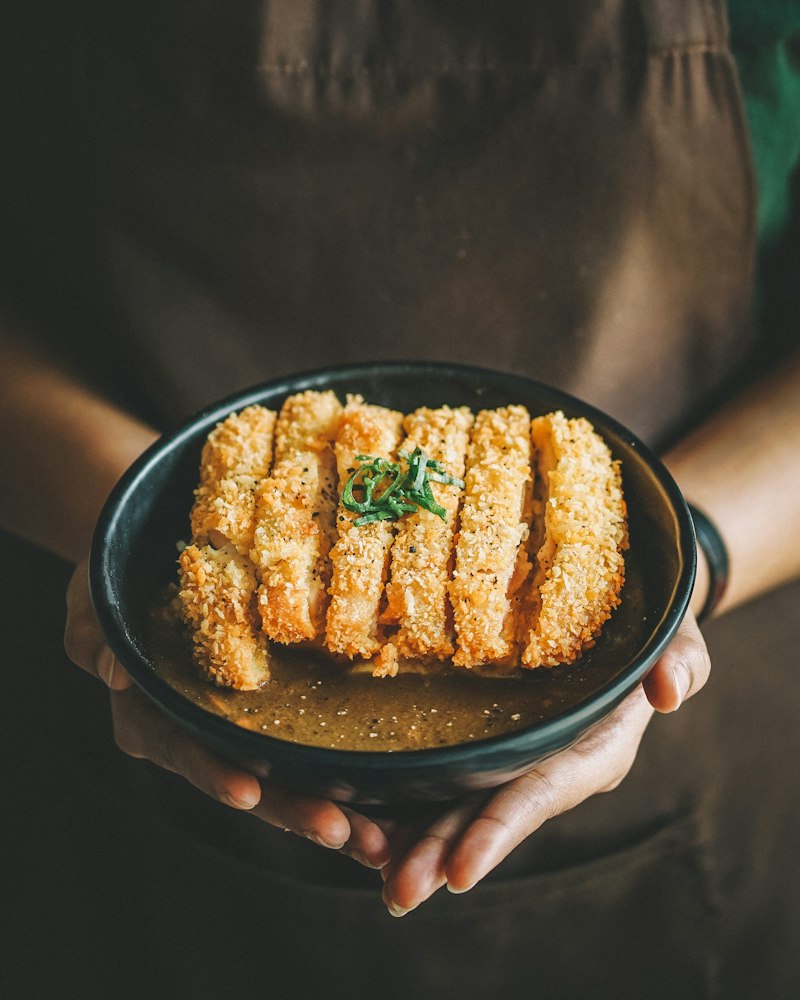
Sweets Onsen Town Souvenir
Gunma Konnyaku (Konjac)
📍

Gunma Konnyaku (Konjac)

Gunma produces 90% of Japan's konnyaku (konjac jelly). Try it in traditional oden stew, grilled on a stick with miso, or as sashimi konnyaku — a surprisingly versatile local staple.
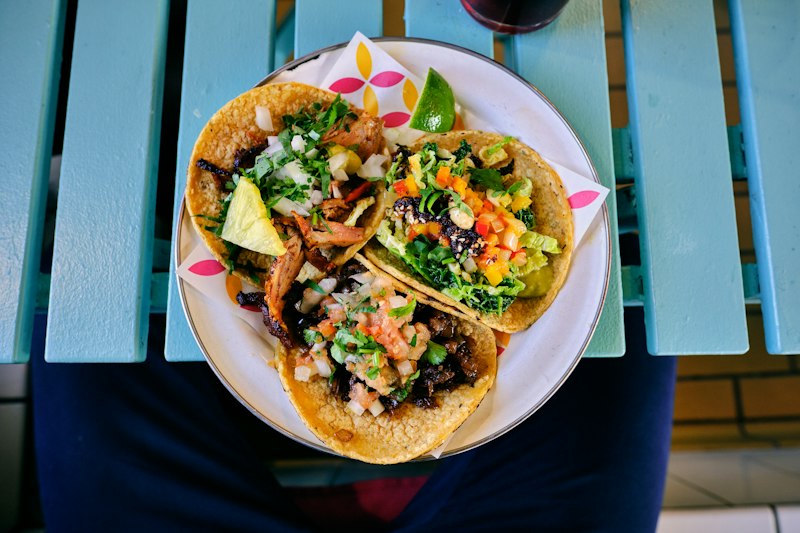
Local Specialty Health Food Unique
Mizusawa Udon
📍

Mizusawa Udon

One of Japan's three great udon varieties — silky smooth flat noodles made with the pure water of Ikaho's mountains, served chilled on a lacquer tray with dipping sauce and sesame.
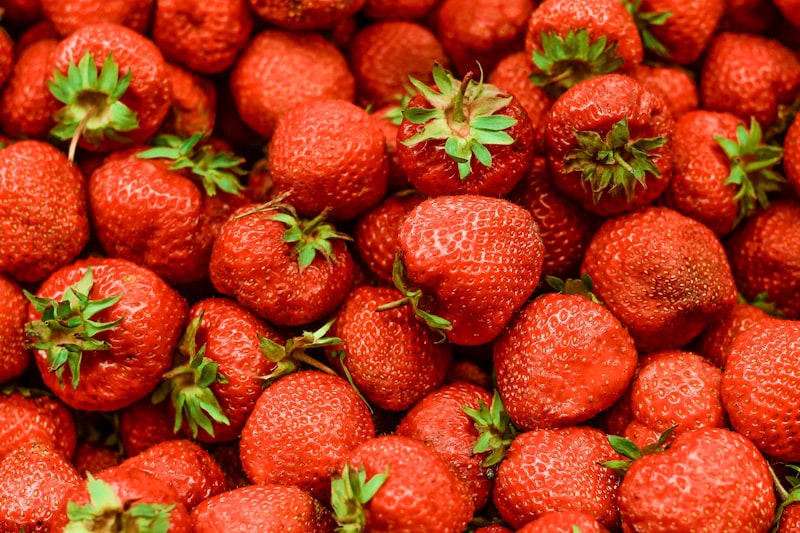
Udon Noodles Local Specialty
Gunma Apple & Fruit Orchards
📍

Gunma Apple & Fruit Orchards

The Agatsuma and Tone river valleys are lined with apple, pear, and plum orchards offering pick-your-own experiences from August through November — a popular autumn countryside outing.
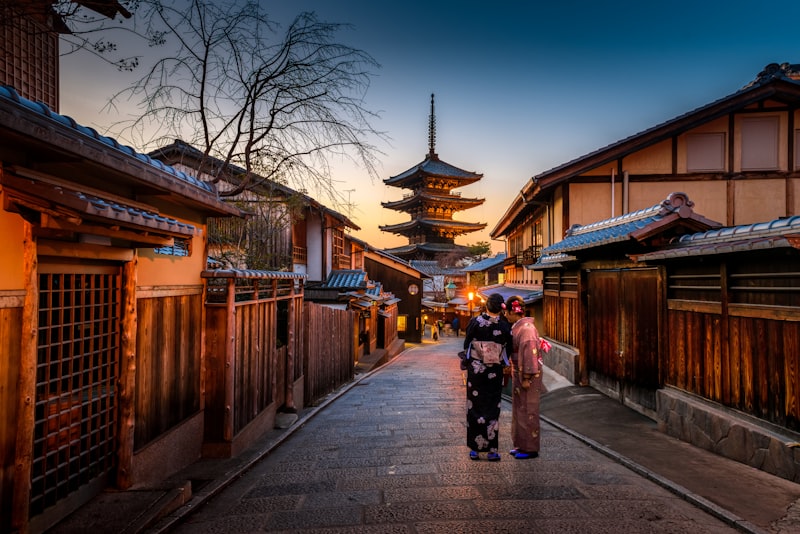
Fruit Picking Apples Autumn
🏔️

Nature

5 spots
Mt. Akagi & Lake Onuma
📍

Mt. Akagi & Lake Onuma

An ancient caldera volcano rising to 1,828 m with three crater lakes, ancient beech forests, and sweeping Kanto Plain views — superb hiking in summer and striking rime ice in winter.
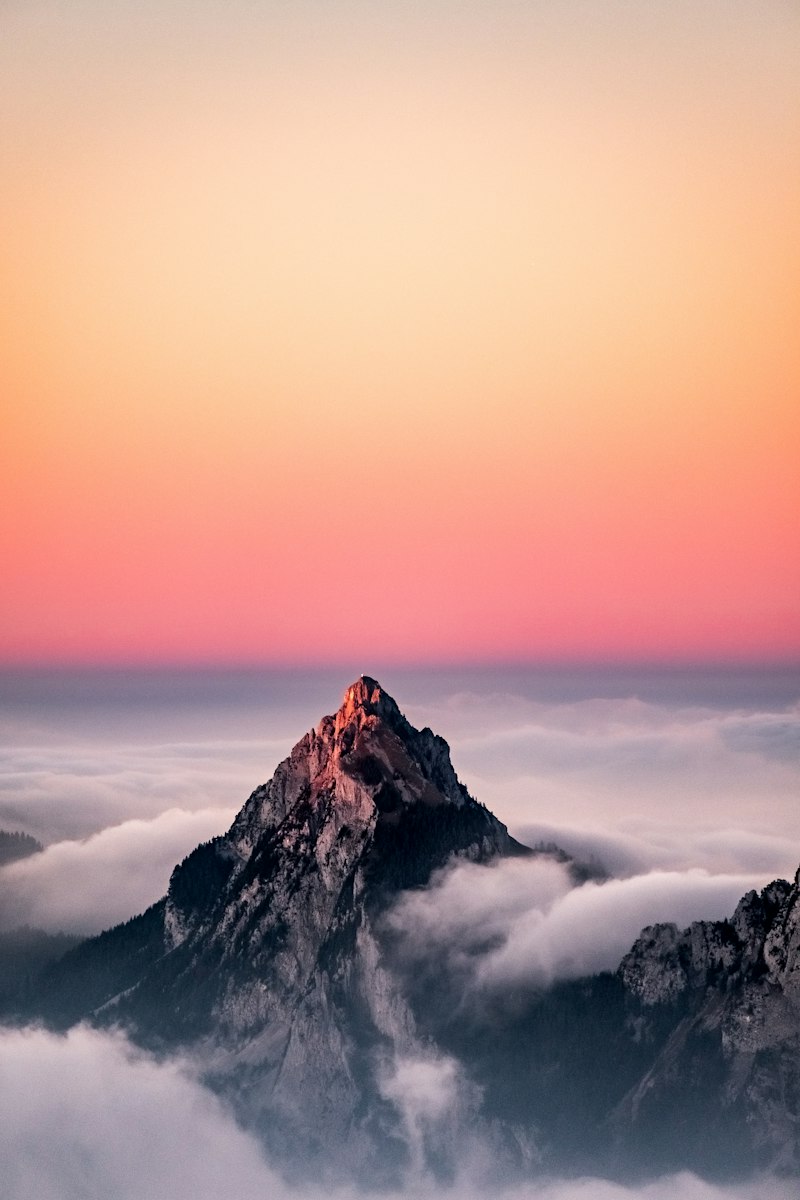
Volcano Lake Hiking
Lake Haruna & Mt. Haruna
📍

Lake Haruna & Mt. Haruna

A serene caldera lake on Mt. Haruna's rim, famous for brilliant autumn foliage, winter ice fishing, and panoramic views of the surrounding peaks from the lakeside promenade.
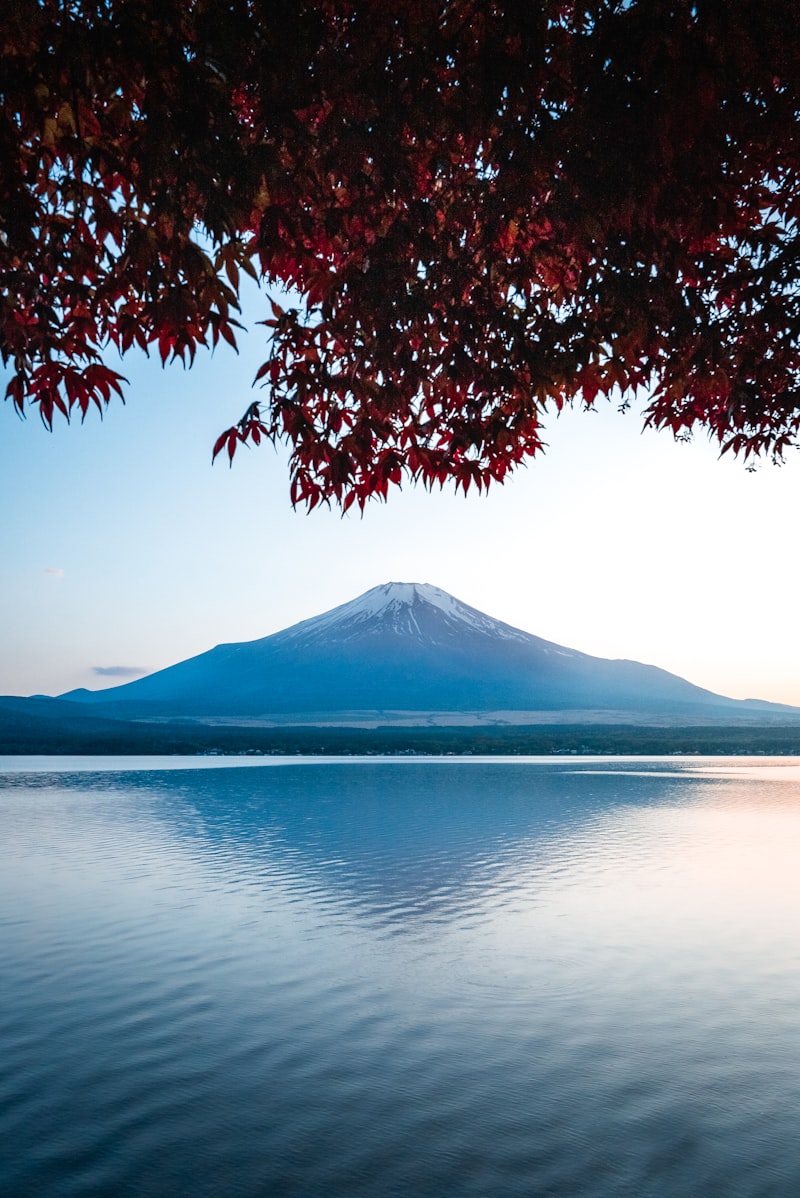
Lake Volcano Autumn
Oze National Park
📍

Oze National Park

Japan's largest high-altitude wetland spanning Gunma, Fukushima, and Niigata — golden skunk cabbage in June, wildflowers in summer, and crimson foliage in autumn make it one of Japan's top nature destinations.
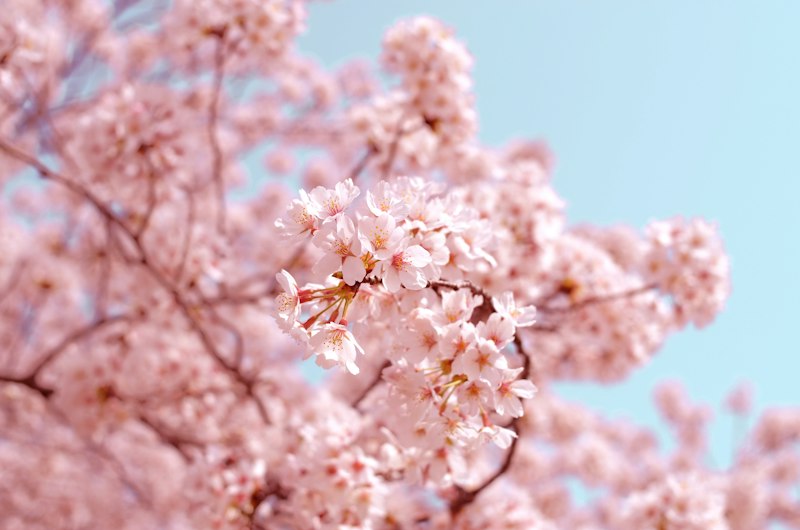
Marshland Hiking Wildflowers
Shima Onsen Valley
📍

Shima Onsen Valley

A remote hot-spring hamlet in a deep mountain gorge said to be the model for the setting of Studio Ghibli's Spirited Away — its old wooden bathhouses and bridge are hauntingly atmospheric.
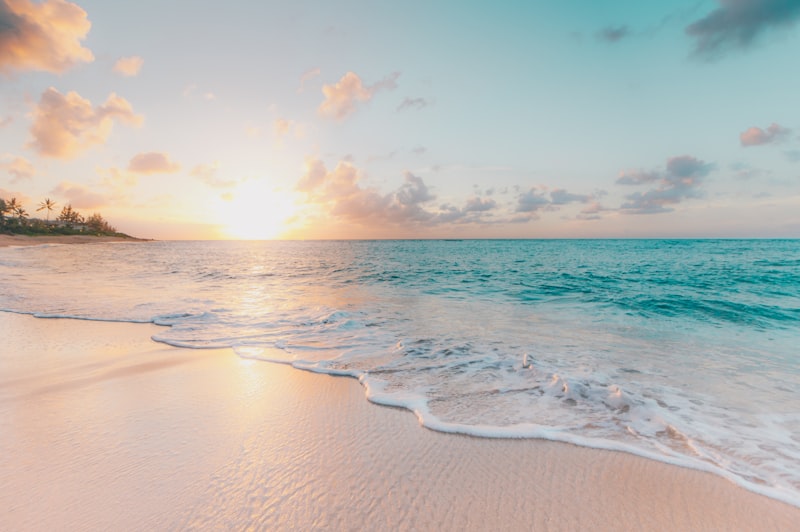
Onsen Gorge Hidden Gem
Fukiware Falls (Tone River)
📍

Fukiware Falls (Tone River)

Known as the 'Niagara of the East' — a wide curtain of water tumbling over basalt columns on the Tone River, framed by cedar forest and vivid autumn maples.

Waterfall Gorge Scenic
🎿

Leisure

8 spots
Kusatsu Onsen
📍

Kusatsu Onsen

Japan's most celebrated hot spring resort — the iconic Yubatake (hot water field) at the town centre pumps 32,300 litres of acidic water per minute, surrounded by Edo-period bathhouses and lodgings.

Onsen Historic Yubatake
Ikaho Onsen
📍

Ikaho Onsen

A charming Meiji-era hot spring resort built on a steep hillside, with a famous 365-step stone stairway lined with ryokan, souvenir shops, and temples — one of Japan's most photogenic onsen towns.

Onsen Stone Steps Retro
Gunma Apple & Fruit Orchards
📍

Gunma Apple & Fruit Orchards

The Agatsuma and Tone river valleys are lined with apple, pear, and plum orchards offering pick-your-own experiences from August through November — a popular autumn countryside outing.

Fruit Picking Apples Autumn
Shima Onsen Valley
📍

Shima Onsen Valley

A remote hot-spring hamlet in a deep mountain gorge said to be the model for the setting of Studio Ghibli's Spirited Away — its old wooden bathhouses and bridge are hauntingly atmospheric.
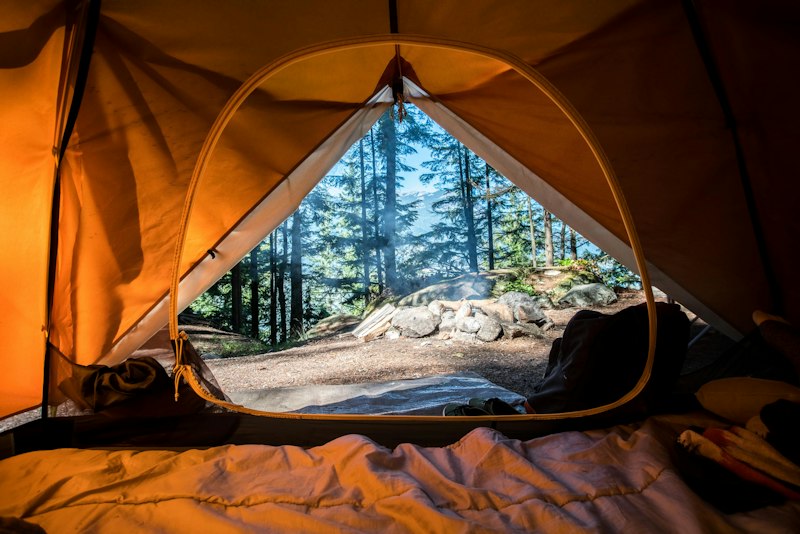
Onsen Gorge Hidden Gem
Kusatsu Netsu-no-Yu Bathing Show
📍

Kusatsu Netsu-no-Yu Bathing Show

A free daily performance at the Yubatake-side bathhouse — local attendants perform the traditional 'jikan-yu' hot water stirring ceremony to cool the scalding 95°C spring water, set to folk song.
Onsen Traditional Show Culture
Gunma Safari Park
📍

Gunma Safari Park

Drive through open enclosures where lions, tigers, bears, and elephants roam freely around your car — one of Japan's best drive-through safari experiences, an hour from Takasaki.
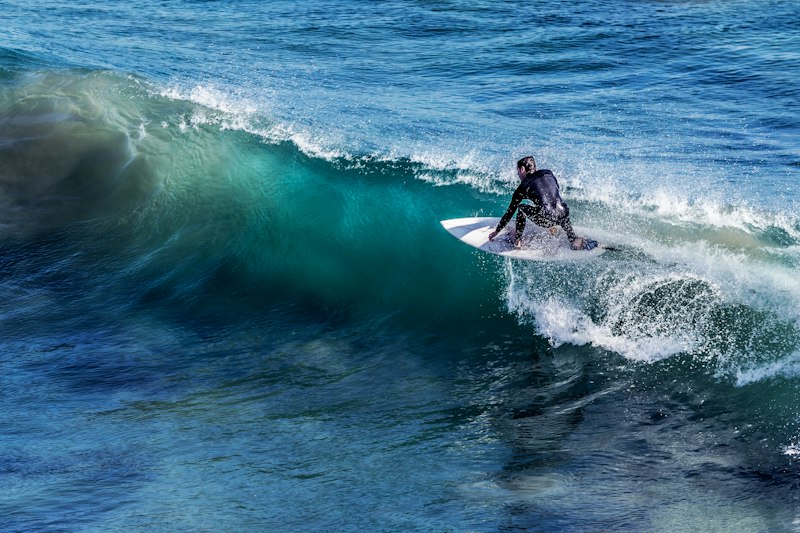
Safari Family Animals
Kusatsu International Ski Resort
📍

Kusatsu International Ski Resort

One of Japan's top ski resorts with reliable powder snow, 21 courses, and night skiing — and uniquely, ski-lift access from the hot spring town itself for a ski-and-onsen combination day.

Skiing Winter Snow
Lake Haruna Ice Fishing (Jan–Feb)
📍

Lake Haruna Ice Fishing (Jan–Feb)

When Lake Haruna freezes over in January, hundreds of ice fishing tents appear on the surface for smelt fishing — a beloved Gunma winter tradition open to visitors with equipment rental.
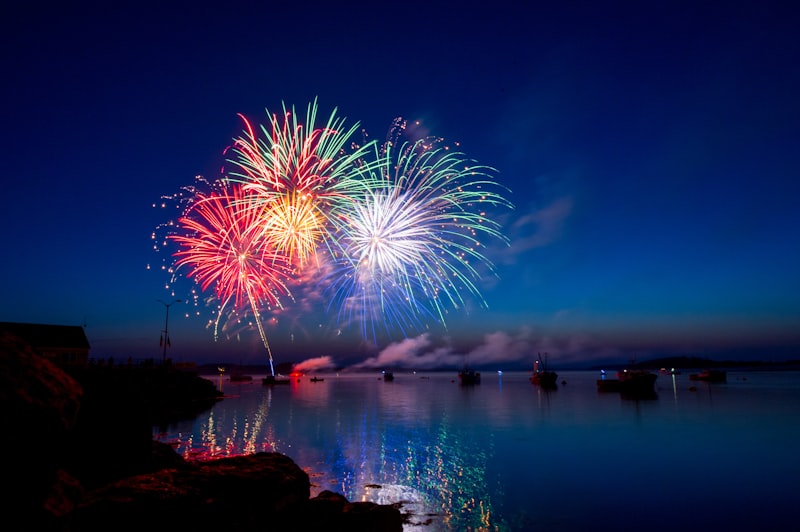
Ice Fishing Winter Lake
🎆

Events

7 spots
Takasaki Daruma Market (Jan)
📍

Takasaki Daruma Market (Jan)

One of Japan's largest traditional markets, held January 6–7 at Shorinzan Darumaji Temple — over 100 stalls selling daruma dolls of every size, drawing 200,000 visitors to greet the new year.
Market New Year Traditional
Ikaho Stone Steps Festival (Sep)
📍

Ikaho Stone Steps Festival (Sep)

An energetic autumn festival where portable shrine (mikoshi) processions climb Ikaho's famous 365-step stone stairway, accompanied by taiko drumming and traditional dance performances.

Festival Mikoshi Autumn
Kusatsu Winter Illumination & Fireworks
📍

Kusatsu Winter Illumination & Fireworks

Kusatsu Onsen's winter festival combines dazzling snow illuminations around the Yubatake with fireworks bursting over the steaming hot spring field — one of Japan's most atmospheric winter events.
Fireworks Winter Onsen
Oze Skunk Cabbage Season (Jun)
📍

Oze Skunk Cabbage Season (Jun)

Every June, Oze National Park's marshlands erupt in golden-white skunk cabbage (mizubasho) blooms across the highland plateau — a uniquely Japanese spring nature spectacle.

Wildflowers Nature Hiking
Mt. Akagi Autumn Foliage (Oct)
📍

Mt. Akagi Autumn Foliage (Oct)

Mt. Akagi's crater lakes and beech forests turn gold and crimson from mid-October, with viewing events, food stalls, and photography contests around Lake Onuma.

Autumn Foliage Mountain Photography
Tomioka Silk Festival (Oct)
📍

Tomioka Silk Festival (Oct)

An autumn celebration of Tomioka's silk-weaving heritage with traditional loom demonstrations, silk product markets, and guided tours of the UNESCO World Heritage mill complex.

Heritage Festival Craft
Lake Haruna Ice Fishing (Jan–Feb)
📍

Lake Haruna Ice Fishing (Jan–Feb)

When Lake Haruna freezes over in January, hundreds of ice fishing tents appear on the surface for smelt fishing — a beloved Gunma winter tradition open to visitors with equipment rental.

Ice Fishing Winter Lake

💡 Practical Travel Tips

Everything you need to know before and during your visit.

🌸
Best Time to Visit
  • Winter (Dec–Mar) — Kusatsu Onsen is at its most atmospheric with snow and steam rising together; the ski resort is excellent and the Yubatake fireworks are spectacular.
  • June — Oze National Park's skunk cabbage (mizubasho) blooms peak in early June — the park is at its most photogenic and uncrowded compared to autumn.
  • Autumn (Oct–Nov) — Mt. Akagi and Lake Haruna foliage, Tomioka Silk Festival, and comfortable temperatures across the whole prefecture.
  • Spring (Apr–May) — Cherry blossoms along the Tone River and at Takasaki's parks; Ikaho's stone steps look beautiful in blossom season.
💴
Budget Guide
  • Budget (¥6,000–¥11,000/day) — Guesthouse in Kusatsu, public bathhouse entry (¥300–¥600), Mizusawa udon lunch, Tomioka Silk Mill entry (¥1,000).
  • Mid-range (¥18,000–¥35,000/day) — Ikaho or Kusatsu ryokan with dinner, ski day pass at Kusatsu (¥4,500), rental car for day.
  • Luxury (¥50,000+/day) — Premium Kusatsu ryokan with private onsen bath, wagyu kaiseki dinner, guided Oze trekking.
  • Kusatsu's public baths (Sainokawara, Goza-no-Yu) are ¥300–¥600 and excellent. The famous Otakinoyu with its wooden bathing show is ¥600. Most ryokan onsen are private-guest-only.
🚗
Getting Around
  • A rental car from Takasaki Station is the single best investment for a Gunma trip — it unlocks Tomioka, Ikaho, Akagi, Shima Onsen, and rural orchards that buses barely serve.
  • Roads in Gunma are generally wide and well-signed with English. Mountain roads to Kusatsu may require winter tyres December–March — confirm with the rental company.
  • Kusatsu town itself is compact enough to walk, and parking near the Yubatake fills up fast on weekends — arrive before 10am or use the town's park-and-ride shuttle.
  • For Oze National Park, leave the car at Oshimizu and walk the boardwalk trail — no vehicles beyond the trailhead.
♨️
Kusatsu Onsen Tips
  • Kusatsu's waters are highly acidic (pH 2.1) — extremely effective at killing bacteria and softening skin, but can irritate eyes and cuts. Rinse thoroughly after bathing.
  • The free Netsu-no-Yu bathing show (jikan-yu ceremony) at the Yubatake-side bathhouse runs several times daily — a fascinating piece of living hot spring culture.
  • Most ryokan offer both indoor and outdoor baths; book a room with a private (kashikiri) onsen if available — they can be reserved by the hour even as a day visitor at many inns.
  • Don't miss the Sainokawara open-air bath (mixed / swimwear): the largest outdoor bath in Kusatsu (¥600), set in a forest park at the edge of town.
🏭
Tomioka Silk Mill Tips
  • Allow 1.5–2 hours for the mill complex. The East Silk Mill (Higashi-Mayu-Soko) is the most impressive building — 140 m long with French-designed brick construction from 1872.
  • English audio guides are available at the entrance (¥200) — highly recommended as the signage inside is primarily Japanese.
  • The Tomioka Silk Mill + Sericulture Heritage Sites combo ticket (¥1,500) covers additional UNESCO-listed silk heritage sites nearby — good value for history enthusiasts.
  • The mill is 10 minutes' walk from Joshu-Tomioka Station. The old town between the station and the mill has good soba and local craft shops.
🙏
Culture & Etiquette
  • In onsen, full nudity is standard in communal baths — swimwear is only permitted in dedicated mixed-gender (konyoku) facilities like Sainokawara.
  • Many traditional Gunma ryokan serve dinner in your room — the check-in time and dinner time are typically fixed; inform the inn if you'll be late.
  • At Oze National Park, stay on the wooden boardwalks at all times — the wetland ecosystem is fragile and footprints off-path cause lasting damage.
  • Daruma dolls are purchased with both eyes blank; you paint one eye when making a wish and the other when it comes true — respect the tradition when buying as a souvenir.

🏨 Find Hotels in Gunma

Compare prices across hundreds of hotels — from budget capsules to luxury ryokan.

Search Hotels on Booking.com →

🎌 Tours & Experiences

Book guided tours, day trips, cooking classes, and cultural experiences.

Browse Tours on Viator →

🗺️ Activities & Attractions

Skip the queues — pre-book entry tickets, day tours, and local experiences.

Explore on GetYourGuide →

🎟️ Things to Do in Gunma

Discover tickets, transport passes, and unique local experiences in Gunma with Klook.

Book on Klook →

🚄 JR Pass & Rail Tickets

Pre-purchase your JR Pass or individual shinkansen tickets before you arrive.

Buy JR Pass →