

Hokkaido · Prefecture Guide

Hokkaido Travel Guide

Japan's wild northern frontier — UNESCO wilderness, legendary powder snow, world-class seafood, and a summer landscape of infinite lavender and flower fields

🦅 Shiretoko — Japan's Most Remote UNESCO Site⛷️ Niseko — Asia's #1 Ski Destination🦀 Japan's Finest Seafood & Dairy🌸 Japan's Longest Autumn Foliage Season🎿 Legendary 'Japow' Powder Snow

🗾 About Hokkaido

Hokkaido is Japan's great escape — a vast northern island four times the size of the Kanto region, with a population barely a quarter of Tokyo's, and nature that operates on an entirely different scale. In winter, Niseko's legendary feather-light powder draws skiers from around the world, Sapporo's Snow Festival constructs buildings from ice, and drift ice reaches the northeast coast. In summer, Furano's lavender fields and Biei's patchwork hills become Japan's most photographed landscape. In between, brown bears fish for salmon in Shiretoko's UNESCO rivers, red-crowned cranes dance in Kusharo's thermal shallows, and Daisetsuzan's volcanic peaks turn crimson weeks before the rest of Japan. Add the finest crab, sea urchin, ramen, and soft-serve ice cream in the country, and Hokkaido becomes a destination that rewards every season.

🌏
Location
Northernmost of Japan's four main islands — above Honshu, connected by Seikan Tunnel
🗣️
Language
Japanese (English available at major tourist areas — Niseko is particularly international)
💴
Currency
Japanese Yen (JPY) — IC cards accepted in cities; carry cash for rural areas
🕐
Time Zone
JST (UTC+9) — no daylight saving
🌡️
Best Season
Winter (Dec–Mar) for skiing/snow; Summer (Jun–Aug) for flowers; Autumn (Sep–Oct) for foliage
✈️
Nearest Airports
New Chitose (CTS) for Sapporo · Asahikawa (AKJ) · Memanbetsu (MMB) for east Hokkaido
🚇
Getting Around
JR Hokkaido trains for cities; rental car essential for nature areas and national parks
Power Plug
Type A, 100V / 50Hz

✈️ Getting There

New Chitose Airport near Sapporo is Hokkaido's main gateway, with direct international flights from Asia and frequent connections from Tokyo (1.5 hrs). The JR Hokkaido network connects Sapporo to Hakodate, Asahikawa, and Kushiro, but a rental car is strongly recommended for exploring national parks, eastern Hokkaido, and the Shiretoko Peninsula.

✈️ From Tokyo (Air)
  • ANA / JAL / Air Do (Haneda → New Chitose) — 1 hr 30 min. ¥10,000–¥35,000 (book early for best fares). Most frequent option — over 60 flights daily in each direction.
  • Peach / Jetstar (Narita → New Chitose) — 1 hr 40 min. From ¥5,000. Low-cost option; baggage fees apply.
🚄 From Tokyo (Train)
  • Hokkaido Shinkansen (Tokyo → Shin-Hakodate-Hokuto) — 4 hrs. ¥22,690. Then 1 hr JR Super Hokuto to Sapporo. Total 5+ hrs — useful for JR Pass holders but flying is faster.
  • Seikan Tunnel — The world's longest undersea rail tunnel (53.85 km) connects Honshu to Hokkaido — a fascinating piece of engineering you pass through on the Shinkansen.
✈️ From Other Cities
  • From Osaka/Kansai (KIX → CTS) — 2 hrs. Frequent direct flights on ANA, JAL, Peach.
  • From Seoul / Taipei / Hong Kong — Direct international flights to New Chitose on ANA, JAL, Peach, and regional carriers. 3–4 hr flights.
🚗 Getting Around Hokkaido
  • Rental Car — Essential for national parks, eastern Hokkaido, and Shiretoko. Book at New Chitose; Toyota Rent-a-Car and Times Car are most reliable. Winter driving experience recommended Dec–Mar.
  • JR Hokkaido — Connects Sapporo to Hakodate (2.5 hrs Super Hokuto), Asahikawa (1.5 hrs), Obihiro (2.5 hrs), and Kushiro (3.5 hrs). JR Pass valid.
  • Highway Bus — Budget option connecting Sapporo to Furano, Biei, Niseko, and Hakodate. Slower but cheap.
  • Sapporo City — Subway and tram cover central Sapporo efficiently. Odori is the central hub for all lines.
💡 Travel TipHokkaido's distances are enormous — the island is as large as Austria. Plan your itinerary carefully around regions rather than trying to cover everything. Eastern Hokkaido (Shiretoko, Akan, Kushiro) requires at least 3–4 days and a dedicated car trip. A good Hokkaido trip uses fly-in/fly-out from Sapporo for one region, or rents a car for a full circuit.

📖 Recommended Travel Guides

Deep-dive guides to help you plan every aspect of your visit — from top sightseeing spots to the best restaurants and seasonal events.

⛩️

Sightseeing

5 spots
Sapporo & Odori Park
📍

Sapporo & Odori Park

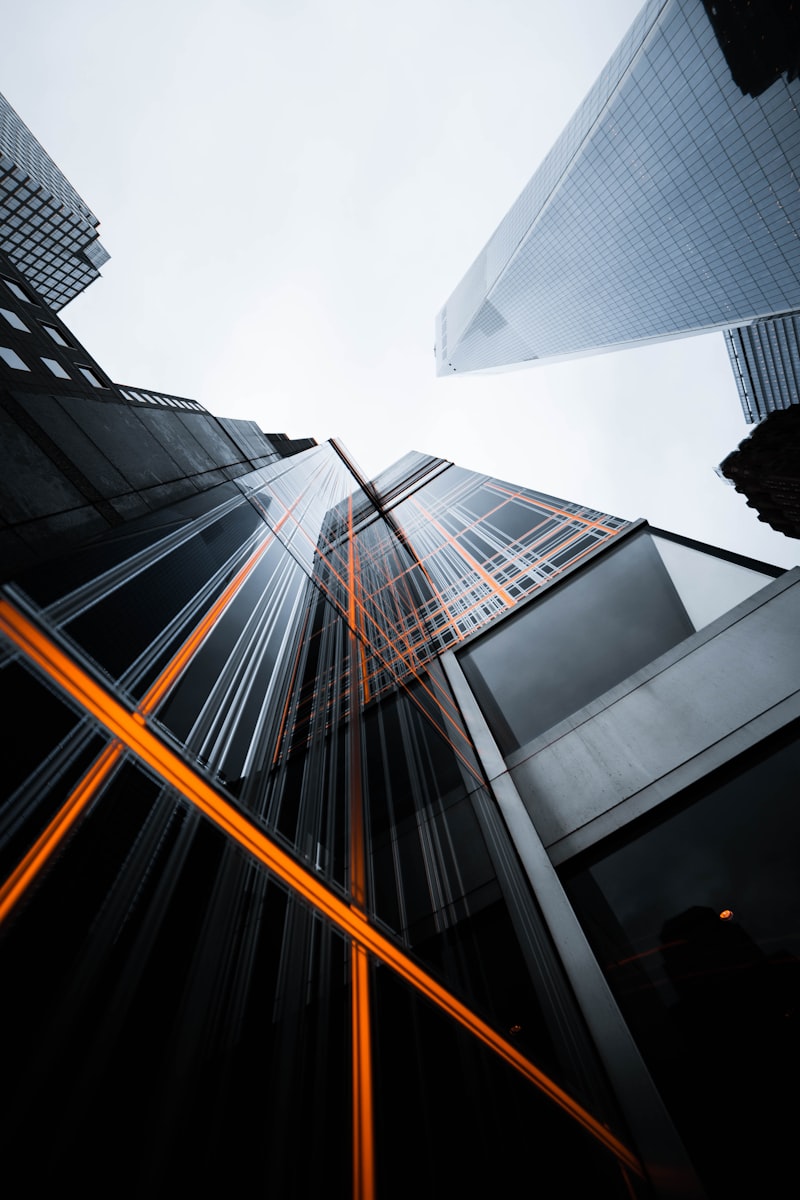
Hokkaido's capital city centres on the iconic Odori Park — a 1.5 km green boulevard dividing the city, home to the Snow Festival in winter and beer gardens in summer. The TV Tower at the east end offers panoramic views.
City Park Urban
Hakodate Morning Market & Mt. Hakodate
📍

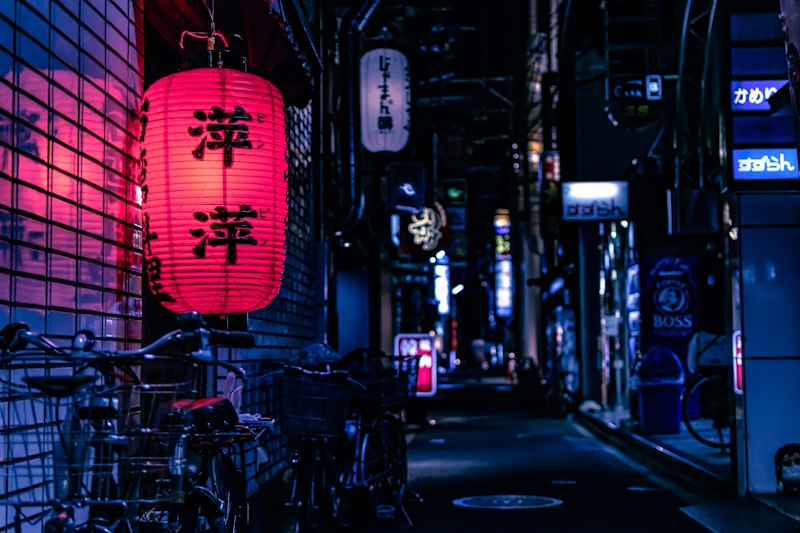
Hakodate Morning Market & Mt. Hakodate

A port city of extraordinary character — the morning seafood market serves live squid and sea urchin at dawn, while the night view from Mt. Hakodate is considered one of Japan's three greatest city panoramas.
Morning Market Night View Historic
Otaru Canal & Glassworks
📍

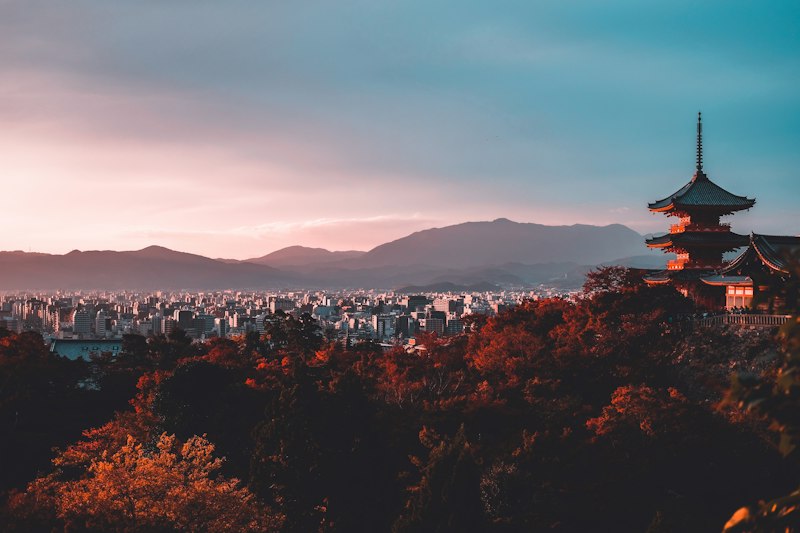
Otaru Canal & Glassworks

A beautifully preserved Meiji-era port town whose stone warehouses line a gas-lit canal — now filled with artisan glass studios, music box shops, and seafood restaurants. Magical under winter snow.
Canal Historic Shopping
Noboribetsu Onsen & Jigokudani
📍

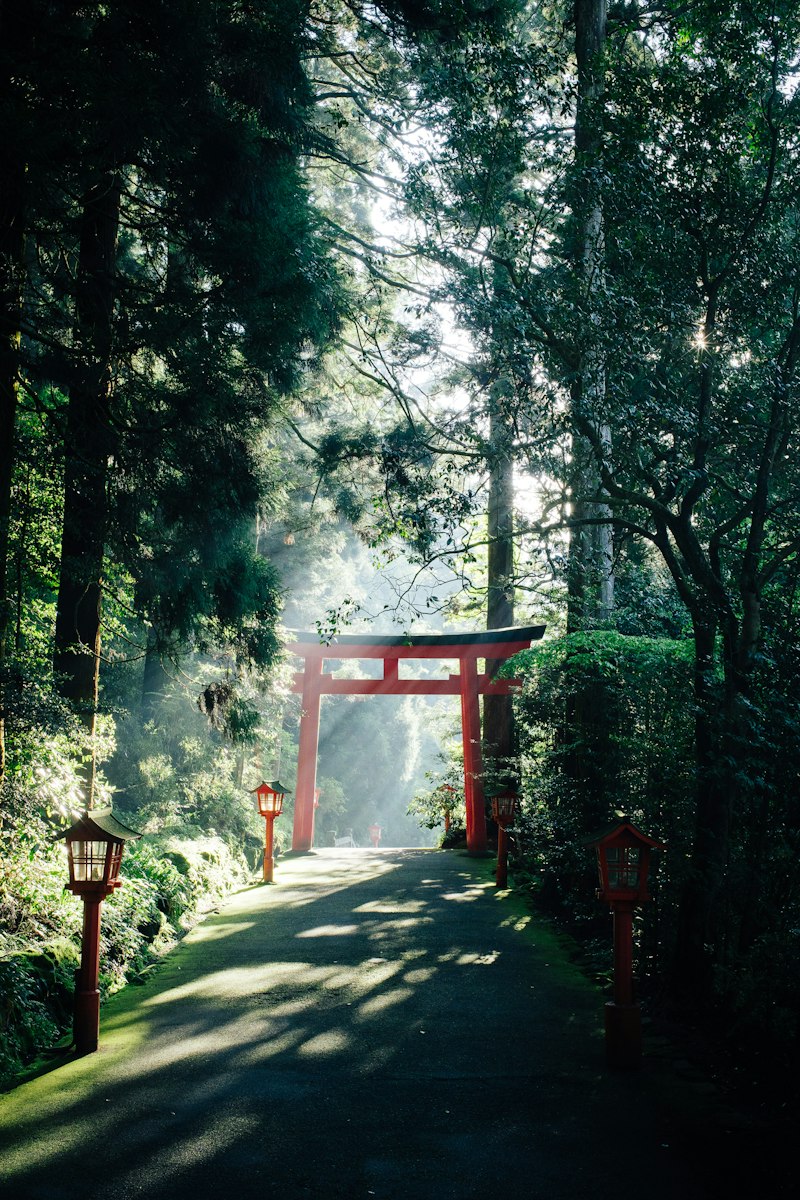
Noboribetsu Onsen & Jigokudani

Hokkaido's most famous onsen resort, built around Jigokudani (Hell Valley) — a steaming volcanic crater of bubbling grey mud and sulphur vents. Nine different spring types emerge here, each with unique mineral properties.
Onsen Hell Valley Volcanic
Upopoy National Ainu Museum
📍

Upopoy National Ainu Museum

Japan's first national Ainu museum, opened 2020 beside Lake Poroto — an immersive celebration of Hokkaido's indigenous Ainu people through architecture, craft, music, and ceremony. A landmark of cultural recognition.

Ainu Culture Indigenous Museum
🍜

Gourmet

6 spots
Hakodate Morning Market & Mt. Hakodate
📍

Hakodate Morning Market & Mt. Hakodate

A port city of extraordinary character — the morning seafood market serves live squid and sea urchin at dawn, while the night view from Mt. Hakodate is considered one of Japan's three greatest city panoramas.

Morning Market Night View Historic
Hokkaido Seafood — Crab, Uni & Salmon
📍

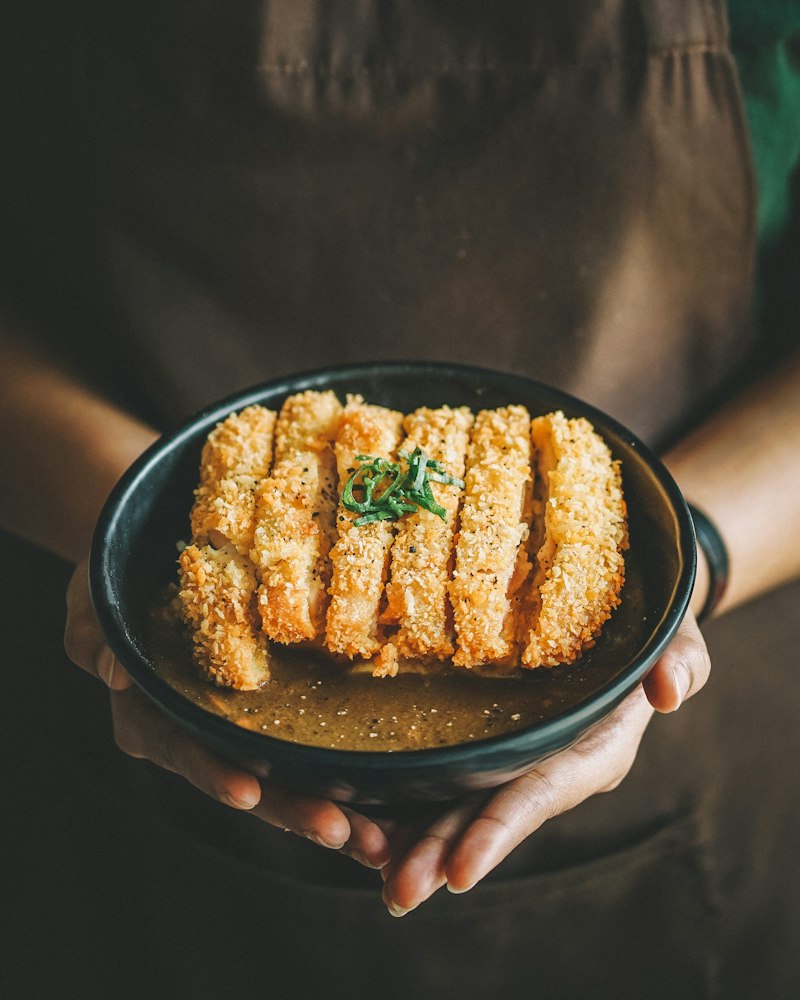
Hokkaido Seafood — Crab, Uni & Salmon

Hokkaido's cold waters produce Japan's finest seafood — hairy crab, king crab, bafun uni (sea urchin), ikura salmon roe, and scallops. The Sapporo and Hakodate morning markets are the top destinations for fresh-off-the-boat feasts.
Crab Sea Urchin Seafood
Sapporo Miso Ramen
📍

Sapporo Miso Ramen

Sapporo is the birthplace of miso ramen — a rich, corn-topped bowl with thick wavy noodles in a miso-fortified pork broth. Ramen Yokocho (Ramen Alley) near Susukino is the essential pilgrimage for first-timers.

Ramen Miso Local Specialty
Hokkaido Dairy & Farm Cuisine
📍

Hokkaido Dairy & Farm Cuisine

Hokkaido produces 50% of Japan's dairy — soft-serve ice cream, buttery corn, fresh cheese, and cream-laden soups are ubiquitous. Farm restaurants in Furano and Tokachi serve vegetables picked that morning.
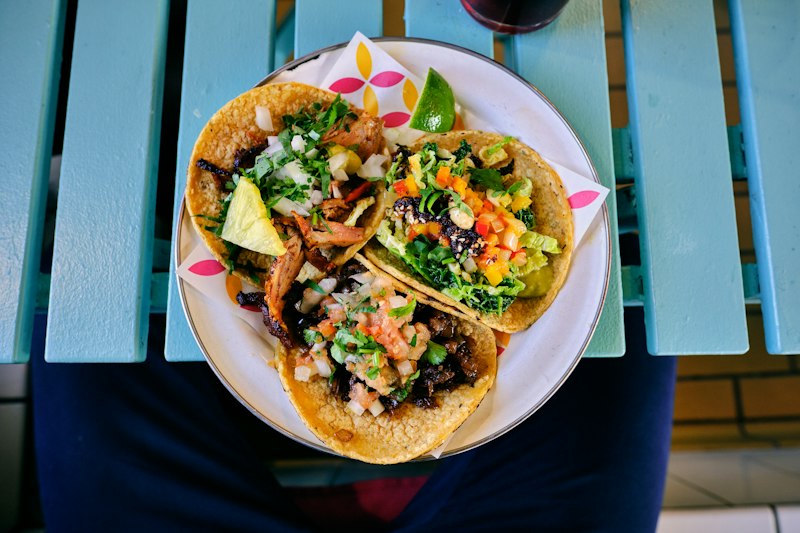
Dairy Cheese Farm Food
Jingisukan (Genghis Khan BBQ)
📍

Jingisukan (Genghis Khan BBQ)

Hokkaido's signature meat dish — lamb and mutton grilled on a domed iron skillet named after Genghis Khan. Served with vegetables and sweet-savory dipping sauce, it's found at casual restaurants across the island.

BBQ Lamb Local
Sapporo Soup Curry
📍

Sapporo Soup Curry

A Sapporo invention — a large bowl of aromatic spiced broth filled with whole roasted vegetables and chicken, eaten by dipping the rice in rather than mixing. Unique to Hokkaido and found on every Sapporo street corner.
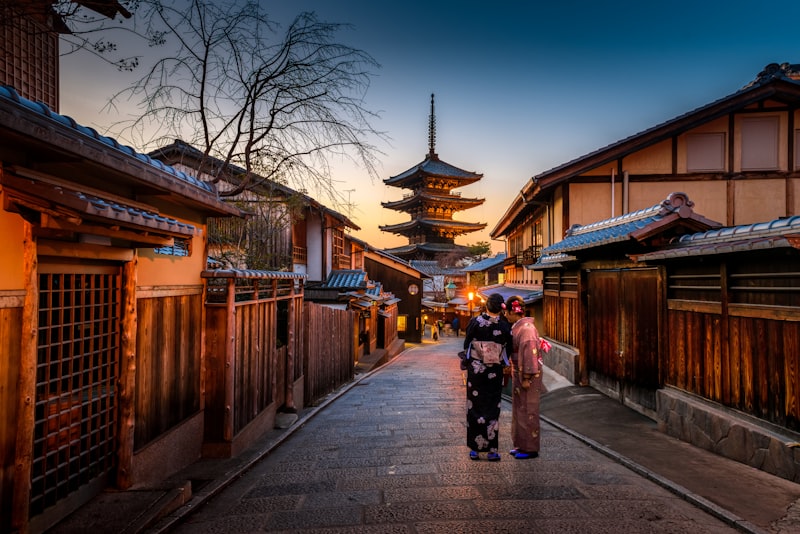
Curry Sapporo Original Vegetables
🏔️

Nature

5 spots
Daisetsuzan National Park
📍

Daisetsuzan National Park

Japan's largest national park — a vast volcanic highland with peaks over 2,000 m, Japan's earliest autumn foliage (from mid-September), and wildlife including brown bears, deer, and foxes. The Asahidake ropeway provides easy alpine access.

Mountains Hiking Alpine
Furano & Biei Flower Fields
📍

Furano & Biei Flower Fields

The rolling patchwork hills of Biei and Furano's Farm Tomita lavender fields are Japan's most iconic summer landscape — purple lavender, golden wheat, and rainbow flower rows beneath the Daisetsu mountains.
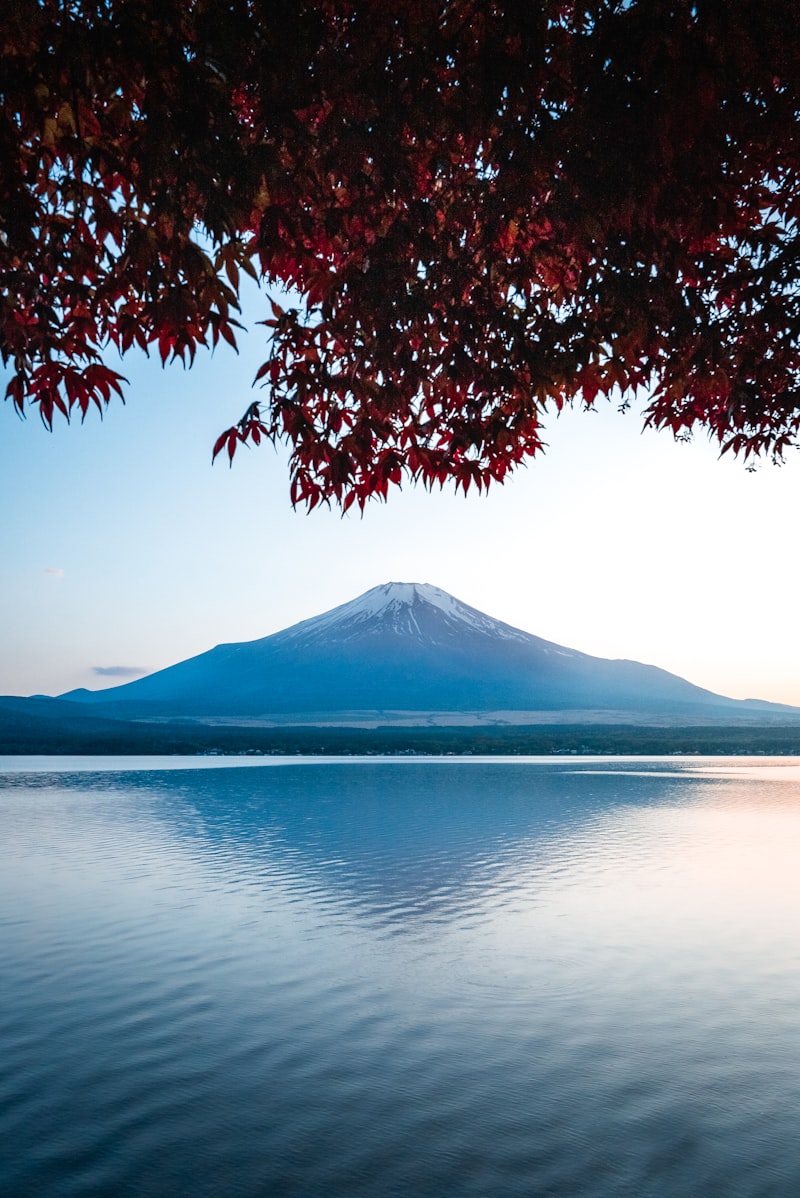
Lavender Flowers Summer
Shiretoko Peninsula (UNESCO)
📍

Shiretoko Peninsula (UNESCO)

Japan's most remote and wild UNESCO World Heritage Site — a peninsula jutting into the Okhotsk Sea where brown bears fish for salmon, Steller's eagles soar overhead, and drift ice arrives in February.
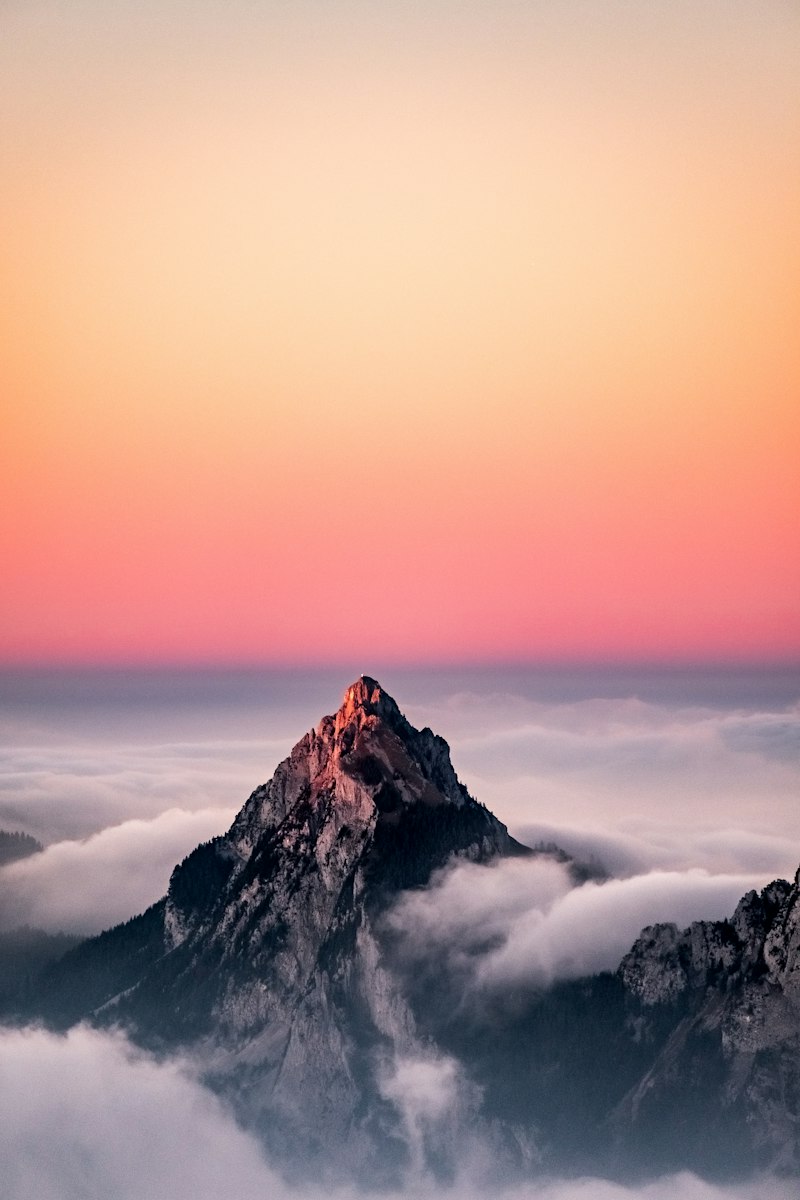
UNESCO Wildlife Remote
Akan & Kusharo Caldera Lakes
📍

Akan & Kusharo Caldera Lakes

Eastern Hokkaido's caldera lake district — Lake Akan is home to rare spherical marimo algae, Lake Mashu is one of the world's clearest lakes, and Lake Kussharo is a vast shallow thermal lake with swans in winter.
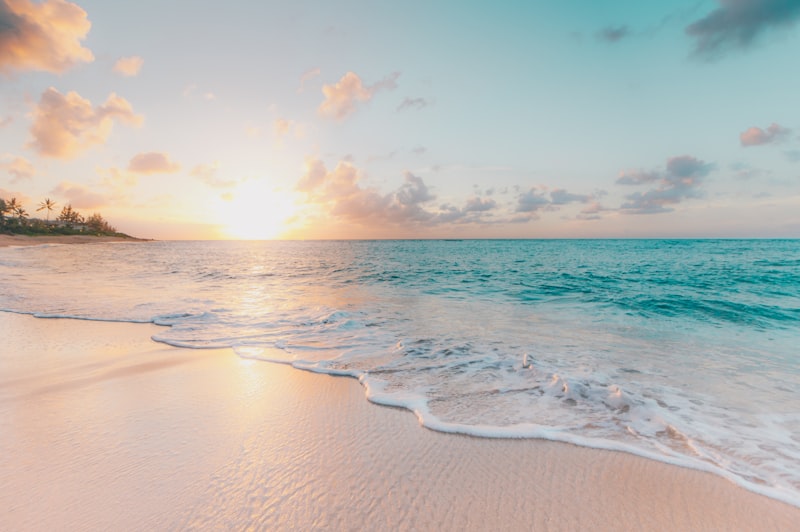
Lake Volcano Marimo
Abashiri Drift Ice (Feb)
📍

Abashiri Drift Ice (Feb)

Every February, the Sea of Okhotsk freezes and drift ice reaches Hokkaido's northeast coast — take the icebreaker Aurora for a surreal cruise through floating ice fields, or walk on the ice at Abashiri.

Drift Ice Winter Unique
🎿

Leisure

6 spots
Noboribetsu Onsen & Jigokudani
📍

Noboribetsu Onsen & Jigokudani

Hokkaido's most famous onsen resort, built around Jigokudani (Hell Valley) — a steaming volcanic crater of bubbling grey mud and sulphur vents. Nine different spring types emerge here, each with unique mineral properties.
Onsen Hell Valley Volcanic
Niseko Ski Resort
📍

Niseko Ski Resort

Asia's top ski destination — Niseko's legendary Japow (Japan powder) dumps meters of featherlight snow on world-class runs. An international resort community with excellent English, restaurants, and après-ski culture.
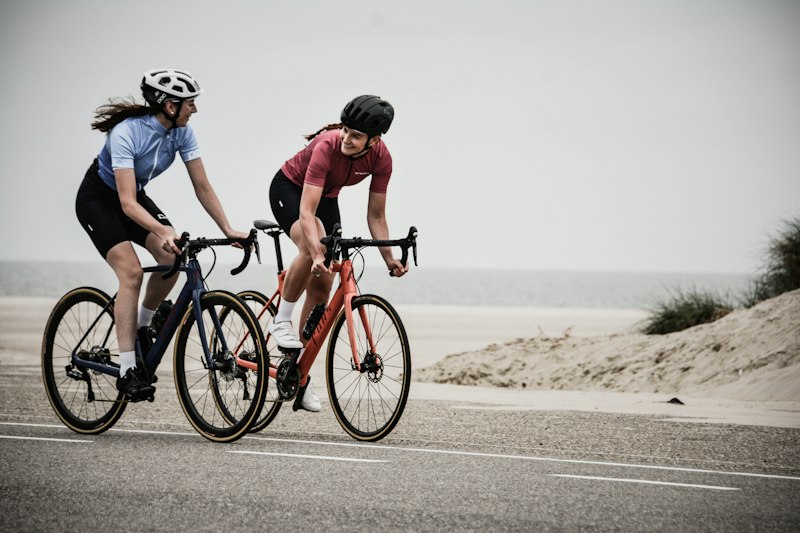
Skiing Powder Snow International
Hokkaido Long-Distance Cycling
📍

Hokkaido Long-Distance Cycling

Hokkaido's wide roads, minimal traffic, and dramatic scenery make it Japan's premier cycling destination. The Biei-Furano patchwork hills route and the coastal roads of the Shakotan Peninsula are the most celebrated rides.
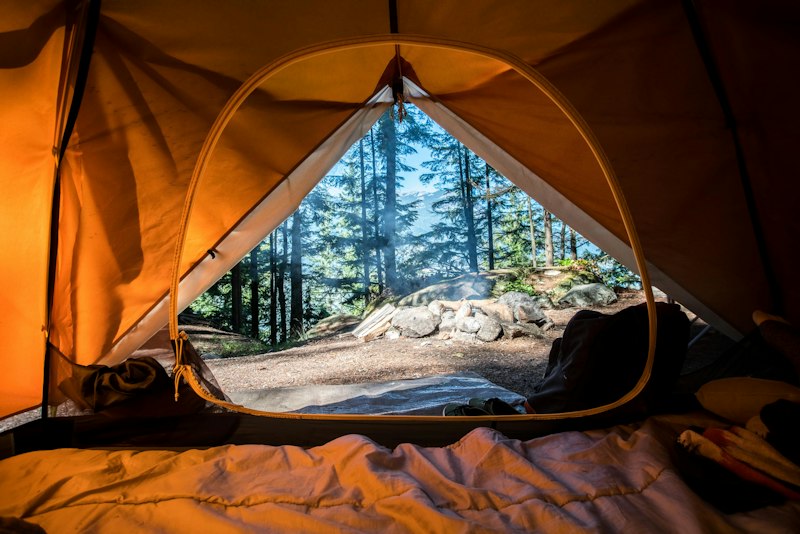
Cycling Scenic Active
Tokachi Farm Stay & Hot Springs
📍

Tokachi Farm Stay & Hot Springs

The Tokachi plain offers farm stay experiences on working dairy and vegetable farms, with thermal hot springs dotting the landscape — an unhurried Hokkaido experience far from the tourist trail.
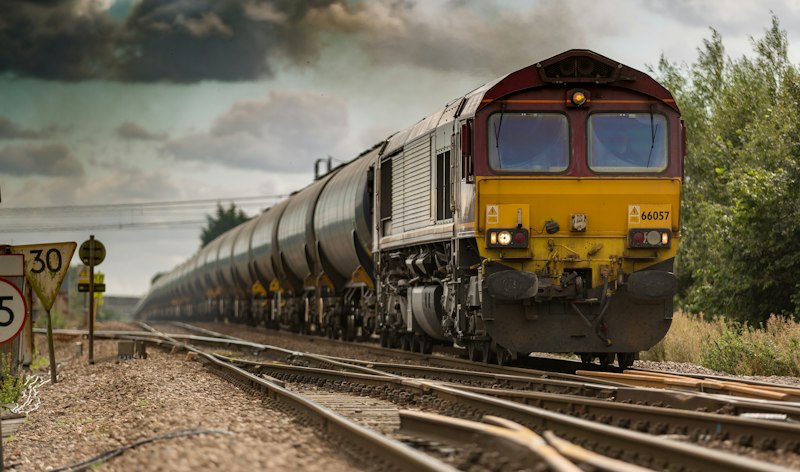
Farm Stay Rural Onsen
Brown Bear & Wildlife Watching
📍

Brown Bear & Wildlife Watching

Hokkaido is home to Japan's largest brown bear population. Guided wildlife tours in Shiretoko and Daisetsuzan offer sightings of bears fishing for salmon in autumn — plus red-crowned cranes, foxes, and sea eagles.

Wildlife Bears Nature Tour
Sapporo Beer Garden & Summer
📍

Sapporo Beer Garden & Summer

Hokkaido's short, glorious summer peaks in Sapporo's famous beer gardens — vast outdoor venues where thousands enjoy Sapporo draft beer and jingisukan lamb BBQ under the open sky, typically June through August.

Beer Summer BBQ
🎆

Events

5 spots
Sapporo Snow Festival (Feb)
📍

Sapporo Snow Festival (Feb)

One of Japan's biggest winter events — for one week each February, Odori Park fills with enormous snow and ice sculptures (some the size of buildings), drawing 2 million visitors from around the world.
Snow Festival Winter Ice Sculpture
Furano Lavender Season (Jul)
📍

Furano Lavender Season (Jul)

July is peak lavender season in Furano — Farm Tomita and neighbouring fields host lavender festivals with guided tours, lavender ice cream, and souvenir shops amid the fragrant purple rows.
Lavender Summer Festival Photography
Yosakoi Soran Festival (Jun)
📍

Yosakoi Soran Festival (Jun)

Sapporo's most energetic festival — 30,000 dancers in vivid costumes perform a fusion of traditional Yosakoi and Hokkaido Soran folk dance through the city streets over four days in early June.

Dance Festival Summer Colorful
Hokkaido Autumn Foliage (Sep–Oct)
📍

Hokkaido Autumn Foliage (Sep–Oct)

Hokkaido's autumn arrives weeks earlier than the rest of Japan — Daisetsuzan's peaks turn crimson from mid-September, followed by the lower forests through October, creating Japan's longest autumn foliage season.

Autumn Foliage Early Season Mountains
Hakodate Christmas Fantasy (Dec)
📍

Hakodate Christmas Fantasy (Dec)

The historic harbour of Hakodate is transformed each December with a giant Christmas tree on the pier, romantic waterfront illuminations along the old brick warehouses, and fireworks over the bay.

Christmas Illumination Winter

💡 Practical Travel Tips

Everything you need to know before and during your visit.

🌸
Best Time to Visit
  • Winter (Dec–Mar) — Niseko skiing at its peak; Sapporo Snow Festival in early February; drift ice at Abashiri in February. Pack extreme cold gear (−20°C possible in the east).
  • Summer (Jun–Aug) — Furano lavender peaks in mid-July; Biei flower fields at their most colourful; Sapporo beer gardens open; no insects bother you. Hokkaido's summer is Japan's most pleasant.
  • Autumn (Sep–Oct) — Japan's earliest autumn foliage — Daisetsuzan peaks turn crimson from mid-September, followed by Sounkyo Gorge in early October. Brown bears visible fishing for salmon.
  • Spring (Apr–May) — Snow lingers in the mountains but cities thaw. Cherry blossoms arrive late (Sapporo: late April) and coincide with tulip fields. Fewer tourists than summer or winter.
💴
Budget Guide
  • Budget (¥7,000–¥12,000/day) — Guesthouse or hostel, convenience store breakfast, ramen or soup curry lunch, supermarket sushi for dinner, one activity (onsen or cycling).
  • Mid-range (¥18,000–¥35,000/day) — Business hotel in Sapporo, morning market seafood breakfast (¥2,000–¥4,000), crab dinner at a kaisendon restaurant (¥3,000–¥8,000), ski lift pass or wildlife tour.
  • Luxury (¥60,000+/day) — Niseko premium ski lodge with private onsen, helicopter skiing, full crab course dinner at a top Susukino restaurant, private Shiretoko wildlife boat.
  • Hokkaido's supermarkets are outstanding for self-catering — fresh crab, uni, salmon roe, and soft-serve ingredients are all dramatically cheaper than in Tokyo.
🚗
Driving in Hokkaido
  • An international driving permit (IDP) is required for most foreign licences — obtain before departure. Japanese drivers licence holders need nothing extra.
  • Winter driving (Dec–Mar) requires snow tyres — rental companies provide these, but confirm when booking. Ice on roads is common; drive slowly and leave large stopping distances.
  • Roads are wide, signposted (with romaji), and relatively uncongested outside Sapporo. Petrol stations are sparse in eastern and northern Hokkaido — fill up in every town.
  • Speed cameras are common and strictly enforced. Keep to speed limits (general roads: 60 km/h; expressways: 100 km/h).
🦀
Seafood Tips
  • For the best value, visit the Sapporo Central Wholesale Market (Jyogai Ichiba) or Hakodate Morning Market early — fresh uni, hairy crab, and ikura bowl sets cost half the restaurant price.
  • Hairy crab (kegani) season peaks April–June; king crab (tarabagani) is best Nov–Mar; uni (sea urchin) peaks June–August in Rishiri and Rebun islands.
  • Hokkaido's kaisen-don (seafood rice bowl) is the region's signature lunch — for under ¥3,000 you can eat combinations that would cost ¥10,000+ in Tokyo.
  • In rural fishing ports (Rausu, Abashiri, Monbetsu), simple seafood restaurants with daily-catch menus serve the freshest food with no tourist markup.
❄️
Winter Activities
  • Niseko has excellent English-language ski schools and rental shops — one of Japan's most international resorts, with staff from Australia, Canada, and Europe widely available.
  • The Sapporo Snow Festival (Yuki Matsuri) runs for one week in early February — book accommodation 3–6 months ahead as the city fills entirely. Odori Park sculptures are free to view 24 hours.
  • Drift ice viewing at Abashiri requires a 3-hour train or drive from Sapporo — the icebreaker Aurora runs only in February; book online in advance as it sells out.
  • Outdoor hot spring (rotenburo) bathing in snow is one of Hokkaido's greatest pleasures — Noboribetsu, Jozankei (near Sapporo), and Shiretoko Utoro all have excellent options.
🐻
Wildlife & Nature Tips
  • Brown bear encounters are rare but possible in Shiretoko and Daisetsuzan — make noise on trails, carry a bell, and follow all posted guidance. Never approach or feed bears.
  • Red-crowned cranes at Tsurui-Ito Tancho Sanctuary near Kushiro are spectacular in winter (Nov–Mar) when they gather at feeding stations — early morning visits see the most birds.
  • For Shiretoko brown bear watching, guided boat tours from Utoro are safest and most productive — bears are often visible fishing salmon from the shoreline in September and October.
  • Marimo algae at Lake Akan are visible in the shallow water near the visitor centre — they grow just 5 mm per year and can live over 200 years. Do not touch or remove them.

🏨 Find Hotels in Hokkaido

Compare prices across hundreds of hotels — from budget capsules to luxury ryokan.

Search Hotels on Booking.com →

🎌 Tours & Experiences

Book guided tours, day trips, cooking classes, and cultural experiences.

Browse Tours on Viator →

🗺️ Activities & Attractions

Skip the queues — pre-book entry tickets, day tours, and local experiences.

Explore on GetYourGuide →

🎟️ Things to Do in Hokkaido

Discover tickets, transport passes, and unique local experiences in Hokkaido with Klook.

Book on Klook →

🚄 JR Pass & Rail Tickets

Pre-purchase your JR Pass or individual shinkansen tickets before you arrive.

Buy JR Pass →