Kanto · Prefecture Guide

Ibaraki Travel Guide

4.5 million blue nemophila flowers, Japan's plum garden capital, ancient coastal shrines, the world's tallest bronze Buddha, and the birthplace of natto — 90 minutes from Tokyo

🌸 Kairakuen — One of Japan's 3 Great Gardens💙 Hitachi Seaside Park — 4.5 Million Nemophila⛩️ Kashima Jingu — One of Japan's Oldest Shrines🧘 Ushiku Daibutsu — World's Tallest Bronze Buddha🫘 Mito — Japan's Natto Capital

🗾 About Ibaraki

Ibaraki Prefecture sits directly north of Tokyo yet remains one of the most overlooked destinations in the Kanto region — a place where the crowds thin out, prices drop, and the landscapes feel genuinely unhurried. The prefecture's most famous sight is Kairakuen, one of Japan's three great gardens, where 3,000 plum trees of 100 varieties blanket a hillside above Lake Senba in waves of white and pink from late February through March. A short drive up the coast, Hitachi Seaside Park pulls visitors from around the world each April and May when 4.5 million baby-blue nemophila flowers transform Miharashi Hill into a living painting, and again in October when the same hill burns crimson with kochia. On the Pacific coast, the ancient cedar approach of Kashima Jingu — one of Japan's oldest shrines, flanked by deer and lanterns carved from stone — offers a spiritual encounter as powerful as anything in Kyoto or Nara. Inland, the Ushiku Daibutsu soars 120 metres into the sky as the world's tallest bronze Buddha, visible from the highway like a bronze sentinel over the Kanto plain. And across the prefecture's ports and ryokan, winter tables are laden with anko nabe — rich, collagen-thick monkfish hot pot — alongside the fermented natto soybeans that have made Mito synonymous with Japan's most debated breakfast food.

Location
Kanto region, Pacific coast — north of Tokyo; bordered by Fukushima, Tochigi, Saitama, Chiba, and the Pacific Ocean
Best Season
Late Feb–Mar (Mito plum blossoms, Kairakuen); Apr–May (Hitachi Seaside nemophila); Oct (kochia red at Hitachi, Lake Kasumigaura cycling); Dec–Feb (anko monkfish hot pot season)
Airport
Tokyo Narita Airport (NRT) is actually in Chiba, 1 hr from Mito. Tokyo is the practical hub
Getting Around
Joban Line (Tokyo Ueno to Mito ~1h20m, Hitachi ~2h); JR Kashima Line for Kashima Jingu; rental car highly recommended for Hitachi Seaside Park, Ushiku, and the coast
Capital City
Mito — a compact city with Kairakuen, Mito Castle remains, the Kodokan domain school, and Japan's finest natto shops all within easy walking and cycling distance
Language
Japanese throughout; English signage at Hitachi Seaside Park, Tsukuba Space Center, and major tourist sites, but limited elsewhere — a translation app is useful outside the main attractions
Currency
Japanese yen (JPY); card acceptance improving but cash is still expected at rural seafood restaurants, roadside stalls, and smaller guesthouses along the coast
Day Trip from Tokyo
Fully possible for Kairakuen, Mito, or Hitachi Seaside Park — but one or two nights lets you cover the coast, Kashima, and a lakeside cycling day without rushing

✈️ Getting There

Ibaraki is among the most accessible of Japan's overlooked prefectures — Mito, the prefectural capital, is reached from Tokyo Ueno Station on the JR Joban Line Limited Express in around 1 hour 20 minutes, and the journey by car via the Joban Expressway takes a similar 1 hour 30 minutes under normal traffic conditions.

💡 Travel TipHitachi Seaside Park is best reached by car from Katsuta Station (approximately 15 minutes). A direct bus service from Katsuta Station operates only during peak nemophila season in April–May and the kochia season in October — outside those periods, there is no reliable public bus to the main park entrance, and taxis from the station are expensive relative to the short distance.

📖 Recommended Travel Guides

Deep-dive guides to help you plan every aspect of your visit — from top sightseeing spots to the best restaurants and seasonal events.

⛩️

Sightseeing

8 spots
Kairakuen Garden
📍

Kairakuen Garden

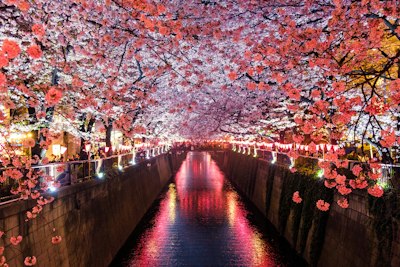
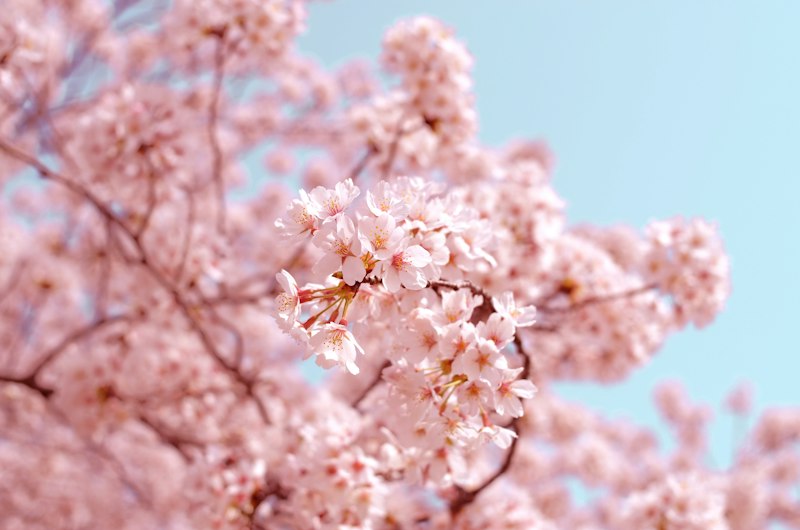
One of Japan's three great gardens, Kairakuen was opened to the public in 1842 and remains a symbol of Mito. The garden is home to over 3,000 plum trees of 100 varieties that burst into bloom from late February through March, drawing hundreds of thousands of visitors each year. The hillside setting above Lake Senba offers sweeping views across a landscape of bamboo groves, cedar forest, and historic pavilions.
plum blossoms historic garden spring Mito Japan's 3 great gardens
Hitachi Seaside Park
📍

Hitachi Seaside Park

Hitachi Seaside Park is a 350-hectare coastal park that transforms dramatically with the seasons — in April and May, Miharashi Hill is carpeted by 4.5 million baby-blue nemophila flowers that seem to merge with the sky, while October sees the same hillside glow fiery red with kochia. Beyond the famous flower seasons the park offers cycling trails, rose gardens, an amusement zone, and wide sandy dunes leading down to the Pacific.

nemophila kochia flowers coastal park cycling
Kashima Jingu
📍

Kashima Jingu

One of Japan's oldest and most sacred Shinto shrines, Kashima Jingu was founded in 660 BC and has been a spiritual centre for warriors and pilgrims for millennia. A 2-kilometre forested approach avenue of towering ancient cedars, flanked by grazing deer, creates one of the most atmospheric shrine approaches in the country. The main halls, stone lanterns, and hidden pond deep in the cedar grove make this a compelling destination at any season.

shrine ancient cedar forest deer Shinto
Ushiku Daibutsu
📍

Ushiku Daibutsu

Standing 120 metres tall including its lotus-flower base, the Ushiku Daibutsu is the world's tallest bronze Buddha statue and a breathtaking sight visible from the surrounding plains. Inside the hollow statue visitors can take an elevator to an observation floor at the chest level, which affords panoramic views across the Kanto lowlands. The surrounding botanical garden and illuminated ponds make evening visits particularly memorable.

giant Buddha bronze statue landmark Ushiku world record
Tsukuba Space Center
📍

Tsukuba Space Center

The Tsukuba Space Center is the main research and development hub of JAXA, Japan's space agency, and offers free public tours and an impressive outdoor rocket exhibition. Actual H-II rockets, satellite mockups, and the Japanese Experiment Module from the International Space Station can be seen up close, while the visitor centre houses detailed exhibitions on Japan's space programme. The tour experience is engaging for all ages and uniquely places Japan's space achievements in global context.

JAXA space rockets science Tsukuba
Ibaraki Prefectural Museum of History
📍

Ibaraki Prefectural Museum of History

The Ibaraki Prefectural Museum of History sits near Mito Castle and traces the region's story from prehistoric times through to the Meiji era. Highlights include artefacts from the Mito Domain, personal effects of the Tokugawa clan lords who governed the region, and detailed displays on the late-Edo political movement centred on Mito. The landscaped grounds containing restored castle earthworks are free to walk and offer a quiet counterpoint to central Mito.

history museum Mito samurai culture
Oarai Coast
📍

Oarai Coast

The Oarai coast is anchored by one of Japan's most photogenic coastal shrines — Oarai Isosaki Shrine, whose distinctive torii gate stands directly on an exposed reef in the Pacific surf, best seen at dawn when the orange gate is silhouetted against the brightening horizon. The rugged Pacific coastline here, battered by strong seasonal swells, draws surfers, fishermen, and photographers seeking dramatic seascapes unlike the gentler shores of Tokyo Bay. The port town itself serves fresh Pacific fish at casual seafood restaurants steps from the harbour.

torii gate sea coast Pacific Shinto
Mito Castle Remains
📍

Mito Castle Remains

While Mito Castle was largely demolished after the Meiji Restoration, its surviving earthworks, moats, and the partially reconstructed Ninomaru Gate offer a tangible connection to the powerful Mito Domain that shaped late-Edo Japanese politics. The castle hill overlooks the city and the distant glimmer of Lake Senba, and the grounds are freely accessible as a public park anchored by the historic Kodokan Confucian school — one of Japan's largest surviving domain schools — still standing nearby. The combination of castle remains, the Kodokan, and the adjacent history museum makes this area the richest single historical precinct in Ibaraki.

castle Mito Tokugawa history earthworks
🍜

Gourmet

5 spots
Anko — Monkfish Hot Pot
📍

Anko — Monkfish Hot Pot

Anko nabe, or monkfish hot pot, is Ibaraki's most celebrated winter dish, prized for the rich, collagen-laden broth made from the monkfish liver and seven body parts cooked together in a miso or soy-based stock. The fishing port of Oarai is the primary landing point for the large, ugly-but-delicious fish which thrives in the cold winter waters off the Ibaraki coast. Restaurants up and down the coast specialise in the dish from November through March, when the fish are at their fattest and most flavourful.

monkfish hot pot winter seafood Ibaraki cuisine
Mito Natto
📍

Mito Natto

Mito has been Japan's natto capital for centuries, and the sticky fermented soybeans produced here are considered the finest in the country thanks to local water quality and long-refined fermentation techniques. Natto factories and specialty shops are found throughout Mito, and the city hosts an annual natto festival celebrating the pungent, stringy delicacy that divides even Japanese diners. Visitors can try natto in every imaginable form — over rice, in sushi rolls, in tempura, or even in ice cream — at dedicated shops near Kairakuen.

natto fermented soybeans Mito Japanese breakfast local speciality
Hitachi Beef
📍

Hitachi Beef

Hitachi beef is Ibaraki's premium wagyu brand, raised on the region's rich Kanto plains and prized for its finely marbled texture and deep, buttery flavour. Local steakhouses and yakiniku restaurants in Mito and Hitachi serve the beef in grilled, teppanyaki, and sukiyaki preparations that showcase the quality of the local cattle. At significantly lower prices than Kobe or Matsuzaka beef, Hitachi beef offers exceptional value for wagyu lovers visiting the region.

wagyu beef Hitachi premium meat Japanese beef
Kuji Chicken
📍

Kuji Chicken

Kuji chicken is a celebrated brand chicken raised in the rural north of Ibaraki Prefecture, known for its firm texture, clean flavour, and the golden colour of its skin from the grain-rich local diet. The birds are served grilled over charcoal at specialist yakitori restaurants in Kita-Ibaraki and also appear as whole roasted or simmered preparations on local restaurant menus. Pairing Kuji chicken with local sake from one of Ibaraki's small-batch breweries is a quintessential northern Ibaraki dining experience.

chicken brand poultry Kuji yakitori local food
Ibaraki Chestnuts
📍

Ibaraki Chestnuts

Ibaraki is Japan's largest producer of chestnuts, and the harvest season from September through November transforms roadside stalls and confectionery shops across the prefecture. Kuri gohan — chestnut rice — is the emblematic autumn dish, fragrant with the nutty sweetness of freshly harvested chestnuts steamed into short-grain rice. Confectioneries in Mito and Tsukuba produce sophisticated chestnut wagashi sweets, Mont Blanc pastries, and chestnut paste desserts that make excellent edible souvenirs.

chestnuts kuri gohan autumn Japan's largest producer seasonal food
🏔️

Nature

8 spots
Kairakuen Garden
📍

Kairakuen Garden

One of Japan's three great gardens, Kairakuen was opened to the public in 1842 and remains a symbol of Mito. The garden is home to over 3,000 plum trees of 100 varieties that burst into bloom from late February through March, drawing hundreds of thousands of visitors each year. The hillside setting above Lake Senba offers sweeping views across a landscape of bamboo groves, cedar forest, and historic pavilions.
plum blossoms historic garden spring Mito Japan's 3 great gardens
Hitachi Seaside Park
📍

Hitachi Seaside Park

Hitachi Seaside Park is a 350-hectare coastal park that transforms dramatically with the seasons — in April and May, Miharashi Hill is carpeted by 4.5 million baby-blue nemophila flowers that seem to merge with the sky, while October sees the same hillside glow fiery red with kochia. Beyond the famous flower seasons the park offers cycling trails, rose gardens, an amusement zone, and wide sandy dunes leading down to the Pacific.

nemophila kochia flowers coastal park cycling
Lake Kasumigaura
📍

Lake Kasumigaura

Lake Kasumigaura is Japan's second largest lake, a vast freshwater expanse of 220 square kilometres stretching across the central Ibaraki lowlands and fringed by reeds, lotus fields, and traditional fishing villages. A 180-kilometre cycling path circumnavigates the lake and is one of Japan's finest long-distance cycling routes, passing through placid rural scenery with water views throughout. The lake is also famous for its whitebait and freshwater eel cuisine, enjoyed at lakeside restaurants that have changed little in decades.

lake cycling fishing second largest lake Kasumigaura
Oarai Coast
📍

Oarai Coast

The Oarai coast is anchored by one of Japan's most photogenic coastal shrines — Oarai Isosaki Shrine, whose distinctive torii gate stands directly on an exposed reef in the Pacific surf, best seen at dawn when the orange gate is silhouetted against the brightening horizon. The rugged Pacific coastline here, battered by strong seasonal swells, draws surfers, fishermen, and photographers seeking dramatic seascapes unlike the gentler shores of Tokyo Bay. The port town itself serves fresh Pacific fish at casual seafood restaurants steps from the harbour.

torii gate sea coast Pacific Shinto
Mt. Tsukuba
📍

Mt. Tsukuba

Mt. Tsukuba rises as a distinctive twin-peaked landmark from the flat Kanto plain, reaching 877 metres and offering panoramic views from Tokyo to the ocean on clear days. A ropeway and cable car serve both peaks — Nantaisan and Nyotaisan — making the summit accessible to all, while well-maintained trails reward those who prefer to hike through stands of oak and cedar. Autumn foliage typically peaks in mid-November, when the rocky summit ridgeline is framed by brilliant reds and golds.

mountain ropeway twin peaks hiking Tsukuba
Tone River Wetlands
📍

Tone River Wetlands

The lower reaches of the Tone River, forming Ibaraki's southern boundary with Chiba Prefecture, support one of the Kanto region's most significant wetland ecosystems, attracting over 200 recorded bird species including rare migratory waders and wintering waterfowl. Reed beds, oxbow lakes, and seasonally flooded meadows create a mosaic of habitats that sustains oriental white storks, white-tailed eagles, and a spectacular variety of herons and ducks through the colder months. Birdwatching hides and nature trails are accessible from several riverside parks in the southern prefecture.

wetlands birdwatching Tone River rare birds nature reserve
Hitachi Nemophila Season
📍

Hitachi Nemophila Season

The Hitachi Seaside Park Nemophila Season in April and May is among the most photographed natural events in Japan, when 4.5 million baby-blue flowers blanket Miharashi Hill in a sea of colour that mirrors the spring sky. The event has become internationally famous through social media, and the park management staggers entry with timed tickets during peak bloom weeks in late April. Early morning visits on weekdays offer the best light and smallest crowds, and the flowers remain beautiful even in overcast weather that softens the colour contrast.

nemophila blue flowers Hitachi April spring event
Hitachi Kochia Season
📍

Hitachi Kochia Season

Every October, Miharashi Hill at Hitachi Seaside Park undergoes a second dramatic transformation as 32,000 kochia bushes shift from vivid green to fiery scarlet and crimson, creating an autumn counterpart to the spring nemophila spectacle. The rounded, burning-red spheres of kochia carpet the hillside in a display unlike any other autumn foliage scene in Japan, against a backdrop of the Pacific Ocean and clear autumn skies. Weekend crowds can be substantial, but the colour remains at peak for a full three weeks, giving flexible visitors plenty of options.

kochia autumn red foliage Hitachi October
🎿

Leisure

8 spots
Hitachi Seaside Park
📍

Hitachi Seaside Park

Hitachi Seaside Park is a 350-hectare coastal park that transforms dramatically with the seasons — in April and May, Miharashi Hill is carpeted by 4.5 million baby-blue nemophila flowers that seem to merge with the sky, while October sees the same hillside glow fiery red with kochia. Beyond the famous flower seasons the park offers cycling trails, rose gardens, an amusement zone, and wide sandy dunes leading down to the Pacific.

nemophila kochia flowers coastal park cycling
Tsukuba Space Center
📍

Tsukuba Space Center

The Tsukuba Space Center is the main research and development hub of JAXA, Japan's space agency, and offers free public tours and an impressive outdoor rocket exhibition. Actual H-II rockets, satellite mockups, and the Japanese Experiment Module from the International Space Station can be seen up close, while the visitor centre houses detailed exhibitions on Japan's space programme. The tour experience is engaging for all ages and uniquely places Japan's space achievements in global context.

JAXA space rockets science Tsukuba
Lake Kasumigaura
📍

Lake Kasumigaura

Lake Kasumigaura is Japan's second largest lake, a vast freshwater expanse of 220 square kilometres stretching across the central Ibaraki lowlands and fringed by reeds, lotus fields, and traditional fishing villages. A 180-kilometre cycling path circumnavigates the lake and is one of Japan's finest long-distance cycling routes, passing through placid rural scenery with water views throughout. The lake is also famous for its whitebait and freshwater eel cuisine, enjoyed at lakeside restaurants that have changed little in decades.

lake cycling fishing second largest lake Kasumigaura
Mt. Tsukuba
📍

Mt. Tsukuba

Mt. Tsukuba rises as a distinctive twin-peaked landmark from the flat Kanto plain, reaching 877 metres and offering panoramic views from Tokyo to the ocean on clear days. A ropeway and cable car serve both peaks — Nantaisan and Nyotaisan — making the summit accessible to all, while well-maintained trails reward those who prefer to hike through stands of oak and cedar. Autumn foliage typically peaks in mid-November, when the rocky summit ridgeline is framed by brilliant reds and golds.

mountain ropeway twin peaks hiking Tsukuba
Oarai Aquarium
📍

Oarai Aquarium

The Aqua World Oarai Aquarium is one of Japan's largest and most impressive, home to whale sharks, hammerhead sharks, manta rays, and over 580 species of fish and marine mammals displayed in dramatically lit tanks. The open ocean tank — one of the largest in Japan — hosts daily shark feeding shows that draw large crowds, while dolphin and sea lion performances are held in an outdoor arena. Its location right on the Ibaraki coast, with Pacific views from the upper levels, adds to the experience.

aquarium marine life whale sharks family Oarai
Kasumigaura Lake Cycling Route
📍

Kasumigaura Lake Cycling Route

The Kasumigaura cycling route is a well-signposted 180-kilometre circuit around Japan's second largest lake and is consistently rated one of the top long-distance cycle routes in the Kanto region. The flat terrain makes it accessible to casual cyclists, while the full circumnavigation is a rewarding multi-day challenge with lakeside guesthouses and ryokan spaced along the route. Rental cycles are available from Tsuchiura Station, the main access point, and the route passes through fishing harbours, lotus fields, and wind-turbine fields with unobstructed lake views.

cycling lake route 180km scenic recreation
Tsukuba Mineral Spa Resort
📍

Tsukuba Mineral Spa Resort

The Tsukuba area hosts several mineral-rich hot spring and wellness facilities drawing on the geothermal resources at the foot of Mt. Tsukuba, offering a relaxing counterpoint to the nearby Space Center and Science City attractions. Indoor and outdoor baths with views toward the mountain are the main draw, often combined with traditional kaiseki meals using local Ibaraki ingredients including Hitachi beef, Kuji chicken, and fresh lake fish. The facilities are popular with Tokyo day-trippers seeking a compact hot spring experience within easy reach of the capital.

onsen spa Tsukuba relaxation mineral baths
Hitachi Seaside Park Cycling
📍

Hitachi Seaside Park Cycling

Hitachi Seaside Park maintains an extensive network of cycling paths winding through its 350 hectares of coastal landscape, from flower fields and pine forests to sand dunes overlooking the Pacific. Rental bicycles — including family tandems and child-seat bikes — are available at the park entrances, making this one of the most family-friendly cycling destinations in the Kanto region. The beach-adjacent paths are particularly enjoyable in early summer before the nemophila season crowds arrive, when the park is at its quietest and most peaceful.

cycling beach coastal park rental bikes family
🎆

Events

6 spots
Kairakuen Garden
📍

Kairakuen Garden

One of Japan's three great gardens, Kairakuen was opened to the public in 1842 and remains a symbol of Mito. The garden is home to over 3,000 plum trees of 100 varieties that burst into bloom from late February through March, drawing hundreds of thousands of visitors each year. The hillside setting above Lake Senba offers sweeping views across a landscape of bamboo groves, cedar forest, and historic pavilions.
plum blossoms historic garden spring Mito Japan's 3 great gardens
Mito Plum Blossom Festival
📍

Mito Plum Blossom Festival

The Mito Plum Blossom Festival, held annually from late February through late March at Kairakuen, is one of Japan's most beloved early-spring events and draws over 300,000 visitors during its run. More than 3,000 plum trees across 100 varieties bloom in waves of white, pink, and deep red, filling the garden with fragrance and colour while traditional street food stalls, tea ceremonies, and court music performances bring the garden to life. The festival marks the official start of spring in Ibaraki and is celebrated across the city with illuminated night-garden events on weekends.

plum blossoms festival Kairakuen February March
Hitachi Nemophila Season
📍

Hitachi Nemophila Season

The Hitachi Seaside Park Nemophila Season in April and May is among the most photographed natural events in Japan, when 4.5 million baby-blue flowers blanket Miharashi Hill in a sea of colour that mirrors the spring sky. The event has become internationally famous through social media, and the park management staggers entry with timed tickets during peak bloom weeks in late April. Early morning visits on weekdays offer the best light and smallest crowds, and the flowers remain beautiful even in overcast weather that softens the colour contrast.

nemophila blue flowers Hitachi April spring event
Ibaraki Hanabi Taikai
📍

Ibaraki Hanabi Taikai

The Ibaraki Hanabi Taikai is one of the Kanto region's premier summer fireworks competitions, typically held in August over Lake Kasumigaura with thousands of shells launched from barges on the dark water. The lake setting amplifies each burst with shimmering reflections, and the scale of the best entries — some reaching 300 metres in diameter — is only possible in open lakeside venues of this size. Yukata-clad crowds gather on the grassy lakeshores of Tsuchiura from early afternoon to secure their spots for the evening show.

fireworks summer festival August hanabi Lake Kasumigaura
Kashima Festival
📍

Kashima Festival

The Kashima Festival, held at Kashima Jingu around the autumn equinox, is one of eastern Japan's oldest and most dignified shrine festivals, observed continuously for over a thousand years. Processions of priests in ancient court robes carrying sacred palanquins wind through the cedar avenue, accompanied by traditional music played on instruments unchanged since the Heian period. The festival atmosphere inside the shrine complex — lanterns lit among the ancient cedars, offerings laid before the main hall — provides a rare window into living Shinto tradition.

Kashima Jingu autumn festival equinox Shinto ritual traditional
Hitachi Kochia Season
📍

Hitachi Kochia Season

Every October, Miharashi Hill at Hitachi Seaside Park undergoes a second dramatic transformation as 32,000 kochia bushes shift from vivid green to fiery scarlet and crimson, creating an autumn counterpart to the spring nemophila spectacle. The rounded, burning-red spheres of kochia carpet the hillside in a display unlike any other autumn foliage scene in Japan, against a backdrop of the Pacific Ocean and clear autumn skies. Weekend crowds can be substantial, but the colour remains at peak for a full three weeks, giving flexible visitors plenty of options.

kochia autumn red foliage Hitachi October

💡 Practical Travel Tips

Everything you need to know before and during your visit.

Ibaraki rewards visits in almost every season, but the two unmissable windows are late February through March for the Mito Plum Blossom Festival at Kairakuen, and mid-April through early May for the nemophila blue flower season at Hitachi Seaside Park. Autumn delivers a second act at Hitachi when the kochia turns crimson in October, and the lake cycling season peaks in October and November with clear skies and cool temperatures. Winter visitors are rewarded with the finest anko monkfish hot pot from December through February, when the fish are fattest, and the absence of tourist crowds makes even the busiest sights peaceful.
Nemophila peak bloom typically falls during the last week of April and first week of May — check the park's official bloom forecast, updated weekly in season, before booking. Weekday morning visits before 10am offer the best light for photography and the smallest crowds. The park covers 350 hectares so comfortable walking shoes are important; rental bicycles are the best way to cover the full grounds in a single visit. During non-peak periods the park is easily accessible by car; during nemophila and kochia season a shuttle bus runs from Katsuta Station but fills quickly, so aim to arrive by 9am at the latest.
Kairakuen is one of Japan's few gardens designed for public enjoyment from its foundation — the garden's founder Nariaki Tokugawa opened it to citizens in 1842, and the generous, unhurried layout still reflects that democratic spirit. The plum blossom peak varies by year but typically falls in early to mid-March; the garden's official forecast is updated throughout the festival period. Combine your Kairakuen visit with the nearby Kodokan Confucian school, the castle remains, and Mito's excellent natto shops, all reachable on foot from the garden. Admission to Kairakuen during the plum festival is charged; outside the festival season entry is free.
First-time visitors to Mito should try natto at a specialist restaurant rather than relying on the convenience-store version — the locally produced varieties are strikingly different in texture and flavour, with a nutty depth and gentler ammonia note. Anko monkfish hot pot is strictly a winter dish available from November through March at coastal restaurants in Oarai, Hitachi, and along the Pacific shore; outside those months it disappears from most menus. When ordering anko nabe, the premium version uses the fish's liver (kimo) mixed into the broth — described as the 'foie gras of the sea' — and should be requested if available. Ibaraki's chestnuts make excellent souvenirs in the form of packaged kuri yokan or chestnut paste confectionery available at stations and gift shops throughout the prefecture in autumn.
The single most useful travel decision in Ibaraki is whether to rent a car. With a car, a two-night itinerary can comfortably cover Kairakuen, Mito Castle, Ushiku Daibutsu, Oarai coast, Kashima Jingu, Lake Kasumigaura, and Hitachi Seaside Park. By train alone, you are limited to Mito and Kairakuen, Hitachi Seaside Park during peak season buses, and Kashima Jingu via a slow line change. Car rental from Mito Station is straightforward; book in advance during the plum and nemophila seasons when rental stock sells out quickly. ETC expressway cards are accepted at most rental companies and reduce toll costs considerably.

🏨 Find Hotels in Ibaraki

Compare prices across hundreds of hotels — from budget capsules to luxury ryokan.

Search Hotels on Booking.com →

🎌 Tours & Experiences

Book guided tours, day trips, cooking classes, and cultural experiences.

Browse Tours on Viator →

🗺️ Activities & Attractions

Skip the queues — pre-book entry tickets, day tours, and local experiences.

Explore on GetYourGuide →

🎟️ Things to Do in Ibaraki

Discover tickets, transport passes, and unique local experiences in Ibaraki with Klook.

Book on Klook →

🚄 JR Pass & Rail Tickets

Pre-purchase your JR Pass or individual shinkansen tickets before you arrive.

Buy JR Pass →