Tohoku · Prefecture Guide

Iwate Travel Guide

Tohoku's spiritual heartland — a golden UNESCO temple buried in mountain forests, Japan's most dramatic cave lakes, a coast of legends, and three extraordinary noodle traditions born in one city

⛩️ Hiraizumi — UNESCO World Heritage (12th Century Gold Temple)🍜 Morioka — Japan's Only City with Three Famous Noodles🔵 Ryusendo — One of Japan's Three Great Limestone Caves🐎 Chagu-Chagu Umakko — Japan's Most Beautiful Horse Festival🌊 Sanriku Coast — Japan's Finest Ria Shoreline

🗾 About Iwate

Okay, can we talk about how AMAZING Iwate is?! 🙌 It's Japan's second-largest prefecture and honestly one of the most underrated places in all of Tohoku! First up — Hiraizumi! This 12th-century UNESCO World Heritage site has a Golden Hall (Konjikido) that has been glittering for 900 YEARS. Nine. Hundred. Years!! The craftsmanship is absolutely mind-blowing 🤩 And then there's the Sanriku Coast — 200 km of jaw-dropping sea cliffs and hidden coves with the most incredible seafood you'll ever taste. I'm talking fresh uni, abalone, and oysters straight from Japan's richest waters... YES PLEASE!! 🦪 Tono valley is super magical too — it's where all Japan's classic kappa and spirit folklore comes from, and walking through it genuinely feels like stepping into a fairy tale. Oh, and Morioka city? It's the ONLY city in Japan with THREE famous noodle dishes — wanko soba, jajamen, AND reimen. All in one city!! How is that even real?! 🍜 Don't even get me started on Ryusendo Cave with its glowing cobalt underground lakes... absolutely stunning. Iwate is the kind of place that surprises you at every turn — come here and prepare to fall in love!! 💙

🌏
Location
Tohoku region, northeastern Honshu — Japan's second-largest prefecture by area
🗣️
Language
Japanese (Tohoku dialect; English available at Hiraizumi, Morioka, and major sites)
💴
Currency
Japanese Yen (JPY) — cash essential in rural areas; IC cards in Morioka
🕐
Time Zone
JST (UTC+9) — no daylight saving
🌡️
Best Season
Spring (late Apr–May) for cherry blossoms; Summer (Jul–Sep) for hiking; Autumn (Oct–Nov) for foliage
✈️
Nearest Airports
Hanamaki Airport (HNA) · Nearest Shinkansen: Shin-Hanamaki / Morioka / Ichinoseki
🚇
Getting Around
Tohoku Shinkansen to Morioka or Ichinoseki; local JR lines; rental car essential for coast and mountains
Power Plug
Type A, 100V / 50Hz

✈️ Getting There

Morioka is the gateway to Iwate, easily reached from Tokyo in 2 hours 10 minutes by Hayabusa Shinkansen. Hiraizumi is 30 minutes south of Morioka by limited express. A rental car is strongly recommended for the Sanriku Coast, Tono, and mountain areas — public transport in rural Iwate is sparse and infrequent.

🚄 From Tokyo
  • Tohoku/Hokkaido Shinkansen Hayabusa (Tokyo → Morioka) — 2 hrs 10 min. ¥14,900 (reserved). The fastest service; departs every 30–40 min from Tokyo Station.
  • Hayabusa (Tokyo → Ichinoseki) — 2 hrs. ¥12,420. Best for Hiraizumi (then 10 min by JR Tohoku Line to Hiraizumi Station).
  • Highway Bus (Shinjuku → Morioka) — 8–9 hrs overnight. ¥3,500–¥6,000. Budget night bus option.
🚄 From Sendai (Miyagi)
  • Tohoku Shinkansen Hayabusa (Sendai → Morioka) — 40 min. ¥5,490. Most visitors combine Iwate with a Sendai base.
  • JR Tohoku Line (Ichinoseki → Hiraizumi) — 10 min. ¥200. Local train from the Shinkansen junction to the UNESCO site.
✈️ From Osaka / Nagoya
  • JAL / ANA (ITM or NGO → Hanamaki HNA) — 1 hr 20 min. From ¥12,000. Hanamaki Airport is 45 min by bus from Morioka. Fewer daily flights than Shinkansen options.
🚗 Getting Around Iwate
  • Rental Car — Essential for the Sanriku Coast, Tono, Ryusendo Cave, and Genbikei Gorge. Roads are wide and uncongested; winter driving (Nov–Mar) requires snow tyres. Book at Morioka Station.
  • JR Yamanosachi / Ofunato Line BRT — The coastal line rebuilt as a Bus Rapid Transit after 2011 connects Ofunato, Kamaishi, and Miyako — useful for sightseeing but slow.
  • Morioka City — Compact and walkable; key restaurants and the castle ruins are within 20 minutes of the station on foot.
  • Hiraizumi — Bicycle rental from the station is the best way to cover all UNESCO sites in a day (flat terrain, 10–15 min between sites).
💡 Travel TipCombine Hiraizumi as a day trip from Sendai (40 min by Shinkansen to Ichinoseki) rather than travelling all the way from Tokyo. If spending more than one day in Iwate, base yourself in Morioka with a rental car — Hiraizumi (1 hr south), Tono (1.5 hrs east), and Ryusendo (2 hrs east) are all doable as day trips.

📖 Recommended Travel Guides

Deep-dive guides to help you plan every aspect of your visit — from top sightseeing spots to the best restaurants and seasonal events.

⛩️

Sightseeing

6 spots
Hiraizumi Chusonji Temple (UNESCO)
📍 Hiraizumi, Iwate

Hiraizumi Chusonji Temple (UNESCO)

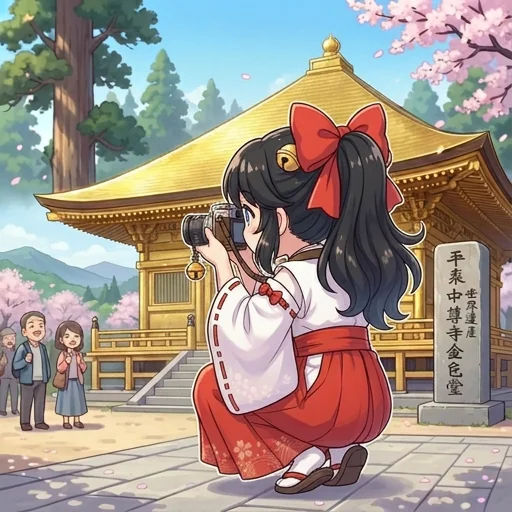
The Konjikido (Golden Hall) at Chusonji is one of Japan's most breathtaking survivals — a 12th-century chamber entirely sheathed in gold leaf, sheltering the mummified remains of four Fujiwara lords. Built in 1124, it is a UNESCO World Heritage Site and the centrepiece of Hiraizumi's ancient Buddhist culture.

UNESCO Golden Hall Fujiwara Clan History
Motsuji Temple Garden (UNESCO)
📍 Hiraizumi, Iwate

Motsuji Temple Garden (UNESCO)

Motsuji's 12th-century Pure Land garden is Japan's finest surviving example of Heian-period garden design — a vast central pond ringed by white-sand beaches, sculpted stone, and seasonal plantings recreating paradise on earth. The temple itself was once more magnificent than Kyoto's Byodoin.

UNESCO Pure Land Garden Heian Period Pond Garden
Ryusendo Cave
📍 Kuji, Iwate

Ryusendo Cave

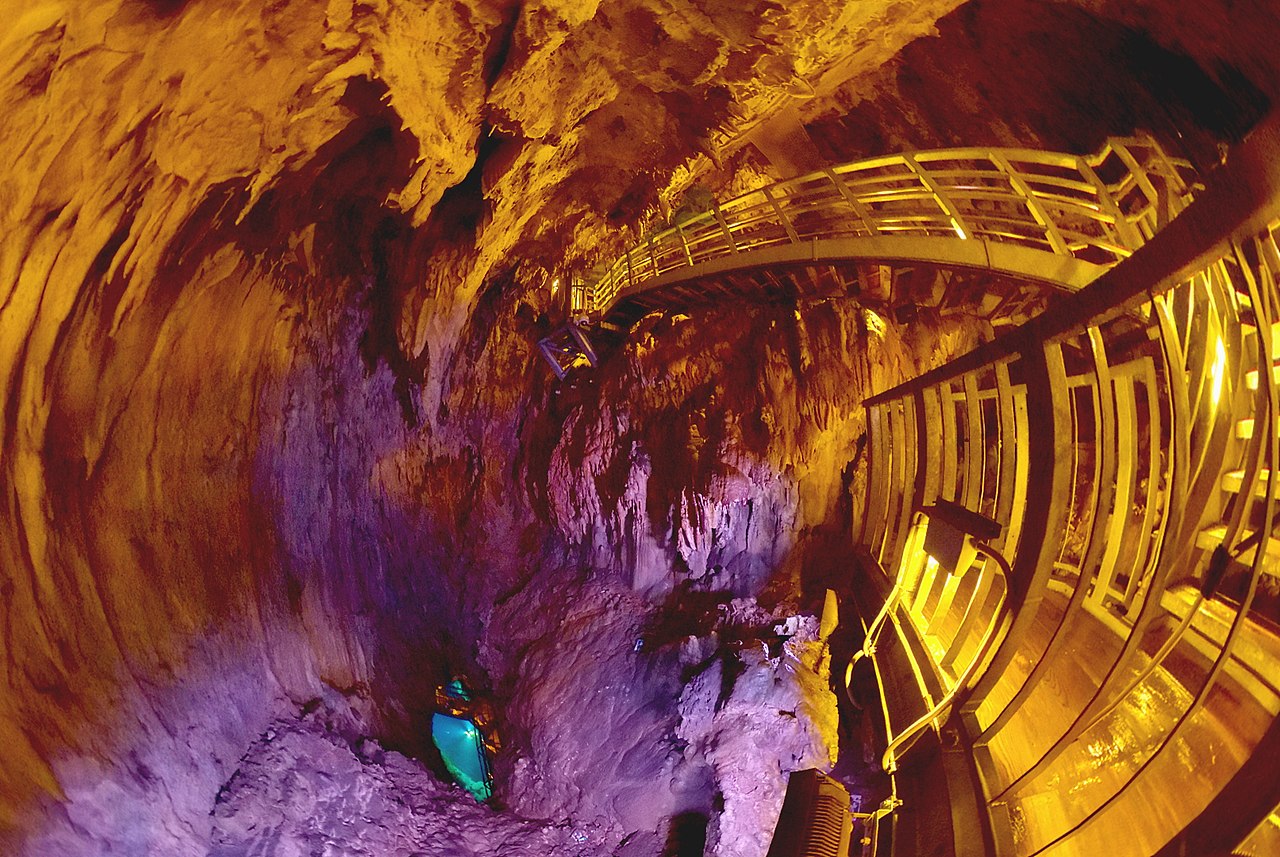
One of Japan's three great limestone caves — Ryusendo's underground lakes glow an impossibly vivid cobalt blue in the torchlight, with water clarity measured at 41.5 metres (among the world's clearest). The illuminated 700-metre walking route passes stalactites, underground rivers, and chambers of silent crystal pools.

Limestone Cave Underground Lake One of Japan's Top 3 Geology
Jodogahama Beach (Sanriku Coast)
📍 Miyako, Iwate

Jodogahama Beach (Sanriku Coast)

Named 'Pure Land Beach' by an 18th-century priest who found it too beautiful for this world — Jodogahama's jagged white rhyolite columns rise from translucent blue water in the Rikuchu Kaigan National Park. Glass-bottomed boat tours reveal the underwater world; swimming is possible in the sheltered cove.

White Rock Sea Sanriku Scenic
Tono Folklore Valley
📍 Tono, Iwate

Tono Folklore Valley

Tono is Japan's capital of folklore — the 1910 collection 'Tono Monogatari' recorded the valley's legends of kappa (river sprites), zashiki-warashi (child spirits), and other supernatural beings. Today, old thatched farmhouses (magariya), water mills, and kappa-inhabited streams create an atmosphere unlike anywhere else in Japan.

Folklore Kappa Tono Monogatari Rural Japan
Morioka Castle Ruins & Koen
📍 Morioka, Iwate

Morioka Castle Ruins & Koen

Morioka's castle was one of Tohoku's great fortresses — though only the stone walls remain, they are spectacular, rising over the Shizukuishi River with Iwate-san volcano framed behind. The surrounding Iwate Park is Morioka's finest cherry blossom spot, with over 300 trees.

Castle Ruins Cherry Blossoms City Centre History
🍜

Gourmet

8 spots
Sanriku Oyster Grilling Experience
📍 Ofunato, Iwate

Sanriku Oyster Grilling Experience

The cold, nutrient-rich waters of the Sanriku Coast produce some of Japan's finest oysters, and many fishing villages offer kanigoya (crab/shellfish huts) where visitors grill freshly harvested oysters directly over charcoal. The oyster season peaks from November to March, when the plump, briny bivalves are at their creamiest. Village-run huts in Ofunato, Kamaishi, and Rikuzen-Takata serve all-you-can-eat sessions with seaweed miso soup.

Oysters Seafood Grilling
Sanriku Seafood & Sea Urchin
📍 Miyako, Iwate

Sanriku Seafood & Sea Urchin

The Sanriku coast's complex ria shoreline creates Japan's richest marine nursery — Iwate's uni (sea urchin), awabi (abalone), kaki (oyster), and salmon are among the finest in the country. Miyako's morning market and Kamaishi's harbour restaurants serve these at a fraction of Tokyo prices.

Sea Urchin Abalone Oyster Sanriku Coast
Wanko Soba (Morioka)
📍 Morioka, Iwate

Wanko Soba (Morioka)

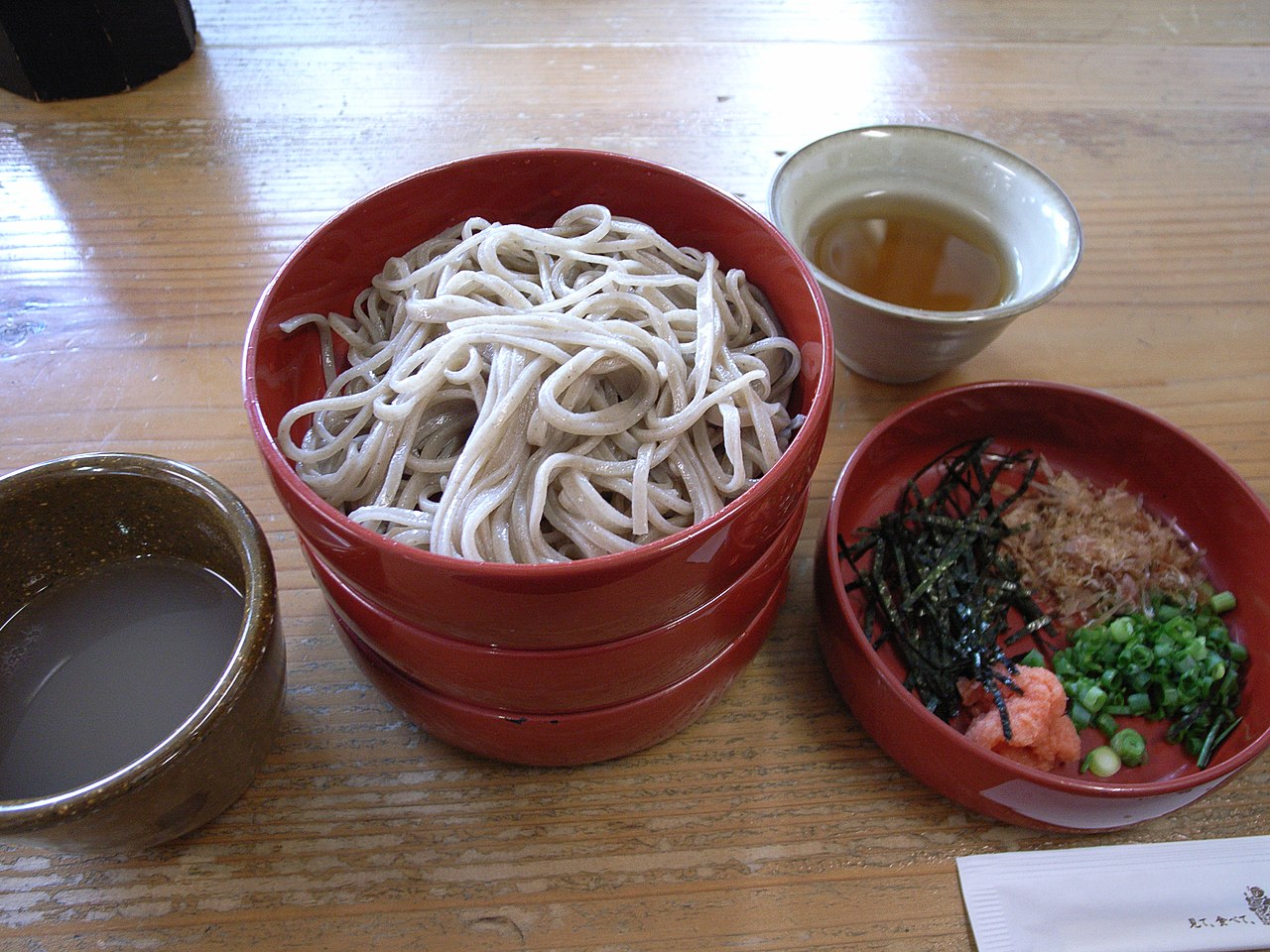
Wanko soba is Iwate's most theatrical food experience — waitresses in kimono continuously refill your bowl with tiny mouthfuls of buckwheat noodle until you slam your lid shut. The record stands at over 500 bowls; most visitors manage 30–60. Restaurants in central Morioka compete for the best performance.

Wanko Soba All-You-Can-Eat Unique Experience Noodles
Ichinoseki Mochi Cuisine Culture
📍 Ichinoseki, Iwate

Ichinoseki Mochi Cuisine Culture

Ichinoseki and neighboring Hiraizumi are the heartland of Iwate's extraordinary mochi food culture, where dozens of preparations of pounded rice cake are served as a full multi-course meal called mochi-zen. Each small dish presents mochi in a different guise — with walnut sauce, sesame, sweet red bean, grated radish, or kinako soybean powder — reflecting centuries of Buddhist feast-day traditions. Local restaurants and guesthouses offer mochi-zen tasting courses year-round.

Mochi Traditional Cultural Food
Koiwai Farm Dairy & Soft Cream
📍 Shizukuishi, Iwate

Koiwai Farm Dairy & Soft Cream

Koiwai Farm at the foot of Iwate-san volcano is one of Japan's oldest private farms (est. 1891) — 3,000 hectares of grazing land producing milk, cheese, and butter. The farm shop's soft-serve ice cream made from raw milk is legendary; spring lambing and autumn apple harvests draw families from across Tohoku.

Dairy Farm Soft Serve Milk Farm Experience
Morioka Craft Beer Scene
📍 Morioka, Iwate

Morioka Craft Beer Scene

Morioka's thriving craft beer scene is anchored by breweries like Iwate Kura Beer and a cluster of tap rooms near the Kitakami River that showcase local ingredients including Nanbu wheat and Iwate-grown hops. Tasting flights pair well with the city's famous three-noodle district (wanko soba, jajamen, and Morioka reimen), making a brewery crawl a natural complement to a Morioka food tour. Weekend brewpub events draw both locals and travelers.

Craft Beer Brewery Local
🏔️

Nature

8 spots
Ryusendo Cave
📍 Kuji, Iwate

Ryusendo Cave

One of Japan's three great limestone caves — Ryusendo's underground lakes glow an impossibly vivid cobalt blue in the torchlight, with water clarity measured at 41.5 metres (among the world's clearest). The illuminated 700-metre walking route passes stalactites, underground rivers, and chambers of silent crystal pools.

Limestone Cave Underground Lake One of Japan's Top 3 Geology
Sanriku Ria Coast
📍 Sanriku, Iwate

Sanriku Ria Coast

The Sanriku coast's dramatic ria shoreline — where mountains plunge straight into the Pacific — creates one of Japan's most spectacular coastal landscapes. Sea arches, basalt sea stacks, and hidden coves stretch for 200 km from Miyako to the Aomori border, best explored by boat from Miyako or Kuji.

Ria Coastline Sea Caves Cliffs Tohoku
Jodogahama Beach (Sanriku Coast)
📍 Miyako, Iwate

Jodogahama Beach (Sanriku Coast)

Named 'Pure Land Beach' by an 18th-century priest who found it too beautiful for this world — Jodogahama's jagged white rhyolite columns rise from translucent blue water in the Rikuchu Kaigan National Park. Glass-bottomed boat tours reveal the underwater world; swimming is possible in the sheltered cove.

White Rock Sea Sanriku Scenic
Iwate-san Volcano (2,038 m)
📍 Shizukuishi, Iwate

Iwate-san Volcano (2,038 m)

Iwate's iconic stratovolcano — known as 'Nambu Fuji' for its perfect cone — is the highest peak in Tohoku outside Fukushima. The summer hiking season (July–October) offers crater rim walks with views across the Kitakami River basin. The most popular trail from Umagaeshi takes 4–5 hours to the summit.

Volcano Hiking Tohoku's Fuji Summit
Kitakami Tenshochi Riverside Cherry Walk
📍 Kitakami, Iwate

Kitakami Tenshochi Riverside Cherry Walk

Stretching two kilometers along the Kitakami River, Tenshochi Park is lined with 10,000 Yoshino cherry trees that form a blossoming tunnel each April. Rowboats can be rented to drift beneath the overhanging branches, and a miniature steam train chugs through the park for families. The combination of flowering canopy reflected in the river and the panorama of the distant Kitakami mountains makes this one of Tohoku's most beloved spring walks.

Cherry Blossoms Riverside Walk Spring
Ryusendo Cave Night Tour & Bat Watching
📍 Iwaizumi, Iwate

Ryusendo Cave Night Tour & Bat Watching

Ryusendo is one of Japan's three largest limestone caverns, renowned for its crystal-clear underground lakes that glow an ethereal blue under lighting — with visibility reaching 41 meters in depth. Special evening tours include bat-watching as thousands of Japanese horseshoe bats emerge from the cave entrance at dusk. The cave's constant 10°C temperature and dramatic stalactite formations make it a fascinating year-round destination.

Cave Underground Lake Bats
🎿

Leisure

9 spots
Sanriku Oyster Grilling Experience
📍 Ofunato, Iwate

Sanriku Oyster Grilling Experience

The cold, nutrient-rich waters of the Sanriku Coast produce some of Japan's finest oysters, and many fishing villages offer kanigoya (crab/shellfish huts) where visitors grill freshly harvested oysters directly over charcoal. The oyster season peaks from November to March, when the plump, briny bivalves are at their creamiest. Village-run huts in Ofunato, Kamaishi, and Rikuzen-Takata serve all-you-can-eat sessions with seaweed miso soup.

Oysters Seafood Grilling
Hiraizumi Cultural Landscape Cycling
📍 Hiraizumi, Iwate

Hiraizumi Cultural Landscape Cycling

Hiraizumi's UNESCO World Heritage sites are connected by a flat cycling route through rice paddies and old settlements — rent a bike from Hiraizumi Station and link Chusonji, Motsuji, Kanjizaio-in, and Muryokoin ruins in a half-day loop that reveals the full scale of the Fujiwara capital.

Cycling UNESCO Rice Fields Rural
Hiraizumi Firefly & Night Illumination
📍 Hiraizumi, Iwate

Hiraizumi Firefly & Night Illumination

In June and July, the rice paddies and streams around UNESCO World Heritage Hiraizumi come alive with thousands of fireflies, and local walking trails are organized for evening firefly viewing. Seasonal night illuminations of Chuson-ji Temple's Konjikido Golden Hall and Motsuji Temple's Pure Land Garden add a contemplative beauty to the summer evenings. The combination of heritage architecture glowing in the dark and natural bioluminescence is unique to this region.

Fireflies Night Walk UNESCO
Nanbu Tekki (Ironware) Workshop
📍 Morioka, Iwate

Nanbu Tekki (Ironware) Workshop

Nanbu tekki (southern Iwate ironware) is one of Japan's most celebrated crafts — hand-cast iron teapots and cookware produced in Morioka and Mizusawa for over 400 years. Several workshops in Morioka offer hands-on casting experiences; the finished pieces are used for a lifetime and handed down through generations.

Nanbu Ironware Craft Teapot Traditional
Kitakami Tenshochi Riverside Cherry Walk
📍 Kitakami, Iwate

Kitakami Tenshochi Riverside Cherry Walk

Stretching two kilometers along the Kitakami River, Tenshochi Park is lined with 10,000 Yoshino cherry trees that form a blossoming tunnel each April. Rowboats can be rented to drift beneath the overhanging branches, and a miniature steam train chugs through the park for families. The combination of flowering canopy reflected in the river and the panorama of the distant Kitakami mountains makes this one of Tohoku's most beloved spring walks.

Cherry Blossoms Riverside Walk Spring
Ryusendo Cave Night Tour & Bat Watching
📍 Iwaizumi, Iwate

Ryusendo Cave Night Tour & Bat Watching

Ryusendo is one of Japan's three largest limestone caverns, renowned for its crystal-clear underground lakes that glow an ethereal blue under lighting — with visibility reaching 41 meters in depth. Special evening tours include bat-watching as thousands of Japanese horseshoe bats emerge from the cave entrance at dusk. The cave's constant 10°C temperature and dramatic stalactite formations make it a fascinating year-round destination.

Cave Underground Lake Bats
🎆

Events

7 spots
Morioka Sansa Odori (Aug)
📍 Morioka, Iwate

Morioka Sansa Odori (Aug)

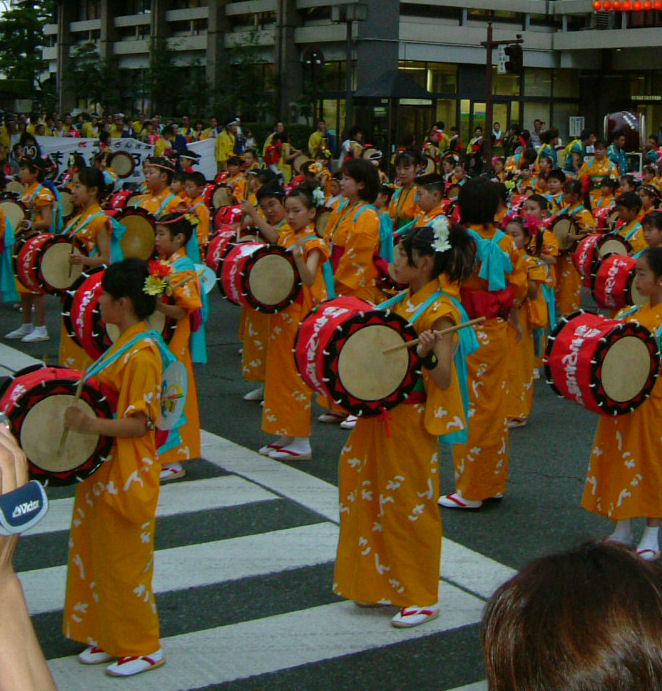
The world's largest taiko drum parade by Guinness record — Morioka Sansa Odori fills the city centre for four evenings in early August with 30,000 dancers and 10,000 taiko drummers performing the Sansa dance through the streets. The hypnotic rhythm of the drums is audible from kilometres away.

Dance Festival Taiko August Guinness Record
Hiraizumi Spring Festival (May)
📍 Hiraizumi, Iwate

Hiraizumi Spring Festival (May)

The Fujiwara no Aki Festival in May recreates the glory of Hiraizumi's 12th-century golden age — processions in full Heian court costume, sacred kagura dances at Motsuji, and the magnificent Ennen no Mai (longevity dance) performed by priests in ancient masks and robes within the temple grounds.

Festival Fujiwara Historical Parade Heian
Fujiwara no Aki Matsuri (Nov)
📍 Hiraizumi, Iwate

Fujiwara no Aki Matsuri (Nov)

The autumn counterpart to Hiraizumi's spring festival — held over three days in early November, it features the full historical procession of Fujiwara clan costumes, the Ennen no Mai sacred dance at Motsuji, and pageantry that draws visitors from across Japan to the autumn-coloured UNESCO temple grounds.

Autumn Festival Historical Parade UNESCO Hiraizumi
Chagu-Chagu Umakko Horse Festival (Jun)
📍 Takizawa, Iwate

Chagu-Chagu Umakko Horse Festival (Jun)

One of Japan's most colourful festivals — on the second Saturday of June, over 100 horses decorated with elaborate lacquerwork, embroidery, and bells parade 15 km from Onkoji shrine in Takizawa to Morioka's Hachimangu shrine. The gentle bell-ringing of the decorated horses gave the festival its onomatopoeic name.

Horse Parade June Traditional Decorated Horses
Morioka Cherry Blossoms (Late Apr)
📍 Morioka, Iwate

Morioka Cherry Blossoms (Late Apr)

Morioka's cherry blossoms bloom two to three weeks later than Tokyo's — in late April, Iwate Park (Morioka Castle ruins) erupts with over 300 trees against the ancient stone walls, with Iwate-san volcano's snow-capped peak visible behind. Kitakami Tenshochi (45 min away) has 10,000 trees along a 2 km riverside promenade.

Cherry Blossoms Late Spring Castle Tohoku
Sanriku Recovery & Memorial (Mar)
📍 Rikuzentakata, Iwate

Sanriku Recovery & Memorial (Mar)

Every March 11th, Iwate's coastal communities hold memorial ceremonies for the 2011 Great East Japan Earthquake and Tsunami. The rebuilt towns of Kamaishi, Miyako, and Rikuzentakata tell stories of extraordinary resilience — visits to the Memorial Museum at Rikuzentakata and the Miracle Pine are deeply moving pilgrimages.

3.11 Memorial Tsunami Recovery Kamaishi
🎌

Experience

2 spots
Wanko Soba Eating Challenge
📍 Morioka, Iwate

Wanko Soba Eating Challenge

Wanko soba is Iwate's most famous food experience — small mouthfuls of buckwheat noodles refilled instantly into your bowl by an attendant who shouts encouragement until you place the lid to stop. Morioka's specialist restaurants issue certificates to anyone exceeding 100 bowls (about 1.5 kg). The combination of competitive eating and theatrical service is uniquely Japanese.

Wanko Soba Food Challenge Local Tradition Morioka
Nambu Ironware (Tetsubin) Casting Workshop
📍 Morioka, Iwate

Nambu Ironware (Tetsubin) Casting Workshop

Morioka's Nambu tekki ironware — sand-cast iron teapots and kettles with distinctive pebbled surfaces — has been produced for 400 years. Several ateliers now offer casting workshops where visitors pour molten iron into sand moulds and polish their own small iron coaster or trivet to take home — an experience combining ancient technique with tangible souvenir.

Nambu Ironware Casting Traditional Craft Workshop

💡 Practical Travel Tips

Everything you need to know before and during your visit.

🌸
Best Time to Visit
  • Late April – May — Cherry blossoms arrive 2–3 weeks later than Tokyo, making Iwate an excellent second leg of a spring Japan trip. Morioka Castle ruins, Kitakami Tenshochi (10,000 trees), and Hiraizumi in full bloom are among Tohoku's finest sights. The Chagu-Chagu Umakko horse festival falls in June.
  • Summer (Jul–Sep) — Best for Iwate-san hiking, Sanriku Coast boat trips, and Morioka Sansa Odori drum festival (early August). Temperatures in Morioka are pleasantly mild (25–28°C).
  • Autumn (Oct–Nov) — Hiraizumi's UNESCO temples surrounded by crimson maples are breathtaking; Fujiwara Autumn Festival in November is the most atmospheric of the two annual historical pageants.
  • Avoid deep winter (Dec–Mar) — Iwate receives heavy snowfall; Morioka averages 90 cm of snow. Most rural roads remain open but driving is challenging. Ryusendo Cave and indoor noodle tourism are comfortable year-round.
🍜
The Three Noodles of Morioka
  • Wanko soba — The full theatrical experience requires a reservation at Azumaya or Hanamakiya restaurants near Morioka Station. A 30-minute session costs around ¥3,000 and includes unlimited refills. The current world record is 570 bowls (each about 1/10th of a normal portion). Aim for 50–100 as a visitor benchmark.
  • Jajamen — The essential experience is at Shintaro near Morioka Station — the founding restaurant. Order a medium (nami) portion and follow the ritual: mix the miso sauce thoroughly, eat, then crack an egg into the bowl and hand it back for chitan (egg broth) to finish. Total cost under ¥1,000.
  • Morioka Reimen — Visit Pyongyang restaurant in the evening when the chewy noodles are freshest. Request extra kimchi; the sweet-sour-spicy balance is essential. Watermelon as a topping is a summer option — worth trying.
  • The three-noodle challenge in one day is very achievable: wanko at lunch, reimen afternoon, jajamen evening — restaurants are all within 10 minutes of Morioka Station.
⛩️
Hiraizumi Tips
  • The Konjikido (Golden Hall) at Chusonji is enclosed in a modern protective building — it is small but staggeringly beautiful. Allow your eyes to adjust before entering; the gold leaf covers every surface including the walls, pillars, and altar panels. The effect is overwhelming.
  • Hiraizumi is best explored by bicycle — rent from the station (¥500/day). Chusonji is 20 min uphill on foot or 10 min by bike; Motsuji is flat and 15 min from the station. The Kanzan-ji and Muryokoin ruins add another 30 min.
  • Visit Motsuji's garden in the morning when the pond reflects clear sky and the garden is quiet. The Pure Land garden represents Buddhist paradise — walking its white-sand beaches and stone arrangements is a meditative experience not to be rushed.
  • The Fujiwara Festivals (May and November) transform Hiraizumi — book accommodation 3–4 months ahead as the town fills completely. The Ennen no Mai (longevity dance) performed inside Motsuji's garden is one of Japan's rarest living performing arts.
🌊
Sanriku Coast Tips
  • Jodogahama Beach in Miyako is a must-stop — take the glass-bottomed boat (¥1,500) for views of the underwater rock formations and abundant sea life, or swim in the protected cove on clear summer days. The white rhyolite rock formations are unlike anything else on the Japanese coast.
  • The Sanriku BRT (bus-rapid transit rebuilt post-2011) connects the coastal towns — functional but slow. Rent a car in Morioka for the full coastal experience; the sea-view clifftop roads between Miyako and Kuji are among Tohoku's finest drives.
  • For seafood, Miyako Fish Market (Miyako Uoichiba) opens at 6am — arrive early for the freshest sea urchin and abalone at market prices. Local restaurants around Kamaishi Port serve grilled oysters and tuna from ¥800–¥2,000 per dish.
  • The Rikuzentakata Memorial Park in southern Iwate (nearest to Ichinoseki Shinkansen) is one of Japan's most powerful post-2011 memorial sites — the Miracle Pine, a lone tree that survived the tsunami, stands above a transformed coastline as a symbol of the region's recovery.
🔵
Ryusendo Cave Tips
  • Ryusendo Cave is located 2 hours east of Morioka by car (via Route 106) — no practical public transport option. Combine with Jodogahama Beach (45 min further) for a full east-coast day trip, or stay overnight in Iwaizumi town.
  • The cave maintains a constant 10°C year-round — bring a light layer even in summer. The deepest illuminated lake (Miroku Lake, 98 m deep) is the most spectacular; the cobalt blue intensifies toward the back of the cave.
  • The adjacent Ryusendo Cave Museum (new Dobudani research cave section, ¥1,700 combined ticket) explores the cave ecosystem including the rare Iwate bat species that inhabit the deeper chambers.
  • Visit on a weekday if possible — the cave's narrow pathways get very congested with tour groups on weekends and Japanese holidays.
🐎
Tono & Festivals Tips
  • Tono Furusato Village is the easiest introduction to the folklore landscape — reconstructed magariya (L-shaped farmhouses), a water mill, and a kappa pool are all within a short walk. But the real Tono experience is cycling the back roads between rice fields where old farmhouses still stand in authentic context.
  • The Chagu-Chagu Umakko horse festival (second Saturday of June) is worth planning a trip around — the parade departs Onkoji shrine at 9:30am and reaches Morioka's Hachimangu around 2pm. The best photography positions are along the rural first half of the route before the city crowds begin.
  • Morioka Sansa Odori (August 1–4) fills the entire city centre with dancers — it is one of Tohoku's most joyful festivals and far less crowded than Sendai's Tanabata, which falls in the same week. Join the dance line as a participant on Day 4 — it is actively encouraged.
  • Nanbu tekki ironware makes the finest souvenir from Iwate — a small Nanbu tetsubin (iron teapot) costs ¥5,000–¥30,000 depending on size and maker. The best shops are in central Morioka near the castle ruins; Kamasada and Ryozan are the most respected makers.

🏨 Find Hotels in Iwate

Compare prices across hundreds of hotels — from budget capsules to luxury ryokan.

Search Hotels on Booking.com →

🎌 Tours & Experiences

Book guided tours, day trips, cooking classes, and cultural experiences.

Browse Tours on Viator →

🗺️ Activities & Attractions

Skip the queues — pre-book entry tickets, day tours, and local experiences.

Explore on GetYourGuide →

🎟️ Things to Do in Iwate

Discover tickets, transport passes, and unique local experiences in Iwate with Klook.

Book on Klook →

🚄 JR Pass & Rail Tickets

Pre-purchase your Japan Rail Pass online before you arrive — the easiest way to travel by Shinkansen across Japan.

Buy JR Pass on JRPass.com →
🗺️ Plan