Kyushu · Prefecture Guide

Kagoshima Travel Guide

Japan's volcanic south — an active volcano rising over the city, primeval UNESCO island forests, natural sand baths, and a fierce culinary culture built on black pork and sweet potato spirit

🌋 Sakurajima — One of the World's Most Active Volcanoes🌲 Yakushima — 7,200-Year-Old Jomonsugi Cedar🐷 Kurobuta — Japan's Most Prized Black Pork🏖️ Japan's Only Natural Geothermal Sand Bath🦋 4 UNESCO Natural World Heritage Sites

🗾 About Kagoshima

Kagoshima stands at the southern frontier of Kyushu, where the Pacific Ocean begins and the islands trail south toward the tropics. The city lives under the constant shadow — sometimes literally — of Sakurajima, one of the world's most reliably active volcanoes, which erupts dozens of times a year visible from the waterfront. Just 45 minutes offshore by ferry, Yakushima island shelters ancient cedar trees that have witnessed over 7,000 years of history, inspiring the forest world of Studio Ghibli's Princess Mononoke. South lie the Amami Islands — subtropical UNESCO wilderness home to creatures found nowhere else on earth. Through it all runs a fierce regional culture: the Shimadzu clan ruled here for 700 years, Japan's Meiji industrial revolution began in these factories, and the food — kurobuta black pork shabu-shabu, imo shochu spirit, kibinago sashimi — is among the most distinctive in the country.

🌏
Location
Southern Kyushu — Japan's southernmost major city, gateway to the Amami and Ryukyu Islands
🗣️
Language
Japanese (Kagoshima dialect is distinct; English available at major sites and Yakushima)
💴
Currency
Japanese Yen (JPY) — IC cards in cities; cash essential on islands and in rural areas
🕐
Time Zone
JST (UTC+9) — no daylight saving
🌡️
Best Season
Mar–May & Oct–Nov — avoid typhoon season (Jul–Sep) especially for island travel
✈️
Nearest Airports
Kagoshima Airport (KOJ) · Amami Airport (ASJ) · ferry to Yakushima from Kagoshima port
🚇
Getting Around
City tram for downtown; ferry to Sakurajima; flights/ferry for Yakushima and Amami Islands
Power Plug
Type A, 100V / 60Hz

✈️ Getting There

Kagoshima Airport receives direct flights from Tokyo (1.5 hrs), Osaka (1 hr), and several Asian cities. Kagoshima City is also connected to Hakata (Fukuoka) and Osaka by Kyushu Shinkansen. Within the city, a historic tram network makes getting around easy. Sakurajima is a 15-minute ferry ride; Yakushima requires a 2-hour high-speed ferry or a 35-min flight.

✈️ From Tokyo
  • ANA / JAL / Skymark (Haneda → Kagoshima KOJ) — 1 hr 40 min. From ¥8,000 (book early). Frequent direct flights — the most practical option from Tokyo.
🚄 From Osaka / Hakata
  • Kyushu Shinkansen Mizuho (Shin-Osaka → Kagoshima-Chuo) — 3 hrs 47 min. ¥21,680. JR Pass valid — the scenic southern route through Kyushu.
  • Kyushu Shinkansen (Hakata/Fukuoka → Kagoshima-Chuo) — 1 hr 18 min. ¥10,450. Makes Kagoshima an easy 2-night extension from Fukuoka.
⛴️ To Yakushima
  • Jetfoil (Kagoshima → Miyanoura, Yakushima) — 1 hr 50 min. ¥8,800. Toppy & Rocket high-speed ferries depart 2–4 times daily. Book in advance for peak season.
  • JAC / ANA (Kagoshima → Yakushima Airport) — 35 min. From ¥8,000. Faster but connects to the airport rather than the port; less convenient for hiking trails.
  • Regular Ferry (Kagoshima → Yakushima) — 4 hrs. ¥4,100. Budget option; overnight car ferry also available.
🚃 Getting Around Kagoshima
  • City Tram (Kagoshima City Tram) — Two routes cover the city centre, Tenmonkan shopping district, and Kagoshima-Chuo Station. All-day pass ¥600 — excellent value.
  • Sakurajima Ferry — Runs 24 hours from Kagoshima Port (near Dolphin Port) to Sakurajima. ¥200 one way — one of Japan's best-value scenic crossings.
  • Rental Car — Useful for the Kirishima mountains, Ibusuki, and Chiran. Available from Kagoshima-Chuo Station and the airport.
  • Amami Islands — Fly from Kagoshima Airport (45 min to Amami-Oshima); ferry is possible but takes 11+ hours.
💡 Travel TipYakushima's Jomonsugi cedar trail is a 10-hour round-trip hike requiring early departure (catch the first bus from Miyanoura at 5am). Stay overnight on Yakushima rather than day-tripping from Kagoshima for the best experience. Typhoon season can close ferries to Yakushima and Amami for days — always check forecasts and book refundable accommodation.

📖 Recommended Travel Guides

Deep-dive guides to help you plan every aspect of your visit — from top sightseeing spots to the best restaurants and seasonal events.

⛩️

Sightseeing

5 spots
Sakurajima Volcano
📍

Sakurajima Volcano

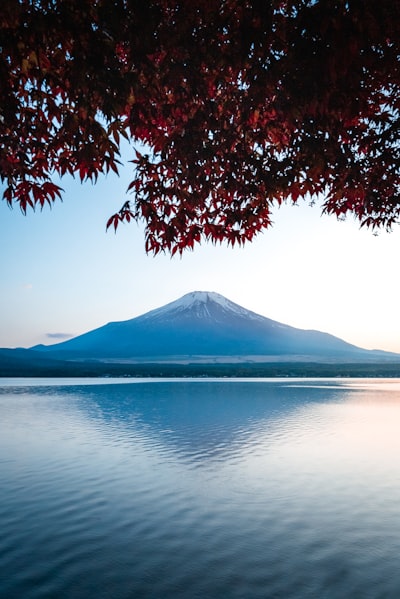
One of the world's most active volcanoes — Sakurajima erupts dozens of times a year, visible from Kagoshima city across the bay. A short ferry from downtown leads to lava fields, observation decks, and footbaths on the volcano's flanks.
Volcano Active Icon
Sengan-en Garden (UNESCO)
📍

Sengan-en Garden (UNESCO)

A spectacular feudal garden built in 1658 by the Shimadzu clan, with Sakurajima volcano used as a 'borrowed scenery' backdrop — a UNESCO World Heritage component. The adjacent Shoko Shuseikan factory museum tells the story of the Meiji industrial revolution.

UNESCO Garden Shimadzu Clan
Yakushima Island (UNESCO)
📍

Yakushima Island (UNESCO)

A primeval island of otherworldly forest — Yakushima's ancient cedar trees (some over 7,200 years old) inspired Studio Ghibli's Princess Mononoke and are a UNESCO World Natural Heritage Site. The Jomonsugi trail is one of Japan's most awe-inspiring hikes.

UNESCO Ancient Forest Jomon Cedar
Chiran Kamikaze Peace Museum
📍

Chiran Kamikaze Peace Museum

A deeply moving museum in the former kamikaze pilot training base at Chiran — personal letters, photos, and belongings of young pilots who flew their final missions from here. The preserved samurai merchant street nearby is a bonus stop.

WWII History Memorial
Ibusuki Sand Bath Onsen
📍

Ibusuki Sand Bath Onsen

Japan's famous natural sand bath — lie buried up to your neck in geothermally heated black sand on Ibusuki beach, letting natural volcanic warmth permeate your body. A uniquely Kagoshima experience at the southern tip of Kyushu.

Sand Bath Onsen Unique
🍜

Gourmet

5 spots
Kagoshima Kurobuta Pork
📍

Kagoshima Kurobuta Pork

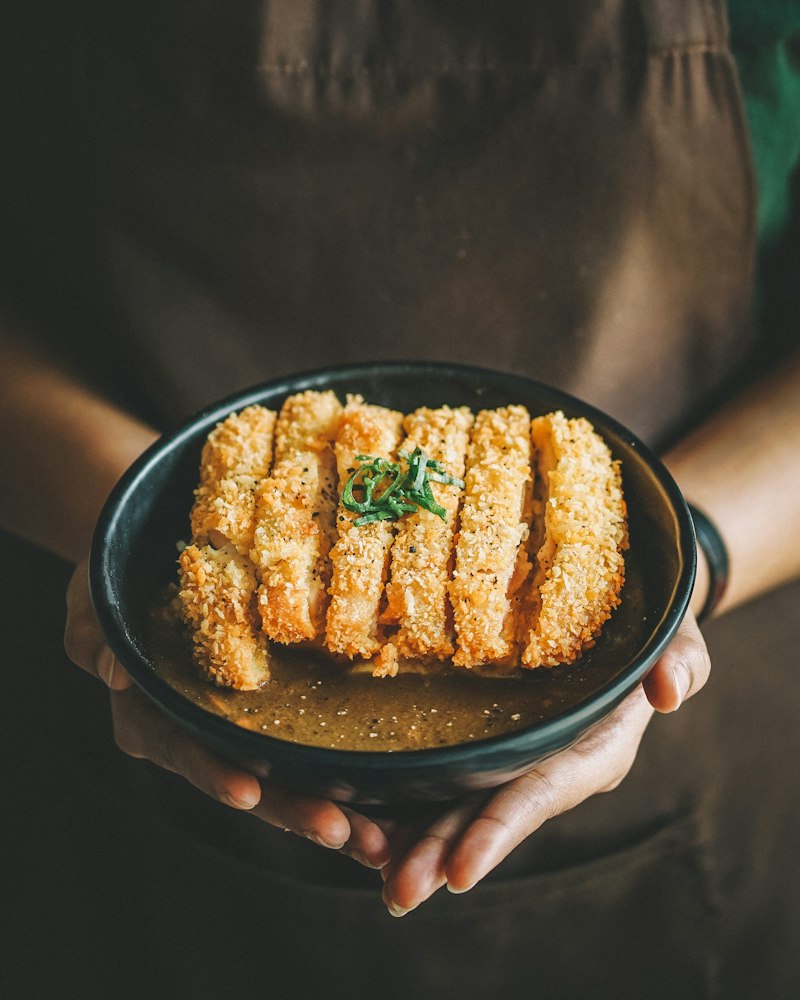
Kagoshima's legendary Berkshire black pig — raised on sweet potato, its meat is deeply marbled and intensely flavoured. Kurobuta shabu-shabu, tonkatsu, and sashimi (yes, raw pork is a local speciality) are must-try dishes in the city's dedicated restaurants.

Kurobuta Black Pork Shabu-shabu
Kagoshima Ramen & Tonkotsu
📍

Kagoshima Ramen & Tonkotsu

Kagoshima's pork-bone ramen is lighter and sweeter than Fukuoka's famous tonkotsu — a clear, golden broth with a subtle sweetness. The original Kagoshima style uses dried sardines for depth and is topped with boiled pork and spring onion.

Ramen Tonkotsu Local
Imo Shochu — Kagoshima's Spirit
📍

Imo Shochu — Kagoshima's Spirit

Kagoshima produces over 100 varieties of imo (sweet potato) shochu — a smoky, aromatic spirit that is the local drink of choice. Many distilleries in Kirishima and Satsuma offer tours and tastings; the Satsuma Shuzo distillery at Cape Makurazaki is spectacular.

Shochu Sweet Potato Distillery
Kibinago Sashimi & Island Seafood
📍

Kibinago Sashimi & Island Seafood

Kagoshima's signature fish — tiny silver-blue kibinago herrings arranged in chrysanthemum patterns on ice and eaten raw with miso dipping sauce. Combined with Amami's tuna sashimi and grilled flying fish, Kagoshima's seafood is among Japan's finest.

Kibinago Sashimi Seafood
Satsuma-age Fish Cake
📍

Satsuma-age Fish Cake

Kagoshima's beloved street food — deep-fried fish cakes made from fresh ground fish and vegetables, eaten piping hot from market stalls. Dozens of varieties (corn, burdock, cheese) fill the food halls of Tenmonkan and Yamakataya department store.

Satsuma-age Fish Cake Street Food
🏔️

Nature

8 spots
Sakurajima Volcano
📍

Sakurajima Volcano

One of the world's most active volcanoes — Sakurajima erupts dozens of times a year, visible from Kagoshima city across the bay. A short ferry from downtown leads to lava fields, observation decks, and footbaths on the volcano's flanks.
Volcano Active Icon
Yakushima Island (UNESCO)
📍

Yakushima Island (UNESCO)

A primeval island of otherworldly forest — Yakushima's ancient cedar trees (some over 7,200 years old) inspired Studio Ghibli's Princess Mononoke and are a UNESCO World Natural Heritage Site. The Jomonsugi trail is one of Japan's most awe-inspiring hikes.

UNESCO Ancient Forest Jomon Cedar
Kirishima Mountains & Onsen
📍

Kirishima Mountains & Onsen

The Kirishima mountain chain in northern Kagoshima is a volcanic highland of crater lakes, steaming vents, and panoramic ridges. The Ebino Kogen plateau at 1,200 m is the base for hikes across the caldera and to Karakuni-dake (1,700 m).

Volcano Hiking Onsen
Amami Oshima (UNESCO)
📍

Amami Oshima (UNESCO)

A subtropical island 380 km south of Kagoshima — Amami Oshima's UNESCO-listed forest shelters the endemic Amami rabbit, Amami woodcock, and Iriomote cat. The surrounding coral reefs and mangrove estuaries are among Japan's richest marine habitats.

UNESCO Subtropical Endemic Wildlife
Cape Sata — Japan's Southern Tip
📍

Cape Sata — Japan's Southern Tip

The southernmost point of Kyushu — a wild headland of subtropical forest, Pacific swells, and a lighthouse above towering cliffs. The drive through the Osumi Peninsula's fishing villages and sea-view roads is one of southern Japan's most dramatic journeys.

Cape Remote Scenic
Tanegashima Space Center
📍

Tanegashima Space Center

Japan's primary rocket launch facility on a spectacular Pacific island — the JAXA Tanegashima Space Center has a public museum, and launch viewing events open the island to thousands of excited spectators. The island also has pristine surf beaches.

Space Rocket Launch Island
Amami Sea Turtle Nesting Season (May–Aug)
📍

Amami Sea Turtle Nesting Season (May–Aug)

Amami Oshima and Yakushima are Japan's most important nesting sites for loggerhead sea turtles — from May through August, guided night tours observe mother turtles laying eggs on moonlit beaches, and hatchling releases draw wildlife lovers from around Japan.

Sea Turtle Conservation Night Tour
Yakushima Whale & Dolphin Watching (Jan–Apr)
📍

Yakushima Whale & Dolphin Watching (Jan–Apr)

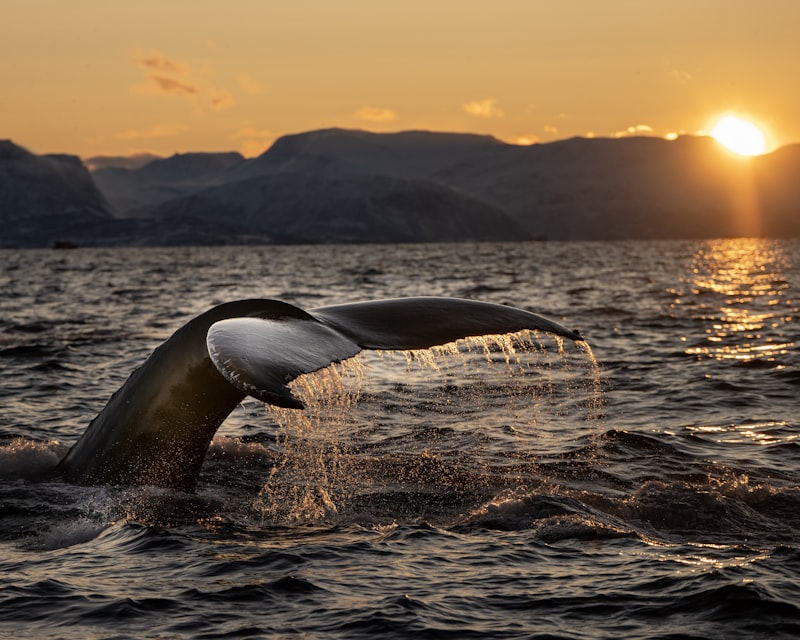
Humpback whales migrate through the warm waters around Yakushima from January to April — charter boats offer half-day tours with near-guaranteed sightings during peak season. Year-round pods of bottlenose and spotted dolphins also circle the island.

Humpback Whale Dolphins Ocean
🎿

Leisure

6 spots
Ibusuki Sand Bath Onsen
📍

Ibusuki Sand Bath Onsen

Japan's famous natural sand bath — lie buried up to your neck in geothermally heated black sand on Ibusuki beach, letting natural volcanic warmth permeate your body. A uniquely Kagoshima experience at the southern tip of Kyushu.

Sand Bath Onsen Unique
Tanegashima Space Center
📍

Tanegashima Space Center

Japan's primary rocket launch facility on a spectacular Pacific island — the JAXA Tanegashima Space Center has a public museum, and launch viewing events open the island to thousands of excited spectators. The island also has pristine surf beaches.

Space Rocket Launch Island
Sakurajima & Osumi Cycling
📍

Sakurajima & Osumi Cycling

Cycling the 36 km circumference of Sakurajima on roads flanked by black lava fields is one of southern Japan's most dramatic rides — daily ferries from Kagoshima city make it a perfect day trip. The lava fields route passes steaming crevices and buried torii gates.

Cycling Volcano Scenic
Yakushima & Amami Diving
📍

Yakushima & Amami Diving

The warm Kuroshio current sweeping past Yakushima and Amami brings exceptional visibility and rich marine life — sea turtles nest on the beaches, and the coral reefs teem with manta rays, whale sharks in season, and Hammerhead sharks.

Diving Sea Turtle Coral
Hitoyoshi Kuma River Rafting
📍

Hitoyoshi Kuma River Rafting

The Kuma River in Hitoyoshi (near Kagoshima's Kumamoto border) is rated one of Japan's top three rivers — professional-guided raft trips navigate gorge rapids between forested cliffs, with optional hot-spring stops in the historic castle town.

Rafting River Adventure
Ibusuki Onsen Town
📍

Ibusuki Onsen Town

Japan's southernmost onsen resort — Ibusuki's warm volcanic springs along the Satsuma Peninsula coast range from upmarket ryokan with private outdoor baths to public bathhouses with views of Kaimondake volcano.

Onsen Resort Southern Kyushu
🎆

Events

7 spots
Ohara Festival (Nov)
📍

Ohara Festival (Nov)

Kagoshima City's most beloved autumn event — the Ohara Festival fills the downtown Tenmonkan shopping district with 20,000 dancers performing in rhythm to the traditional Oharahan folk song, drawing hundreds of thousands of spectators.

Dance Festival Autumn Mass Dance
Kirishima International Music Festival (Aug)
📍

Kirishima International Music Festival (Aug)

One of Japan's most prestigious classical music festivals — world-class conductors and musicians perform in the mountain air of Kirishima each August, with masterclasses and open-air concerts against the backdrop of the volcanic highland.

Music Festival Classical Summer
Kagoshima Cherry Blossoms (Mar)
📍

Kagoshima Cherry Blossoms (Mar)

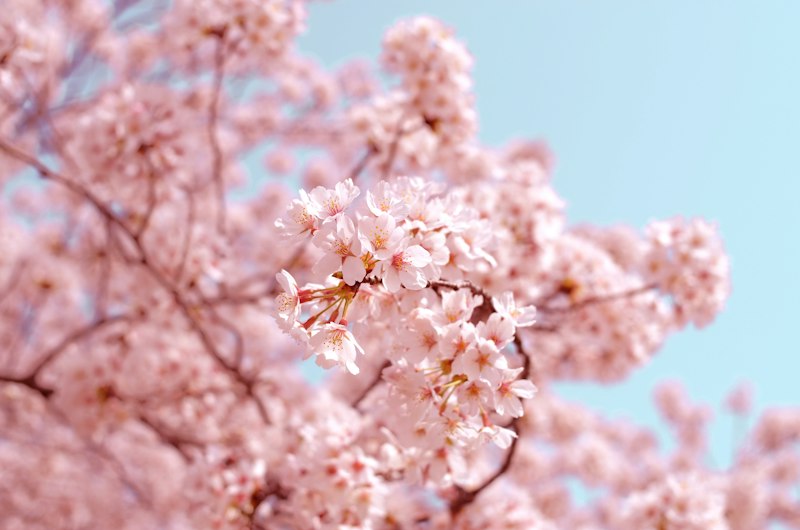
Kagoshima's cherry blossoms open in late March — among Japan's earliest in Kyushu — drawing crowds to Kagoshima-jo (Tsurumaru) castle ruins, Sengan-en garden, and Shiroyama Park overlooking Sakurajima.

Cherry Blossoms Spring Early Blooming
Ibusuki Nanohana Festival (Jan–Feb)
📍

Ibusuki Nanohana Festival (Jan–Feb)

While mainland Japan is deep in winter, Ibusuki's mild climate brings golden rapeseed (nanohana) fields into full bloom from January — the famous flower cycling route along the Satsuma Peninsula coastline is lined with yellow blooms.

Rapeseed Winter Flowers Cycling
Sengan-en Winter Illumination (Dec–Jan)
📍

Sengan-en Winter Illumination (Dec–Jan)

The historic Sengan-en garden transforms each winter with thousands of lights reflecting on the ponds and cascading through the trees — Sakurajima glowing in the distance creates one of Kagoshima's most magical night scenes.

Illumination Winter Garden
Amami Sea Turtle Nesting Season (May–Aug)
📍

Amami Sea Turtle Nesting Season (May–Aug)

Amami Oshima and Yakushima are Japan's most important nesting sites for loggerhead sea turtles — from May through August, guided night tours observe mother turtles laying eggs on moonlit beaches, and hatchling releases draw wildlife lovers from around Japan.

Sea Turtle Conservation Night Tour
Yakushima Whale & Dolphin Watching (Jan–Apr)
📍

Yakushima Whale & Dolphin Watching (Jan–Apr)

Humpback whales migrate through the warm waters around Yakushima from January to April — charter boats offer half-day tours with near-guaranteed sightings during peak season. Year-round pods of bottlenose and spotted dolphins also circle the island.

Humpback Whale Dolphins Ocean

💡 Practical Travel Tips

Everything you need to know before and during your visit.

🌸
Best Time to Visit
  • Spring (Mar–May) — Cherry blossoms open in late March around Kagoshima-jo and Sengan-en. Yakushima's forests are lush and green; sea temperatures warm enough for snorkelling from May. Ibusuki rapeseed flowers peak in January–February.
  • Autumn (Oct–Nov) — Ohara Festival draws 20,000 dancers to Kagoshima city in November. Kirishima's mountains turn with autumn colour. Bear-watching season at its best.
  • Avoid typhoon season (Jul–Sep) — Kagoshima sits directly in the Pacific typhoon track. Island travel (Yakushima, Amami) can be completely disrupted for days at a time. Summer is still beautiful in the city but requires flexibility.
  • Winter (Dec–Feb) — Mild (10–15°C in the city), far fewer tourists, and Sengan-en illuminations are magical. Good time for shochu distillery visits and hot spring ryokan stays in Ibusuki.
🌋
Sakurajima Tips
  • The 24-hour Sakurajima Ferry (¥200 each way) is one of Japan's best scenic rides — watch the volcano from the deck as you cross. The crossing takes just 15 minutes and runs every 10–15 minutes during the day.
  • Volcanic ash fall is common in Kagoshima — locals carry umbrellas at all times and car windshields get coated in grey dust. When the volcano is erupting heavily, authorities issue alerts and restrict access to the caldera area.
  • Yunotani hot-spring footbath near the ferry dock is free and sits directly at the volcano's foot — a strange, wonderful contrast of volcanic rock and warm mineral water. Bring a towel.
  • The Arimura Lava Observatory offers the best close-up view of the 1914 lava fields — a vast black moonscape where an entire village was buried. The lava was so extensive it joined Sakurajima to the mainland permanently.
🌲
Yakushima Tips
  • The Jomonsugi hike (10 hrs return) requires an early start — take the first bus from Miyanoura Port at 5:00am to Arakawa Trailhead (Mar–Nov; buses stop in winter). The last section is a steep boardwalk; wear proper hiking shoes. Bring rain gear — Yakushima receives 10 metres of rain per year.
  • Alternative trails for non-hikers: Shiratani Unsuikyo ravine (2–3 hrs, easier, equally beautiful moss-draped forest) is the 'Princess Mononoke forest' location featured in photography. Accessible for casual walkers.
  • Stay overnight on the island — the forest at dawn and dusk, with no day-trippers, is a completely different experience. Recommend at least 2 nights to properly see both Jomonsugi and Shiratani Unsuikyo.
  • Sea turtle nesting season is May–August — book a certified guide for ethical turtle-watching at night. Numbers are strictly limited to protect the nests. Yakushima's turtles are one of Japan's greatest wildlife experiences.
🍽️
Food & Drink Tips
  • Kurobuta pork is the signature Kagoshima ingredient — try it as tonkatsu (breaded cutlet) at Kurobuta-tei, as shabu-shabu at Satsuma Restaurant, or as sashimi (yes, raw — safe with certified kurobuta) at specialist restaurants near Tenmonkan.
  • Imo shochu (sweet potato spirit) is served everywhere — ask for oyuwari (warm water split) for the traditional Kagoshima way, or mizuwari (cold water) in summer. The earthier, smokier brands from Hioki and Satsuma are most distinctive.
  • Kibinago (silver-blue herring sashimi) should be on every table — it's cheap, ultra-fresh, and eaten with a miso-vinegar dipping sauce. Order it as a starter at any izakaya in the Tenmonkan district.
  • Tenmonkan is Kagoshima's dining hub — the covered arcade and surrounding streets have hundreds of restaurants, from ¥500 ramen shops to kurobuta kaiseki. The white bear (shiro-kuma) shaved ice dessert at Mujaki is a famous local institution.
🏝️
Amami Islands Tips
  • Amami Oshima is easily reachable by 45-min flight from Kagoshima — add 2–3 nights for the UNESCO forest, coral reef diving, and distinctive Amami cuisine (goat soup, pork rice, smoked flying fish).
  • The Amami rabbit (amami no kuro usagi) is endemic and nocturnal — guided night forest walks offer the best chance of sighting this ancient, distinctive rabbit found only here and on Tokunoshima.
  • Amami's textile tradition (Oshima tsumugi silk) is a UNESCO-recognised craft — the fabric is dyed using local mud and fermented plant juice in a complex process spanning months. Visit the Oshima Tsumugi Museum in Amami City.
  • For island hopping, the Kagoshima–Okinawa ferry passes through the Amami chain — a scenic overnight option connecting Kagoshima to the Ryukyu Islands via Amami-Oshima and Okinoerabu.

🏨 Find Hotels in Kagoshima

Compare prices across hundreds of hotels — from budget capsules to luxury ryokan.

Search Hotels on Booking.com →

🎌 Tours & Experiences

Book guided tours, day trips, cooking classes, and cultural experiences.

Browse Tours on Viator →

🗺️ Activities & Attractions

Skip the queues — pre-book entry tickets, day tours, and local experiences.

Explore on GetYourGuide →

🎟️ Things to Do in Kagoshima

Discover tickets, transport passes, and unique local experiences in Kagoshima with Klook.

Book on Klook →

🚄 JR Pass & Rail Tickets

Pre-purchase your JR Pass or individual shinkansen tickets before you arrive.

Buy JR Pass →