

Kanto · Prefecture Guide

Kanagawa Travel Guide

Ancient samurai capital, cosmopolitan harbour city, and volcanic hot-spring haven — all within an hour of Tokyo

🗿 Kamakura Great Buddha🌸 Cherry Blossoms: Late March🌋 Hakone & Mt. Fuji Views🚢 Yokohama — Japan's Largest Chinatown♨️ Hakone Onsen Hot Springs

🗾 About Kanagawa

Kanagawa is the quiet overachiever sitting just south of Tokyo. Within a single prefecture you can bow before an 800-year-old Great Buddha in Kamakura, sip craft beer overlooking Yokohama's neon-lit waterfront, soak in a steaming onsen with a direct view of Mt. Fuji from Hakone, and end the day with fresh shirasu whitebait caught that morning off the Shonan coast. Easily reached by train from Tokyo in 30–90 minutes, Kanagawa rewards visitors who venture beyond the capital — with far fewer crowds than Kyoto and just as much history, beauty, and flavour.

🌏
Location
Honshu island, south of Tokyo
🗣️
Language
Japanese (English available at major tourist sites)
💴
Currency
Japanese Yen (JPY) — IC cards accepted widely
🕐
Time Zone
JST (UTC+9) — no daylight saving
🌡️
Best Season
Spring (Mar–May) & Autumn (Oct–Nov)
✈️
Nearest Airports
Haneda (HND) 30 min · Narita (NRT) 90 min
🚇
Getting Around
JR, Odakyu, Keikyu, Enoden lines — Suica IC card essential
Power Plug
Type A, 100V / 50–60Hz

✈️ Getting There

Kanagawa is one of the most accessible prefectures in Japan. Yokohama is 25 minutes from Tokyo by express train, Kamakura is 55 minutes, and Hakone is about 85 minutes via the Odakyu Romancecar — making day trips from Tokyo straightforward, though an overnight stay lets you experience the region at its best.

✈️ From Haneda Airport (HND)
  • Keikyu Line direct to Yokohama — 25 min to Yokohama Station. ¥370. Fastest and cheapest option.
  • Keikyu Line to Kamakura area — Change at Yokohama for JR Yokosuka Line. Total ~55 min.
  • Limousine Bus to Yokohama — Door-to-door to major Yokohama hotels. ~40 min. ¥860.
✈️ From Narita Airport (NRT)
  • Narita Express (N'EX) to Yokohama — 90 min direct. ¥4,370. Most comfortable option.
  • Keisei + Keikyu (via Shinagawa) — Budget alternative. ~100 min. ¥1,600.
🚄 From Other Japanese Cities
  • Tokyo → Yokohama — JR Tokaido Line / Shonan-Shinjuku Line: ~25–30 min. ¥480.
  • Osaka/Kyoto → Odawara — Tokaido Shinkansen Kodama: ~50 min from Shin-Osaka. ¥12,770.
  • Tokyo → Kamakura — JR Yokosuka Line from Shinjuku: ~55 min. ¥940.
  • Tokyo → Hakone (Odawara) — Odakyu Romancecar from Shinjuku: ~85 min. ¥2,470 (reserved seat).
🚇 Getting Around Kanagawa
  • Suica / Pasmo IC Card — Works on all JR, Keikyu, Odakyu, and Enoden lines across the prefecture.
  • Enoden (Enoshima Electric Railway) — Scenic 10-km tramway linking Kamakura, Hase, and Enoshima. ¥260–¥360 per segment.
  • Hakone Freepass — 2-day pass (¥6,100 from Shinjuku) covering Odakyu Romancecar + all Hakone transport (bus, ropeway, lake cruise, retro railway).
  • Taxi & Bus — Useful in Hakone and rural Miura Peninsula. Hire a taxi for Kamakura temple-hopping if pressed for time.
💡 Travel TipFor Hakone, buy the Hakone Freepass at Shinjuku Station before departure — it includes the Odakyu Romancecar seat reservation fee and covers unlimited travel on all 8 Hakone transport systems for 2 days, saving significant money vs. paying per ride.

📖 Recommended Travel Guides

Deep-dive guides to help you plan every aspect of your visit — from top sightseeing spots to the best restaurants and seasonal events.

⛩️

Sightseeing

5 spots
Kamakura Great Buddha (Kotoku-in)
📍 Kamakura, Kanagawa Year-round

Kamakura Great Buddha (Kotoku-in)

Japan's most famous outdoor bronze Buddha stands 13.35 m tall at Kotoku-in temple. Cast in 1252, it has survived typhoons, tsunamis, and earthquakes. The statue is hollow — you can enter for ¥20. Surrounded by wooded hills, it is one of Japan's most serene and iconic sights.

Giant Statue UNESCO Candidate Temple History
Yokohama Minato Mirai 21
📍 Yokohama, Kanagawa Year-round

Yokohama Minato Mirai 21

Yokohama's landmark waterfront district combines the towering Landmark Tower observatory, the historic Red Brick Warehouse, and the Cosmo Clock Ferris wheel along a beautiful harbour promenade. The night skyline reflected in Yokohama Bay is one of Japan's most spectacular urban views.

City Views Waterfront Modern Night Views
Enoshima Island & Shrine
📍 Fujisawa, Kanagawa Year-round

Enoshima Island & Shrine

A small island connected to the mainland by a 600 m bridge, Enoshima is packed with atmosphere: a hillside shrine complex, sea caves (Iwaya), a sea candle lighthouse with Mt. Fuji views, quirky street food, and the famous Bentenjima tidal flat at sunset.

Island Shrine Sea Cave Shonan Coast
Yokohama Chinatown
📍 Yokohama, Kanagawa Year-round

Yokohama Chinatown

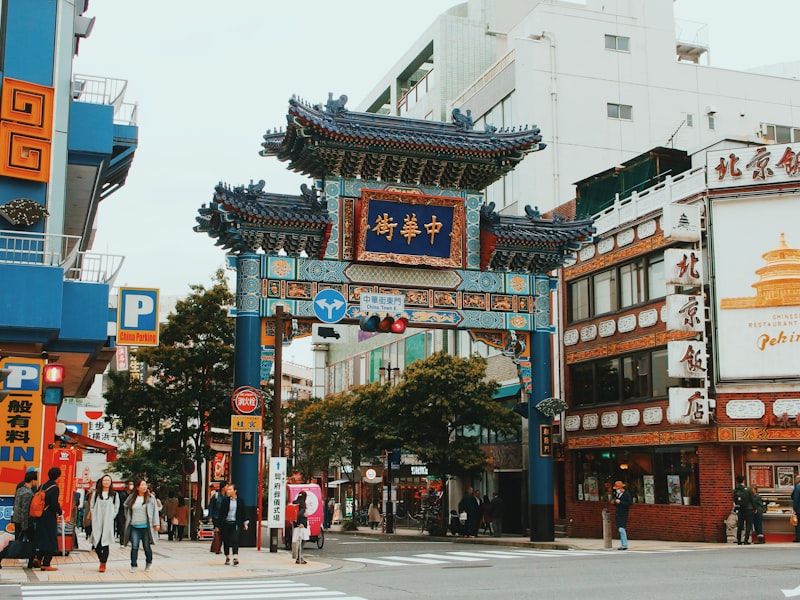
Asia's largest Chinatown fills 500+ shops and restaurants into a labyrinth of vermillion gates and neon-lit alleyways. Founded after the 1859 opening of Yokohama port, it's a living piece of history. The Kanteibyo temple (1871) and the spectacular Zenpukumon Gate are standouts.

Chinatown History Colorful Gates Architecture
Hakone Open-Air Museum
📍 Hakone, Kanagawa Year-round

Hakone Open-Air Museum

Japan's first open-air art museum spreads 70,000 m² of mountain meadow with over 120 large-scale sculptures by Rodin, Miro, Calder, and Picasso. Walk through works of art with Mt. Hakone in the background. The indoor Picasso Pavilion holds the world's largest Picasso collection outside Europe.

Art Museum Sculpture Mountain Views Picasso
🍜

Gourmet

5 spots
Yokohama Chinatown Dining
📍 Yokohama, Kanagawa Year-round

Yokohama Chinatown Dining

Yokohama Chinatown is a feast for all senses. Join the queue for giant nikuman (steamed pork buns), graze on baked custard tarts, and settle into a banquet hall for proper dim sum and Cantonese roast duck. The food here is more authentic and more varied than anywhere else in Japan.

Chinese Cuisine Dim Sum Pork Buns Street Food
Shonan Shirasu (Whitebait)
📍 Kamakura / Enoshima, Kanagawa Spring – Autumn

Shonan Shirasu (Whitebait)

The Shonan coast is Japan's capital of shirasu (whitebait). Dozens of restaurants along the Kamakura–Enoshima coast serve raw or boiled shirasu over hot rice in a bowl, often eaten overlooking the sea. The season runs March to December — in winter, the area switches to dried shirasu.

Local Specialty Seafood Whitebait Don (Rice Bowl)
Yokohama Ie-kei Ramen
📍 Yokohama, Kanagawa Year-round

Yokohama Ie-kei Ramen

Ie-kei (家系) ramen was born in Yokohama in 1974. Its hallmark is a rich, creamy tonkotsu-shoyu broth with thick straight noodles, three slices of chashu pork, spinach, and nori seaweed draped over the bowl. Yoshimuraya in Shin-Yokohama is the legendary birthplace.

Ramen Ie-kei Style Born in Yokohama Rich Broth
Misaki Maguro (Tuna Town)
📍 Miura, Kanagawa Year-round

Misaki Maguro (Tuna Town)

Miura's Misaki port is one of Japan's top tuna landing sites, offloading catches from the Pacific and Indian Oceans. The town around it is packed with tuna-everything restaurants: tuna sashimi, tuna ramen, tuna curry, tuna ice cream. Fresh and cheap — a 90-minute train from Tokyo.

Tuna Fresh Sashimi Local Fishing Port Day Trip
Odawara Kamaboko & Fresh Fish
📍 Odawara, Kanagawa Year-round

Odawara Kamaboko & Fresh Fish

Odawara has been Japan's kamaboko (fish paste) capital for centuries, thanks to its fishermen and the Hakone mountains providing fresh spring water. Visit a kamaboko factory and watch artisans shape it by hand, then graze through the seafood market at Odawara Port for grilled fish and negitoro rolls.

Kamaboko Fish Paste Seafood Market Local Craft
🏔️

Nature

5 spots
Hakone & Mt. Fuji Views
📍 Hakone, Kanagawa Year-round

Hakone & Mt. Fuji Views

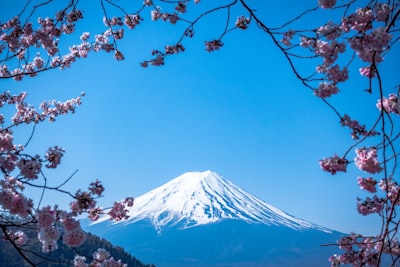
Hakone sits inside the caldera of an ancient volcano, with Lake Ashi reflecting Mt. Fuji on clear mornings. Cruise across the lake on a replica pirate ship, ride the Hakone Ropeway over steaming Owakudani volcanic vents, and stroll through beech forests on the Hakone Old Highway — all in one day.

Mt. Fuji Views Volcanic Lake Forest Scenic
Tanzawa Mountains
📍 Isehara / Atsugi, Kanagawa Spring / Autumn

Tanzawa Mountains

The Tanzawa range is the nearest serious mountain hiking to Tokyo, with peaks topping 1,500 m. The Omote-Tanzawa plateau is carpeted with ancient beech forest, and autumn colours here rival Nikko's. The iconic Mt. Oyama offers a steep but rewarding 2-hour ascent with sweeping Sagami Bay views.

Hiking Beech Forest Day Trip Ridge Trails
Shonan Coastline
📍 Kamakura / Enoshima, Kanagawa Summer / Winter

Shonan Coastline

The 15 km Shonan coast stretches from Kamakura to Chigasaki with Japan's most famous surf beaches and stunning sunset views of Mt. Fuji silhouetted across the water. In summer it's packed; in winter, when skies are clearest, you'll often have the sand to yourself with Fuji dominating the horizon.

Beach Surf Mt. Fuji Views Sunset
Miura Peninsula Coast
📍 Miura, Kanagawa Summer

Miura Peninsula Coast

The rugged southern tip of Kanagawa offers dramatic sea cliffs, small fishing harbours, and clear water ideal for snorkelling. Jogashima island at the very tip has a 3 km coastal walk with lighthouse views, tidal pools full of sea creatures, and wild flowers carpeting the clifftops in spring.

Cliffs Coastal Walk Sea Caves Snorkeling
Mount Oyama (Afuri Shrine)
📍 Isehara, Kanagawa Autumn

Mount Oyama (Afuri Shrine)

Oyama (1,252 m) has been a sacred mountain since antiquity — the Afuri Shrine at its peak has been a pilgrimage destination for 2,000 years. The forested trail passes waterfalls and stone lanterns before revealing panoramic views of Sagami Bay and Mt. Fuji. The footpath is lined with restaurants serving mountain tofu.

Shrine Hiking Waterfall Tofu Cuisine Autumn Leaves
🎿

Leisure

5 spots
Hakone Onsen Ryokan
📍 Hakone, Kanagawa Year-round

Hakone Onsen Ryokan

Hakone has been Japan's most popular hot spring resort for centuries, drawing the Tokyo elite seeking mountain air and volcanic mineral waters. Dozens of ryokan offer private outdoor baths (rotenburo) with Mt. Fuji views, multi-course kaiseki dinner, and yukata robes. A classic Japanese experience just 80 minutes from Shinjuku.

Hot Springs Ryokan Mt. Fuji View Relaxation
Yokohama Cosmo World
📍 Yokohama, Kanagawa Year-round

Yokohama Cosmo World

A free-entry amusement park in the heart of Minato Mirai, anchored by the 112 m Cosmo Clock 21 Ferris wheel (free to look at, paid to ride). Roller coasters, water rides, and game arcades line the waterfront. The giant wheel lights up spectacularly at night against the harbour skyline.

Amusement Park Ferris Wheel Waterfront Family
Enoshima Aquarium (Enosui)
📍 Fujisawa, Kanagawa Year-round

Enoshima Aquarium (Enosui)

Built right on the Sagami Bay coastline, Enosui is one of Japan's most beautiful aquariums. The deep-sea tank recreates the canyon off the coast of Sagami Bay, while the jellyfish fantasy hall glows with dozens of ethereal species. The dolphin and seal shows play out against open ocean views.

Aquarium Dolphin Show Jellyfish Family
Hakkeijima Sea Paradise
📍 Yokohama, Kanagawa Year-round

Hakkeijima Sea Paradise

A combined aquarium and amusement park on a small island in Yokohama, connected to the mainland by a scenic pedestrian bridge. The aquarium holds walruses, beluga whales, and dozens of other species, while the park outside has roller coasters including one that dives into the sea. Entry to the island is free.

Theme Park Aquarium Roller Coaster Family
Shonan Surfing & Beach Life
📍 Kamakura / Chigasaki, Kanagawa Summer

Shonan Surfing & Beach Life

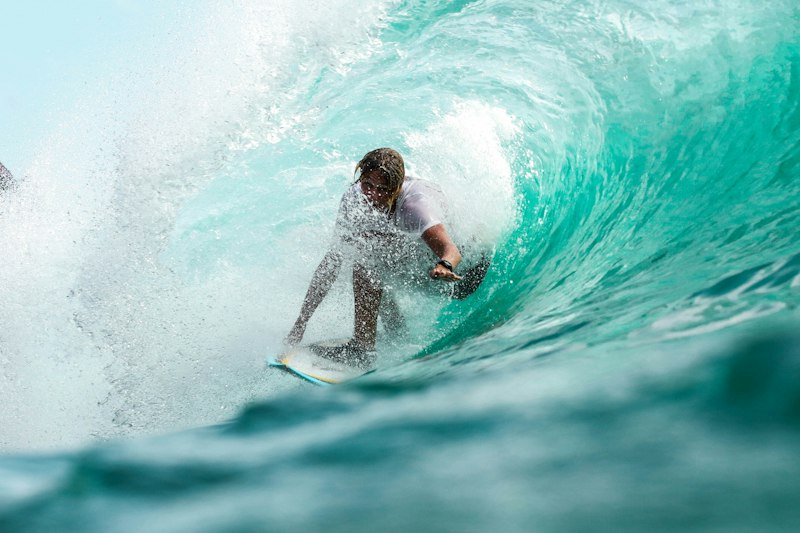
The Shonan coast is the birthplace of Japanese surf culture. Chigasaki and Kamakura's Yuigahama Beach host surf schools, board rentals, and beach bars from June to September. The coastal cycling route from Kamakura to Enoshima and beyond is flat, scenic, and ideal for a half-day ride.

Surfing Beach Clubs Cycling Outdoor
🎆

Events

5 spots
Kamakura Festival (Kamakura Matsuri)
📍 Kamakura, Kanagawa April (2–3 weeks)

Kamakura Festival (Kamakura Matsuri)

The Kamakura Festival fills the city with samurai-era pageantry for two weeks in April. The highlight is yabusame — mounted archery at full gallop through the avenue of Tsurugaoka Hachimangu shrine. Processions in Heian court costume, traditional dance performances, and the scent of spring blossoms fill the ancient streets.

Yabusame Archery Traditional Spring Festival History
Kanagawa Shimbun Fireworks
📍 Yokohama, Kanagawa Late July / Early August

Kanagawa Shimbun Fireworks

One of the most spectacular fireworks shows in the Kanto region launches from Yokohama Bay each summer, with 10,000+ shells reflected in the harbour waters as Minato Mirai's skyscrapers form the backdrop. Reserve a restaurant terrace seat or stake out a spot on the Marine Tower observation deck months in advance.

Fireworks Summer Waterfront Spectacular
Hakone Ekiden Relay Race
📍 Tokyo → Hakone, Kanagawa January 2–3

Hakone Ekiden Relay Race

The Hakone Ekiden is Japan's most watched New Year sports event — a two-day relay marathon between Tokyo and Hakone involving 20 university teams. Over 3 million spectators line the 217 km route; 30 million more watch on TV. The mountain section through Hakone on Day 2 is among the most dramatic in athletics.

Running Race New Year Tradition University Sport
Odawara Hojo Godai Festival
📍 Odawara, Kanagawa Early May

Odawara Hojo Godai Festival

Odawara Castle transforms into the headquarters of the Hojo clan during this three-day festival commemorating the castle's five great lords. Over 1,000 participants march in full 16th-century samurai armour and court costume past the castle walls, with naginata and sword demonstrations, firing drills, and taiko drumming.

Samurai Parade Odawara Castle History May
Yokohama Oktoberfest
📍 Yokohama, Kanagawa October

Yokohama Oktoberfest

Held in the Red Brick Warehouse plaza on Yokohama's waterfront, this official partner event of the Munich Oktoberfest is Japan's largest, drawing 300,000 visitors over three weeks. Authentic German beer, pretzels, sausages, and live oompah bands in front of the illuminated Minato Mirai skyline — a uniquely Yokohama spectacle.

German Festival Beer International Autumn

💡 Practical Travel Tips

Everything you need to know before and during your visit.

🌸
Best Time to Visit
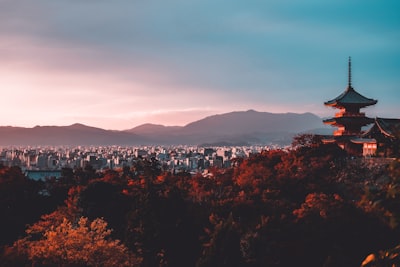
  • Spring (Mar–May) — Cherry blossoms line Kamakura's Dankazura promenade and Yokohama's Yamashita Park. Late March is peak bloom — book well ahead.
  • Autumn (Oct–Nov) — Fall foliage at Hakone and Kamakura temples is breathtaking with fewer crowds than spring.
  • Summer (Jun–Aug) — Hot and humid, but Shonan beaches and Enoshima draw crowds. Great for fireworks festivals.
  • Winter (Dec–Feb) — Hakone offers the clearest Mt. Fuji views. Onsen are blissfully warm against the cold.
💴
Budget Guide
  • Budget (¥6,000–¥10,000/day) — Guesthouse or capsule hotel, ramen, shirasu-don rice bowl, Kamakura temple-hop (most shrines free).
  • Mid-range (¥15,000–¥30,000/day) — Business hotel, Yokohama Chinatown dinner, Hakone day trip with Freepass.
  • Luxury (¥50,000+/day) — Hakone ryokan with private onsen and kaiseki dinner, omakase in Yokohama, private touring car.
  • Kamakura's temples typically charge ¥200–¥600 entry. The Great Buddha is ¥300. Budget ¥2,000–¥3,000 for a full day of sightseeing.
🚇
Getting Around
  • A Suica IC card loaded with ¥3,000–¥5,000 covers most of Kanagawa's train and bus network.
  • The Enoden tram is unmissable — ride between Kamakura and Enoshima along the coast. Very popular; avoid 11am–3pm on weekends.
  • For Hakone, the Hakone Freepass (2 days, ¥6,100 from Shinjuku) is the best value — includes Odakyu Romancecar + all Hakone loops.
  • Yokohama is walkable between Sakuragicho, Minatomirai, Chinatown, and Yamashita Park — roughly 30 minutes end-to-end on foot.
🦐
Food & Dining Tips
  • Shirasu (whitebait) — Shonan and Enoshima's specialty; try a shirasu-don (rice bowl) at a beachside restaurant. Season: mid-April to December.
  • Ie-kei Ramen — Yokohama's own ramen style: thick tonkotsu-soy broth with flat noodles. Yoshimuraya in Yokohama is the founding shop.
  • Yokohama Chinatown — Japan's largest Chinatown (500+ restaurants). Go for dim sum lunch; avoid peak Sunday afternoon queues.
  • Kamaboko (fish cake) — Odawara's artisan kamaboko shops line the old road; great as a local souvenir.
  • Misaki Tuna — Miura Peninsula's Misaki port lands some of Japan's finest bluefin tuna. Several tuna restaurants within walking distance of the port.
♨️
Hakone Onsen Tips
  • Book your Hakone ryokan (inn) at least 1–2 months ahead for autumn and spring weekends — popular properties sell out fast.
  • Day-trip onsen — If not staying overnight, Hakone Yunessun (¥1,600) is the largest day-use facility; Tenzan Tohji-kyo offers a more traditional experience (¥1,300).
  • Most ryokan require advance booking for dinner (kaiseki). Communicate dietary restrictions at booking time.
  • Tattoo policy — Many traditional onsen prohibit tattoos. Look for "tattoo-friendly" (タトゥー可) facilities if relevant.
🙏
Etiquette & Culture
  • At Kamakura temples, bow slightly when passing through torii gates and before/after praying at shrines.
  • Remove shoes when entering tatami rooms — most ryokan, some traditional restaurants, and some temple inner halls.
  • At onsen, wash thoroughly at the shower station before entering any communal bath. Towels must not touch the bath water.
  • Enoshima and Kamakura get very crowded on holidays — visit early morning (before 9am) for a peaceful experience.

🏨 Find Hotels in Kanagawa

Compare prices across hundreds of hotels — from budget capsules to luxury ryokan.

Search Hotels on Booking.com →

🎌 Tours & Experiences

Book guided tours, day trips, cooking classes, and cultural experiences.

Browse Tours on Viator →

🗺️ Activities & Attractions

Skip the queues — pre-book entry tickets, day tours, and local experiences.

Explore on GetYourGuide →

🎟️ Things to Do in Kanagawa

Discover tickets, transport passes, and unique local experiences in Kanagawa with Klook.

Book on Klook →

🚄 JR Pass & Rail Tickets

Pre-purchase your JR Pass or individual shinkansen tickets before you arrive.

Buy JR Pass →