

Fushimi Inari Taisha
Thousands of vermilion torii gates wind up a forested mountain in southern Kyoto — the iconic image of Japan and one of the country's most visited shrines. Go before 8am to avoid crowds.
📖 Read the Guide →Kansai · Prefecture Guide
Japan's ancient imperial capital — 17 UNESCO World Heritage Sites, a living geisha culture, and the world's most refined culinary tradition
Kyoto was Japan's imperial capital for over a thousand years, and it shows. No other city in Japan — perhaps in the world — concentrates so much refined culture, living tradition, and breathtaking beauty within such a compact area. Here you will find UNESCO temples and shrines at every turn, geiko and maiko gliding through gaslit alleyways at dusk, the world's most elaborate multi-course cuisine born from centuries of Buddhist temple cooking, and mountain hikes that lead from city streets into ancient cedar forest within minutes. Kyoto rewards visitors who slow down — one neighbourhood explored carefully will reveal more than ten seen in a rush.
Kyoto sits on the Tokaido Shinkansen line and is one of Japan's best-connected cities. Most overseas visitors arrive via Tokyo or Osaka, both under 15 minutes by Shinkansen from Shin-Osaka. Kansai International Airport is 75 minutes away. Within the city, buses and the subway cover most destinations, but the city's flat topography also makes cycling an excellent option.
Deep-dive guides to help you plan every aspect of your visit — from top sightseeing spots to the best restaurants and seasonal events.
Thousands of vermilion torii gates wind up a forested mountain in southern Kyoto — the iconic image of Japan and one of the country's most visited shrines. Go before 8am to avoid crowds.
📖 Read the Guide →
A Zen temple pavilion covered entirely in gold leaf, reflected in a mirror pond — a UNESCO World Heritage Site and one of the world's most photographed buildings.
📖 Read the Guide →
An 8th-century temple perched on a forested hillside east of Kyoto, famous for its wooden stage jutting out over the valley and sweeping views of the city — a UNESCO World Heritage Site.
📖 Read the Guide →
A towering bamboo forest on the western outskirts of Kyoto — the rustling canopy overhead is a designated Sound Landscape of Japan. Visit at dawn for the most atmospheric experience.
📖 Read the Guide →
Kyoto's most famous entertainment district — preserved machiya townhouses, ochaya teahouses, and the chance to spot a geiko or maiko gliding through Hanamikoji Street at dusk.
📖 Read the Guide →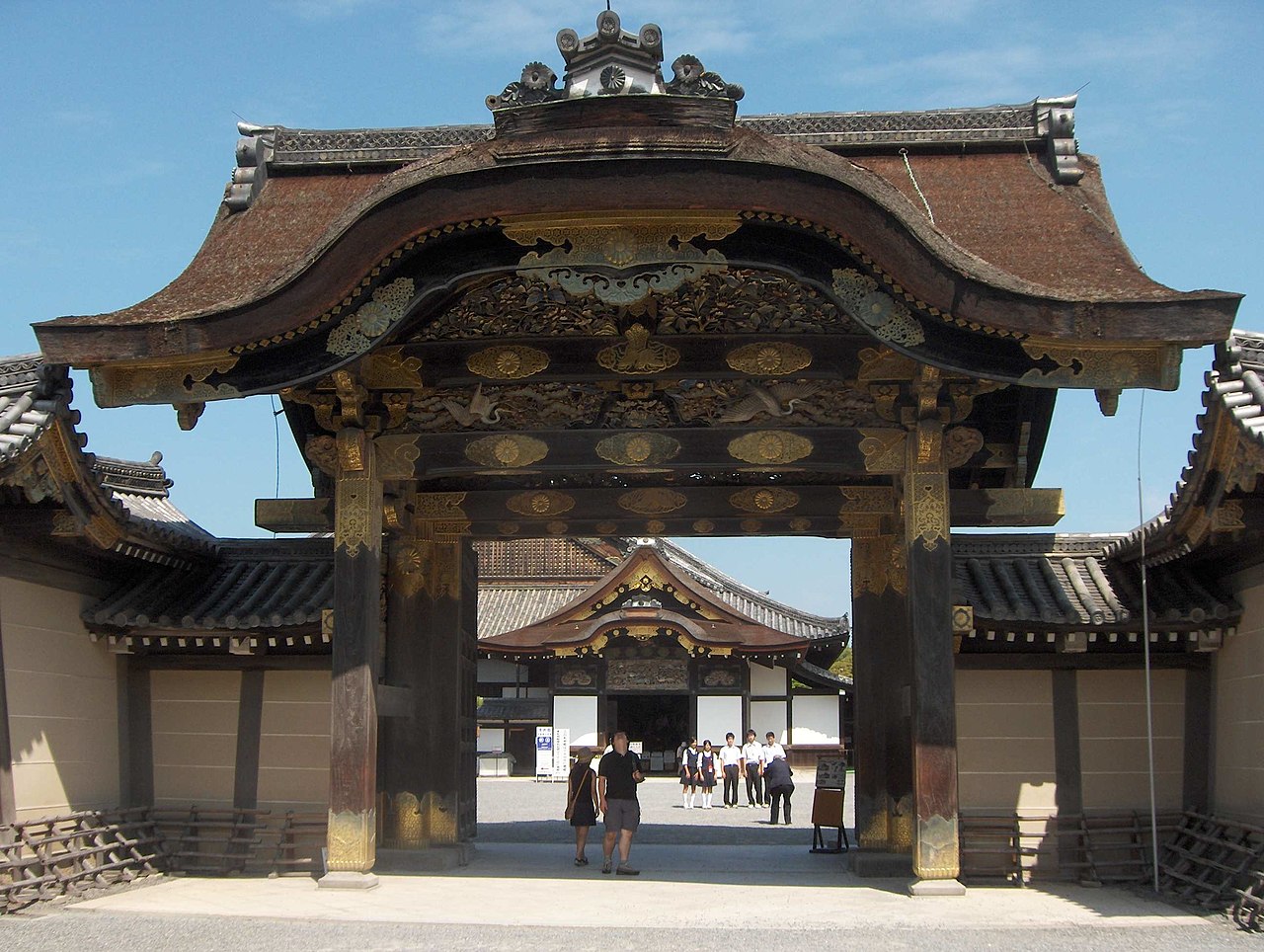
A UNESCO-listed shogun palace with the famous 'nightingale floors' that chirp when walked upon — a security feature against assassins. The Ninomaru Palace interiors are exceptionally preserved.
📖 Read the Guide →
An elegant Zen temple famed for its refined sand garden, moss grounds and a hillside path with city views — the serene counterpart to the Golden Pavilion.
📖 Read the Guide →
A 120 m long wooden hall housing 1,001 gilded statues of Kannon, the goddess of mercy — an awe-inspiring, glittering army of Buddhist figures unlike anywhere else.
📖 Read the Guide →
Arashiyama's most important Zen temple, whose exquisite 14th-century Sogenchi pond garden borrows the surrounding mountains — stunning in autumn, and steps from the bamboo grove.
📖 Read the Guide →
Gion's vibrant vermilion guardian shrine, glowing with hundreds of lanterns at night and linked to Kyoto's great Gion Matsuri — a lively gateway between Gion and Higashiyama.
📖 Read the Guide →
Japan's most famous Zen rock garden — fifteen stones set in raked white gravel, an enigmatic masterpiece of minimalist design meant for quiet contemplation.
📖 Read the Guide →
Home to Japan's tallest wooden pagoda (55 m), a UNESCO temple near Kyoto Station famed for its Buddhist treasures and a lively monthly flea market.
📖 Read the Guide →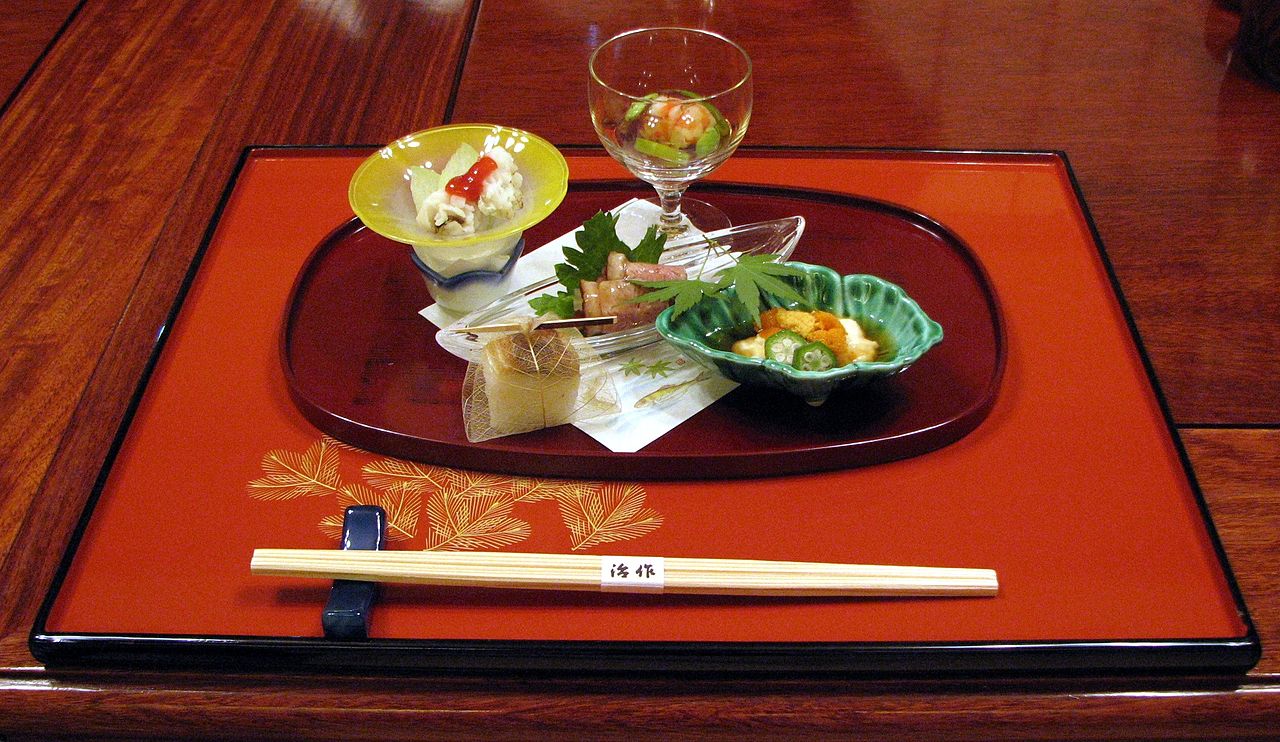
Kyoto is the birthplace and pinnacle of kaiseki — Japan's multi-course haute cuisine. Each course reflects the season in ingredient, presentation, and ceramic ware, served in a tatami room.
📖 Read the Guide →
Uji, just south of Kyoto, is Japan's premier matcha-growing region. Try ceremonial-grade matcha in a traditional tearoom, or indulge in matcha parfaits, soft-serve, and wagashi sweets.
📖 Read the Guide →
A narrow 400-m covered arcade running through central Kyoto, Nishiki Market has served the city's cooks since the Edo period. Over 100 shops sell Kyoto specialties — fragrant kyo-tsukemono pickles, sesame tofu, fresh yuba (tofu skin), flavoured mochi, dashi stock, and skewered street food including chicken karaage and tamagoyaki. Best explored slowly and hungrily.
📖 Read the Guide →
Kyoto's 'Kitchen' — a covered 400 m arcade with 130+ stalls selling tsukemono pickles, yudofu tofu, fresh matcha sweets, grilled skewers, and seasonal Kyoto vegetables (kyo-yasai).
📖 Read the Guide →
Silken tofu simmered in kombu broth — a Kyoto specialty born from Buddhist temple cuisine. The restaurants around Nanzenji Temple serve some of the finest yudofu in Japan.
📖 Read the Guide →
A narrow, lantern-lit lane along the Kamo River packed with atmospheric restaurants and teahouses — Kyoto's most romantic dining street, with summer riverside terraces.
📖 Read the Guide →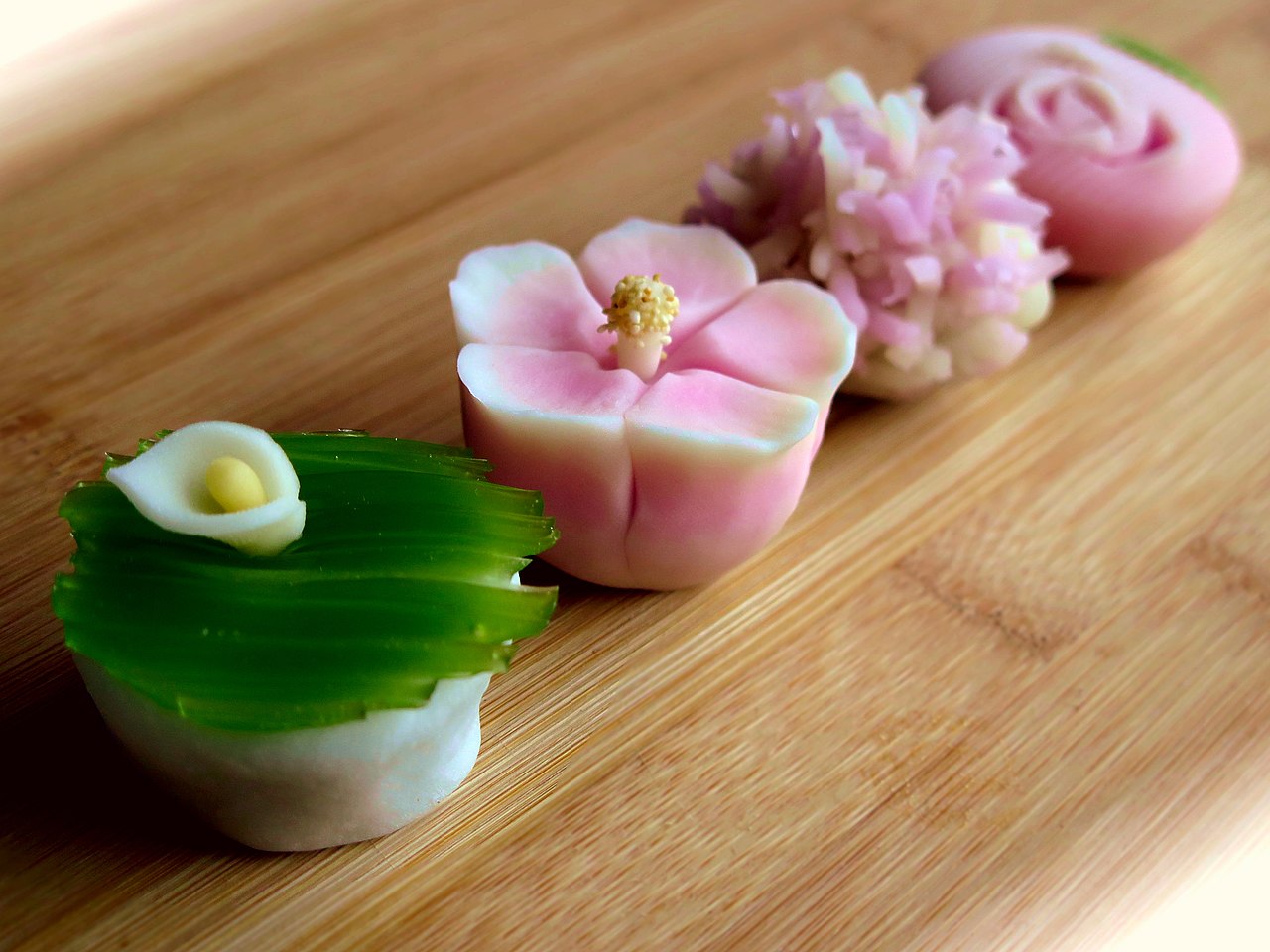
Kyoto is the heart of wagashi — exquisite seasonal Japanese sweets like nerikiri, yatsuhashi and mochi, best paired with matcha at a historic confectioner or teahouse.
📖 Read the Guide →
Kyoto's traditional everyday cuisine — small dishes of simmered vegetables, tofu, and pickles made with kyo-yasai (Kyoto heirloom vegetables). Found at intimate neighbourhood restaurants throughout the city.
📖 Read the Guide →
One of Japan's top sake regions, where soft spring water feeds historic breweries along canal-side streets — tour a sake museum and taste Kyoto's smooth local brews.
📖 Read the Guide →
A comforting Kyoto classic — warm buckwheat soba noodles topped with sweet-simmered dried herring, a hearty specialty best enjoyed at an old noodle house near Gion.
📖 Read the Guide →
The towering bamboo grove along the Sagano walking path in Arashiyama is one of Japan's most distinctive landscapes — sunlight filtering through dense columns of bright green bamboo creates a cathedral-like effect best experienced in the early morning before crowds arrive. Continue to Jojakko-ji Temple's moss garden and Okochi Sanso Villa for a complete mountain walk.
📖 Read the Guide →
The open-sided Sagano Romantic Train runs through the Hozu River gorge between Saga-Torokko and Kameoka — 25 minutes of spectacular forest and river scenery in an old-fashioned sightseeing train.
📖 Read the Guide →
The Hozu River gorge through the Arashiyama mountains offers traditional wooden boat rides (hozugawa kudari) through spectacular autumn scenery, and cherry blossom reflections in spring.
📖 Read the Guide →
A towering bamboo forest on the western outskirts of Kyoto — the rustling canopy overhead is a designated Sound Landscape of Japan. Visit at dawn for the most atmospheric experience.
📖 Read the Guide →
A 2 km canal-side path lined with cherry trees in the Higashiyama foothills — at its most beautiful during sakura season when petals drift into the water like pink snow.
📖 Read the Guide →
Two atmospheric mountain villages north of Kyoto connected by a forest hiking trail over Mt. Kurama — Kurama Onsen at the trailhead and Kibune's summer kawadoko river-platform dining at the other end.
📖 Read the Guide →
Arashiyama's most important Zen temple, whose exquisite 14th-century Sogenchi pond garden borrows the surrounding mountains — stunning in autumn, and steps from the bamboo grove.
📖 Read the Guide →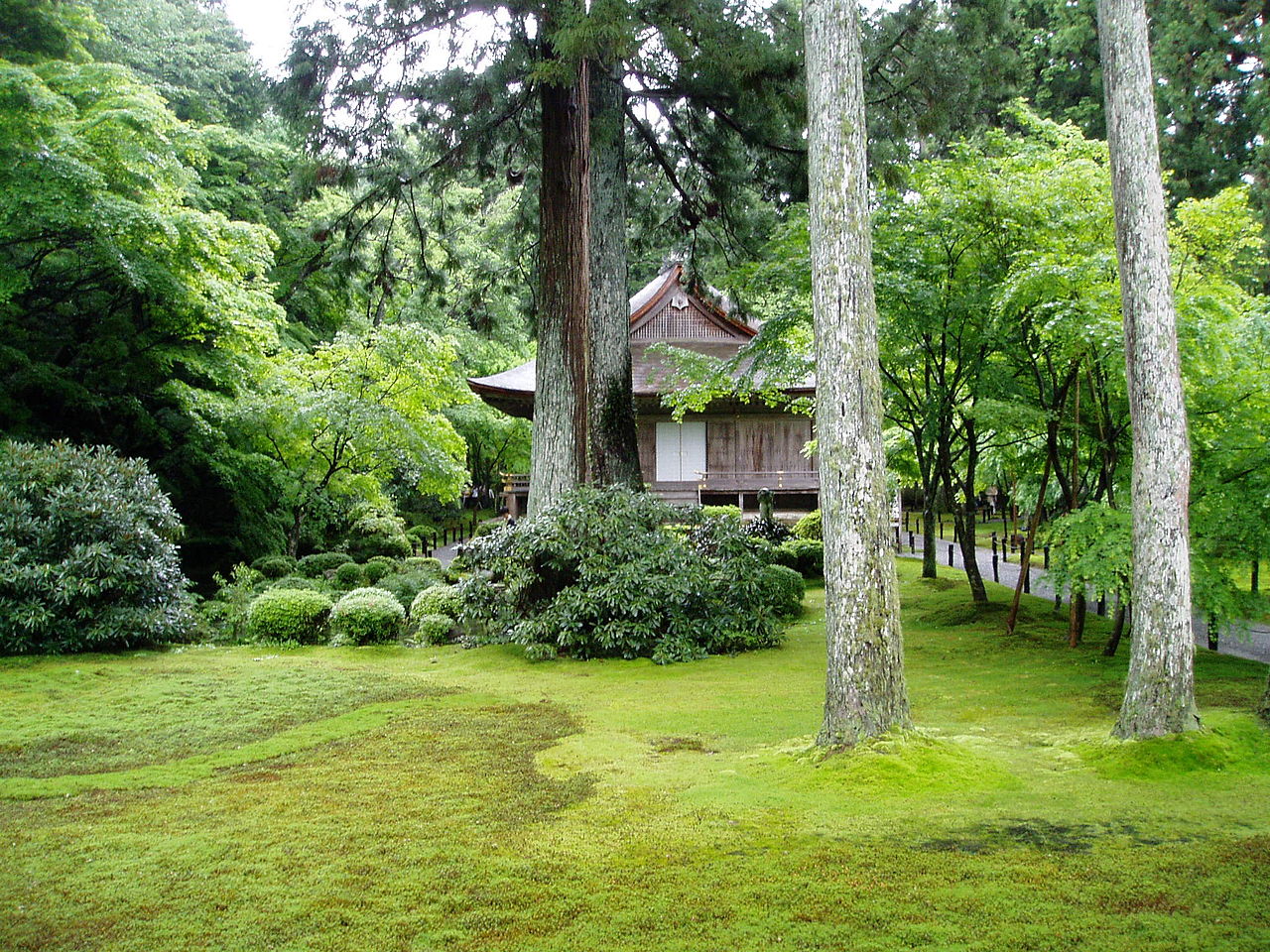
A tranquil rural temple village in the northern hills, where Sanzen-in's mossy gardens and little stone Jizo statues glow with autumn colour — a peaceful escape from the city.
📖 Read the Guide →
Kyoto's beloved riverside promenade, where locals stroll, picnic and relax along the water — lined in summer with kawadoko dining terraces above the flowing Kamo River.
📖 Read the Guide →
A lesser-known 10 km forest trail linking Arashiyama, Matsuo Taisha, and Nishiki through the western hills — rich in bamboo groves, moss temples, and cedar forest away from tourist crowds.
📖 Read the Guide →
Kyoto's most popular hanami park behind Yasaka Shrine, famed for its giant illuminated weeping cherry tree and lively springtime picnics under the blossoms.
📖 Read the Guide →
A disused canal railway slope near Nanzenji, blanketed each spring by a tunnel of cherry blossoms over its old tracks — one of Kyoto's most photogenic hanami walks.
📖 Read the Guide →
A short hilltop hike in Arashiyama rewards you with wild Japanese macaques roaming free and a sweeping panorama over Kyoto — you can hand-feed the monkeys from a hut.
📖 Read the Guide →
Urasenke, one of the three great tea families of Japan, offers English-guided tea ceremony demonstrations in a preserved machiya townhouse setting. Learn to observe and participate in chado (the Way of Tea) — the precise choreography of preparing and receiving matcha in a tatami tearoom, an art practiced and refined at this same Kyoto location since the 16th century.
📖 Read the Guide →
Participate in an authentic Japanese tea ceremony (chado) in a traditional machiya or temple garden — learning the precise movements and Zen philosophy behind every gesture.
📖 Read the Guide →
Learn to prepare classic Kyoto dishes — dashi stock, simmered vegetables, tofu dishes — in an intimate class led by local chefs, usually including a market visit to Nishiki beforehand.
📖 Read the Guide →
A superb interactive railway museum near Kyoto Station with 53 trains, from steam locomotives to shinkansen — including a working roundhouse and steam-train rides for all ages.
📖 Read the Guide →
A UNESCO-listed shogun palace with the famous 'nightingale floors' that chirp when walked upon — a security feature against assassins. The Ninomaru Palace interiors are exceptionally preserved.
📖 Read the Guide →
The open-sided Sagano Romantic Train runs through the Hozu River gorge between Saga-Torokko and Kameoka — 25 minutes of spectacular forest and river scenery in an old-fashioned sightseeing train.
📖 Read the Guide →
Rent a beautifully styled kimono from shops near Gion or Higashiyama and spend the day strolling Kyoto's stone-paved alleyways — the experience transforms photographs and deepens connection to the city.
📖 Read the Guide →
Kyoto's flat city centre and wide riverside paths make it ideal for cycling — rent a bike near Kyoto Station and cover temples, canal paths, and Nishiki Market in a single morning.
📖 Read the Guide →
Active film studio and theme park where samurai dramas, period films, and ninja movies are regularly produced, Uzumasa Eigamura lets visitors walk through the working Edo-period street sets, watch live action scenes being filmed, and participate in hands-on ninja training and samurai costume photoshoots. Ninja and geisha cosplay experiences are available year-round.
📖 Read the Guide →
A modern inland aquarium in Umekoji Park with playful penguins, a huge sea tank, giant salamanders and a dolphin show — a fun, all-weather day out for families.
📖 Read the Guide →
A short hilltop hike in Arashiyama rewards you with wild Japanese macaques roaming free and a sweeping panorama over Kyoto — you can hand-feed the monkeys from a hut.
📖 Read the Guide →
Kyoto's tallest structure, right by the station, whose 100 m observation deck offers 360° views over the temple-dotted city — atmospheric at dusk as the old capital lights up.
📖 Read the Guide →
The Yamaboko Junko (Float Procession) on July 17 and 24 is the climax of Gion Matsuri — one of Japan's three greatest festivals. Thirty-three enormous floats (some 30 m tall, weighing 12 tonnes) built without nails using traditional joinery are pulled through Kyoto's streets by hundreds of men in white, accompanied by the haunting 'Conchita' festival music.
📖 Read the Guide →
Japan's most famous festival — the entire month of July in Kyoto, culminating in the Yamaboko Junko parade on July 17 when 32 enormous tapestry-draped floats rumble through the city centre.
📖 Read the Guide →
November is Kyoto's most spectacular month — maple foliage frames every temple, shrine, and garden in crimson and gold. Eikando, Tofukuji, and Arashiyama are the top viewing spots.
📖 Read the Guide →
Each spring Kyoto's temples, canals and parks erupt in pink — from Maruyama's weeping cherry to the Philosopher's Path — for one of Japan's most beautiful hanami seasons.
📖 Read the Guide →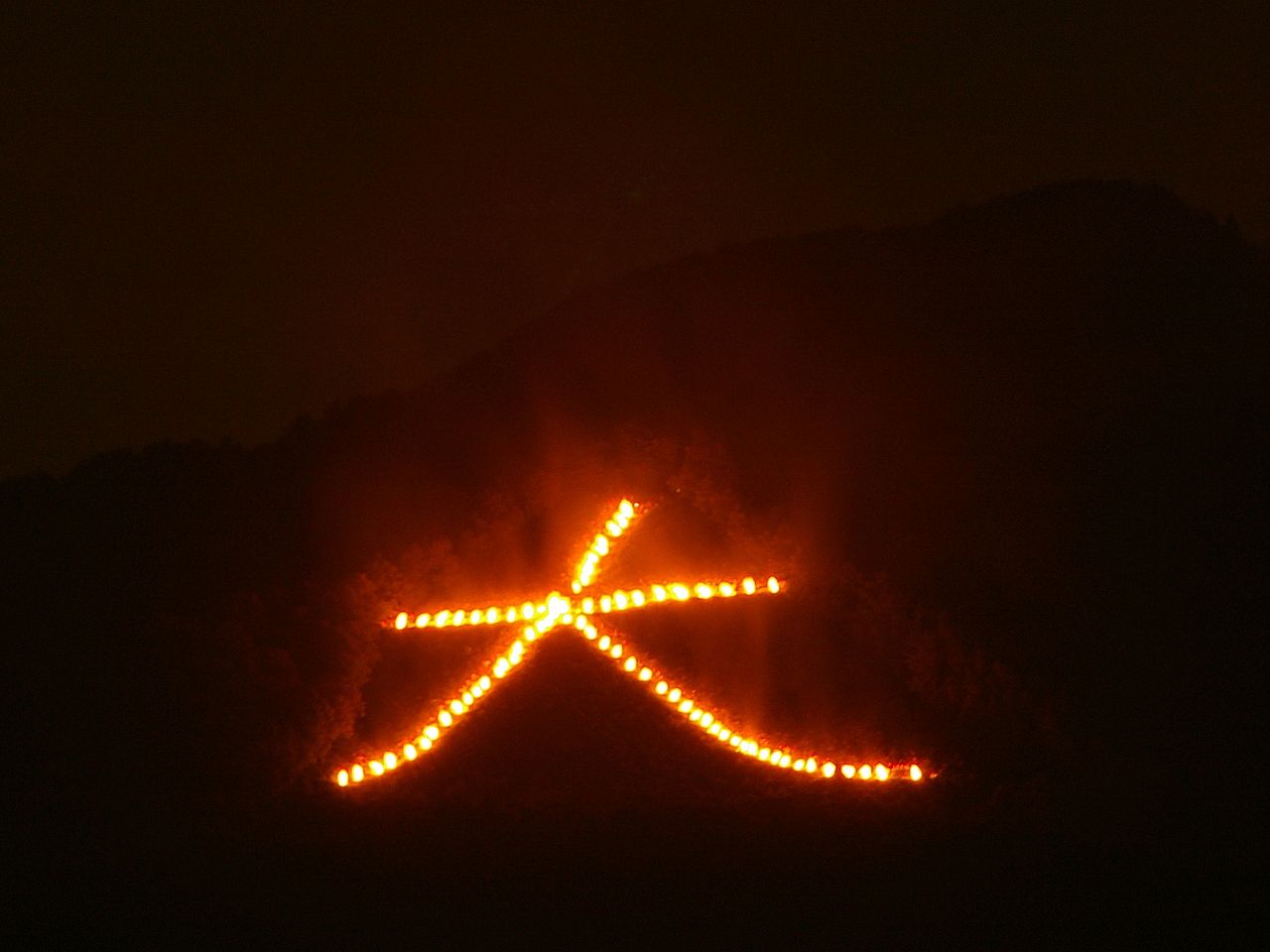
On the night of 16 August, giant kanji and shapes blaze on five Kyoto mountainsides to send off ancestral spirits — a moving, spectacular Obon farewell seen across the city.
📖 Read the Guide →
The 'Festival of Ages' on October 22 — a 2 km procession of 2,000 people in historical costumes spanning every era of Japanese history from the Meiji period back to the Heian court.
📖 Read the Guide →
Gion's dazzling springtime dance, in which geiko and maiko perform elegant seasonal routines on a lantern-lit stage — a rare, beautiful glimpse into Kyoto's geisha arts.
📖 Read the Guide →
The historic stone-paved lanes of Higashiyama are lined with hundreds of bamboo lanterns for two weeks each March — a magical night-walk experience past illuminated temples and traditional shops.
📖 Read the Guide →
One of Kyoto's three great festivals — an elegant procession of 500 people in Heian-period court costume from the Imperial Palace to Kamigamo and Shimogamo Shrines on May 15.
📖 Read the Guide →
On 22 October, the mountain village of Kurama blazes as men carry huge flaming torches through the streets to a shrine — one of Kyoto's most primal and dramatic festivals.
📖 Read the Guide →
In early February, Kyoto's shrines and temples hold lively bean-throwing rituals to drive out demons and welcome spring — with maiko appearances and dances at Yasaka and Yoshida.
📖 Read the Guide →
Several studios in Gion offer full maiko (apprentice geisha) transformation: white oshiroi base, vivid lip colour, eyebrow shaping, an elaborate wig of the ofuku hairstyle, and a layered hikizuri kimono with long trailing hem. Professional photographers shoot a formal portrait session in Gion's alleyways or private garden sets — one of the most dramatic personal transformation experiences available in Japan.
📖 Read the Guide →
Kodo (the Way of Incense) is one of Japan's three classical arts alongside flower arranging and tea ceremony. Sessions in Kyoto's Nishiki and Gion districts guide participants through listening to (not smelling — the vocabulary is deliberate) several varieties of aloeswood and other precious incense woods, identifying their qualities and recording impressions in the classical poetic style.
📖 Read the Guide →
Nishijin — Kyoto's historic weaving district — has produced Japan's finest silk brocade for 500 years, supplying the imperial court and highest-grade kimono makers. The Nishijin Textile Centre offers hands-on weaving sessions on traditional jacquard looms, while artisan studios in the surrounding neighbourhood welcome visitors to watch master weavers create fabric that takes weeks to produce one metre.
📖 Read the Guide →
Shape your own beautiful seasonal Japanese sweets under a master confectioner, then enjoy them with matcha — a hands-on, delicious dive into Kyoto's refined sweet culture.
📖 Read the Guide →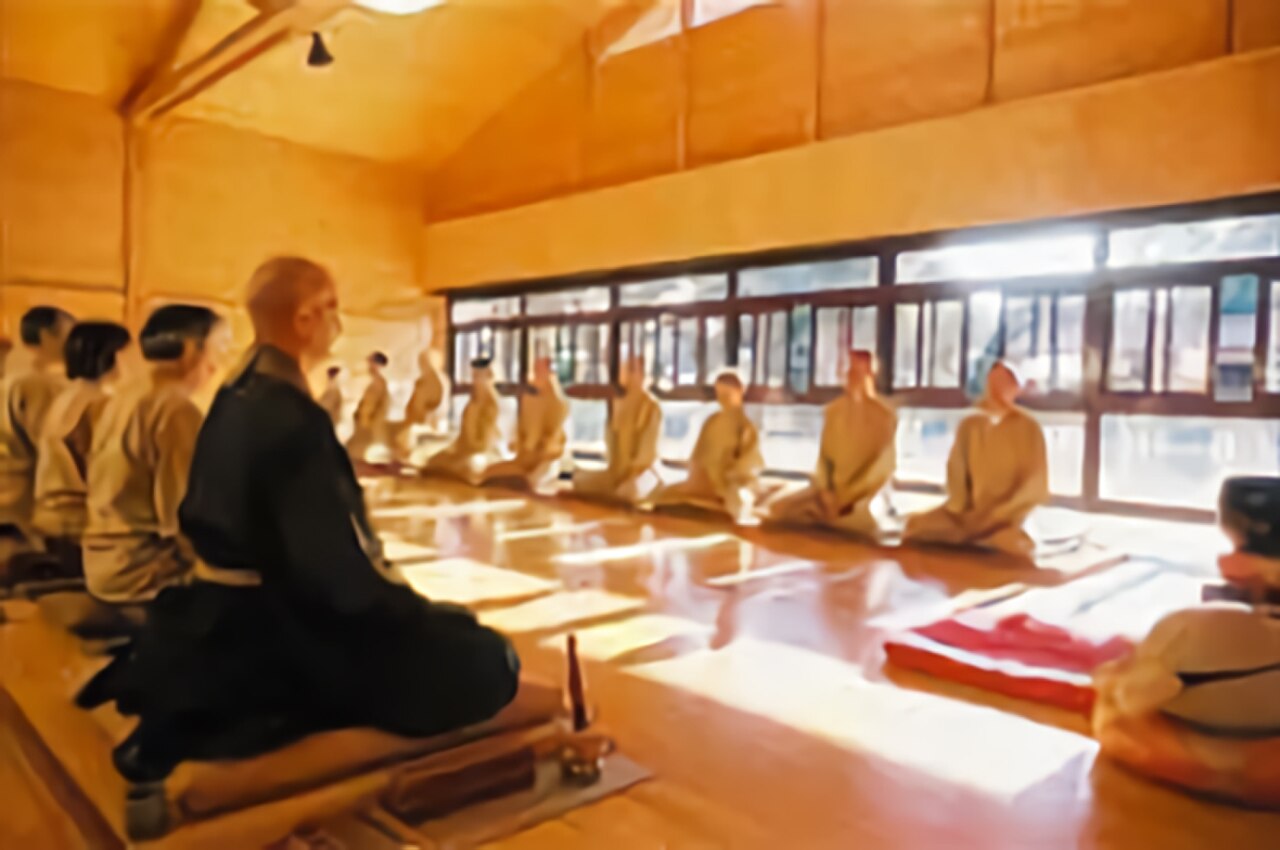
Join a guided zazen seated-meditation session at a Kyoto Zen temple, learning the posture and breathing of Zen practice in a hushed hall — a calming, mindful cultural experience.
📖 Read the Guide →
Learn the meditative art of shodo, grinding ink and brushing kanji under a teacher in a Kyoto studio or temple — take home your own artwork as a meaningful souvenir.
📖 Read the Guide →Everything you need to know before and during your visit.
Compare prices across hundreds of hotels — from budget capsules to luxury ryokan.
Search Hotels on Booking.com → or compare prices on Agoda →Book guided tours, day trips, cooking classes, and cultural experiences.
Browse Tours on Viator →Skip the queues — pre-book entry tickets, day tours, and local experiences.
Explore on GetYourGuide →Discover tickets, transport passes, and unique local experiences in Kyoto with Klook.
Book on Klook →Pre-purchase your Japan Rail Pass online before you arrive — the easiest way to travel by Shinkansen across Japan.
Buy JR Pass on JRPass.com →