Kinki · Prefecture Guide

Mie Travel Guide

Japan's most sacred shrine, Matsusaka beef rivalling Kobe, the world's original cultured pearl industry, ninja history, and the ancient forest pilgrimage of the Kumano Kodo

⛩️ Ise Jingu — Japan's Most Sacred Shrine🥩 Matsusaka Beef — Japan's Finest Wagyu💎 Ago Bay Pearls (Mikimoto)🥷 Iga Ninja Museum🌲 Kumano Kodo Sacred Trail

🗾 About Mie

Mie is the spiritual heartland of Japan. Ise Jingu — the Grand Shrine — has been the country's most sacred site for two millennia, rebuilt in the identical form every twenty years in a ceremony that is itself a masterclass in Shinto philosophy. The surrounding Okage Yokocho lane preserves the Edo-period atmosphere of the millions who once walked the pilgrim road here. Thirty kilometres south, the pearl-farming bay of Ago glitters in evening light, and Toba Aquarium is one of Japan's finest. Inland, Iga Ueno is the historical birthplace of the ninja tradition, its castle flanked by a moat and a museum of shuriken and smoke bombs. And for those who walk the Kumano Kodo — the UNESCO sacred trail through ancient cedar forests — Mie offers a profound encounter with Japan's animist soul.

🌏
Location
Kinki region, Honshu, Ise-Shima Peninsula facing the Pacific
🗣️
Language
Japanese (English guides available at Ise Jingu; Toba and Iga have multilingual exhibits)
💴
Currency
Japanese Yen (JPY) — cash essential in Ise's Okage Yokocho; IC cards in cities
🕐
Time Zone
JST (UTC+9) — no daylight saving
🌡️
Best Season
Spring (Mar–May) & Autumn (Oct–Nov); New Year for Ise pilgrimage
✈️
Nearest Airports
Nagoya Chubu (NGO) 80 min · Osaka Itami (ITM) 90 min · Kansai (KIX) 100 min
🚄
Getting Around
Kintetsu Railway (main access) · JR Mie/Kisei Lines · rental car for Kumano Kodo
Power Plug
Type A, 100V / 50Hz

✈️ Getting There

Ise is most efficiently reached by the Kintetsu Limited Express from Osaka Namba (1 hr 30 min), Nagoya (1 hr 30 min), or Kyoto (2 hr). JR also serves the region but Kintetsu is faster for Ise. A rental car is essential for the Ago Bay peninsula and southern Kumano coast.

🚃 From Osaka / Kyoto (Kintetsu)
  • Kintetsu Limited Express from Osaka Namba → Iseshi — 1 hr 30 min. ¥3,550. Direct, no transfer required.
  • Kintetsu Limited Express from Kyoto → Iseshi — 2 hr. ¥3,940. Via Yamato-Yagi interchange — scenic route through Nara.
🚄 From Nagoya
  • Kintetsu Limited Express Nagoya → Iseshi — 1 hr 30 min. ¥3,140. Most frequent service.
  • JR Wide View Mie — Nagoya to Iseshi: 1 hr 50 min. Covered by JR Pass. Less frequent than Kintetsu.
🚌 Getting Around Mie
  • Ise City (Geku → Naiku) — Outer Shrine is 10 min walk from Iseshi Station. Inner Shrine: CAN bus from Iseshi Station, 20 min, ¥220 one way.
  • Toba & Ago Bay — Kintetsu from Iseshi to Toba: 18 min, ¥330. Kashikojima for Ago Bay cruise: 40 min further south.
  • Rental Car — Essential for Kumano Kodo Iseji route and the dramatic Onigajo rock formations south of Owase.
  • Iga Ueno — Reached by JR or Kintetsu from Osaka (1 hr 30 min). Separate from Ise — plan as a standalone day trip.
💡 Travel TipThe <strong>Kintetsu Ise-Shima Pass</strong> (¥3,700 for 2 days) covers unlimited Kintetsu rides in the Ise-Shima area including limited express surcharges — excellent value if visiting Ise, Toba, and Kashikojima in two days.

📖 Recommended Travel Guides

Deep-dive guides to help you plan every aspect of your visit — from top sightseeing spots to the best restaurants and seasonal events.

⛩️

Sightseeing

6 spots
Ise Jingu Inner Shrine (Naiku)
📍 Ise, Mie

Ise Jingu Inner Shrine (Naiku)

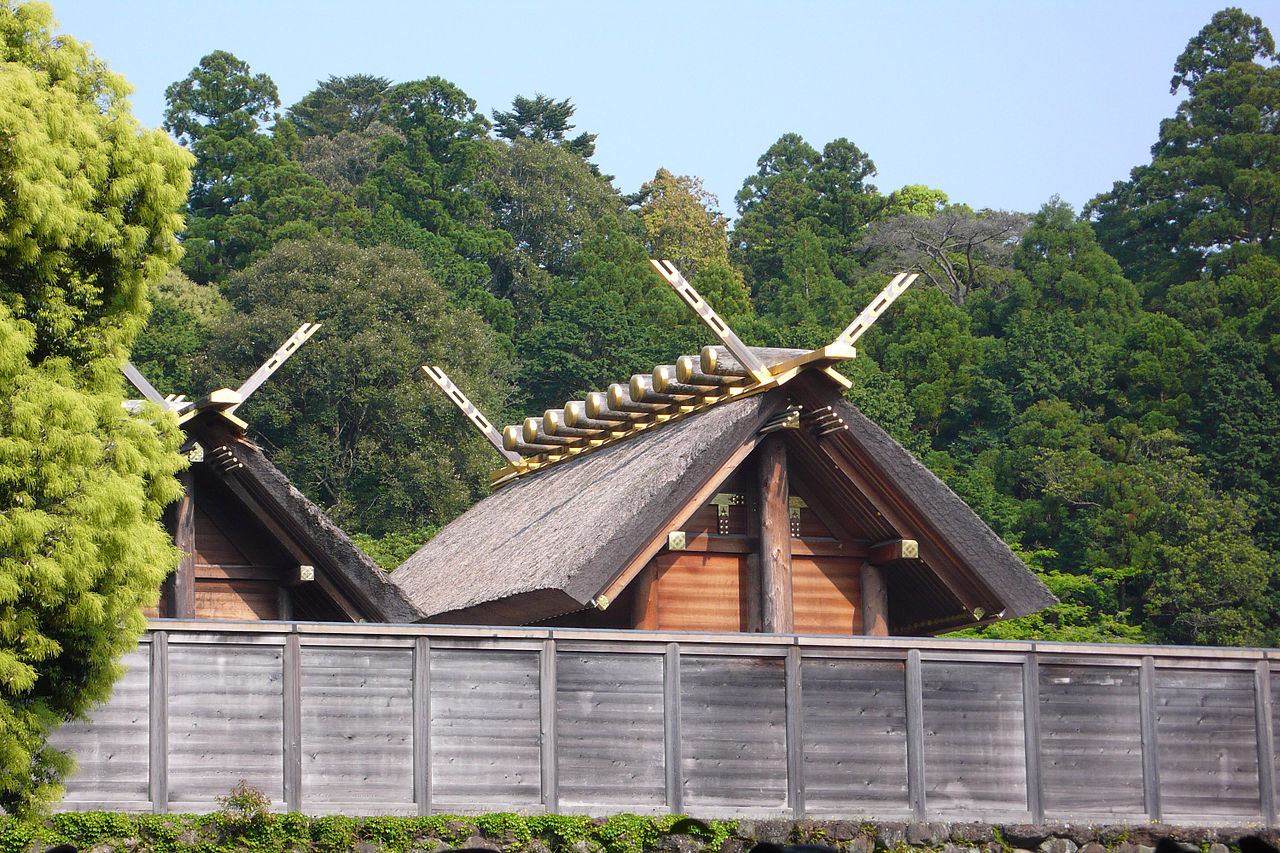
Ise Jingu's Naiku is the most sacred site in Shinto religion, enshrining the sun goddess Amaterasu and considered the spiritual home of the Japanese nation. The main hall is rebuilt completely every 20 years in the sengu ceremony — a 1,300-year-old practice of ritual renewal — with the next rebuilding due in 2033. Entry to the outer gravel precincts is free, though the inner sanctum itself is screened from view, making the forested approach through ancient cedar trees as powerful as any building.

Shinto Most Sacred Shrine UNESCO Candidate
Ise Jingu Outer Shrine (Geku)
📍 Ise, Mie

Ise Jingu Outer Shrine (Geku)

The Geku, or Outer Shrine, enshrines Toyouke no Omikami, the deity of food, clothing, and shelter, and is the traditional first stop on any Ise pilgrimage before proceeding to the Naiku. A solemn morning ceremony in which food offerings are presented to the deity takes place twice daily, giving early-rising visitors a glimpse of living Shinto ritual. The surrounding cedar forest and stone-paved approach paths are free to walk and impressively serene.

Shinto Food Goddess Cedar Forest
Okage Yokocho Lane
📍 Ise, Mie

Okage Yokocho Lane

Stretching from the Naiku's Uji Bridge, Okage Yokocho is a reconstructed Meiji-era townscape of 60-plus shops and restaurants selling everything from Ise lobster skewers to matcha soft-serve and the famous Akafuku mochi. The lanes replicate the atmosphere of the Edo-period okage mairi mass pilgrimages that once brought millions to Ise, and the architecture is a careful blend of thatched roofs and wooden merchant facades. It is the most atmospheric place in Japan to snack your way through a sacred pilgrimage town.

Shopping Lane Meiji Era Akafuku Mochi
🍜

Gourmet

5 spots
Akafuku Mochi
📍 Ise, Mie

Akafuku Mochi

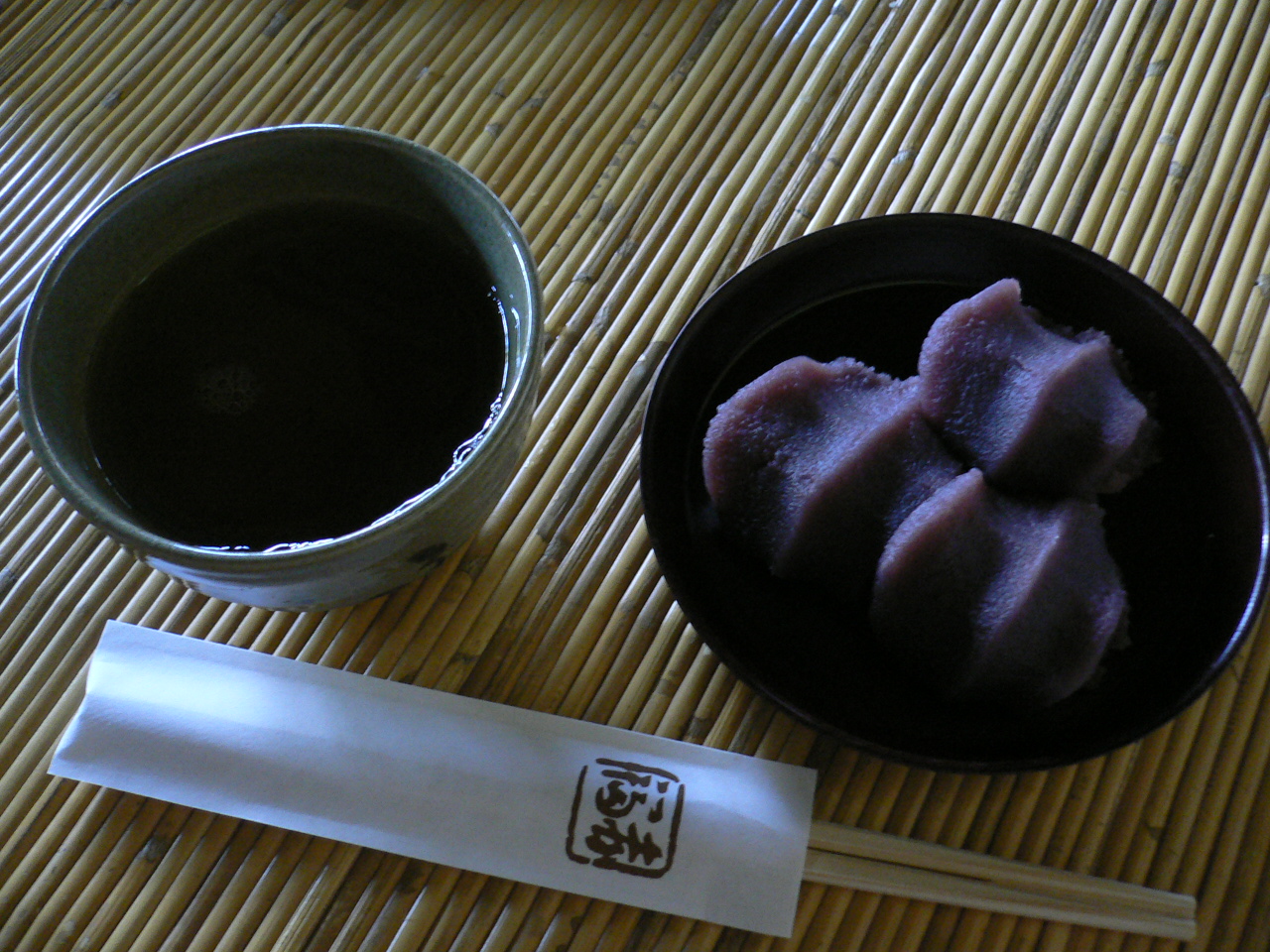
Akafuku mochi has been made using the same recipe since 1707 at a single family-run shop in Okage Yokocho, and the product is deliberately sold only at this location and cannot be purchased online or taken by overnight courier because it contains no preservatives. Each piece is a small ball of soft rice cake topped with smooth red-bean paste shaped to evoke the Isuzu River's flow, and the combination of freshness and simplicity makes it one of Japan's most sought-after confections. At ¥250 for three pieces, it is exceptional value.

Mochi Okage Yokocho Fresh Daily
Matsusaka Beef Wagyu
📍 Matsusaka, Mie

Matsusaka Beef Wagyu

Matsusaka beef is widely regarded as Japan's most prestigious wagyu, raised from female cattle only — never oxen — in a centuries-old tradition of careful feeding, sake massage, and stress-free rearing in the cedar mountains of Mie. The resulting meat has an extraordinary fat-marbling that melts at low temperatures, producing a sweetness and tenderness that even Kobe beef aficionados concede is singular. Sukiyaki in a Matsusaka restaurant, with local sake and tofu, costs ¥6,000–¥15,000 and is an unforgettable meal.

Wagyu Japan's Finest Beef Sukiyaki
Ise Lobster (Ise-ebi)
📍 Kashikojima, Mie

Ise Lobster (Ise-ebi)

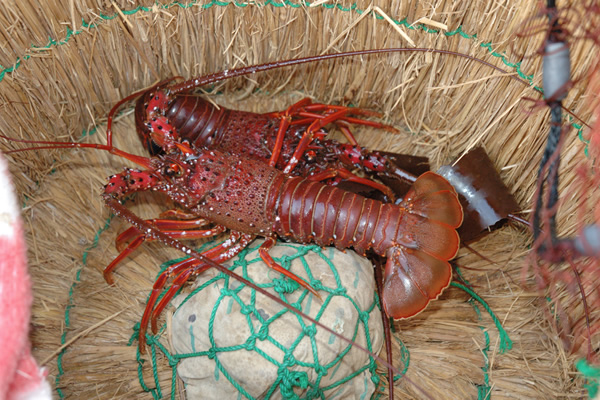
The spiny Ise lobster from the rocky reefs of Ago Bay is the defining luxury seafood of the Shima peninsula, so intertwined with the region's identity that it appears on festival ornaments, shrine offerings, and souvenir packaging throughout Mie. Grilled over charcoal with salt or simmered into a rich miso soup, a single lobster meal in Toba or Kashikojima typically costs ¥3,000–¥8,000. The season runs September through April and the fishing is done by small-boat ama and male fisher crews.

Ise Lobster Seafood Ago Bay
🏔️

Nature

4 spots
Kumano Kodo Iseji Route
📍 Kumano, Mie

Kumano Kodo Iseji Route

The Iseji is the coastal-to-mountain pilgrimage route connecting Ise Jingu with the Kumano Grand Shrines, listed alongside the Camino de Santiago as one of UNESCO's dual World Heritage pilgrimage trails. The route follows ancient stone-paved paths through cedar forests, fishing villages, and sea-cliff headlands, with guesthouses and pilgrim lodges at day's-end intervals. Individual sections of 10–20 kilometres can be walked in a day, making it accessible to travellers who cannot commit to the full multi-day journey.

UNESCO Pilgrimage Coastal Trail Forest Path
Akame 48 Waterfalls
📍 Akame, Mie

Akame 48 Waterfalls

The Akame gorge in western Mie shelters a series of cascading waterfalls connected by a 4-kilometre forest trail that passes mossy boulders, suspension bridges, and pools inhabited by the giant Japanese salamander, one of the world's largest amphibians. In June the gorge fills with thousands of fireflies that rise from the forest floor at dusk, creating one of Kansai's most magical natural spectacles. The trail is well-maintained with handrails and takes about two hours to complete.

Waterfalls Gorge Giant Salamander
Onigajo Rock Formation
📍 Kumano, Mie

Onigajo Rock Formation

Onigajo, the Demon's Castle, is a dramatic UNESCO Global Geopark site near Kumano where millennia of wave action have carved the coastal cliffs into a labyrinth of caverns, sea arches, and jagged spires that resemble a fortified demon stronghold. A free boardwalk winds through the formations at sea level, and higher viewpoints accessible by short hike reveal the full extent of the coastal erosion drama. The site is spectacular in rough weather when waves surge through the caves.

Sea Caves Geopark Wave-Carved Rock
🎿

Leisure

4 spots
Kumano Kodo Hiking
📍 Kumano, Mie

Kumano Kodo Hiking

Walking the Kumano Kodo on Mie's Iseji route combines the spiritual dimension of a 1,200-year-old pilgrimage with the practical pleasure of excellent forest hiking infrastructure, including traditional minshuku guesthouses, luggage-forwarding services, and a UNESCO-recognised trail map network. Daily stages of 10–20 kilometres pass cedar cathedrals, coastal cliffs, and isolated village shrines where fresh water is still offered to pilgrims. The route connects logistically with the Wakayama section for those wishing to complete the full Kumano circuit.

Pilgrimage Hiking Forest Trail Guesthouses
Mikimoto Pearl Island
📍 Toba, Mie

Mikimoto Pearl Island

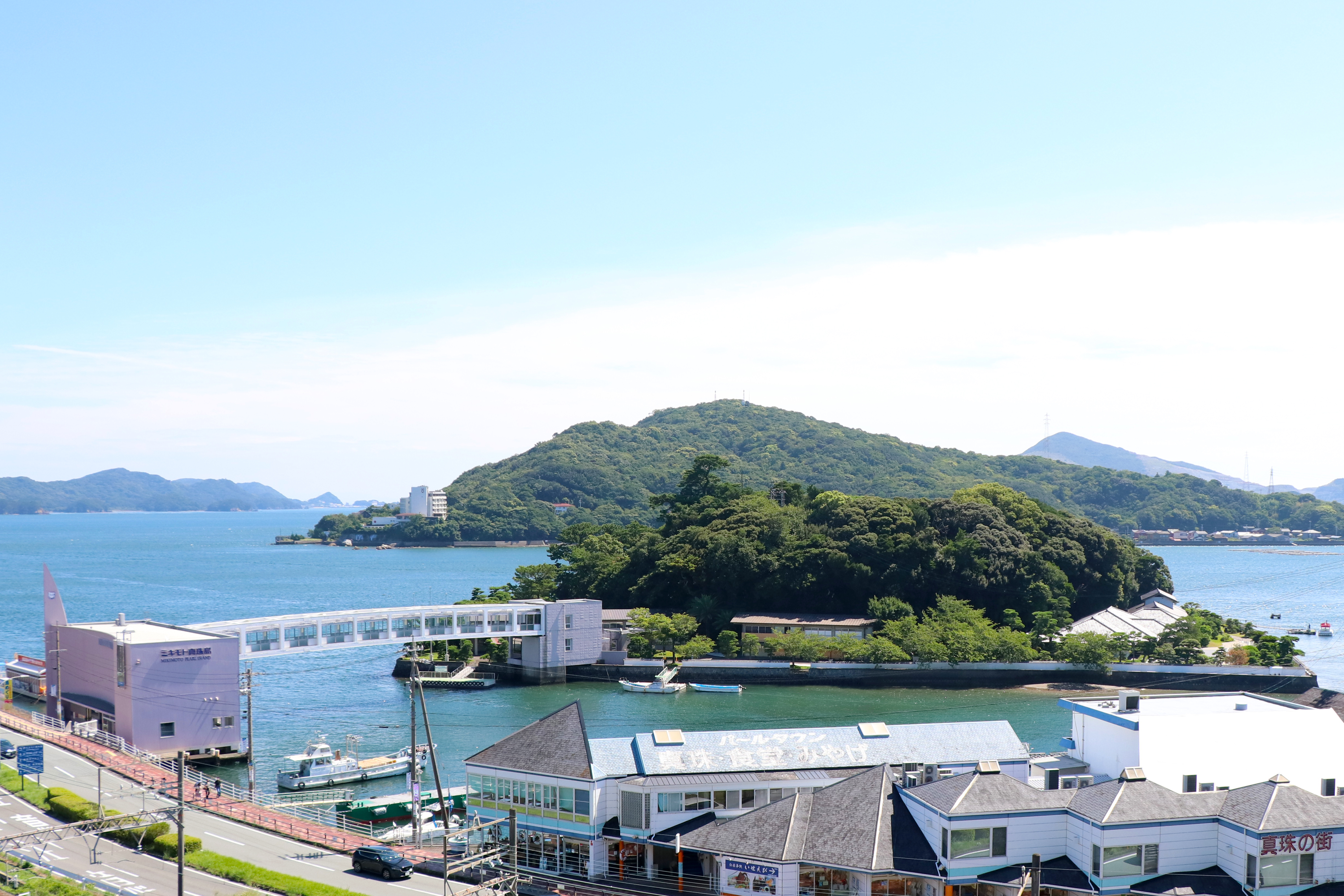
Mikimoto Pearl Island in Toba Bay marks the site where Kokichi Mikimoto perfected the world's first cultured pearl in 1893, revolutionising the global jewellery industry. The museum traces the history of the discovery and displays spectacular pearl art pieces including a pearl-encrusted replica of the Liberty Bell. Live ama diving demonstrations in traditional white suits take place several times daily, and the pearl jewellery shop offers pieces from ¥5,000 to several million yen. Admission is ¥1,650.

Cultured Pearls Ama Diving Demo History
Iga Ninja Experience
📍 Iga, Mie

Iga Ninja Experience

Iga's ninja experience facilities offer hands-on workshops in shuriken throwing, fukiya blowgun use, smoke bomb deployment, and the art of disguise, taught by instructors in full shinobi attire against the backdrop of the castle grounds. The Ninja Museum's performance shows demonstrate wall-climbing, water-walking, and escape techniques that make ninja capabilities feel genuinely plausible rather than theatrical. Workshops start from ¥800 and are suitable for ages 6 and up, making Iga one of the best family destinations in the Kansai region.

Ninja Shuriken Throwing Workshop
🎆

Events

3 spots
Ise Jingu Kagura Ceremonies
📍 Ise, Mie

Ise Jingu Kagura Ceremonies

Kagura is the sacred Shinto musical performance offered to the gods, and at Ise Jingu private kagura ceremonies can be commissioned year-round at the Naiku's Kaguraden hall, with public performances incorporated into the shrine's major festival calendar. Witnessing priests and miko shrine maidens perform music and masked dance in the lantern-lit hall is one of the most atmospheric and spiritually resonant experiences available to visitors in Japan. Certain festivals open parts of the ceremony to general viewing.

Sacred Music Kagura Dance Shinto Ritual
Matsusaka Beef Festival
📍 Matsusaka, Mie

Matsusaka Beef Festival

Each autumn the Matsusaka Beef Festival in central Matsusaka city offers the rare opportunity to purchase premium wagyu steaks and sukiyaki sets at near-cost prices, as local ranchers and restaurants compete to attract buyers and celebrate the prefecture's most prestigious agricultural product. A lottery system allocates some of the most coveted cuts, and the festival grounds fill with the aroma of thousands of portions grilling simultaneously over charcoal. It draws tens of thousands of visitors and tickets for the lottery should be entered the moment they open.

Food Festival Wagyu Autumn
Toba Sea Fireworks Festival
📍 Toba, Mie

Toba Sea Fireworks Festival

Held each August over Toba Bay, the sea fireworks festival launches shells directly from platforms in the water, surrounding spectators on the surrounding hills and ferries with bursts reflected in the calm pearl-farming bay below. The combination of maritime setting and the silhouettes of pearl raft structures against the illuminated sky makes this one of the most photogenic fireworks events on the Pacific coast. Viewing spots along the Toba waterfront and on chartered boat tours fill quickly.

Fireworks Summer Toba Bay

💡 Practical Travel Tips

Everything you need to know before and during your visit.

⛩️
Ise Jingu (Grand Shrine) Essentials
  • Ise Jingu comprises two main complexes: Geku (Outer Shrine) and Naiku (Inner Shrine), 6 km apart. Tradition dictates visiting Geku first. Allow a full day for both.
  • The Inner Shrine (Naiku) enshrines Amaterasu Omikami, the sun goddess and ancestral deity of Japan's imperial family — the most sacred Shinto site in Japan. Photography of the inner sanctum is not permitted.
  • Okage Yokocho (near the Inner Shrine) is perfect for trying Akafuku mochi (¥250), Ise lobster, and Matsusaka beef skewers in a Meiji-era streetscape.
  • The shrine buildings are completely rebuilt every 20 years (next: 2033) — a 1,300-year tradition of renewable architecture and craftsmanship continuity.
🥩
Matsusaka Beef
  • Matsusaka beef (松阪牛) is widely regarded as Japan's finest wagyu — female cattle only, lifetime stress-free management, extreme marbling. A proper sukiyaki lunch runs ¥6,000–¥15,000.
  • Matsusaka City is 30 minutes from Iseshi Station by Kintetsu. For budget visitors, a Matsusaka beef croquette (¥250) is a delicious introduction.
  • The best way to eat it: sukiyaki (thin-sliced, simmered in sweet soy with raw egg dip) or yakiniku (grilled tableside).
💎
Ago Bay Pearls
  • Mikimoto Pearl Island in Toba has excellent exhibits and live ama (female pearl diver) demonstrations (¥1,650). Ago Bay is where Mikimoto Kokichi perfected cultured pearl farming in 1893.
  • A glass-bottom boat tour of Ago Bay (¥1,600, 50 min) passes through the oyster raft fields. Pearl jewellery shops in Toba offer better prices than Tokyo.
🥷
Iga Ninja Experience
  • The Iga Ninja Museum in Iga Ueno features a shinobi-yashiki (ninja house) with hidden doors and traps, weapon demonstrations, and a ninja show (¥800). Highly interactive and family-friendly.
  • Iga Ueno Castle adjacent to the museum has an impressive original-keep tower and moat. Entry ¥600. The town centre has excellent ninja-themed restaurants and shops.
💴
Budget Guide
  • Budget (¥5,000–¥9,000/day) — Day trip via Kintetsu pass, Ise Jingu (free entry), Okage Yokocho lunch, Matsusaka beef croquette.
  • Mid-range (¥15,000–¥30,000/day) — Inn near Ise or Toba, Matsusaka beef dinner, Ago Bay tour, Mikimoto Pearl Island.
  • Luxury (¥50,000+/day) — Luxury ryokan on Ago Bay, Matsusaka beef kaiseki, private ama diving experience.

🏨 Find Hotels in Mie

Compare prices across hundreds of hotels — from budget capsules to luxury ryokan.

Search Hotels on Booking.com →

🎌 Tours &amp; Experiences

Book guided tours, day trips, cooking classes, and cultural experiences.

Browse Tours on Viator →

🗺️ Activities &amp; Attractions

Skip the queues — pre-book entry tickets, day tours, and local experiences.

Explore on GetYourGuide →

🎟️ Things to Do in Mie

Discover tickets, transport passes, and unique local experiences in Mie with Klook.

Book on Klook →

🚄 JR Pass &amp; Rail Tickets

Pre-purchase your Japan Rail Pass online before you arrive — the easiest way to travel by Shinkansen across Japan.

Buy JR Pass on JRPass.com →
🗺️ Plan