Tohoku · Prefecture Guide

Miyagi Travel Guide

Tohoku's gateway city — one of Japan's three great views, Japan's most famous beef tongue, the country's largest Tanabata festival, and a coastline defined by resilience

🌊 Matsushima — One of Japan's 3 Great Views🥩 Sendai Gyutan — Japan's Most Famous Beef Tongue🎋 Sendai Tanabata — Japan's Largest Tanabata Festival🏯 Date Masamune — The One-Eyed Dragon's Castle Town🪆 Naruko — Japan's Kokeshi Doll Capital

🗾 About Miyagi

Miyagi is Tohoku's largest and most visited prefecture, anchored by Sendai — a sophisticated regional capital of one million people that carries the legacy of Date Masamune, the brilliant and ruthless one-eyed warlord who built his castle town here in 1601 and transformed the region into a centre of culture and trade. Matsushima Bay, just 40 minutes from Sendai by train, has been celebrated as one of Japan's three canonically great views since the Edo period — 260 pine-covered islands scattered across a calm Pacific inlet, best appreciated from a slow boat at dawn or dusk when the haze turns the landscape to ink-wash painting. The Sanriku coast running south from Matsushima tells a more complex story: Onagawa, Minami-Sanriku, and the villages between them were devastated by the 2011 earthquake and tsunami, and their remarkable recovery — rebuilt communities, thriving seafood markets, and moving memorials — has made visiting them one of Tohoku's most meaningful travel experiences. Inland, the hot spring towns of Akiu and Naruko offer the full depth of Tohoku's onsen culture: Akiu just 30 minutes from Sendai city, Naruko a world apart in a misty mountain valley where 11 different spring types and the country's finest kokeshi craft tradition await.

🌏
Location
Central Tohoku, Pacific Ocean coast — Sendai is Tohoku's largest city, bordered by Iwate, Akita, Yamagata, Fukushima
🗣️
Language
Japanese (Tohoku dialect; English widely available in Sendai, Matsushima, and major tourist sites)
💴
Currency
Japanese Yen (JPY) — IC cards (Suica/Pasmo) work in Sendai; cash essential in rural areas
🕐
Time Zone
JST (UTC+9) — no daylight saving
🌡️
Best Season
Early Apr (cherry blossoms at Sendai and Matsushima); Aug 6-8 (Tanabata); Sep (moon viewing at Matsushima); Oct-Nov (autumn foliage at Naruko Gorge); Jan-Feb (Zao snow monsters)
✈️
Nearest Airports
Sendai Airport (SDJ) · 17 min by Sendai Airport Access Line train to Sendai Station. International flights from Seoul, Shanghai, Taipei
🚇
Getting Around
Tohoku Shinkansen to Sendai (1h30m from Tokyo); Senseki Line for Matsushima; rental car for Naruko Onsen and Zao
Power Plug
Type A, 100V / 50Hz

✈️ Getting There

Sendai is Tohoku's premier transport hub — the Hayabusa Shinkansen from Tokyo reaches Sendai in as little as 1 hour 30 minutes, making it the fastest and most convenient gateway to all of northern Tohoku. Sendai Airport adds a direct international dimension with connections from Seoul Gimpo, Shanghai Pudong, and Taipei Taoyuan, putting Miyagi within reach of East Asian visitors without a Tokyo transit.

🚄 From Tokyo (Shinkansen)
  • Tohoku Shinkansen Hayabusa (Tokyo → Sendai) — 1 hr 30 min–1 hr 45 min. ¥11,410 (reserved). The fastest service; departs every 20–40 min from Tokyo Station. JR Pass valid.
  • Tohoku Shinkansen Yamabiko (Tokyo → Sendai) — 2 hrs. ¥11,410. Stops at more stations; useful if connecting from Utsunomiya or Fukushima.
  • Highway Bus (Shinjuku/Tokyo → Sendai) — 5–6 hrs. ¥3,500–¥5,500. Multiple overnight services; budget option with direct city-centre drop-off.
✈️ International via Sendai Airport
  • Sendai Airport (SDJ) — Served by Asiana Airlines from Seoul Gimpo, China Eastern from Shanghai Pudong, and Eva Air/Mandarin from Taipei Taoyuan. Seasonal charters also operate from Hong Kong and Bangkok.
  • Airport Access Line (SDJ → Sendai Station) — 17 min. ¥660. Runs every 30 min; connects directly to the Shinkansen platforms.
✈️ From Osaka / Nagoya
  • JAL / ANA (ITM → SDJ) — 1 hr 15 min. From ¥10,000. Fastest option from Osaka; 4–5 flights daily.
  • ANA (NGO → SDJ) — 1 hr 10 min. From ¥9,000. Two to three flights daily from Nagoya Chubu Airport.
  • Shinkansen from Osaka via Tokyo — 4 hrs (Nozomi to Tokyo, Hayabusa to Sendai). Use for Shinkansen Pass holders.
🚗 Getting Around Miyagi
  • Sendai City — Subway (Namboku and Tozai Lines), Loople Sendai sightseeing bus (¥630/day pass), and city bus network cover all city attractions. Central Sendai is compact and walkable.
  • Matsushima — JR Senseki-Tohoku Line from Sendai to Matsushima-kaigan (40 min, ¥420). Ferries connect Matsushima to Shiogama (25 min, ¥1,500) for a scenic circuit.
  • Naruko Onsen and Zao — Rental car strongly recommended. Naruko is 1h30m from Sendai; Zao ski resort is 1h10m. JR Rikuu-East Line reaches Naruko but takes over 2 hours.
  • Sanriku Coast — Rental car or highway bus for Minami-Sanriku and Onagawa. Onagawa is 1h10m from Sendai by JR Senseki Line.
💡 Travel TipMatsushima is just 40 minutes from Sendai Station by JR Senseki-Tohoku Line (to Matsushima-kaigan) or the older Senseki Line — making it one of Japan's easiest half-day excursions from a major city. Return via the 25-minute Shiogama Ferry for the most scenic circuit, arriving at Shiogama port with time for a sushi lunch before catching the train back to Sendai.

📖 Recommended Travel Guides

Deep-dive guides to help you plan every aspect of your visit — from top sightseeing spots to the best restaurants and seasonal events.

⛩️

Sightseeing

9 spots
Matsushima Bay — One of Japan's Three Views
📍

Matsushima Bay — One of Japan's Three Views

Matsushima is one of Japan's three canonically great views — a calm bay scattered with over 260 pine-covered islands, each shaped by centuries of wave erosion into arches, caves, and pinnacles draped in wind-twisted black pines. Viewed from Saigyo Modoshi no Matsu hilltop at dusk, the islands recede in layers of blue-grey haze that seem more painting than reality. Boat cruises departing every 30 minutes wind between the islands at water level, revealing hidden grottoes and cormorant colonies.
Three Views of Japan Pine Islands UNESCO Candidate Scenic Bay
Zuiganji Temple (Major Zen Temple)
📍

Zuiganji Temple (Major Zen Temple)

Zuiganji is Tohoku's most important Zen temple, founded in 828 and rebuilt in its current magnificent form by Date Masamune in 1609 — the gilded sliding-door paintings inside the main hall are among the finest surviving examples of Momoyama-period art. The approach from the main gate is one of Japan's most atmospheric temple walks: a corridor of ancient cedar trees several hundred years old, their canopy blotting out the sky. Cliff-carved meditation caves line the path, used by Heian-period monks who carved their own tombstones into the rock face.

Zen Temple Date Masamune Cedar Approach Momoyama Art
Sendai City — Tohoku's Largest City
📍

Sendai City — Tohoku's Largest City

Sendai is Tohoku's most sophisticated city — nicknamed the 'City of Trees' for its zelkova-lined boulevards, it blends the heritage of Date Masamune's 17th-century castle town with a modern, cosmopolitan energy that sets it apart from other Tohoku cities. The city centre is compact and walkable, anchored by Aoba Castle ruins on the wooded hill above and the famous Kokubuncho nightlife district below. Sendai is also the essential transport hub for all of northern Tohoku, with Shinkansen connections to every major town.

Tohoku Capital Date Masamune City of Trees Regional Hub
Sendai Aoba Castle Ruins & Date Masamune Statue
📍

Sendai Aoba Castle Ruins & Date Masamune Statue

Perched on the wooded Aoba Hill above Sendai, the ruins of Aoba Castle — built by the one-eyed warlord Date Masamune in 1600 — command sweeping views over the city grid that Masamune himself designed. A dramatic bronze equestrian statue of Masamune in full armour stands at the ruined honmaru (main keep), his famous crescent-moon helmet unmistakable against the sky. The hilltop museum recounts the extraordinary ambition of the young daimyo who controlled all of Tohoku before the age of 20.

Castle Ruins Date Masamune Sendai History
Osaki Hachimangu Shrine
📍

Osaki Hachimangu Shrine

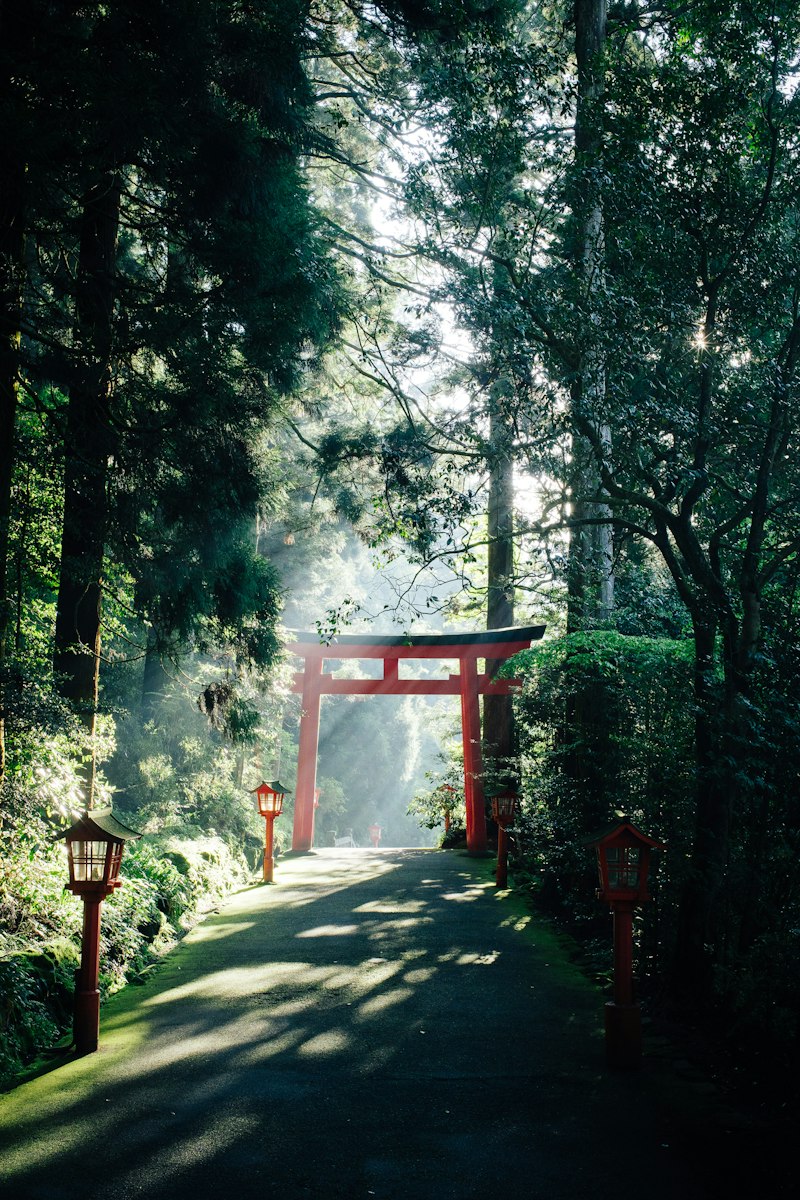
Built by Date Masamune in 1607, Osaki Hachimangu is one of Japan's most elegant shrine buildings — a National Treasure clad in gold lacquer and vivid black urushi lacquerwork, blending Momoyama-period opulence with subdued Zen restraint. The long approach through an ancient cedar grove creates a quiet transition from the modern city outside. Every January the shrine hosts the Dontosai festival, when thousands of participants parade in traditional dress and ceremonially burn New Year decorations in a great bonfire.

Shrine Date Masamune National Treasure Sendai
Shiogama Shrine & Tuna Port
📍

Shiogama Shrine & Tuna Port

Shiogama is one of Japan's top tuna-landing ports, supplying much of Tokyo's premium maguro market — the Sunday morning market at Uontana lets visitors buy directly from wholesalers at extraordinary prices, followed by sushi at restaurants that open at 7am. Above the port, Shiogama Shrine rises on a wooded hill with 202 stone steps framed by ancient cedar trees, its main halls designated National Treasures. The shrine's September Minato Festival — when sacred portable shrines are carried across the bay by boat — is one of Tohoku's most spectacular waterborne festivals.

Shiogama Shrine Tuna Port Sushi Coastal Town
Narugo Gorge (Autumn Colours)
📍

Narugo Gorge (Autumn Colours)

Narugo Gorge erupts in some of Tohoku's finest autumn colour each October and November — a 2 km ravine where the Narugo River has cut through volcanic rock to create vertical walls of deep red maple, yellow ginkgo, and ochre oak reflected in the dark river below. The Ofukazawa Bridge viewpoint is the classic vantage point, but walking the gorge trail at water level reveals cascades and mossy boulders almost hidden beneath the blazing canopy. The nearby kokeshi doll workshops add a warm cultural dimension to what would already be a compelling autumn destination.

Autumn Foliage Gorge Tohoku Scenic Ravine
Rinno-ji Temple Garden (Sendai)
📍

Rinno-ji Temple Garden (Sendai)

Rinno-ji temple in the hills north of Sendai is home to one of Tohoku's most refined stroll gardens — a mossy, intimate landscape of stone lanterns, koi ponds, and maple trees that turns crimson in autumn and snow-white in winter. Founded in the 8th century and rebuilt multiple times, the temple exudes the quiet depth of a place long saturated with prayer. The garden's spring display of azalea and camellia, unusual for Tohoku, makes it a distinctive stop on any Sendai itinerary.

Garden Sendai Temple Peaceful
Kinkazan Island (Sacred Island — Deer & Monkeys)
📍

Kinkazan Island (Sacred Island — Deer & Monkeys)

Kinkazan — 'Gold Flower Mountain' — is one of Japan's three great power spots, a sacred island off the Oshika Peninsula where hundreds of sika deer and wild macaque monkeys roam freely among the ancient shrine buildings. Koganeyama Shrine at the island's centre has been a pilgrimage destination since the 8th century, and traditional belief holds that three consecutive January visits guarantee lifelong financial fortune. The 30-minute ferry from Oshika Peninsula deposits visitors into a wild, half-tame landscape unlike anywhere else in Tohoku.

Sacred Island Deer Wild Monkeys Remote Shrine
🍜

Gourmet

7 spots
Shiogama Shrine & Tuna Port
📍

Shiogama Shrine & Tuna Port

Shiogama is one of Japan's top tuna-landing ports, supplying much of Tokyo's premium maguro market — the Sunday morning market at Uontana lets visitors buy directly from wholesalers at extraordinary prices, followed by sushi at restaurants that open at 7am. Above the port, Shiogama Shrine rises on a wooded hill with 202 stone steps framed by ancient cedar trees, its main halls designated National Treasures. The shrine's September Minato Festival — when sacred portable shrines are carried across the bay by boat — is one of Tohoku's most spectacular waterborne festivals.

Shiogama Shrine Tuna Port Sushi Coastal Town
Sendai Gyutan (Beef Tongue)
📍

Sendai Gyutan (Beef Tongue)

Sendai gyutan is Japan's most famous regional beef dish — thick-sliced beef tongue (three to four times the thickness of ordinary gyutan) grilled over charcoal until lightly charred outside and juicy within, served with mugi-meshi (barley rice), pickled cabbage, and a rich oxtail soup. The dish was invented in 1948 by restaurateur Keishiro Sano who sought a use for the tongue and tail cuts ignored by the postwar American occupation forces stationed in Sendai. Today over 30 specialist gyutan restaurants cluster in Sendai's Kokubuncho district, each with its own proprietary cure, thickness, and grill technique.

Gyutan Beef Tongue Sendai Specialty Charcoal Grilled
Zunda Mochi (Green Edamame Mochi)
📍

Zunda Mochi (Green Edamame Mochi)

Zunda mochi is Miyagi's most beloved sweet and most distinctive souvenir — soft rice cakes coated in a vivid green paste made from lightly sweetened, pounded edamame (young soybean). The colour is a striking natural green unlike any processed food dye, and the flavour is grassy, slightly sweet, and entirely unlike anything else in Japanese confectionery. Zunda Saryo in Sendai Station has perfected the art with a menu that extends from classic mochi to zunda parfaits, zunda smoothies, and zunda shakes.

Zunda Mochi Sendai Souvenir Edamame Sweet
Sasa Kamaboko (Bamboo-Leaf Fish Cake)
📍

Sasa Kamaboko (Bamboo-Leaf Fish Cake)

Sasa kamaboko is Sendai's most photographed street food — fresh white fish paste shaped by hand into a semicircle and grilled directly on a bamboo-leaf skewer until golden-brown on the outside and yielding within. The bamboo imparts a subtle woody fragrance that distinguishes it completely from the boiled kamaboko found elsewhere in Japan. Dozens of producers in Sendai each guard their own fish blend and grilling style; Abe Kamaboko, founded in 1935, is the city's most respected maker.

Kamaboko Fish Cake Sendai Local Craft Food
Sendai Miso (Rich Red Miso)
📍

Sendai Miso (Rich Red Miso)

Sendai miso is one of Japan's great regional miso traditions — a deep red, strongly flavoured paste aged for over a year in cedar barrels, producing an umami intensity and mild sweetness that has made it a staple of Tohoku cooking since the 16th century. Date Masamune standardised its production for his armies, earning Sendai miso the nickname 'Date miso.' Today the old miso-brewing district near Sendai Station contains warehouses where 250-year-old fermentation methods are still practised; tasting flights at Hirose Miso pair the different vintages with warm tofu.

Sendai Miso Fermented Red Miso Umami
Seafood Don at Shiogama Market
📍

Seafood Don at Shiogama Market

Shiogama's Sunday market (Uontana) is one of Japan's great seafood bargains — a cavernous wholesale hall where tuna, salmon, scallops, sea urchin, and Matsushima oysters are sold at prices a fraction of Tokyo retail. Several restaurants adjacent to the market open at 7am serving kaisendon (seafood rice bowls) piled high with the morning's freshest catch — a maguro and uni combination for under ¥2,000 is a Miyagi staple. The 10-minute ferry from Matsushima makes combining the two into a morning circuit easy.

Seafood Bowl Tuna Fresh Market Shiogama
Onagawa Seafood Market (Post-2011 Recovery)
📍

Onagawa Seafood Market (Post-2011 Recovery)

Onagawa was among the most heavily damaged towns in the 2011 disaster — the tsunami wave here reached 18 metres, destroying over 70% of the town. The rebuilt Onagawa is now one of Japan's most admired recovery projects: a compact, architecturally ambitious new town centre on elevated ground, anchored by a striking station building and a seafood market (Onagawa Jikkamachi) drawing visitors from across Tohoku. The sea bream, oysters, saury, and sea urchin from this Sanriku inlet are genuinely exceptional; eating here carries a warmth of meaning beyond the meal itself.

Recovery Town Seafood Sanriku Coast 2011 Tsunami
🏔️

Nature

7 spots
Matsushima Bay — One of Japan's Three Views
📍

Matsushima Bay — One of Japan's Three Views

Matsushima is one of Japan's three canonically great views — a calm bay scattered with over 260 pine-covered islands, each shaped by centuries of wave erosion into arches, caves, and pinnacles draped in wind-twisted black pines. Viewed from Saigyo Modoshi no Matsu hilltop at dusk, the islands recede in layers of blue-grey haze that seem more painting than reality. Boat cruises departing every 30 minutes wind between the islands at water level, revealing hidden grottoes and cormorant colonies.
Three Views of Japan Pine Islands UNESCO Candidate Scenic Bay
Narugo Gorge (Autumn Colours)
📍

Narugo Gorge (Autumn Colours)

Narugo Gorge erupts in some of Tohoku's finest autumn colour each October and November — a 2 km ravine where the Narugo River has cut through volcanic rock to create vertical walls of deep red maple, yellow ginkgo, and ochre oak reflected in the dark river below. The Ofukazawa Bridge viewpoint is the classic vantage point, but walking the gorge trail at water level reveals cascades and mossy boulders almost hidden beneath the blazing canopy. The nearby kokeshi doll workshops add a warm cultural dimension to what would already be a compelling autumn destination.

Autumn Foliage Gorge Tohoku Scenic Ravine
Matsushima Bay Boat Cruise
📍

Matsushima Bay Boat Cruise

The 50-minute loop cruise from Matsushima pier is the classic way to experience Japan's three great views — the boat weaves between pine-draped islands at water level, revealing sea arches, hidden coves, and cormorant roosts invisible from the shore. The larger 'Red Dragon' and 'Blue Dragon' cruisers depart every 30 minutes in peak season; smaller express ferries connecting Shiogama to Matsushima (25 min) are the more scenic option, passing through the densest section of the island labyrinth. Autumn and spring light on the water creates photographic conditions of extraordinary quality.

Boat Cruise Pine Islands Scenic Bay Wildlife
Shizugawa Bay & Minami-Sanriku Recovery Coast
📍

Shizugawa Bay & Minami-Sanriku Recovery Coast

Shizugawa Bay is Miyagi's most productive marine farming zone — the cold Oyashio current and warm Kuroshio meet here, creating nutrient-rich water that produces some of Japan's finest oysters, scallops, and wakame seaweed. The coastal town of Minami-Sanriku was almost entirely destroyed by the 2011 tsunami; its remarkable recovery — rebuilt on elevated ground with a striking new market and memorial park — has made it one of Japan's most visited recovery sites. The preserved steel frame of the Disaster Prevention Centre, rising above the rebuilt town, stands as a powerful memorial to the 43 staff who remained at their posts.

Oyster Farming Recovery Sanriku Coast Seaweed
Zao Snow Monsters (Juhyo)
📍

Zao Snow Monsters (Juhyo)

Zao's 'snow monsters' (juhyo) are one of Japan's most surreal natural phenomena — fir trees on the Zao plateau above 1,400 m are encased in successive layers of freezing fog and blizzard snow from January through February, creating enormous white figures that fill the ski slopes like a silent army of frost giants. The best viewing is from the Zao Ropeway gondola at dawn when the low sun casts long blue shadows across the transformed landscape. The Zao resort straddles the Miyagi-Yamagata border; the Miyagi side is less crowded and offers equally spectacular juhyo fields.

Snow Monsters Juhyo Winter Ski Resort
Mangoku-ura Inlet & Bird Sanctuary
📍

Mangoku-ura Inlet & Bird Sanctuary

Mangoku-ura is a shallow coastal inlet near Ishinomaki designated as a Ramsar Wetland — twice daily the tide exposes vast tidal flats that host thousands of migratory shorebirds including dunlin, golden plover, and rare spoonbill in spring and autumn. The surrounding pine forest and salt marsh ecosystem was heavily damaged in 2011 but has recovered remarkably, with bird populations now higher than pre-disaster counts. Birdwatching platforms set along the shore provide unobstructed views across the glittering flats.

Tidal Flats Birdwatching Ishinomaki Migratory Birds
Kinkazan Island (Sacred Island — Deer & Monkeys)
📍

Kinkazan Island (Sacred Island — Deer & Monkeys)

Kinkazan — 'Gold Flower Mountain' — is one of Japan's three great power spots, a sacred island off the Oshika Peninsula where hundreds of sika deer and wild macaque monkeys roam freely among the ancient shrine buildings. Koganeyama Shrine at the island's centre has been a pilgrimage destination since the 8th century, and traditional belief holds that three consecutive January visits guarantee lifelong financial fortune. The 30-minute ferry from Oshika Peninsula deposits visitors into a wild, half-tame landscape unlike anywhere else in Tohoku.

Sacred Island Deer Wild Monkeys Remote Shrine
🎿

Leisure

7 spots
Sendai City — Tohoku's Largest City
📍

Sendai City — Tohoku's Largest City

Sendai is Tohoku's most sophisticated city — nicknamed the 'City of Trees' for its zelkova-lined boulevards, it blends the heritage of Date Masamune's 17th-century castle town with a modern, cosmopolitan energy that sets it apart from other Tohoku cities. The city centre is compact and walkable, anchored by Aoba Castle ruins on the wooded hill above and the famous Kokubuncho nightlife district below. Sendai is also the essential transport hub for all of northern Tohoku, with Shinkansen connections to every major town.

Tohoku Capital Date Masamune City of Trees Regional Hub
Matsushima Bay Boat Cruise
📍

Matsushima Bay Boat Cruise

The 50-minute loop cruise from Matsushima pier is the classic way to experience Japan's three great views — the boat weaves between pine-draped islands at water level, revealing sea arches, hidden coves, and cormorant roosts invisible from the shore. The larger 'Red Dragon' and 'Blue Dragon' cruisers depart every 30 minutes in peak season; smaller express ferries connecting Shiogama to Matsushima (25 min) are the more scenic option, passing through the densest section of the island labyrinth. Autumn and spring light on the water creates photographic conditions of extraordinary quality.

Boat Cruise Pine Islands Scenic Bay Wildlife
Akiu Onsen (Nearest Onsen to Sendai)
📍

Akiu Onsen (Nearest Onsen to Sendai)

Akiu is Sendai's closest hot spring resort — a cluster of elegant ryokan in a forested river valley just 30 minutes from the city centre, making it the city's natural evening escape. The sodium-sulphate alkaline waters are considered good for the skin, and the setting above the Hirose River gorge with waterfalls audible from open-air baths adds a wildness that distinguishes Akiu from more manicured onsen towns. The nearby Akiu Great Falls (55 m high) and Rairaikyo Gorge make it a full-day destination combining onsen with walking and autumn foliage.

Onsen Sendai Day Trip River Valley Ryokan
Naruko Onsen & Kokeshi Dolls
📍

Naruko Onsen & Kokeshi Dolls

Naruko is Japan's kokeshi doll capital — the tradition of turning painted wooden dolls on a lathe began here in the early 19th century, and today dozens of craft workshops line the town's main street where visitors can watch masters at work or try their own hand at the lathe. What makes Naruko extraordinary among onsen towns, however, is the remarkable variety of its springs: 11 different water types emerge within the compact town, ranging from milky-white sulphur baths that smell of hard-boiled eggs to clear alkaline springs of needle-sharp tingling warmth. The surrounding mountains provide world-class autumn foliage from mid-October.

Onsen Kokeshi Dolls 11 Spring Types Craft
Matsushima Bay Sea Kayaking
📍

Matsushima Bay Sea Kayaking

Paddling through Matsushima's island maze by sea kayak reveals a completely different world from the tourist boat cruises — narrow channels between pine-topped rocks, hidden sea caves only accessible at low tide, and the eerie silence of isolated island beaches where the only sound is water lapping against ancient stone. Half-day guided tours depart from Matsushima pier between April and October; no prior kayaking experience is necessary for the standard routes. Sunrise paddling tours, when mist still hangs over the bay and the light turns the water to pale gold, are available for early risers.

Kayaking Islands Sea Adventure Matsushima
Sendai Kokubuncho Nightlife District
📍

Sendai Kokubuncho Nightlife District

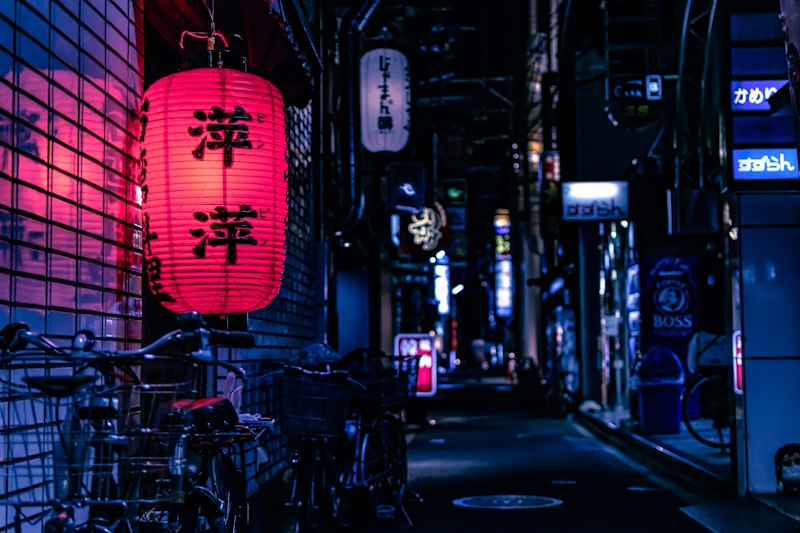
Kokubuncho is Tohoku's most vibrant nightlife district — a dense grid of izakaya, yakitori alleys, craft beer bars, and jazz clubs that becomes Sendai's living room from 6pm onwards. Unlike Tokyo entertainment districts, Kokubuncho retains a distinctly local character: gyutan specialists share alleyways with bars pouring Miyagi craft sake, and the crowd mixes salarymen, students, and out-of-town visitors in a conviviality that reflects Sendai's reputation as the region's most welcoming city. The October beer harvest festival in the nearby Jozenji Street adds an outdoor dimension to the neighbourhood's social energy.

Nightlife Izakaya Sendai Entertainment District
Onagawa Seafood Market (Post-2011 Recovery)
📍

Onagawa Seafood Market (Post-2011 Recovery)

Onagawa was among the most heavily damaged towns in the 2011 disaster — the tsunami wave here reached 18 metres, destroying over 70% of the town. The rebuilt Onagawa is now one of Japan's most admired recovery projects: a compact, architecturally ambitious new town centre on elevated ground, anchored by a striking station building and a seafood market (Onagawa Jikkamachi) drawing visitors from across Tohoku. The sea bream, oysters, saury, and sea urchin from this Sanriku inlet are genuinely exceptional; eating here carries a warmth of meaning beyond the meal itself.

Recovery Town Seafood Sanriku Coast 2011 Tsunami
🎆

Events

3 spots
Sendai Tanabata Matsuri (Aug 6-8)
📍

Sendai Tanabata Matsuri (Aug 6-8)

Sendai Tanabata is Japan's largest and most spectacular Tanabata festival — every August 6 to 8, the city's covered shopping arcades are transformed by over 3,000 enormous paper streamers (kazari) up to 10 metres long, in every colour imaginable, each hand-crafted by local organisations and businesses using traditional washi paper techniques. The festival draws over two million visitors over three days and extends throughout the city centre, with street food stalls, performances, and the famous fireworks display on the evening of August 5th that opens the celebrations. The scale and craftsmanship of the decorations has no equal in Japan.

Tanabata Summer Festival Streamers August
Date Masamune Festival (June)
📍

Date Masamune Festival (June)

The Date Masamune Festival each June commemorates the founding of Sendai with a dramatic horseback procession through the city's main streets — participants in full 17th-century armour, with Masamune's famous crescent-moon helmet standard at the head, ride from Aoba Castle down through the Jozenji boulevard to city hall. The pageant is accompanied by ashigaru foot soldiers, lady attendants, and taiko drummers recreating the atmosphere of Masamune's triumphant entry into his new domain. It is one of Tohoku's most visually exciting historical festivals and the best opportunity to see Sendai's samurai heritage in vivid, enacted form.

Date Masamune Horseback Procession Sendai Historical Parade
Matsushima Kangetsu-kai (Moon Viewing Boat Concert)
📍

Matsushima Kangetsu-kai (Moon Viewing Boat Concert)

Kangetsu-kai ('Moon Appreciation Meeting') is one of Japan's most refined seasonal ceremonies — held in September on or near the harvest full moon, visitors board lantern-lit boats in Matsushima Bay as gagaku court musicians perform ancient music on the water. The moon's reflection in the still bay, fragmenting and reuniting between the dark pine islands, creates a scene of rare beauty that has been celebrated by poets since the Heian period. Tickets sell out months in advance; the ceremony is limited to a few hundred participants to preserve its intimate character.

Moon Viewing Boat Concert September Traditional Arts

💡 Practical Travel Tips

Everything you need to know before and during your visit.

🌸
Best Time to Visit
  • Early April — Cherry blossoms at Sendai's Nishi Park and along the Hirose River arrive slightly later than Tokyo (around April 7-12), making Miyagi an excellent second leg of a spring Japan itinerary. Matsushima's islands ringed in cherry blossom are among Tohoku's finest spring views.
  • August 6–8 (Sendai Tanabata) — Japan's largest Tanabata festival transforms Sendai's shopping arcades with over 3,000 enormous hand-crafted paper streamers. Book accommodation 3–4 months ahead; the night before (Aug 5) fireworks over the Hirose River are the best free show in Tohoku.
  • September — The harvest moon over Matsushima Bay is one of Japan's most celebrated seasonal sights, with the Kangetsu-kai boat concert among the most coveted tickets in the region. Temperatures drop pleasantly; summer crowds thin.
  • October–November — Naruko Gorge autumn colour peaks in late October and rivals any in Tohoku. Zao's mountain flanks turn deep crimson; the Matsushima islands in autumn haze are perhaps the bay's most painterly season.
  • January–February — Zao snow monsters (juhyo) reach their peak size in late January and early February. This is a niche but spectacular winter experience; combine with Naruko Onsen for a full cold-weather Miyagi circuit.
🌊
Matsushima Tips
  • The classic viewpoint for Matsushima is the Saigyo Modoshi no Matsu hilltop park, a 10-minute walk from the pier — the view at dawn or in morning mist, with the islands layered in blue-grey haze, is more beautiful and less crowded than the pier area. Visit before 9am to have it nearly to yourself.
  • The Shiogama Ferry (25 min, ¥1,500) is a superior alternative to the loop cruise from Matsushima — it departs Shiogama hourly and passes through the densest concentration of islands before arriving at Matsushima pier. Combine with a sushi breakfast at Shiogama market for a full morning circuit from Sendai.
  • Zuiganji Temple's cedar approach is best experienced early morning before tour groups arrive — walk slowly and look into the cliff face on the right side of the path for the Heian-period monk burial caves carved directly into the rock. The main hall treasures (Momoyama gold-leaf paintings) require a separate ticket but are worth every yen.
  • The four pavilions on the hillsides above Matsushima (Godaido, Entsuiin, Kanrantei, Zuihoden) are all reachable on foot in under 20 minutes from the ferry pier. The Entsuiin garden, with its secret rose carvings hidden in the stone lanterns, is a delightful discovery that most visitors miss entirely.
🥩
Gyutan Tips
  • The gyutan corridor in Sendai Station's underground 'Zundoko Alley' and the basement floor of S-PAL department store contains 8-10 gyutan specialist restaurants — ideal for a quick meal between Shinkansen connections. Expect queues of 20-40 minutes at peak times (noon-1:30pm, 6-8pm).
  • Recommended restaurants: Kisuke (established 1950s, the thickest slices in Sendai), Rikyu (the most popular chain, reliable quality), and Tasuke (Date clan inspired service and decor). All three are within 5 minutes of Sendai Station.
  • The standard order (teishoku set) includes gyutan salt-grilled (shio) or miso-marinated (miso), mugi-meshi (barley rice with a raw egg), pickled Chinese cabbage, and oxtail soup (tsuya soup). Order the 150g or 200g portion for a full experience — the 100g serving is too small to appreciate the flavour.
  • Gyutan is not budget food — expect ¥2,500-¥4,000 for a set meal. This reflects the quality of the beef, the labour-intensive preparation (each tongue is salted and cured for 2-3 days before grilling), and the premium charcoal grill technique. It is worth every yen.
🎋
Sendai Tanabata Festival Tips
  • The main decoration display runs the length of Chuo-dori and Ichibancho shopping arcades — start at the Fujisaki department store end and walk north through all three covered sections. Allow 1.5-2 hours to properly appreciate the hand-crafted streamers; each one takes dozens of volunteer hours to make and represents a unique artistic statement.
  • The fireworks display (August 5, the eve of Tanabata) along the Hirose River is technically a separate event but draws 200,000 spectators and is one of Tohoku's finest fireworks shows. Secure a riverside spot by 6pm; the display begins at 7:30pm and lasts about an hour.
  • Accommodation books out entirely for August 6-8 — reserve 3-4 months in advance, or consider staying in Yamagata city (40 min by Shinkansen) and commuting in. Hotels in Sendai charge 2-3x normal rates during the festival period.
  • The morning of August 6 (before 10am) offers the best uncrowded access to the arcade displays — the streamers are freshest, the light through the arcade roofs is at its most atmospheric, and the crowds have not yet arrived. Return in the evening for the illuminated displays and street food atmosphere.
🪆
Naruko Onsen Tips
  • Naruko is 1h30m from Sendai by rental car (via the Tohoku Expressway and Route 47) — far more practical than the 2h+ JR Rikuu-East Line journey. The mountain drive through Naruko Gorge is beautiful in its own right and can be incorporated into the approach.
  • The 11 spring types in Naruko are divided across the town's public baths and ryokan — a dedicated 'spring-hopping' (yu-meguri) trail passes seven public bathhouses, each with a different water chemistry. Buy the wooden badge card at the tourist information office and collect stamps at each bath. Total cost for all seven baths: under ¥2,500.
  • Kokeshi doll painting workshops are available at several workshops along the main street (Togatta-ya, Ishibashi Kokeshi-ten) for around ¥1,500-¥2,500 per doll. No reservation required at most workshops. The traditional Naruko kokeshi style has a round head that squeaks when twisted — a sound the town's name is said to imitate.
  • The Naruko Gorge best autumn viewing is from the Ofukazawa Bridge, accessible by car (Route 108, 10 min from the town centre) or on foot (45 min walk from Naruko-Onsen Station). Peak colour is usually October 20-November 5. The gorge is also accessible by a short hiking trail from the road that descends to the riverbed for close-up views of the red maple cliffs.

🏨 Find Hotels in Miyagi

Compare prices across hundreds of hotels — from budget capsules to luxury ryokan.

Search Hotels on Booking.com →

🎌 Tours & Experiences

Book guided tours, day trips, cooking classes, and cultural experiences.

Browse Tours on Viator →

🗺️ Activities & Attractions

Skip the queues — pre-book entry tickets, day tours, and local experiences.

Explore on GetYourGuide →

🎟️ Things to Do in Miyagi

Discover tickets, transport passes, and unique local experiences in Miyagi with Klook.

Book on Klook →

🚄 JR Pass & Rail Tickets

Pre-purchase your JR Pass or individual shinkansen tickets before you arrive.

Buy JR Pass →