Chubu · Prefecture Guide

Nagano Travel Guide

Japan's mountain heart — a black crow castle, snow monkeys in hot springs, pristine alpine valleys, world-class ski resorts, and the country's finest soba noodles

🏯 Matsumoto Castle — Japan's Most Beautiful Original Keep🐒 Jigokudani — World-Famous Snow Monkey Hot Spring🏔️ Kamikochi — Japan's Most Pristine Alpine Valley⛷️ Hakuba & Nozawa — World-Class Ski & Onsen🍜 Shinshu Soba — Japan's Mountain Soba Capital

🗾 About Nagano

Nagano is Japan's highest prefecture by average elevation — at 1,132 metres above sea level, it contains more mountains above 3,000 metres than anywhere else in the country, and its landscapes, culture, and cuisine are shaped entirely by the mountains that surround it on all sides. At its heart stands Matsumoto Castle, one of Japan's finest original keeps — its black lacquered six-tiered tower reflected in a wide moat with the snow-dusted Northern Alps rising directly behind it — and to the west lies Kamikochi, the only car-free alpine valley in Japan, where a crystal-clear river flows beneath the jagged spires of the Hotaka peaks in absolute, car-engine-free silence. In the mountain forests of Yamanouchi, wild Japanese macaques soak in a steaming hot spring pool surrounded by snow — an image so singularly Japanese that it has become one of the country's most reproduced wildlife photographs worldwide. The 1998 Winter Olympics left Nagano with world-class ski infrastructure at Hakuba, Nozawa Onsen, and Shiga Kogen, and the resorts that hosted those Games today rank among Asia's finest. And drawing them all together spiritually is Zenkoji Temple in Nagano City — a 1,400-year-old pilgrimage site that receives over six million visitors annually, second only to the great shrines of Ise.

🌏
Location
Central Honshu, Japan's Alps — landlocked, bordered by Niigata, Gunma, Saitama, Yamanashi, Shizuoka, Aichi, Gifu, Toyama
🗣️
Language
Japanese (standard dialect; English widely available at ski resorts, Matsumoto Castle, and Kamikochi)
💴
Currency
Japanese Yen (JPY) — cash essential in mountain villages and onsen towns; IC cards in Nagano City and Matsumoto
🕐
Time Zone
JST (UTC+9) — no daylight saving
🌡️
Best Season
Late Apr–May (castle cherry blossoms, Kamikochi opens); Jul–Aug (alpine hiking, Jigokudani without crowds); Oct–Nov (autumn foliage in alps); Dec–Mar (world-class skiing, snow monkeys in steam)
✈️
Nearest Airports
Matsumoto Airport (MMJ) — limited routes. Practical access: Azusa Ltd Express from Shinjuku to Matsumoto (2h30m) or Hokuriku Shinkansen to Nagano City (1h20m from Tokyo)
🚇
Getting Around
Hokuriku Shinkansen to Nagano City (1h20m from Tokyo); Azusa Ltd Express to Matsumoto (2h30m from Shinjuku); rental car or bus essential for Kamikochi, Jigokudani, ski resorts, and Nakasendo post towns
Power Plug
Type A, 100V / 50Hz

✈️ Getting There

Two main gateways — Nagano City (Shinkansen, 1h20m from Tokyo) for Zenkoji and ski resorts; Matsumoto (Azusa express, 2h30m from Shinjuku) for the castle, Kamikochi, and the Alps.

🚄 Hokuriku Shinkansen to Nagano City
  • Hokuriku Shinkansen Kagayaki / Hakutaka (Tokyo → Nagano) — 1 hr 20 min (Kagayaki) or 1 hr 48 min (Hakutaka). ¥8,340 (reserved). The fastest and most convenient access — the Kagayaki is non-stop and among Japan's most punctual services. Nagano City is the gateway for Zenkoji, Jigokudani Snow Monkeys, Nozawa Onsen, and Shiga Kogen.
  • Highway Bus (Shinjuku → Nagano) — 3 hrs 30 min (daytime express) or overnight (from ¥3,200). Budget option; useful for late-night arrivals into Nagano City.
🚃 Azusa Ltd Express to Matsumoto
  • JR Azusa Ltd Express (Shinjuku → Matsumoto) — 2 hrs 30 min. ¥6,800 (reserved). Departs Shinjuku approximately every hour and passes through the Okutama mountains into the Azumino valley — a scenic approach. Matsumoto is the gateway for the castle, Kamikochi, and the Nakasendo post towns.
  • Matsumoto Airport (MMJ) — Flights from Sapporo (ANA), Fukuoka, and Osaka (seasonal). Airport bus to Matsumoto Station 25 min. Limited schedule makes train connections more reliable for most visitors.
🚄 From Osaka / Nagoya
  • Hokuriku Shinkansen (Osaka / Kyoto → Nagano via Kanazawa) — Full Hokuriku Shinkansen extension opened March 2024. Osaka to Nagano approximately 2 hrs 30 min via Tsuruga and Kanazawa.
  • Tokaido Shinkansen + Shinonoi Line (Nagoya → Matsumoto) — Change at Nagoya to Shinano Ltd Express direct to Matsumoto in 1 hr 58 min. ¥6,600 (reserved). Scenic crossing of the Kiso Valley.
🚗 Getting Around Nagano
  • Kamikochi — Private cars banned May–November. Take the Matsumoto Electric Railway (Alpico) to Shin-Shimashima, then a bus to Kamikochi (50 min). Alternatively, drive to Sawando and take a mandatory bus/taxi. Book in advance during Golden Week and October.
  • Jigokudani Snow Monkeys — From Nagano Station, take the Nagano Electric Railway (Nagaden) to Yudanaka (45 min), then a bus to the snow monkey park entrance (10 min). Walk 30 min on a forest path to the pool.
  • Ski Resorts — Direct buses run from Nagano Station to Shiga Kogen; from Nagano Station to Nozawa Onsen (seasonal); and from Nagano or Matsumoto to Hakuba. Resort shuttle buses connect accommodation to lifts.
  • Rental Car — Strongly recommended for Narai-juku, Togakushi Shrine, Bessho Onsen, Suwa-taisha, and off-season access to mountain areas. Book at Nagano Station or Matsumoto Station. Winter tyres are mandatory and included in winter rentals.
💡 Travel TipKamikochi is only accessible by bus/taxi from Sawando or Shin-Shimashima — private cars are banned May–November. Book Kamikochi buses in advance during Golden Week and October.

📖 Recommended Travel Guides

Deep-dive guides to help you plan every aspect of your visit — from top sightseeing spots to the best restaurants and seasonal events.

⛩️

Sightseeing

6 spots
Matsumoto Castle
📍

Matsumoto Castle

Japan's most dramatically beautiful original castle — Matsumoto's six-tiered black keep (nicknamed 'Crow Castle' for its dark lacquered walls) has stood since 1593 and is one of only 12 original keeps to survive Japan's centuries of war and modernisation. The castle reflects perfectly in the surrounding moat, with the Northern Alps rising behind it. It is a National Treasure and consistently ranks among Japan's top three castles.
Crow Castle Original Keep Moat National Treasure
Zenkoji Temple
📍

Zenkoji Temple

One of Japan's most important Buddhist temples — Zenkoji in Nagano City has drawn pilgrims for over 1,400 years and today still welcomes over six million visitors annually. The temple's principal object of worship, a hidden golden Buddha image, is revealed to the public only once every seven years during the Gokaicho festival (next: 2033), an event of enormous national significance. The long stone-paved approach lined with temples and lodges is one of Japan's most atmospheric pilgrim roads.

Buddhist Temple Pilgrimage Gokaicho Nagano City
Obuse — Hokusai Museum & Chestnut Town
📍

Obuse — Hokusai Museum & Chestnut Town

A charming small town that captivated the great woodblock artist Katsushika Hokusai, who spent his final years here and left behind spectacular painted festival floats and ceilings. The Hokusai-kan museum houses an impressive collection of his late works alongside the Takai Kozan Memorial Museum. Obuse is equally famous for its chestnut sweets — mont-blanc, chestnut ice cream, and kuri-okowa rice are sold throughout the beautifully maintained old merchant streets.

Hokusai Chestnuts Art Museum Historic Town
Narai-juku Post Town
📍

Narai-juku Post Town

The best-preserved post town on the historic Nakasendo highway — Narai-juku's one-kilometre main street of dark-timbered Edo-period merchant houses has remained almost entirely intact since the 17th century, earning it the nickname 'Narai of a Thousand Houses.' Once the most prosperous rest stop on the route between Edo and Kyoto, the town's lacquerware shops, sake breweries, and traditional inns still operate in their original buildings. Walking its quiet street at dusk feels like stepping directly into a Hiroshige woodblock print.

Nakasendo Post Town Edo Streetscape UNESCO Candidate
Togakushi Shrine
📍

Togakushi Shrine

A complex of five ancient Shinto shrines set deep in a cedar forest on the slopes of Mount Togakushi — the 2km approach to the upper Okusha shrine passes through an extraordinary avenue of towering 400-year-old Japanese cedars, one of the most awe-inspiring forest walks in Japan. Togakushi is also the legendary birthplace of ninjutsu, and a ninja village and museum recreate the secretive arts of the mountain warriors. The area produces some of Nagano's finest soba noodles.

Shinto Shrine Cedar Forest Ninja Village Soba
Suwa Grand Shrine (Suwa-taisha)
📍

Suwa Grand Shrine (Suwa-taisha)

One of the oldest and most important Shinto shrines in Japan — Suwa-taisha's origins predate written records, and its four sub-shrines spread around the shores of Lake Suwa. The shrine's Onbashira festival (every six years), in which massive fir logs are ridden down steep mountainsides by men seated on them, is one of Japan's most thrilling and ancient rituals. The serenity of the lakeside Harumiya and Akimiya shrines at dawn, with the Alps reflected in the still water, is deeply moving.

Oldest Shrine Onbashira Lake Suwa Shinto
🍜

Gourmet

5 spots
Shinshu Soba
📍

Shinshu Soba

Nagano produces approximately 20% of all Japan's soba buckwheat — the combination of cool mountain temperatures, clean snowmelt water, and locally grown flour produces noodles of exceptional fragrance and bite. Shinshu soba is most commonly served cold on bamboo (zaru soba) with a light tsuyu dipping broth, or as kake soba in a clear hot broth. Regional variations include Togakushi soba (especially thick and flat) and Iida soba in the south.

Soba Buckwheat Noodles Nagano Specialty Mountain Water
Oyaki
📍

Oyaki

Nagano's most beloved street food — oyaki are round dumplings made from wheat or buckwheat dough, filled with nozawana pickles, vegetables, miso, or eggplant, then baked or steamed over an ash bed (traditionally) or a griddle. Originally a winter staple of mountain farming families who preserved mountain vegetables for filling, oyaki are now sold throughout Nagano from hundreds of specialist shops. The nozawana and kabocha squash fillings are the most distinctively Nagano.

Oyaki Stuffed Dumpling Street Food Nozawana
Shinshu Miso
📍

Shinshu Miso

Nagano is Japan's largest miso-producing prefecture, responsible for about 40% of national output. Shinshu miso is a light yellow-brown variety with a fresh, clean flavour — less salty than red miso and less sweet than Kyoto's white miso, it sits in a perfectly balanced middle ground beloved by Japanese home cooks. Local restaurants serve it in morning soup, as a dipping paste for vegetables, and mixed into the cooking liquid for oyaki fillings.

Miso Fermented Japan's Largest Producer Light Miso
Nozawana Pickles
📍

Nozawana Pickles

Nozawana is a leafy mountain vegetable grown only in the highlands around Nozawa Onsen — its large, mustard-family leaves are harvested in autumn and pickled with salt in wooden barrels, developing a sharp, earthy, slightly funky depth over winter. The pickles are eaten as a side dish, stuffed into oyaki, and chopped finely for ochazuke rice dishes. Nagano's Nozawa Onsen village turns the communal pickle-washing ceremony (oyu-arai) in November into a major community event.

Nozawana Pickles Mountain Vegetable Winter Food
Sanzoku-yaki (Matsumoto Fried Chicken)
📍

Sanzoku-yaki (Matsumoto Fried Chicken)

Matsumoto's signature dish — sanzoku-yaki ('mountain bandit grilling') is a large piece of bone-in chicken marinated overnight in garlic, soy sauce, sake, and ginger, then deep-fried to a crispy golden crust with intensely savoury, juicy meat inside. Unlike Tokyo's kara-age, sanzoku-yaki uses larger cuts and a more robust marinade influenced by the mountain region's hearty cuisine. Every izakaya and family restaurant in Matsumoto serves its own version — ordering one at a local beer hall with a cold Nagano craft beer is an essential experience.

Fried Chicken Matsumoto Garlic Local Specialty
🏔️

Nature

5 spots
Kamikochi Alpine Valley
📍

Kamikochi Alpine Valley

Japan's most pristine alpine valley — Kamikochi sits at 1,500 m in the Northern Alps, accessible only by bus and taxi (private cars are banned May–November). The crystal-clear Azusa River flows past the iconic Kappa-bashi suspension bridge with the jagged Hotaka peaks rising directly behind it, creating one of Japan's most photographed landscapes. Taisho Pond, formed by a 1915 volcanic eruption, reflects the snow-capped mountains in near-perfect stillness.

Alpine Valley No Cars Azusa River Taisho Pond
Jigokudani Snow Monkey Park
📍

Jigokudani Snow Monkey Park

One of the world's most extraordinary wildlife experiences — wild Japanese macaques (snow monkeys) descend from the surrounding forest in winter to soak in a natural hot spring pool, sitting contentedly in the steam while snow falls around them. Jigokudani ('Hell Valley') in Yamanouchi is the only place on earth where wild monkeys regularly bathe in hot springs, and the scene has made Nagano internationally famous. The monkeys are completely wild and unrestrained — access requires a 30-minute forest walk.

Snow Monkeys Hot Spring Wild Macaques World Famous
Northern Japan Alps (Hotaka & Yari)
📍

Northern Japan Alps (Hotaka & Yari)

The Northern Japan Alps concentrate the country's highest concentration of 3,000-metre peaks in a single dramatic range — Nagano is home to more mountains above 3,000 m than any other Japanese prefecture. The jagged spires of Hotaka-dake (3,190 m, Japan's third-highest) and Yari-ga-take (3,180 m, the 'Matterhorn of Japan') are serious mountaineering objectives drawing alpinists from across Asia. Mountain huts along the ridgelines enable multi-day traverses through some of the most spectacular high-altitude scenery in East Asia.

Japan Alps Mountaineering 3000m Peaks Hotaka
Bessho Onsen — Japan's Oldest Hot Spring
📍

Bessho Onsen — Japan's Oldest Hot Spring

Bessho Onsen near Ueda City claims the title of Japan's oldest hot spring, with records of bathing dating back over 1,300 years to the Nara period. Three atmospheric public bathhouses (o-yu) remain in operation — each small, wooden, and fed by different spring sources — admitting visitors for just ¥150. The nearby Kitamuki Kannon temple's striking Sanmon gate and the Anraku-ji temple's octagonal pagoda (National Treasure) complete one of Nagano's most overlooked historic destinations.

Oldest Onsen Historic Baths Ueda Sanmon Temple
Shiga Kogen Highland Plateau
📍

Shiga Kogen Highland Plateau

Japan's largest ski highland plateau also offers spectacular non-skiing landscapes — in summer, the plateau at 1,650–2,000 m is carpeted with alpine wildflowers and dotted with volcanic lakes including Maruike and Onuma. Autumn transforms the birch and larch forests into curtains of gold, and the Shiga Kogen Highland Resort area is accessible by bus from Nagano City. The 1998 Winter Olympics biathlon and cross-country venues remain as historic landmarks across the plateau.

Highland Plateau Alpine Lakes 1998 Olympics
🎿

Leisure

5 spots
Hakuba Ski Resort
📍

Hakuba Ski Resort

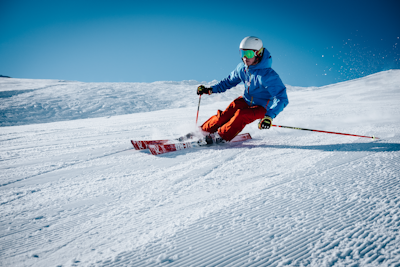
Japan's most internationally renowned ski resort — Hakuba hosted the downhill, super-G, and ski jumping events at the 1998 Nagano Winter Olympics and today offers a linked network of eleven ski areas with over 200 runs. The valley receives some of the deepest and driest powder snow in Japan, regularly accumulating 10–12 m per season. An international resort town has grown around the valley with excellent accommodation, restaurants, and English-language ski schools.

1998 Olympics World-Class Skiing Powder Snow Alpine
Nozawa Onsen Ski Village
📍

Nozawa Onsen Ski Village

Japan's most authentic ski-onsen village — Nozawa Onsen is a working hot-spring community whose 13 public bathhouses (sotoyu) are owned and maintained by the village collectively and open free of charge to visitors. The compact, car-free village lanes wind between traditional wooden buildings and steaming bath-houses, while the ski mountain above offers steep, challenging terrain and excellent powder. Unlike purpose-built resorts, Nozawa is a real place first — the skiing is secondary to the village atmosphere.

Onsen Village Free Public Baths Steep Skiing Authentic
Shiga Kogen Skiing
📍

Shiga Kogen Skiing

Japan's largest interconnected ski resort — Shiga Kogen links 23 individual ski areas across a high plateau at 1,650–2,305 m, with 80 runs and 51 lifts accessible on a single pass. The plateau hosted the biathlon and cross-country events at the 1998 Nagano Winter Olympics. Its high elevation guarantees early-season snow and the longest ski season in the region, and the varied terrain suits everyone from beginners to expert off-piste skiers.

Largest Ski Area Japan 23 Resorts 1998 Olympics Highland
Karuizawa Highland Resort
📍

Karuizawa Highland Resort

Tokyo's favourite mountain escape since the Meiji era — Karuizawa sits at 1,000 m on the slopes of Mount Asama and has been a summer retreat for diplomats, artists, and the imperial family for over 130 years. Today it offers cycling through birch forests, the spectacular Sengataki waterfall in a wild gorge, Prince Shopping Plaza (Japan's largest outlet mall), and a charming old Karuizawa Ginza shopping street. The 2018 Winter Olympics curling venue adds to its sporting legacy.

Highland Resort Cycling Outlet Shopping Sengataki
Suwa Lake Fireworks Championship
📍

Suwa Lake Fireworks Championship

Japan's largest fireworks competition by scale of display — the Suwa Lake Fireworks Championship fires 40,000 shells over the surface of Lake Suwa on the nights of August 15 and another major event later in summer, with the water reflections doubling the visual impact. The surrounding mountains create a natural amphitheatre that intensifies the sound, and some shells are fired simultaneously from both shores for effects impossible anywhere else. Over half a million spectators attend the main August event.

Fireworks Lake Suwa August Japan's Largest
🎆

Events

4 spots
Zenkoji Gokaicho — The Once-in-7-Years Pilgrimage
📍

Zenkoji Gokaicho — The Once-in-7-Years Pilgrimage

The Gokaicho is one of Japan's most significant religious events — the normally hidden 'secret Buddha' image at Zenkoji Temple is displayed to the public only once every seven years (the next is in 2033), drawing millions of pilgrims from across Japan over a 56-day period. The streets of Nagano City fill with thousands of white-robed pilgrims walking the ancient approach road at dawn, creating an atmosphere of extraordinary spiritual intensity. Even outside Gokaicho years, a replica of the image can be seen in the temple's inner sanctum.

Gokaicho Pilgrimage 7-Year Festival 2033
Matsumoto Castle Cherry Blossoms (Late April)
📍

Matsumoto Castle Cherry Blossoms (Late April)

One of Japan's most iconic cherry blossom scenes — when the sakura blooms in late April, Matsumoto Castle's black keep is framed by clouds of pink blossom with the reflection in the moat doubling the image, and the snow-covered Northern Alps visible directly behind. The castle grounds host a cherry blossom festival with traditional music, food stalls, and evening illuminations that turn the moat-reflection scene golden. The blossoms typically peak around April 15–25 — about one to two weeks later than Tokyo.

Cherry Blossoms Castle Moat Reflection Spring
Nozawa Onsen Dosojin Fire Festival (Jan 15)
📍

Nozawa Onsen Dosojin Fire Festival (Jan 15)

One of Japan's most dramatic and ancient fire festivals — on the night of January 15 (the old Small New Year), the men of Nozawa Onsen village construct a large wooden shrine tower from fir and bamboo, then defend it against the village elders who attempt to burn it down with blazing torches. The hour-long ritual battle, accompanied by sake, chanting, and escalating fire, is designated a UNESCO Intangible Cultural Heritage and takes place in a snowy village square surrounded by onlookers pressed back against the steaming bathhouse walls.

Fire Festival UNESCO Dosojin January
Suwa Lake Fireworks Championship (August)
📍

Suwa Lake Fireworks Championship (August)

The largest fireworks competition in Japan by number of shells fired — held over Lake Suwa in August, the championship gathers pyrotechnic teams from across the country to compete with original displays fired simultaneously from two positions on the lake shore. The lake's surface reflection and the bowl of surrounding mountains create conditions for visual effects unique to this venue. The August 15 event is the centrepiece, with illuminated fishing boats on the lake adding to the spectacle.

Fireworks Competition August 15 Lake Suwa National Competition

💡 Practical Travel Tips

Everything you need to know before and during your visit.

🌸
Best Time to Visit
  • Late April – May — Matsumoto Castle's cherry blossoms peak around April 15–25, about two weeks later than Tokyo, making Nagano an excellent second stop on a spring trip through Japan. Kamikochi reopens in late April (exact date varies by year — usually around April 27) and the valley is at its most pristine before summer crowds arrive. Zenkoji's stone-paved approach is lined with blooming cherry trees in mid-April.
  • Summer (July–August) — The high-altitude hiking season for the Northern Japan Alps and Kamikochi, with mountain huts open and long daylight hours. The Suwa Lake Fireworks Championship (August 15) is one of Japan's most spectacular fireworks events. Jigokudani snow monkeys are present year-round but are easier to photograph without steam obscuring the view in summer.
  • Autumn (October–November) — The larch forests of Kamikochi turn gold in late October, just before the valley closes for winter (typically November 15), creating one of Japan's most sought-after autumn foliage views. The Northern Alps autumn foliage begins at the high ridges in mid-September and descends to valley level through October.
  • Winter (December–March) — Peak season for Hakuba, Nozawa, and Shiga Kogen skiing, and the ideal time to see snow monkeys bathing in steam at Jigokudani. The Nozawa Onsen Dosojin Fire Festival (January 15) is unmissable if you are in the area. Snow is heavy throughout the mountains — chains or snow tyres are essential for driving, and some mountain roads close entirely.
🏔️
Kamikochi Tips
  • No private cars — Kamikochi is completely closed to private vehicles from late April to mid-November. From Matsumoto, take the Alpico Matsumoto Electric Railway to Shin-Shimashima (30 min), then connect to a bus (50 min) to Kamikochi Bus Terminal. Alternatively, drive to Sawando Parking and take the mandatory bus (25 min). The car-free policy is what makes Kamikochi extraordinary — honour it.
  • The Kappa-bashi bridge (5 min walk from the bus terminal) is the iconic photo spot — arrive early morning before 8am for the clearest reflection in the Azusa River with the Hotaka peaks behind. By mid-morning on weekends and Golden Week, the bridge is crowded. The Taisho Pond (20 min walk south) is most dramatic in morning light.
  • The standard Kamikochi valley walk from Kappa-bashi to Myojin Pond (one way, 6 km, 1h30m) is one of Japan's finest easy hikes — entirely flat, with constant river and mountain views. The full extension to Tokusawa is for serious hikers and requires a mountain hut overnight.
  • Accommodation in Kamikochi (the Kamikochi Imperial Hotel, Kamikochi Lemeiesta Hotel, and several smaller lodges) must be booked months ahead for Golden Week (late April–early May) and the October foliage peak. A day trip from Matsumoto is perfectly feasible with an early start — aim to leave Matsumoto before 7am.
🐒
Snow Monkey Tips
  • The best season to visit Jigokudani is December through March — when snow covers the surrounding forest, the monkeys spend more time in the hot spring pool and the steam creates a dramatic atmosphere. The pool is open and visible year-round, but in warm months the monkeys bathe less frequently. January and February offer the most reliable bathing activity.
  • Allow 2–3 hours total from Yudanaka Station — 10 min by bus to the park entrance (or Kanbayashi Onsen), then a 30-minute forest walk on a well-maintained path to the pool. The park admission is ¥800. The monkeys are completely wild and unconfined — there are no fences, and monkeys may sit on the path beside you. Do not feed or touch them.
  • Combine the visit with Yudanaka Onsen or Shibu Onsen nearby — both are atmospheric hot-spring towns within a few minutes of the park. Shibu Onsen's nine public bathhouses (a traditional circuit) and its stone-paved lanes make it the finest village onsen experience in Nagano outside of Nozawa.
  • Photography tips — bring a telephoto lens (70–200mm minimum) for frame-filling monkey portraits. In winter, protect your camera from the steam and cold; in heavy snowfall, a lens hood prevents drops on the front element. The monkeys are most active and most in-pool between 9am and 11am on cold mornings.
⛷️
Skiing Tips
  • Hakuba (11 linked areas, 200+ runs) is the most international resort — English-language instruction, Western restaurants, and foreign-run chalets are standard. The Happo-one area (Olympic downhill venue) has the most challenging terrain; Goryu and Cortina are better for powder hunting. Direct buses from Nagano Station take 70 min; from Tokyo the quickest route is Shinkansen to Nagano then bus.
  • Nozawa Onsen is the best choice for visitors who want to combine serious skiing with the most authentic Japanese onsen experience. The 13 sotoyu (free public baths) are the village's social heart — wash properly before entering, bring your own towel, and follow the posted etiquette. The ski area suits intermediate to advanced skiers; the top-to-bottom vertical is impressive for Japan.
  • Shiga Kogen is the best option for beginners and families — the linked 23-resort system means you never ski the same run twice in a week, and the high plateau elevation (1,650–2,305 m) guarantees excellent snow quality from December through late March. The 1998 Olympic biathlon and cross-country stadium is open for visitor tours during ski season.
  • The Nagano Snow Resorts Pass (available for Hakuba, Nozawa, and Shiga Kogen) offers savings for visitors skiing multiple areas across a week. Book accommodation and lift passes together 2–3 months ahead for the Christmas–New Year period and late January, which are peak Japanese domestic ski holidays with fully booked resorts.
🏯
Matsumoto Tips
  • Matsumoto Castle is one of Japan's most popular attractions — during cherry blossom season (mid to late April) and summer weekends, queues to enter the keep can reach 90 minutes. Arrive before 9am (opening) or book the timed entry in advance online. The exterior moat-side walk is free and stunning at any time of day.
  • The castle interior has six floors connected by very steep, narrow ladders — not staircases — which must be climbed in both directions. Wear shoes that grip well and be prepared to queue inside as well as outside on busy days. The top floor offers superb views of the city and Alps; the lower floors display historical weapons and armour.
  • Matsumoto City is highly walkable — the castle, Nakamachi old merchant street (kura storehouses converted to cafes and craft shops), Nawate-dori frog street, and the excellent Matsumoto City Museum of Art (featuring Yayoi Kusama, a Matsumoto native, in its permanent collection) are all within 15 minutes on foot. The city deserves a full day.
  • For sanzoku-yaki (Matsumoto's signature fried chicken), the Sanzokuyaki Fujiken near the castle is the most visited specialist — order the large bone-in piece with a cold Shinshu craft beer. The Nakamachi street has excellent soba restaurants for lunch; the Marumo building on Nawate-dori is the best address for chilled zaru soba with local buckwheat.

🏨 Find Hotels in Nagano

Compare prices across hundreds of hotels — from budget capsules to luxury ryokan.

Search Hotels on Booking.com →

🎌 Tours & Experiences

Book guided tours, day trips, cooking classes, and cultural experiences.

Browse Tours on Viator →

🗺️ Activities & Attractions

Skip the queues — pre-book entry tickets, day tours, and local experiences.

Explore on GetYourGuide →

🎟️ Things to Do in Nagano

Discover tickets, transport passes, and unique local experiences in Nagano with Klook.

Book on Klook →

🚄 JR Pass & Rail Tickets

Pre-purchase your JR Pass or individual shinkansen tickets before you arrive.

Buy JR Pass →