Kansai · Prefecture Guide

Nara Travel Guide

Japan's ancient first capital — 1,200 sacred deer, the world's largest bronze Buddha, 8 UNESCO World Heritage Sites, and the cherry blossom mountain of Yoshino

🦌 1,200 Sacred Deer Roam Free in Nara Park🏛️ Todai-ji — Japan's Largest Bronze Buddha⛩️ 8 UNESCO World Heritage Sites🌸 Mt. Yoshino — Japan's Most Celebrated Cherry Mountain🪵 Horyu-ji — World's Oldest Surviving Wooden Structures

🗾 About Nara

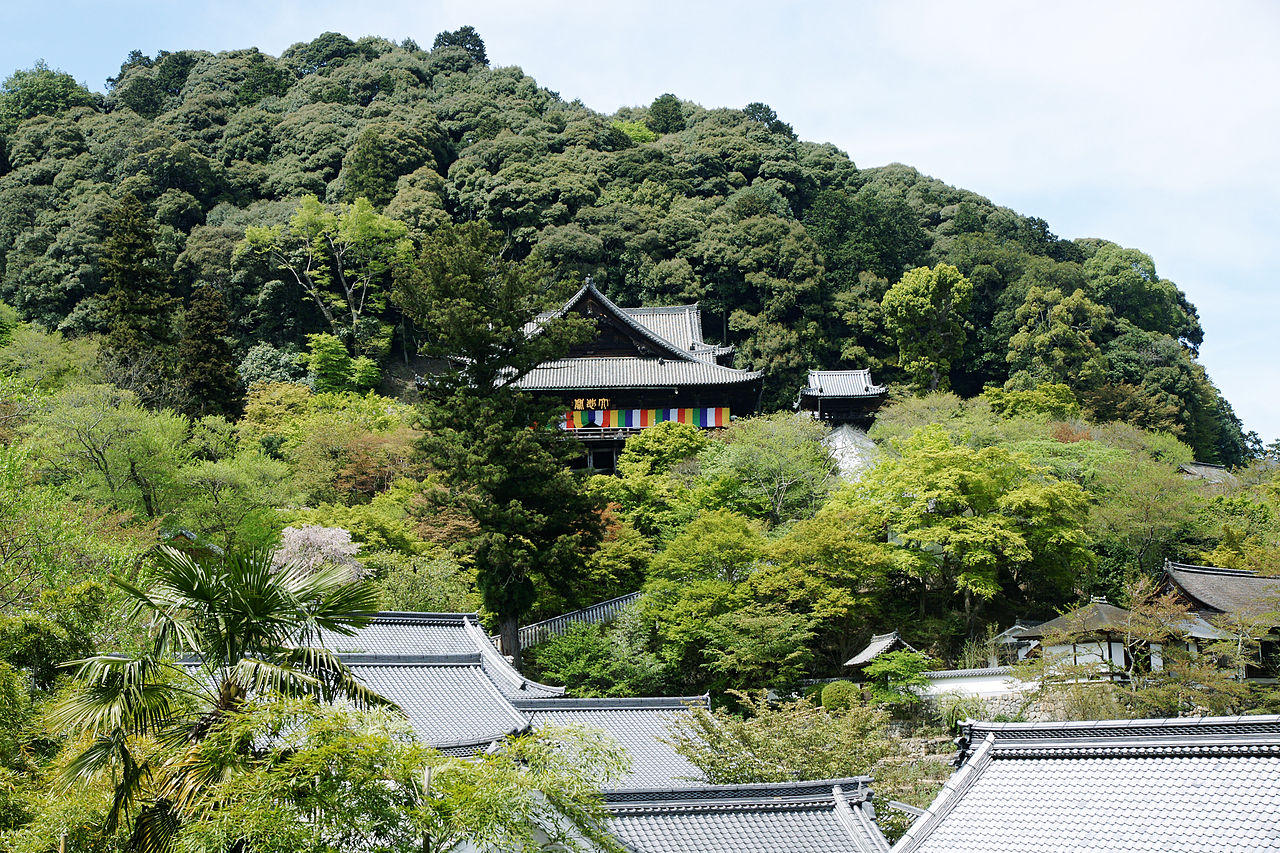
Nara was Japan's first permanent capital — established in 710 AD as Heijo-kyo — and the city has been accumulating sacred architecture, ritual tradition, and extraordinary deer ever since. The 1,200 sika deer that wander freely through Nara Park are considered divine messengers of the Kasuga Taisha shrine, and watching them bow to receive shika senbei crackers against a backdrop of 1,300-year-old temple rooftops is one of the most singular experiences in Japan. But Nara extends far beyond the park: the temple town of Horyu-ji holds the oldest surviving wooden structures on earth; the mountain of Yoshino turns pink with 30,000 cherry trees every spring; and the Naramachi merchant district preserves a streetscape of machiya townhouses that Kyoto's gentrification has largely erased. Nara is compact, walkable, and deeply rewarding — and almost always less crowded than its famous neighbours.

🌏
Location
Honshu island, Kansai region — landlocked, southeast of Osaka and Kyoto
🗣️
Language
Japanese (English available at major temples and tourist areas)
💴
Currency
Japanese Yen (JPY) — cash essential at smaller temples and market stalls
🕐
Time Zone
JST (UTC+9) — no daylight saving
🌡️
Best Season
Spring (Apr cherry blossom) & Autumn (Nov foliage) — Yoshino Apr 1–15
✈️
Nearest Airports
Kansai (KIX) 75 min · Itami (ITM) 60 min · Kobe (UKB) 90 min
🚇
Getting Around
Kintetsu Nara Line · JR Nara Line · walking and cycling in the park area
Power Plug
Type A, 100V / 60Hz

✈️ Getting There

Nara is well-connected to both Osaka and Kyoto by two parallel rail lines — the private Kintetsu line (faster and more frequent) and the JR Nara Line. Most visitors make Nara a day trip from Osaka or Kyoto, but the city repays an overnight stay: the morning deer and temples before 9am are a different world from the midday crowds. Within the city, Nara Park's main temples are all within walking distance of Kintetsu Nara Station, and the Naramachi district is 10 minutes on foot.

🚃 From Osaka
  • Kintetsu Nara Line (Osaka-Namba → Kintetsu Nara) — 35–40 min. ¥680 (ordinary) / ¥1,230 (limited express). Most convenient for tourists; arrives near Nara Park.
  • JR Yamatoji Line (JR Osaka/Tennoji → JR Nara) — 45–50 min. ¥820. Covered by JR Pass; slightly longer walk to the park.
🚃 From Kyoto
  • Kintetsu Kyoto Line (Kyoto → Kintetsu Nara) — 35–50 min. ¥760 (ordinary) / ¥1,160 (limited express). Scenic rural route; direct.
  • JR Nara Line (Kyoto → JR Nara) — 44–50 min. ¥720. Covered by JR Pass; less frequent than Kintetsu but often less crowded.
🚄 From Tokyo
  • Tokaido Shinkansen Nozomi (Tokyo → Kyoto) then Kintetsu to Nara — total approx. 3 hrs. Buy a Kintetsu ticket at Kyoto Station for the onward leg.
  • Night bus (Shinjuku or Tokyo → Nara) — 8–9 hrs overnight. ¥4,000–¥6,500. Several operators; departs 22:00–23:00, arrives early morning.
🚶 Getting Around Nara
  • Walking — Nara Park, Todai-ji, Kasuga Taisha, Kofuku-ji, and Naramachi are all within a 25-minute walk of Kintetsu Nara Station. No transit needed for central sights.
  • Bicycle rental — Available near both Kintetsu and JR Nara stations (¥1,000–¥1,500/day). Ideal for reaching Isuien Garden, Yoshikien Garden, and the Kasugayama primeval forest trail.
  • Nara Kotsu Bus — Covers routes to Horyu-ji (30 min, ¥760 from JR Nara) and Asuka. The Nara Sightseeing Pass (¥1,500) covers buses for one day.
  • Taxi — Fixed-rate taxis available from both stations. Nara Park area is small; fares rarely exceed ¥1,500 within the central zone.
💡 Travel TipNara Park is extraordinary before 8:30am — the deer are calmer, the temple compounds are almost empty, and the light on the rooftops is superb. Most tour buses arrive from Osaka and Kyoto between 10am and 2pm; the window from opening to 10am and from 4pm onward is dramatically quieter.

📖 Recommended Travel Guides

Deep-dive guides to help you plan every aspect of your visit — from top sightseeing spots to the best restaurants and seasonal events.

⛩️

Sightseeing

6 spots
Tōdai-ji & the Great Buddha
📍 Nara Park, Nara Year-round

Tōdai-ji & the Great Buddha

Japan's largest bronze Buddha sits inside the world's largest wooden structure — the Daibutsuden hall. The 15-metre Great Buddha (Vairocana) has stood since 752 AD. Don't miss the famous pillar with a Buddha-nostril-sized hole: crawling through is said to bring enlightenment.

UNESCO Great Buddha Wooden Hall National Treasure
Hōryū-ji Temple
📍 Ikaruga, Nara Prefecture Year-round

Hōryū-ji Temple

Founded by Prince Shotoku in 607 AD, Horyu-ji contains the world's oldest surviving wooden structures — the Western Precinct's pagoda and kondo have stood for over 1,400 years. Allow a full half-day for this UNESCO World Heritage site.

UNESCO World's Oldest Wooden Buildings 7th Century National Treasure
Kasuga Taisha Grand Shrine
📍 Nara Park, Nara Year-round

Kasuga Taisha Grand Shrine

Nara's most important Shinto shrine, founded in 768 AD and dedicated to the deities that protect the city. Over 3,000 bronze and stone lanterns line the forested approach — all lit twice a year during the Mantoro festivals.

UNESCO Shinto Shrine Lanterns Sacred Forest
🍜

Gourmet

4 spots
Miwa Sōmen Noodles
📍 Sakurai / Miwa Area, Nara Spring–Autumn

Miwa Sōmen Noodles

Japan's oldest noodle tradition, produced in the Miwa area of Nara for over 1,300 years. Ultra-fine white wheat noodles served cold with a dipping broth and accompaniments. Best eaten at a roadside restaurant in Miwa village, a 30-minute train ride from Nara.

Oldest Noodle Tradition Somen Day Trip
Kakinoha-zushi
📍 Nara City & throughout prefecture Year-round

Kakinoha-zushi

Nara's signature dish: small pieces of mackerel or salmon sushi wrapped in persimmon leaves, which act as a natural preservative and impart a subtle tannin fragrance. Buy a box at Hiraso or Tanaka near Kintetsu Nara Station — ideal to eat on the train.

Local Specialty Sushi Persimmon Leaf Takeaway
Nara Sake Breweries
📍 Naramachi & Imaicho Year-round

Nara Sake Breweries

Nara is the birthplace of Japanese sake: the brewing techniques developed at Ōmiwa Shrine in the 8th century spread across the country. Several small breweries in Naramachi and the historic merchant town of Imaicho offer tastings and brewery walks.

Sake Tasting History Brewing
🏔️

Nature

5 spots
Mt. Yoshino Cherry Blossoms
📍 Yoshino Town, Nara Prefecture Late March – mid April

Mt. Yoshino Cherry Blossoms

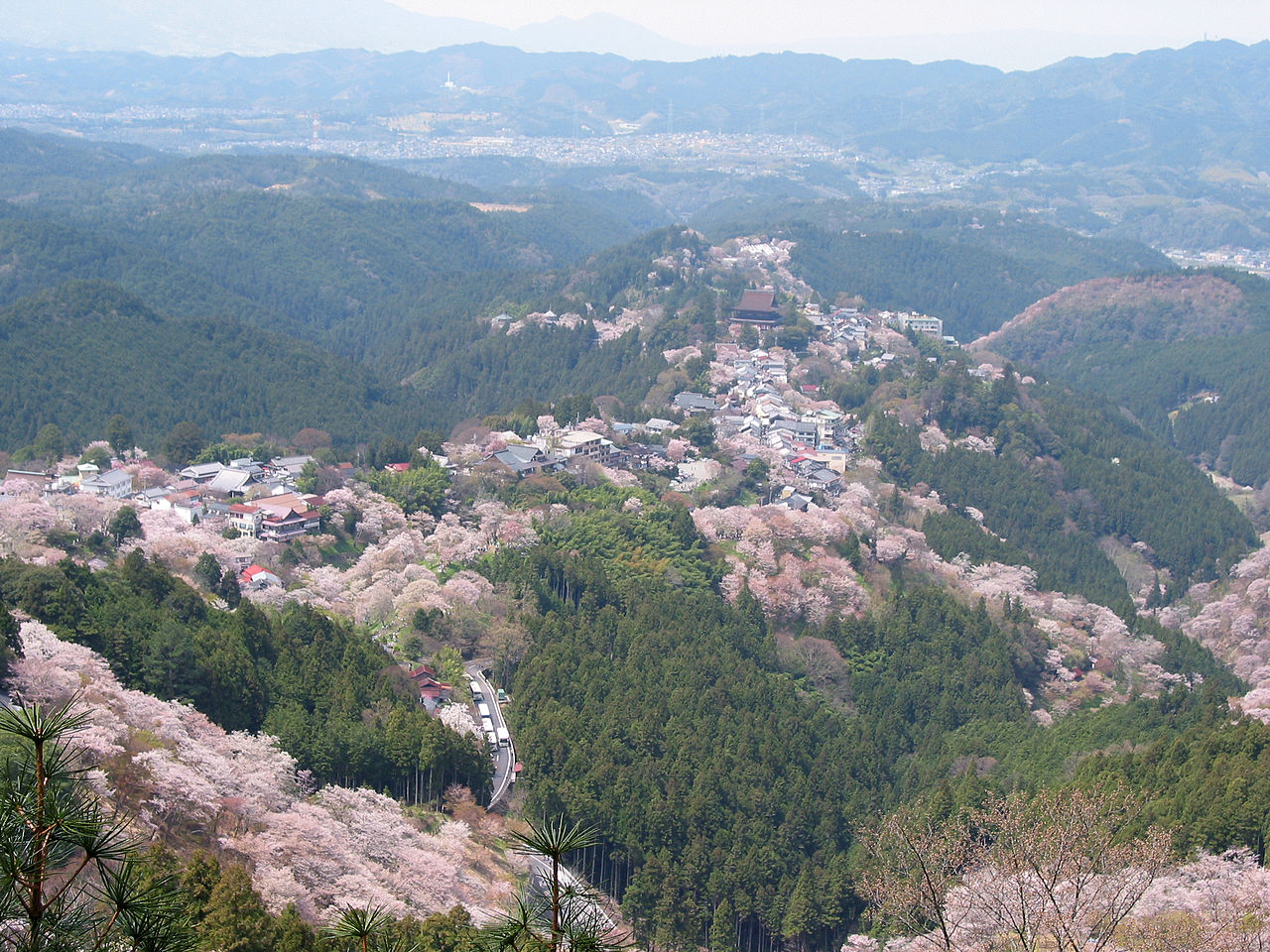
Japan's most celebrated cherry blossom destination: 30,000 trees blanket an entire mountain in four colour bands from valley to summit — Shimo Senbon, Naka Senbon, Kami Senbon, and Oku Senbon. Peak bloom is typically April 1–10. A UNESCO World Heritage site.

Cherry Blossoms 30,000 Trees UNESCO Spring
Isuien Garden
📍 Nara Park, Nara Spring & Autumn

Isuien Garden

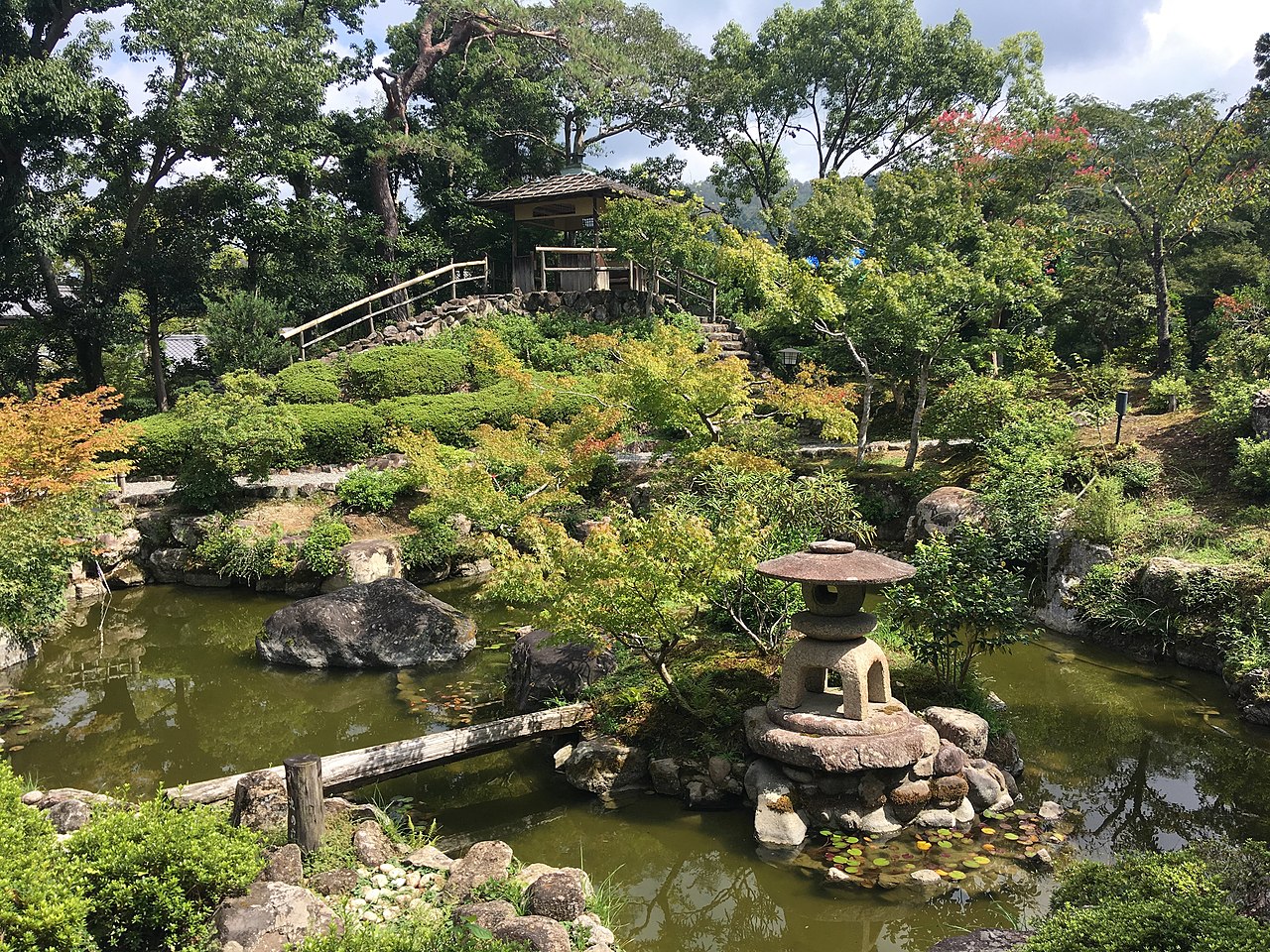
One of the finest Japanese gardens in the country — two distinct garden sections from the 17th and 19th centuries use Todai-ji's roof and the Wakakusa hillside as 'borrowed scenery'. Particularly beautiful in maple season (mid-November).

Japanese Garden Two Eras Borrowed Scenery Quiet
Kasugayama Primeval Forest
📍 Behind Kasuga Taisha, Nara Year-round

Kasugayama Primeval Forest

A UNESCO-listed ancient forest behind Kasuga Taisha that has never been cut — protected as sacred land for over 1,000 years, it is a rare remnant of primeval forest in central Japan. A walking trail through the forest is open to visitors; take the path after the shrine's inner sanctuary.

UNESCO Sacred Forest Birdwatching Never Felled
🎿

Leisure

5 spots
Deer Cracker Feeding Experience
📍 Nara Park, Nara Year-round

Deer Cracker Feeding Experience

Buy a bundle of shika senbei (deer crackers) from a park vendor and feed Nara's famous bowing deer — they have learned to dip their heads to ask for food. Best done in the morning near the Tōdai-ji approach or the fields around Kasuga Taisha.

Family Hands-on Deer Shika Senbei
Muro-ji Temple
📍 Uda City, Nara Prefecture Spring & Autumn

Muro-ji Temple

A mountain temple deep in a cedar forest, famous for its miniature five-storey pagoda — one of Japan's most photogenic. Known as the 'women's Koya-san' because it historically welcomed female worshippers when Mt. Koya did not. Accessible by train and bus from Kintetsu Osaka Line.

Pagoda Mountain Temple Kannon Remote
Traditional Ink & Calligraphy Workshop
📍 Naramachi, Nara Year-round

Traditional Ink & Calligraphy Workshop

Nara has been Japan's premier producer of traditional India ink (sumi) for over 1,000 years. Several workshops in Naramachi offer hands-on sessions: grind an ink stick, practice brush calligraphy, or stamp a goshuin seal. Kobaien, founded in 1577, is the most prestigious.

Workshop Calligraphy Ink Making Cultural Experience
🎆

Events

5 spots
Yoshino Hanami Cherry Blossom Viewing
📍 Yoshino Town, Nara Prefecture Late March – mid April

Yoshino Hanami Cherry Blossom Viewing

The hanami experience at Yoshino is unlike anywhere else in Japan — cherry trees line the mountain paths for kilometres, and ryokan terraces overlooking the valley serve bento boxes and local sake under blossom-heavy branches. Book accommodation in December for peak-season nights; day-trippers should arrive by 9am.

Cherry Blossoms Hanami April Mountain Picnic
Kasuga Mantoro Lantern Festival
📍 Kasuga Taisha, Nara 3–4 February & 14–15 August

Kasuga Mantoro Lantern Festival

All 3,000 stone and bronze lanterns of Kasuga Taisha are lit simultaneously on two nights a year — the Setsubun Mantoro in February and the Obon Mantoro in August. The effect of the lantern-lit forest paths at night is among the most haunting experiences in Japan.

Lanterns Night Festival February & August 3,000 Lights
Omizutori — Shuni-e at Tōdai-ji
📍 Tōdai-ji, Nara 1–14 March

Omizutori — Shuni-e at Tōdai-ji

Japan's most ancient continuous ritual, performed annually at Tōdai-ji's Nigatsu-do hall since 752 AD without interruption. Monks carry enormous burning torches around the upper gallery each evening, scattering sparks over the crowd below — contact with the embers is said to bring good fortune for the year.

Fire Festival Nigatsu-do March 1,270 Years

💡 Practical Travel Tips

Everything you need to know before and during your visit.

🌸
Best Time to Visit
  • Spring — Mt. Yoshino cherry blossom (late March–mid April) — Japan's most celebrated cherry blossom destination: 30,000 trees cover an entire mountain in four colour bands. Peak is typically April 1–10. Book accommodation months ahead — Yoshino ryokan on blossom nights fill in December.
  • Spring — Nara Park (late March–early April) — Cherry trees throughout the park bloom alongside the deer and temple rooftops. Spectacular and slightly less crowded than Yoshino.
  • Autumn (mid-November) — Nara's maple season peaks 1–2 weeks later than Kyoto. Isuien Garden, Yoshikien, and Kasugayama forest are outstanding. Far fewer crowds than spring.
  • February — Omizutori at Todai-ji — The most atmospheric event in Nara: monks carry enormous burning torches around the Nigatsu-do hall every evening from March 1–14, scattering embers over the crowd below. The sparks are considered to bring good fortune for the year.
💴
Budget Guide
  • Budget (¥6,000–¥10,000/day) — Guesthouse in central Nara, kakinoha-zushi lunch (¥900), Todai-ji entry (¥800) + Kasuga Taisha (free outer shrine), deer crackers (¥200), convenience store dinner.
  • Mid-range (¥18,000–¥35,000/day) — Business hotel, full temple circuit (Todai-ji, Kofuku-ji, Kasuga Taisha, Isuien Garden), restaurant lunch, Yoshino half-day trip.
  • Luxury (¥60,000+/day) — Traditional ryokan with kaiseki dinner, private guided temple tour at dawn, sake brewery tasting, Yoshino overnight during cherry blossom season.
  • Many of Nara's finest experiences are free: walking the Kasugayama primeval forest path, the outer approach of Kasuga Taisha, the Naramachi lanes, and simply sitting in the park with the deer.
🦌
Deer Park Tips
  • Shika senbei (deer crackers) are sold by vendors throughout the park (¥200 per bundle). Once you take them out, act quickly — the deer will press around you. Keep food in your bag until you're ready.
  • The deer bow to receive crackers — a trained behaviour, but genuinely delightful. If you bow first, many will bow back.
  • Male deer (autumn) have large antlers from September to March; they can be assertive. Keep a respectful distance and don't tease or corner them.
  • The deer are not zoo animals — they are classified as natural monuments of Japan. Feeding them anything other than shika senbei (including food from your bag) is prohibited and harmful to them.
⛩️
Temple & Shrine Tips
  • Todai-ji's Daibutsuden (Great Buddha Hall) — Buy tickets (¥800) before entering the Nandaimon gate approach to avoid queues. The building is the largest wooden structure in the world; allow at least 45 minutes inside.
  • The pillar with a hole inside Daibutsuden has a passage the same width as the Buddha's nostril — crawling through is said to bring enlightenment. Children do it easily; adults with slim hips can manage.
  • Kasuga Taisha has 3,000 stone and bronze lanterns lit during the Mantoro festivals (February and August). Outside festival time, the lantern-lined approach through the forest at dusk is still extraordinary.
  • Horyu-ji (30 min by bus from JR Nara) requires a full half-day and is one of the most important historical sites in Japan — allow at least 2 hours. The combination ticket (¥1,500) covers all buildings.
🍱
Food Tips
  • Kakinoha-zushi — Nara's signature dish: small portions of mackerel or salmon sushi wrapped in persimmon leaves. The leaf acts as a natural preservative with a subtle tannin flavour. Buy a box at Hiraso or Tanaka near Kintetsu Nara Station for the train journey.
  • Miwa somen — Japan's oldest noodle tradition, from the Miwa area of Nara. Fine white wheat noodles served cold with a simple dipping broth. Best eaten at a roadside restaurant in Miwa village (30 min by train from JR Nara).
  • Naramachi street food — The old merchant district has small mochi shops, Japanese sweets from local craftspeople, and traditional sake breweries open for tasting. Morino Nara shop near the lattice-house museums is a reliable stop.
  • Nara is a day-trip destination for most visitors, which means restaurants fill up at noon. Arrive for lunch at 11:30 or eat after 13:30.
🙏
Culture & Etiquette
  • Nara's temples are active places of worship, not museums. Keep voices low inside temple halls, dress modestly, and follow photography restrictions (usually no photos of the main Buddha statues from close range).
  • The Kasugayama Primeval Forest behind Kasuga Taisha is a UNESCO-listed sacred forest that has never been felled — no collection of plants, animals, or stones is permitted. Walk the trail respectfully.
  • Many of Nara's most important temples (Todai-ji, Kofuku-ji, Horyu-ji) have National Treasure sculpture and artefacts on display — treat them with the reverence you would give a great museum, because several are older than most European cathedrals.
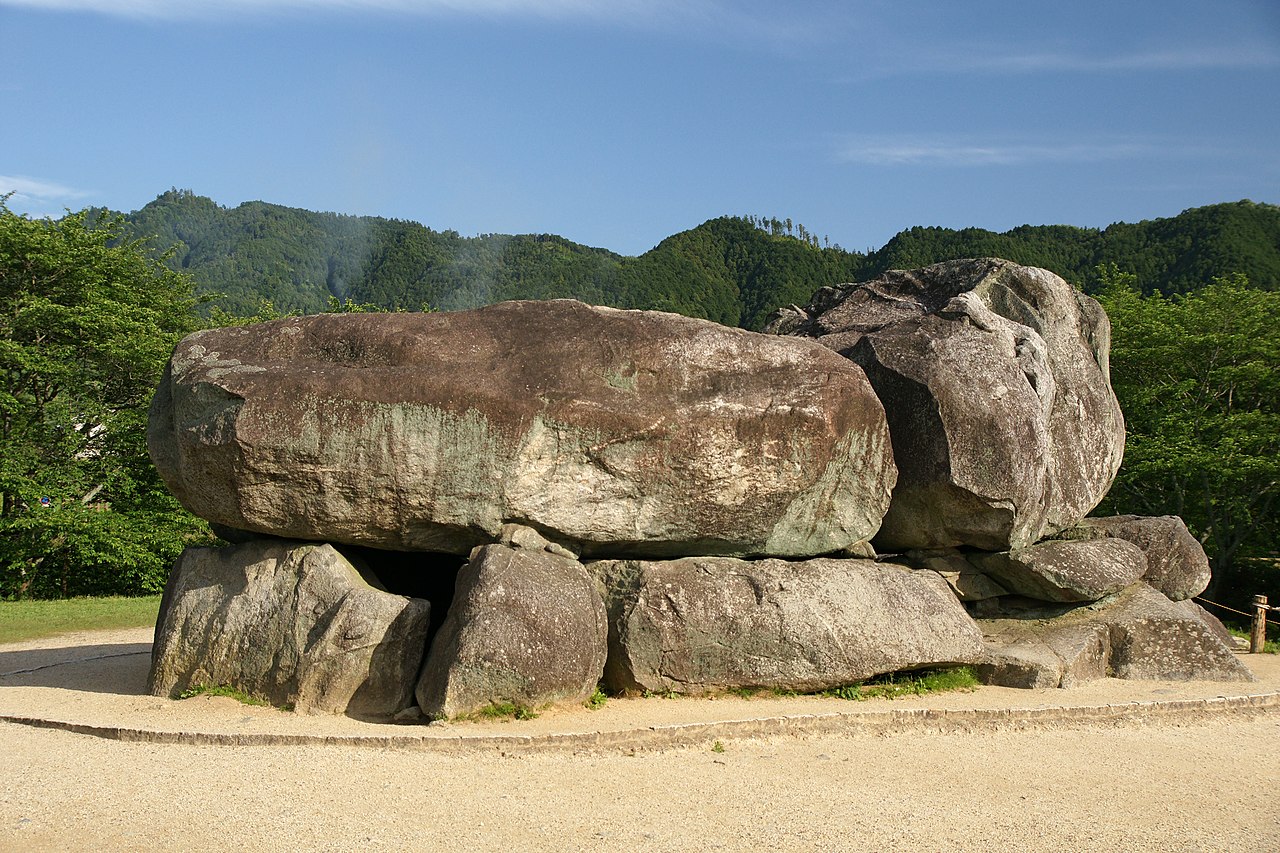
  • Asuka (45 min south by Kintetsu then bus) is the site of Japan's earliest capitals and is scattered with enormous keyhole-shaped burial mounds (*kofun*) — do not climb or disturb them; they are active historical monuments with legal protections.

🏨 Find Hotels in Nara

Compare prices across hundreds of hotels — from budget capsules to luxury ryokan.

Search Hotels on Booking.com →

🎌 Tours & Experiences

Book guided tours, day trips, cooking classes, and cultural experiences.

Browse Tours on Viator →

🗺️ Activities & Attractions

Skip the queues — pre-book entry tickets, day tours, and local experiences.

Explore on GetYourGuide →

🎟️ Things to Do in Nara

Discover tickets, transport passes, and unique local experiences in Nara with Klook.

Book on Klook →

🚄 JR Pass & Rail Tickets

Pre-purchase your Japan Rail Pass online before you arrive — the easiest way to travel by Shinkansen across Japan.

Buy JR Pass on JRPass.com →
🗺️ Plan