
Okinawa · Prefecture Guide

Okinawa Travel Guide

Japan's tropical paradise — ancient Ryukyu Kingdom culture, the world's most biodiverse coral reefs, and a uniquely blended food culture unlike anywhere else in Japan

🪸 World's Top-10 Coral Reef Destination⛩️ 9 UNESCO World Heritage Gusuku Sites🌺 Japan's Only Subtropical Prefecture🥋 Birthplace of Karate🌸 Japan's First Cherry Blossoms (Jan)

🗾 About Okinawa

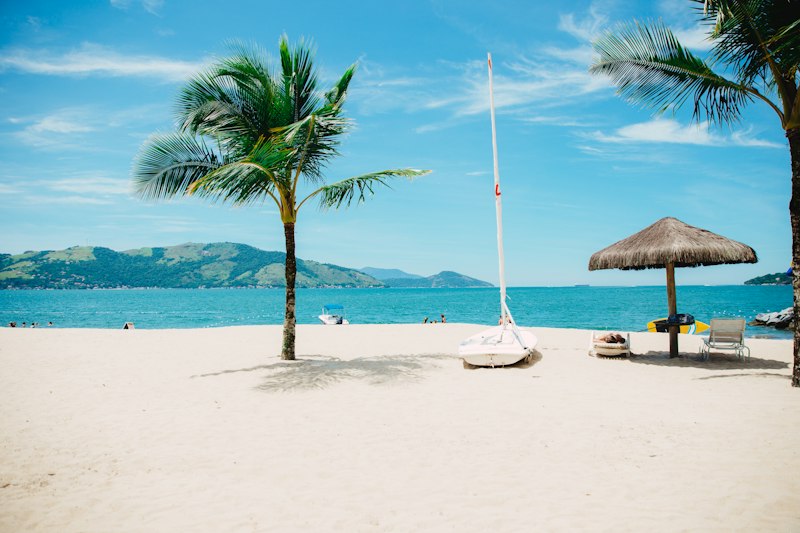
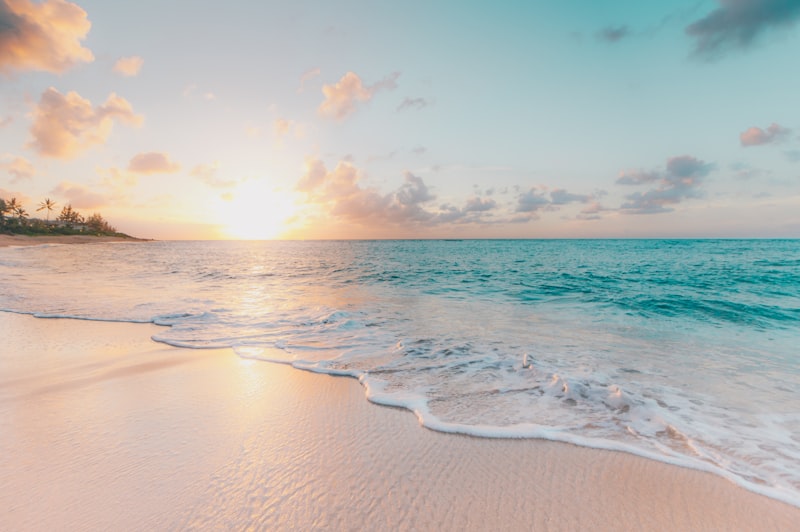
Okinawa is not quite Japan — and that is precisely the point. This chain of subtropical islands stretching 1,000 km from Kyushu toward Taiwan was once the independent Ryukyu Kingdom, and its distinct culture, architecture, cuisine, language, and spiritual traditions set it apart from every other prefecture. The main island offers UNESCO castle ruins, the moving Himeyuri Memorial, vibrant Kokusai-dori street life, and the world-class Churaumi Aquarium. But the real Okinawa lies offshore: the Kerama Islands' 'Kerama Blue' water is among the clearest on earth, the Yaeyama archipelago's Iriomote island is 90% untouched jungle, and the Miyako Islands offer Japan's most brilliantly turquoise lagoons. Throughout it all, the Okinawan diet — goya champuru, sea grapes, Okinawa soba, awamori spirit — reflects a philosophy of living well that has produced one of the world's highest concentrations of centenarians.

🌏
Location
Southernmost prefecture — chain of islands from 26°N to 24°N, between Kyushu and Taiwan
🗣️
Language
Japanese (Okinawan dialect spoken locally; English available in tourist areas)
💴
Currency
Japanese Yen (JPY) — IC cards work in Naha; cash useful on smaller islands
🕐
Time Zone
JST (UTC+9) — no daylight saving
🌡️
Best Season
Apr–Jun & Oct–Nov — avoid typhoon season (Jul–Sep) and Golden Week crowds
✈️
Nearest Airports
Naha (OKA) · Miyako (MMY) · Ishigaki (ISG) for Yaeyama Islands
🚇
Getting Around
Yui Rail monorail in Naha; rental car essential for main island; ferries/flights to outer islands
Power Plug
Type A, 100V / 60Hz

✈️ Getting There

Naha Airport is well connected to Tokyo (2.5 hrs), Osaka (2 hrs), and direct international flights from East Asia. A monorail (Yui Rail) runs from the airport through central Naha. Rental car is the best way to explore the main island; outer islands (Miyako, Ishigaki, Kerama) require short domestic flights or high-speed ferries from Naha.

✈️ From Tokyo
  • ANA / JAL / Peach / Jetstar (Haneda / Narita → Naha) — 2 hrs 30 min. From ¥6,000 (LCC) to ¥35,000 (full-service). Over 30 daily flights — one of Japan's busiest domestic routes. Book 2–3 months ahead for low fares.
✈️ From Osaka / Kansai
  • ANA / JAL / Peach (KIX / ITM → Naha) — 2 hrs. From ¥5,000 (Peach) to ¥30,000. Peach from Kansai is the budget traveller's best option.
✈️ To Outer Islands
  • Miyako Islands (Naha → Miyako Airport) — 45 min by JAL/ANA/RyukyuAir. From ¥6,000.
  • Ishigaki / Yaeyama (Naha → Ishigaki) — 55 min by JAL/ANA/Skymark. From ¥7,000.
  • Kerama Islands (Naha Tomari Port → Zamami) — 50 min high-speed ferry, ¥3,140. Day trip or overnight possible.
🚗 Getting Around Okinawa
  • Yui Rail (Monorail) — Runs from Naha Airport to Shuri Castle, covering central Naha. One-day pass (¥800) useful for temple-hopping in Naha.
  • Rental Car — Essential for anywhere north of Naha. US-size roads with left-hand driving. Reserve well ahead in peak season (cherry blossom Jan, Golden Week, Aug).
  • Bus — Covers the main island but is slow and infrequent outside Naha. Comfortable for budget travellers on the central route.
  • Taxi — Affordable in Naha; metered and reliable. Use for evening Kokusai-dori dining when parking is difficult.
💡 Travel TipOkinawa's typhoon season (July–September) can cause flight cancellations and close outdoor attractions. Travel insurance that covers weather-related delays is strongly recommended for summer trips. April–June (before typhoon season) is the best combination of warm sea temperatures, lush greenery, and manageable crowds.

📖 Recommended Travel Guides

Deep-dive guides to help you plan every aspect of your visit — from top sightseeing spots to the best restaurants and seasonal events.

⛩️

Sightseeing

5 spots
Shuri Castle
📍

Shuri Castle

The spiritual heart of the former Ryukyu Kingdom — a UNESCO World Heritage castle on a hill above Naha, rebuilt after WWII damage and currently undergoing full restoration after a 2019 fire. The vivid red-lacquered architecture is unlike any other in Japan.
UNESCO Castle Ryukyu Kingdom
Kokusai-dori (International Street)
📍

Kokusai-dori (International Street)

Naha's 1.6 km main shopping street buzzing with souvenir shops, shisa lion statues, sanshin music, and Okinawan food stalls. The side alleys (Ichiba Hondori) hide traditional public markets and izakaya pubs.

Shopping Street Food Naha
Himeyuri Peace Memorial
📍

Himeyuri Peace Memorial

A deeply moving memorial to the 222 student nurses who perished in the Battle of Okinawa — one of the most powerful WWII sites in Japan, with an underground shelter where many died in the final days of the battle.

History WWII Memorial
Ryukyu Mura Cultural Village
📍

Ryukyu Mura Cultural Village

A living museum of Ryukyu culture featuring relocated traditional houses, craft workshops, and daily Eisa drum dance performances — the best place to experience authentic Okinawan folk culture in a single afternoon.

Culture Traditional Eisa Dance
Ryukyu Kingdom Gusuku Ruins (UNESCO)
📍

Ryukyu Kingdom Gusuku Ruins (UNESCO)

Okinawa contains nine UNESCO World Heritage Gusuku (castle) ruins and related properties — Nakijin, Zakimi, Katsuren, and Nakagusuku are the most accessible, offering dramatic views and 600-year-old coral limestone walls.

UNESCO Ruins History
🍜

Gourmet

5 spots
Okinawa Soba
📍

Okinawa Soba

Unlike mainland soba, Okinawa soba uses thick wheat noodles in a clear pork-and-bonito broth, topped with braised pork belly (rafute), fish cake, and pickled ginger. A bowl at a local soba-ya is the quintessential Okinawa meal.

Soba Local Specialty Pork
Goya Champuru & Okinawan Cuisine
📍

Goya Champuru & Okinawan Cuisine

Champuru means 'mixed' in Okinawan — the signature stir-fry of bitter gourd, tofu, egg, and spam (a WWII legacy) is Okinawa's most iconic dish. Try the full set at a local shokudo (diner) for an authentic experience.

Bitter Gourd Stir-fry Local
Awamori & Okinawan Izakaya
📍

Awamori & Okinawan Izakaya

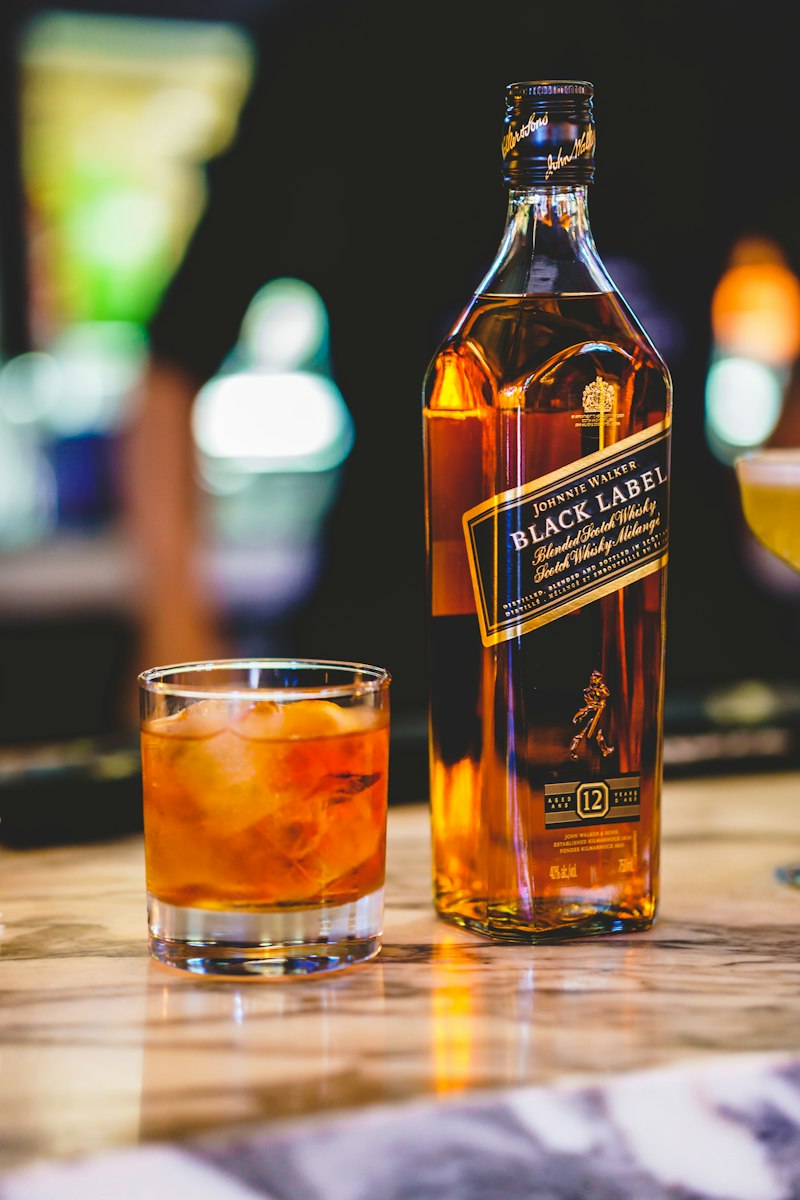
Awamori is Okinawa's ancient distilled spirit — made from Thai long-grain rice and aged in clay pots for years or decades. Sip it diluted with water at a Naha izakaya alongside rafute pork, sea grapes, and taco rice.

Awamori Spirits Izakaya
Taco Rice & American Food Culture
📍

Taco Rice & American Food Culture

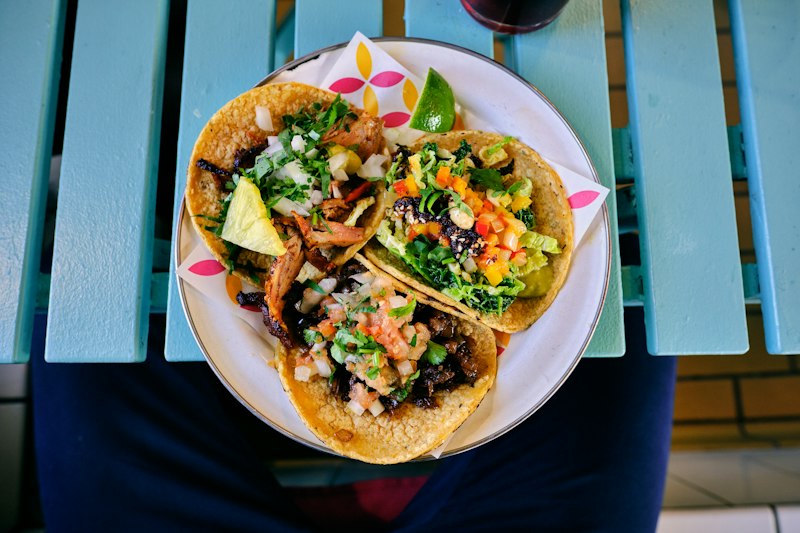
A uniquely Okinawan fusion born near US military bases — Mexican taco filling (seasoned beef, cheese, lettuce, salsa) served on Japanese rice. Found everywhere in Okinawa and beloved as a cheap, filling local comfort food.

Taco Rice American Influence Unique
Sea Grapes & Okinawa Seafood
📍

Sea Grapes & Okinawa Seafood

Umi-budo (sea grapes) are Okinawa's most distinctive delicacy — clusters of tiny brine-filled bubbles that pop on the tongue like ocean caviar. Served fresh with vinegar dressing alongside tropical reef fish and clams.

Sea Grapes Seafood Tropical
🏔️

Nature

5 spots
Kerama Islands & Coral Reefs
📍

Kerama Islands & Coral Reefs

The Kerama Islands 40 km west of Naha are home to some of the world's most biodiverse coral reefs — 250 species of coral and over 360 fish species in 'Kerama Blue' water of extraordinary clarity. A top-10 global dive destination.

Diving Coral Snorkelling
Yanbaru Subtropical Forest (UNESCO)
📍

Yanbaru Subtropical Forest (UNESCO)

Northern Okinawa's Yanbaru forest is a UNESCO World Natural Heritage site — home to the flightless Okinawa rail (yanbaru kuina), Okinawa woodpecker, and Ryukyu black-breasted leaf turtle found nowhere else on earth.

UNESCO Subtropical Endemic Wildlife
Cape Hedo & Northern Okinawa
📍

Cape Hedo & Northern Okinawa

The dramatic northernmost tip of Okinawa Island where the East China Sea and Pacific Ocean meet — rugged limestone cliffs, wild ocean views, and pristine subtropical forest with almost no tourists.

Cape Scenic Remote
Manza & West Coast Beaches
📍

Manza & West Coast Beaches

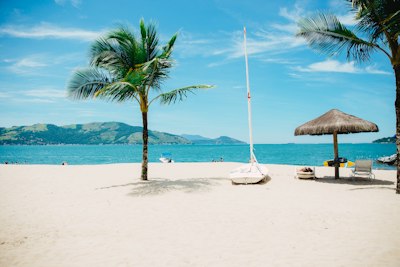
Okinawa's west coast beaches — Manza, Maeda, and Moon Beach — offer the calmest water, the whitest sand, and the most accessible coral reefs. Manza's coral mushroom rock is one of Okinawa's most photographed spots.

Beach Snorkelling Resort
Miyako Islands & Irabu Bridge
📍

Miyako Islands & Irabu Bridge

The Miyako Islands 300 km southwest of Naha have Japan's most brilliantly turquoise water — the Irabu Bridge (Japan's longest toll-free bridge) connects the islands through shallow emerald shallows alive with rays and sea turtles.

Islands Bridge Crystal Water
🎿

Leisure

5 spots
Okinawa Churaumi Aquarium
📍

Okinawa Churaumi Aquarium

One of the world's great aquariums — the Kuroshio Sea tank holds whale sharks and manta rays in a 7.5 m deep acrylic tank, while surrounding exhibits showcase Okinawa's entire marine ecosystem from coral reefs to deep sea.

Aquarium Whale Shark Family
Scuba Diving & Snorkelling
📍

Scuba Diving & Snorkelling

Okinawa is Japan's undisputed diving capital — the warm Kuroshio current brings visibility of 30+ metres and year-round tropical species. Blue Cave at Cape Maeda, the Kerama Islands, and Ishigaki's Manta Scramble are world-class sites.

Diving Marine Life Active
Yachimun Pottery Village (Naha)
📍

Yachimun Pottery Village (Naha)

The壺屋 (Tsuboya) yachimun pottery district in Naha has been producing Okinawa's distinctive thick-glazed ceramics for 300 years — browse studios, buy direct from potters, and try a wheel-throwing workshop.

Pottery Craft Shopping
Karate Experience in Okinawa
📍

Karate Experience in Okinawa

Karate was born in Okinawa — several dojos in Naha offer visitor sessions where you learn from masters of authentic Okinawan styles (Shorin-ryu, Goju-ryu) in the art's birthplace.

Karate Martial Arts Culture
Yaeyama Islands (Ishigaki & Iriomote)
📍

Yaeyama Islands (Ishigaki & Iriomote)

Japan's southernmost islands — Iriomote is 90% jungle with mangrove river kayaking, star-filled skies, and the endangered Iriomote wildcat. Ishigaki offers world-class manta ray diving and dramatic star-gazing on designated dark-sky beaches.

Remote Island Jungle Mangrove
🎆

Events

5 spots
Okinawa Zento Eisa Festival (Aug)
📍

Okinawa Zento Eisa Festival (Aug)

The island's most important traditional festival — hundreds of youth groups perform the ancestral Eisa drum dance through the streets of Okinawa City over three days in late August, honouring returning spirits during Obon.

Eisa Drum Dance Summer
Naha Dragon Boat Race (May)
📍

Naha Dragon Boat Race (May)

Naha Port hosts a spectacular dragon boat (haary) racing festival each May — a 600-year-old Ryukyu tradition where teams of paddlers race long colourful boats across the harbour to ensure good fishing and safe seas.

Dragon Boat Festival Harbour
Okinawa Cherry Blossoms (Jan–Feb)
📍

Okinawa Cherry Blossoms (Jan–Feb)

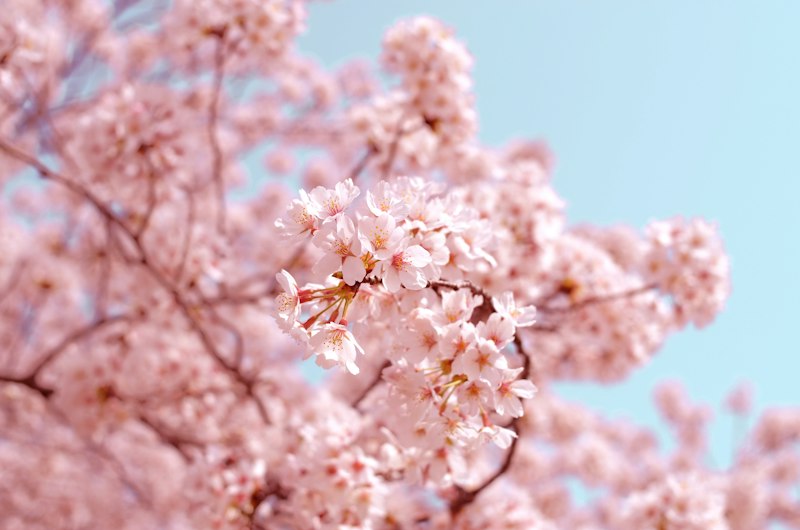
Okinawa's cherry trees bloom in January and February — the first in all of Japan. The deep-pink Hikanzakura variety flowers in the cool northern mountains of Nago and Nakijin Castle, officially opening Japan's annual cherry blossom season.

Cherry Blossoms Winter First in Japan
Ryukyu Lantern Festival (Nov–Jan)
📍

Ryukyu Lantern Festival (Nov–Jan)

Southeast Botanical Garden transforms into a sea of hundreds of thousands of lanterns from November through January — elaborately sculpted light installations celebrating Ryukyu culture and the subtropical winter season.

Lanterns Night Event Winter
Naha Marathon (Dec)
📍

Naha Marathon (Dec)

One of Japan's most international city marathons, held in early December through the subtropical warmth of Naha — 20,000 runners from around the world pass Shuri Castle and coastal roads to enthusiastic local cheering.

Marathon Sports International

💡 Practical Travel Tips

Everything you need to know before and during your visit.

🌸
Best Time to Visit
  • April–June — The best overall season. Sea temperatures are warm enough for swimming and snorkelling, the rainy season (tsuyu) ends by late June, and there are no typhoons yet. Crowds are lighter than August.
  • October–November — Second best season. Typhoon season ends, temperatures cool pleasantly to 25–28°C, and the sea remains warm for diving. Ryukyu Lantern Festival begins in November.
  • January–February — Okinawa's cherry blossoms open first in all Japan (Nago and Nakijin Castle) in late January. Cool but rarely cold (18–20°C). Great for sightseeing without crowds.
  • Avoid July–August — Typhoon risk is high, humidity is oppressive (33°C+), and Okinawa is overwhelmed by Japanese summer holidaymakers. Beach facilities and accommodation book out months ahead.
💴
Budget Guide
  • Budget (¥6,000–¥10,000/day) — Guesthouse, A&W fast food (yes, Okinawa has A&W), market soba (¥600–¥900), snorkelling gear hire, bus transport.
  • Mid-range (¥15,000–¥30,000/day) — Hotel near Kokusai-dori, fresh sashimi lunch at Makishi market, Kerama day trip by ferry, evening awamori izakaya dinner (¥3,000–¥5,000).
  • Luxury (¥50,000+/day) — Beach resort hotel in Onna Village or Miyako, chartered dive boat, tasting course at a top Naha restaurant, private Kerama boat charter.
  • Okinawa is significantly cheaper than Tokyo — local soba, champuru set meals, and fresh market seafood all cost under ¥1,000. The islands (Miyako, Ishigaki) add flight costs but remain good value.
🤿
Diving & Snorkelling Tips
  • The Kerama Islands are the top priority for snorkelling and diving — day trips by high-speed ferry from Naha take 50 minutes and land you in water of extraordinary clarity. Book ferry and snorkel tours in advance for peak season.
  • Blue Cave at Cape Maeda is Okinawa's most famous snorkel site — arresting blue light refracts through the underwater cave entrance. Go early (8am) to beat the crowds; it gets extremely busy by 10am.
  • For beginners, the west coast beaches (Manza, Moon Beach, Emerald Beach near Churaumi Aquarium) have calm water, rental gear, and guides for intro snorkelling with no experience needed.
  • Year-round water temperatures (23–29°C) mean a 3mm wetsuit is comfortable in winter, and none in summer. Visibility of 20–30+ metres is typical throughout the Okinawan chain.
🍜
Food & Drink Tips
  • For authentic Okinawa soba, look for small family-run soba-ya away from Kokusai-dori — Hamaya, Hama Soba, and Daichi in Naha are locals' favourites. A bowl costs ¥600–¥900 with rafute pork.
  • Kokusai-dori side alleys (Ichiba Hondori and Heiwadori) house Makishi Public Market — go upstairs after buying fish downstairs to have it cooked at the food court for a minimal fee.
  • Awamori is drunk with water and ice (mizuwari) or on the rocks — it's potent (25–43% ABV) and very smooth. Ask for kuusu (aged awamori) for the best quality. Visiting a distillery in Naha is free and often includes a tasting.
  • Taco rice is genuinely delicious and costs ¥500–¥700 — find it at King Tacos in Kin Town (the original) or any shokudo. Okinawa's American food culture (Spam musubi, A&W, Orion beer) is a uniquely fascinating culinary experience.
⛩️
History & Culture Tips
  • Shuri Castle is undergoing full restoration after the 2019 fire — the main hall (Seiden) is expected to be completed around 2026. The surrounding buildings and gardens remain accessible and spectacular.
  • The Himeyuri Peace Memorial and Okinawa Prefectural Peace Memorial Museum are deeply emotional but essential for understanding the Battle of Okinawa — allow at least 2 hours each and prepare yourself emotionally.
  • Eisa drum dance is performed at every festival, village event, and cultural centre — Ryukyu Mura is the most reliable daily venue, but catching a neighbourhood Eisa practice in August is a far more authentic experience.
  • The Ryukyu Kingdom's distinct culture — textile arts (bingata, kasuri), lacquerware (ryukyu shikki), yachimun pottery, and sanshin music — is best experienced at Tsuboya pottery district and the prefectural museum rather than tourist-oriented shows.
🏝️
Island-Hopping Tips
  • The Miyako Islands have Japan's most turquoise water — fly from Naha (45 min, from ¥6,000) and rent a scooter or car. The Irabu Bridge crossing on a clear day is breathtaking.
  • Ishigaki is the hub for the Yaeyama islands — from here, day trips to Iriomote jungle kayaking and Taketomi Island's traditional village are both under 30 minutes by ferry.
  • For multi-island travel, the Okinawa Island Pass (ANA/JAL) offers discounted inter-island flights if booked with an international arrival ticket.
  • Accommodation on the outer islands books out months ahead for Golden Week (late April), Obon (August), and summer weekends — plan and book well in advance.

🏨 Find Hotels in Okinawa

Compare prices across hundreds of hotels — from budget capsules to luxury ryokan.

Search Hotels on Booking.com →

🎌 Tours & Experiences

Book guided tours, day trips, cooking classes, and cultural experiences.

Browse Tours on Viator →

🗺️ Activities & Attractions

Skip the queues — pre-book entry tickets, day tours, and local experiences.

Explore on GetYourGuide →

🎟️ Things to Do in Okinawa

Discover tickets, transport passes, and unique local experiences in Okinawa with Klook.

Book on Klook →

🚄 JR Pass & Rail Tickets

Pre-purchase your JR Pass or individual shinkansen tickets before you arrive.

Buy JR Pass →