

Dotonbori Canal District
Osaka's neon-drenched entertainment heart — a canal lined with giant illuminated signs, takoyaki stalls, crab restaurants, and the iconic Glico Running Man billboard. Unmissable at night.
📖 Read the Guide →Kansai · Prefecture Guide
Japan's food capital and comedy heartland — neon-lit canal streets, a castle in cherry blossoms, and a city-wide obsession with eating well
Osaka has a personality unlike anywhere else in Japan. Where Tokyo is cool and reserved, Osaka is loud, warm, and gloriously obsessed with food — the city's unofficial motto, *kuidaore* ('eat until you drop'), tells you everything you need to know. The neon-drenched Dotonbori canal, the imperial grandeur of Osaka Castle rising above cherry-blossom parks, the theatrical bustle of Kuromon Market, and Universal Studios Japan all share a city that prides itself on being unpretentious, direct, and endlessly welcoming to visitors. Osaka is the perfect base for exploring Kansai — 15 minutes from Kyoto by Shinkansen, 30 minutes from Nara, and one of Japan's great cities in its own right.
Osaka is one of Japan's best-connected cities. Kansai International Airport is 50 minutes by express train to Namba. The Tokaido Shinkansen arrives at Shin-Osaka Station in 15 minutes from Kyoto, 2.5 hours from Tokyo. Within the city, the Osaka Metro subway network covers the entire metropolitan area with clean, frequent, and easy-to-navigate services.
Deep-dive guides to help you plan every aspect of your visit — from top sightseeing spots to the best restaurants and seasonal events.
Osaka's neon-drenched entertainment heart — a canal lined with giant illuminated signs, takoyaki stalls, crab restaurants, and the iconic Glico Running Man billboard. Unmissable at night.
📖 Read the Guide →
Osaka's defining landmark — a magnificent reconstructed castle keep ringed by stone walls and moats, surrounded by a vast park that becomes one of Japan's top cherry blossom spots each spring.
📖 Read the Guide →
One of Japan's oldest and most architecturally significant Shinto shrines, predating Chinese influence — the unique sumiyoshi-zukuri style buildings and famous arched stone bridge are over 1,800 years old.
📖 Read the Guide →
A wonderfully atmospheric old neighbourhood built in the 1910s to resemble Paris and New York — now home to kushikatsu restaurants, old-school pachinko parlours, and the Tsutenkaku Tower.
📖 Read the Guide →
Two towers connected by a dramatic floating garden observatory 170 m above the city — one of Japan's most distinctive pieces of modern architecture with sweeping 360° views of the Osaka skyline.
📖 Read the Guide →
Japan's tallest skyscraper (300 m), whose glass-walled 'Harukas 300' observation deck gives breathtaking 360° views over Osaka to Kyoto, Kobe and beyond on clear days.
📖 Read the Guide →
The retro symbol of old Osaka rising over the Shinsekai district — climb to the observation deck to rub the feet of the lucky god Billiken and enjoy neon-lit city views.
📖 Read the Guide →
Japan's oldest officially administered Buddhist temple, founded in 593, with a five-story pagoda, a tranquil garden and a lively flea market on the 21st of each month.
📖 Read the Guide →
A tiny, cobbled lantern-lit lane just off Dotonbori, home to the moss-covered Fudo statue of Hozenji and old-school eateries — a nostalgic pocket of pre-war Osaka.
📖 Read the Guide →
A revered shrine to the deity of learning, thronged by students praying for exam success — and the starting point of the spectacular Tenjin Matsuri each July.
📖 Read the Guide →
A UNESCO World Heritage cluster of giant 5th-century burial mounds in Sakai, including the colossal keyhole-shaped Daisen Kofun — one of the largest tombs on earth.
📖 Read the Guide →
Dotonbori's neon-lit canal-side street is the epicentre of Osaka's eating culture and nightlife. Walk the 500-m Dotonbori-suji eating street sampling Osaka's defining street foods: takoyaki (octopus balls), kushikatsu (deep-fried skewers), okonomiyaki, and fresh negitoro sushi — the giant mechanical crab and Glico Running Man sign providing the iconic backdrop.
📖 Read the Guide →
Osaka's version of the 'as-you-like-it' savoury pancake — a thick batter of cabbage, pork belly, and seafood cooked tableside on an iron griddle, topped with sweet sauce and a blizzard of bonito flakes.
📖 Read the Guide →
Kuromon Ichiba — 'Black Gate Market' — is a 580-m covered arcade of 170 specialist food shops supplying Osaka's restaurant industry and now welcoming tourists hungry for freshly prepared seafood, grilled skewers, and Osaka's famous street food (kuidaore culture). The blue-fin tuna maguro stalls, live sea urchin, and takoyaki stands draw the longest queues.
📖 Read the Guide →
Crispy-outside, molten-inside octopus dumplings topped with bonito flakes, mayo, and sweet sauce — Osaka's definitive street food. Try at Wanaka in Namba or Aizuya (Osaka's oldest, est. 1933).
📖 Read the Guide →
Bite-sized morsels of meat, vegetable, and seafood, crumbed and deep-fried on skewers — eaten standing at counters in Shinsekai. The cardinal rule: no double-dipping in the communal sauce.
📖 Read the Guide →
Osaka's 'Kitchen' — a 600 m covered market with 180+ stalls of fresh seafood, wagyu beef, fugu pufferfish, and street food. The vendors' lively shouts and the fresh-grilled stall food are the main attraction.
📖 Read the Guide →
Shinsekai's Tsutenkaku Tower district preserves a Showa-era atmosphere of pachinkos, fortune-tellers, senbero (cheap drinking) bars, and wall-to-wall kushikatsu (deep-fried skewer) restaurants. The golden rule — 'double-dipping in sauce is forbidden' — governs the shared sauce bowls where 60+ varieties of battered and fried skewers are dunked. An essential, boisterous Osaka experience.
📖 Read the Guide →
Osaka's atmospheric Korea Town, a maze of alleys thick with the aroma of grilling meat — the city's best spot for authentic yakiniku BBQ, kimchi and Korean snacks.
📖 Read the Guide →
Osaka's udon culture centres on a light, sweet dashi broth quite different from Tokyo's soy-heavy style. Kitsune udon (fried tofu) is the city's classic, available at neighbourhood stand-up noodle bars from ¥400.
📖 Read the Guide →
Fluffy steamed pork buns are an Osaka obsession — the famous 551 Horai buns, sold hot from street counters, are a beloved local snack and takeaway souvenir.
📖 Read the Guide →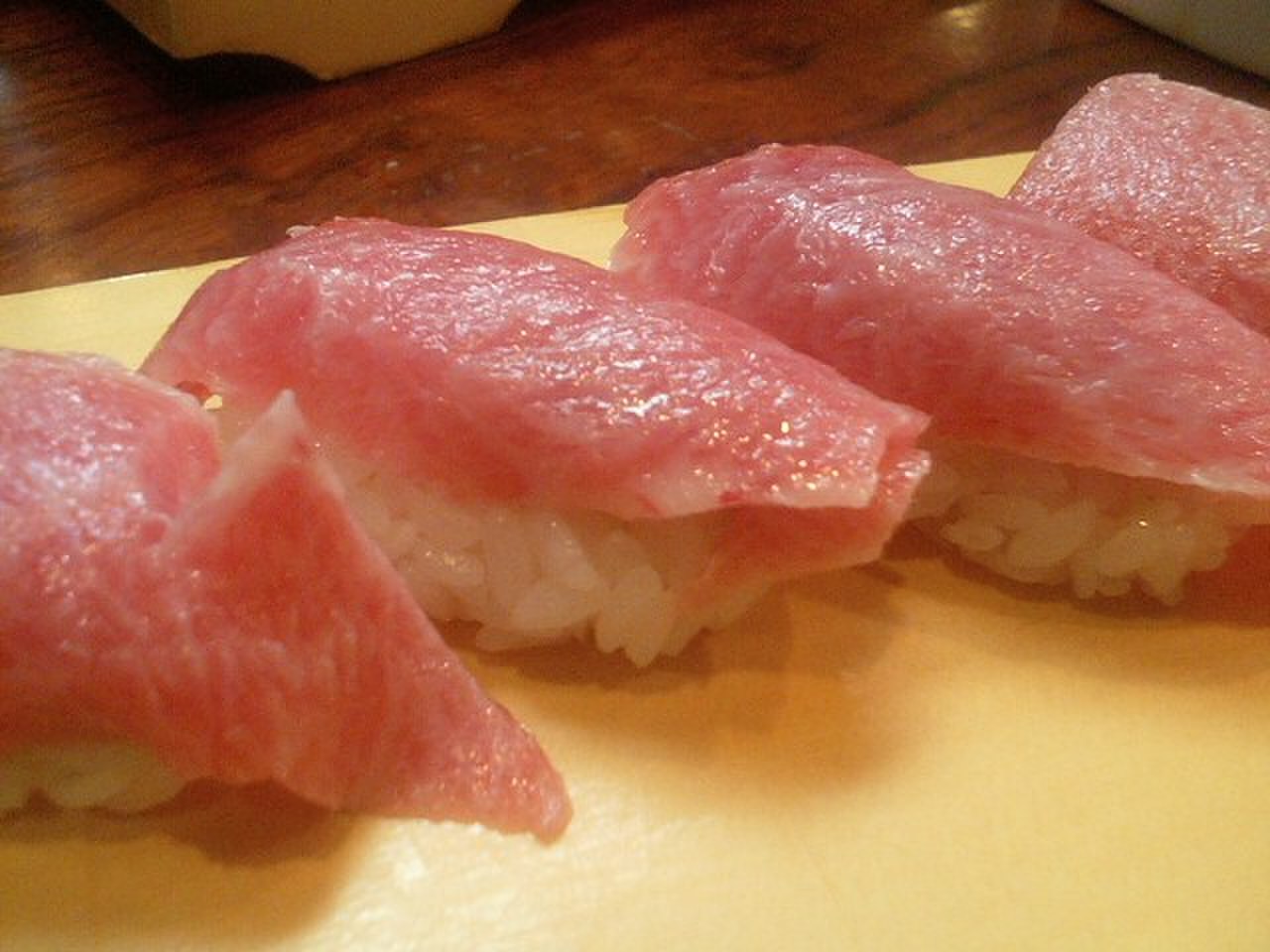
Conveyor-belt sushi (kaiten-zushi) was invented in Osaka in 1958 — grab fresh, affordable plates as they glide past, a fun and budget-friendly way to feast on sushi.
📖 Read the Guide →
The vast park surrounding Osaka Castle contains one of Kansai's finest cherry blossom sites (over 4,000 trees), a plum garden, and wide cycling paths along the old moats.
📖 Read the Guide →
A 33 m waterfall at the end of a forested gorge trail just 30 min from central Osaka — famous for brilliant maple foliage in November and momiji tempura (deep-fried maple leaves) sold by trailside stalls.
📖 Read the Guide →
Osaka Prefecture's highest peak at 1,125 m — a sacred mountain with a grand summit shrine, snow in winter, and excellent ridge hiking trails through old-growth forest on the Osaka-Nara border.
📖 Read the Guide →
A 4 km riverside park along the Okawa lined with around 4,800 cherry trees — Osaka's premier hanami spot, glorious under pink blossoms with river-cruise views in spring.
📖 Read the Guide →
Osaka Bay's wide waterfront promenade stretches from Sakurajima to Tempozan, offering dramatic sunset views over the Akashi Straits, open sea breezes, and a relaxed escape from the city.
📖 Read the Guide →
A long island between two rivers in central Osaka, home to the city's finest rose garden, Gothic revival city hall, and leafy promenades that feel surprisingly removed from the urban bustle.
📖 Read the Guide →
A vast green park in southern Osaka with a lovely botanical garden of seasonal flowers around a pond, plus sports stadiums and the Museum of Natural History.
📖 Read the Guide →
A green oasis between Shinsekai and Abeno with lawns, the elegant Keitakuen pond garden, a zoo and art museum — a relaxed family spot beneath the Abeno Harukas tower.
📖 Read the Guide →
A chic downtown park lined with elms and a celebrated rose garden of some 170 varieties — a fragrant, elegant green escape amid Osaka's business district.
📖 Read the Guide →
One of Asia's top theme parks featuring The Wizarding World of Harry Potter, Nintendo World, and seasonal Halloween and Christmas events. Book Express Passes and tickets well in advance.
📖 Read the Guide →
Learn to make takoyaki, okonomiyaki, and dashi stock in a local home kitchen, or join a guided evening food tour through Dotonbori and Kuromon — the best way to understand Osaka's food obsession.
📖 Read the Guide →
Dotonbori's neon-lit canal-side street is the epicentre of Osaka's eating culture and nightlife. Walk the 500-m Dotonbori-suji eating street sampling Osaka's defining street foods: takoyaki (octopus balls), kushikatsu (deep-fried skewers), okonomiyaki, and fresh negitoro sushi — the giant mechanical crab and Glico Running Man sign providing the iconic backdrop.
📖 Read the Guide →
One of the world's largest aquariums featuring a 9 m deep Pacific Ocean tank home to whale sharks and manta rays — a landmark building on Osaka Bay well worth a half-day visit.
📖 Read the Guide →
The Shinsaibashi-suji covered arcade (600 m) and Namba Parks form Japan's busiest shopping district — luxury brands, fast fashion, electronics, and Osaka's best department store food halls.
📖 Read the Guide →
Shinsekai's Tsutenkaku Tower district preserves a Showa-era atmosphere of pachinkos, fortune-tellers, senbero (cheap drinking) bars, and wall-to-wall kushikatsu (deep-fried skewer) restaurants. The golden rule — 'double-dipping in sauce is forbidden' — governs the shared sauce bowls where 60+ varieties of battered and fried skewers are dunked. An essential, boisterous Osaka experience.
📖 Read the Guide →
A striking canyon-like shopping mall by Namba station topped with a lush, terraced rooftop garden that spirals up eight levels — a green architectural landmark for shopping and strolling.
📖 Read the Guide →
A massive multi-floor onsen complex in Shinsekai with themed baths from around the world — Roman baths, Finnish saunas, Japanese outdoor baths — plus waterslides and a rooftop pool.
📖 Read the Guide →
Osaka's bayfront leisure hub beside the Kaiyukan aquarium, crowned by one of Japan's largest Ferris wheels (112 m) with dazzling harbour views, plus Legoland and a market.
📖 Read the Guide →
Osaka's 'Akihabara' — a lively district of electronics shops, anime and manga stores, retro game arcades, maid cafes and figure shops for every geek and gamer.
📖 Read the Guide →
The bright-red Ferris wheel bursting from the roof of the HEP Five mall in Umeda — ride 106 m above the city for a fun downtown view, with shopping and arcades below.
📖 Read the Guide →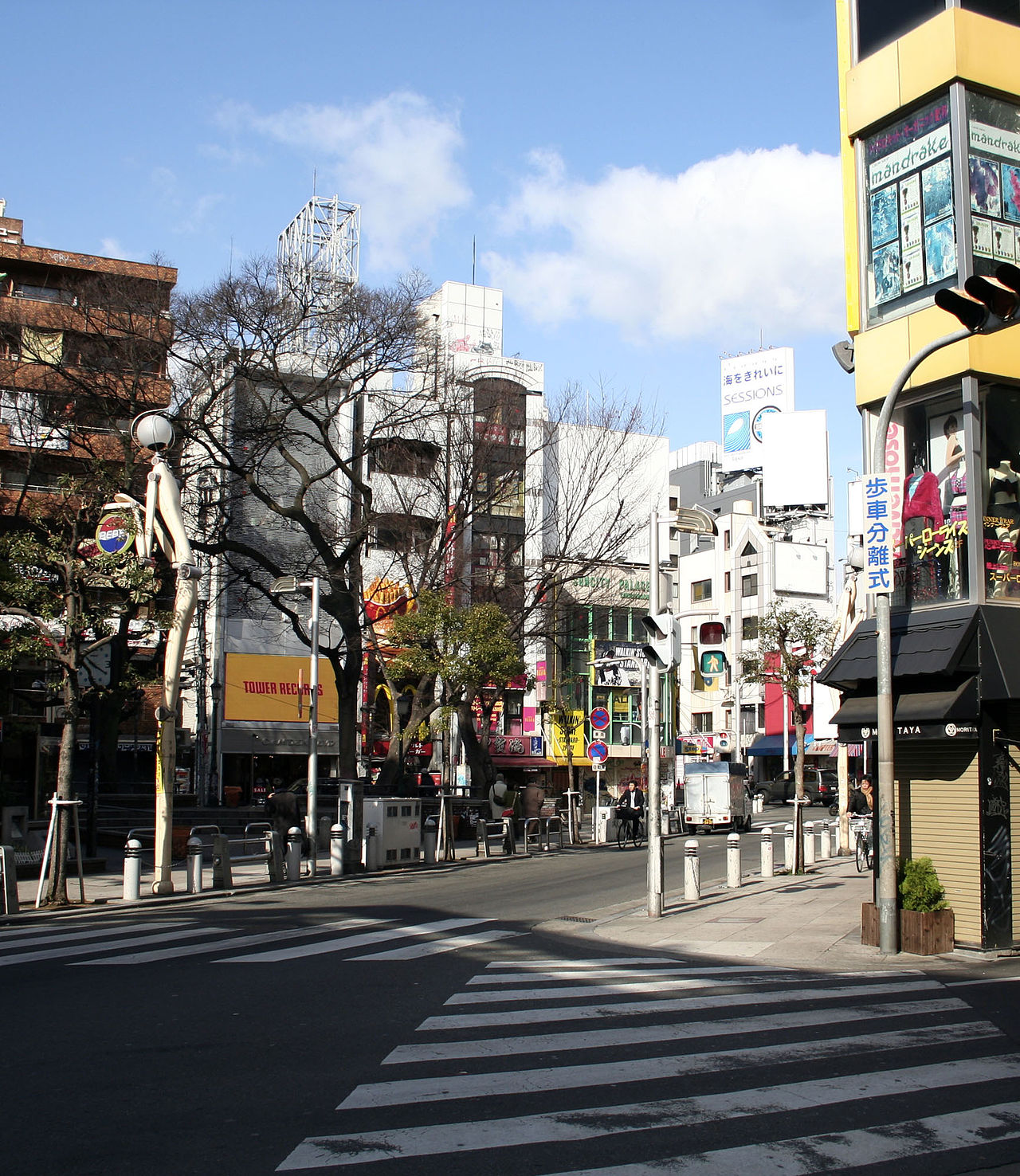
Osaka's edgy youth quarter of vintage boutiques, streetwear, cafes and street art around Triangle Park — the buzzing heart of the city's fashion and subculture scene.
📖 Read the Guide →
Osaka's Tenjin Matsuri (July 24–25) is one of Japan's three great festivals. The second day sees a river procession of 100 decorated boats, mikoshi carried by thousands of white-robed participants, ancient court music (gagaku) on the water, and a spectacular 4,000-shell fireworks display over the Okawa River — all observed by over 1.3 million spectators along the banks.
📖 Read the Guide →
One of Japan's three great festivals — on July 24–25, a procession of 3,000 people in Heian costume converges on the Okawa River for a spectacular boat parade and fireworks display.
📖 Read the Guide →
Osaka Castle Park, Kemasakuranomiya Park, and Namba Parks all stage spectacular sakura seasons in late March to early April — the city's moat-side blossom parties are legendary.
📖 Read the Guide →
Dotonbori transforms into one of Asia's wildest Halloween celebrations on the October 31 weekend — hundreds of thousands of costumed revellers fill the canal-side streets in an extraordinary spectacle.
📖 Read the Guide →
Japan's largest Ebisu Festival (god of commerce) at Imamiya Ebisu Shrine on January 9–11 — one million visitors buy bamboo lucky charms from kimono-clad shrine maidens to bring business prosperity.
📖 Read the Guide →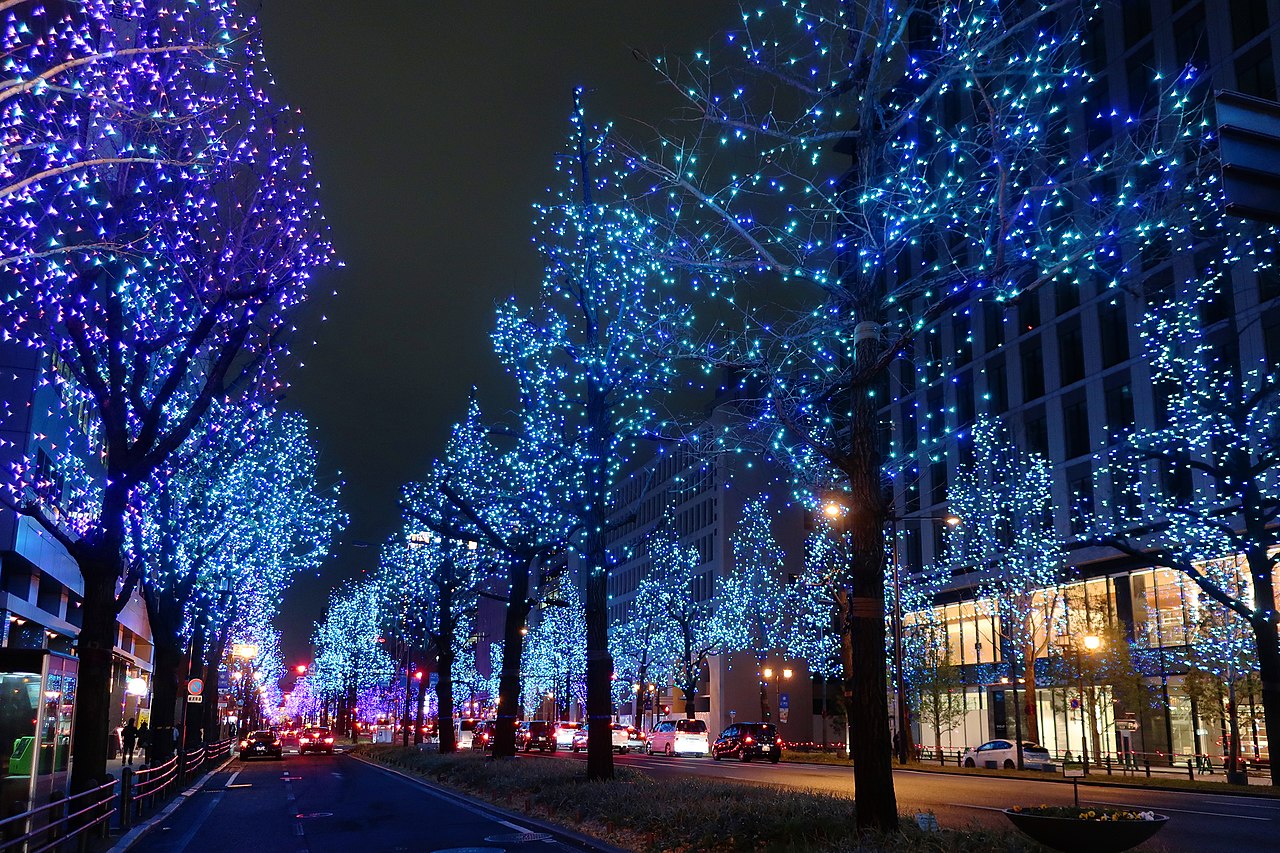
The castle grounds are transformed with hundreds of colourful light installations each winter — the stone walls and tower reflected in the illuminated moat make for magical night photography.
📖 Read the Guide →
The Sumiyoshi Festival (July 30–31) at Osaka's oldest shrine features ceremonial sumo, Noh dance on an outdoor stage, and a dramatic procession of portable shrines (mikoshi) carried across the arched Taiko Bridge. The shrine's four main halls — Japan's oldest surviving shrine architecture — are illuminated by hundreds of lanterns in an ancient ceremony predating the city.
📖 Read the Guide →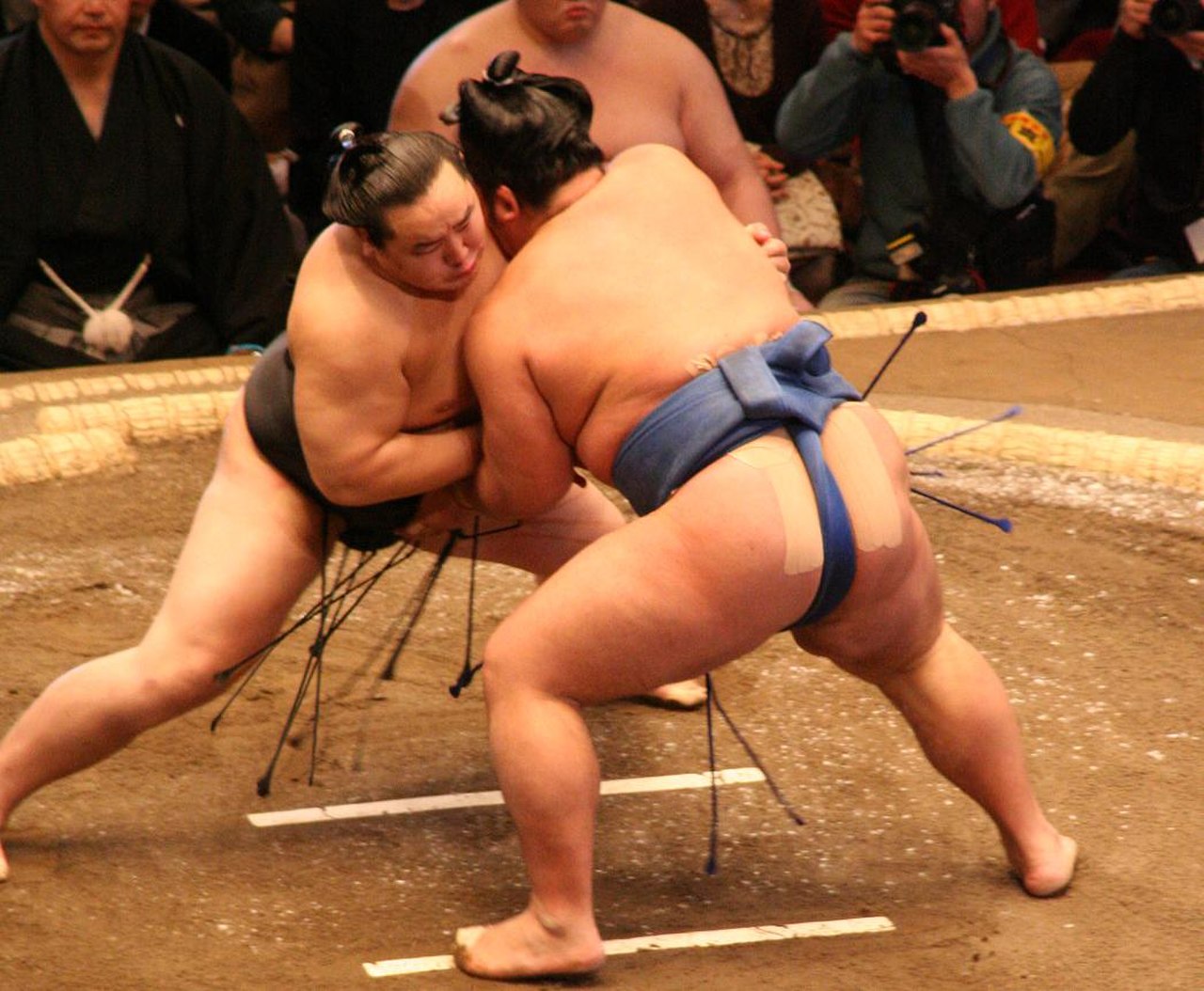
Each March, Osaka hosts the Haru Basho — one of six annual Grand Sumo tournaments — where top wrestlers clash over 15 electrifying days at the Edion Arena in Namba.
📖 Read the Guide →
Osaka's most thrilling festival, when teams race massive wooden danjiri floats at breakneck speed through Kishiwada's streets — an adrenaline-charged September spectacle.
📖 Read the Guide →
One of Osaka's biggest summer fireworks festivals, launching tens of thousands of shells over the Yodo River — a dazzling August night drawing huge yukata-clad crowds.
📖 Read the Guide →
Each November, Osaka's hills and gardens blaze red and gold — above all the Minoo valley, whose maple-lined trail to a waterfall is a classic (and fried-maple-leaf) autumn walk.
📖 Read the Guide →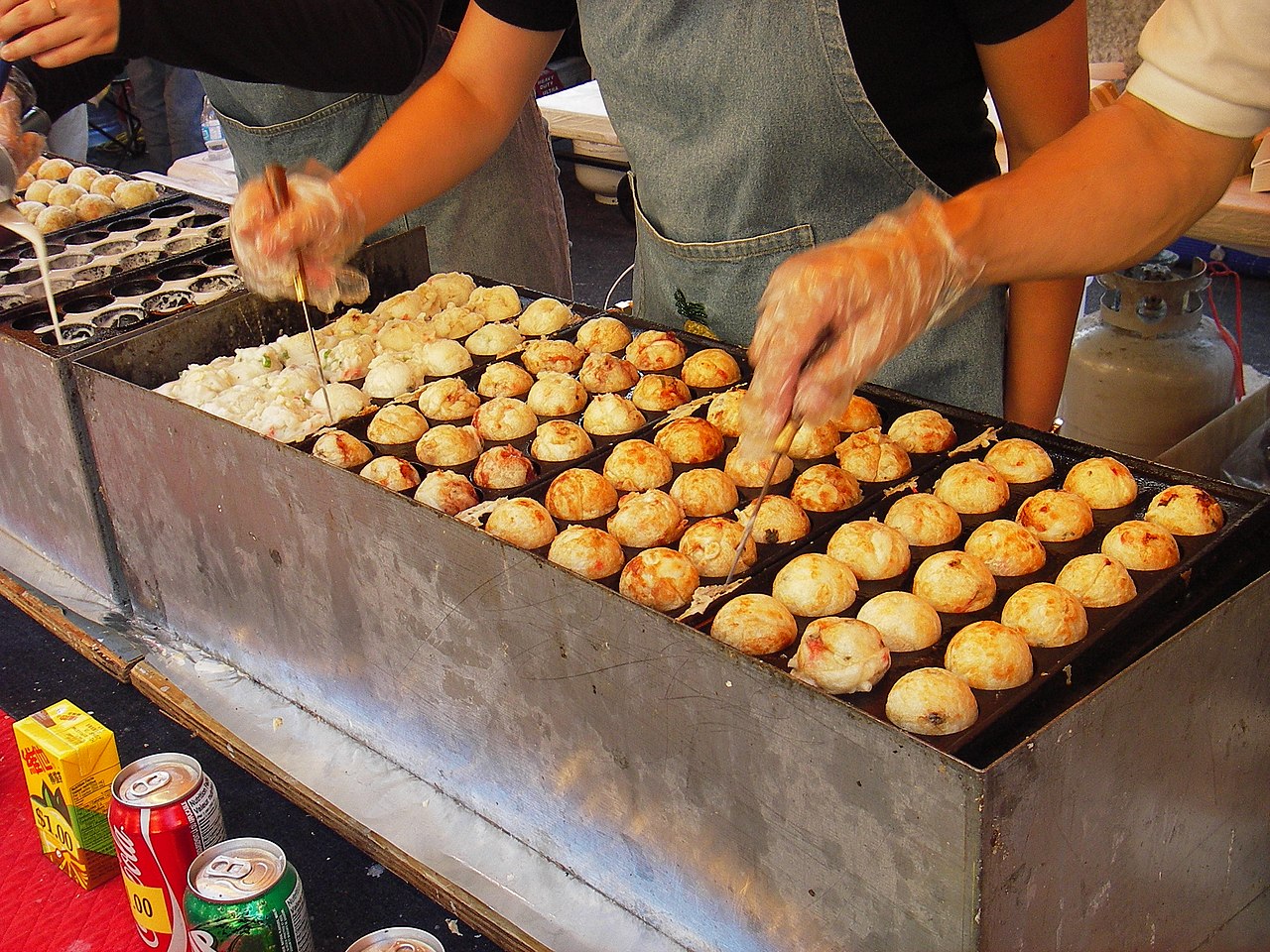
Takoyaki — molten-centred octopus balls flipped in hemispherical iron moulds with a single skewer flick — is Osaka's signature street food and its own performance art. Cooking classes in Namba and Dotonbori teach the pour, fill, flip, and sauce technique, with participants competing to produce the most perfectly round balls. The class ends with eating everything made, topped with bonito flakes that dance in the steam.
📖 Read the Guide →
English-speaking kendo dojos in Osaka offer taster sessions for beginners covering the basics of Japanese swordsmanship: correct posture, footwork, the five basic cuts, and partner practice in full armour (bogu). The physical and meditative combination of kendo — the explosive kiai shout, the crack of bamboo shinai on armour — is immediately engaging and unlike any other martial arts introduction.
📖 Read the Guide →
Learn to mix, grill and flip Osaka's signature savoury pancake on a hot teppan griddle, then devour your creation — a fun, hands-on taste of the city's food soul.
📖 Read the Guide →
Each March, Osaka hosts the Haru Basho — one of six annual Grand Sumo tournaments — where top wrestlers clash over 15 electrifying days at the Edion Arena in Namba.
📖 Read the Guide →
Osaka is the home of Bunraku, Japan's UNESCO-listed puppet theatre — witness masterful puppeteers, chanters and shamisen bring dramatic tales to life at the National Bunraku Theatre.
📖 Read the Guide →
Sample premium sake guided by an expert and pair it with lively izakaya small plates — a delicious dive into Osaka's legendary eat-and-drink-till-you-drop culture (kuidaore).
📖 Read the Guide →Everything you need to know before and during your visit.
Compare prices across hundreds of hotels — from budget capsules to luxury ryokan.
Search Hotels on Booking.com → or compare prices on Agoda →Book guided tours, day trips, cooking classes, and cultural experiences.
Browse Tours on Viator →Skip the queues — pre-book entry tickets, day tours, and local experiences.
Explore on GetYourGuide →Discover tickets, transport passes, and unique local experiences in Osaka with Klook.
Book on Klook →Pre-purchase your Japan Rail Pass online before you arrive — the easiest way to travel by Shinkansen across Japan.
Buy JR Pass on JRPass.com →