

Nagatoro River Gorge
Dramatic red-rock gorge carved by the Arakawa River, famous for traditional pole-punted boat rides through the rapids and brilliant autumn foliage.
📖 Read the Guide →Kanto · Prefecture Guide
Little Edo street towns, mountain gorges, world-class whisky, and bonsai gardens — all within an hour of Tokyo
Saitama sits right next to Tokyo, yet most international visitors zip straight through on the Shinkansen without realising what they're missing. This is a mistake. Kawagoe's clay-walled Edo-period streets feel like a time capsule from the 1800s, and they're only 30 minutes from Ikebukuro. The Chichibu mountains offer proper wilderness hiking, a valley celebrated for craft whisky, and in spring, the hillside at Hitsujiyama turns into a carpet of pink and white moss phlox that ranks among Japan's most photographed natural spectacles. Saitama is the insider's day trip from Tokyo — real history, genuine scenery, and a fraction of the crowds.
Saitama is the most accessible prefecture for Tokyo day trips. Kawagoe is 30 minutes from Ikebukuro on the Tobu Tojo Line, Omiya is 25 minutes from Tokyo Station, and Chichibu takes about 80 minutes from Ikebukuro on the Seibu Chichibu Line. Most destinations need no car at all.
Deep-dive guides to help you plan every aspect of your visit — from top sightseeing spots to the best restaurants and seasonal events.
Dramatic red-rock gorge carved by the Arakawa River, famous for traditional pole-punted boat rides through the rapids and brilliant autumn foliage.
📖 Read the Guide →
Historic merchant town with Edo-period clay-walled storehouses, a famous bell tower, and sweet-potato snack street — one of Japan's best-preserved castle towns.
📖 Read the Guide →
A vibrant 2,000-year-old shrine at the heart of the Chichibu region, surrounded by mountain scenery and traditional shotengai shopping streets.
📖 Read the Guide →
One of Japan's oldest and most important shrines, enshrined for over 2,400 years in the heart of Omiya, with a grand zelkova-tree approach.
📖 Read the Guide →
The world centre of bonsai culture — six major bonsai nurseries and the Omiya Bonsai Art Museum, home to trees centuries old.
📖 Read the Guide →
The Chichibu Distillery is Japan's most celebrated craft whisky producer. Pair a tasting with local Chichibu sake (jizake) for a full mountain-spirits experience.
📖 Read the Guide →
Kawagoe has been Japan's sweet-potato capital since the Edo era. Try imo-yokan (sweet potato jelly), imo-manju, and crispy chips along Kashiya Yokocho snack alley.
📖 Read the Guide →
Thick, chewy hand-cut noodles served in rich pork-and-vegetable broth — the quintessential soul food of Saitama, beloved at farmhouse-style restaurants across the Musashino plateau.
📖 Read the Guide →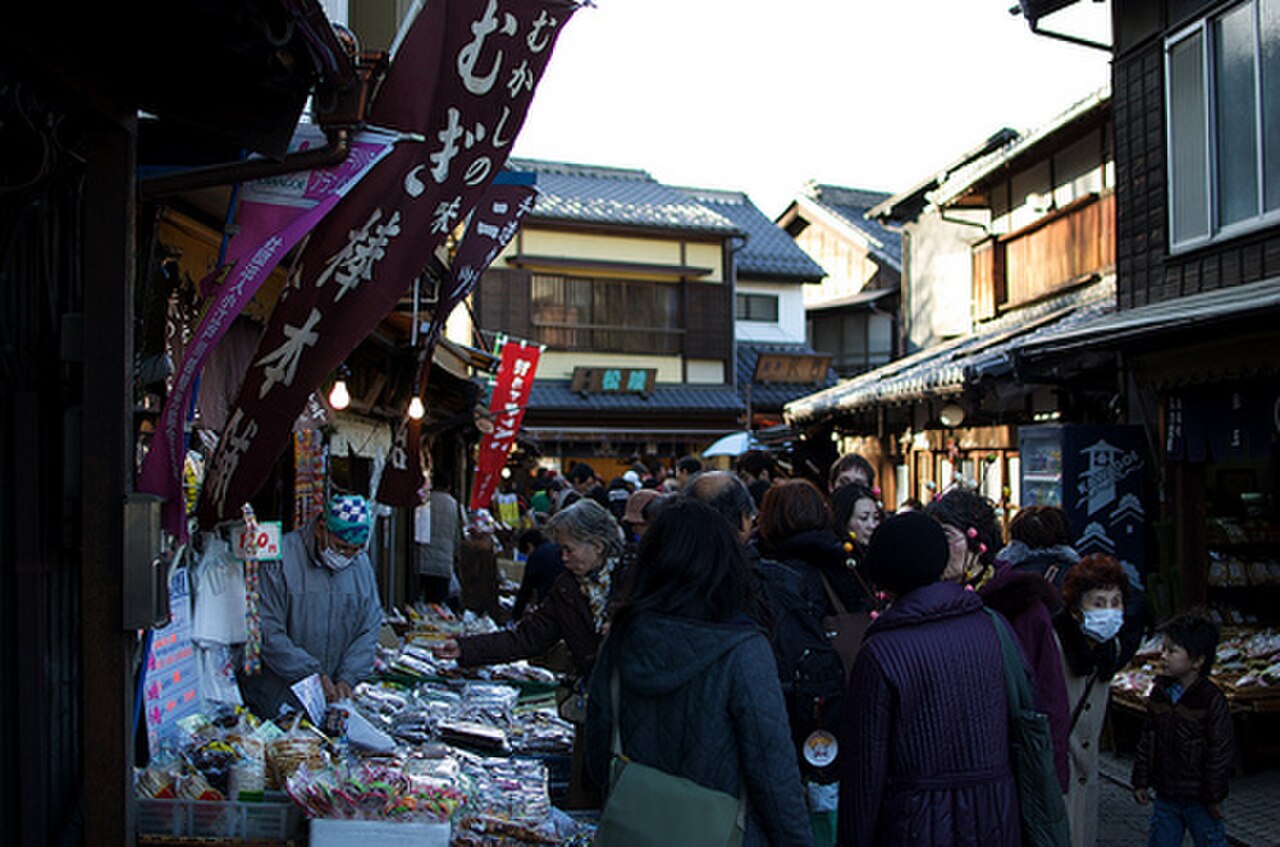
A narrow alley in Kawagoe's Edo-period old town lined with tiny candy shops selling traditional sweets — dagashi — using recipes unchanged since the Meiji era. Sample sweet potato candy, kokuto (black sugar), and ramune-flavoured treats while exploring the adjacent Kurazukuri warehouse district whose thick-walled merchant buildings date to the 17th century.
📖 Read the Guide →
The rivers running through Saitama have long supplied the finest freshwater eel for Japan's unaju tradition. Several century-old unagi restaurants remain in the older districts.
📖 Read the Guide →
Urawa's old-town shotengai is dotted with retro Showa-era kissaten (cafes) serving fluffy egg-wrapped omurice — a nostalgic comfort food popular with Japanese locals.
📖 Read the Guide →
Dramatic red-rock gorge carved by the Arakawa River, famous for traditional pole-punted boat rides through the rapids and brilliant autumn foliage.
📖 Read the Guide →
Every April–May this hillside near Chichibu erupts in a carpet of pink, white, and purple moss phlox (shibazakura) — one of Japan's most striking floral landscapes.
📖 Read the Guide →
A broad mountain basin ringed by peaks over 1,000 m, offering scenic ridge walks, panoramic views, and seasonal flowers — Saitama's premier nature escape.
📖 Read the Guide →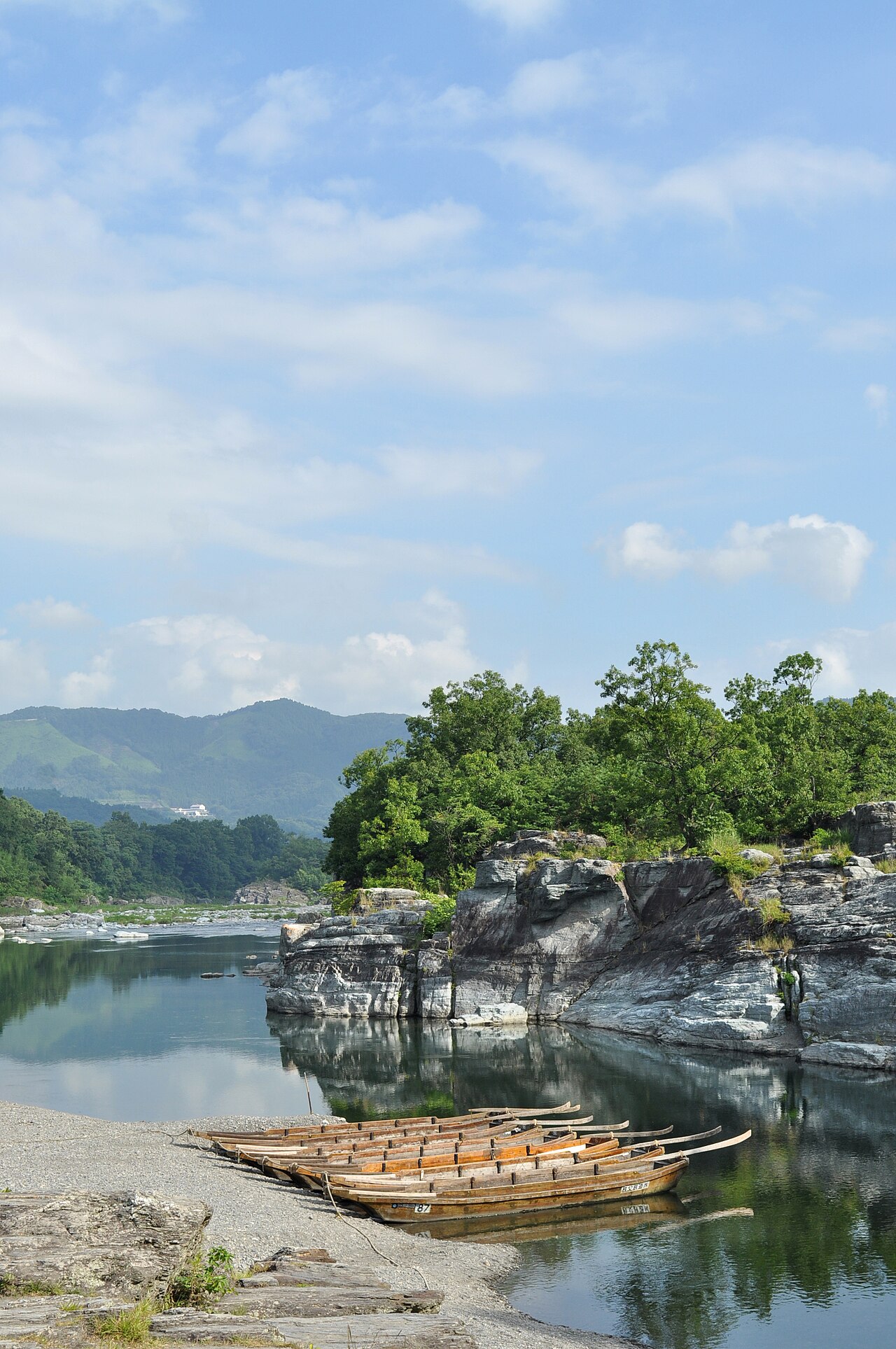
Striking erosion-sculpted red and purple rock cliffs rising from the river. Brilliant in autumn; in summer the river is crystal clear for wading and picnics.
📖 Read the Guide →
Over 35,000 plum trees burst into bloom from late January to March in this vast grove at the foot of the Kanto Mountains — ideal for a winter day trip from Tokyo.
📖 Read the Guide →
A vast woodland national park in the hills west of Saitama City — bicycles for hire, forest walks, and seasonal wildflowers spread over 304 hectares.
📖 Read the Guide →
A hidden gem in central Saitama — a serene river gorge with emerald water and mossy rock walls, perfect for a quiet half-day walk away from the crowds.
📖 Read the Guide →
Dramatic red-rock gorge carved by the Arakawa River, famous for traditional pole-punted boat rides through the rapids and brilliant autumn foliage.
📖 Read the Guide →
Japan's largest railway museum featuring 36 historic locomotives, interactive simulators, and a vast diorama layout — unmissable for train enthusiasts of any age.
📖 Read the Guide →
The Nagatoro valley offers white-water kayaking, rock climbing on the gorge walls, and cycling along the Arakawa River cycling path — Saitama's outdoor adventure hub.
📖 Read the Guide →
Kadokawa's landmark cultural complex featuring an enormous manga/anime library (EJ Anime Museum), art exhibitions, restaurants, and a landmark illuminated stone building.
📖 Read the Guide →
A vast woodland national park in the hills west of Saitama City — bicycles for hire, forest walks, and seasonal wildflowers spread over 304 hectares.
📖 Read the Guide →
A narrow alley in Kawagoe's Edo-period old town lined with tiny candy shops selling traditional sweets — dagashi — using recipes unchanged since the Meiji era. Sample sweet potato candy, kokuto (black sugar), and ramune-flavoured treats while exploring the adjacent Kurazukuri warehouse district whose thick-walled merchant buildings date to the 17th century.
📖 Read the Guide →
One of Japan's largest multi-purpose arenas hosting concerts and sports events, surrounded by Saitama New Urban Centre's futuristic architecture and walkable streets.
📖 Read the Guide →
Listed as UNESCO Intangible Cultural Heritage, the Chichibu Night Festival on December 2–3 features four enormous wooden floats (yatai) hauled by hundreds of men through lantern-lit streets to Chichibu Shrine. The floats — some weighing 20 tonnes — are lit from within, and a spectacular 6,000-shell fireworks display launches over the wintry mountains at midnight.
📖 Read the Guide →
One of Japan's three great float festivals — enormous lantern-lit floats hauled through the winter streets of Chichibu to the sound of taiko drums on December 2–3.
📖 Read the Guide →
Every April–May this hillside near Chichibu erupts in a carpet of pink, white, and purple moss phlox (shibazakura) — one of Japan's most striking floral landscapes.
📖 Read the Guide →
Every October, ornate Edo-period festival floats parade through the Little Edo streets while competing musical groups play hayashi music — a UNESCO Intangible Heritage festival.
📖 Read the Guide →
A month-long celebration of the famous moss phlox bloom at Hitsujiyama Park, with food stalls, folk performances, and easy train access from Chichibu.
📖 Read the Guide →
A month-long festival in the Ogose plum grove combining traditional performances, tea ceremony demonstrations, and photography contests against a backdrop of 35,000 blooming trees.
📖 Read the Guide →
One of Japan's most important shrines, Omiya Hikawa Shrine holds its Grand Festival (Reitaisai) every August 1–3. The centrepiece is an ancient mikoshi procession involving 100 portable shrines carried through the city — along with traditional music, dance performances, and ceremonial offerings at the 2,400-year-old shrine complex.
📖 Read the Guide →
An ancient fire festival at Hikawa Shrine in Saitama City marking the New Year season — one of the Kanto region's most traditional shrine celebrations.
📖 Read the Guide →
Over 35,000 plum trees burst into bloom from late January to March in this vast grove at the foot of the Kanto Mountains — ideal for a winter day trip from Tokyo.
📖 Read the Guide →
Kawagoe's preserved Edo-period kurazukuri warehouse district is the perfect backdrop for kimono. Rental shops near the main shopping street dress visitors in seasonal kimono with obi and accessories, style hair in traditional kanzashi, and send them out to walk the old town for a full day. The combination of Meiji-era architecture, carp-filled moats, and kimono-clad strollers is genuinely photogenic.
📖 Read the Guide →Everything you need to know before and during your visit.
Compare prices across hundreds of hotels — from budget capsules to luxury ryokan.
Search Hotels on Booking.com → or compare prices on Agoda →Book guided tours, day trips, cooking classes, and cultural experiences.
Browse Tours on Viator →Skip the queues — pre-book entry tickets, day tours, and local experiences.
Explore on GetYourGuide →Discover tickets, transport passes, and unique local experiences in Saitama with Klook.
Book on Klook →Pre-purchase your Japan Rail Pass online before you arrive — the easiest way to travel by Shinkansen across Japan.
Buy JR Pass on JRPass.com →