Chubu · Prefecture Guide

Shizuoka Travel Guide

Mt Fuji's southern gateway — Japan's tea capital, the world's finest wasabi, volcanic hot spring peninsula, cherry blossom shrimp from the deep bay, and grilled eel by the lakeside

🗻 Mt Fuji — Fujinomiya Trail & UNESCO Pine Beach🍵 Japan's #1 Green Tea Prefecture (40% of Output)🦐 Sakura Shrimp — Only Found in Suruga Bay🫚 Hamamatsu Unagi — Japan's Eel Capital♨️ Izu Peninsula — Volcanic Hot Spring Coastline

🗾 About Shizuoka

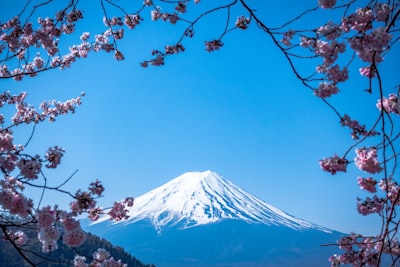
Shizuoka Prefecture stretches in a long arc along Japan's Pacific coast from the volcanic drama of the Izu Peninsula in the east to the broad estuaries and lake-fringed plains around Hamamatsu in the west, making it one of the most geographically varied prefectures in the country. At its northern edge, Mt Fuji rises from Shizuoka's own soil — and it is from this southern side, via the Fujinomiya Trail, that the mountain is climbed most steeply and viewed most classically, framed by the ancient pines of Miho no Matsubara above a sea that carries the mountain's perfect reflection. Inland, the Makinohara plateau and the river valleys are carpeted with tea farms that produce roughly 40 percent of all Japanese green tea. The deep waters of Suruga Bay — Japan's deepest, at over 2,500 metres — bring extraordinary marine riches to the table, including the cherry blossom shrimp found nowhere else on earth. Meanwhile, the Izu Peninsula's geothermal energy surfaces in dozens of hot spring towns from the railway resort of Atami to the bamboo-shadowed streets of Shuzenji, and Hamamatsu anchors the western end as Japan's eel capital.

🌏
Location
Central Honshu Pacific coast — bordered by Yamanashi, Nagano, Aichi, Kanagawa
🗣️
Language
Japanese; English signage limited outside major onsen resorts — Google Translate useful at tea farms
💴
Currency
Japanese Yen (JPY) — cash preferred at many tea farms, small onsen towns, and harbourside seafood shacks
🕐
Time Zone
JST (UTC+9) — no daylight saving
🌡️
Best Season
Late Apr–May (tea picking, shibazakura on Fuji, Hamamatsu Kite Festival May 3–5); Jul–Sep (Fuji climbing); Oct–Nov (Izu autumn, wasabi harvest); Dec–Feb (clearest Mt Fuji views)
✈️
Nearest Airports
Shizuoka Airport (FSZ) — limited routes. Practical access: Tokaido Shinkansen from Tokyo to Atami (1h), Shizuoka (1h20m), or Hamamatsu (1h45m)
🚇
Getting Around
Tokaido Shinkansen stops at Atami, Shizuoka, and Hamamatsu; Izu Kyuko Line runs down the east Izu coast; rental car essential for tea country, Fujinomiya, and west Izu
Power Plug
Type A, 100V / 50Hz

✈️ Getting There

Shizuoka sits directly on the Tokaido Shinkansen — Japan's busiest high-speed rail corridor — making it fast and straightforward to reach from Tokyo, Nagoya, or Osaka. Atami, the eastern gateway to the Izu Peninsula, is reached in just 1 hour from Tokyo by Shinkansen.

🚄 From Tokyo (Shinkansen)
  • Tokaido Shinkansen Kodama / Hikari (Tokyo → Shizuoka) — Atami: approx 1h. Shizuoka City: approx 1h20m. Hamamatsu: approx 1h45m. Frequent departures throughout the day.
  • Note: the Nozomi passes through without stopping at Atami and Shizuoka — use the Kodama or Hikari, both covered by JR Pass.
🚄 From Nagoya (Shinkansen)
  • Tokaido Shinkansen (Nagoya → Hamamatsu) — approx 30 min. Shizuoka: approx 45 min. Atami: approx 1h10m.
🚃 Izu Peninsula (from Atami)
  • Ito Line + Izu Kyuko Line (Atami → Shimoda) — approx 1h30m to the tip of the peninsula. The Izu Craile or Romance Car limited express from Shinjuku also reaches Izu with one direct train.
  • The east coast (Atami, Ito, Shimoda) is accessible by rail; the west coast (Nishi Izu, Dogashima) has no train service — rental car required.
🚗 Getting Around Shizuoka
  • Izu Peninsula — A rental car from Atami or Mishima is the most flexible option. The west coast's most dramatic cliffside coastline, roadside rotenburo, and sea cave attractions are only reachable by road.
  • Tea Country & Fujinomiya — Rental car strongly recommended. The Makinohara plateau and Fujinomiya (Fuji's southern 5th Station) have very limited bus service.
💡 Travel TipThe Izu Peninsula's west coast (Nishi Izu, Dogashima) has no train service at all — the most dramatic coastal scenery is only reachable by rental car. Rent in Atami or Mishima for maximum flexibility.

📖 Recommended Travel Guides

Deep-dive guides to help you plan every aspect of your visit — from top sightseeing spots to the best restaurants and seasonal events.

⛩️

Sightseeing

10 spots
Mt Fuji — Fujinomiya Trail
📍

Mt Fuji — Fujinomiya Trail

The Fujinomiya Trail is the steepest and most dramatic of all Fuji climbing routes, starting higher than any other trailhead and cutting a direct path to the summit crater rim. Shizuoka's side of Fuji feels raw and vertical — the final ridgeline looms overhead from the moment you arrive at the 5th Station. On a clear morning, the Pacific Ocean glitters far below while the crater opens up in front of you in a scene of extraordinary volcanic scale.

Mt Fuji hiking UNESCO volcanic crater
Miho no Matsubara
📍

Miho no Matsubara

Miho no Matsubara is a long crescent of white sand fringed by centuries-old black pine trees, stretching out with Mt Fuji rising perfectly from the sea on the far horizon. Registered as a UNESCO World Heritage component, this pine grove has been painted and photographed as the definitive image of Japan for over 400 years. At dawn or dusk the combination of glassy sea, ancient pines, and snow-capped Fuji creates a scene of almost unreal beauty.

UNESCO pine beach Mt Fuji view coastal photography
Kunozan Toshogu
📍

Kunozan Toshogu

Perched on a steep forested hilltop above Suruga Bay, Kunozan Toshogu is one of Japan's most ornate and historically charged Shinto shrines — built as the first resting place of Tokugawa Ieyasu, the warlord who unified Japan. Blazing lacquerwork in red, black, and gold decorates every surface of the main hall, tucked into deep cedar forest above the sea. A scenic ropeway connects the shrine to the Nihondaira plateau, offering sweeping views of Mt Fuji and the bay.

Tokugawa shrine ropeway Nihondaira historic
Daitokuji — Shimada Tea Garden
📍

Daitokuji — Shimada Tea Garden

Nestled in Shimada at the heart of Shizuoka's tea country, Daitokuji temple combines a serene stone-and-moss Japanese garden with an immersive matcha tea ceremony experience. Visitors kneel in a traditional tatami room while a tea master prepares powdered tea with slow, deliberate ritual, the garden visible through open shoji screens. This quiet corner of the prefecture offers one of the most authentic and unhurried introductions to Japanese tea culture.

tea ceremony Japanese garden zen Shimada culture
Kakegawa Castle
📍

Kakegawa Castle

Kakegawa Castle is one of a rare handful of Japanese castles rebuilt entirely using traditional wooden construction methods, rising white and graceful above the town with its classic multi-tiered donjon perfectly intact. The interior traces the castle's feudal history through armour, weapons, and local artifacts, while the upper floors give sweeping views across the surrounding plains toward the sea. The cherry-blossom-lined approach in spring makes this one of Shizuoka's most photographed castle settings.

castle reconstruction Edo period Kakegawa historic
Ryugenbuchi Gorge
📍

Ryugenbuchi Gorge

Ryugenbuchi is a deeply cut volcanic gorge near the Izu Peninsula, where dark columnar basalt cliffs drop straight into churning jade-green water below. The gorge was carved by ancient lava flows meeting the sea, creating a dramatic geological landscape of jagged walls, sea caves, and stacked rock formations. Walking the clifftop path here gives an exhilarating sense of Izu's violent volcanic origins, with ocean swells crashing far beneath your feet.

gorge volcanic Izu dramatic geology
Shiraito Falls
📍

Shiraito Falls

Shiraito Falls is one of Japan's most distinctive waterfalls — not a single powerful plunge but a wide, lace-like curtain of water seeping from porous volcanic rock and flowing from hundreds of thin threads simultaneously across a 200-metre cliff face. Fed entirely by snowmelt filtered through Mt Fuji's lava layers, the water arrives crystal clear and cold even in midsummer, wreathing the forest below in mist. As a UNESCO World Heritage component it forms part of the Fujisan Cultural Landscape.

waterfall UNESCO Mt Fuji snowmelt lace cascade
Suruga Bay
📍

Suruga Bay

Suruga Bay is Japan's deepest bay, plunging to over 2,500 metres — deeper than most of the open Pacific shelf — and its cold abyssal waters nurture an extraordinary range of deep-sea creatures found nowhere else in Japan. From the shoreline, particularly around the town of Yui, Mt Fuji fills the entire northwestern sky above the sea, making this one of the most painterly mountain-ocean panoramas on earth. The bay's upwellings bring rich nutrients to the surface, feeding the sakura shrimp and tuna fisheries that define the region's cuisine.

deep bay Mt Fuji marine life Suruga panorama
Okuno-in Cedar Forest Walk
📍

Okuno-in Cedar Forest Walk

Hidden in the forested interior of Izu, this atmospheric cedar approach winds between enormous ancient trees whose straight silver trunks disappear into a canopy that filters the light into green columns. Stone lanterns and mossy temple markers line the path, lending the walk a meditative quality that makes it feel genuinely removed from the tourist circuits along the coast. The cedar smell and cool stillness here are extraordinary in every season — oppressively ancient in midsummer, ghostly in winter mist.

cedar forest ancient trees atmospheric forest walk Izu
Hamamatsu — Music Instrument City
📍

Hamamatsu — Music Instrument City

Hamamatsu is the undisputed capital of musical instrument manufacturing, home to the global headquarters of both Yamaha and Roland and dozens of specialist makers across the city. The Hamamatsu Museum of Musical Instruments houses the largest collection of instruments in the world — over 3,000 pieces spanning every culture and century — and visitors can play many of them. Factory tours and brand showrooms reveal the craftsmanship behind some of the most recognisable instruments on the planet, from concert grand pianos to synthesisers.

Hamamatsu Yamaha Roland music museum instruments
🍜

Gourmet

7 spots
Daitokuji — Shimada Tea Garden
📍

Daitokuji — Shimada Tea Garden

Nestled in Shimada at the heart of Shizuoka's tea country, Daitokuji temple combines a serene stone-and-moss Japanese garden with an immersive matcha tea ceremony experience. Visitors kneel in a traditional tatami room while a tea master prepares powdered tea with slow, deliberate ritual, the garden visible through open shoji screens. This quiet corner of the prefecture offers one of the most authentic and unhurried introductions to Japanese tea culture.

tea ceremony Japanese garden zen Shimada culture
Shizuoka Green Tea
📍

Shizuoka Green Tea

Shizuoka produces around 40 percent of Japan's entire green tea harvest, and the rolling plateau of Makinohara — terraced with rows of clipped tea bushes stretching to every horizon — is the most iconic tea landscape in the country. The prefecture's humid Pacific climate, volcanic soils, and temperature variation produce complex, grassy, and deeply fragrant sencha that sets the benchmark for Japanese tea worldwide. Visitors can walk the tea rows, meet farmers, and taste freshly steamed leaves at estate shops throughout the region.

green tea sencha Makinohara tea farms Japanese tea
Hamamatsu Unagi — Freshwater Eel
📍

Hamamatsu Unagi — Freshwater Eel

Hamamatsu is Japan's undisputed unagi capital, where freshwater eels raised in the warm brackish shallows of Lake Hamana are split, steamed, and grilled over charcoal before being lacquered with a sweet soy-and-mirin tare sauce. The result — served on a bed of glossy rice in a lacquered box — is intensely smoky, silky, and richly flavoured in a way that mass-produced eel never approaches. Dozens of specialist restaurants line the city streets, many with queues forming before the doors open.

unagi eel Hamamatsu Hamana Lake charcoal grilled
Sakura Shrimp — Suruga Bay
📍

Sakura Shrimp — Suruga Bay

Sakura shrimp — delicate pink crustaceans named for their cherry blossom colour — are found in commercial quantities in only one place on earth: the deep waters of Suruga Bay. Harvested twice a year in spring and autumn, they are eaten fresh in crispy kakiage tempura fritters, dried and sprinkled over rice, or piled raw on top of bowls of vinegared sushi rice at harbourside restaurants in Yui. The flavour is sweet and briny with a faint oceanic perfume unlike any other shrimp.

sakura shrimp Suruga Bay seafood kakiage seasonal
Izu Wasabi Farms
📍

Izu Wasabi Farms

The clear, ice-cold mountain streams of the Izu Peninsula create perfect conditions for growing real wasabi — the genuine rhizome that most of the world has never tasted, replaced everywhere by horseradish paste. Izu farms grow wasabi in stepped stream beds shaded by bamboo, and the freshly grated root has a subtle, floral heat that builds slowly and clears the sinuses without burning. Paired with hand-cut soba noodles at a riverside restaurant, this is one of the most rewarding gourmet experiences in all of Japan.

wasabi Izu soba farm visit Japanese condiment
Shizuoka Oden
📍

Shizuoka Oden

Shizuoka oden is strikingly different from the pale versions served elsewhere in Japan — the broth here is a deep, almost black soy-based liquid that has been simmering for years at some establishments, loading every skewered ingredient with umami depth. Topped with dried fish powder (aoniko) and a smear of hot mustard, it is eaten standing at shops in the city's covered arcades, warming your hands on a winter afternoon. Fish cakes, beef tendons, eggs, and konnyaku all absorb the dark broth beautifully.

oden street food dark broth fish powder local cuisine
Shizuoka Tea Picking Season
📍

Shizuoka Tea Picking Season

In late April the Makinohara plateau and the hillside farms of the Abe River valley fill with pickers harvesting the first flush — the ichiban-cha — the most delicate and prized tea of the year. Many estates invite visitors to join the harvest, learning to select only the two leaves and a bud at the shoot tip that produce the finest sencha, and then to steam and roll their own small batch of tea to take home. The landscape during picking season — rows of vivid green tea bushes in the slanted spring light — is one of rural Japan's great visual spectacles.

tea picking late April Makinohara farm experience seasonal
🏔️

Nature

12 spots
Mt Fuji — Fujinomiya Trail
📍

Mt Fuji — Fujinomiya Trail

The Fujinomiya Trail is the steepest and most dramatic of all Fuji climbing routes, starting higher than any other trailhead and cutting a direct path to the summit crater rim. Shizuoka's side of Fuji feels raw and vertical — the final ridgeline looms overhead from the moment you arrive at the 5th Station. On a clear morning, the Pacific Ocean glitters far below while the crater opens up in front of you in a scene of extraordinary volcanic scale.

Mt Fuji hiking UNESCO volcanic crater
Miho no Matsubara
📍

Miho no Matsubara

Miho no Matsubara is a long crescent of white sand fringed by centuries-old black pine trees, stretching out with Mt Fuji rising perfectly from the sea on the far horizon. Registered as a UNESCO World Heritage component, this pine grove has been painted and photographed as the definitive image of Japan for over 400 years. At dawn or dusk the combination of glassy sea, ancient pines, and snow-capped Fuji creates a scene of almost unreal beauty.

UNESCO pine beach Mt Fuji view coastal photography
Ryugenbuchi Gorge
📍

Ryugenbuchi Gorge

Ryugenbuchi is a deeply cut volcanic gorge near the Izu Peninsula, where dark columnar basalt cliffs drop straight into churning jade-green water below. The gorge was carved by ancient lava flows meeting the sea, creating a dramatic geological landscape of jagged walls, sea caves, and stacked rock formations. Walking the clifftop path here gives an exhilarating sense of Izu's violent volcanic origins, with ocean swells crashing far beneath your feet.

gorge volcanic Izu dramatic geology
Izu Wasabi Farms
📍

Izu Wasabi Farms

The clear, ice-cold mountain streams of the Izu Peninsula create perfect conditions for growing real wasabi — the genuine rhizome that most of the world has never tasted, replaced everywhere by horseradish paste. Izu farms grow wasabi in stepped stream beds shaded by bamboo, and the freshly grated root has a subtle, floral heat that builds slowly and clears the sinuses without burning. Paired with hand-cut soba noodles at a riverside restaurant, this is one of the most rewarding gourmet experiences in all of Japan.

wasabi Izu soba farm visit Japanese condiment
Izu Peninsula
📍

Izu Peninsula

The Izu Peninsula juts into the Pacific like a clenched fist of volcanic rock, its coastline slashed by cliffs, sea caves, and hidden coves that plunge straight into some of the deepest blue water in Japan. Dozens of hot spring towns are scattered across its mountains and shores, fed by geothermal waters that burst from the earth in the most dramatic ocean-facing settings imaginable. From the wild black sand beaches of the west coast to the coral reefs of the south, Izu rewards travellers who venture beyond the famous onsen towns.

hot springs volcanic coastline Izu rugged cliffs
Shiraito Falls
📍

Shiraito Falls

Shiraito Falls is one of Japan's most distinctive waterfalls — not a single powerful plunge but a wide, lace-like curtain of water seeping from porous volcanic rock and flowing from hundreds of thin threads simultaneously across a 200-metre cliff face. Fed entirely by snowmelt filtered through Mt Fuji's lava layers, the water arrives crystal clear and cold even in midsummer, wreathing the forest below in mist. As a UNESCO World Heritage component it forms part of the Fujisan Cultural Landscape.

waterfall UNESCO Mt Fuji snowmelt lace cascade
Suruga Bay
📍

Suruga Bay

Suruga Bay is Japan's deepest bay, plunging to over 2,500 metres — deeper than most of the open Pacific shelf — and its cold abyssal waters nurture an extraordinary range of deep-sea creatures found nowhere else in Japan. From the shoreline, particularly around the town of Yui, Mt Fuji fills the entire northwestern sky above the sea, making this one of the most painterly mountain-ocean panoramas on earth. The bay's upwellings bring rich nutrients to the surface, feeding the sakura shrimp and tuna fisheries that define the region's cuisine.

deep bay Mt Fuji marine life Suruga panorama
Nishi Izu Wild Coast & Roadside Onsen
📍

Nishi Izu Wild Coast & Roadside Onsen

The western Izu coast is Shizuoka's most untamed shore — a narrow road clings to cliffs above crashing surf, passing through tiny fishing villages where outdoor hot spring baths have been carved directly from the rock face at the ocean's edge. At certain rotenburo you can soak while waves break metres away, the horizon vast and orange at sunset behind a silhouette of volcanic islands. This stretch has no train service and rewards those who arrive by car or motorbike with a sense of genuine remoteness.

west Izu roadside onsen coastline wild rotenburo
Okuno-in Cedar Forest Walk
📍

Okuno-in Cedar Forest Walk

Hidden in the forested interior of Izu, this atmospheric cedar approach winds between enormous ancient trees whose straight silver trunks disappear into a canopy that filters the light into green columns. Stone lanterns and mossy temple markers line the path, lending the walk a meditative quality that makes it feel genuinely removed from the tourist circuits along the coast. The cedar smell and cool stillness here are extraordinary in every season — oppressively ancient in midsummer, ghostly in winter mist.

cedar forest ancient trees atmospheric forest walk Izu
Dogashima Sea Caves
📍

Dogashima Sea Caves

Dogashima on the wild west coast of Izu is famed for its cluster of volcanic sea caves — some of which can be entered by glass-bottom boat tours that glide through sea-carved tunnels while fish dart below the transparent hull. The largest cave has a collapsed roof open to the sky, creating a natural skylight cathedral of rock and sea that fills with turquoise light on sunny days. The surrounding cliffs, eroded into pillars and arches of white tuff, make this one of the most visually dramatic stretches of coastline in Japan.

sea caves glass-bottom boat Dogashima west Izu volcanic coast
Izu Cycling — Nishi Izu Skyline
📍

Izu Cycling — Nishi Izu Skyline

The Nishi Izu Skyline is a winding mountain road that traces the spine of the western Izu Peninsula above the clouds, with views that open alternately to Mt Fuji on one side and the Pacific island chain on the other. By bicycle the descent to the west coast is exhilarating — a series of switchbacks through cedar forest that eventually deliver you to the seafront with the smell of the ocean rushing up to meet you. E-bike rental has made the challenging climbs accessible to all fitness levels, and the quiet roads see little traffic outside summer weekends.

cycling Nishi Izu mountain road scenic drive Izu Peninsula
Mt Fuji Fujinomiya Trail Opening
📍

Mt Fuji Fujinomiya Trail Opening

Each year on July 10 the Fujinomiya Trail officially opens for the climbing season, marked by ceremonies at the 5th Station and the removal of the wooden barriers that close the upper mountain through spring. The opening weekend draws serious mountaineers and first-timers alike, many beginning their summit attempt at midnight to reach the crater rim at dawn for the legendary goraiko sunrise. The Shizuoka side celebrates the mountain as its own in a way the more famous Yoshida Trail on the Yamanashi side does not — quieter, steeper, and more intimate.

Mt Fuji trail opening July climbing season Fujinomiya
🎿

Leisure

8 spots
Izu Peninsula
📍

Izu Peninsula

The Izu Peninsula juts into the Pacific like a clenched fist of volcanic rock, its coastline slashed by cliffs, sea caves, and hidden coves that plunge straight into some of the deepest blue water in Japan. Dozens of hot spring towns are scattered across its mountains and shores, fed by geothermal waters that burst from the earth in the most dramatic ocean-facing settings imaginable. From the wild black sand beaches of the west coast to the coral reefs of the south, Izu rewards travellers who venture beyond the famous onsen towns.

hot springs volcanic coastline Izu rugged cliffs
Nishi Izu Wild Coast & Roadside Onsen
📍

Nishi Izu Wild Coast & Roadside Onsen

The western Izu coast is Shizuoka's most untamed shore — a narrow road clings to cliffs above crashing surf, passing through tiny fishing villages where outdoor hot spring baths have been carved directly from the rock face at the ocean's edge. At certain rotenburo you can soak while waves break metres away, the horizon vast and orange at sunset behind a silhouette of volcanic islands. This stretch has no train service and rewards those who arrive by car or motorbike with a sense of genuine remoteness.

west Izu roadside onsen coastline wild rotenburo
Atami Onsen
📍

Atami Onsen

Atami is the classic Japanese hot spring resort city — the place Tokyoites have been coming to soak their troubles away since the Meiji era, and its hillside ryokan, retro arcades, and harbour cafes carry a wonderful faded grandeur. The town sits at the narrow neck of the Izu Peninsula where the mountains drop straight to the sea, and its thermal waters bubble up in dozens of public baths and hotel spas with ocean views. The MOA Museum of Art, perched high above the bay in the forest, houses one of Japan's finest private collections of Japanese and Asian art.

onsen resort ryokan art museum Izu gateway
Shuzenji Onsen
📍

Shuzenji Onsen

Shuzenji is one of Izu's oldest and most beautiful hot spring towns, a compact cluster of traditional inns and tea houses set along a willow-lined river at the base of bamboo-forested hills. The town's founding is attributed to the Buddhist monk Kobo Daishi in the 9th century, and the ancient Shuzenji Temple at its centre still draws pilgrims and travellers alike. An evening stroll through the stone-lantern-lit streets in a cotton yukata, stopping to dip your feet in the riverside foot bath, is a quintessentially Japanese experience.

onsen bamboo grove ryokan Izu Peninsula historic
Dogashima Sea Caves
📍

Dogashima Sea Caves

Dogashima on the wild west coast of Izu is famed for its cluster of volcanic sea caves — some of which can be entered by glass-bottom boat tours that glide through sea-carved tunnels while fish dart below the transparent hull. The largest cave has a collapsed roof open to the sky, creating a natural skylight cathedral of rock and sea that fills with turquoise light on sunny days. The surrounding cliffs, eroded into pillars and arches of white tuff, make this one of the most visually dramatic stretches of coastline in Japan.

sea caves glass-bottom boat Dogashima west Izu volcanic coast
Hamamatsu — Music Instrument City
📍

Hamamatsu — Music Instrument City

Hamamatsu is the undisputed capital of musical instrument manufacturing, home to the global headquarters of both Yamaha and Roland and dozens of specialist makers across the city. The Hamamatsu Museum of Musical Instruments houses the largest collection of instruments in the world — over 3,000 pieces spanning every culture and century — and visitors can play many of them. Factory tours and brand showrooms reveal the craftsmanship behind some of the most recognisable instruments on the planet, from concert grand pianos to synthesisers.

Hamamatsu Yamaha Roland music museum instruments
Izu Cycling — Nishi Izu Skyline
📍

Izu Cycling — Nishi Izu Skyline

The Nishi Izu Skyline is a winding mountain road that traces the spine of the western Izu Peninsula above the clouds, with views that open alternately to Mt Fuji on one side and the Pacific island chain on the other. By bicycle the descent to the west coast is exhilarating — a series of switchbacks through cedar forest that eventually deliver you to the seafront with the smell of the ocean rushing up to meet you. E-bike rental has made the challenging climbs accessible to all fitness levels, and the quiet roads see little traffic outside summer weekends.

cycling Nishi Izu mountain road scenic drive Izu Peninsula
Atami Sea Fireworks
📍

Atami Sea Fireworks

Atami's fireworks displays are held multiple times throughout the year, fired from a barge in the enclosed horseshoe harbour so that the bursts of colour reflect perfectly in the still water below, creating a mirrored double image that photographers travel from across Japan to capture. The enclosed bay amplifies every explosion into a rolling boom that echoes off the hillside hotels, and the combination of hot spring town atmosphere, hillside lanterns, and seafront crowds makes these events feel like quintessential Showa-era Japan. Summer and New Year displays are the largest, but even the smaller off-season shows are spectacular.

fireworks Atami harbour night festival reflection
🎆

Events

4 spots
Shizuoka Tea Picking Season
📍

Shizuoka Tea Picking Season

In late April the Makinohara plateau and the hillside farms of the Abe River valley fill with pickers harvesting the first flush — the ichiban-cha — the most delicate and prized tea of the year. Many estates invite visitors to join the harvest, learning to select only the two leaves and a bud at the shoot tip that produce the finest sencha, and then to steam and roll their own small batch of tea to take home. The landscape during picking season — rows of vivid green tea bushes in the slanted spring light — is one of rural Japan's great visual spectacles.

tea picking late April Makinohara farm experience seasonal
Hamamatsu Kite Festival
📍

Hamamatsu Kite Festival

Every year from May 3 to 5, the vast sandbars of the Nakatajima sand dunes at the mouth of the Tenryu River become the battleground for what is considered the world's largest kite fighting festival, drawing over a million spectators over the three-day Golden Week event. Teams from different neighbourhoods fly enormous hand-painted kites on lines of woven hemp, attempting to cut their rivals' strings in a tradition dating back over 430 years. The noise, colour, and crowd energy across the dunes — with dozens of massive kites clashing overhead — is overwhelming in the best possible way.

kite festival May Hamamatsu battle kites traditional
Mt Fuji Fujinomiya Trail Opening
📍

Mt Fuji Fujinomiya Trail Opening

Each year on July 10 the Fujinomiya Trail officially opens for the climbing season, marked by ceremonies at the 5th Station and the removal of the wooden barriers that close the upper mountain through spring. The opening weekend draws serious mountaineers and first-timers alike, many beginning their summit attempt at midnight to reach the crater rim at dawn for the legendary goraiko sunrise. The Shizuoka side celebrates the mountain as its own in a way the more famous Yoshida Trail on the Yamanashi side does not — quieter, steeper, and more intimate.

Mt Fuji trail opening July climbing season Fujinomiya
Atami Sea Fireworks
📍

Atami Sea Fireworks

Atami's fireworks displays are held multiple times throughout the year, fired from a barge in the enclosed horseshoe harbour so that the bursts of colour reflect perfectly in the still water below, creating a mirrored double image that photographers travel from across Japan to capture. The enclosed bay amplifies every explosion into a rolling boom that echoes off the hillside hotels, and the combination of hot spring town atmosphere, hillside lanterns, and seafront crowds makes these events feel like quintessential Showa-era Japan. Summer and New Year displays are the largest, but even the smaller off-season shows are spectacular.

fireworks Atami harbour night festival reflection

💡 Practical Travel Tips

Everything you need to know before and during your visit.

🌸
Best Time to Visit Shizuoka
  • Late April–early May — First tea flush turns Makinohara electric green just as shibazakura carpets bloom on Fuji's slopes. Hamamatsu Kite Festival (May 3–5) draws enormous crowds. Book Izu onsen accommodation months ahead for Golden Week.
  • July–September — Fuji climbing season on the Fujinomiya Trail (opens around July 10). Peak Izu beach season with snorkelling in the peninsula's small coves.
  • October–November — Clear skies over the Izu Peninsula; wasabi and autumn leaf season in the mountains.
  • December–February — Clearest views of Mt Fuji from Miho no Matsubara — cold, dry Pacific air makes the mountain appear to float above the sea. Atami plum festival from mid-January.
🍵
Tea Country Tips
  • The Makinohara plateau between Shizuoka City and Kanaya Station is the easiest base — several estates near Kanaya offer walk-in tastings, some with English-speaking staff.
  • The first flush (ichiban-cha) harvest runs roughly late April to mid-May — the ideal time for tea-picking experiences. Book ahead and bring cash as many small estates don't accept cards.
  • The old Tokaido post town of Mariko is famous for a single shop serving tororo-jiru (grated mountain yam) with tea since the Edo period — the combination is oddly perfect.
♨️
Izu Peninsula Tips
  • Izu works best as a multi-day trip — trying to cover it in a single day from Tokyo means mostly transit time. East coast (Atami, Ito, Shimoda) by train; west coast (Nishi Izu, Dogashima) by rental car only.
  • Book onsen ryokan well in advance — Shuzenji, Atami, and Ito fill quickly on weekends and Golden Week. For the most dramatic rotenburo, aim for Toi or the cliffside baths around Nishi Izu.
  • The Jogasaki Coast near Ito has a superb 9km coastal walk above volcanic cliffs — allow 2–3 hours and wear grippy shoes.
🗻
Mt Fuji Fujinomiya Trail Tips
  • The Fujinomiya Trail is steeper and shorter than the Yoshida Trail — budget 5–7 hours up and 3–4 hours down. The 5th Station sits at 2,400m; the trail opens around July 10.
  • Altitude sickness is the main risk — ascend slowly, hydrate consistently, and consider spending a night in a mountain hut partway up. The summit push from a 7th-Station overnight is far more manageable than a single-day attempt.
  • This trail is significantly less crowded than the Yoshida Trail, especially on weekdays — one of the best reasons to choose it.
🦐
Suruga Bay Seafood Tips
  • For sakura shrimp at their freshest, head to the fishing port of Yui (20 min east of Shizuoka City by local train). Spring season March–June; autumn season October–December. Outside these windows, only dried or frozen shrimp are available.
  • For Hamamatsu unagi, arrive early on a weekday — top restaurants around the Maisaka area often sell out their best cuts by early afternoon. Order the unaju (lacquered box) over the simpler donburi for the full experience.

🏨 Find Hotels in Shizuoka

Compare prices across hundreds of hotels — from budget capsules to luxury ryokan.

Search Hotels on Booking.com →

🎌 Tours & Experiences

Book guided tours, day trips, cooking classes, and cultural experiences.

Browse Tours on Viator →

🗺️ Activities & Attractions

Skip the queues — pre-book entry tickets, day tours, and local experiences.

Explore on GetYourGuide →

🎟️ Things to Do in Shizuoka

Discover tickets, transport passes, and unique local experiences in Shizuoka with Klook.

Book on Klook →

🚄 JR Pass & Rail Tickets

Pre-purchase your JR Pass or individual shinkansen tickets before you arrive.

Buy JR Pass →