Kanto · Prefecture Guide

Tochigi Travel Guide

Japan's most ornate shrine, alpine waterfalls, craft pottery, and the nation's gyoza capital — all within two hours of Tokyo

⛩️ Nikko Toshogu — UNESCO World Heritage💧 Kegon Falls — 97 m Waterfall🥟 Utsunomiya — Japan's Gyoza Capital🏺 Mashiko — Japan's Pottery Village🌿 Okunikko — Alpine Marshland Plateau

🗾 About Tochigi

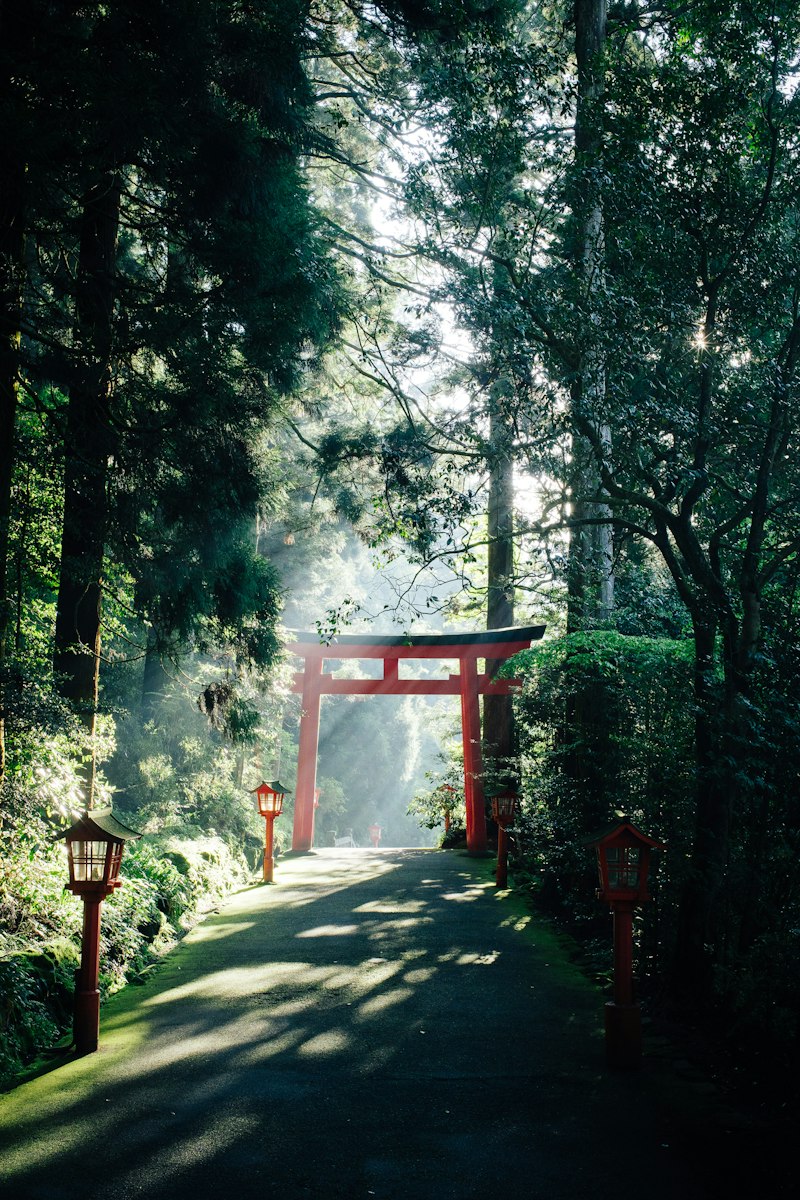
Tochigi punches well above its weight for international visitors. Its northern reaches contain Nikko — one of the most extraordinary sacred landscapes in Asia, where UNESCO-listed shrines and temples are draped in lacquer, gold leaf, and centuries of cedar forest. Beyond Nikko, the prefecture offers Lake Chuzenji with its plunging Kegon Falls, the highland wetlands of Okunikko Senjogahara, and the internationally renowned pottery town of Mashiko. And sitting squarely in the middle of it all: Utsunomiya, Japan's undisputed gyoza capital, where crispy pan-fried dumplings are treated as a civic religion.

🌏
Location
Honshu island, north of Saitama / northeast of Tokyo
🗣️
Language
Japanese (English available at Nikko UNESCO sites)
💴
Currency
Japanese Yen (JPY) — IC cards accepted at major destinations
🕐
Time Zone
JST (UTC+9) — no daylight saving
🌡️
Best Season
Spring (Apr–May) & Autumn (Oct–Nov)
✈️
Nearest Airports
Haneda (HND) 90 min · Narita (NRT) 100 min
🚇
Getting Around
JR Utsunomiya Line, Tobu Nikko Line — Nikko requires bus or taxi
Power Plug
Type A, 100V / 50Hz

✈️ Getting There

Nikko is Tochigi's main destination for overseas visitors and is well connected by both JR and Tobu Railways. Utsunomiya is on the Tohoku Shinkansen line and makes an easy stop. Most visitors combine Nikko with a Tochigi trip as a 1–2 night stay, as the UNESCO site requires a full day to explore properly.

🚄 From Tokyo to Nikko
  • Tobu Spacia / Revaty Limited Express (Asakusa → Nikko) — 1 hr 50 min direct. ¥2,720 (+ reserved seat). Most convenient option; departs from Asakusa Station.
  • JR + Tobu transfer (Shinjuku → Nikko) — JR to Shimo-Imaichi via Utsunomiya, transfer to Tobu: ~2 hrs. ¥2,520.
  • JR Nikko Line (Utsunomiya → Nikko) — 45 min. ¥760. Useful if coming from Tohoku Shinkansen.
🚄 From Tokyo to Utsunomiya
  • Tohoku Shinkansen (Tokyo → Utsunomiya) — 50 min. ¥4,150 (Yamabiko/Nasuno). Best for travellers combining with Sendai or Nikko.
  • JR Utsunomiya Line rapid (Ueno → Utsunomiya) — 100 min. ¥1,520. Budget option.
✈️ From Airports
  • Haneda (HND) → Utsunomiya — Keikyu to Shinagawa, Shinkansen to Utsunomiya: ~90 min total. ¥5,300.
  • Narita (NRT) → Utsunomiya — N'EX to Omiya, JR to Utsunomiya: ~100 min. ¥4,200.
🚇 Getting Around Tochigi
  • Nikko World Heritage Area buses — Tobu Bus runs between Nikko Station and the shrine complex (10 min, ¥360). A day pass (¥1,000) covers all shrine-area buses.
  • Nikko → Lake Chuzenji & Kegon Falls — Bus from Nikko Station: 45 min, ¥1,150. The Irohazaka switchback road is unmissable.
  • Nikko → Okunikko Yumoto Onsen — Bus from Chuzenji Onsen: 30 min further. ¥1,050.
  • Utsunomiya city — Compact city centre walkable from station. Gyoza restaurants cluster near Utsunomiya and Higashi-Utsunomiya stations.
  • Mashiko — No direct train. Bus from Utsunomiya or Oyama (JR) station: ~45 min. Taxi or rental car is more flexible.
💡 Travel TipThe <strong>Nikko World Heritage Pass</strong> (2 days, ¥4,500 from Asakusa) includes the Tobu Spacia round-trip express seat + unlimited buses in the Nikko area. If you're visiting Nikko as a day trip from Tokyo, this is the best-value option and removes the need to queue for individual tickets.

📖 Recommended Travel Guides

Deep-dive guides to help you plan every aspect of your visit — from top sightseeing spots to the best restaurants and seasonal events.
⛩️

Sightseeing

5 spots
Nikko Toshogu Shrine
📍

Nikko Toshogu Shrine

Japan's most lavishly decorated Shinto shrine — a UNESCO World Heritage complex of gilded halls, pagodas, and the famous Yomeimon gate, built to enshrine shogun Tokugawa Ieyasu.
UNESCO Shrine History
Rinnoji Temple & Taiyuinbyo
📍

Rinnoji Temple & Taiyuinbyo

A grand Buddhist temple complex in Nikko housing three giant gilded Buddha statues, and Taiyuinbyo — the mausoleum of the third Tokugawa shogun, quieter and equally spectacular as Toshogu.

Temple UNESCO History
Kanmangafuchi Abyss
📍

Kanmangafuchi Abyss

A hauntingly beautiful riverside walk lined with dozens of mossy stone Jizo guardian statues, following the gorge of the Daiya River through cedar forest just outside Nikko town.

Riverside Jizo Statues Scenic Walk
Mashiko Pottery Town
📍

Mashiko Pottery Town

Japan's most famous pottery village, home to 300+ kilns producing the rustic Mashiko-yaki style. The Hamada Shoji Memorial Hall preserves the workshop of the legendary mingei potter.
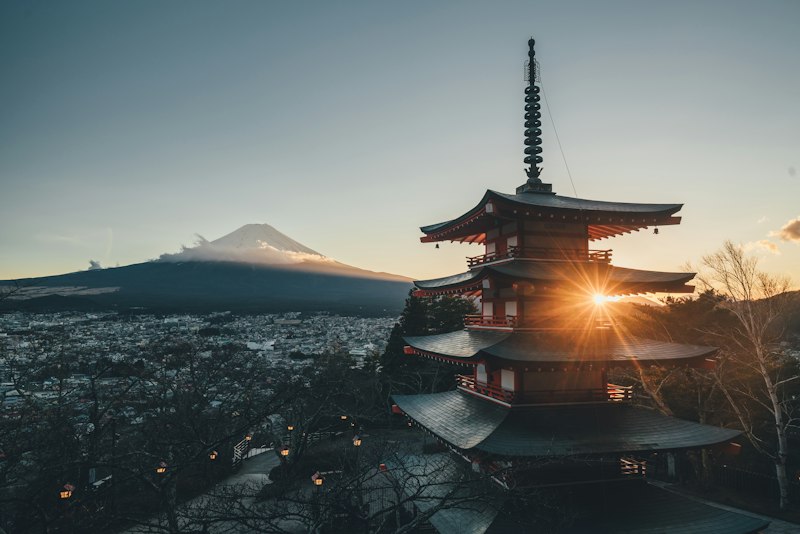
Pottery Craft Culture
Utsunomiya Castle Ruins & City
📍

Utsunomiya Castle Ruins & City

The reconstructed keep of Utsunomiya Castle set in a hilltop park, surrounded by the lively gyoza-restaurant streets and shotengai of Tochigi's prefectural capital.
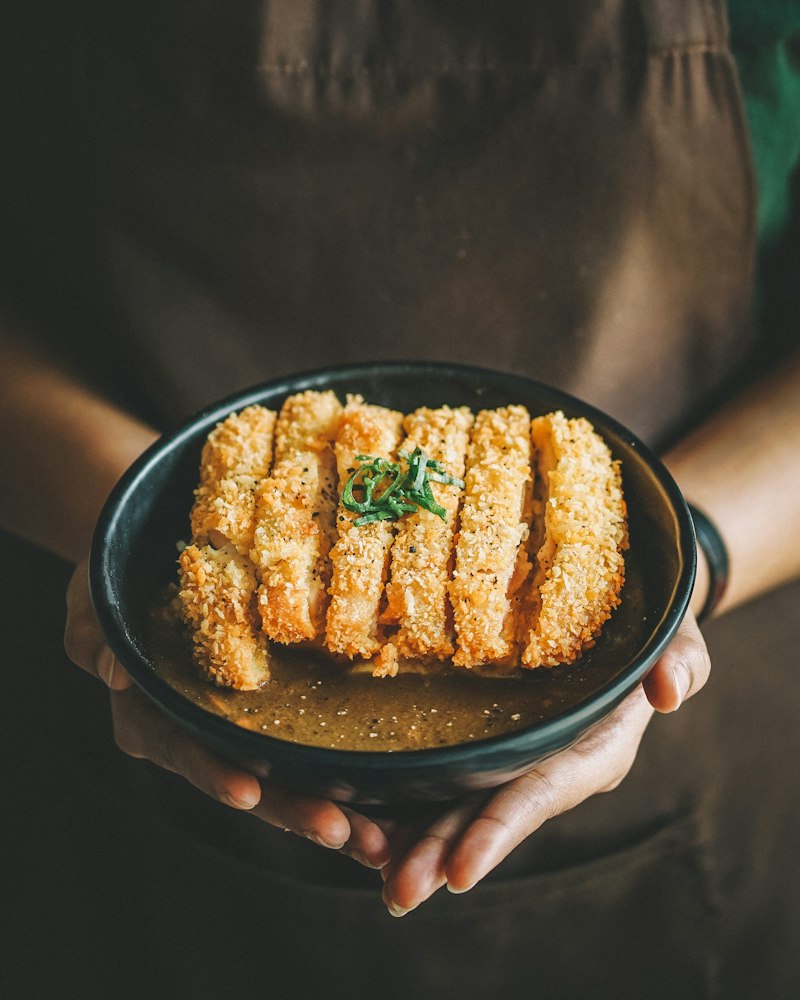
Castle History Urban
🍜

Gourmet

5 spots
Utsunomiya Gyoza
📍

Utsunomiya Gyoza

Utsunomiya is Japan's undisputed gyoza capital — crispy pan-fried dumplings served by dozens of specialist restaurants citywide. The Gyoza no Sato area near the station is the best starting point.

Gyoza Local Specialty Street Food
Nikko Yuba (Tofu Skin)
📍

Nikko Yuba (Tofu Skin)

Delicate sheets of tofu skin (yuba) have been a Nikko specialty since Buddhist monks needed a protein source without meat. Served fresh, rolled, or simmered in exquisite temple-town kaiseki.
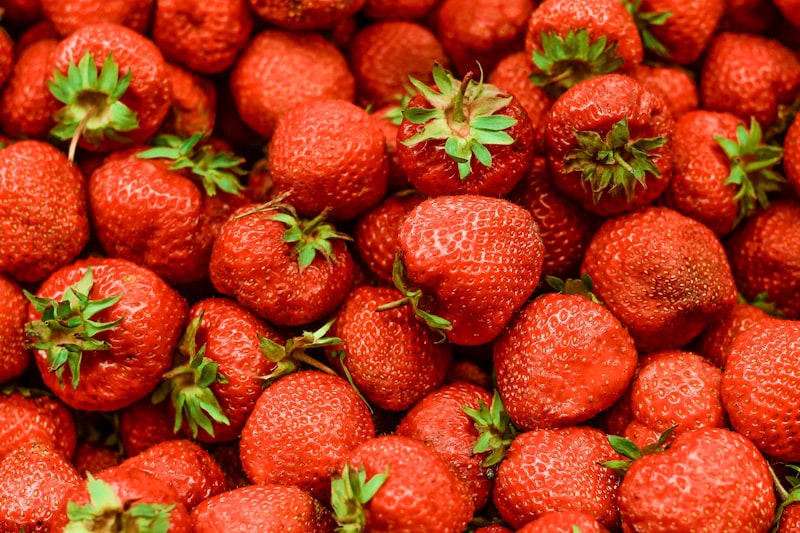
Vegetarian Local Specialty Traditional
Tochigi Strawberry Picking
📍

Tochigi Strawberry Picking

Tochigi is Japan's largest strawberry producing prefecture and home to the premium Tochiotome and Skyberry varieties. Farm-pick experiences run November to May across the prefecture.

Strawberries Farm Experience Winter–Spring
Nikko Onsen Town Kaiseki
📍

Nikko Onsen Town Kaiseki

The onsen ryokan of Nikko Yumoto and Kinugawa Onsen serve multi-course kaiseki dinners incorporating local yuba, mountain vegetables, and fresh river fish — a refined mountain feast.

Kaiseki Ryokan Dining Traditional
Nikko & Nasu Buckwheat Soba
📍

Nikko & Nasu Buckwheat Soba

The cool mountain air of Nikko and Nasu produces excellent buckwheat, and hand-rolled soba restaurants are found throughout — served cold with dipping sauce or hot in earthy mountain broth.

Soba Noodles Mountain Food
🏔️

Nature

6 spots
Kanmangafuchi Abyss
📍

Kanmangafuchi Abyss

A hauntingly beautiful riverside walk lined with dozens of mossy stone Jizo guardian statues, following the gorge of the Daiya River through cedar forest just outside Nikko town.
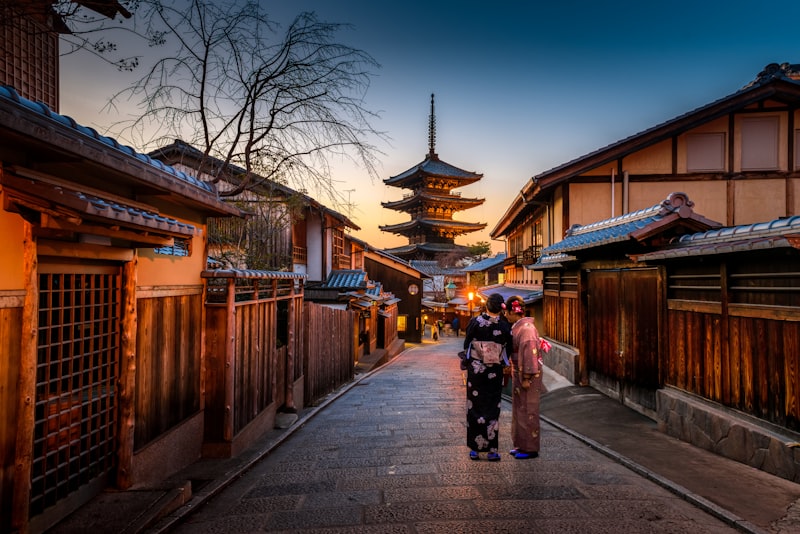
Riverside Jizo Statues Scenic Walk
Lake Chuzenji & Kegon Falls
📍

Lake Chuzenji & Kegon Falls

A vast alpine lake at 1,270 m above sea level, created by a volcanic lava flow and drained by the spectacular 97 m Kegon Falls — Nikko's most dramatic natural landmark.
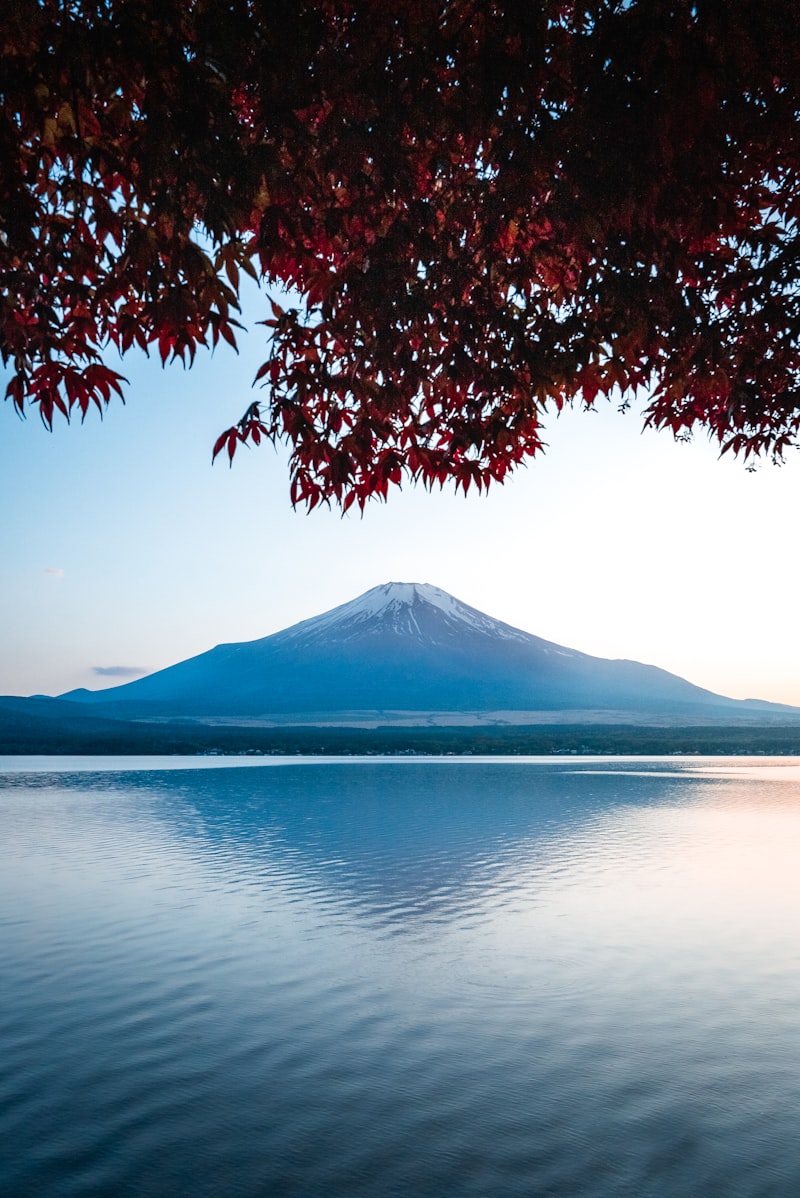
Waterfall Lake Autumn Foliage
Okunikko Senjogahara Marshland
📍

Okunikko Senjogahara Marshland

A vast highland wetland plateau at 1,400 m offering flat boardwalk hiking through reeds and wildflowers, with sweeping views of Nikko's volcanic peaks — at its finest in autumn gold.
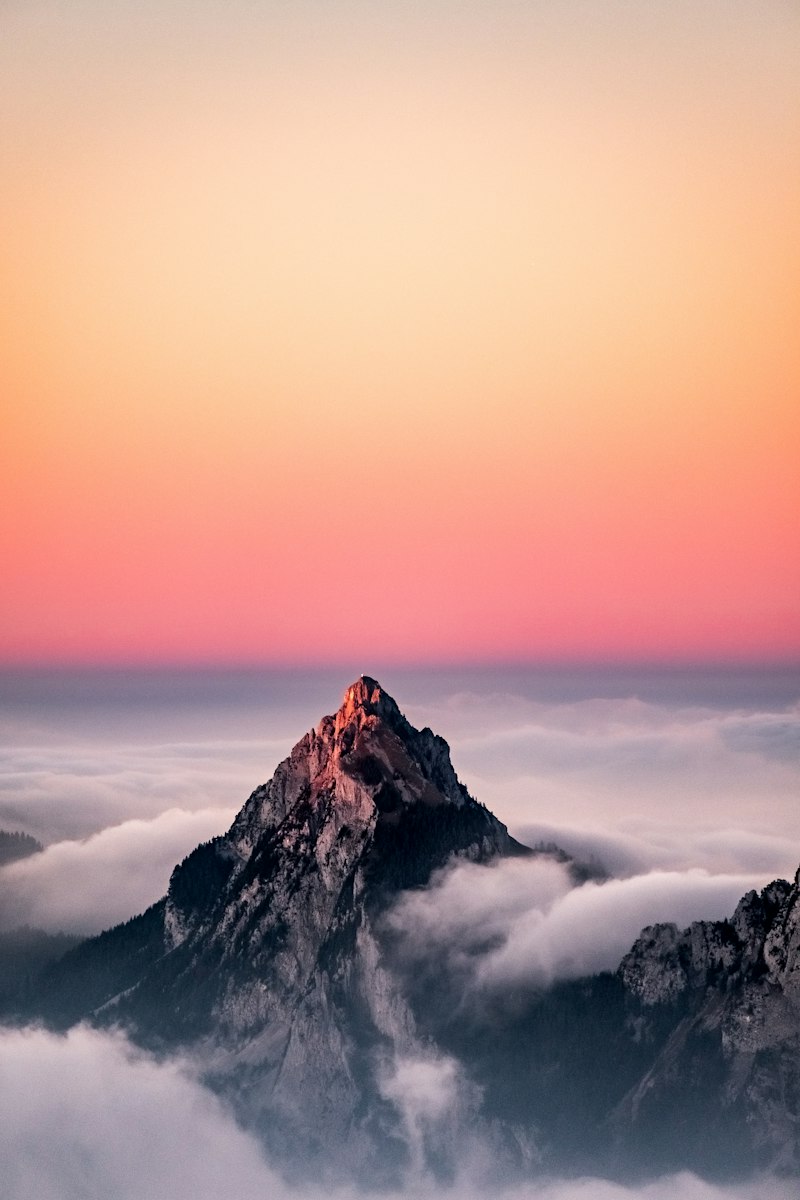
Marshland Hiking Autumn
Nasu Highlands & Mt. Chausu
📍

Nasu Highlands & Mt. Chausu

An active volcanic highland resort area in northern Tochigi, with ropeway access to Mt. Chausu's crater rim, wide open pastures, and one of Japan's best autumn foliage panoramas.
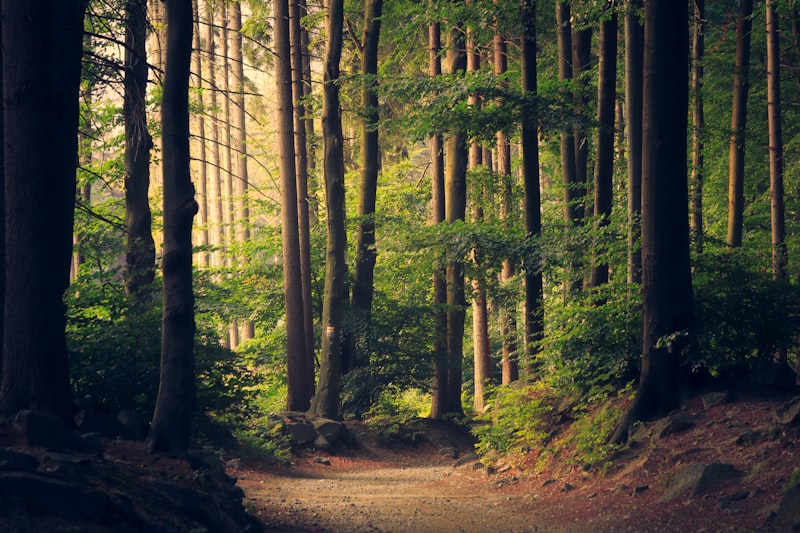
Volcano Hiking Highland
Nikko Cedar Avenue (Suginamiki)
📍

Nikko Cedar Avenue (Suginamiki)

A UNESCO-listed avenue of 13,000 towering cedar trees planted 400 years ago lining the 35 km approach road to Nikko — the world's longest tree-lined avenue.
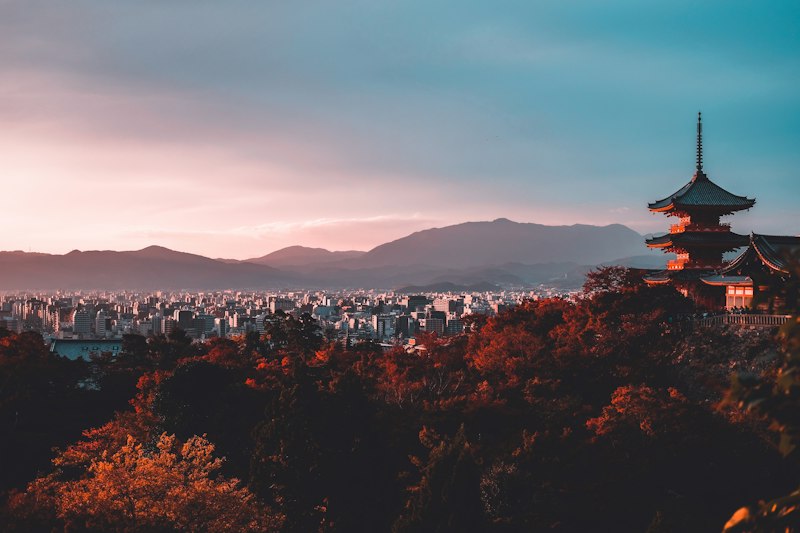
Cedar Forest UNESCO Walking
Nikko Yumoto Onsen
📍

Nikko Yumoto Onsen

A remote hot-spring village at 1,478 m deep in the Okunikko mountains — sulphurous milky-white waters in a setting of snow-capped peaks and pristine highland scenery.
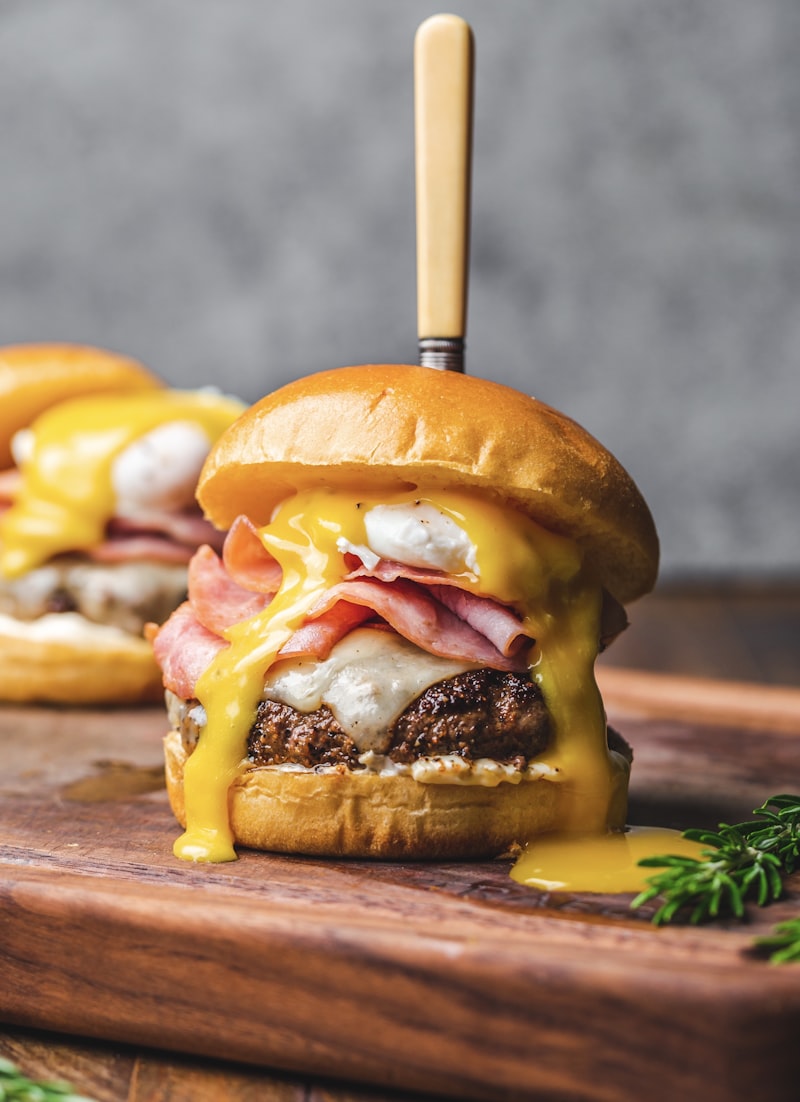
Onsen Alpine Remote
🎿

Leisure

7 spots
Tochigi Strawberry Picking
📍

Tochigi Strawberry Picking

Tochigi is Japan's largest strawberry producing prefecture and home to the premium Tochiotome and Skyberry varieties. Farm-pick experiences run November to May across the prefecture.

Strawberries Farm Experience Winter–Spring
Nikko Yumoto Onsen
📍

Nikko Yumoto Onsen

A remote hot-spring village at 1,478 m deep in the Okunikko mountains — sulphurous milky-white waters in a setting of snow-capped peaks and pristine highland scenery.

Onsen Alpine Remote
Tobu World Square
📍

Tobu World Square

A remarkable outdoor park near Nikko featuring 1/25-scale replicas of 102 of the world's most famous structures — from the Eiffel Tower to the Taj Mahal — in meticulous detail.
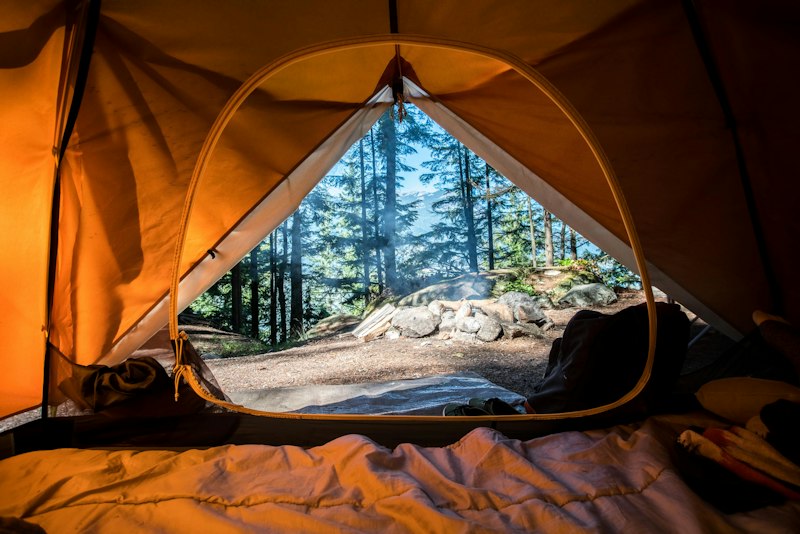
Theme Park Family Miniatures
Kinugawa Onsen
📍

Kinugawa Onsen

A classic onsen resort town set in a river gorge 40 minutes from Nikko, lined with grand multi-story ryokan whose balconies overlook the rushing Kinugawa rapids — popular for weekend escapes.

Onsen Ryokan River
Nasu Animal Kingdom
📍

Nasu Animal Kingdom

One of Japan's most interactive animal parks, where visitors can hand-feed capybaras, walk with alpacas, and watch falconry displays — a popular family destination in the Nasu highlands.

Zoo Family Animals
Mashiko Pottery Fair (May & Nov)
📍

Mashiko Pottery Fair (May & Nov)

Held twice a year (Golden Week and early November), Japan's largest pottery market draws 500+ potters and half a million visitors to Mashiko town for ceramic shopping and kiln tours.
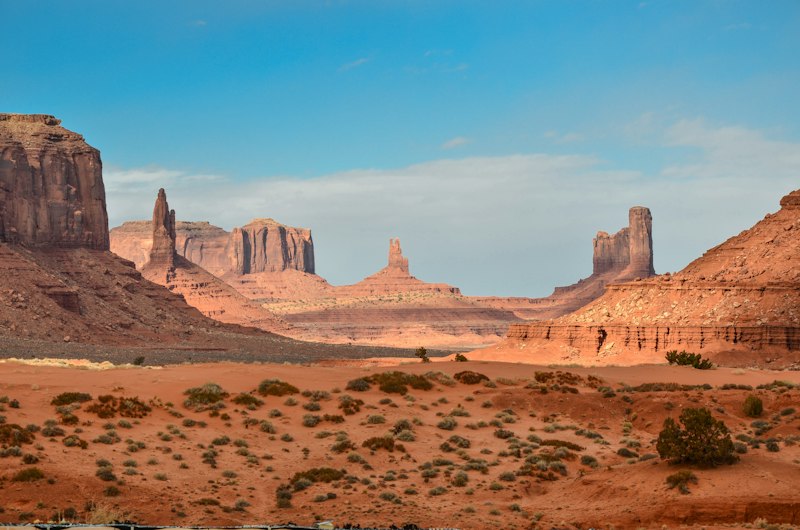
Pottery Market Craft
Strawberry Farm Picking (Nov–May)
📍

Strawberry Farm Picking (Nov–May)

Dozens of pick-your-own strawberry farms across Tochigi offer all-you-can-eat sessions (30–60 min) from November through May — a beloved winter activity for families and couples.

Farm Strawberries Family
🎆

Events

6 spots
Mashiko Pottery Fair (May & Nov)
📍

Mashiko Pottery Fair (May & Nov)

Held twice a year (Golden Week and early November), Japan's largest pottery market draws 500+ potters and half a million visitors to Mashiko town for ceramic shopping and kiln tours.

Pottery Market Craft
Nikko Autumn Foliage (Oct–Nov)
📍

Nikko Autumn Foliage (Oct–Nov)

Nikko is consistently ranked among Japan's top three autumn foliage destinations — the lacquered red shrine gates against blazing maples are one of Japan's most iconic autumn images.

Autumn Foliage Photography Nature
Nikko Toshogu Grand Spring Festival (May)
📍

Nikko Toshogu Grand Spring Festival (May)

On May 17–18, a procession of 1,000 people in Edo-period samurai armour parades through the Nikko shrine complex in one of Japan's most spectacular historical pageants.

Festival Procession Samurai
Utsunomiya Gyoza Festival (Nov)
📍

Utsunomiya Gyoza Festival (Nov)

An annual autumn festival celebrating Utsunomiya's gyoza culture, with dozens of restaurants setting up outdoor stalls and cooking competitions drawing tens of thousands of visitors.
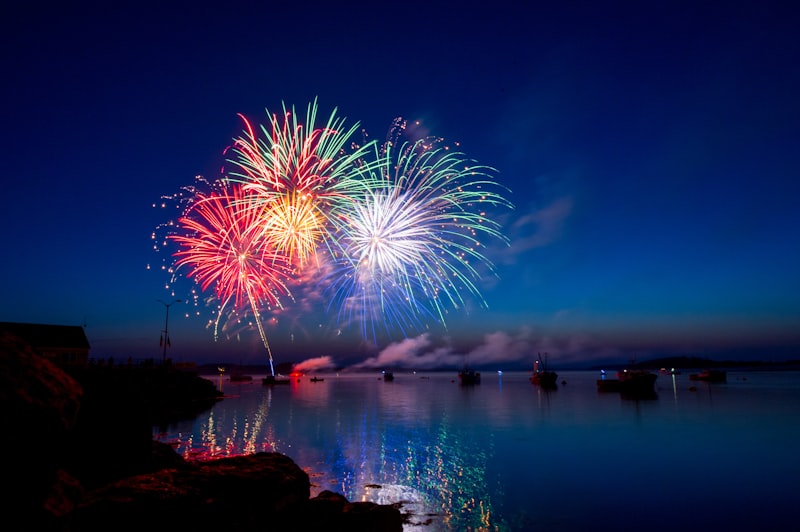
Food Festival Gyoza Autumn
Nasu Highland Resort Events
📍

Nasu Highland Resort Events

The Nasu highlands host summer outdoor concerts, hot air balloon festivals, and winter illumination events drawing visitors year-round to this popular resort plateau.

Highland Summer Resort
Mashiko Ceramic Art Week (Oct)
📍

Mashiko Ceramic Art Week (Oct)

A week-long celebration of Mashiko's global ceramic art community, featuring open kiln studios, live throwing demonstrations, and contemporary ceramics exhibitions across the town.

Ceramics Art Culture

💡 Practical Travel Tips

Everything you need to know before and during your visit.

🌸
Best Time to Visit
  • Autumn (Oct–Nov) — Nikko's autumn foliage is consistently ranked among Japan's finest. Peak colour typically falls in late October around the shrines; early November at lower elevations.
  • Spring (Apr–May) — Cherry blossoms at Nikko's temple grounds and the Grand Spring Festival (May 17–18) with 1,000 samurai in procession.
  • Summer (Jun–Aug) — Cooler than Tokyo thanks to the altitude. Lake Chuzenji and Okunikko are excellent; Okunikko Senjogahara's wildflowers peak in July.
  • Winter (Dec–Feb) — Snow-covered shrines are magical but cold. Strawberry picking begins from November.
💴
Budget Guide
  • Budget (¥7,000–¥12,000/day) — Guesthouse in Nikko town, yuba soba lunch, shrine complex entry (combined ticket ¥1,300), Kegon Falls observation deck (¥570).
  • Mid-range (¥20,000–¥35,000/day) — Kinugawa Onsen ryokan with dinner, full Nikko UNESCO complex, Tobu World Square.
  • Luxury (¥60,000+/day) — Nikko Kanaya Hotel (Japan's oldest Western-style resort hotel, est. 1873), kaiseki with yuba, private car touring.
  • Nikko World Heritage combined ticket (¥1,300) covers Toshogu, Futarasan Shrine, and Taiyuinbyo — strongly recommended over individual tickets.
🚇
Getting Around
  • The shrine complex is too spread out to walk comfortably — use the Tobu Bus day pass (¥1,000) to move between sites without worrying about individual fares.
  • Nikko → Lake Chuzenji requires a bus up the famous Irohazaka switchback mountain road (48 hairpin bends). The journey is part of the experience — sit on the left side for views.
  • For Mashiko pottery town, a rental car from Utsunomiya is most practical — it lets you explore multiple kilns at your own pace.
  • The Nikko World Heritage Pass from Asakusa is excellent value for Tokyo day-trippers visiting the shrine complex.
🥟
Gyoza Tips (Utsunomiya)
  • Utsunomiya has 200+ gyoza restaurants. The two most celebrated styles are yaki-gyoza (pan-fried) and sui-gyoza (boiled in soup).
  • Famous chains like Masashi, Minmin, and Kirasse (an underground gyoza hall near the station) are reliable starting points.
  • Most restaurants open from 11am. Weekend lunch queues at top spots can be 30–60 min — arrive before opening or after 2pm.
  • A standard gyoza set (6 pieces + rice + soup) costs ¥600–¥900. Most restaurants don't require reservations.
⛩️
Nikko Shrine Etiquette & Tips
  • Nikko's UNESCO complex is active religious ground — dress modestly, speak quietly, and follow site-specific rules (some inner sanctuaries require removing shoes).
  • The famous three wise monkeys (Mizaru, Kikazaru, Iwazaru) are carved above the Shinkyusha sacred stable — easily missed, so look for the sign.
  • The Yomeimon Gate is covered in over 400 carvings — a guided tour or audio guide significantly enriches the experience. English audio guides available at the entrance.
  • Photography is prohibited inside the main hall of Toshogu. Check signs at each building before raising your camera.
🏺
Mashiko Pottery Tips
  • Visit on a weekday for the most relaxed kiln browsing experience. Major pottery fairs (Golden Week and early November) are vibrant but very crowded.
  • Most kilns welcome walk-in visitors and offer pottery-throwing workshops (¥1,500–¥3,000) — book ahead by phone or email during busy periods.
  • The Mashiko Reference Collection Museum (¥700) houses the personal collection of Hamada Shoji, including works by Bernard Leach — essential for ceramics enthusiasts.

🏨 Find Hotels in Tochigi

Compare prices across hundreds of hotels — from budget capsules to luxury ryokan.

Search Hotels on Booking.com →

🎌 Tours & Experiences

Book guided tours, day trips, cooking classes, and cultural experiences.

Browse Tours on Viator →

🗺️ Activities & Attractions

Skip the queues — pre-book entry tickets, day tours, and local experiences.

Explore on GetYourGuide →

🎟️ Things to Do in Tochigi

Discover tickets, transport passes, and unique local experiences in Tochigi with Klook.

Book on Klook →

🚄 JR Pass & Rail Tickets

Pre-purchase your JR Pass or individual shinkansen tickets before you arrive.

Buy JR Pass →