


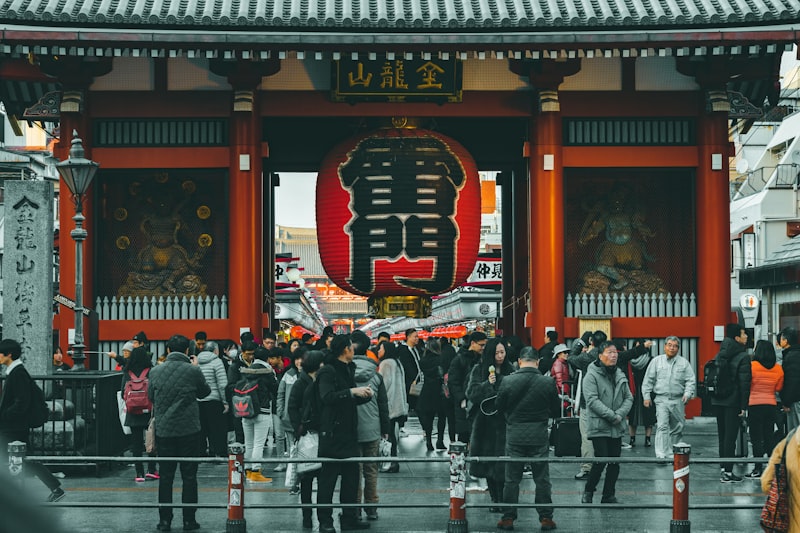
Senso-ji Temple
Tokyo's oldest and most iconic temple, founded in 645 AD. Walk through the thunder-gate Kaminarimon, browse the lantern-lined Nakamise shopping arcade, and reach the grand main hall — one of Japan's most visited religious sites.
Kanto · Prefecture Guide
World-class city where ancient temples meet neon-lit towers — something extraordinary awaits every traveller
Tokyo is unlike any city on earth. It is simultaneously the world's largest metropolis and one of its safest, most efficient, and most delicious. Ancient Shinto shrines stand in the shadow of glass skyscrapers; a single city block can hold a Michelin-starred sushi counter, a retro arcade, a 300-year-old temple, and a FamilyMart open at 3 a.m. Whether you have three days or three weeks, Tokyo rewards every kind of traveller — the foodie, the history buff, the pop-culture devotee, and the urban explorer alike.
Tokyo is served by two international airports and is the hub of Japan's Shinkansen bullet-train network, making it the easiest gateway to the rest of the country.
Deep-dive guides to help you plan every aspect of your visit — from top sightseeing spots to the best restaurants and seasonal events.
Tokyo's oldest and most iconic temple, founded in 645 AD. Walk through the thunder-gate Kaminarimon, browse the lantern-lined Nakamise shopping arcade, and reach the grand main hall — one of Japan's most visited religious sites.

A serene Shinto shrine dedicated to Emperor Meiji, set within a tranquil forested park of 70,000 trees in the heart of Harajuku. The towering wooden torii gate and gravel paths create a peaceful escape from the city bustle.

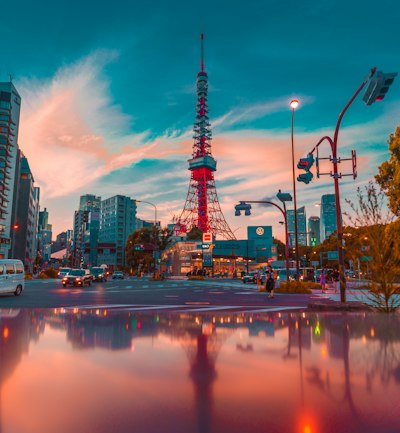
The world's second-tallest structure at 634 m offers sweeping panoramic views of the Kanto plain — on clear days you can see Mount Fuji. The base complex houses a mall, aquarium, and dozens of restaurants.
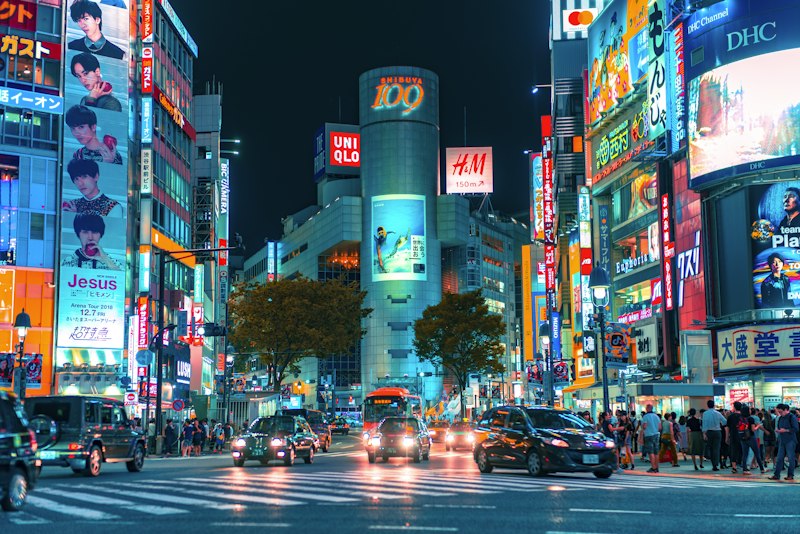
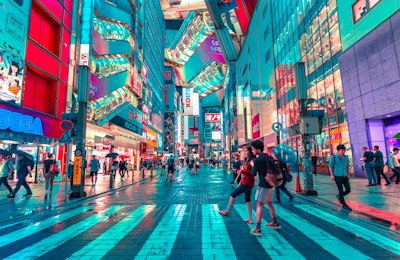
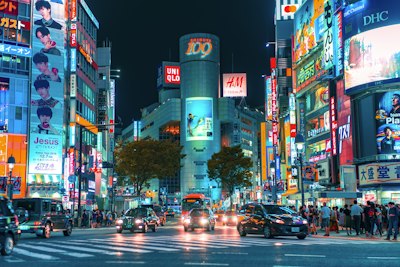
The world's busiest pedestrian crossing — up to 3,000 people cross at once under a blaze of neon signs. Best experienced from the Starbucks window or the rooftop of Shibuya Sky observation deck. A defining symbol of modern Tokyo.
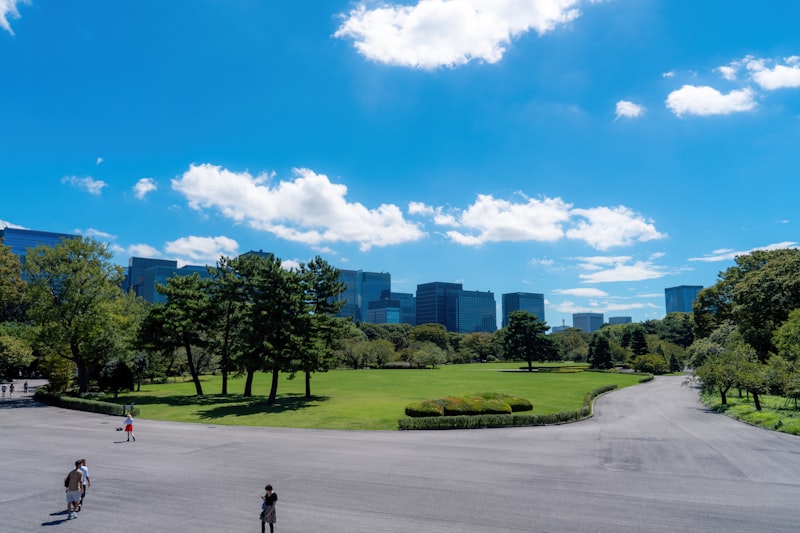
The residence of Japan's Imperial Family, surrounded by wide moats and stone walls in central Tokyo. The East Gardens are open to visitors and reveal the remains of Edo Castle alongside beautifully manicured lawns and seasonal flowers.
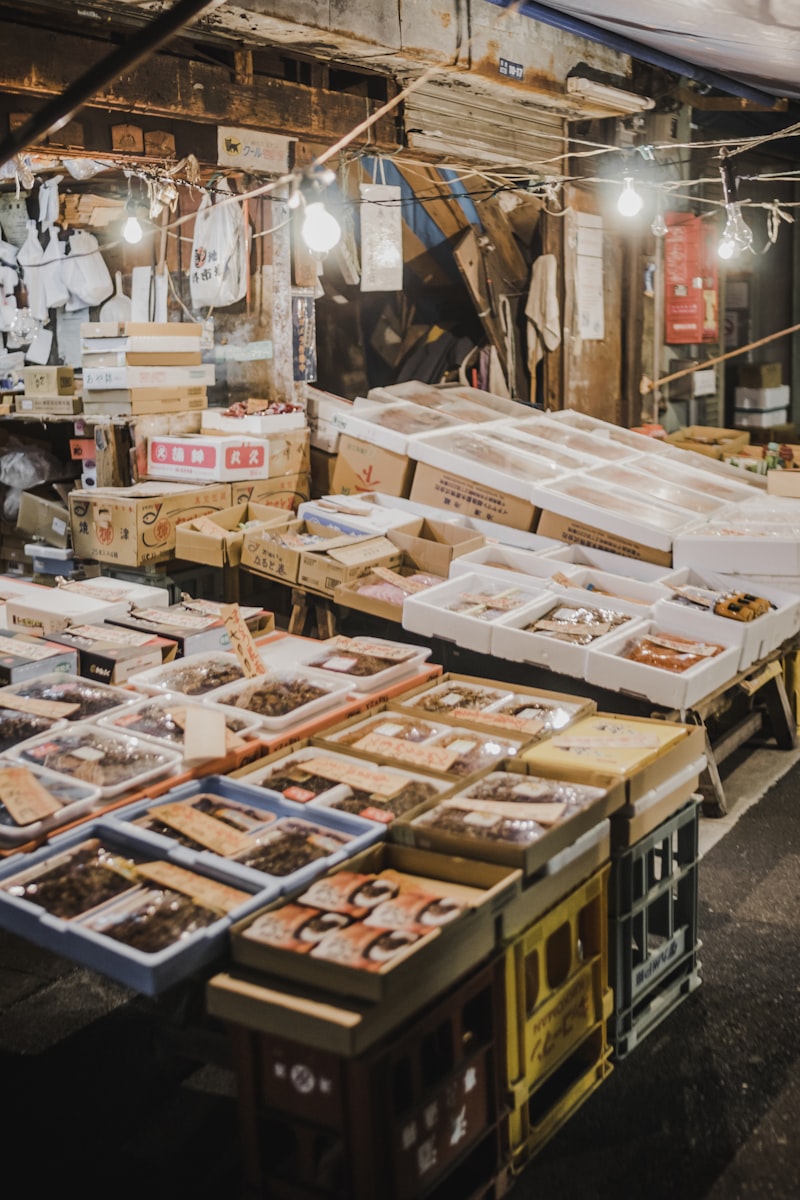
The outer market of the former world's largest fish market is still the best place in Tokyo for ultra-fresh sushi, grilled scallops, tamagoyaki egg rolls, and sashimi at any hour of the morning. Arrive early for the freshest picks.
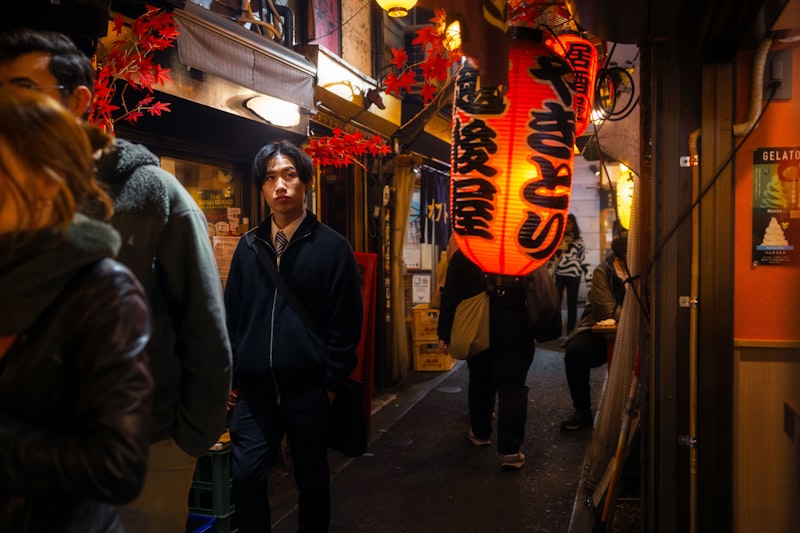
A narrow alley of tiny yakitori stalls and izakaya pubs just steps from Shinjuku Station. Smoke, sizzling skewers, and sake pour from these decades-old establishments that survived post-war reconstruction. An unmissable taste of old Tokyo.

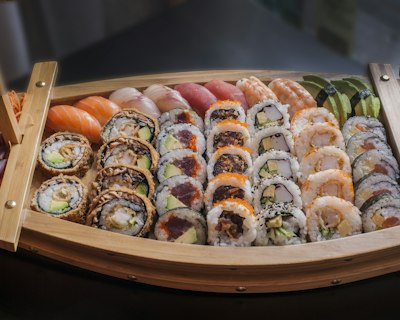
Ginza hosts some of the world's finest sushi counters where chefs craft each piece to seasonal perfection. The omakase (chef's choice) experience — where you simply trust the chef — is unmatched anywhere on earth. Book well in advance.

Tsukishima is the home of monjayaki — Tokyo's runnier cousin of okonomiyaki — cooked on iron griddles at your table. Over 70 restaurants line Nishi-Nakadori Street, making this the definitive place to try this hard-to-find local specialty.
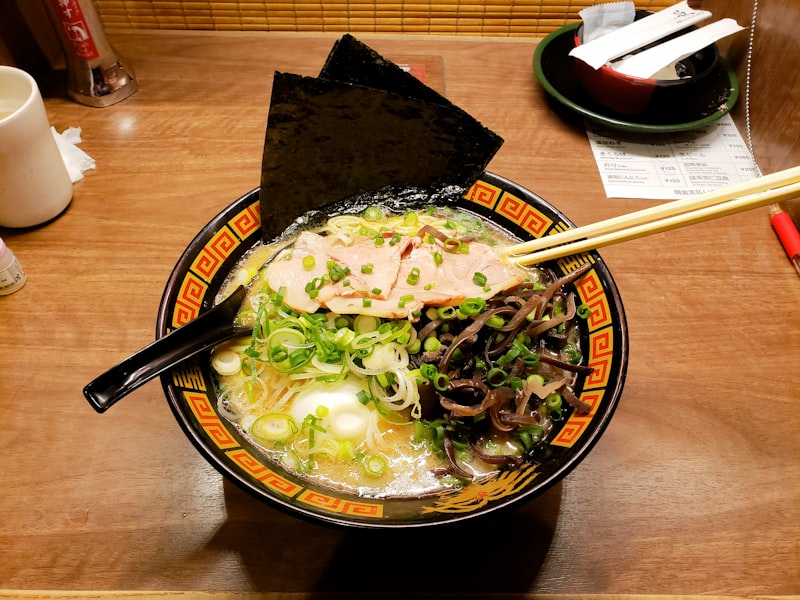
Shinjuku is packed with legendary ramen shops — from the rich tonkotsu broth of Ichiran to the thick-noodle tsukemen of Fuunji. The underground ramen alleys near Kabukicho offer a gritty, neon-lit bowl any time of night.
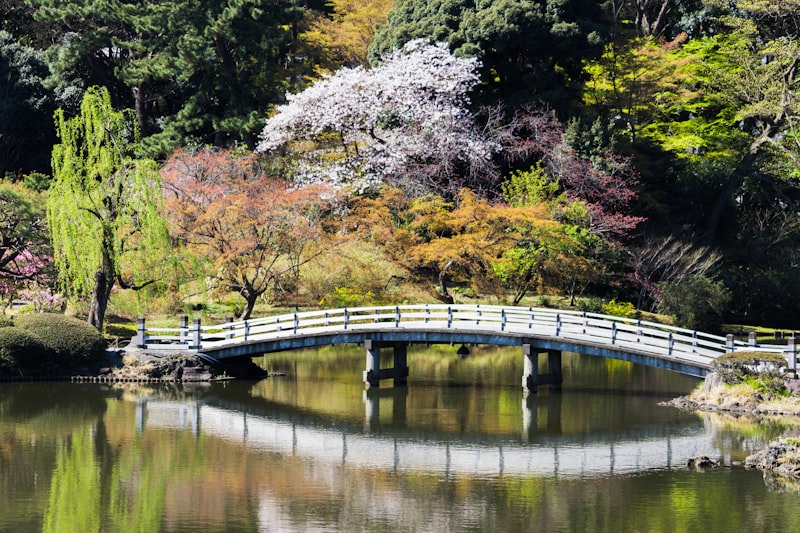
One of Japan's finest public gardens blends French formal, English landscape, and Japanese traditional styles across 58 hectares. Home to 1,000 cherry trees, it is the most popular hanami (blossom viewing) spot in Tokyo each spring.

The most visited mountain in the world (3M+ visitors/year) rises just 599 m yet rewards hikers with stunning views of Mount Fuji on clear days. Multiple trails suit all fitness levels, and a cable car makes the summit accessible to everyone.
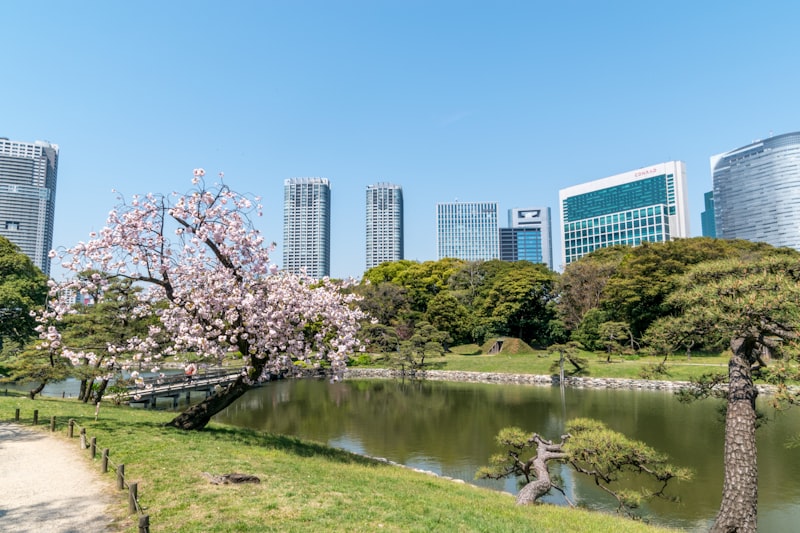
A 300-year-old feudal garden where seawater tidal ponds meet the glass towers of Shiodome. Board a water bus here to cruise up the Sumida River to Asakusa. A traditional teahouse on the central island serves matcha and wagashi sweets.

A beloved park surrounding a large pond in the charming Kichijoji neighbourhood. Rent a rowboat or swan pedalo, stroll under the cherry blossom canopy in spring, and visit the nearby Studio Ghibli Museum — Japan's most beloved animation studio.
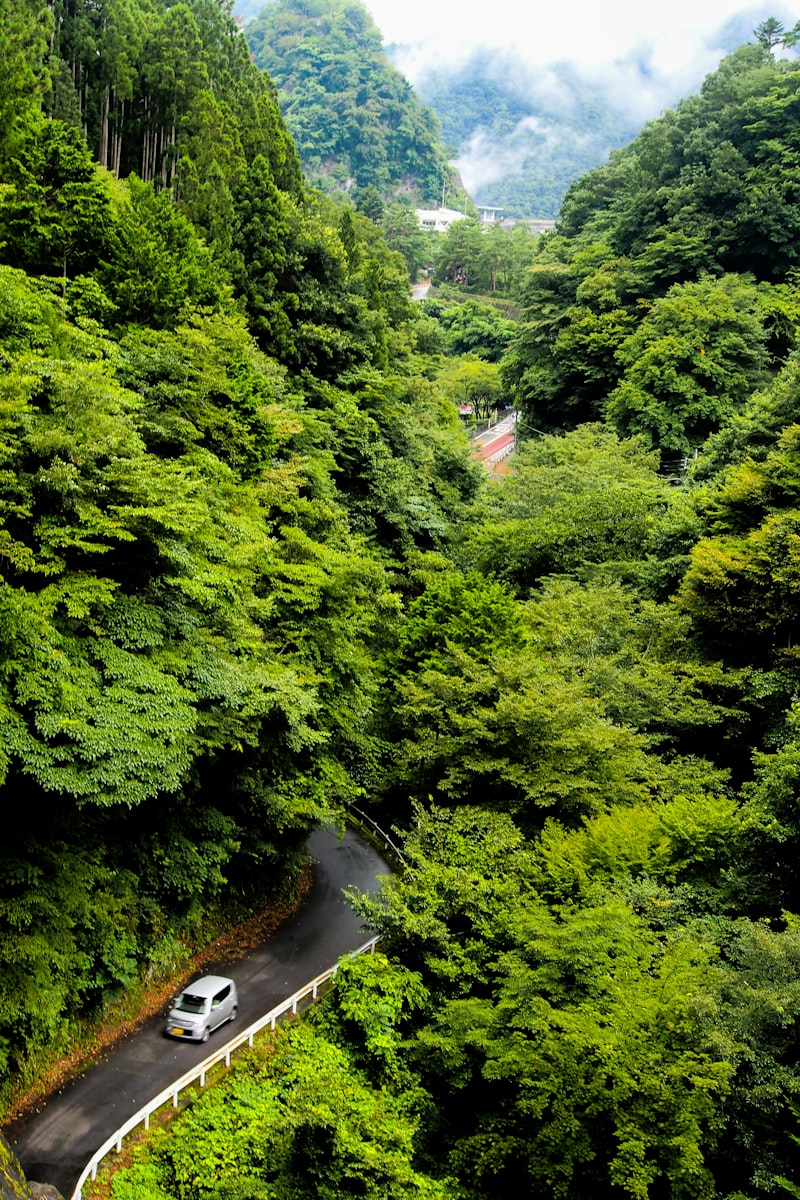
Tucked in the far western reaches of Tokyo Prefecture, Okutama offers rugged mountain valleys, crystal-clear rivers, and one of the Kanto region's most spectacular autumn foliage displays — all within 90 minutes of central Tokyo by train.
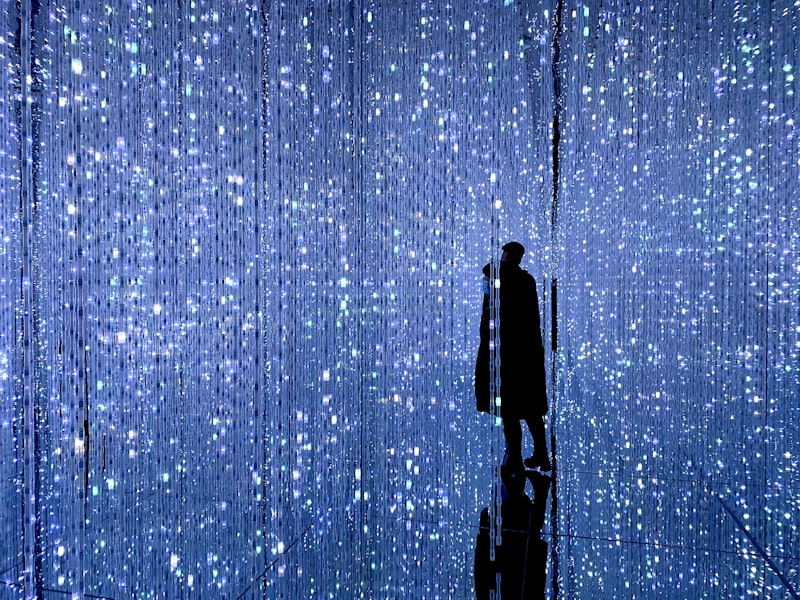
Walk barefoot through rooms filled with infinite crystal universes, koi fish swimming around your feet, and flowers blooming at your touch. teamLab's borderless digital art installations redefine what a museum can be — utterly unmissable.
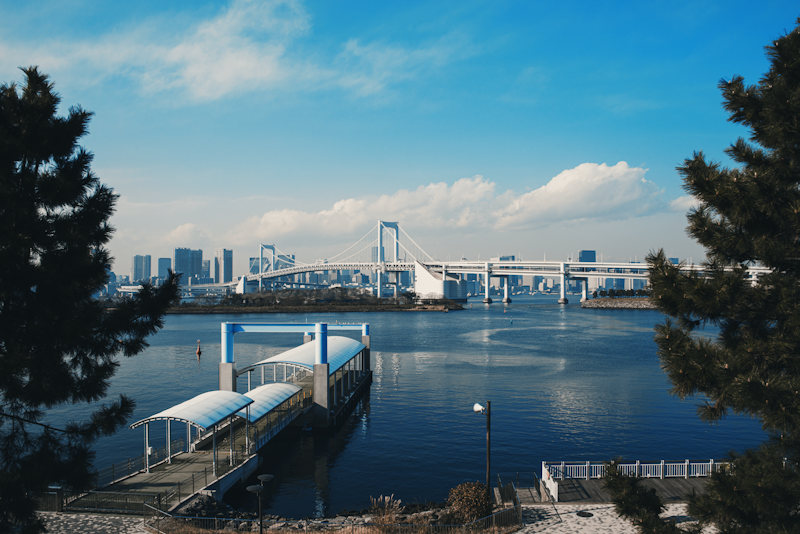
A futuristic man-made island in Tokyo Bay combining shopping malls, a giant Gundam statue, VR arcades, the teamLab digital art museums, and Oedo Onsen hot spring resort. Stunning Rainbow Bridge and city skyline views after dark.
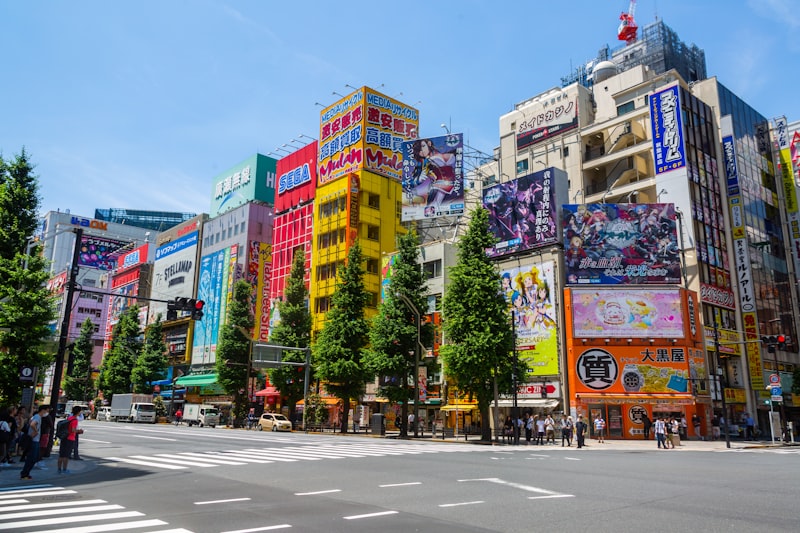
The world capital of otaku culture — multi-floor shops sell everything from vintage Famicom games to the latest GPUs. Maid cafes, anime figurines, gashapon capsule toys, and retro arcades line every street. Unique to Tokyo, unique to Japan.
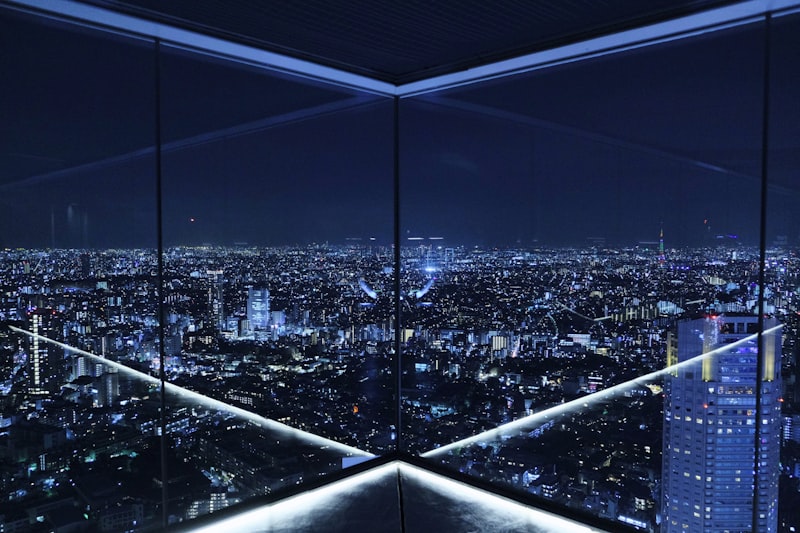
The open-air rooftop of Shibuya Scramble Square at 229 m offers a 360° unobstructed panorama of Tokyo. Watch the famous crossing become a swarm of tiny figures below while golden hour turns the skyline cinematic. Book evening tickets early.
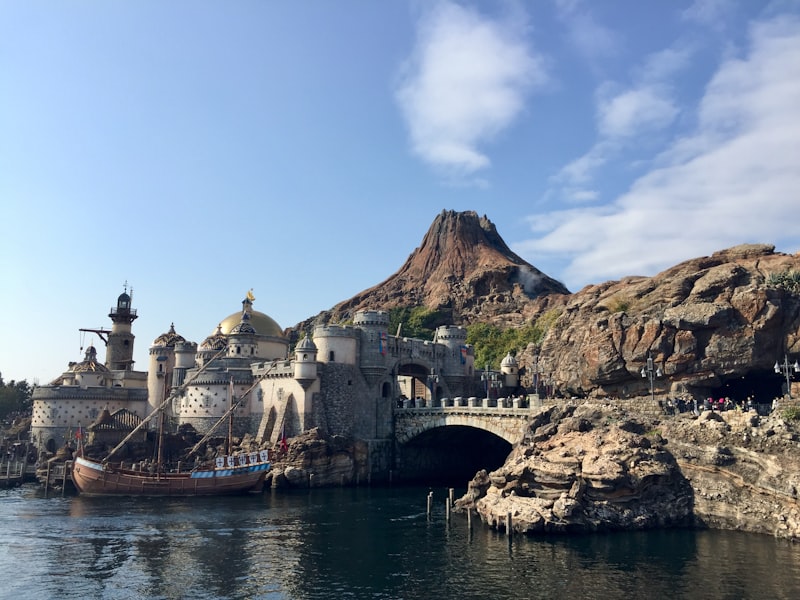
Ranked the world's most beautiful theme park — DisneySea exists only in Japan. Seven themed ports surround a central volcanic island, with the Mediterranean Harbor, Indiana Jones Adventure, and Fantasprings (The Little Mermaid area) as standouts.

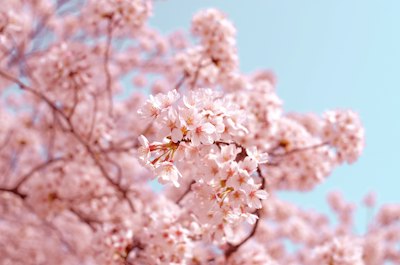
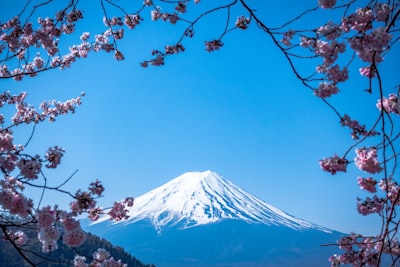
Tokyo's most magical season — the city transforms under clouds of pale pink sakura blossoms. Ueno Park, Shinjuku Gyoen, Chidorigafuchi moat, and Meguro River are the top spots. Locals lay out blue tarps, pour sake, and celebrate under the flowers.

One of Tokyo's oldest fireworks festivals — over 20,000 shells burst above the Sumida River each July. The banks fill with hundreds of thousands of spectators in yukata summer kimono. Book a riverside restaurant seat months in advance for the best view.

The largest Awa Odori dance festival outside Tokushima draws one million spectators over two evenings. Over 10,000 performers in traditional costume dance through Koenji's shopping streets to the hypnotic rhythm of shamisen, taiko, and flutes.

The world's largest self-published comics fair, held twice a year at Tokyo Big Sight. Over 700,000 visitors browse hundreds of thousands of original doujinshi (indie manga) titles, while cosplayers in elaborate costumes transform the plaza into an open-air spectacle unlike anything else in Japan.
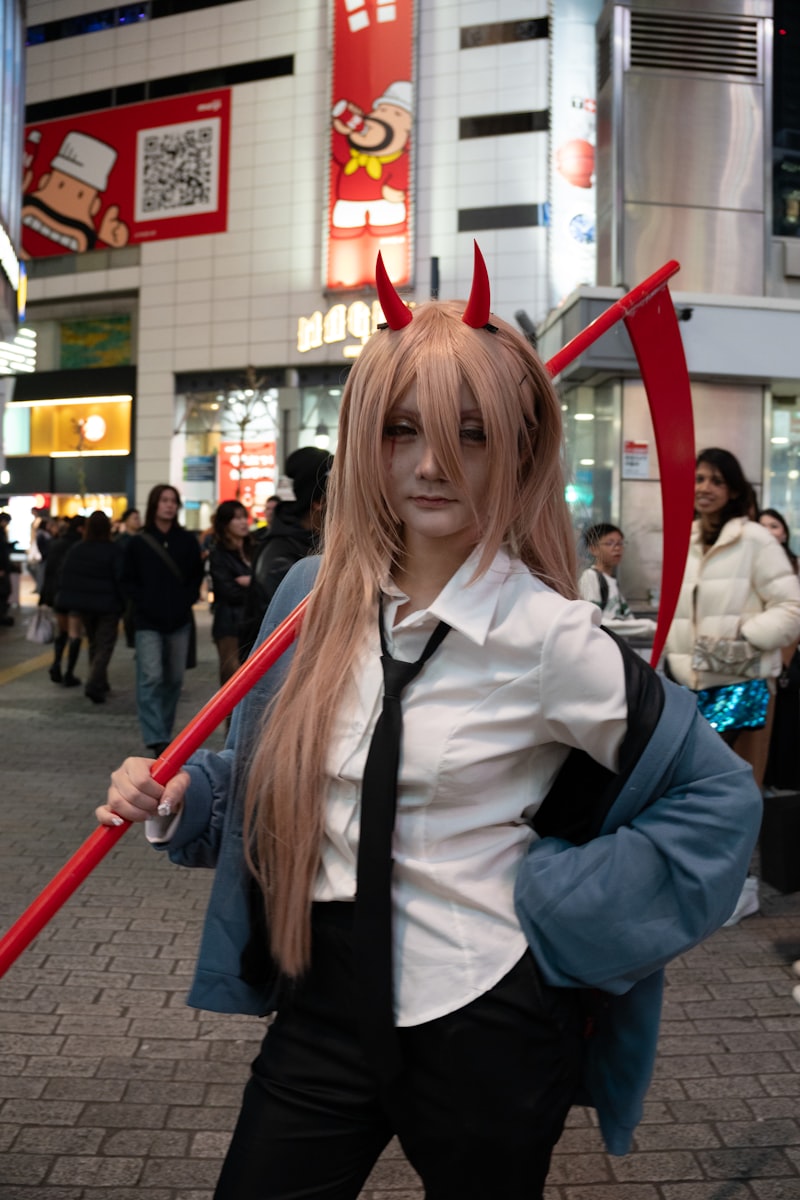
Shibuya's Halloween street party is one of the world's largest spontaneous costume gatherings. The scramble crossing and surrounding streets fill with tens of thousands of costumed revellers — elaborate group costumes are the norm. No tickets, just show up.

Meiji Shrine receives over 3 million visitors in the first three days of the New Year — Japan's busiest hatsumode (first shrine visit). Buy an omamori charm or ema wishing plaque, listen to the bell at midnight, and experience Japan's most sacred annual ritual.
Everything you need to know before and during your visit.
Compare prices across hundreds of hotels — from budget capsules to luxury ryokan.
Search Hotels on Booking.com →Book guided tours, day trips, cooking classes, and cultural experiences.
Browse Tours on Viator →Skip the queues — pre-book entry tickets, day tours, and local experiences.
Explore on GetYourGuide →Discover tickets, transport passes, and unique local experiences in Tokyo with Klook.
Book on Klook →Pre-purchase your JR Pass or individual shinkansen tickets before you arrive.
Buy JR Pass →