Tohoku · Prefecture Guide

Yamagata Travel Guide

Mountain temples with 1,000 steps, Japan's most famous ski onsen resort, historic lantern-lit hot spring towns, three sacred mountains, and cherries that define a prefecture

🏔️ Yamadera — Basho's Haiku Temple❄️ Zao Juhyo — Japan's Snow Monsters♨️ Ginzan Onsen — Taisho-Era Lantern Town⛩️ Dewa Sanzan — Three Sacred Mountains🍒 Japan's Cherry Capital (70% National Share)

🗾 About Yamagata

Yamagata is a prefecture of magnificent extremes — in winter, the volcanic flanks of Zao Mountain coat every tree in successive layers of blown ice to create the 'snow monsters' (juhyo) that draw skiers and photographers from across Japan, while the thermal waters of Ginzan Onsen illuminate Taisho-era timber ryokan with gas lanterns reflected in a mountain stream, creating the most cinematic hot spring town in the country. In summer the same mountains yield Japan's finest cherries — Yamagata produces 70% of the national harvest — and the high plateau of Gassan ski area blooms with alpine wildflowers above the longest ski season in Japan. The prefecture's spiritual heart lies in the three sacred peaks of Dewa Sanzan, where yamabushi mountain ascetics in white robes have performed gruelling Shugendo rituals for over 1,400 years. And rising above the Yamadera valley, 1,015 stone steps lead to Risshakuji Temple — the mountain complex that inspired Matsuo Basho to compose his most celebrated haiku, a place where the silence still feels as he described it.

🌏
Location
Southern Tohoku, landlocked — bordered by Niigata, Fukushima, Miyagi, and Akita
🗣️
Language
Japanese (Yamagata dialect; English available at Yamadera, Zao Onsen, and Ginzan Onsen)
💴
Currency
Japanese Yen (JPY) — cash essential at Ginzan Onsen, Dewa Sanzan, and rural areas; IC cards in Yamagata City
🕐
Time Zone
JST (UTC+9) — no daylight saving
🌡️
Best Season
Late Apr–May (cherries and sakura); Jul–Aug (Hanagasa Festival, summer vegetables); Oct (Imoni Festival, autumn foliage); Jan–Feb (Zao juhyo snow monsters, ski)
✈️
Nearest Airports
Yamagata Airport (GAJ) · 25 min by bus to Yamagata City. Also: Sendai Airport (SDJ, Miyagi) — 1 hr by train and bus
🚇
Getting Around
Yamagata Shinkansen to Yamagata City (2h30m from Tokyo); Senzan Line for Yamadera; rental car essential for Dewa Sanzan, Ginzan Onsen, and Mogami River
Power Plug
Type A, 100V / 50Hz

✈️ Getting There

Yamagata City is reached from Tokyo in approximately 2 hours 30 minutes by the Yamagata Shinkansen (Tsubasa) — the train splits from the Tohoku Hayabusa at Fukushima and continues as a narrow-gauge mini-shinkansen through the mountains into the Yamagata basin. This makes Yamagata one of the most accessible Tohoku prefectures from Tokyo, and the dramatic mountain scenery on the final approach is a fine introduction to the prefecture.

🚄 From Tokyo
  • Yamagata Shinkansen Tsubasa (Tokyo → Yamagata) — 2 hrs 30–45 min. ¥11,400 (reserved). The Tsubasa splits from the Hayabusa at Fukushima and runs as a mini-shinkansen on the Ou Line — comfortable, direct, and scenic through the Ou Mountains.
  • Yamagata Shinkansen Tsubasa (Tokyo → Tendo/Kaminoyama) — Intermediate stops served on the same service; Tendo is 2 hrs 20 min and Kaminoyama-Onsen is 2 hrs 28 min from Tokyo.
  • Highway Bus (Shinjuku → Yamagata) — 5–5.5 hrs. ¥3,500–¥5,500. Comfortable daytime and overnight options; slower but significantly cheaper than the Shinkansen.
🚄 From Sendai (Miyagi)
  • JR Senzan Line (Sendai → Yamadera → Yamagata) — 1 hr 20 min to Yamagata City (¥1,170); Yamadera Station is 59 min from Sendai (¥860). The Senzan Line is the direct scenic route and offers a combination day trip: Yamadera in the morning, Yamagata City in the afternoon.
  • Highway Bus (Sendai → Yamagata) — 70–80 min. ¥1,000. Frequent departures; ideal if arriving at Sendai Airport.
✈️ From Osaka / Nagoya
  • ANA / JAL (ITM or NGO → Yamagata GAJ) — 1 hr 15 min. From ¥12,000. Yamagata Airport is 25 min by airport limousine bus to Yamagata City. Limited daily flights — book early.
  • Via Sendai (SDJ) — Sendai Airport has far more connections from western Japan and is 1 hr from Yamagata by express bus or Senzan Line combination. Often the more practical option.
🚗 Getting Around Yamagata
  • Rental Car — Strongly recommended for Dewa Sanzan (the Mt Yudono approach road is not served by bus outside summer), Ginzan Onsen (1 hr from Yamagata City), Mogami River gorge, and exploring the rural Shonai plain around Tsuruoka and Sakata. Pick up at Yamagata Station or Tsuruoka Station.
  • JR Senzan Line — Connects Sendai through Yamadera to Yamagata City. The key line for accessing Yamadera without a car; trains run roughly hourly.
  • JR Ou Line / Shinkansen — Connects Yamagata City north to Tendo, Kaminoyama, and south toward Yonezawa. Local trains are infrequent — check timetables carefully.
  • Bus from Yamagata City — Summer buses serve Zao Onsen (40 min, ¥860) and seasonal services reach the Dewa Sanzan Haguro area. Ginzan Onsen is accessible by JR to Oishida then infrequent bus — a rental car is far more practical.
💡 Travel TipA rental car is the single most transformative upgrade for a Yamagata trip. Ginzan Onsen sits in a narrow mountain valley with no convenient rail access; Dewa Sanzan requires a car to reach Mt Yudono and Mt Gas-san; and the Mogami River gorge embarkation point is most easily reached by car. Pick up a car in Yamagata City after arriving by Shinkansen and return it to Tsuruoka or Sakata at the end of a Shonai-circuit itinerary.

📖 Recommended Travel Guides

Deep-dive guides to help you plan every aspect of your visit — from top sightseeing spots to the best restaurants and seasonal events.

⛩️

Sightseeing

6 spots
Yamadera (Risshakuji Temple)
📍

Yamadera (Risshakuji Temple)

One of Japan's most dramatic temple complexes — Risshakuji clings to sheer cliffs above the Yamadera valley, reached by climbing 1,015 stone steps carved into the mountainside. The haiku master Matsuo Basho visited in 1689 and composed his famous verse on the silence here: the cicadas' cries penetrating the rocks. The view from the Godaido observation platform over the valley and forested ridges below is extraordinary in every season.
Temple 1000 Steps Basho Mountain
Zao Okama Crater Lake
📍

Zao Okama Crater Lake

Zao's Okama crater lake is one of Japan's most spectacular volcanic phenomena — an almost perfectly circular caldera filled with water of an otherworldly emerald-green colour caused by dissolved sulphur compounds. The Zao Echo Line toll road reaches the rim, making this one of Japan's most accessible volcanic craters. The colour shifts between deep teal and bright lime depending on weather and light.

Crater Lake Emerald Green Volcanic Scenic Drive
Dewa Sanzan — Three Sacred Mountains
📍

Dewa Sanzan — Three Sacred Mountains

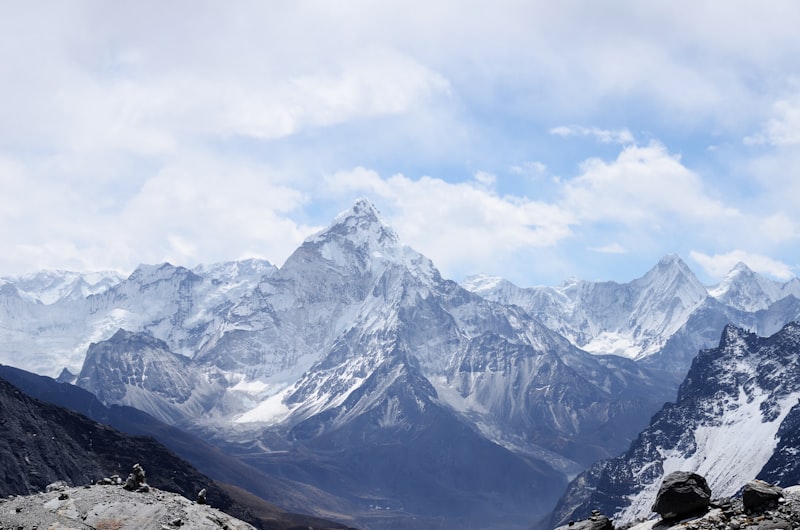
The three sacred peaks of Haguro, Gas-san, and Yudono have been a centre of Shugendo mountain asceticism for over 1,400 years, drawing yamabushi pilgrims in white robes who complete gruelling multi-day rituals combining Shinto, Buddhism, and animist nature worship. Mt Haguro's five-storey pagoda at the base of a cedar-lined stone stairway is one of the most atmospheric approaches in all of Japan. Together the three mountains represent birth, death, and rebirth.

Sacred Mountains Yamabushi Shinto Pilgrimage
Kaminoyama Castle
📍

Kaminoyama Castle

Kaminoyama Castle's white-walled keep perches above the onsen town and Zao foothills, rebuilt in 1982 on its original Sengoku-era foundations. The castle houses a local history museum and the hilltop provides panoramic views over the town and toward the Zao mountain range. In late April, the surrounding grounds burst with cherry blossoms making it one of Yamagata's most photogenic spring spots.

Castle Cherry Blossoms Edo Period Kaminoyama
Tsuruoka — Chido Museum & Samurai District
📍

Tsuruoka — Chido Museum & Samurai District

Tsuruoka was the castle town of the powerful Shonai Domain and retains an exceptional stock of Meiji-era Western-style buildings and samurai residences. The Chido Museum gathers relocated historical structures — samurai houses, a former prefectural office, and a police station — in a parkland setting. The nearby Zenpoji Temple complex and Tsuruoka Catholic Church (1903) add to a remarkably diverse historic townscape.

Samurai Museum Shonai Domain Historic
Sakata — Sankyo Soko Rice Warehouses
📍

Sakata — Sankyo Soko Rice Warehouses

Sakata was one of Japan's great merchant ports — the northern terminus of the kitamaebune trading ships that carried rice, sake, and goods along the Japan Sea coast in the Edo period. The Sankyo Soko complex of twelve 19th-century rice warehouses lines the Niida River canal, their black-painted boards and zelkova tree avenue creating one of Tohoku's most evocative historic townscapes. Several warehouses now contain craft shops and local produce.

Rice Warehouses Kitamaebune Trading History Canal
🍜

Gourmet

5 spots
Imoni (Yamagata Taro Stew)
📍

Imoni (Yamagata Taro Stew)

Imoni is Yamagata's most beloved seasonal dish — a hearty taro root and beef stew simmered with konnyaku, leek, and soy-based broth over an open fire on the riverbank in autumn. The tradition of imoni parties (imonikai) where friends gather at the riverside to cook huge pots together is a deeply embedded autumn ritual unique to Yamagata. The Yamagata Imoni Festival takes the concept to an extraordinary extreme with a 6-metre diameter iron pot.

Imoni Taro Root Autumn River Party
Yamagata Beef (Wagyu)
📍

Yamagata Beef (Wagyu)

Yamagata beef (Yamagata Gyu) is one of Japan's certified branded wagyu strains — raised on the clean mountain water and feed of the Shonai and Okitama regions, the cattle develop exceptional marbling and a distinctively clean, sweet fat that distinguishes it from Kobe or Matsusaka styles. Look for it as shabu-shabu, sukiyaki, or grilled thinly over charcoal at specialist restaurants in Yamagata City and Yonezawa.

Wagyu Yamagata Gyu Beef Premium
Yamagata Dashi (Summer Vegetable Condiment)
📍

Yamagata Dashi (Summer Vegetable Condiment)

Not to be confused with the soup stock of the same name, Yamagata dashi is a finely chopped summer condiment of cucumber, nasu eggplant, okra, myoga ginger, shiso, and edamame tossed with soy sauce and sometimes natto — served ice-cold over tofu or rice as a refreshing summer dish. Every household has its own variation and the rivalry between recipes is fierce.

Dashi Summer Vegetables Tofu Topping Fermented
Yamagata Soba (Hand-Cut Buckwheat)
📍

Yamagata Soba (Hand-Cut Buckwheat)

Yamagata is one of Tohoku's great soba prefectures — the mountain climate and volcanic soil produce buckwheat of exceptional flavour, and the hand-cut soba tradition here emphasises a coarser, nuttier texture than Tokyo-style fine noodles. Cold zaru soba with local wasabi and a concentrated dashi tsuyu is the summer standard; autumn brings warm tororo soba with mountain yam.

Soba Handmade Buckwheat Tohoku
Yamagata Cherries — Japan's Cherry Capital
📍

Yamagata Cherries — Japan's Cherry Capital

Yamagata produces approximately 70% of Japan's entire cherry harvest, and the prefecture takes enormous pride in its satonishiki and beni-szuyu varieties — large, deeply coloured, intensely sweet cherries that retail as premium gifts across Japan. The Higashine and Sagae areas are the cherry heartland; roadside stalls and pick-your-own orchards operate from mid-June through July.

Cherries Fruit Summer Sagae
🏔️

Nature

6 spots
Zao Okama Crater Lake
📍

Zao Okama Crater Lake

Zao's Okama crater lake is one of Japan's most spectacular volcanic phenomena — an almost perfectly circular caldera filled with water of an otherworldly emerald-green colour caused by dissolved sulphur compounds. The Zao Echo Line toll road reaches the rim, making this one of Japan's most accessible volcanic craters. The colour shifts between deep teal and bright lime depending on weather and light.

Crater Lake Emerald Green Volcanic Scenic Drive
Dewa Sanzan — Three Sacred Mountains
📍

Dewa Sanzan — Three Sacred Mountains

The three sacred peaks of Haguro, Gas-san, and Yudono have been a centre of Shugendo mountain asceticism for over 1,400 years, drawing yamabushi pilgrims in white robes who complete gruelling multi-day rituals combining Shinto, Buddhism, and animist nature worship. Mt Haguro's five-storey pagoda at the base of a cedar-lined stone stairway is one of the most atmospheric approaches in all of Japan. Together the three mountains represent birth, death, and rebirth.

Sacred Mountains Yamabushi Shinto Pilgrimage
Mogami River Gorge Boat Ride
📍

Mogami River Gorge Boat Ride

The Mogami River gorge boat ride (Mogami Gorge Funakudari) is one of Japan's most celebrated river excursions — flat-bottomed boats navigate 16 km of dramatic gorge while boatmen sing traditional folk songs. In spring the gorge walls are draped with wild cherry blossoms; in autumn the maples turn the cliffs deep crimson above the dark water. The season runs April to November.

River Boat Gorge Cherry Blossoms Autumn Foliage
Gassan Ski Area & Alpine Wildflowers
📍

Gassan Ski Area & Alpine Wildflowers

Gassan has Japan's longest alpine ski season — snow covers the upper slopes from November through late July, making June and July skiing among flowers a uniquely Japanese experience. As the ski season finally yields to summer in late July, the mountain erupts with alpine wildflowers including snow buttercups, Japanese primrose, and carpets of hanazo (alpine lilies) across the high plateau.

Skiing Longest Season Wildflowers Alpine
Zao Juhyo — Snow Monsters
📍

Zao Juhyo — Snow Monsters

Zao's 'juhyo' (tree ice monsters) are one of Japan's most otherworldly winter spectacles — the combination of supercooled sea-mist blown in from Siberia and sub-zero temperatures coats every tree in successive layers of ice and snow, building up over weeks into enormous white monstrous forms resembling giants or aliens. The juhyo season runs from late December through late February; monster illuminations after dark are especially dramatic.

Snow Monsters Juhyo Winter Zao
Tobishima Island — Remote Sea Bird Sanctuary
📍

Tobishima Island — Remote Sea Bird Sanctuary

Tobishima lies 39 km off the Sakata coast in the Sea of Japan — a small, remote island of roughly 250 residents where time moves slowly and the surrounding waters host enormous colonies of black-tailed gulls (umineiko) and other sea birds. The ferry from Sakata takes two hours, and the island's clifftop trails, fishing harbour, and near-total absence of tourism make it one of Yamagata's most rewarding off-the-beaten-path experiences.

Island Sea Birds Remote Nature Reserve
🎿

Leisure

5 spots
Zao Onsen — Sulphur Ski Resort & Hot Spring
📍

Zao Onsen — Sulphur Ski Resort & Hot Spring

Zao Onsen is Japan's most complete ski-and-onsen resort — the slopes receive consistently heavy snowfall from November to April, while the milky-white sulphurous hot springs at the base of the mountain have been flowing since the 2nd century. The town's open-air Zao Dai-Rotenburo communal bath is a Yamagata institution: stripping off ski gear and sliding into steaming sulphurous water with mountain views is the perfect end to a day on the piste.

Onsen Skiing Sulphur Springs Ski Resort
Ginzan Onsen — Taisho-Era Lantern Town
📍

Ginzan Onsen — Taisho-Era Lantern Town

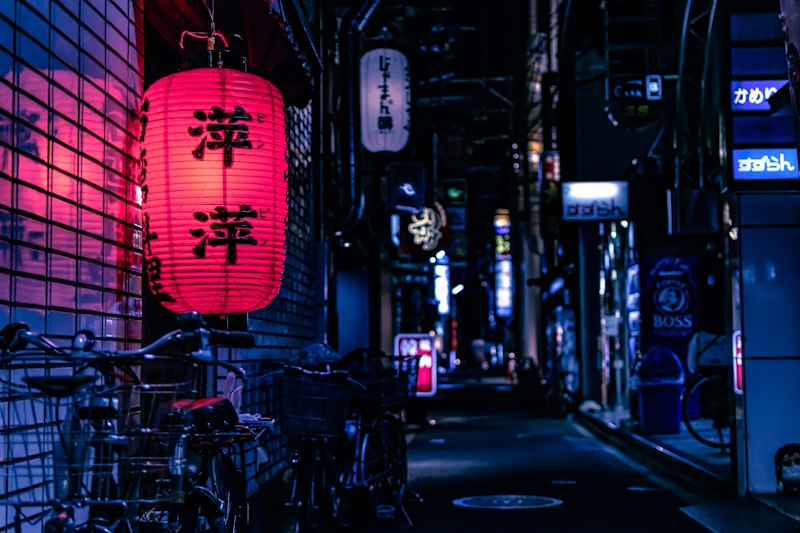
Ginzan Onsen is widely regarded as Japan's most photogenic hot spring town — a handful of multi-storey Taisho-era timber ryokan line both banks of a narrow mountain stream in a tight valley, all preserved in immaculate 1920s style. After dark, the buildings are illuminated by traditional gas lanterns reflected in the flowing water below, creating a scene so cinematic that it reportedly inspired the bathhouse in Miyazaki's 'Spirited Away'. Daytrippers are allowed but an overnight stay is transformative.

Onsen Taisho Era Lanterns Historic
Higashine Cherry Picking
📍

Higashine Cherry Picking

Higashine City is at the heart of Yamagata's cherry-growing country, offering dozens of pick-your-own orchards where visitors eat unlimited cherries directly from the tree for a fixed fee (typically ¥1,500–¥2,000 for 30 minutes). The experience runs from mid-June through late July; the best orchards grow satonishiki and beni-szuyu varieties, the latter as large as small plums.

Cherry Picking Orchard Summer Activity Fruit
Kaminoyama Onsen
📍

Kaminoyama Onsen

Kaminoyama Onsen is a compact hot spring town at the foot of the Zao foothills with 550 years of history — legend holds it was discovered in 1458 by a sick crane bathing in a warm spring. The town has a distinctive character combining a working onsen community with the castle above and Edo-period samurai history. The foot baths and casual ashiyu dotted around the town centre allow visitors to take the waters without checking in.

Onsen Hot Spring Town Samurai Yamagata
Tendo Onsen & Shogi Piece Craft
📍

Tendo Onsen & Shogi Piece Craft

Tendo produces over 95% of all shogi (Japanese chess) pieces in Japan, and the town's artisans hand-carve and ink the characters onto boxwood pieces using techniques unchanged for 150 years. The Tendo Shogi Museum and craft workshops welcome visitors; the city also hosts the famous 'Human Shogi' tournament in spring where people in Sengoku costume play as the living pieces on a giant outdoor board.

Shogi Traditional Craft Onsen Human Shogi
🎆

Events

5 spots
Hanagasa Matsuri — Flower Hat Festival (Aug)
📍

Hanagasa Matsuri — Flower Hat Festival (Aug)

The Hanagasa Matsuri (August 5–7) is one of Tohoku's great summer festivals — over 10,000 dancers parade through central Yamagata City wearing broad straw hats decorated with safflower blossoms (benibana), waving the hats in graceful choreographed sequences to the driving rhythm of the Hanagasa Ondo chant. The festival fills the city's main boulevards three evenings in succession and is free to watch from the roadside.

Hanagasa Festival Flower Hats August
Yamagata Imoni Festival (September)
📍

Yamagata Imoni Festival (September)

Every September, Yamagata City stages the world's most ambitious taro stew event — a 6.5-metre diameter iron pot (requiring a crane to move) is filled with 3 tonnes of taro root, 1.2 tonnes of beef, 3,500 bottles of soy sauce, and 700 litres of sake to feed over 30,000 people. The pot is stirred with a cement-mixer attachment, and the spectacle of the preparation is as entertaining as the eating.

Imoni Festival 6-Metre Pot Autumn September
Gassan Winter Opening Ceremony (May)
📍

Gassan Winter Opening Ceremony (May)

Each spring, Gassan Ski Area officially opens its upper slopes for the new season — typically in late April or early May when lower-altitude resorts across Japan have long closed. The opening ceremony draws skiers and snowboarders who arrive to ski in full spring sunshine above a sea of clouds, often in shirt sleeves on the lower body while deep snow remains underfoot. The combination of snow and surrounding wildflower meadows is uniquely Japanese.

Ski Opening May Skiing Gassan Spring Snow
Sagae Cherry Blossom Festival (Late Apr)
📍

Sagae Cherry Blossom Festival (Late Apr)

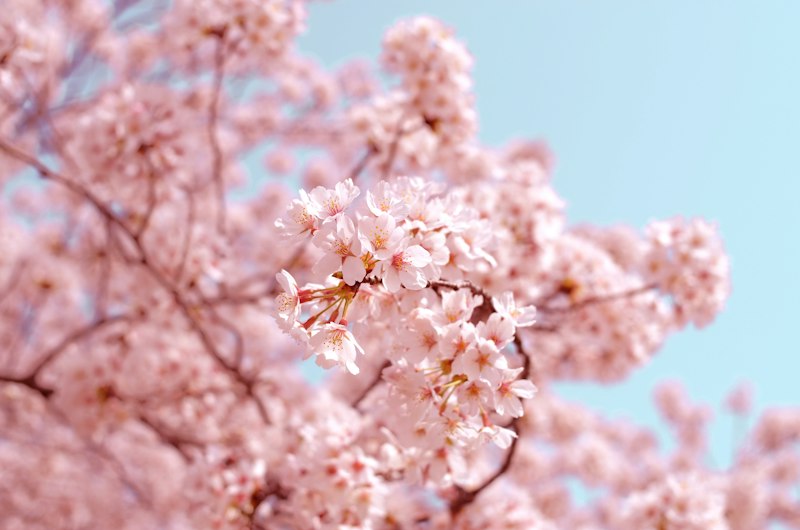
Sagae City's Ohkura Dam park and the surrounding cherry orchards erupt in pink in late April — the festival combines classic hanami (flower viewing) under the blossoms with cherry-themed food stalls, local sake, and evening illuminations that transform the blooming trees into glowing pink canopies. As Japan's premier cherry prefecture, this is one of the country's most authentic fruit-blossom celebrations.

Cherry Blossoms Sagae Spring Festival Hanami
Yamadera Autumn Foliage (Oct–Nov)
📍

Yamadera Autumn Foliage (Oct–Nov)

Yamadera transforms in autumn when the maple and zelkova trees covering the cliffs and valleys below the temple complex turn deep crimson and gold — the contrast of fiery foliage with the white stone steps and ancient pagoda is among the most photographed autumn scenes in Tohoku. The best colour typically occurs from late October through early November, and the early morning light before tour groups arrive creates exceptional atmospheric photography.

Autumn Foliage Yamadera Temple October

💡 Practical Travel Tips

Everything you need to know before and during your visit.

🌸
Best Time to Visit
  • Late April – May — Sagae and Higashine erupt in cherry blossoms from late April; the sakura season here is typically a week behind Tokyo, making Yamagata an excellent second leg of a spring trip through Tohoku. Late May and early June bring the cherry harvest season at pick-your-own orchards.
  • Summer (Jul–Aug) — The Hanagasa Matsuri (August 5–7) is Yamagata City's defining event, and summer is the season for Yamagata dashi on cold tofu, fresh cherries, and the Mogami River boat ride through lush green gorge. August is warm but not oppressively hot due to mountain elevation.
  • Autumn (Oct) — The Yamagata Imoni Festival falls in late September; October brings brilliant foliage to Yamadera's cliff temple, the Mogami gorge, and the Dewa Sanzan mountain trails. One of Tohoku's best autumn destinations.
  • Winter (Jan–Feb) — Zao's juhyo snow monsters peak from late December through late February. Combined with Zao Onsen's sulphurous hot springs and a night at Ginzan Onsen illuminated by lanterns in the snow, this is arguably Yamagata's most spectacular season for visitors who can handle the cold.
🏔️
Yamadera Tips
  • The 1,015 steps to the upper temple complex take 20–40 minutes at a comfortable pace — the climb is gradual and well-maintained, but wear proper shoes. The entrance fee is ¥300 at the Sanmon gate. Morning visits (before 9am) are far less crowded than midday and the low-angle light on the cliffs is superior for photography.
  • The Godaido observation platform at the top is the principal destination — from here the valley, river, and surrounding forested ridges spread below in every direction. In autumn the view is extraordinary; in winter the frozen silence is profound. Do not skip the smaller Kaisando hall nearby, carved directly into the cliff face.
  • Yamadera Station is on the JR Senzan Line — trains run roughly hourly from both Sendai (59 min, ¥860) and Yamagata (17 min, ¥240). The station is a 5-minute walk from the temple entrance. A Sendai–Yamadera–Yamagata day trip by train is one of Tohoku's most satisfying itineraries and requires no car or advance reservation.
  • There is a small but excellent Basho haiku museum at the base of the steps (free admission with temple ticket) that provides context for the poem composed here in 1689. Reading it before climbing adds genuine depth to the experience.
❄️
Zao Onsen Tips
  • The juhyo (snow monsters) season runs from roughly late December through late February — peak formation is usually in January when the combination of Sea of Japan moisture and sub-zero temperatures builds the ice sculptures to their largest. The Zao Ropeway (¥2,800 return) carries visitors to the monster zone; night illumination events on designated weekends are the most dramatic experience.
  • The Zao Dai-Rotenburo communal open-air bath at the base of the slopes is one of Yamagata's finest: a large pool of milky sulphurous water at around 42°C, open to day visitors (¥550, 6am–10pm). The combination of cold mountain air and hot spring water after a ski day is deeply restorative — bring a towel.
  • Zao Onsen town is 40 minutes by bus from Yamagata Station (¥860). The ski area is large enough for multiple days, with 28 courses and 12 lifts. Ski and snowboard rental is available in the resort village. The upper slopes are consistently good powder due to heavy snowfall from Siberian weather systems.
  • Outside ski season, Zao is accessible in summer via the Zao Echo Line toll road to the Okama crater — the road is open from late April to early November. A morning visit before clouds fill the crater gives the best view of the emerald-green water.
♨️
Ginzan Onsen Tips
  • Ginzan Onsen has only a handful of ryokan on its famous riverside strip — Notoya, Fujiya, Shiroganeyu, and several others — and the most characterful rooms facing the stream book out months ahead, especially on winter weekends. Midweek stays in winter are the best combination of availability and atmosphere. Book directly with the ryokan (most have English booking forms) or via a travel agent well in advance.
  • Daytrippers are permitted and can walk the riverside, eat at small restaurants, and use some day-use bathing facilities — but the real Ginzan experience is after the daytrippers depart at dusk, when the lanterns come on and the town falls quiet. An overnight stay transforms the experience completely.
  • Getting there without a car requires taking the JR Ou Line to Oishida Station (35 min from Yamagata, ¥590) and then a bus to Ginzan Onsen (40 min, ¥600). Bus frequency is low — check timetables carefully and allow for connections. A rental car from Yamagata (1 hr drive) is significantly more convenient, especially in winter when buses can be unreliable.
  • The town's Shiroganeyu public bath (¥500) is the most accessible for day visitors and offers the Ginzan experience without a ryokan reservation. Arrive at opening time (8am) for the quietest session. The water is clear and moderately sulphurous — good for skin.
🍒
Food Tips
  • Imoni (taro root stew) is available at restaurants throughout Yamagata prefecture from August through October, but for the authentic experience it is eaten outdoors by a riverbank with friends around a fire. The Yamagata Imoni Festival in September is the most accessible introduction; outside festival season, riverside imonikai groups are common along the Mamigasaki River on autumn weekends.
  • Yamagata beef is best eaten in Yonezawa (the Yonezawa beef sub-brand is particularly prized), where specialist sukiyaki and shabu-shabu restaurants in the city centre serve the full experience from ¥5,000–¥10,000 per person. In Yamagata City, department store basement food halls stock excellent packaged Yamagata Gyu for gifts.
  • The Yamagata dashi condiment appears on menus across the prefecture from June through September as 'dashi tofu' or 'dashi gohan' — a cold, finely chopped vegetable mixture with soy sauce that is deeply refreshing in summer. Every family and restaurant makes it slightly differently; the version at ryokan breakfast is often the most refined.
  • Cherries as souvenirs are sold in elegant gift boxes at Yamagata Airport and Yamagata Station from mid-June through July — the satonishiki variety travels well and makes one of Japan's finest perishable food gifts. For the freshest experience, the roadside stalls between Higashine and Sagae sell baskets direct from the orchard at prices far below supermarket rates.

🏨 Find Hotels in Yamagata

Compare prices across hundreds of hotels — from budget capsules to luxury ryokan.

Search Hotels on Booking.com →

🎌 Tours & Experiences

Book guided tours, day trips, cooking classes, and cultural experiences.

Browse Tours on Viator →

🗺️ Activities & Attractions

Skip the queues — pre-book entry tickets, day tours, and local experiences.

Explore on GetYourGuide →

🎟️ Things to Do in Yamagata

Discover tickets, transport passes, and unique local experiences in Yamagata with Klook.

Book on Klook →

🚄 JR Pass & Rail Tickets

Pre-purchase your JR Pass or individual shinkansen tickets before you arrive.

Buy JR Pass →