Chugoku · Prefecture Guide

Yamaguchi Travel Guide: Caves, Clifftop Shrines & Fugu Capital

Limestone wonders, clifftop shrines, and Japan's fugu capital

🦈 Fugu Capital — 80% of Japan's blowfish lands in Shimonoseki🕳️ Akiyoshido Cave stretches 10km underground (Japan's largest)⛩️ Motonosumi's 123 torii gates cascade down dramatic sea cliffs🏯 Hagi birthed 5 Meiji-era prime ministers from samurai roots🌉 Kintaikyo Bridge rebuilt 200+ years using no nails

🗾 About Yamaguchi

Yamaguchi is where Japan gets delightfully weird and wonderful. This westernmost prefecture on Honshu feels like a secret handshake — most travelers zoom past toward Kyushu, but those who pause discover an underground cathedral carved by water over 300 million years, a shrine where you throw coins upward into a donation box perched 6 meters high, and restaurants where chefs with decade-long training serve the fish that could kill you if sliced wrong. The landscapes toggle between dramatic and serene: limestone plateaus that look like Chinese scroll paintings, 123 vermillion torii gates marching down cliffs to crashing waves, and a bridge so elegant it's been inspiring woodblock prints since 1673. Hagi's samurai quarter streets still smell of white plaster walls and wood smoke, while Shimonoseki's fish market wakes before dawn with the country's wildest seafood auction. This is Japan's frontier energy — where tradition runs deep but nobody's precious about it.

📍
Location
Western tip of Honshu, facing Sea of Japan & Seto Inland Sea
🚉
Main Gateway
Shin-Yamaguchi Station (Shinkansen) / Yamaguchi Ube Airport
👥
Population
~1.3 million (less crowded than major cities)
🗣️
Language
Japanese (limited English in rural areas)
💴
Currency
Japanese Yen (¥) — cash preferred outside cities
Timezone
Japan Standard Time (JST, UTC+9)
🌦️
Climate
Temperate — hot summers, mild winters (occasional snow inland)
🎌
Best For
Cave exploration, coastal drives, samurai history, fugu dining

✈️ Getting There

Yamaguchi sits at Honshu's western tip with excellent Shinkansen connections and a small domestic airport. The prefecture rewards travelers with rental cars, though key attractions are accessible by train and bus.

🚄 By Shinkansen (Bullet Train)
  • Tokyo → Shin-Yamaguchi: 4.5 hours via Nozomi (¥19,000)
  • Osaka → Shin-Yamaguchi: 2.5 hours (¥13,000)
  • Fukuoka → Shin-Yamaguchi: 40 minutes (¥4,500)
  • JR Pass holders: Hikari & Sakura trains stop at Shin-Yamaguchi
✈️ By Air
  • Yamaguchi Ube Airport: Flights from Tokyo (Haneda) — 1.5 hours
  • ANA operates 4-5 daily flights (¥15,000-30,000 depending on season)
  • Airport bus to Shin-Yamaguchi Station: 40 min (¥1,000)
  • Fukuoka Airport is closer for international arrivals (1 hour by train)
🚌 By Highway Bus
  • Osaka → Shimonoseki: 9 hours overnight (¥7,000 — budget option)
  • Fukuoka → Yamaguchi City: 2 hours (¥2,500)
  • Hiroshima → Iwakuni: 1 hour (¥1,500)
🚗 By Car (Rental)
  • Highly recommended for Motonosumi Shrine & Akiyoshidai Plateau
  • Rentals from ¥5,000/day at Shin-Yamaguchi Station
  • Coastal Route 191 offers stunning Sea of Japan views
  • GPS units available in English — book in advance
💡 Travel TipRent a car for maximum flexibility — attractions like Motonosumi Shrine are tricky by public transport, and coastal drives between Hagi and Nagato rank among Japan's most scenic.

📖 Recommended Travel Guides

Deep-dive guides to help you plan every aspect of your visit — from top sightseeing spots to the best restaurants and seasonal events.

⛩️

Sightseeing

16 spots
Motonosumi Shrine
📍 Nagato, Yamaguchi

Motonosumi Shrine

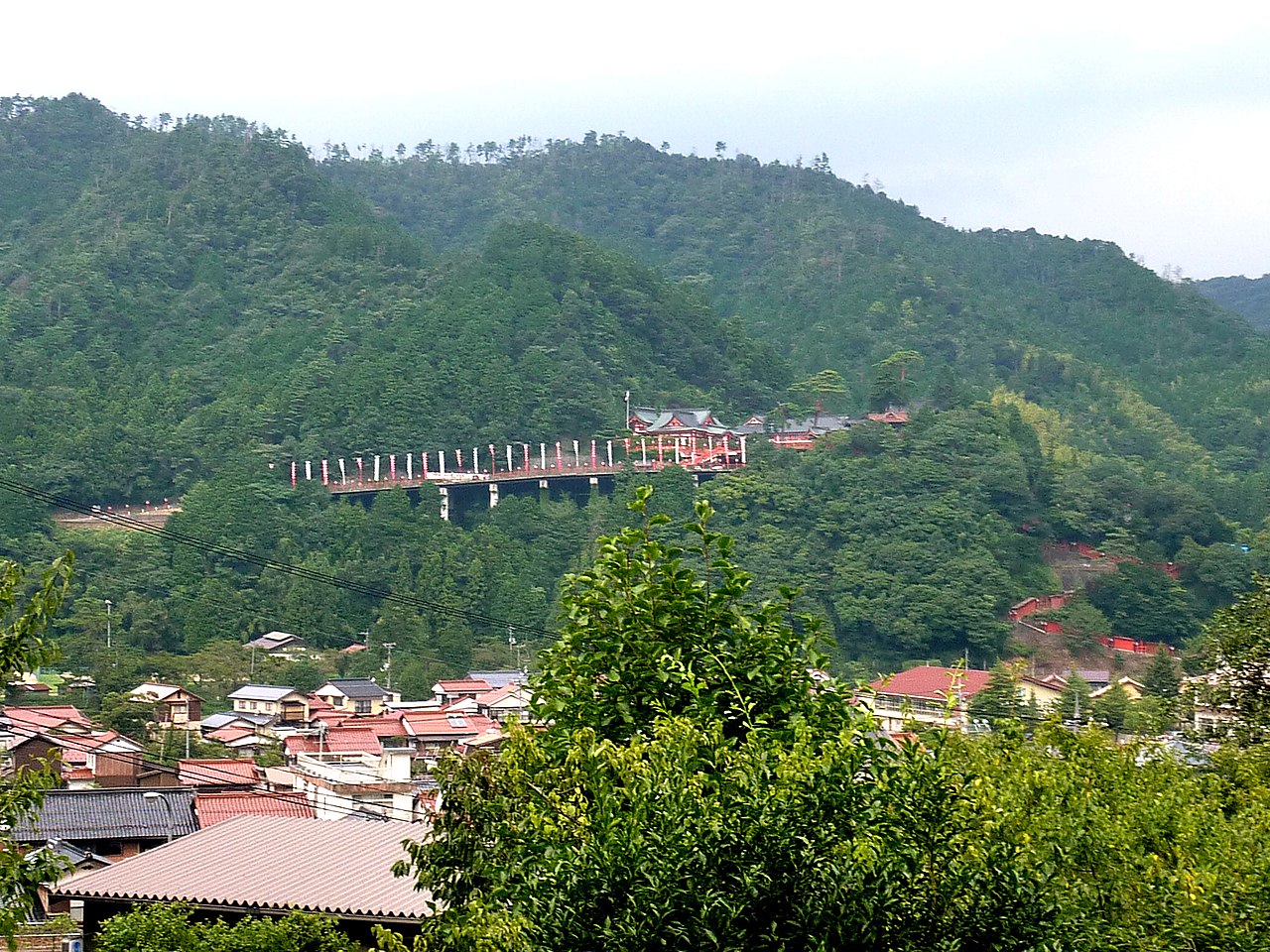
Perched dramatically on a cliff overlooking the Sea of Japan, this shrine features a breathtaking tunnel of 123 vermillion torii gates cascading down towards the ocean. The iconic photo spot captures one of Japan's most photogenic shrine settings with waves crashing below. Visit at sunset for the most magical atmospheric lighting.

123 Torii Gates Coastal Cliffs Spiritual Site
Akiyoshido Cave
📍 Akiyoshi, Yamaguchi

Akiyoshido Cave

Japan's largest limestone cave stretches 8.9 kilometers through stunning geological formations with an underground river. Walk through illuminated passages past dramatic stalactites and stalagmites that showcase millions of years of natural architecture. The cave maintains a cool 15°C year-round, making it a refreshing escape even in summer.

Limestone Cave Underground River Japan's Largest
Taikodani Inari Shrine
📍 Tsuwano, Yamaguchi

Taikodani Inari Shrine

Climb through a tunnel of thousands of vermillion torii gates winding up a forested mountainside to this powerful Inari shrine. The atmospheric path offers spiritual contemplation and excellent views from the summit. Legend says this is one of the most sacred Inari shrines in Japan, dedicated to foxes and prosperity.

Thousand Torii Gates Mountain Hike Sacred Site
Hagi Pottery Workshop
📍 Hagi, Yamaguchi

Hagi Pottery Workshop

Learn the ancient art of Hagi ware pottery in interactive workshops where you can throw clay on a potter's wheel or hand-shape traditional pieces. Hagi ceramics are prized for their warm, natural aesthetic and have been crafted here for over 400 years. Finished pieces can be glazed and fired, creating a meaningful souvenir.

Ceramic Arts Hands-On Experience Traditional Craft
Shimonoseki Aquarium
📍 Shimonoseki, Yamaguchi

Shimonoseki Aquarium

Home to several impressive whale sharks in one of Japan's largest aquariums, this facility provides fascinating insight into the diverse marine ecosystems of the Kanmon Strait. The underwater tunnel offers immersive viewing experiences with schools of fish swimming overhead. Interactive touch pools and feeding demonstrations make it perfect for families.

Whale Sharks Marine Life Family Friendly
Kintaikyo Bridge
📍 Iwakuni, Yamaguchi

Kintaikyo Bridge

One of Japan's most iconic wooden arched bridges, Kintaikyo has graced the Nishiki River since 1673 with its five graceful arches. The bridge offers stunning reflections especially in spring (cherry blossoms) and autumn (maple leaves), making it a photographer's dream. The surrounding park and riverside atmosphere provide a peaceful, authentic Japanese experience.

Historic Bridge Five Arches UNESCO Site
🍜

Gourmet

6 spots
Shimonoseki Fugu Cuisine
📍 Shimonoseki, Yamaguchi

Shimonoseki Fugu Cuisine

Eating fugu in Shimonoseki — where it's called 'fuku' (good fortune) for a positive wordplay — is a defining culinary experience. Certified restaurants serve the translucent sashimi arranged in chrysanthemum patterns on black lacquerware, followed by fugu hot pot, fried fugu (karaage), and fugu sake with a floating fin. Safe, extraordinary, and unforgettable.

Fugu Blowfish Delicacy Fine Dining
Fugu Restaurant Experience
📍 Shimonoseki, Yamaguchi

Fugu Restaurant Experience

Shimonoseki is Japan's premier fugu destination, and dining here offers an authentic taste of this legendary delicacy prepared by certified chefs. Fugu is served as sashimi, grilled, in hot pot, and soup, showcasing the subtle, delicate flavor. The experience combines culinary artistry with cultural tradition in this famous fishing town.

Blowfish Cuisine Michelin-Starred Traditional Preparation
Nagato Wagyu Grilling Experience
📍 Nagato, Yamaguchi

Nagato Wagyu Grilling Experience

Enjoy premium Nagato wagyu beef at specialized grilling restaurants where you cook thin slices over charcoal right at your table. The marbling and tenderness of this local beef brand create an unforgettable meat experience. Many establishments source directly from local ranches and offer tasting menus featuring multiple cuts.

Wagyu Beef BBQ Experience Premium Meat
Takehara Sushi Village
📍 Takehara, Yamaguchi

Takehara Sushi Village

This charming village celebrates the art of sushi-making with multiple restaurants serving traditional sushi made from fresh local seafood. Many establishments offer sushi-making classes where visitors learn proper rice preparation, fish cutting, and rolling techniques. The village maintains an authentic atmosphere with historic wooden buildings.

Sushi Specialty Local Ingredients Traditional Craft
Nagato Mikan Farm
📍 Nagato, Yamaguchi

Nagato Mikan Farm

Pick your own sweet Hagi mikan (mandarin oranges) directly from trees in hillside orchards during harvest season (October-December). The farms offer stunning views of the Sea of Japan and the experience includes tasting freshly harvested fruit. Some farms provide homemade juice and mikan-themed snacks as part of the visit.

Citrus Orchard Seasonal Picking Farm Fresh
Karato Market
📍 Shimonoseki, Yamaguchi

Karato Market

Explore this bustling waterfront market where Shimonoseki's fresh daily catch is displayed and sold, including the famous fugu and whale meat. Visitors can purchase sashimi and seafood to take to nearby restaurants, or try street food stalls selling grilled scallops and fresh fish cakes. The market pulses with energy and authentic local culture.

Seafood Market Fresh Catch Local Flavors
🏔️

Nature

5 spots
Akiyoshido Cave
📍 Akiyoshi, Yamaguchi

Akiyoshido Cave

Japan's largest limestone cave stretches 8.9 kilometers through stunning geological formations with an underground river. Walk through illuminated passages past dramatic stalactites and stalagmites that showcase millions of years of natural architecture. The cave maintains a cool 15°C year-round, making it a refreshing escape even in summer.

Limestone Cave Underground River Japan's Largest
Akiyoshido Cave & Akiyoshidai Plateau
📍 Mine, Yamaguchi

Akiyoshido Cave & Akiyoshidai Plateau

Akiyoshido is Japan's largest limestone cave, extending 10 km through an extraordinary karst landscape of stalactites, underground rivers, and illuminated limestone columns up to 15 m tall. The surrounding Akiyoshidai plateau — 130 sq km of exposed limestone karst (lapies) — is equally striking, especially in morning mist or golden sunset light.

Cave Karst Limestone Stalactites
Akiyoshidai Plateau
📍 Akiyoshi, Yamaguchi

Akiyoshidai Plateau

This vast limestone plateau stretches across Japan's largest karst landscape with dramatic rocky formations creating a lunar-like terrain. Well-marked hiking trails crisscross the plateau offering stunning vistas, seasonal wildflowers, and unique geological formations. The area is designated a National Geopark and provides excellent views especially at sunset.

Karst Landscape Hiking Trails Natural Monument
Shofu Lake Scenic Trail
📍 Hagi, Yamaguchi

Shofu Lake Scenic Trail

This pristine mountain lake offers peaceful hiking paths through forests with seasonal beauty—cherry blossoms in spring, fresh greenery in summer, and fiery maples in autumn. The 10-kilometer loop trail features multiple viewpoints and a rustic rest house serving local snacks. The area provides a serene escape from urban crowds.

Mountain Lake Hiking Trail Seasonal Views
Shimonoseki Kanmon Strait
📍 Shimonoseki, Yamaguchi

Shimonoseki Kanmon Strait

Experience the dramatic Kanmon Strait where Honshu and Kyushu nearly touch, creating powerful tidal whirlpools and swift currents. The Kanmon Bridge and underwater tunnel showcase modern engineering alongside historic maritime significance. The observation deck offers panoramic views of one of Japan's most important waterways.

Strait View Maritime History Korea Tunnel
🎿

Leisure

6 spots
Hagi Pottery Workshop
📍 Hagi, Yamaguchi

Hagi Pottery Workshop

Learn the ancient art of Hagi ware pottery in interactive workshops where you can throw clay on a potter's wheel or hand-shape traditional pieces. Hagi ceramics are prized for their warm, natural aesthetic and have been crafted here for over 400 years. Finished pieces can be glazed and fired, creating a meaningful souvenir.

Ceramic Arts Hands-On Experience Traditional Craft
Shimonoseki Aquarium
📍 Shimonoseki, Yamaguchi

Shimonoseki Aquarium

Home to several impressive whale sharks in one of Japan's largest aquariums, this facility provides fascinating insight into the diverse marine ecosystems of the Kanmon Strait. The underwater tunnel offers immersive viewing experiences with schools of fish swimming overhead. Interactive touch pools and feeding demonstrations make it perfect for families.

Whale Sharks Marine Life Family Friendly
Yuda Onsen
📍 Yamaguchi, Yamaguchi

Yuda Onsen

Yamaguchi's most popular hot spring resort offers modern accommodation and traditional bathing experiences in the heart of the city. The slightly yellow-tinted waters are rich in minerals and believed to have skin-healing properties. Many inns feature both indoor and outdoor baths with mountain views.

City Hot Spring Modern Facilities Accessible Location
Takayama Onsen
📍 Mine, Yamaguchi

Takayama Onsen

This charming rural hot spring resort nestles in the Natsukawa Valley, offering traditional onsen experiences away from crowded tourist areas. The sulfur-rich waters are believed to have therapeutic properties for skin and circulation. Small, family-run inns provide intimate bathing experiences with scenic mountain views.

Hot Spring Rural Relaxation Mountain Setting
Nagato Mikan Farm
📍 Nagato, Yamaguchi

Nagato Mikan Farm

Pick your own sweet Hagi mikan (mandarin oranges) directly from trees in hillside orchards during harvest season (October-December). The farms offer stunning views of the Sea of Japan and the experience includes tasting freshly harvested fruit. Some farms provide homemade juice and mikan-themed snacks as part of the visit.

Citrus Orchard Seasonal Picking Farm Fresh
Shofu Lake Scenic Trail
📍 Hagi, Yamaguchi

Shofu Lake Scenic Trail

This pristine mountain lake offers peaceful hiking paths through forests with seasonal beauty—cherry blossoms in spring, fresh greenery in summer, and fiery maples in autumn. The 10-kilometer loop trail features multiple viewpoints and a rustic rest house serving local snacks. The area provides a serene escape from urban crowds.

Mountain Lake Hiking Trail Seasonal Views
🎆

Events

3 spots
Shimonoseki Fireworks Festival
📍 Shimonoseki, Yamaguchi

Shimonoseki Fireworks Festival

Launched over the Kanmon Strait separating Honshu from Kyushu, Shimonoseki's summer fireworks festival fires shells from both the Honshu and Kyushu shores simultaneously, creating a double-sided show viewed from the strait. The reflected colours on the narrow rushing channel water make this one of western Japan's most dramatic fireworks settings.

Fireworks Kanmon Strait Summer Festival
Yamaguchi Chochin Lantern Festival
📍 Yamaguchi City, Yamaguchi

Yamaguchi Chochin Lantern Festival

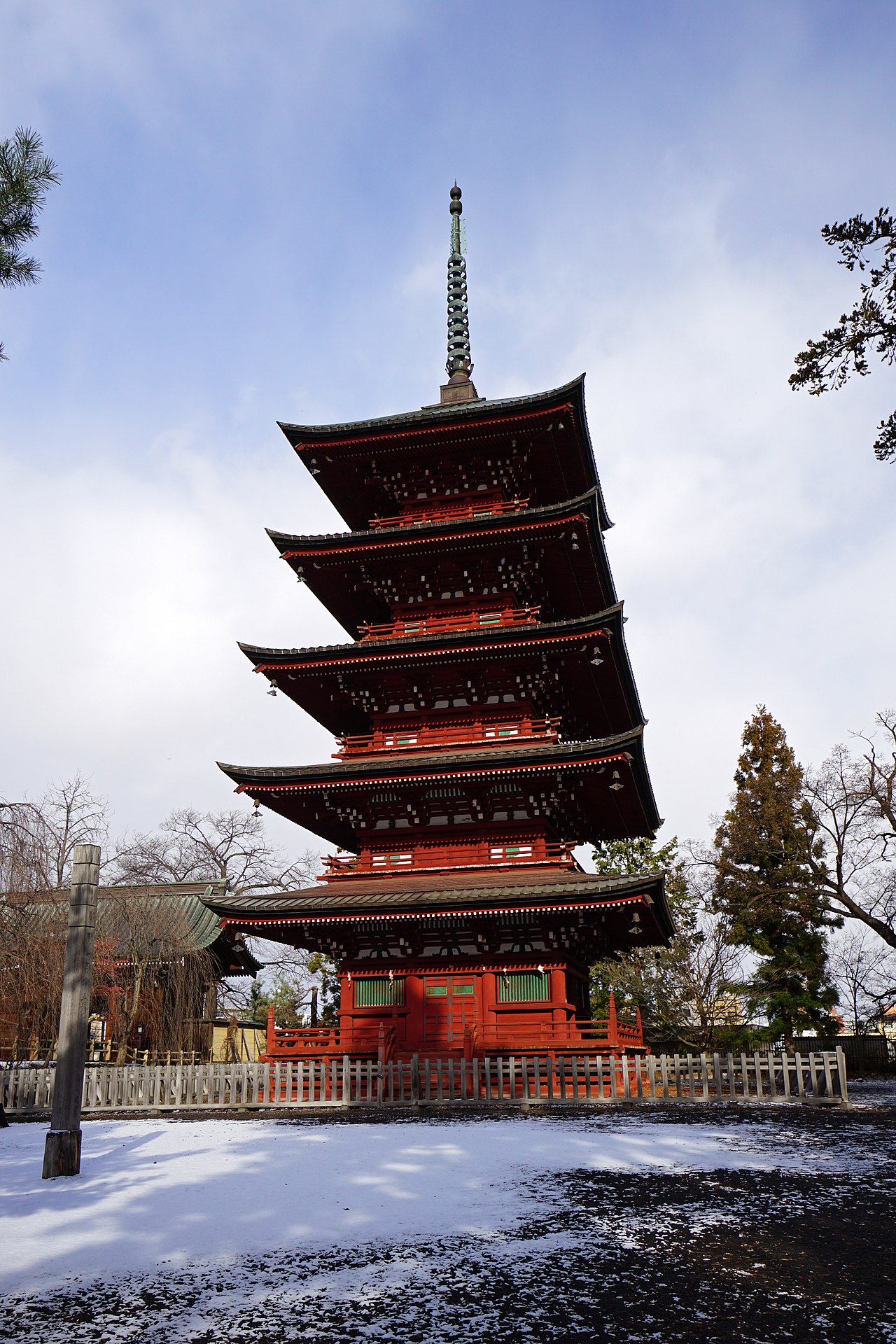
During Obon (mid-August), the streets of Yamaguchi city are adorned with thousands of hanging lanterns (chochin) in a tradition dating to 1448. Red-lacquered lanterns line the paths to Rurikoji Temple's five-storey pagoda and Kozan Park's Buddhist halls, creating a meditative evening atmosphere that continues for several nights.

Lanterns Summer Buddhist Obon
Shimonoseki Fugu (Blowfish) Festival
📍 Shimonoseki, Yamaguchi

Shimonoseki Fugu (Blowfish) Festival

Shimonoseki handles 80% of Japan's fugu (puffer fish) and celebrates its most prized ingredient with seasonal festivals including the Fugu Convention in spring, when hundreds of certified chefs prepare fugu in every possible form — sashimi (tessa), hot pot (tecchiri), fugu sake, and fugu karaage — at stalls throughout the city.

Fugu Blowfish Seafood Festival Local Culture
🎌

Experience

1 spots
Fugu (Blowfish) Preparation Class
📍 Shimonoseki, Yamaguchi

Fugu (Blowfish) Preparation Class

Fugu preparation requires a government-issued licence in Japan due to the potentially lethal tetrodotoxin in the fish's liver and ovaries. Shimonoseki's licensed chefs offer observation sessions and partial participation in the elaborate cleaning process — the razor-thin tessa sashimi slicing, the removal of toxic organs — giving participants insight into Japan's most legally regulated cuisine.

Fugu Cooking Shimonoseki Unique

💡 Practical Travel Tips

Everything you need to know before and during your visit.

🌸
Best Time to Visit
  • Spring (March-May): Cherry blossoms along Kintaikyo Bridge peak early April; mild temperatures perfect for cave exploration and coastal hikes (15-22°C)
  • Summer (June-August): Hot and humid (25-33°C); beaches open, but caves offer cool refuge; fugu season ends in May, restarts September
  • Autumn (September-November): Peak season — vibrant foliage in Akiyoshidai Plateau, comfortable weather, autumn festivals, prime fugu season begins
  • Winter (December-February): Fugu at its best and cheapest; mild coastal weather (5-10°C), occasional snow inland; fewer tourists mean peaceful samurai streets
💴
Budget Guide
  • Budget (¥8,000-12,000/day): Business hotel (¥5,000), convenience store meals + one fugu set lunch (¥2,500), bus transport, Akiyoshido Cave entry (¥1,300)
  • Mid-range (¥20,000-35,000/day): Onsen ryokan with dinner (¥15,000), rental car (¥6,000), fugu kaiseki course (¥8,000), pottery workshop (¥3,000)
  • Luxury (¥50,000+/day): High-end seaside ryokan (¥35,000+), private kaiseki fugu experience (¥15,000+), guided samurai town tour, premium Hagi pottery shopping
  • Money-saving tip: JR Pass holders ride free between cities; cave + plateau combo tickets save ¥500; fugu lunch sets offer same fish at 40% dinner pricing
🚇
Getting Around
  • Rental Car (Recommended): Most flexible for Motonosumi, Akiyoshidai, coastal drives; English GPS available; right-hand traffic; parking ¥300-500/day at attractions
  • JR Trains: San'yo Line connects major cities (Shin-Yamaguchi, Yamaguchi City, Shimonoseki); Mine Line reaches Akiyoshido Cave area; IC cards work regionally
  • Local Buses: Chugoku JR Bus serves Akiyoshido/Akiyoshidai; Hagi Loop Bus covers castle town (¥100/ride); Motonosumi requires taxi from nearest station (¥3,000)
  • Bicycles: Rentals available in Hagi (¥500/day) and Iwakuni — flat castle towns perfect for cycling; coastal routes challenging but scenic
📱
Staying Connected
  • Pocket WiFi: Essential for rural areas — rent at airport or Shin-Yamaguchi Station (¥900/day); coverage excellent even in Akiyoshido Cave entrance areas
  • SIM Cards: Available at Yamaguchi Ube Airport and major train stations; 7-day tourist plans from ¥2,000; ensure phone is unlocked before arrival
  • Free WiFi: Available at major stations, tourist centers, cafés in cities; spotty in rural Nagato/Hagi areas — download Google Maps offline
  • Apps to Download: Google Maps (works offline), Hyperdia (train schedules), Google Translate (camera function invaluable for menus), Yamaguchi Official Tourism app
🍽️
Food & Dining Tips
  • Fugu Protocol: Only licensed chefs serve it; lunch courses (¥2,500-5,000) offer same quality as dinner (¥8,000-15,000); try fugu sashimi, kara-age, hot pot sequence
  • Reservation Culture: Book fugu restaurants 2-3 days ahead, especially in Shimonoseki; ryokan dinners included but notify dietary restrictions when booking
  • Local Specialties: Kawara soba (green tea noodles on hot roof tile), Hagi mikan (sweetest mandarins), Misuzu miso, fresh uni from Nagato coast
  • Dining Hours: Lunch 11:30am-2pm, dinner 6-9pm (last order 8pm); convenience stores 24/7 but limited options in rural areas — stock snacks for road trips
🎌
Etiquette & Culture
  • Cave Manners: Wear non-slip shoes (wet floors); follow marked paths (closed areas protect rare formations); no flash photography damages limestone
  • Shrine Coin Toss: At Motonosumi's elevated offering box, it's good luck if your coin lands inside (most don't — it's designed to be challenging!)
  • Ryokan Protocol: Remove shoes at entrance; yukata robes provided for hallways/onsen; dinner served in-room or private dining area; tip not expected (included in service charge)
  • Samurai Town Respect: Many Hagi buildings are private residences — photograph from streets only; no touching white plaster walls (oils damage historical surfaces)

🏨 Find Hotels in Yamaguchi

Compare prices across hundreds of hotels — from budget capsules to luxury ryokan.

Search Hotels on Booking.com →

🎌 Tours & Experiences

Book guided tours, day trips, cooking classes, and cultural experiences.

Browse Tours on Viator →

🗺️ Activities & Attractions

Skip the queues — pre-book entry tickets, day tours, and local experiences.

Explore on GetYourGuide →

🎟️ Things to Do in Yamaguchi

Discover tickets, transport passes, and unique local experiences in Yamaguchi with Klook.

Book on Klook →

🚄 JR Pass & Rail Tickets

Pre-purchase your Japan Rail Pass online before you arrive — the easiest way to travel by Shinkansen across Japan.

Buy JR Pass on JRPass.com →
🗺️ Plan