Chubu · Prefecture Guide

Yamanashi Travel Guide

Mt Fuji's home prefecture — the world's most iconic mountain view, five crater lakes, Japan's finest wine country, stomach-warming hoto nabe, and the world's most terrifying roller coasters

🗻 Mt Fuji — UNESCO World Heritage, Japan's Sacred Peak🏯 Chureito Pagoda — World's Most Iconic Japan Photo🍷 Japan's Wine Capital — 80+ Wineries in Katsunuma🌸 Shibazakura — 800,000 Pink Flowers Below Fuji🎢 Fuji-Q Highland — World-Record Roller Coasters

🗾 About Yamanashi

Yamanashi is Japan's mountain-locked prefecture of superlatives, defined above all by the overwhelming presence of Mt Fuji — the 3,776-metre UNESCO World Heritage peak that appears in some form from almost every corner of the landlocked basin, reshaping the skyline whether you are standing at a lakeside at dawn or looking up from a bowl of hoto nabe in a back-street restaurant. The five-storey Chureito Pagoda rising above Fujiyoshida with Fuji filling the sky behind it has become the single most reproduced image of Japan in the world, drawing photographers from every continent who climb 398 stone steps before sunrise to secure a composition that looks almost too perfect to be real. North of the mountain, the Fuji Five Lakes — Kawaguchiko, Yamanakako, Saiko, Shojiko, and Motosuko — ring Fuji's volcanic base with mirror surfaces that double the mountain in breathtaking reflection, while the remote mountain town of Katsunuma has made Yamanashi Japan's undisputed wine capital, with over 80 wineries producing the internationally acclaimed Koshu white grape on sun-drenched terraced slopes backed by the Southern Alps.

🌏
Location
Central Honshu, south of Nagano — landlocked, bordered by Tokyo, Kanagawa, Shizuoka, Nagano, Saitama
🗣️
Language
Japanese (English signage in Fuji Five Lakes area)
💴
Currency
Japanese Yen (JPY) — cash useful at smaller ryokan and mountain huts
🕐
Time Zone
JST (UTC+9) — no daylight saving
🌡️
Best Season
Late Apr–May (Shibazakura festival under Fuji); Jul–Sep (climbing season); Oct–Nov (Shosenkyo foliage, wine harvest); Dec–Feb (clearest Fuji views)
✈️
Nearest Airports
No major airport. Access from Tokyo: Fujikyu Bus from Shinjuku to Kawaguchiko (2h); JR Chuo Line Ltd Express to Kofu (1h30m)
🚇
Getting Around
Fujikyu Railway from Otsuki to Kawaguchiko/Fujiyoshida; bus between lakes; rental car ideal for multiple lakes, wineries, and Shosenkyo
Power Plug
Type A, 100V / 50Hz

✈️ Getting There

Yamanashi is best accessed from Tokyo. The highway bus from Shinjuku to Kawaguchiko in 2 hours is the easiest and most direct route for the Fuji Five Lakes area, dropping visitors steps from the lakeside and the Fujikyu Railway network.

🚌 Highway Bus — Shinjuku to Kawaguchiko
  • Fujikyu Highway Bus (Shinjuku → Kawaguchiko) — approx 2 hours. Departs Busta Shinjuku Bus Terminal frequently throughout the day. Booking in advance is strongly recommended in peak season (Golden Week, August, Shibazakura season). Also stops at Fuji-Q Highland, making it the most efficient single transfer to the theme park.
🚆 JR Chuo Line Ltd Express — Shinjuku to Kofu
  • JR Azusa / Kaiji Ltd Express (Shinjuku → Kofu) — approx 1h30m. ¥3,200+ (reserved). Best rail gateway for Shosenkyo Gorge, Katsunuma wine district, and Kofu city. From Kofu, local buses and taxis reach the gorge and winery areas. JR Pass covers this route fully.
  • Fuji Excursion (Shinjuku → Kawaguchiko) — direct limited express with no transfer, approximately 1h50m. The most comfortable single-train option to the lakes.
🚄 From Nagoya or Osaka
  • From Nagoya — Tokaido Shinkansen to Mishima then local train to Fujisan Station on the Fujikyu line, or direct highway bus from Nagoya to Kawaguchiko (approx 3h30m).
  • From Osaka — Shinkansen to Tokyo followed by the Chuo Line or highway bus is the standard approach.
🚗 Getting Around Yamanashi
  • Rental Car — The most liberating choice for Yamanashi. The distance between the Fuji Five Lakes, Katsunuma wine district, Shosenkyo Gorge, and Oshino Hakkai makes a car enormously practical and opens viewpoints and orchard roads inaccessible by public transport.
  • Fujikyu Railway — Connects Otsuki (JR Chuo Line) to Kawaguchiko and Fujiyoshida with scenic views of Fuji on clear days.
  • Local Bus — Between the five lakes, a combination of rental bicycle and local bus covers the main tourist circuit adequately in summer and autumn.
💡 Travel TipThe Fuji Five Lakes area is best explored by rental car or bicycle — local buses are infrequent and the distances between lakes are too long to walk comfortably. The Fujikyu Railway Fuji Excursion runs directly from Shinjuku to Kawaguchiko without a transfer, making it the most comfortable rail option for first-time visitors.

📖 Recommended Travel Guides

Deep-dive guides to help you plan every aspect of your visit — from top sightseeing spots to the best restaurants and seasonal events.

⛩️

Sightseeing

9 spots
Chureito Pagoda & Fujiyoshida
📍

Chureito Pagoda & Fujiyoshida

The five-storey Chureito Pagoda rising above a cascade of stone steps with the perfect cone of Mt Fuji filling the sky behind it is arguably the single most reproduced image of Japan on earth. Reached via 398 steps up the hillside of Arakura Sengen Shrine, the view rewards every visitor with a composition that feels almost unreal. Spring cherry blossoms frame the pagoda in soft pink, while winter snowfall adds a crystalline stillness to the scene.
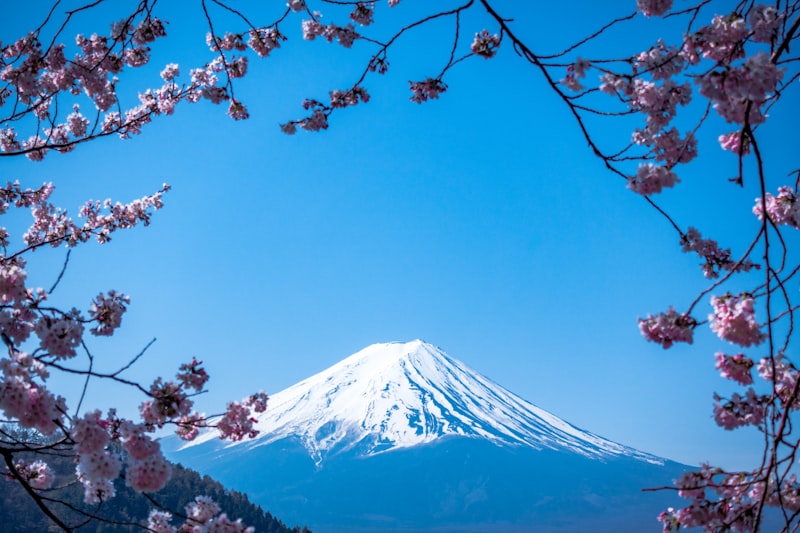
pagoda Mt Fuji iconic photo cherry blossoms UNESCO
Kawaguchiko — Fuji Five Lakes
📍

Kawaguchiko — Fuji Five Lakes

The most accessible of Fuji's five crater lakes, Kawaguchiko offers the celebrated mirror reflection of Mt Fuji in its still morning waters and a relaxed lakeside atmosphere year-round. The Kachi Kachi Ropeway sweeps visitors up to a viewpoint where Fuji and the lake spread out together below. Cycling the flat lakeshore path at sunrise, with Fuji flushed in orange light, is one of the great small pleasures of the Japanese Alps.

Mt Fuji reflection crater lake ropeway cycling Kachi Kachi
Shosenkyo Gorge
📍

Shosenkyo Gorge

Proclaimed Japan's most beautiful gorge, Shosenkyo carves through towering walls of sculpted granite in the mountains north of Kofu, its river running jade-green through polished stone channels and over small cascades. A walking trail winds through the canyon past the famous Kakuenbo rock formation and crosses a graceful suspension bridge high above the water. In autumn the canyon walls erupt in scarlet and gold, drawing thousands of visitors to what feels like a world apart from the Fuji tourist trail.

gorge autumn leaves granite suspension bridge hiking
Oshino Hakkai
📍

Oshino Hakkai

Eight crystalline ponds bubble up from the base of Mt Fuji, fed by snowmelt that has filtered through the volcano's lava rock for over a decade before emerging here at astonishing clarity. A thatched-roof village setting and views straight to Fuji's summit make Oshino Hakkai one of the prettiest UNESCO World Heritage sites in the country. Locals still use the purest of the eight ponds, Okama-ike, as a water source, and the carp visible to the bottom of every pool seem almost to float in air.

UNESCO spring ponds snowmelt traditional village Mt Fuji
Yamanashi Prefectural Museum
📍

Yamanashi Prefectural Museum

Kofu's standout cultural institution presents the deep history and natural heritage of Yamanashi in spacious, thoughtfully designed galleries that trace the prefecture from the age of Takeda Shingen through the Edo period to the modern wine and fruit industries. Striking contemporary architecture set within a park makes the building itself a reason to visit, and temporary exhibitions regularly bring major works from national collections. For overseas visitors wanting context beyond the mountain, this museum rewards an unhurried morning.

museum culture history Kofu art
Kofu Castle Ruins (Maizuru-jo)
📍

Kofu Castle Ruins (Maizuru-jo)

The elegant stone foundations of Maizuru-jo — Dancing Crane Castle — occupy a commanding hilltop right in the heart of Kofu city, with sweeping views over the Kofu Basin and, on clear days, a distant silhouette of Mt Fuji to the south. The castle was home to Tokugawa retainers after the fall of the Takeda clan and its carefully restored stonework is a pleasure to explore free of charge. Cherry blossoms transform the park each April into one of the most atmospheric hanami spots in Yamanashi.

castle ruins Kofu hilltop history
Fuji Five Lakes Panoramas
📍

Fuji Five Lakes Panoramas

Ringing the northern base of Mt Fuji, the five crater lakes — Kawaguchiko, Yamanakako, Saiko, Shojiko, and Motosuko — each offer a distinct character and angle on the mountain, from the broad mirror surface of the largest, Yamanakako, to the remote intimacy of tiny Shojiko. The classic postcard image of Fuji's reflection used on the 1,000-yen note is photographed from Motosu's western shore, where the composition has barely changed in a century. Circling all five in a single day by car is a deeply satisfying way to appreciate how the mountain shifts and dominates as you move around it.

lakes Mt Fuji Yamanakako Saiko panorama
Mt Fuji UNESCO World Heritage Sites
📍

Mt Fuji UNESCO World Heritage Sites

Mt Fuji was inscribed as a UNESCO World Heritage Site in 2013 not for its natural beauty alone but as a Cultural Site encompassing 25 component parts including Sengen Shrines at the base and summit, Oshino Hakkai's spring ponds, the Fujisan Hongu Sengen Taisha in Fujinomiya, and the climbing trails themselves. The inscription recognised Fuji's centuries of influence on Japanese art, literature, and religious practice, from Hokusai's Thirty-six Views to the mountain-worshipping Fujiko pilgrimage tradition. Walking any part of the heritage zone connects the visitor to that long human relationship with the mountain.

UNESCO World Heritage Sengen Shrine sacred mountain cultural sites
Fuji Five Lakes Winter Panorama
📍

Fuji Five Lakes Winter Panorama

Winter strips away the haze that softens Fuji in summer and reveals the mountain at its most dramatic: pure white with fresh snow, the air so clear the summit detail is visible with the naked eye from the Kawaguchiko shore. Still December mornings produce the iconic sakasa-fuji — inverted Fuji — reflected perfectly in the glassy lake surface, a composition that needs no filter and no luck beyond waking before sunrise. The cold keeps the casual visitors away and leaves the lakefront to photographers, early joggers, and anyone willing to trade warmth for what may be the finest view of Japan's most famous mountain.

winter Mt Fuji snow reflection Kawaguchiko
🍜

Gourmet

7 spots
Hoto Nabe
📍

Hoto Nabe

Yamanashi's definitive dish is hoto, a deeply comforting hot pot of broad, irregular flat noodles simmered until tender in a rich miso broth loaded with kabocha pumpkin, root vegetables, and mushrooms. Served in a cast-iron pot still bubbling at the table, it is warming, filling food perfectly calibrated to the cold mountain winters of the Fuji Five Lakes region. Every restaurant has a slightly different miso blend and noodle thickness, making the hunt for your favourite bowl a delicious ongoing project.

noodles miso kabocha hot pot soul food
Yamanashi Wine & Katsunuma
📍

Yamanashi Wine & Katsunuma

Japan's wine capital, Yamanashi accounts for a third of all domestic wine production, with the gentle sun-drenched slopes of Katsunuma town home to more than 80 wineries producing the delicate, citrusy Koshu white wine that now appears on the best restaurant lists in the world. Winery tours and barrel tastings in a landscape of trellised vines backed by the Southern Alps feel unexpectedly European, yet distinctly Japanese in their precision and hospitality. The autumn harvest season from October brings a festive energy and the year's freshest bottles.

wine Koshu winery tasting Japan's wine capital
Yoshida Udon
📍

Yoshida Udon

Fujiyoshida's home-style udon is a revelation for anyone who associates the dish with smooth, delicate strands — Yoshida udon is thick, chewy, rough-cut, and aggressively hearty, topped with boiled cabbage, a spoonful of sesame-rich miso-dare, and often slivers of boiled horse meat. Many of the town's best bowls are served from front rooms of private homes that open as restaurants only a few hours a day, giving the whole experience a wonderfully local, unselfconscious feel. It pairs perfectly with an early morning visit to the Chureito Pagoda before the tour buses arrive.

udon noodles horse meat cabbage Fujiyoshida
Shingen Mochi
📍

Shingen Mochi

Yamanashi's most beloved sweet is deceptively simple: a soft, yielding rice cake dusted in roasted soybean flour and finished with a drizzle of Okinawan black sugar syrup. What makes it memorable is the packaging — a tiny polka-dotted bag that you hold closed and shake vigorously to coat every surface of the mochi before eating it, a ritual that is half dessert and half performance. Named after the great warlord Takeda Shingen, it is the prefecture's top souvenir and disappears from shop shelves fast on busy weekends.

mochi rice cake souvenir kinako black sugar
Yamanashi Peaches & Grapes
📍

Yamanashi Peaches & Grapes

Japan's top fruit-producing prefecture drapes its hillsides in orchards of peaches and grapes that turn the Kofu Basin into a fragrant paradise from midsummer through early autumn. Roadside stalls sell peaches so ripe they need to be eaten over a sink, and grape varieties unavailable anywhere else in the world are piled high in wooden trays. A drive through the orchard roads at dawn, with Fuji visible above the treetops and the smell of warm fruit in the air, is one of Yamanashi's quieter and most rewarding pleasures.

peaches grapes fruit summer roadside stalls
Katsunuma Winery Tours & Tastings
📍

Katsunuma Winery Tours & Tastings

The Katsunuma district of Koshu city is Japan's answer to Burgundy — a compact valley of small family wineries, co-operative producers, and sleek modern estates all within easy cycling or walking distance of each other. Most wineries offer free or low-cost tastings of their Koshu white wine, Muscat Bailey A red, and seasonal releases, and many include barrel hall tours led by passionate winemakers who speak with infectious pride about the terroir of Japan's oldest wine region. An afternoon here is as relaxed and pleasurable as any winery visit in the world.

winery wine tasting Koshu tour vineyard
Yamanashi Wine Festival
📍

Yamanashi Wine Festival

Each October, the grape-harvest season in Katsunuma is celebrated with a wine festival that fills the town's main street with tasting booths, vineyard open days, and seasonal dishes perfectly paired to the year's new releases. Local wineries pour barrel samples and library wines rarely available outside the prefecture, and the whole event has the convivial warmth of a harvest celebration rather than a formal tasting event. The backdrop of autumn vine foliage turning gold in the mountain light adds a visual richness that makes the Yamanashi Wine Festival one of Japan's most appealing seasonal events.

wine festival Katsunuma harvest autumn Koshu wine
🏔️

Nature

14 spots
Kawaguchiko — Fuji Five Lakes
📍

Kawaguchiko — Fuji Five Lakes

The most accessible of Fuji's five crater lakes, Kawaguchiko offers the celebrated mirror reflection of Mt Fuji in its still morning waters and a relaxed lakeside atmosphere year-round. The Kachi Kachi Ropeway sweeps visitors up to a viewpoint where Fuji and the lake spread out together below. Cycling the flat lakeshore path at sunrise, with Fuji flushed in orange light, is one of the great small pleasures of the Japanese Alps.

Mt Fuji reflection crater lake ropeway cycling Kachi Kachi
Shosenkyo Gorge
📍

Shosenkyo Gorge

Proclaimed Japan's most beautiful gorge, Shosenkyo carves through towering walls of sculpted granite in the mountains north of Kofu, its river running jade-green through polished stone channels and over small cascades. A walking trail winds through the canyon past the famous Kakuenbo rock formation and crosses a graceful suspension bridge high above the water. In autumn the canyon walls erupt in scarlet and gold, drawing thousands of visitors to what feels like a world apart from the Fuji tourist trail.

gorge autumn leaves granite suspension bridge hiking
Oshino Hakkai
📍

Oshino Hakkai

Eight crystalline ponds bubble up from the base of Mt Fuji, fed by snowmelt that has filtered through the volcano's lava rock for over a decade before emerging here at astonishing clarity. A thatched-roof village setting and views straight to Fuji's summit make Oshino Hakkai one of the prettiest UNESCO World Heritage sites in the country. Locals still use the purest of the eight ponds, Okama-ike, as a water source, and the carp visible to the bottom of every pool seem almost to float in air.

UNESCO spring ponds snowmelt traditional village Mt Fuji
Yamanashi Peaches & Grapes
📍

Yamanashi Peaches & Grapes

Japan's top fruit-producing prefecture drapes its hillsides in orchards of peaches and grapes that turn the Kofu Basin into a fragrant paradise from midsummer through early autumn. Roadside stalls sell peaches so ripe they need to be eaten over a sink, and grape varieties unavailable anywhere else in the world are piled high in wooden trays. A drive through the orchard roads at dawn, with Fuji visible above the treetops and the smell of warm fruit in the air, is one of Yamanashi's quieter and most rewarding pleasures.

peaches grapes fruit summer roadside stalls
Mt Fuji — Yoshida Trail
📍

Mt Fuji — Yoshida Trail

The Yoshida Trail from the Yamanashi side is the most popular of Fuji's four climbing routes, offering the longest journey through the mountain's volcanic zones and the densest concentration of mountain huts for resting, eating, and sleeping through a summit push. The trail opens in late June and the season peaks through July and August when thousands of climbers move in a slow procession of headlamps towards the 3,776-metre summit before dawn. The first light breaking over the clouds from the top of Japan — goraiko — is an experience that leaves a permanent mark.

Mt Fuji climbing UNESCO Yoshida Trail summit
Fuji Five Lakes Panoramas
📍

Fuji Five Lakes Panoramas

Ringing the northern base of Mt Fuji, the five crater lakes — Kawaguchiko, Yamanakako, Saiko, Shojiko, and Motosuko — each offer a distinct character and angle on the mountain, from the broad mirror surface of the largest, Yamanakako, to the remote intimacy of tiny Shojiko. The classic postcard image of Fuji's reflection used on the 1,000-yen note is photographed from Motosu's western shore, where the composition has barely changed in a century. Circling all five in a single day by car is a deeply satisfying way to appreciate how the mountain shifts and dominates as you move around it.

lakes Mt Fuji Yamanakako Saiko panorama
Aokigahara Forest
📍

Aokigahara Forest

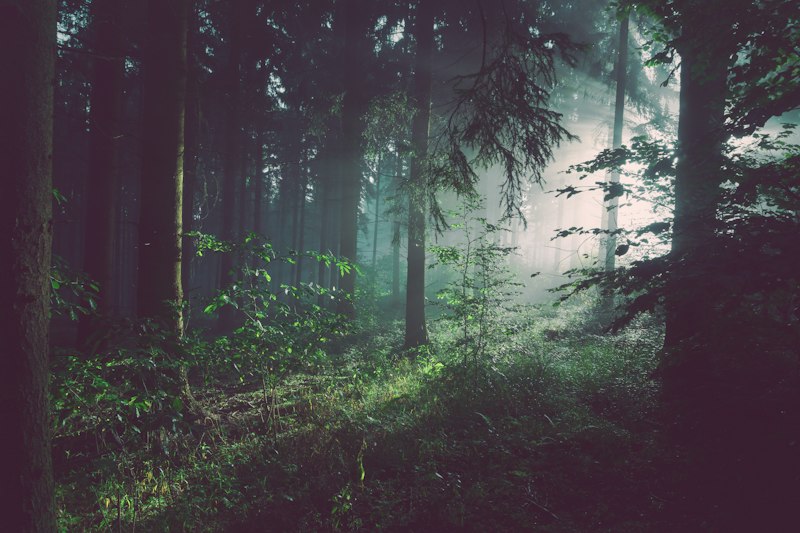
Spreading across the northwest skirt of Mt Fuji, Aokigahara — the Sea of Trees — is one of the strangest natural environments in Japan: a dense, silent forest growing directly out of hardened lava flows from the 864 AD Jogan eruption, its floor twisted into surreal formations of black rock hidden under thick moss. Fugaku Wind Cave and Narusawa Ice Cave, open to visitors, descend into the lava tube system where ice remains year-round at the bottom. The forest's unusual geology, which disrupts compasses, gives it a navigational mystery entirely separate from its darker reputation.

lava forest lava caves Sea of Trees geology hiking
Mt Fuji UNESCO World Heritage Sites
📍

Mt Fuji UNESCO World Heritage Sites

Mt Fuji was inscribed as a UNESCO World Heritage Site in 2013 not for its natural beauty alone but as a Cultural Site encompassing 25 component parts including Sengen Shrines at the base and summit, Oshino Hakkai's spring ponds, the Fujisan Hongu Sengen Taisha in Fujinomiya, and the climbing trails themselves. The inscription recognised Fuji's centuries of influence on Japanese art, literature, and religious practice, from Hokusai's Thirty-six Views to the mountain-worshipping Fujiko pilgrimage tradition. Walking any part of the heritage zone connects the visitor to that long human relationship with the mountain.

UNESCO World Heritage Sengen Shrine sacred mountain cultural sites
Nishizawa Valley
📍

Nishizawa Valley

One of Japan's most beautiful river gorges, Nishizawa Valley cuts through ancient granite near Koshu city with a hiking trail that follows a turquoise river through a succession of waterfalls, hanging suspension bridges, and polished rock channels of extraordinary colour. The deepest waterfall, Nanatsugama Godan-no-taki, drops through seven connected pools in a single dramatic cascade that is at its finest after summer rain. The absence of large crowds relative to the Fuji area makes Nishizawa feel like a genuine discovery — a reward for the visitors who venture past the mountain.

gorge waterfalls turquoise river hiking Koshu
Kawaguchiko Lakeside Cycling
📍

Kawaguchiko Lakeside Cycling

The flat circuit around Kawaguchiko lake is one of Japan's most rewarding easy cycling routes, covering roughly 20 kilometres of lakeshore path with Mt Fuji looming over the water for most of the southern stretch. Rental bikes are available at multiple points near the Fujikyu station and the route passes through small fishing villages, lakeside cafes, and the main viewpoint areas at a pace that allows for frequent stops and photograph after photograph. Early morning rides, before the tour buses arrive and while mist still clings to the water, are the closest thing to having Fuji entirely to yourself.

cycling Kawaguchiko Mt Fuji views lakeshore rental bikes
Yamanakako Stand-Up Paddleboard
📍

Yamanakako Stand-Up Paddleboard

Japan's highest lake, Yamanakako sits at 981 metres on the eastern flank of Mt Fuji and offers what may be the most dramatic stand-up paddleboard backdrop in Asia: the perfect symmetrical cone rising directly above you as you balance on still morning water. Rental boards and guided sessions are available at the lakeside sports centre from spring through autumn, and the calm, sheltered conditions make it accessible even for first-timers. As the sun warms the mountain and cloud begins to form around the summit, the light on the water creates a quality of beauty that is almost absurdly photogenic.

paddleboard Yamanakako Mt Fuji views water sports outdoor
Fuji Shibazakura Festival
📍

Fuji Shibazakura Festival

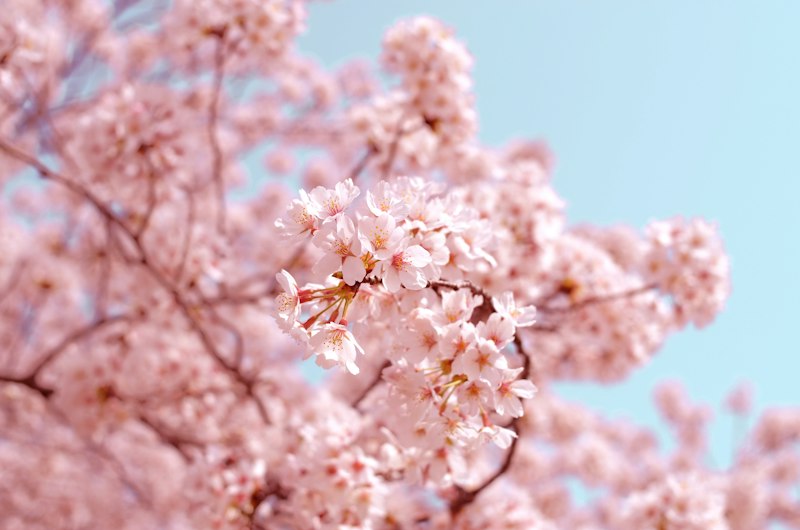
From late April to late May, the slopes of Motosu-ko near the Fuji Five Lakes are blanketed in 800,000 pink, white, and red moss phlox flowers that stretch to the horizon with Mt Fuji as an overwhelming backdrop — a scene so extraordinary it draws over 800,000 visitors in a single season. The festival at Fumotoppara and the Lake Motosu Shibazakura Festival site run simultaneously, with food stalls, local craft vendors, and the kind of cheerful open-air atmosphere Japan does better than anywhere. Weekday mornings before 9am offer the rare chance to photograph the flower carpet with Fuji in silence.

shibazakura moss phlox flower festival Mt Fuji spring
Fuji Climbing Season Opening (Yamabiraki)
📍

Fuji Climbing Season Opening (Yamabiraki)

Every July 1st, the official opening of the Mt Fuji climbing season — Yamabiraki — is marked with ceremonies at the Yoshida trailhead and Fujisan Hongu Sengen Taisha shrine, prayers for the safety of all who will attempt the summit, and the symbolic opening of the mountain gates that have been closed since the previous September. The first day draws devoted early climbers and Shinto priests in white robes together in a ceremony that underlines how deeply sacred the mountain remains beneath all the tourist infrastructure. Being present at the gate opening before the crowds arrive connects you to the mountain's true nature.

Mt Fuji climbing season yamabiraki July tradition
Fuji Five Lakes Winter Panorama
📍

Fuji Five Lakes Winter Panorama

Winter strips away the haze that softens Fuji in summer and reveals the mountain at its most dramatic: pure white with fresh snow, the air so clear the summit detail is visible with the naked eye from the Kawaguchiko shore. Still December mornings produce the iconic sakasa-fuji — inverted Fuji — reflected perfectly in the glassy lake surface, a composition that needs no filter and no luck beyond waking before sunrise. The cold keeps the casual visitors away and leaves the lakefront to photographers, early joggers, and anyone willing to trade warmth for what may be the finest view of Japan's most famous mountain.

winter Mt Fuji snow reflection Kawaguchiko
🎿

Leisure

4 spots
Fuji-Q Highland
📍

Fuji-Q Highland

Japan's most famous thrill-ride destination sits at the base of Mt Fuji with the mountain serving as a breathtaking backdrop to some of the most extreme roller coasters on earth — including coasters that have held world records for speed, steepness, and duration of inversions. Fujiyama, Dodonpa, Takabisha, and Eejanaika line up like a cabinet of horrors, each designed to make even seasoned riders rethink their choices. Between rides, the Fuji view from the park is genuinely spectacular, and the Thomas Land and other family zones offer gentler entertainment for those accompanying smaller adventurers.

theme park roller coasters Mt Fuji views thrill rides family
Katsunuma Winery Tours & Tastings
📍

Katsunuma Winery Tours & Tastings

The Katsunuma district of Koshu city is Japan's answer to Burgundy — a compact valley of small family wineries, co-operative producers, and sleek modern estates all within easy cycling or walking distance of each other. Most wineries offer free or low-cost tastings of their Koshu white wine, Muscat Bailey A red, and seasonal releases, and many include barrel hall tours led by passionate winemakers who speak with infectious pride about the terroir of Japan's oldest wine region. An afternoon here is as relaxed and pleasurable as any winery visit in the world.

winery wine tasting Koshu tour vineyard
Kawaguchiko Lakeside Cycling
📍

Kawaguchiko Lakeside Cycling

The flat circuit around Kawaguchiko lake is one of Japan's most rewarding easy cycling routes, covering roughly 20 kilometres of lakeshore path with Mt Fuji looming over the water for most of the southern stretch. Rental bikes are available at multiple points near the Fujikyu station and the route passes through small fishing villages, lakeside cafes, and the main viewpoint areas at a pace that allows for frequent stops and photograph after photograph. Early morning rides, before the tour buses arrive and while mist still clings to the water, are the closest thing to having Fuji entirely to yourself.

cycling Kawaguchiko Mt Fuji views lakeshore rental bikes
Yamanakako Stand-Up Paddleboard
📍

Yamanakako Stand-Up Paddleboard

Japan's highest lake, Yamanakako sits at 981 metres on the eastern flank of Mt Fuji and offers what may be the most dramatic stand-up paddleboard backdrop in Asia: the perfect symmetrical cone rising directly above you as you balance on still morning water. Rental boards and guided sessions are available at the lakeside sports centre from spring through autumn, and the calm, sheltered conditions make it accessible even for first-timers. As the sun warms the mountain and cloud begins to form around the summit, the light on the water creates a quality of beauty that is almost absurdly photogenic.

paddleboard Yamanakako Mt Fuji views water sports outdoor
🎆

Events

4 spots
Fuji Shibazakura Festival
📍

Fuji Shibazakura Festival

From late April to late May, the slopes of Motosu-ko near the Fuji Five Lakes are blanketed in 800,000 pink, white, and red moss phlox flowers that stretch to the horizon with Mt Fuji as an overwhelming backdrop — a scene so extraordinary it draws over 800,000 visitors in a single season. The festival at Fumotoppara and the Lake Motosu Shibazakura Festival site run simultaneously, with food stalls, local craft vendors, and the kind of cheerful open-air atmosphere Japan does better than anywhere. Weekday mornings before 9am offer the rare chance to photograph the flower carpet with Fuji in silence.

shibazakura moss phlox flower festival Mt Fuji spring
Yoshida Fire Festival
📍

Yoshida Fire Festival

On the nights of August 26 and 27, the streets of Fujiyoshida are lined with enormous cedar torches — some over three metres tall — that are lit at sunset to create a corridor of roaring fire through the old town, marking the traditional end of the Mt Fuji climbing season in a ceremony that has not changed in centuries. The Kirishima Sengen Shrine at the upper end of the torch street becomes the focal point of prayers and processions, with portable shrines carried through smoke and flame in a spectacle of pure, unrepeatable intensity. It is one of the most viscerally dramatic festivals in all of Japan.

festival torches Fujiyoshida Sengen Shrine traditional
Fuji Climbing Season Opening (Yamabiraki)
📍

Fuji Climbing Season Opening (Yamabiraki)

Every July 1st, the official opening of the Mt Fuji climbing season — Yamabiraki — is marked with ceremonies at the Yoshida trailhead and Fujisan Hongu Sengen Taisha shrine, prayers for the safety of all who will attempt the summit, and the symbolic opening of the mountain gates that have been closed since the previous September. The first day draws devoted early climbers and Shinto priests in white robes together in a ceremony that underlines how deeply sacred the mountain remains beneath all the tourist infrastructure. Being present at the gate opening before the crowds arrive connects you to the mountain's true nature.

Mt Fuji climbing season yamabiraki July tradition
Yamanashi Wine Festival
📍

Yamanashi Wine Festival

Each October, the grape-harvest season in Katsunuma is celebrated with a wine festival that fills the town's main street with tasting booths, vineyard open days, and seasonal dishes perfectly paired to the year's new releases. Local wineries pour barrel samples and library wines rarely available outside the prefecture, and the whole event has the convivial warmth of a harvest celebration rather than a formal tasting event. The backdrop of autumn vine foliage turning gold in the mountain light adds a visual richness that makes the Yamanashi Wine Festival one of Japan's most appealing seasonal events.

wine festival Katsunuma harvest autumn Koshu wine

💡 Practical Travel Tips

Everything you need to know before and during your visit.

🌸
Best Time to Visit Yamanashi
  • Late April–May — The Fuji Shibazakura Festival draws enormous crowds as 800,000 pink moss phlox flowers bloom beneath Fuji's snowcapped cone. Book accommodation months in advance and arrive on a weekday.
  • July–August — Fuji climbing season. Mountain huts on the Yoshida Trail fill with summit seekers. The Suwa Lake Fireworks Championship (Aug 15) is one of Japan's most spectacular fireworks events.
  • October–November — Shosenkyo Gorge turns to deep autumn colour and the Katsunuma wine harvest is underway, with tastings at every estate.
  • December–February — Clearest views of Fuji. The snow-capped mountain reflected in Kawaguchiko on a still winter morning is frequently more beautiful than the tourist brochures.
🗻
Mt Fuji Climbing Tips
  • The Yoshida Trail (Yamanashi side) is the most popular of the four routes — the greatest density of mountain huts makes it the best choice for first-time climbers. Season: early July to mid-September.
  • Timing is the key decision: climbing overnight to catch the summit sunrise (goraiko) means departing the 5th Station around 10pm; daytime avoids crowds but misses the transcendent dawn experience.
  • Acclimatise by spending a night at a mountain hut around the 7th or 8th Station rather than pushing straight to the top.
  • Carry waterproofs, warm layers, headlamp, and cash for hut fees regardless of the weather at the base — conditions at 3,700m bear no relationship to what you see from Kawaguchiko.
🏔️
Kawaguchiko & Fuji Five Lakes Tips
  • The classic Fuji reflection shot from the northern shore of Kawaguchiko requires absolutely still water and clear skies — early mornings in autumn and winter are far more reliable than summer, when afternoon clouds typically obscure the summit.
  • Kawaguchiko is the hub with the widest accommodation and transport options; Yamanakako and Saiko offer a dramatically quieter experience once day-trippers leave.
  • Avoid driving between the five lakes on weekend mornings in spring and autumn — congestion around Kawaguchiko can add hours to a 20-minute journey.
  • The Kachi Kachi Ropeway above Kawaguchiko station is worth the ride for the elevated angle on Fuji and the lake, particularly in cherry blossom season.
🍷
Yamanashi Wine Country Tips
  • The Katsunuma winery district is best visited late September through November during the harvest — most wineries offer access to new-vintage tastings and the foliage is spectacular.
  • Many excellent small producers are a short walk or cycle from Katsunuma-Budokyo Station on the JR Chuo Line — making this one of the few parts of Yamanashi where a car is not strictly necessary.
  • Look specifically for Koshu (indigenous white grape) and Muscat Bailey A (Japan's main red grape). Both are unlike anything grown elsewhere.
  • The Yamanashi Wine Festival in October is the single best introduction to the full range of local producers in one location.
🎢
Fuji-Q Highland Tips
  • Arrive at opening time (usually 9am) and head directly to Takabisha or Dodonpa before queues build — wait times on peak weekends can exceed two hours per ride by mid-morning.
  • A Premium Pass purchased online allows queue-skip access and is worth the premium on busy days.
  • Thomas Land and Hamtaro areas provide a gentler counterpoint for families with young children.
  • The free observation deck above the park entrance has one of the best views of Fuji in the entire lakes region — worth the entry price alone on a clear day.

🏨 Find Hotels in Yamanashi

Compare prices across hundreds of hotels — from budget capsules to luxury ryokan.

Search Hotels on Booking.com →

🎌 Tours & Experiences

Book guided tours, day trips, cooking classes, and cultural experiences.

Browse Tours on Viator →

🗺️ Activities & Attractions

Skip the queues — pre-book entry tickets, day tours, and local experiences.

Explore on GetYourGuide →

🎟️ Things to Do in Yamanashi

Discover tickets, transport passes, and unique local experiences in Yamanashi with Klook.

Book on Klook →

🚄 JR Pass & Rail Tickets

Pre-purchase your JR Pass or individual shinkansen tickets before you arrive.

Buy JR Pass →