Chubu Region Travel Guide

Kanazawa · Takayama · Shirakawa-go · Matsumoto · Mt. Fuji · Japanese Alps

🏔️ 8 Prefectures🌸 Year-round🚄 Shinkansen access🏯 UNESCO World Heritage⛷️ World-class Skiing🍵 Green Tea & Sake

Chubu is Japan's mountainous heartland, a vast central region stretching from the deep-winter rice paddies and sake breweries of Niigata on the Japan Sea coast, across the soaring ridgelines of the Northern, Central, and Southern Alps, to the tea-terraced slopes of Shizuoka falling toward the Pacific. This is the Japan of UNESCO world heritage farmhouse villages, one-street Edo-period post towns preserved in amber, and alpine valleys so remote and pure they close to visitors for half the year. From the cultural sophistication of Kanazawa — samurai mansions, geisha teahouses, one of Japan's three great gardens — to the wild snowscapes of Hakuba and the steaming onsen towns of Gero and Yuzawa, Chubu rewards travelers willing to venture beyond the Tokyo–Kyoto corridor with some of the country's most memorable experiences.

⛩️

Sightseeing

8 spots
Kenrokuen Garden & Kanazawa
📍 Kanazawa, Ishikawa Spring (cherry blossom) & Winter (snow-covered pines)

Kenrokuen Garden & Kanazawa

Kenrokuen is one of Japan's three great landscape gardens, renowned for its classical design featuring ponds, streams, and sculpted pines draped in snow-suspending ropes each winter. The surrounding city of Kanazawa blends Edo-period heritage — preserved samurai and geisha districts, a thriving crafts tradition in gold leaf and Kutani porcelain — into a uniquely livable cultural capital. Often called 'Little Kyoto,' Kanazawa escaped wartime bombing and retains an atmospheric authenticity rare in modern Japan.

garden kanazawa samurai history landscape
Higashi Chaya Geisha District
📍 Kanazawa, Ishikawa Year-round

Higashi Chaya Geisha District

The Higashi Chaya district is one of Japan's finest surviving geisha entertainment quarters, its narrow lane lined with latticed two-story ochaya teahouses unchanged in feel since the Edo period. Inside some of the houses, red-lacquered interiors and shamisen music hint at a tradition of refined entertainment still practiced today. Gold-leaf crafts shops, sake breweries, and atmospheric cafes now share the streetscape, making it one of the most walkable historic districts in all of Japan.

geisha chaya kanazawa edo-period heritage
Takayama Old Town / Sanmachi Suji
📍 Takayama, Gifu Spring & Autumn

Takayama Old Town / Sanmachi Suji

Tucked into the mountains of Hida, Takayama's Sanmachi Suji is a remarkably preserved grid of dark-timbered merchant houses from the Edo and Meiji eras, now home to sake breweries marked by cedar-ball pendants, miso shops, and artisan galleries. The town sits at altitude, giving it a crisp mountain air and a slower pace that sets it apart from Japan's coastal cities. Morning markets along the Miyagawa River and visits to the historic Jinya government house round out one of the most rewarding heritage experiences in central Japan.

historic-district sake-breweries edo-period mountains craft
Shirakawa-go UNESCO Village
📍 Shirakawa Village, Gifu Winter (illumination) & Autumn

Shirakawa-go UNESCO Village

Shirakawa-go is a UNESCO World Heritage village nestled in the steep Shokawa Valley, famous for its gassho-zukuri farmhouses whose dramatically steep thatched roofs are designed to shed the region's heavy snowfall. Walking among these massive multi-story farmhouses, some over 250 years old, feels like stepping into a living folk museum set against forested mountains. The village is breathtaking in every season — emerald rice paddies in summer, vivid foliage in autumn, and a fairy-tale snow landscape illuminated on select winter evenings.

UNESCO gassho-zukuri thatched-roof world-heritage mountain-village
Matsumoto Castle
📍 Matsumoto, Nagano Spring (cherry blossom) & Autumn

Matsumoto Castle

Matsumoto Castle, known as the Crow Castle for its striking black-and-white exterior, is one of Japan's finest surviving original castles and a designated National Treasure. Built in the late 16th century, its six-story donjon reflects in the surrounding moat, creating an iconic image that juxtaposes feudal architecture with the snow-capped Northern Alps in the background. Inside, original wooden staircases, gun ports, and moon-viewing balconies offer a genuine window into samurai-era defensive architecture.

castle national-treasure crow-castle feudal nagano
Eiheiji Temple
📍 Eiheiji, Fukui Spring & Autumn

Eiheiji Temple

Founded in 1244 by Zen master Dogen, Eiheiji is one of the two head temples of the Soto school of Zen Buddhism and remains an active training monastery for hundreds of monks. The vast complex of 70-plus buildings is linked by covered wooden corridors threading through ancient cedar forest, giving it a profoundly serene and timeless atmosphere. Visitors are welcome to walk the corridors, observe morning sutra chanting, and absorb an atmosphere of quiet discipline that has remained largely unchanged for nearly eight centuries.

zen temple soto-zen forest spiritual
Mt. Fuji & Fujigoko Lakes
📍 Fujiyoshida, Yamanashi Summer (climbing July–Aug) & Autumn (best views)

Mt. Fuji & Fujigoko Lakes

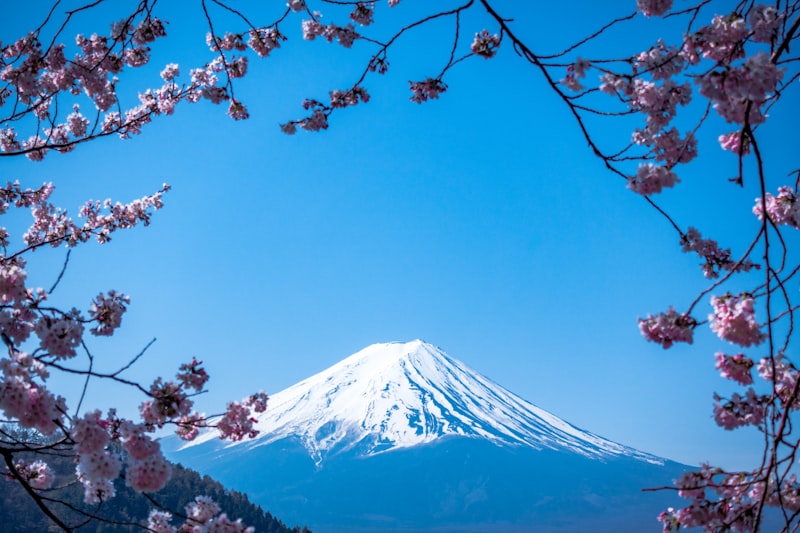
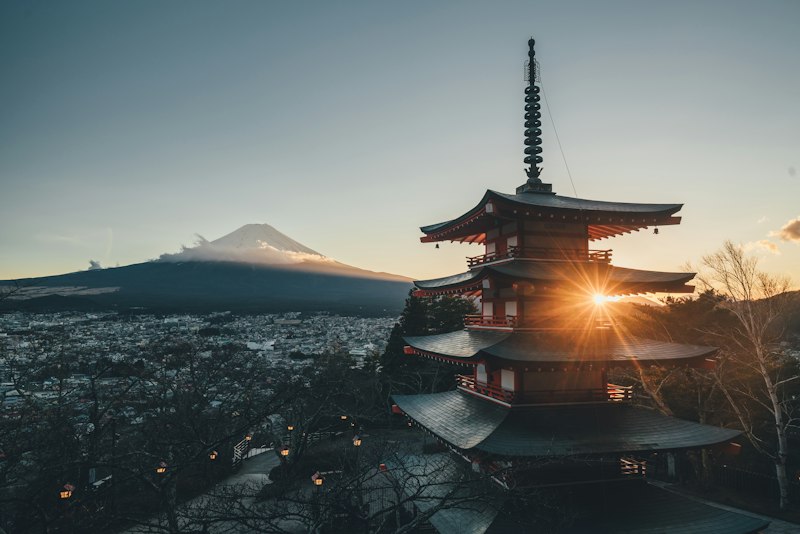
The Yamanashi side of Mt. Fuji offers some of the mountain's most iconic viewpoints, with the Fujigoko (Five Lakes) — particularly Kawaguchiko and Motosuko — reflecting the perfect volcanic cone in their still surfaces on clear mornings. The northern flank trails of the Yoshida route are the most popular ascent paths for summit climbers, while the surrounding area offers lava cave exploration, vintage amusement parks, and the extraordinary Chureito Pagoda framing the peak through cherry blossom in spring. The UNESCO Cultural Property designation encompasses not just the mountain itself but the surrounding sacred sites, reflecting Fuji's profound spiritual significance to Japanese culture.

fuji volcano lakes hiking iconic
Shirakawa-go Winter Illumination
📍 Shirakawa Village, Gifu January–February (select Saturday evenings)

Shirakawa-go Winter Illumination

On select Saturday evenings in January and February, Shirakawa-go's gassho-zukuri farmhouses are lit from within and below, their snow-heavy thatched roofs glowing gold against the darkness in one of Japan's most magical winter spectacles. The illumination events are strictly controlled — a shuttle bus lottery system limits visitor numbers — which preserves the intimate, almost otherworldly atmosphere as guests walk the snow-packed lanes between the glowing houses. The event requires advance planning and reservation through the local tourism authority, but those who secure a spot consistently describe it as one of the most memorable evenings they spend in Japan.

illumination winter UNESCO thatched-roof night-scenery
🍜

Gourmet

6 spots
Hida Beef
📍 Takayama / Hida Region, Gifu Year-round

Hida Beef

Hida Beef is a premium wagyu raised in the cool mountain air of the Hida Highlands, prized for its exceptional marbling, buttery texture, and deep umami flavor that rivals even Kobe beef in quality. In Takayama, it appears in every form — seared over charcoal as kushiyaki skewers at morning market stalls, served as sukiyaki in traditional ryokan, or presented as a lavish steak course in local restaurants. The cattle are raised slowly in Gifu's pure mountain environment, and only a tiny fraction meet the strict grading standards that earn the Hida label.

wagyu beef hida premium local-cuisine
Kanazawa Omicho Market & Seafood
📍 Kanazawa, Ishikawa Winter (crab season) & Year-round

Kanazawa Omicho Market & Seafood

Omicho Market — known as Kanazawa's 'kitchen' — is a bustling covered market of over 170 stalls heaped with the riches of the Japan Sea: plump oysters, snow crab legs, yellowtail, and the prized sweet shrimp unique to these cold waters. The market has operated on this site for nearly 300 years, and the energy of fishmongers calling out the morning's catch makes it one of the liveliest food destinations in the Chubu region. Surrounding restaurants offer donburi rice bowls piled high with sashimi and roe at remarkably reasonable prices compared to Tokyo.

seafood market fresh-fish kanazawa japan-sea
Shinshu Soba
📍 Nagano Prefecture Year-round (harvest time: Autumn)

Shinshu Soba

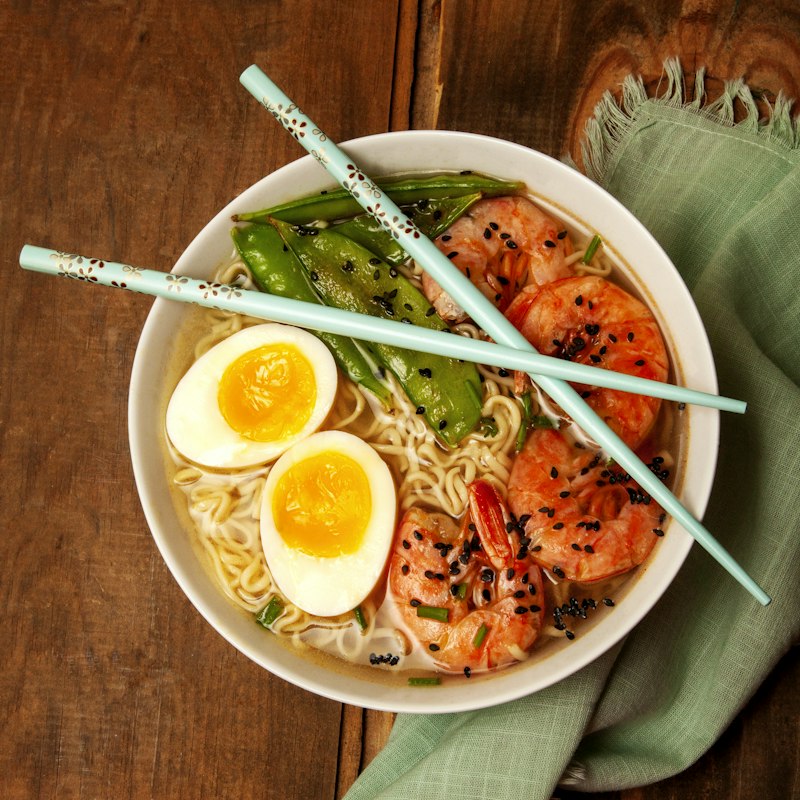
Nagano Prefecture — historically known as Shinshu — is Japan's most celebrated soba-growing region, its cool highland climate and clean water producing buckwheat of exceptional fragrance and flavor. Shinshu soba is typically served cold on a bamboo tray with dipping broth, or in a rustic hot soup known as torojiru, and the thin, dark-flecked noodles carry a nutty depth missing from mass-produced varieties. Soba-making workshops are widely available in towns like Matsumoto and Togakushi, where soba cultivation stretches back over four centuries.

soba buckwheat nagano noodles regional-food
Niigata Koshihikari Rice & Sake
📍 Niigata Prefecture Autumn (harvest & new sake season)

Niigata Koshihikari Rice & Sake

Niigata is synonymous with Japan's finest rice: Koshihikari, grown in the prefecture's fertile paddies fed by snowmelt from the Echigo mountains, is consistently ranked the country's best-tasting variety for its sweetness and perfect stickiness. That same pristine water and rice made Niigata into one of Japan's premier sake-brewing prefectures, with over 90 active breweries producing the dry, clean style known as tanrei karakuchi that has influenced sake culture nationwide. October brings harvest festivals and open-brewery events where visitors can trace the journey from paddy field to bottle.

sake rice koshihikari brewery niigata
Shizuoka Green Tea & Wasabi
📍 Shizuoka Prefecture Spring (first flush tea, April-May)

Shizuoka Green Tea & Wasabi

Shizuoka produces roughly 40% of Japan's total green tea harvest, and the terraced tea fields draped across Mt. Fuji's southern slopes — most vivid in their bright spring green — are among the most photographed agricultural landscapes in the country. The deep-steamed Shizuoka sencha has a rich, slightly sweet flavor profile distinct from Kyoto's gyokuro, and tea tourism including factory tours and field tastings is well established across the prefecture. Shizuoka is also the source of the world's finest wasabi, grown in cold clear mountain streams in Izu and Okabe, where the rhizomes are freshly grated at sushi bars and soba restaurants throughout the region.

green-tea wasabi shizuoka tea-fields local-produce
Niigata Rice & Sake Festival
📍 Niigata City, Niigata October

Niigata Rice & Sake Festival

Held each October to celebrate the rice harvest, the Niigata Sake no Jin (Sake Festival) is Japan's largest sake exposition, gathering over 90 of Niigata's breweries in a single vast venue where visitors can taste hundreds of labels ranging from the prefecture's signature dry tanrei karakuchi style to experimental aged and unpasteurized varieties. Freshly milled Koshihikari rice features in every food stall — as onigiri, as rice porridge, and as the core ingredient in the new-season sake being poured — creating an immersive celebration of a prefecture whose identity is built entirely on two products from the same grain. The event draws sake enthusiasts from across Japan and is increasingly popular with international visitors discovering that Niigata's brewing tradition rivals Kyoto and Nada.

sake rice festival niigata harvest
🏔️

Nature

10 spots
Kenrokuen Garden & Kanazawa
📍 Kanazawa, Ishikawa Spring (cherry blossom) & Winter (snow-covered pines)

Kenrokuen Garden & Kanazawa

Kenrokuen is one of Japan's three great landscape gardens, renowned for its classical design featuring ponds, streams, and sculpted pines draped in snow-suspending ropes each winter. The surrounding city of Kanazawa blends Edo-period heritage — preserved samurai and geisha districts, a thriving crafts tradition in gold leaf and Kutani porcelain — into a uniquely livable cultural capital. Often called 'Little Kyoto,' Kanazawa escaped wartime bombing and retains an atmospheric authenticity rare in modern Japan.
garden kanazawa samurai history landscape
Shirakawa-go UNESCO Village
📍 Shirakawa Village, Gifu Winter (illumination) & Autumn

Shirakawa-go UNESCO Village

Shirakawa-go is a UNESCO World Heritage village nestled in the steep Shokawa Valley, famous for its gassho-zukuri farmhouses whose dramatically steep thatched roofs are designed to shed the region's heavy snowfall. Walking among these massive multi-story farmhouses, some over 250 years old, feels like stepping into a living folk museum set against forested mountains. The village is breathtaking in every season — emerald rice paddies in summer, vivid foliage in autumn, and a fairy-tale snow landscape illuminated on select winter evenings.

UNESCO gassho-zukuri thatched-roof world-heritage mountain-village
Kamikochi Alpine Valley
📍 Matsumoto, Nagano Late Spring through Autumn (closed Nov–Apr)

Kamikochi Alpine Valley

Kamikochi is one of Japan's most spectacular highland valleys, a flat-floored glacial basin at 1,500 meters elevation threaded by the crystal-clear Azusa River and framed by the towering peaks of the Northern Japan Alps including the iconic Hotaka massif. Private vehicles are banned, keeping the air impossibly clean and the trails serenely quiet compared to most Japanese destinations; only buses and taxis reach the valley floor. The iconic Kappa Bridge offers a postcard view of the peaks, while boardwalk trails lead through dwarf-birch forest and alpine wetlands alive with wildflowers in summer.

alps valley hiking river national-park
Tateyama Kurobe Alpine Route
📍 Tateyama, Toyama Mid-April to May (snow walls peak)

Tateyama Kurobe Alpine Route

The Tateyama Kurobe Alpine Route is one of Japan's most dramatic mountain crossings, a multi-stage journey by bus, cable car, ropeway, and trolleybus that traverses the Northern Alps between Toyama and Nagano at heights up to 2,450 meters. The route's most famous spectacle comes in mid-April when the road is cleared through snow that has accumulated up to 20 meters deep, creating sheer white walls that dwarf the buses passing between them. The route passes turquoise alpine lakes, volcanic steaming vents at Murodo, and sweeping views of peaks stretching in every direction across the Japanese Alps.

snow-corridor alpine toyama cable-car mountains
Mt. Fuji & Fujigoko Lakes
📍 Fujiyoshida, Yamanashi Summer (climbing July–Aug) & Autumn (best views)

Mt. Fuji & Fujigoko Lakes

The Yamanashi side of Mt. Fuji offers some of the mountain's most iconic viewpoints, with the Fujigoko (Five Lakes) — particularly Kawaguchiko and Motosuko — reflecting the perfect volcanic cone in their still surfaces on clear mornings. The northern flank trails of the Yoshida route are the most popular ascent paths for summit climbers, while the surrounding area offers lava cave exploration, vintage amusement parks, and the extraordinary Chureito Pagoda framing the peak through cherry blossom in spring. The UNESCO Cultural Property designation encompasses not just the mountain itself but the surrounding sacred sites, reflecting Fuji's profound spiritual significance to Japanese culture.

fuji volcano lakes hiking iconic
Jigokudani Snow Monkey Park
📍 Yamanouchi, Nagano Winter (Jan–Feb for iconic snow scenes)

Jigokudani Snow Monkey Park

Jigokudani — 'Hell's Valley' — is a steaming, snow-blanketed ravine in the Shiga Kogen highlands where wild Japanese macaques have developed the unique habit of warming themselves in the park's natural hot spring pools. The sight of pink-faced monkeys sitting serenely in rising steam while snow falls around them is among the most extraordinary wildlife spectacles in Asia. The 30-minute forest walk to the valley floor is itself part of the experience, passing hot spring vents and frozen streams before arriving at the open-air pool where the troop gathers on cold mornings.

snow-monkeys japanese-macaque onsen wildlife winter
Noto Peninsula Coastline
📍 Noto Peninsula, Ishikawa Summer & Autumn

Noto Peninsula Coastline

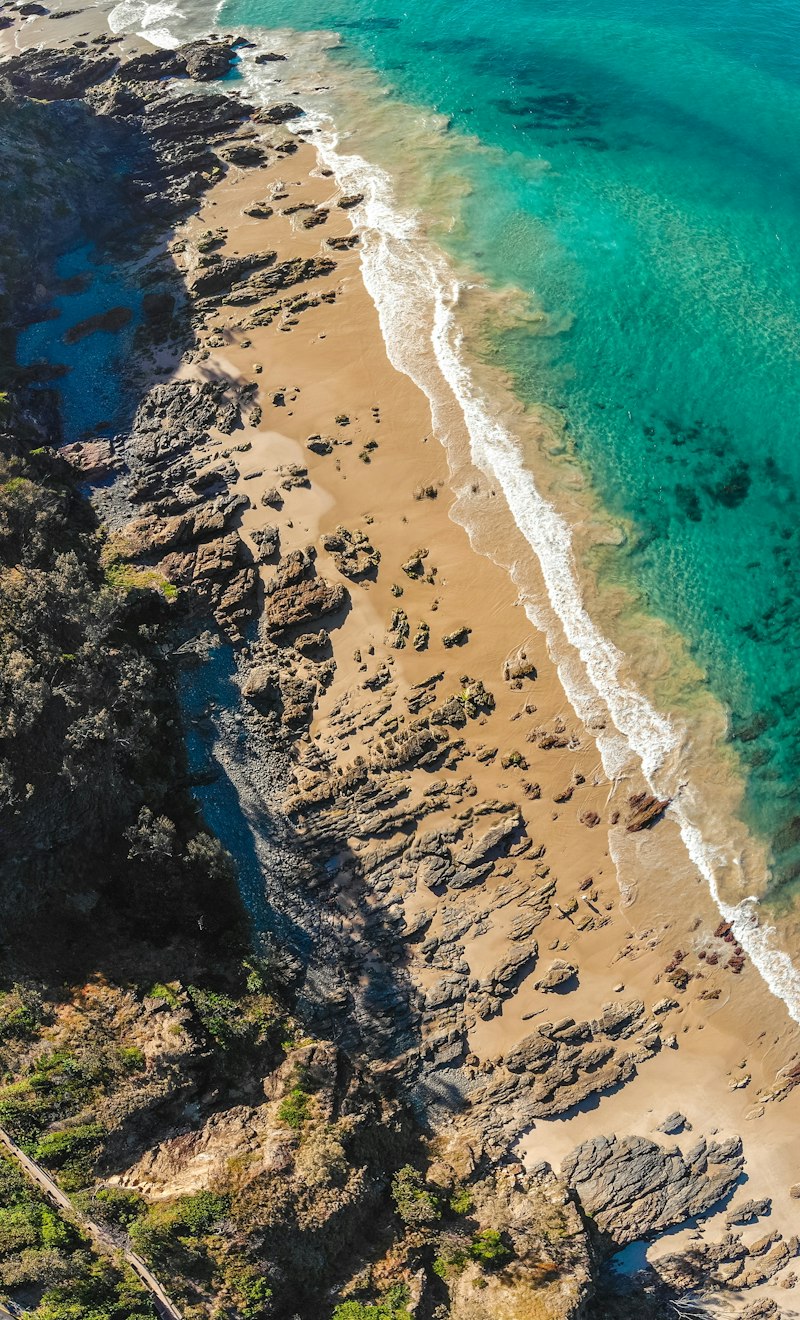
The Noto Peninsula juts boldly into the Japan Sea, offering a rugged and largely undiscovered coastline of sea-sculpted rock formations, traditional fishing villages, and ancient cedar forests that stands in vivid contrast to the more polished attractions of nearby Kanazawa. The Okunoto region at the tip of the peninsula is famous for its dramatic rocky coast, lacquerware tradition, and morning markets where local fisherwomen have sold their catch for generations. A scenic road loops the entire peninsula, passing salt farms, tabiya cedar groups bent by ocean winds, and small shrines wedged into cliff faces overlooking the grey-green sea.

coastline sea-of-japan rural fishing-villages scenic-drive
Shiraito Falls
📍 Fujinomiya, Shizuoka Spring & Autumn

Shiraito Falls

Shiraito Falls is a UNESCO World Heritage site and one of Japan's most unusual waterfalls: rather than a single plunging cascade, groundwater filters through an ancient lava flow and emerges as hundreds of fine white threads — 'white threads' is the literal meaning of shiraito — cascading 20 meters across a 150-meter-wide curtain of volcanic rock. The falls are fed entirely by snowmelt from Mt. Fuji percolating through the lava fields for decades before re-emerging here, giving the water exceptional clarity and a constant flow even in dry seasons. The surrounding national park forest and a nearby adjacent waterfall, Otodome, make this a rewarding half-day excursion from the Fuji Five Lakes area.

waterfall fuji shizuoka lava natural-monument
Norikura Highlands Cycling
📍 Norikura, Nagano/Gifu Summer & Autumn

Norikura Highlands Cycling

The Norikura Skyline road — closed to private vehicles and operating instead as a dedicated cycling and bus route — climbs to 2,702 meters, making it the highest paved road in Japan and one of the most spectacular cycling ascents in Asia. The route rises through alpine meadows, past volcanic craters, and into high-altitude terrain where snow patches persist into August and the air is so clear that views extend to the Pacific Ocean on fine days. Rental bikes and guided tours are available from Matsumoto and Norikura Kogen, and the descent through autumn foliage is particularly breathtaking.

cycling highlands nagano gifu alpine-road
Izu Peninsula Coastal Drive
📍 Izu Peninsula, Shizuoka Spring & Autumn

Izu Peninsula Coastal Drive

The Izu Peninsula pushes south from Shizuoka into the Pacific, its rugged volcanic coastline offering some of the finest coastal driving in Japan, with narrow roads hugging sea cliffs, passing through fishing villages draped in drying squid, and dipping into hot-spring towns where onsen water seeps from the earth practically everywhere. The west coast's Dogashima area features sea caves accessible by boat at low tide and dramatic rock formations in subtly tropical vegetation — a reminder that Izu's climate is noticeably warmer than the rest of Chubu. The peninsula is also famed as the setting of Kawabata's The Izu Dancer and maintains a languid, literary atmosphere in its quieter corners.

coastal onsen driving shizuoka sea
🎿

Leisure

7 spots
Tateyama Kurobe Alpine Route
📍 Tateyama, Toyama Mid-April to May (snow walls peak)

Tateyama Kurobe Alpine Route

The Tateyama Kurobe Alpine Route is one of Japan's most dramatic mountain crossings, a multi-stage journey by bus, cable car, ropeway, and trolleybus that traverses the Northern Alps between Toyama and Nagano at heights up to 2,450 meters. The route's most famous spectacle comes in mid-April when the road is cleared through snow that has accumulated up to 20 meters deep, creating sheer white walls that dwarf the buses passing between them. The route passes turquoise alpine lakes, volcanic steaming vents at Murodo, and sweeping views of peaks stretching in every direction across the Japanese Alps.

snow-corridor alpine toyama cable-car mountains
Noto Peninsula Coastline
📍 Noto Peninsula, Ishikawa Summer & Autumn

Noto Peninsula Coastline

The Noto Peninsula juts boldly into the Japan Sea, offering a rugged and largely undiscovered coastline of sea-sculpted rock formations, traditional fishing villages, and ancient cedar forests that stands in vivid contrast to the more polished attractions of nearby Kanazawa. The Okunoto region at the tip of the peninsula is famous for its dramatic rocky coast, lacquerware tradition, and morning markets where local fisherwomen have sold their catch for generations. A scenic road loops the entire peninsula, passing salt farms, tabiya cedar groups bent by ocean winds, and small shrines wedged into cliff faces overlooking the grey-green sea.

coastline sea-of-japan rural fishing-villages scenic-drive
Gero Onsen
📍 Gero, Gifu Year-round (especially Autumn & Winter)

Gero Onsen

Gero Onsen is one of Japan's three great hot spring resorts, its alkaline waters celebrated since the Heian period for making skin silky smooth — earning it the nickname 'bijin no yu' or 'beauty waters.' The town straddles the Hida River in a narrow mountain valley, its riverside promenade lined with wooden ryokan where guests can often soak in open-air baths overlooking the rushing water below. Gero makes an ideal base for exploring the Hida region, positioned between Takayama and Shirakawa-go and well connected by limited express train from Nagoya.

onsen hot-spring ryokan relaxation gifu
Yuzawa Onsen
📍 Yuzawa, Niigata Winter (skiing) & Summer (hiking)

Yuzawa Onsen

Yuzawa Onsen sits in the mountains that Yasunari Kawabata immortalized in his Nobel Prize-winning novel Snow Country, a town where the heavy Japan Sea snowfall creates world-class skiing conditions and the onsen baths offer the perfect restorative after a day on the slopes. Just 77 minutes from Tokyo on the Shinkansen, Yuzawa is one of the most accessible alpine onsen destinations in Japan, with multiple ski resorts clustered within the valley and a pedestrian hot spring foot bath at the train station for day-trippers. The sake breweries that line the town's main street benefit from the same snowmelt water that feeds the baths.

onsen ski-resort niigata hot-spring snow-country
Hakuba Ski Resort
📍 Hakuba, Nagano Winter (December–April)

Hakuba Ski Resort

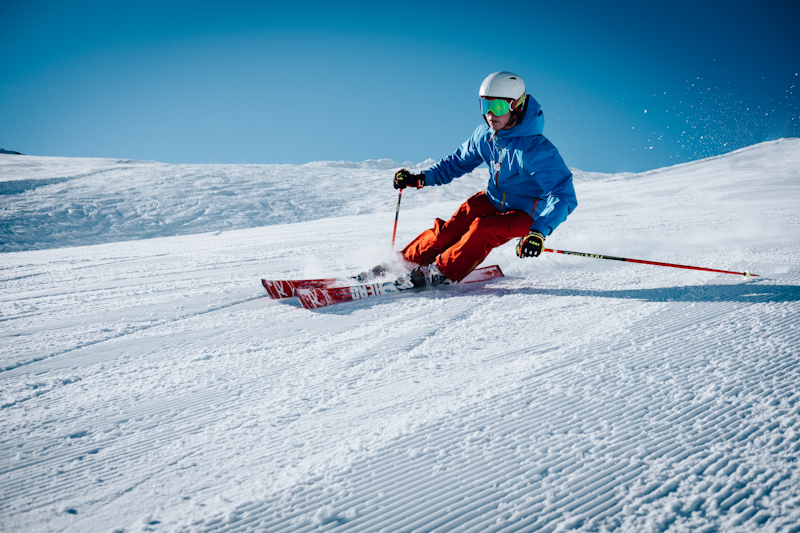
Hakuba Valley hosted alpine skiing events in the 1998 Nagano Winter Olympics and remains Japan's premier ski destination, a cluster of nine interconnected resorts beneath the 3,000-meter peaks of the Northern Alps that receives some of the deepest, driest powder snow on Earth. The area attracts a significant international skiing community — particularly from Australia — drawn by the combination of Olympic-grade terrain, consistent snowfall that can reach 10 meters per season, and a lively après-ski scene in the village. Summer transforms Hakuba into a paragliding and mountain biking hub, with the valley floor offering exceptional wildflower trekking routes.

skiing snowboarding nagano alps powder-snow
Norikura Highlands Cycling
📍 Norikura, Nagano/Gifu Summer & Autumn

Norikura Highlands Cycling

The Norikura Skyline road — closed to private vehicles and operating instead as a dedicated cycling and bus route — climbs to 2,702 meters, making it the highest paved road in Japan and one of the most spectacular cycling ascents in Asia. The route rises through alpine meadows, past volcanic craters, and into high-altitude terrain where snow patches persist into August and the air is so clear that views extend to the Pacific Ocean on fine days. Rental bikes and guided tours are available from Matsumoto and Norikura Kogen, and the descent through autumn foliage is particularly breathtaking.

cycling highlands nagano gifu alpine-road
Izu Peninsula Coastal Drive
📍 Izu Peninsula, Shizuoka Spring & Autumn

Izu Peninsula Coastal Drive

The Izu Peninsula pushes south from Shizuoka into the Pacific, its rugged volcanic coastline offering some of the finest coastal driving in Japan, with narrow roads hugging sea cliffs, passing through fishing villages draped in drying squid, and dipping into hot-spring towns where onsen water seeps from the earth practically everywhere. The west coast's Dogashima area features sea caves accessible by boat at low tide and dramatic rock formations in subtly tropical vegetation — a reminder that Izu's climate is noticeably warmer than the rest of Chubu. The peninsula is also famed as the setting of Kawabata's The Izu Dancer and maintains a languid, literary atmosphere in its quieter corners.

coastal onsen driving shizuoka sea
🎆

Events

4 spots
Takayama Matsuri
📍 Takayama, Gifu Spring (April 14–15) & Autumn (October 9–10)

Takayama Matsuri

Takayama Matsuri is consistently ranked among Japan's three greatest festivals, with elaborately decorated yatai festival floats — some dating to the 17th century — paraded through the historic streets accompanied by traditional music and mechanical karakuri puppet performances. The spring Sanno Festival and autumn Hachiman Festival are distinct events with different shrines and different sets of floats, but both draw enormous crowds to witness the lacquered and gilded wagons processing past the dark timber townhouses in an atmosphere of ceremonial solemnity. Evening illuminations transform the floats into lantern-lit apparitions, and accommodation in Takayama must be booked many months in advance for festival dates.

festival floats yatai matsuri tradition
Shirakawa-go Winter Illumination
📍 Shirakawa Village, Gifu January–February (select Saturday evenings)

Shirakawa-go Winter Illumination

On select Saturday evenings in January and February, Shirakawa-go's gassho-zukuri farmhouses are lit from within and below, their snow-heavy thatched roofs glowing gold against the darkness in one of Japan's most magical winter spectacles. The illumination events are strictly controlled — a shuttle bus lottery system limits visitor numbers — which preserves the intimate, almost otherworldly atmosphere as guests walk the snow-packed lanes between the glowing houses. The event requires advance planning and reservation through the local tourism authority, but those who secure a spot consistently describe it as one of the most memorable evenings they spend in Japan.

illumination winter UNESCO thatched-roof night-scenery
Suwa Lake Fireworks Festival
📍 Suwa, Nagano August 15

Suwa Lake Fireworks Festival

The Suwa Lake Fireworks Festival is one of Japan's largest and most technically sophisticated fireworks displays, launching over 40,000 shells across a single evening from multiple barges on the surface of Lake Suwa, with the lake reflecting the explosions to create a doubled spectacle that draws over 500,000 spectators annually. The surrounding mountains act as a natural amphitheater, amplifying the concussive thud of the shells into a physical experience unlike urban fireworks displays. The festival falls on Obon, the mid-August ancestor memorial holiday, connecting the display to its spiritual roots as a ceremony to guide the spirits of the dead.

fireworks lake summer-festival nagano hanabi
Niigata Rice & Sake Festival
📍 Niigata City, Niigata October

Niigata Rice & Sake Festival

Held each October to celebrate the rice harvest, the Niigata Sake no Jin (Sake Festival) is Japan's largest sake exposition, gathering over 90 of Niigata's breweries in a single vast venue where visitors can taste hundreds of labels ranging from the prefecture's signature dry tanrei karakuchi style to experimental aged and unpasteurized varieties. Freshly milled Koshihikari rice features in every food stall — as onigiri, as rice porridge, and as the core ingredient in the new-season sake being poured — creating an immersive celebration of a prefecture whose identity is built entirely on two products from the same grain. The event draws sake enthusiasts from across Japan and is increasingly popular with international visitors discovering that Niigata's brewing tradition rivals Kyoto and Nada.

sake rice festival niigata harvest

📖 Recommended Travel Guides

Chubu Region Travel Guide
Destination
Best Day Trips from Osaka Guide 2026
Guide
Destinations
Chubu Region Travel Guide
Destination
Hidden Gems in Kyoto Travel Guide 2026
Destination
Hidden Gems in Tohoku Japan: The Complete Local's Guide

🏨 Find Hotels in Chubu Region

Compare prices and availability across hundreds of hotels.

Search Hotels on Booking.com →

🎌 Tours & Day Trips

Book guided tours, day trips, and cultural experiences in the region.

Browse Tours on Viator →

🗺️ Activities & Attractions

Skip the queues — pre-book entry tickets, day tours, and local experiences.

Explore on GetYourGuide →

🎟️ Things to Do in Chubu Region

Discover tickets, transport passes, and unique local experiences in Chubu Region with Klook.

Book on Klook →