Chugoku Region Travel Guide

Hiroshima · Miyajima · Izumo · Tottori Sand Dunes · Kurashiki · Shimanami Kaido

🕊️ Hiroshima UNESCO Sites⛩️ Izumo Taisha🦀 Premium Sea of Japan Crab🏖️ Tottori Sand Dunes🚴 Shimanami Kaido Cycling🦪 Japan's Top Oysters

The Chugoku region is the westernmost finger of Japan's main island of Honshu, stretching between the rugged Sea of Japan coast to the north and the calm, island-scattered Seto Inland Sea to the south — a geography that has shaped five distinct prefectures, each with its own profound character. Here you will find some of the most powerful places in all of Japan: the A-Bomb Dome and Peace Memorial Park in Hiroshima, a site of global significance; the vermilion torii of Itsukushima Shrine rising from the sea at Miyajima; and Izumo Taisha, where Japan's foremost deity of love and human connection has been venerated for millennia. Away from these landmark sites, Chugoku rewards the curious traveller with the white-walled canal streets of Kurashiki, the surreal shifting dunes of Tottori, the samurai lanes of Hagi and Tsuwano, and the island-hopping cycling paradise of the Shimanami Kaido — a region that spans the full breadth of Japan's landscape, history, and soul.

⛩️

Sightseeing

7 spots
Hiroshima Peace Memorial Park & A-Bomb Dome
📍 Hiroshima City, Hiroshima Year-round (August 6 ceremony)

Hiroshima Peace Memorial Park & A-Bomb Dome

Standing at the hypocenter of the 1945 atomic bombing, the A-Bomb Dome (Genbaku Dome) is one of the world's most powerful symbols of peace and the consequences of nuclear war. The surrounding Peace Memorial Park contains the Hiroshima Peace Memorial Museum, the Children's Peace Monument, and the Flame of Peace, which will burn until all nuclear weapons are abolished. Walking this ground is a profoundly moving experience that draws visitors from every nation.

UNESCO history memorial peace atomic-bomb
Itsukushima Shrine & Miyajima Floating Torii
📍 Miyajima Island, Hiroshima Year-round (high tide for floating effect)

Itsukushima Shrine & Miyajima Floating Torii

The iconic vermilion torii gate of Itsukushima Shrine appears to float on the Seto Inland Sea at high tide, creating one of Japan's most photographed and immediately recognizable vistas. The shrine complex itself, built over the water on wooden stilts, dates back to the 6th century and became a UNESCO World Heritage Site in 1996. The island also hosts wild deer that roam freely among the temples and forested trails of sacred Mount Misen.

UNESCO torii shrine island Shinto
Izumo Taisha Grand Shrine
📍 Taisha, Izumo, Shimane Year-round (October for Kamiari-zuki festival)

Izumo Taisha Grand Shrine

Izumo Taisha is considered one of Japan's oldest and most sacred Shinto shrines, dedicated to Okuninushi no Mikoto, the deity of en-musubi — the binding of all human relationships and fates. In the tenth lunar month (October), known in the rest of Japan as 'the month without gods,' all the deities of Japan are said to gather here, making Izumo Taisha especially powerful for those seeking blessings in love and marriage. The massive shimenawa rope hanging above the inner hall entrance weighs over five tonnes and is one of the largest in Japan.

shrine Shinto en-musubi love pilgrimage
Kurashiki Bikan Historical Quarter
📍 Kurashiki City, Okayama Spring (cherry blossom) and Autumn

Kurashiki Bikan Historical Quarter

The Bikan Historical Quarter preserves a remarkably intact Edo-period townscape of white-walled storehouses (kura) lining a willow-draped canal, once a vital hub for rice storage and trade. Gondola-style boats drift along the canal as tourists browse converted warehouses that now house galleries, craft shops, and cafés, including the world-class Ohara Museum of Art — Japan's first museum of Western art. The district glows particularly beautifully at dusk when lanterns reflect off the still water.

canal heritage Edo-period white-wall art
Hagi Samurai Castle Town
📍 Hagi City, Yamaguchi Spring and Autumn

Hagi Samurai Castle Town

Hagi is one of Japan's best-preserved Edo-period castle towns, where samurai-era streets, earthen walls, and old warrior residences survive almost unchanged from the 17th century. The city played a pivotal role in the Meiji Restoration, producing many of the young reformers who transformed Japan, and its historic districts were inscribed as a UNESCO World Heritage Site in 2015 as part of the 'Sites of Japan's Meiji Industrial Revolution.' Strolling the lanes past natsumikan orange trees heavy with fruit, visitors encounter a Japan that feels genuinely timeless.

samurai castle-town Edo-period Meiji heritage
Matsue Castle
📍 Matsue City, Shimane Spring (cherry blossom) and Autumn foliage

Matsue Castle

Matsue Castle, nicknamed 'the Black Castle' for its striking dark timber exterior, is one of only twelve original wooden castles remaining in Japan and was designated a National Treasure in 2015. Built in 1611, it stands on a wooded hill overlooking Lake Shinji, and visitors can climb to the top floor for panoramic views stretching across the lake to the distant hills. Surrounding the castle is a wide moat where flat-bottomed horikawa pleasure boats weave under stone bridges, offering a gentle and unhurried way to see the castle district.

castle original-wood national-treasure samurai history
Korakuen Garden
📍 Okayama City, Okayama Spring (plum/cherry) and Autumn

Korakuen Garden

Korakuen is ranked among Japan's three great gardens (Nihon Sankoen), a masterpiece of Edo-period strolling garden design created between 1687 and 1700 for the Okayama clan lord. Its expansive grounds blend ponds, streams, tea houses, rice fields, and wooded hills into an ever-changing tableau that reflects different moods in every season, from plum blossoms in February to crimson maples in November. Okayama Castle — nicknamed 'Crow Castle' for its black walls — is visible just across the Asahi River, making this one of Japan's finest castle-and-garden pairings.

garden three-great-gardens landscape strolling-garden history
🍜

Gourmet

5 spots
Hiroshima-Style Okonomiyaki
📍 Hiroshima City, Hiroshima Year-round

Hiroshima-Style Okonomiyaki

Hiroshima okonomiyaki differs fundamentally from the Osaka version: instead of mixing all ingredients together, the chef builds each pancake in distinct layers — batter, cabbage, bean sprouts, pork, and a full portion of yakisoba or udon noodles — creating a far more substantial and structurally complex dish. The multi-story Okonomi-mura ('okonomiyaki village') building in Hiroshima houses over twenty small stalls where chefs work teppan griddles in open kitchens, filling the air with sizzling aromas. Eaten with a generous drizzle of Worcestershire-based okonomiyaki sauce and Japanese mayo, it is the city's defining comfort food.

okonomiyaki street-food noodles savory-pancake local-specialty
Hiroshima Oysters
📍 Hiroshima Bay, Hiroshima October to April (peak winter)

Hiroshima Oysters

Hiroshima Prefecture produces roughly 60% of Japan's total oyster harvest, fattened in the nutrient-rich waters of Hiroshima Bay fed by numerous rivers flowing down from the Chugoku Mountains. The oysters are celebrated for their large size, creamy texture, and briny sweetness, and can be enjoyed raw on the half shell, grilled over charcoal (kaki-yaki), deep-fried as kaki-furai, or steamed in sake. In winter, kaki-yaki huts spring up along the bay and on Miyajima Island, where visitors grill their own oysters over charcoal for a festive seasonal experience.

oysters seafood Seto-Inland-Sea grilled local-specialty
Matsuba Crab (松葉ガニ)
📍 San'in Coast, Shimane / Tottori November to March

Matsuba Crab (松葉ガニ)

Matsuba crab is the local San'in name for male snow crab (zuwaigani) caught in the frigid depths of the Sea of Japan, prized across Japan as one of winter's supreme seafood delicacies. The crabs are landed at ports such as Sakaiminato (Tottori) and Hamasaka, and the coveted 'Matsuba' brand certification guarantees origin and quality. They are savored in multiple forms — boiled whole (yude), grilled over coals, as shabu-shabu hot-pot, or raw as kani-sashi — with a single large specimen commanding prices that reflect its exceptional sweetness and firm, delicate meat.

crab snow-crab Sea-of-Japan winter-delicacy premium
Okayama Momotaro Fruits (Peaches & Muscat)
📍 Okayama City region, Okayama Peaches: July–August; Muscat: August–October

Okayama Momotaro Fruits (Peaches & Muscat)

Okayama Prefecture is nicknamed 'the Kingdom of Fruit,' benefiting from more annual sunshine than almost anywhere else in Japan to grow produce of extraordinary sweetness and quality. The 'Okayama White Peach' and 'Pione' black muscat grapes are sold under the legendary Momotaro brand — named after the folkloric peach boy hero born in Okayama — and can cost several thousand yen for a single perfect specimen. Visitors can enjoy fruit-picking tours at orchards around the city in summer, or taste the harvest in parfaits, fresh-cut trays, and jams throughout the prefecture.

peach muscat fruit Momotaro local-produce
Fugu (Puffer Fish) at Shimonoseki
📍 Shimonoseki City, Yamaguchi October to March (peak winter)

Fugu (Puffer Fish) at Shimonoseki

Shimonoseki is the undisputed capital of fugu in Japan, handling the majority of the country's puffer fish trade through the massive Shimonoseki Karato Market, and the city celebrates it so openly that fugu motifs appear on everything from manhole covers to souvenir goods. Prepared only by chefs who hold a strict government licence, the delicately flavoured white flesh is served as transparent sashimi (tessa), in a milky hot-pot (tecchiri), deep-fried as fugu-karaage, or as zosui rice porridge using the remaining broth. The associated thrill of eating a fish that carries lethal toxin — safely neutralised by expert preparation — adds to the unforgettable dining experience.

fugu puffer-fish Shimonoseki delicacy Japanese-cuisine
🏔️

Nature

5 spots
Tottori Sand Dunes (鳥取砂丘)
📍 Tottori City, Tottori Year-round (spring and autumn ideal)

Tottori Sand Dunes (鳥取砂丘)

The Tottori Sand Dunes are Japan's largest sand dune system, stretching roughly 16 kilometres along the Sea of Japan coast and rising in places to 50 metres high, a landscape so unlike anything else in the country that it consistently astonishes first-time visitors. The dunes were formed over millennia by sand carried down the Sendai River and shaped by relentless winds off the sea, and the constantly shifting ridgelines create a minimalist, almost lunar beauty. Camel rides, sandboarding, paragliding, and guided walks are all available, while the adjacent Sand Museum showcases breathtaking large-scale sculptures carved entirely from sand by international artists.

sand-dunes desert coastline unique-landscape Sea-of-Japan
Akiyoshidai Karst Plateau & Akiyoshido Cave
📍 Mine City, Yamaguchi Spring and Autumn

Akiyoshidai Karst Plateau & Akiyoshido Cave

Akiyoshidai is Japan's largest karst plateau, a vast expanse of rolling grassland studded with thousands of pale limestone outcroppings that resemble a flock of sheep from a distance, sheltering a rich ecosystem of rare wildflowers and birds. Beneath this surreal surface lies Akiyoshido, one of Japan's longest caves, with a 1-kilometre illuminated walking route passing through cathedral-like chambers hung with stalactites and animated by a rushing underground stream. Together they form the centerpiece of the Mine Akiyoshidai Quasi-National Park, one of western Honshu's most dramatic natural landscapes.

karst cave plateau geology stalactites
San'in Kaigan Geopark Coastline
📍 San'in Coast, Tottori / Hyogo border Spring and Summer

San'in Kaigan Geopark Coastline

The San'in Kaigan Geopark stretches along the northern coast of Tottori and Hyogo prefectures, designated a UNESCO Global Geopark for its dramatic geology of sea stacks, basalt columns, wave-carved sea caves, and hidden coves sculpted over millions of years by the Sea of Japan. The Uradome Coast near Iwami is considered one of the finest stretches, where transparent emerald water laps against white sand beaches backed by ancient rock formations, accessible by glass-bottomed sightseeing boat or kayak. The entire coastline offers vivid evidence of the volcanic and tectonic forces that shaped the Japanese archipelago.

geopark coastline sea-caves cliffs UNESCO
Okinoshima & the Oki Islands
📍 Oki Islands, Shimane May to September

Okinoshima & the Oki Islands

The Oki Islands, a group of remote volcanic islands adrift in the Sea of Japan some 60 kilometres from the Shimane coast, offer a Japan utterly removed from the tourist trail — a landscape of dramatic sea cliffs, ancient cedar forests, bullfighting traditions, and a coastline that forms part of the San'in Kaigan UNESCO Global Geopark. Historically the islands served as a place of imperial exile, and the rugged, self-sufficient character that developed in isolation remains vivid in the islands' festivals, cuisine, and daily rhythms. The ferry crossing itself, watching the Shimane coastline recede behind a wake of white foam, is part of the adventure.

remote-island Oki-Islands UNESCO-geopark nature historic-exile
Daisen (大山)
📍 Daisen Town, Tottori Summer (hiking) and Autumn (foliage)

Daisen (大山)

Daisen is a dormant stratovolcano and, at 1,729 metres, the highest peak in western Honshu, presiding over the San'in coast with a presence that has made it sacred since ancient times — the shrine at its base, Daisen-ji, has drawn pilgrims for over 1,300 years. The mountain's slopes are cloaked in one of Japan's finest beech forests, which explode into gold and amber in October before the first winter snows cap the summit. Summer brings hikers up well-maintained trails to the crater rim for views across the Sea of Japan, while the ski slopes below operate through winter.

volcano hiking mountain beech-forest western-Japan
🎿

Leisure

4 spots
Misasa Onsen
📍 Misasa Town, Tottori Year-round

Misasa Onsen

Misasa Onsen in the Mitoku River valley is one of Japan's leading radium hot spring resorts, its waters containing naturally occurring radon at concentrations among the highest measured anywhere in the world — a property historically associated with therapeutic benefits for the joints, respiratory system, and metabolism. The atmospheric old town lines both banks of the river with traditional ryokan, outdoor footbaths (ashiyu) where visitors soak their feet free of charge, and riverside open-air baths (kawa-yu) visible from the bridge above. Nearby Mitokusan Sanbutsu-ji temple, with its stunning cliffside Nageiredo hall wedged into a sheer rock face, makes Misasa an ideal base for both relaxation and adventure.

onsen radium-spring hot-spring ryokan relaxation
Yunotsu Onsen
📍 Yunotsu, Oda City, Shimane Year-round

Yunotsu Onsen

Yunotsu (written 温泉津, literally 'hot spring port') is a remarkably intact Edo-period hot spring town on the Shimane coast, inscribed as a UNESCO World Heritage Site as part of the Iwami Ginzan Silver Mine corridor that it served as a shipping port. The main street is lined with battered wooden inn facades, hanging noren curtains, and the distant sound of water, and two historic bathhouses — Motonyu and Yakushi-yu — offer no-frills communal bathing in mineral-rich waters that have flowed unchanged for centuries. Walking through Yunotsu at night, lit by a few warm lanterns and essentially empty of other tourists, is to step directly into old Japan.

onsen UNESCO traditional historic Sea-of-Japan
Onomichi Cycling & Shimanami Kaido Start
📍 Onomichi City, Hiroshima Spring and Autumn

Onomichi Cycling & Shimanami Kaido Start

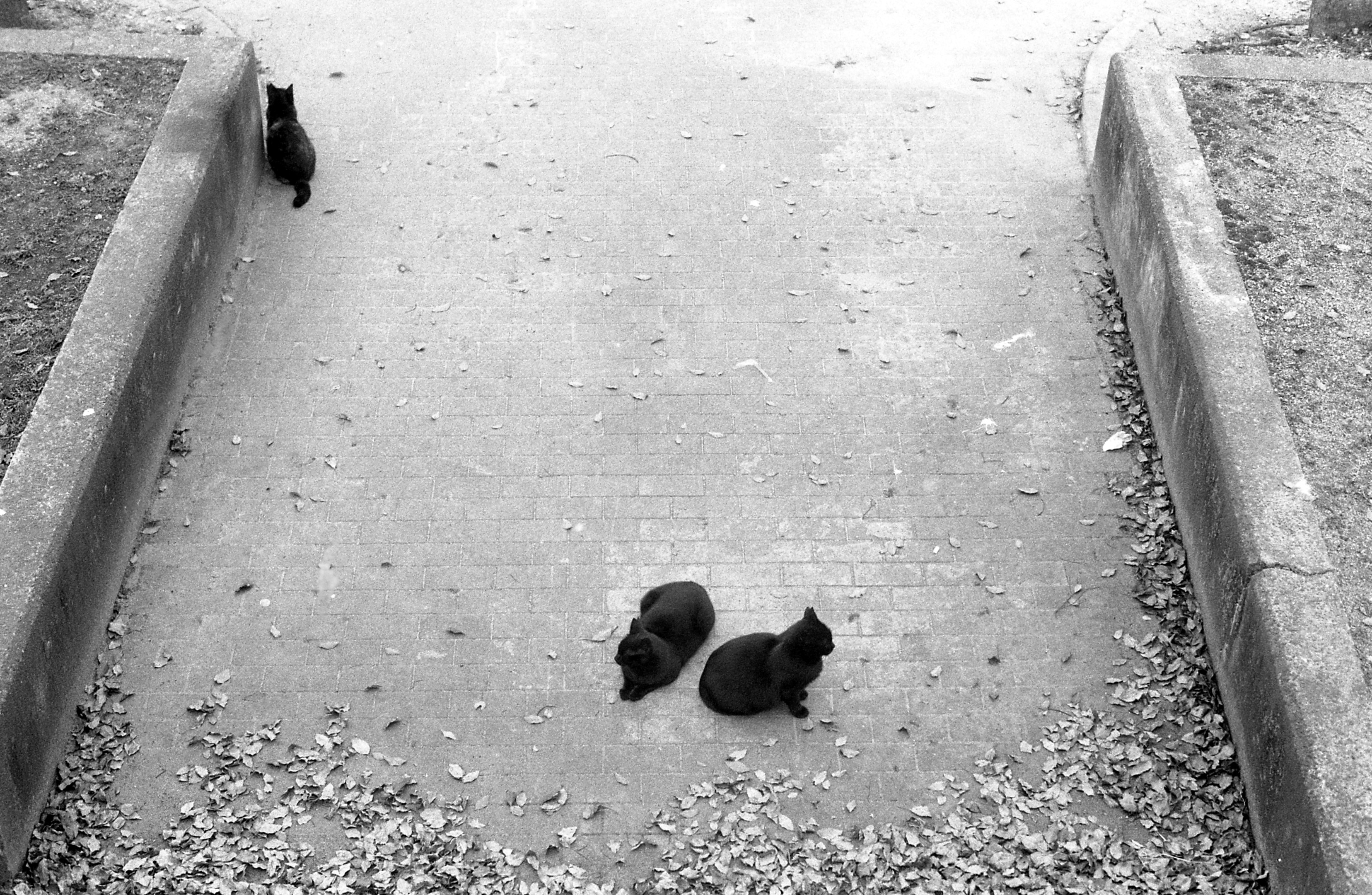
Onomichi is a hillside port town of extraordinary charm, its steep lanes threaded with temples, stray cats, and nostalgic Showa-era storefronts tumbling down to the narrow strait separating it from Mukaishima Island — and it serves as the gateway to the celebrated Shimanami Kaido cycling route. The town itself rewards slow exploration on foot or bicycle, with a temple walk (Onomichi Shichifukujin Meguri) connecting 25 Buddhist temples connected by stone paths and cat-inhabited alleys. Rental bicycles are readily available at the harbour for those who wish to continue directly onto the island-hopping route across the Seto Inland Sea.

cycling Shimanami-Kaido hillside-town cats temples
Shimanami Kaido Cycling Route
📍 Onomichi (Hiroshima) to Imabari (Ehime) Spring and Autumn

Shimanami Kaido Cycling Route

The Shimanami Kaido is Japan's finest cycling route, a 70-kilometre island-hopping journey across six islands of the Seto Inland Sea on dedicated cycling paths attached to a series of spectacular suspension bridges, ranked among the world's great cycling roads. Cyclists pass through a sequence of charming island towns, citrus orchards, quiet beaches, and viewpoints overlooking an inland sea scattered with forested islets and passing ships that has barely changed since the medieval era. The route can be cycled in a single day by fit riders or stretched leisurely over two days with overnight stays in small island guesthouses.

cycling island-hopping Seto-Inland-Sea bridge scenic-route
🎆

Events

4 spots
Hiroshima Peace Memorial Ceremony
📍 Hiroshima Peace Memorial Park, Hiroshima August 6

Hiroshima Peace Memorial Ceremony

Every year on August 6th at 8:15 a.m. — the precise moment the atomic bomb detonated in 1945 — Hiroshima holds its Peace Memorial Ceremony in the park, attended by the city's mayor, the Prime Minister of Japan, foreign dignitaries, and thousands of people from around the world in a shared act of remembrance and resolve. The ceremony includes a moment of silence, the ringing of the Peace Bell, release of doves, and the reading of the Peace Declaration calling for a world free of nuclear weapons. In the evening, tens of thousands of paper lanterns are floated down the Motoyasu River past the A-Bomb Dome in the Toro Nagashi ceremony, one of the most moving sights in Japan.

ceremony August-6 peace memorial lanterns
Itsukushima Kangen-sai Festival
📍 Miyajima Island, Hiroshima Late July (lunar calendar)

Itsukushima Kangen-sai Festival

Kangen-sai is considered one of the three great boat festivals of Japan, held on the full moon of the 11th day of the sixth lunar month at Itsukushima Shrine, when court nobles would traditionally offer gagaku (ancient Japanese court music) to the shrine deity. A procession of elaborately decorated dragon-head boats carrying musicians playing ancient wind and percussion instruments glide across the illuminated sea between Miyajima and the Hiroshima mainland in a spectacle of extraordinary atmospheric beauty. The combination of the floating torii gate silhouetted against the night sky, the torchlight reflecting off the water, and the haunting music of the gagaku ensemble creates a scene seemingly lifted from another century.

festival boat music Miyajima court-music
Tsuwano Herons Dance Festival (鷺舞)
📍 Tsuwano Town, Yamaguchi July 20–27 (Gion Matsuri period)

Tsuwano Herons Dance Festival (鷺舞)

Tsuwano, a tiny mountain castle town often called 'little Kyoto of San'in,' hosts the Sagi-mai (Heron Dance) each July as part of its Yasaka Shrine Gion festival — a ritual dance in which performers costumed as herons with white feathered wings and long golden beaks move in slow, graceful formations through the town's old streets. The dance was transmitted from Kyoto in the Muromachi period and is one of only two remaining examples of this ancient court-influenced tradition in all of Japan. The backdrop of Tsuwano's white-walled samurai residences, shallow streams thick with koi, and forested hills gives the festival a setting of uncommon beauty.

festival traditional-dance Tsuwano samurai-town July
Tottori Sand Sculpture Festival
📍 Tottori Sand Dunes, Tottori April to January (Sand Museum season)

Tottori Sand Sculpture Festival

Adjacent to the famous Tottori Sand Dunes, the Sand Museum hosts one of the world's premier sand sculpture exhibitions each year from April through to January, displaying monumental works by internationally acclaimed sand artists on a fresh theme chosen annually — past themes have included Europe, the Americas, and the Silk Road. Each sculpture is carved entirely from compacted sand without adhesives, shaped by hand and tools into astonishing architectural and figurative forms that stand up to eight metres tall. The juxtaposition of these ephemeral masterpieces against the backdrop of the living dunes shifting in the sea wind creates a setting that is both surreal and deeply Japanese in its appreciation of transient beauty.

sand-sculpture art festival sand-dunes international

📖 Recommended Travel Guides

Chugoku Region Travel Guide
Destination
Best Day Trips from Osaka Guide 2026
Guide
Destinations
Chugoku Region Travel Guide
Destination
Hidden Gems in Kyoto Travel Guide 2026
Destination
Hidden Gems in Tohoku Japan: The Complete Local's Guide

🏨 Find Hotels in Chugoku Region

Compare prices and availability across hundreds of hotels.

Search Hotels on Booking.com →

🎌 Tours & Day Trips

Book guided tours, day trips, and cultural experiences in the region.

Browse Tours on Viator →

🗺️ Activities & Attractions

Skip the queues — pre-book entry tickets, day tours, and local experiences.

Explore on GetYourGuide →

🎟️ Things to Do in Chugoku Region

Discover tickets, transport passes, and unique local experiences in Chugoku Region with Klook.

Book on Klook →