Kansai Region Travel Guide

Nara · Kobe · Himeji · Koyasan · Ise · Kumano Kodo · Lake Biwa

🏯 UNESCO World Heritage🦌 Nara Deer Park⛩️ Ise Grand Shrine🥩 Kobe Beef🏔️ Kumano Kodo Trail🌸 Yoshino Cherry Blossoms

Kansai is Japan's cultural and spiritual heartland — the ancient cradle of Japanese civilisation, home to the country's most sacred Shinto shrine complex at Ise, its finest surviving feudal castle at Himeji, mountain monastery communities on Koyasan, and UNESCO-listed pilgrimage trails winding through the primeval forests of the Kii Peninsula. The region stretches from Lake Biwa, Japan's largest lake, through the deer-filled ancient capital of Nara and the cosmopolitan port city of Kobe to the wave-beaten shores of Wakayama, offering a depth and variety of experience unmatched anywhere else in Japan. Kyoto and Osaka each have their own dedicated guides on this site; this page focuses on the equally remarkable destinations that lie beyond those famous cities. Whether you come to walk the Kumano Kodo, eat Kobe beef at source, watch 30,000 cherry trees bloom above Yoshino, or sit in silence by a lantern-lit tomb on Koyasan, Kansai rewards travellers who look further.

⛩️

Sightseeing

8 spots
Himeji Castle
📍 Himeji, Hyogo Spring / Autumn

Himeji Castle

Nicknamed 'White Heron Castle' for its dazzling white plastered walls, Himeji is Japan's finest surviving feudal castle and a UNESCO World Heritage site. The multi-tiered main keep dates to 1609 and commands the surrounding city from a low hilltop. The castle's labyrinthine defensive layout, with maze-like corridors and concealed archer's windows, is both beautiful and formidably functional.
UNESCO Castle Architecture Cherry blossoms
Todai-ji Temple & Nara Deer Park
📍 Nara, Nara Year-round

Todai-ji Temple & Nara Deer Park

Todai-ji's Great Buddha Hall is the world's largest wooden structure and shelters a 15-metre bronze Buddha cast in 752 AD. Outside, over 1,000 sacred Sika deer roam freely through Nara Park, bowing to visitors who offer them crackers. The juxtaposition of ancient grandeur and gentle wildlife creates one of Japan's most unforgettable experiences.

UNESCO Buddha Deer Temple History
Koyasan (Mt. Koya)
📍 Koya, Wakayama Spring / Autumn

Koyasan (Mt. Koya)

Founded in 816 by the monk Kobo Daishi, Koyasan is a sacred mountain town of 117 temples and the headquarters of Shingon Buddhism. Okunoin cemetery, where over 200,000 stone lanterns and moss-covered tombs line an ancient cedar path, is among the most atmospheric places in all of Japan. Staying overnight in a shukubo temple lodge and joining morning prayers is a transformative experience.

Temple Shingon Buddhism Cemetery Pilgrimage UNESCO
Ise Jingu (Grand Shrine)
📍 Ise, Mie Year-round

Ise Jingu (Grand Shrine)

Ise Jingu is Japan's most sacred Shinto shrine complex, dedicated to the sun goddess Amaterasu and the ancestral deity of the imperial family. The inner sanctum is rebuilt identically every 20 years in a rite of renewal stretching back 1,300 years. The approach through ancient cypress forest and the adjacent Okage Yokocho historical town town create a profound sense of stepping back into old Japan.

Shinto Sacred shrine History Pilgrimage
Kobe Kitano Ijinkan
📍 Kobe, Hyogo Year-round

Kobe Kitano Ijinkan

The Kitano district preserves over a dozen late 19th-century Western-style mansions built by foreign merchants and diplomats who settled in Kobe after Japan opened to trade. English, German, French and American architectural styles stand side by side on the hillside above the city, earning the area its name 'Ijinkan' — foreigners' houses. Many are open as museums and offer panoramic views of Kobe harbour.

Historic houses Western architecture Culture Kobe
Yoshino Mountain Cherry Blossoms
📍 Yoshino, Nara Spring (late March–April)

Yoshino Mountain Cherry Blossoms

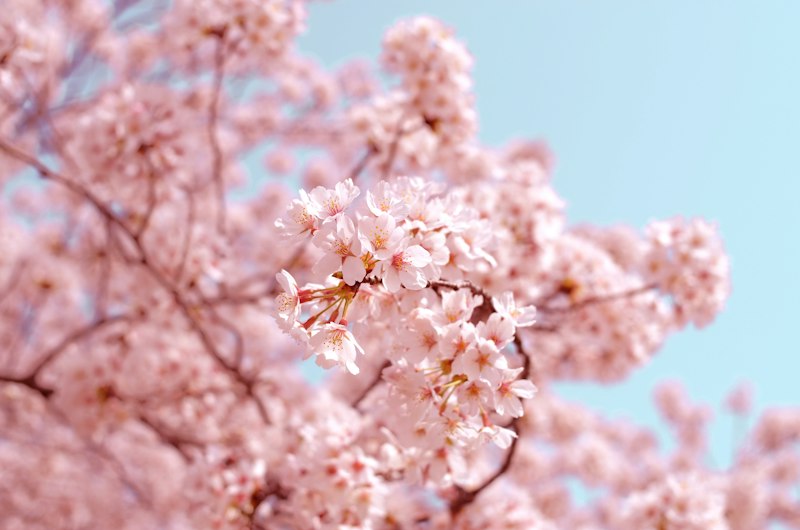
Yoshino is Japan's most celebrated cherry blossom destination, blanketed by roughly 30,000 Yoshino cherry trees that cascade down the mountain in layers of pink and white. The UNESCO-listed site has been a place of veneration since the 7th century, and the sakura bloom moves uphill in stages over several weeks. On peak days, the mountain is painted in colour from base to summit in a spectacle that has captivated poets and pilgrims for over a millennium.

Cherry blossoms UNESCO Mountain Spring Scenic
Amanohashidate
📍 Miyazu, Kyoto Prefecture Spring / Summer

Amanohashidate

Amanohashidate — 'Bridge to Heaven' — is a 3.6-kilometre pine-covered sandbar stretching across Miyazu Bay and one of Japan's three canonical scenic views. The traditional way to appreciate it is to view it upside-down through your legs from the hillside viewpoint, where the sandbar appears to float across the sky. Cycling or walking the sandbar itself, lined with 8,000 pine trees, is equally rewarding.

Scenic Sand bar Japan 3 views Coast
Himeji Castle Cherry Blossoms
📍 Himeji, Hyogo Spring (late March–April)

Himeji Castle Cherry Blossoms

The moat and grounds of Himeji Castle become one of Japan's most photographed spring landscapes when the surrounding cherry trees burst into bloom, their white and pink canopy framing the brilliant white walls of the keep. The Himeji Oshiro Matsuri castle festival coincides with peak bloom, filling the castle grounds with food stalls, performances and evening illuminations. Arriving at dawn for long-exposure shots of the castle reflected in the moat surrounded by blossoms is a bucket-list photography moment.

Cherry blossoms Castle Spring Hyogo Iconic
🍜

Gourmet

5 spots
Kobe Beef
📍 Kobe, Hyogo Year-round

Kobe Beef

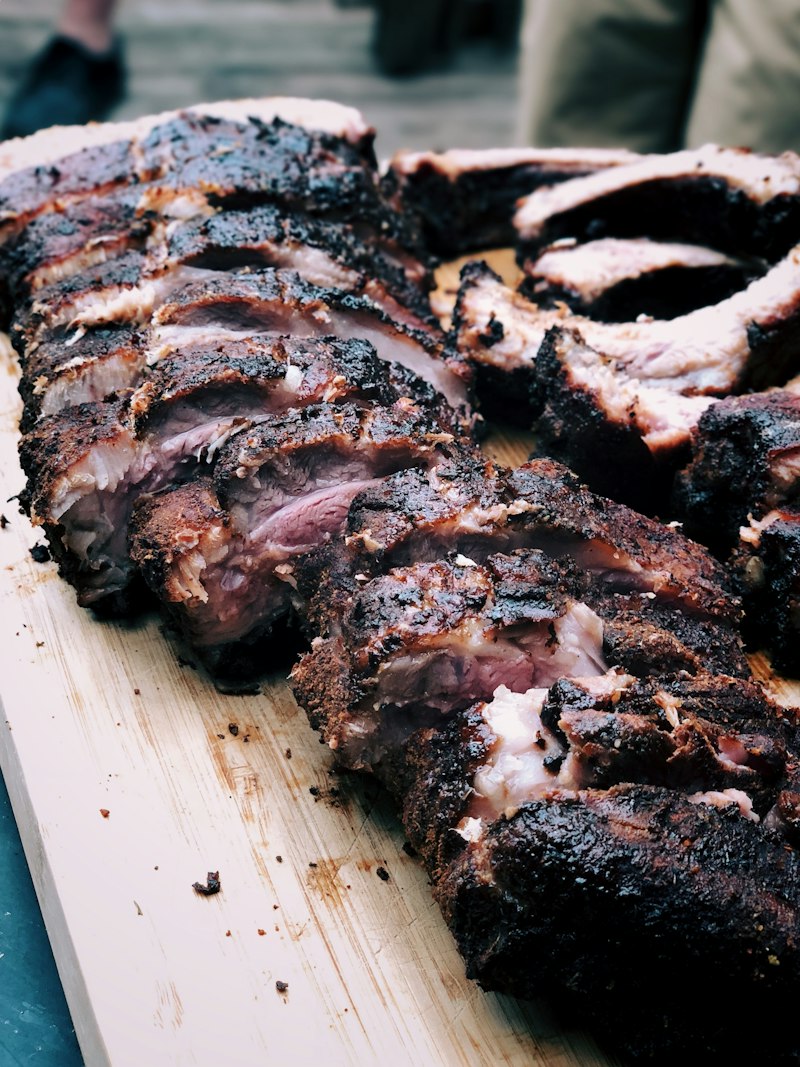
Kobe beef is the world's most famous wagyu, prized for its extraordinary marbling, buttery texture and deep umami flavour. Certified Tajima cattle raised in Hyogo Prefecture under strict conditions produce beef with a BMS marbling score of 6 or above. Teppanyaki restaurants in Kobe's Kitano and Sannomiya districts let diners watch skilled chefs sear A5-grade cuts on iron griddles.

Wagyu Steak Luxury dining Kobe
Matsusaka Beef
📍 Matsusaka, Mie Year-round

Matsusaka Beef

Matsusaka beef rivals Kobe as Japan's most prestigious wagyu, produced from female Tajima cattle raised in Mie Prefecture with meticulous care including beer feeding and massage. The fat-to-muscle ratio creates melt-in-the-mouth texture with a delicate, almost sweet flavour. The city of Matsusaka has dozens of specialist restaurants where shabu-shabu and sukiyaki are the preferred preparations.

Wagyu Steak Luxury dining Mie
Akashi Octopus & Takoyaki
📍 Akashi, Hyogo Year-round

Akashi Octopus & Takoyaki

The city of Akashi, where the currents of the Akashi Strait produce some of Japan's finest octopus, is the definitive home of authentic takoyaki culture. Akashi-yaki — the local predecessor to Osaka's takoyaki — are softer, egg-rich dumplings served in dashi broth rather than sauce. Fresh octopus sashimi at Akashi's historic covered market is another must-try for seafood lovers.

Seafood Street food Octopus Takoyaki Hyogo
Kakinoha-zushi (Persimmon Leaf Sushi)
📍 Yoshino, Nara Autumn

Kakinoha-zushi (Persimmon Leaf Sushi)

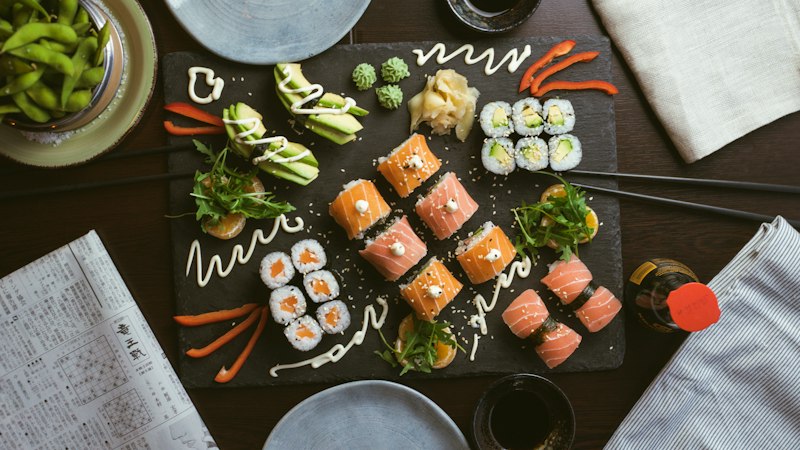
Kakinoha-zushi is a beautifully traditional style of pressed sushi in which vinegared rice topped with salted mackerel or salmon is wrapped in fragrant persimmon leaves. Developed in the Yoshino region where persimmon trees are abundant, the leaves act as a natural preservative and impart a subtle tannic aroma to the rice. Sold in wooden boxes, it is the quintessential souvenir and picnic food of the Nara mountains.

Sushi Traditional food Nara Yoshino
Ise Lobster (Ise-ebi)
📍 Ise / Toba, Mie Autumn / Winter

Ise Lobster (Ise-ebi)

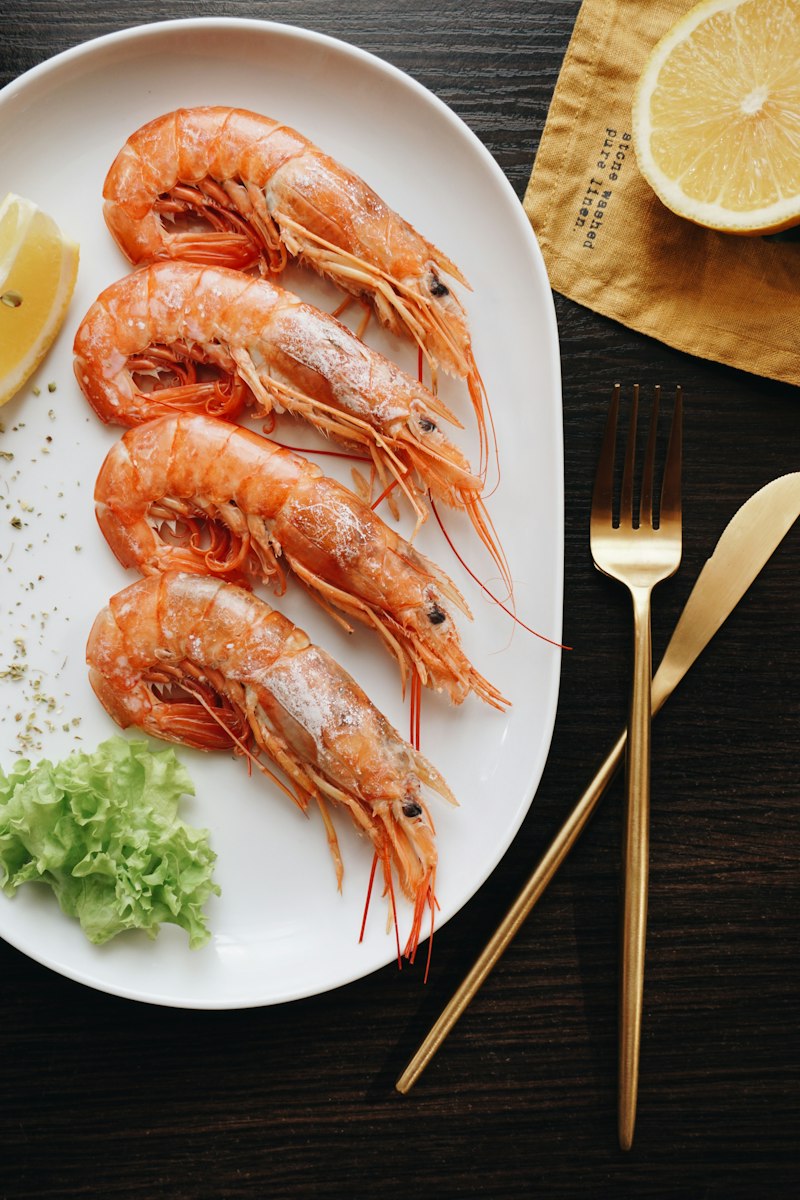
Ise-ebi, the spiny Japanese lobster, is the iconic seafood of Mie Prefecture and a ceremonial delicacy associated with good fortune and Shinto offerings. Caught in the nutrient-rich waters off the Shima Peninsula, the lobster is served as sashimi, in miso soup or grilled whole at waterfront restaurants in Toba and Ise. The prime season runs from October to April when the flavour is richest.

Seafood Lobster Luxury dining Mie
🏔️

Nature

6 spots
Amanohashidate
📍 Miyazu, Kyoto Prefecture Spring / Summer

Amanohashidate

Amanohashidate — 'Bridge to Heaven' — is a 3.6-kilometre pine-covered sandbar stretching across Miyazu Bay and one of Japan's three canonical scenic views. The traditional way to appreciate it is to view it upside-down through your legs from the hillside viewpoint, where the sandbar appears to float across the sky. Cycling or walking the sandbar itself, lined with 8,000 pine trees, is equally rewarding.

Scenic Sand bar Japan 3 views Coast
Kumano Kodo Pilgrimage Trail
📍 Kumano, Wakayama / Mie Spring / Autumn

Kumano Kodo Pilgrimage Trail

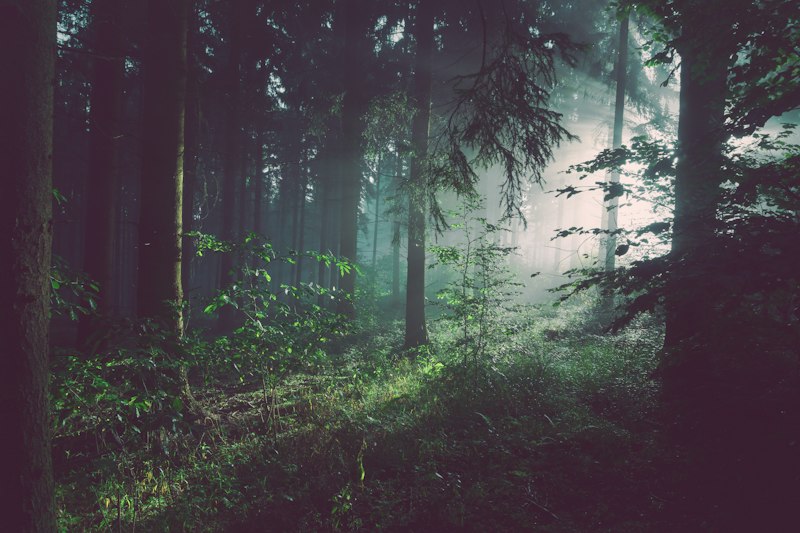
The Kumano Kodo is a network of ancient pilgrimage routes through the sacred Kii Peninsula mountains, the only trail system outside Spain to share UNESCO World Heritage status with the Camino de Santiago. Pilgrims have walked these forest paths to the three Grand Shrines of Kumano for over a thousand years. The Nakahechi route, passing through cedar and cypress woodland and small village rest stops, remains the most accessible and scenically rewarding section.

UNESCO Hiking Pilgrimage Forest Spiritual
Yoshino-Kumano National Park Waterfalls
📍 Totsukawa, Wakayama Spring / Summer

Yoshino-Kumano National Park Waterfalls

Yoshino-Kumano National Park encompasses some of Japan's most dramatic river gorges and cascades, fed by the heavy rainfall of the Kii Peninsula. Nachi Falls, at 133 metres the tallest single-drop waterfall in Japan, plunges beside a cinnabar-red shrine pagoda in one of the country's most iconic images. The park's interior rivers of emerald green water, carved through ancient limestone, offer superb swimming holes and gorge-walking in summer.

Waterfalls National park Hiking Forest Wakayama
Lake Biwa
📍 Otsu / Hikone, Shiga Spring / Summer

Lake Biwa

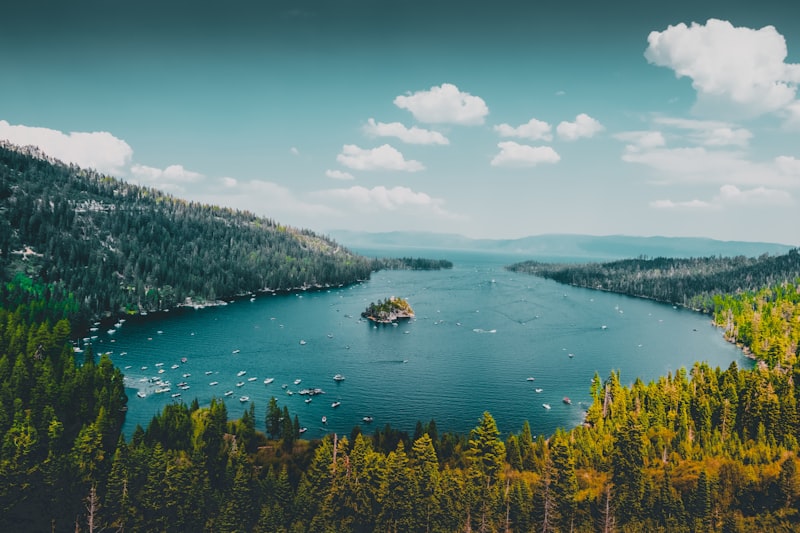
Lake Biwa is Japan's largest freshwater lake, occupying almost one-sixth of Shiga Prefecture and supplying drinking water to 14 million people. The lakeshore is ringed by historic castle towns, shrine islands and preserved fishing villages, with the Biwa Ichi cycling route circumnavigating its 240-kilometre perimeter. Sunset from the western shore, with the Hira mountains reflected on still water, is one of the Kansai region's most serene scenes.

Lake Scenic Cycling Water sports Shiga
Akame 48 Waterfalls
📍 Nabari, Mie Spring / Autumn

Akame 48 Waterfalls

The Akame gorge trail follows the Akame River through a primeval forest of towering cedar and Japanese oak, passing a succession of cascades collectively named the '48 Waterfalls'. The most dramatic falls plunge through narrow gorges where the spray creates year-round rainbows, and the forest floor blazes with colour in autumn. Giant Japanese salamanders inhabit the crystal-clear pools, making this one of the Kinki region's most rewarding nature walks.

Waterfalls Hiking Forest Mie Wildlife
Arima Onsen Forests
📍 Arima, Kobe, Hyogo Autumn / Winter

Arima Onsen Forests

Nestled in a narrow valley of the Rokko Mountains just 30 minutes from Kobe's city centre, Arima Onsen is surrounded by densely forested ridges that turn gold and scarlet in autumn. The hot spring town is one of Japan's oldest, with records stretching back 1,400 years, and the wooded hillside paths around it offer serene short hikes between soaks. In winter, snow-dusted cedar branches above steaming outdoor baths create an image of perfect Japanese tranquility.

Onsen Forest Hyogo Hot spring Mountains
🎿

Leisure

6 spots
Lake Biwa
📍 Otsu / Hikone, Shiga Spring / Summer

Lake Biwa

Lake Biwa is Japan's largest freshwater lake, occupying almost one-sixth of Shiga Prefecture and supplying drinking water to 14 million people. The lakeshore is ringed by historic castle towns, shrine islands and preserved fishing villages, with the Biwa Ichi cycling route circumnavigating its 240-kilometre perimeter. Sunset from the western shore, with the Hira mountains reflected on still water, is one of the Kansai region's most serene scenes.

Lake Scenic Cycling Water sports Shiga
Arima Onsen
📍 Arima, Kobe, Hyogo Year-round

Arima Onsen

Arima Onsen is one of Japan's three great hot spring resorts, renowned for two uniquely coloured waters: the iron-rich 'kinsen' (gold water) that stains towels rust-red, and the clear radium-carbonated 'ginsen' (silver water). Day visitors and overnight guests at traditional ryokan inns share this intimate hillside town of stone lanes and wooden bathhouses. Its position directly behind Kobe makes Arima one of the most accessible premium onsen experiences in western Japan.

Onsen Hot spring Historic Kobe Relaxation
Biwako Valley
📍 Otsu, Shiga Spring / Summer / Winter

Biwako Valley

Biwako Valley is a mountain resort on the Hira range above Lake Biwa, reached by a cable car that climbs 1,100 metres to panoramic views of the entire lake and, on clear days, the Osaka plains beyond. In summer the summit offers zip-lines, hiking, and a trampoline park above the clouds, while winter transforms the slopes into a modest ski resort. The spectacle of Lake Biwa's vast blue surface spread out below is breathtaking in any season.

Cable car Resort Lake Biwa Shiga Views
Kobe Harbor & Meriken Park
📍 Kobe, Hyogo Year-round

Kobe Harbor & Meriken Park

Kobe's waterfront is among Japan's most stylish, anchored by Meriken Park where the iconic steel Port Tower and the illuminated Kobe Maritime Museum rise against the harbour skyline. The adjacent Harborland shopping and dining complex comes alive at dusk, when the reflection of city lights shimmers across the water. Kobe's cosmopolitan character — shaped by its history as Japan's first major international port — gives the waterfront a distinctive energy unlike anywhere else in the Kansai region.

Waterfront Dining Nightlife Kobe Views
Nara City Cycling
📍 Nara, Nara Spring / Autumn

Nara City Cycling

Nara's compact historic core is unusually flat for an ancient Japanese city, making it a natural fit for casual cycling through temple grounds, past wandering deer, and along the willow-lined Sarusawa Pond. Rental shops near Kintetsu Nara Station supply comfortable bikes for self-guided tours that link Todai-ji, Kasuga Taisha shrine, Isuien Garden and the quiet lanes of Naramachi merchant district. Morning rides are especially magical when low mist drifts across the deer park.

Cycling Deer Flat terrain City tour Nara
Shirahama Beach Resort
📍 Shirahama, Wakayama Summer

Shirahama Beach Resort

Shirahama is Kansai's premier beach resort, famous for its broad strip of brilliant white sand — replenished with sand imported from Australia — and a cluster of outdoor hot spring baths perched on dramatic rocky cliffs above the Pacific Ocean. The Saki-no-yu onsen, carved into black volcanic rock with waves crashing beside bathers, is one of Japan's most cinematic bathing experiences. Shirahama also serves as a southern gateway for Kumano Kodo pilgrimages and whale-watching tours.

Beach Onsen Resort Wakayama Summer
🎆

Events

5 spots
Yoshino Mountain Cherry Blossoms
📍 Yoshino, Nara Spring (late March–April)

Yoshino Mountain Cherry Blossoms

Yoshino is Japan's most celebrated cherry blossom destination, blanketed by roughly 30,000 Yoshino cherry trees that cascade down the mountain in layers of pink and white. The UNESCO-listed site has been a place of veneration since the 7th century, and the sakura bloom moves uphill in stages over several weeks. On peak days, the mountain is painted in colour from base to summit in a spectacle that has captivated poets and pilgrims for over a millennium.

Cherry blossoms UNESCO Mountain Spring Scenic
Nara Deer Antler Cutting Ceremony
📍 Nara, Nara Autumn (October)

Nara Deer Antler Cutting Ceremony

The Shika-no-Tsunokiri — deer antler cutting ceremony — is one of Nara's most distinctive annual events, held at Kasugayama Primeval Forest in mid-October. Shinto priests in formal white robes and local volunteer wranglers chase down the sacred deer in a centuries-old ritual originally intended to protect visitors from goring. The scene of deer darting across the earthen arena, watched by crowds in the ancient grandstand, is at once chaotic, humorous and deeply traditional.

Deer Ceremony Culture Autumn Nara
Himeji Castle Cherry Blossoms
📍 Himeji, Hyogo Spring (late March–April)

Himeji Castle Cherry Blossoms

The moat and grounds of Himeji Castle become one of Japan's most photographed spring landscapes when the surrounding cherry trees burst into bloom, their white and pink canopy framing the brilliant white walls of the keep. The Himeji Oshiro Matsuri castle festival coincides with peak bloom, filling the castle grounds with food stalls, performances and evening illuminations. Arriving at dawn for long-exposure shots of the castle reflected in the moat surrounded by blossoms is a bucket-list photography moment.

Cherry blossoms Castle Spring Hyogo Iconic
Nada Kenka Matsuri (Fighting Festival)
📍 Himeji, Hyogo Autumn (October)

Nada Kenka Matsuri (Fighting Festival)

The Nada Kenka Matsuri, held each October at Matsubara Hachiman Shrine, is one of Japan's most thrillingly combative festivals. Teams of men in white happi coats deliberately crash their ornate portable shrines — some weighing over a tonne — against each other in a display of community pride and ritual competition. The air fills with taiko drumming, conch-shell horns and the roar of the crowd as the heavy mikoshi collide, splinter and are repaired again before the next round.

Festival Autumn Mikoshi Hyogo Traditional
Yoshino Cherry Blossom Season
📍 Yoshino, Nara Spring (April)

Yoshino Cherry Blossom Season

Each April, Yoshino becomes the pilgrimage destination of Japan's most devoted cherry blossom chasers, as 30,000 trees bloom in successive waves across four distinct elevation zones named Shimo-Senbon, Naka-Senbon, Kami-Senbon and Oku-Senbon. The bloom progresses uphill over two to three weeks, extending the viewing season unusually long. Temple food stalls sell cherry blossom mochi and hot amazake as visitors pick their way up stone paths through clouds of petals.

Cherry blossoms Festival Spring Nara UNESCO

📖 Recommended Travel Guides

Kansai Region Travel Guide
Destination
Best Day Trips from Osaka Guide 2026
Guide
Destinations
Kansai Region Travel Guide
Destination
Hidden Gems in Kyoto Travel Guide 2026
Destination
Hidden Gems in Tohoku Japan: The Complete Local's Guide

🏨 Find Hotels in Kansai Region

Compare prices and availability across hundreds of hotels.

Search Hotels on Booking.com →

🎌 Tours & Day Trips

Book guided tours, day trips, and cultural experiences in the region.

Browse Tours on Viator →

🗺️ Activities & Attractions

Skip the queues — pre-book entry tickets, day tours, and local experiences.

Explore on GetYourGuide →

🎟️ Things to Do in Kansai Region

Discover tickets, transport passes, and unique local experiences in Kansai Region with Klook.

Book on Klook →