Kyushu Region Travel Guide

Fukuoka · Nagasaki · Beppu · Kumamoto · Mt. Aso · Yufuin · Miyazaki

🌋 Mt. Aso Active Volcano🍜 Birthplace of Tonkotsu Ramen♨️ Beppu's 8 Hot Spring Hells🕊️ Nagasaki Peace Memorial🎆 Hakata Yamakasa Festival🐴 Takachiho Mythology

Kyushu is Japan's southernmost main island — a compact, intensely alive destination where active volcanoes still reshape the highlands, ramen was born in roadside stalls, and ancient festivals see men sprinting through torch-lit streets carrying tonne-weight floats. From the neon-lit yatai food stalls along Fukuoka's Naka River to the haunting memorials of Nagasaki, the theatrically boiling hell springs of Beppu, and the mythologically charged gorge of Takachiho, the island packs an extraordinary range of experiences into a geography you can cross in an afternoon. Kyushu's cuisine — tonkotsu ramen, basashi, chicken nanban, champon, mentaiko — rivals anywhere in Japan for distinctiveness, and its festival calendar burns bright year-round. Whether you arrive chasing volcanic drama, deep history, meditative onsen, or pure culinary adventure, Kyushu rewards every kind of traveler with something genuinely irreplaceable.

⛩️

Sightseeing

10 spots
Nagasaki Atomic Bomb Museum & Peace Park
📍 Nagasaki, Nagasaki Year-round

Nagasaki Atomic Bomb Museum & Peace Park

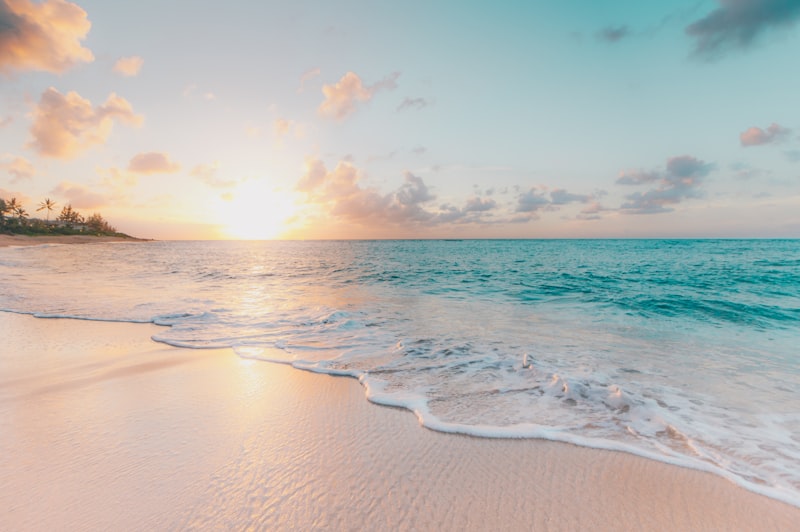
This sobering museum documents the devastating atomic bombing of August 9, 1945, through melted relics, photographs, and survivor testimonies. Immediately north, the Peace Park features the iconic outstretched bronze Peace Statue and the Fountain of Peace. Together they form one of the most moving memorial sites in Asia, drawing visitors to reflect on the human cost of war.

history peace WWII memorial museum
Nagasaki Glover Garden
📍 Nagasaki, Nagasaki Spring, Autumn

Nagasaki Glover Garden

Perched on a hillside overlooking Nagasaki Harbour, Glover Garden preserves a cluster of elegant Western-style residences built by foreign merchants during the Meiji era. The Scottish merchant Thomas Glover's home — Japan's oldest surviving Western-style house — is said to have inspired Puccini's opera Madama Butterfly. Moving walkways carry visitors up the slope past hydrangeas and sweeping harbor panoramas.

history Western-architecture Meiji-era harbor-view culture
Kumamoto Castle
📍 Kumamoto, Kumamoto Spring, Autumn

Kumamoto Castle

One of Japan's three great castles, Kumamoto Castle is a masterpiece of feudal military architecture renowned for its curved ramparts — designed to collapse on attackers trying to scale them. The 2016 Kumamoto earthquake caused significant damage, and the ongoing restoration offers a rare chance to watch traditional castle-rebuilding craftsmanship up close. The castle's cherry blossom festival in April transforms the grounds into a stunning pink landscape.

castle history architecture samurai reconstruction
Takachiho Gorge
📍 Takachiho, Miyazaki Spring, Autumn

Takachiho Gorge

Carved by the Gokase River through basalt columns formed by ancient volcanic eruptions, Takachiho Gorge is one of Kyushu's most dramatic natural spectacles. Japanese mythology holds this as the land where the gods descended to earth, and the nearby Takachiho Shrine performs nightly Kagura dance rituals reenacting those divine stories. Rent a rowboat to drift beneath the sheer cliff walls and the cascading Manai Falls, which plunge directly into the emerald-green river.

gorge mythology waterfall rowboat scenic
Dazaifu Tenmangu Shrine
📍 Dazaifu, Fukuoka Spring (plum blossoms), Year-round

Dazaifu Tenmangu Shrine

Dedicated to the scholar-god Tenjin (Sugawara no Michizane), Dazaifu Tenmangu is Japan's foremost shrine for students seeking blessings for academic success, drawing two million visitors during exam season each January. The shrine is built over the grave of Michizane himself, and the surrounding precinct bursts into color when its 6,000 plum trees bloom in February. The approach lane is lined with shops selling umegae mochi — rice cakes filled with sweet bean paste, the shrine's signature treat.

shrine Shinto academic-success plum-blossoms pilgrimage
Usa Jingu
📍 Usa, Oita Year-round

Usa Jingu

As the head shrine of Japan's approximately 40,000 Hachiman shrines, Usa Jingu holds profound spiritual significance as the guardian deity of warriors and the nation. Its distinctive twin-arch style of bowing (two bows, one clap, one bow) differs from the standard Shinto ritual and reflects its unique theological lineage. Approached through towering ancient camphor trees, the vermilion sanctuary complex radiates an atmosphere of timeless sacred authority.

shrine Hachiman ancient Shinto pilgrimage
Mt. Aso Active Caldera
📍 Aso, Kumamoto Spring, Autumn

Mt. Aso Active Caldera

Mt. Aso contains one of the world's largest active volcanic calderas — a vast bowl nearly 25 km across that holds five active peaks, towns, farmland, and over 50,000 residents. The still-smoking Nakadake crater is one of the few places on earth where visitors can stand at the rim of an actively erupting volcano (when gas levels permit), peering into a turquoise-green acid lake. The surrounding Aso Kuju National Park rolls out in magnificent grassy highland plateaus, crossed by ancient horse-riding trails.

volcano caldera hiking grasslands dramatic-landscape
Kunisaki Peninsula Stone Buddhas
📍 Kunisaki, Oita Spring, Autumn

Kunisaki Peninsula Stone Buddhas

The Kunisaki Peninsula harbors one of Japan's most enigmatic sacred landscapes: hundreds of ancient stone Buddha carvings, moss-covered stupas, and temple complexes tucked into forested ravines that radiate from the central peak of Mt. Futago. The unique Rokugo Manzan Buddhism that developed here over 1,300 years fused esoteric Buddhism with Shinto mountain worship, producing rituals found nowhere else in Japan. Walking the forested stone-paved pilgrimage paths between temples feels genuinely removed from the modern world.

Buddhism stone-carvings forested ancient pilgrimage
Beppu 8 Hells (Jigoku Meguri)
📍 Beppu, Oita Year-round

Beppu 8 Hells (Jigoku Meguri)

Beppu's 'Jigoku Meguri' (Hell Tour) takes visitors to eight dramatically different geothermal pools that are too hot or chemically hostile for bathing but spectacular to behold. Each hell has its own personality: the blood-red Chinoike Jigoku, the brilliant-blue Umi Jigoku, the grey mud-bubbling Bozu Jigoku, and the enormous Tatsumaki Geyser that erupts every 30–40 minutes. A combined ticket covers all eight sites across two clusters, and the whole circuit takes a rewarding half-day.

hot-springs jigoku geothermal Beppu unusual
Inasayama Night View (Nagasaki Skyway)
📍 Nagasaki, Nagasaki Year-round

Inasayama Night View (Nagasaki Skyway)

Inasayama, reached by a short ropeway ride from the city center, offers what is officially ranked one of Japan's three greatest night views — an astonishing panorama of Nagasaki's harbor and city lights scattered across the hillsides like scattered jewels. Because Nagasaki was built in a narrow valley surrounded by mountains, its nightscape creates a unique 'bowl of light' effect that differs entirely from the flat glittering expanses of Tokyo or Osaka. The observation deck at 333 m also offers spectacular daytime views across the harbor to the distant Goto Islands.

night-view ropeway panorama romantic Nagasaki
🍜

Gourmet

6 spots
Hakata Tonkotsu Ramen
📍 Hakata, Fukuoka Year-round

Hakata Tonkotsu Ramen

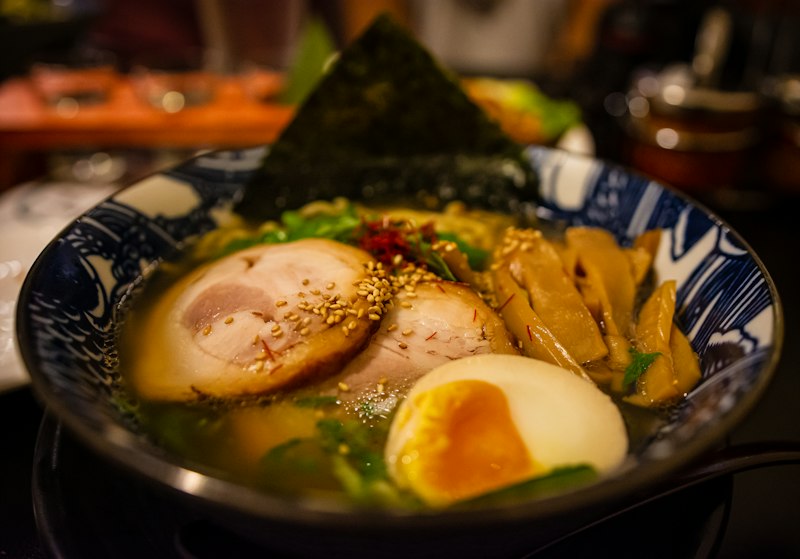
Hakata is the birthplace of tonkotsu ramen — a rich, milky pork bone broth simmered for hours until it turns opaque white and intensely savory. The thin, firm noodles are designed to stay al dente even in the scalding broth, and diners can request extra noodles (kaedama) without leaving their seat. Dozens of legendary ramen shops cluster around Hakata Station and Nakasu island, each with a secret blend that keeps regulars coming back daily.

ramen pork-broth noodles Fukuoka iconic-food
Fukuoka Yatai Street Food Stalls
📍 Nakasu / Tenjin, Fukuoka Year-round (best spring–autumn)

Fukuoka Yatai Street Food Stalls

Fukuoka's legendary yatai — wheeled open-air food stalls that set up each evening along the Naka River and around Tenjin — are unlike anything else in Japan. Squeezed elbow-to-elbow with strangers under a plastic canopy, you order tonkotsu ramen, yakitori skewers, and gyoza while the city hums around you. The yatai culture is officially recognized as a Fukuoka heritage, and each stall is run by a proprietor whose recipes and spot on the riverbank are fiercely protected.

yatai street-food nightlife local-culture outdoor-dining
Mentaiko (Spicy Cod Roe)
📍 Fukuoka, Fukuoka Year-round

Mentaiko (Spicy Cod Roe)

Mentaiko — marinated Alaska pollock roe seasoned with chili and spices — was popularized in Fukuoka in the postwar years and has since become the city's most iconic edible souvenir. The best mentaiko is plump, glistening, and explosively savory with a slow chili heat, eaten draped over hot rice or stuffed inside a warm baguette. The Yamaya and Fukuya brands, both founded in Hakata, ship nationwide but the freshest tubs are found in Fukuoka's Tenjin underground shopping arcades.

mentaiko souvenir seafood Fukuoka-specialty umami
Nagasaki Champon
📍 Nagasaki, Nagasaki Year-round

Nagasaki Champon

Champon is Nagasaki's signature noodle dish, born in the late 19th century when a Chinese restaurateur created a hearty, affordable meal for Chinese students studying in the city. Thick, chewy noodles are cooked directly in a rich pork-and-seafood broth and piled high with bean sprouts, cabbage, squid, shrimp, and fish cake. Unlike most Japanese noodle soups, the noodles are simmered rather than served separately, absorbing the complex flavors of the stock.

noodles seafood Chinese-influence Nagasaki comfort-food
Kumamoto Basashi (Raw Horse Sashimi)
📍 Kumamoto, Kumamoto Year-round

Kumamoto Basashi (Raw Horse Sashimi)

Basashi — thin slices of raw horse meat — is Kumamoto's most distinctively bold culinary tradition, eaten with grated ginger and soy sauce much like beef sashimi. The meat is lean, lightly sweet, and remarkably clean-tasting, prized for its low fat content and high iron. Izakayas throughout the city serve it proudly as a regional badge of honor, and curious visitors almost invariably find it far more approachable than they expected.

basashi horse-sashimi Kumamoto-specialty adventurous local-food
Miyazaki Chicken Nanban
📍 Miyazaki, Miyazaki Year-round

Miyazaki Chicken Nanban

Chicken Nanban is Miyazaki's beloved contribution to Japanese comfort food: deep-fried chicken thighs marinated in a sweet-tangy vinegar sauce and generously smothered in house-made tartar. Invented in 1966 at a Nobeoka restaurant, the dish has spread across Japan but its soul remains in Miyazaki, where nearly every family restaurant serves its own version. The contrast of crispy coating, juicy meat, acidic vinegar, and creamy tartar makes it irresistibly moreish.

chicken fried-food tartar-sauce Miyazaki comfort-food
🏔️

Nature

6 spots
Takachiho Gorge
📍 Takachiho, Miyazaki Spring, Autumn

Takachiho Gorge

Carved by the Gokase River through basalt columns formed by ancient volcanic eruptions, Takachiho Gorge is one of Kyushu's most dramatic natural spectacles. Japanese mythology holds this as the land where the gods descended to earth, and the nearby Takachiho Shrine performs nightly Kagura dance rituals reenacting those divine stories. Rent a rowboat to drift beneath the sheer cliff walls and the cascading Manai Falls, which plunge directly into the emerald-green river.

gorge mythology waterfall rowboat scenic
Mt. Aso Active Caldera
📍 Aso, Kumamoto Spring, Autumn

Mt. Aso Active Caldera

Mt. Aso contains one of the world's largest active volcanic calderas — a vast bowl nearly 25 km across that holds five active peaks, towns, farmland, and over 50,000 residents. The still-smoking Nakadake crater is one of the few places on earth where visitors can stand at the rim of an actively erupting volcano (when gas levels permit), peering into a turquoise-green acid lake. The surrounding Aso Kuju National Park rolls out in magnificent grassy highland plateaus, crossed by ancient horse-riding trails.

volcano caldera hiking grasslands dramatic-landscape
Yufuin Valley & Mt. Yufu
📍 Yufuin, Oita Autumn (foliage), Spring

Yufuin Valley & Mt. Yufu

Yufuin is a quietly elegant hot spring resort town set in a broad valley beneath the twin peaks of Mt. Yufu, which frost white in winter while steam drifts from the valley floor below. Unlike Beppu's rowdy resort energy, Yufuin's main street (Yufuin-in-kamichaya) is lined with artisan boutiques, art galleries, and ryokan inns that attract young couples and design-minded travelers. Morning mist rising off the rice paddies around Lake Kinrinko creates some of the most atmospheric photography opportunities in Kyushu.

onsen pastoral volcano resort scenic-village
Kunisaki Peninsula Stone Buddhas
📍 Kunisaki, Oita Spring, Autumn

Kunisaki Peninsula Stone Buddhas

The Kunisaki Peninsula harbors one of Japan's most enigmatic sacred landscapes: hundreds of ancient stone Buddha carvings, moss-covered stupas, and temple complexes tucked into forested ravines that radiate from the central peak of Mt. Futago. The unique Rokugo Manzan Buddhism that developed here over 1,300 years fused esoteric Buddhism with Shinto mountain worship, producing rituals found nowhere else in Japan. Walking the forested stone-paved pilgrimage paths between temples feels genuinely removed from the modern world.

Buddhism stone-carvings forested ancient pilgrimage
Cape Toi Wild Horses
📍 Cape Toi, Miyazaki Year-round (spring foals)

Cape Toi Wild Horses

Cape Toi, a dramatic rocky promontory jutting into the Pacific at Kyushu's southeastern tip, is home to a herd of Misaki horses — small, hardy wild ponies that have roamed freely here since the 17th century. With fewer than 100 horses remaining, they are a nationally protected species, yet visitors can walk quietly among them as they graze along the clifftops above crashing surf. The cape's lighthouse, dramatic sea views, and resident deer add to what feels like a genuinely wild corner of Japan.

wild-horses cape coastal wildlife Miyazaki
Kirishima-Kinkowan National Park
📍 Ebino Plateau, Miyazaki Spring (azaleas), Autumn

Kirishima-Kinkowan National Park

Straddling the Miyazaki–Kagoshima border, the Kirishima mountain range offers some of Kyushu's finest high-altitude hiking through a surreal chain of volcanic peaks, explosion craters, and cobalt-blue crater lakes. The Ebino Kogen plateau on the Miyazaki side is the most accessible base, with well-marked loop trails passing steaming vents and brilliant azalea fields that explode pink in May. Mt. Karakuni — the range's highest point at 1,700 m — offers panoramic views stretching on clear days all the way to Sakurajima across the bay.

volcano hiking crater-lakes national-park trekking
🎿

Leisure

7 spots
Fukuoka Yatai Street Food Stalls
📍 Nakasu / Tenjin, Fukuoka Year-round (best spring–autumn)

Fukuoka Yatai Street Food Stalls

Fukuoka's legendary yatai — wheeled open-air food stalls that set up each evening along the Naka River and around Tenjin — are unlike anything else in Japan. Squeezed elbow-to-elbow with strangers under a plastic canopy, you order tonkotsu ramen, yakitori skewers, and gyoza while the city hums around you. The yatai culture is officially recognized as a Fukuoka heritage, and each stall is run by a proprietor whose recipes and spot on the riverbank are fiercely protected.

yatai street-food nightlife local-culture outdoor-dining
Yufuin Valley & Mt. Yufu
📍 Yufuin, Oita Autumn (foliage), Spring

Yufuin Valley & Mt. Yufu

Yufuin is a quietly elegant hot spring resort town set in a broad valley beneath the twin peaks of Mt. Yufu, which frost white in winter while steam drifts from the valley floor below. Unlike Beppu's rowdy resort energy, Yufuin's main street (Yufuin-in-kamichaya) is lined with artisan boutiques, art galleries, and ryokan inns that attract young couples and design-minded travelers. Morning mist rising off the rice paddies around Lake Kinrinko creates some of the most atmospheric photography opportunities in Kyushu.

onsen pastoral volcano resort scenic-village
Beppu 8 Hells (Jigoku Meguri)
📍 Beppu, Oita Year-round

Beppu 8 Hells (Jigoku Meguri)

Beppu's 'Jigoku Meguri' (Hell Tour) takes visitors to eight dramatically different geothermal pools that are too hot or chemically hostile for bathing but spectacular to behold. Each hell has its own personality: the blood-red Chinoike Jigoku, the brilliant-blue Umi Jigoku, the grey mud-bubbling Bozu Jigoku, and the enormous Tatsumaki Geyser that erupts every 30–40 minutes. A combined ticket covers all eight sites across two clusters, and the whole circuit takes a rewarding half-day.

hot-springs jigoku geothermal Beppu unusual
Yufuin Onsen Resort Town
📍 Yufuin, Oita Autumn, Spring

Yufuin Onsen Resort Town

Yufuin has deliberately positioned itself as Kyushu's most refined onsen destination, with high-end ryokan offering open-air baths overlooking Mt. Yufu and a main street of galleries, craft shops, and specialty cafés that give the town a relaxed, cultured atmosphere. Many ryokan offer private outdoor baths (kashikiri buro) where guests can soak in milky sulfur water while watching the volcanic peak reflected in a still pool. The town is easily reached from Fukuoka or Beppu on the scenic Yufuin-no-Mori train, itself a beloved excursion.

onsen ryokan relaxation boutique-shopping art
Canal City Hakata
📍 Hakata, Fukuoka Year-round

Canal City Hakata

Canal City Hakata is one of Japan's most theatrically designed shopping complexes: a sweeping crescent of terracotta and cobalt buildings by American architect Jon Jerde, divided by an actual canal that winds through the ground floor with hourly fountain shows. The complex houses over 250 shops and restaurants, a theatre, a game center, and a ramen stadium on the fifth floor showcasing regional ramen styles from across Japan. It is simultaneously a functional mall and a legitimate piece of architectural spectacle.

shopping entertainment architecture canal Fukuoka
Inasayama Night View (Nagasaki Skyway)
📍 Nagasaki, Nagasaki Year-round

Inasayama Night View (Nagasaki Skyway)

Inasayama, reached by a short ropeway ride from the city center, offers what is officially ranked one of Japan's three greatest night views — an astonishing panorama of Nagasaki's harbor and city lights scattered across the hillsides like scattered jewels. Because Nagasaki was built in a narrow valley surrounded by mountains, its nightscape creates a unique 'bowl of light' effect that differs entirely from the flat glittering expanses of Tokyo or Osaka. The observation deck at 333 m also offers spectacular daytime views across the harbor to the distant Goto Islands.

night-view ropeway panorama romantic Nagasaki
Saga International Balloon Fiesta
📍 Saga, Saga Autumn (late October–early November)

Saga International Balloon Fiesta

Held each autumn along the Kase River near Saga city, the Saga International Balloon Fiesta is Asia's largest hot air balloon competition, drawing over 100 balloons from dozens of countries and close to one million spectators over its four-day run. The morning launches — when dozens of brilliantly colored balloons ascend simultaneously into the cool river-mist air — are among the most photogenic spectacles in Japan. Balloon tethered rides, food vendors, and evening illumination events fill the grounds throughout the competition.

hot-air-balloon festival Saga international spectacle
🎆

Events

5 spots
Saga International Balloon Fiesta
📍 Saga, Saga Autumn (late October–early November)

Saga International Balloon Fiesta

Held each autumn along the Kase River near Saga city, the Saga International Balloon Fiesta is Asia's largest hot air balloon competition, drawing over 100 balloons from dozens of countries and close to one million spectators over its four-day run. The morning launches — when dozens of brilliantly colored balloons ascend simultaneously into the cool river-mist air — are among the most photogenic spectacles in Japan. Balloon tethered rides, food vendors, and evening illumination events fill the grounds throughout the competition.

hot-air-balloon festival Saga international spectacle
Hakata Gion Yamakasa Festival
📍 Hakata, Fukuoka July 1–15

Hakata Gion Yamakasa Festival

Hakata's most electrifying tradition, the Gion Yamakasa, reaches its climax on July 15 when teams of men dressed in traditional fundoshi loincloths race through the pre-dawn streets of Hakata carrying ornate floats weighing nearly a tonne, covering a 5 km course in under 30 minutes. The floats, called kazariyama, are elaborately decorated with mythological and historical figures and displayed publicly throughout the city during the preceding two weeks. Recognized as a UNESCO Intangible Cultural Heritage, this 780-year-old festival radiates raw energy that electrifies the entire city.

festival float-race July Hakata tradition
Nagasaki Lantern Festival
📍 Nagasaki, Nagasaki January / February (Chinese New Year)

Nagasaki Lantern Festival

Each Lunar New Year, Nagasaki's Chinatown district — the oldest in Japan — erupts into a blaze of red and gold as 15,000 lanterns are hung across the city's streets, bridges, and plazas for two weeks of celebration. Giant tableaux of mythological figures rendered in colored lanterns fill the central Hamamachi shopping arcade and Minato Park, while lion dances, traditional music, and Chinese acrobatics animate the streets nightly. The festival draws over 1.5 million visitors and reflects Nagasaki's centuries-old connection with Chinese culture through its role as Japan's only officially open trading port during the Edo period.

lanterns Chinese-New-Year Nagasaki February illumination
Aso Fire Festival (Hi-furi Shinji)
📍 Aso, Kumamoto March

Aso Fire Festival (Hi-furi Shinji)

The Hi-furi Shinji (Fire-Swinging Ritual) held at Aso Shrine each March is an ancient agricultural ceremony in which priests swing enormous flaming torches in wide arcs to court the deity Takaichiine-hime, as a symbolic courtship ritual that also purifies the highland fields before spring planting. Held against the backdrop of the still-steaming Nakadake crater, the festival connects modern visitors directly to the deeply volcanic, myth-saturated landscape that has shaped Aso's culture for millennia. Visitors gather around the shrine precinct to watch the arc of fire spin against the night sky over the caldera rim.

fire-festival Aso March ritual Shinto
Miyazaki Hadaka Matsuri (Naked Festival)
📍 Miyazaki, Miyazaki February

Miyazaki Hadaka Matsuri (Naked Festival)

In the depths of winter, hundreds of men clad in nothing but white loincloths (fundoshi) pour into a darkened shrine in Miyazaki to jostle and compete for sacred wooden sticks (shingi) thrown by priests, believing that whoever catches one will be blessed with good fortune for the coming year. The scramble is intense and physically demanding — men form pulsing, writhing scrums in the cold air, their breath steaming under shrine lanterns — making for an extraordinary and deeply primal spectacle. The event is one of dozens of similar 'naked festivals' held across Japan, but Miyazaki's retains a particularly raw and uncompromising character.

naked-festival February Miyazaki ritual tradition

📖 Recommended Travel Guides

Kyushu Region Travel Guide
Destination
Rural Kyushu Travel Guide 2026: Discover Hidden Japan
Kyushu Region Travel Guide
Destination
Rural Kyushu Travel Guide 2026: Off the Beaten Path

🏨 Find Hotels in Kyushu Region

Compare prices and availability across hundreds of hotels.

Search Hotels on Booking.com →

🎌 Tours & Day Trips

Book guided tours, day trips, and cultural experiences in the region.

Browse Tours on Viator →

🗺️ Activities & Attractions

Skip the queues — pre-book entry tickets, day tours, and local experiences.

Explore on GetYourGuide →

🎟️ Things to Do in Kyushu Region

Discover tickets, transport passes, and unique local experiences in Kyushu Region with Klook.

Book on Klook →