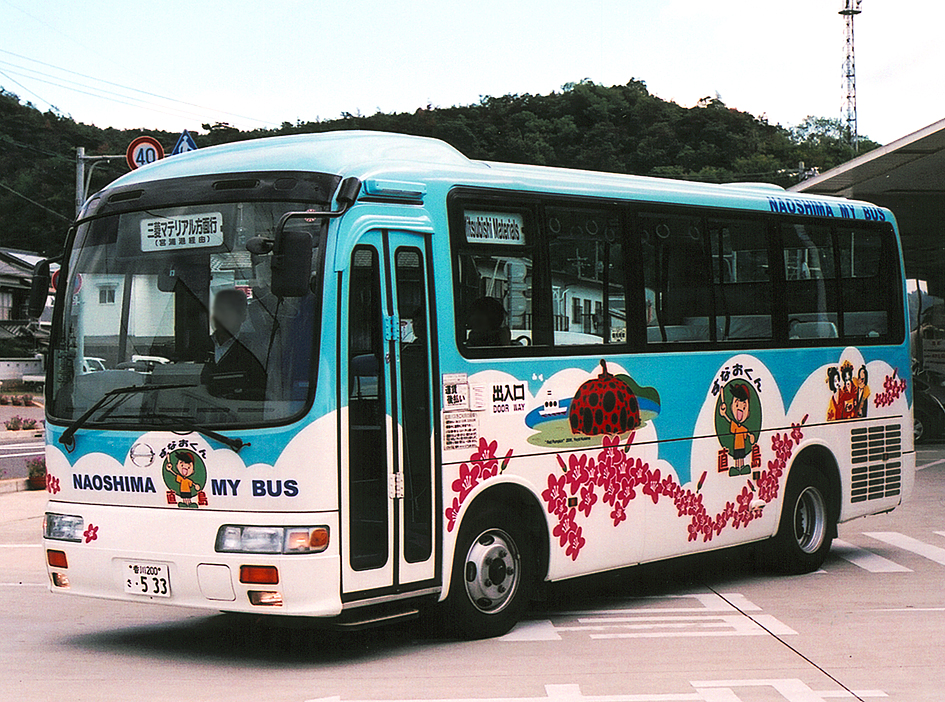
Shikoku Region Travel Guide

Dogo Onsen · Awa Odori · 88 Temple Pilgrimage · Naruto Whirlpools · Shimanto River

🚶 88-Temple Pilgrimage♨️ Dogo Onsen (Oldest)🌊 Naruto Whirlpools🎣 Katsuo Tataki🍜 Original Sanuki Udon💃 Awa Odori Festival

Shikoku is Japan's smallest main island and its least-visited — a place where white-robed pilgrims still walk a 1,200-kilometre circuit of ancient temples following the footsteps of the monk Kobo Daishi, and where Japan's oldest hot spring bathhouse, a three-story Meiji marvel widely said to have inspired Spirited Away, has been welcoming soakers for over a millennium. Beyond the pilgrimage trail, the island hides dramatic gorges, vine suspension bridges in hidden valleys, and the last undammed free-flowing river in Japan. In summer it explodes with energy: Tokushima's Awa Odori draws a million spectators to watch — and join — four nights of hypnotic, unstoppable street dancing, while Kochi feeds visitors the finest straw-seared bonito on earth and Kagawa makes the case, with quiet confidence, that its roadside udon shops have been doing the world's most essential noodle correctly since before most cuisines existed.

⛩️

Sightseeing

10 spots
Dogo Onsen Honkan
📍 Matsuyama, Ehime Year-round

Dogo Onsen Honkan

Japan's oldest continuously operating hot spring bathhouse, Dogo Onsen Honkan is a three-story wooden marvel built in 1894 that is widely believed to have inspired the bathhouse in Studio Ghibli's Spirited Away. The tiered Meiji-era architecture, crowned with a white heron weather vane, is itself a national landmark. Guests soak in the same mineral waters that once soothed samurai lords and Emperor Meiji, surrounded by tatami rooms and centuries of ritual.
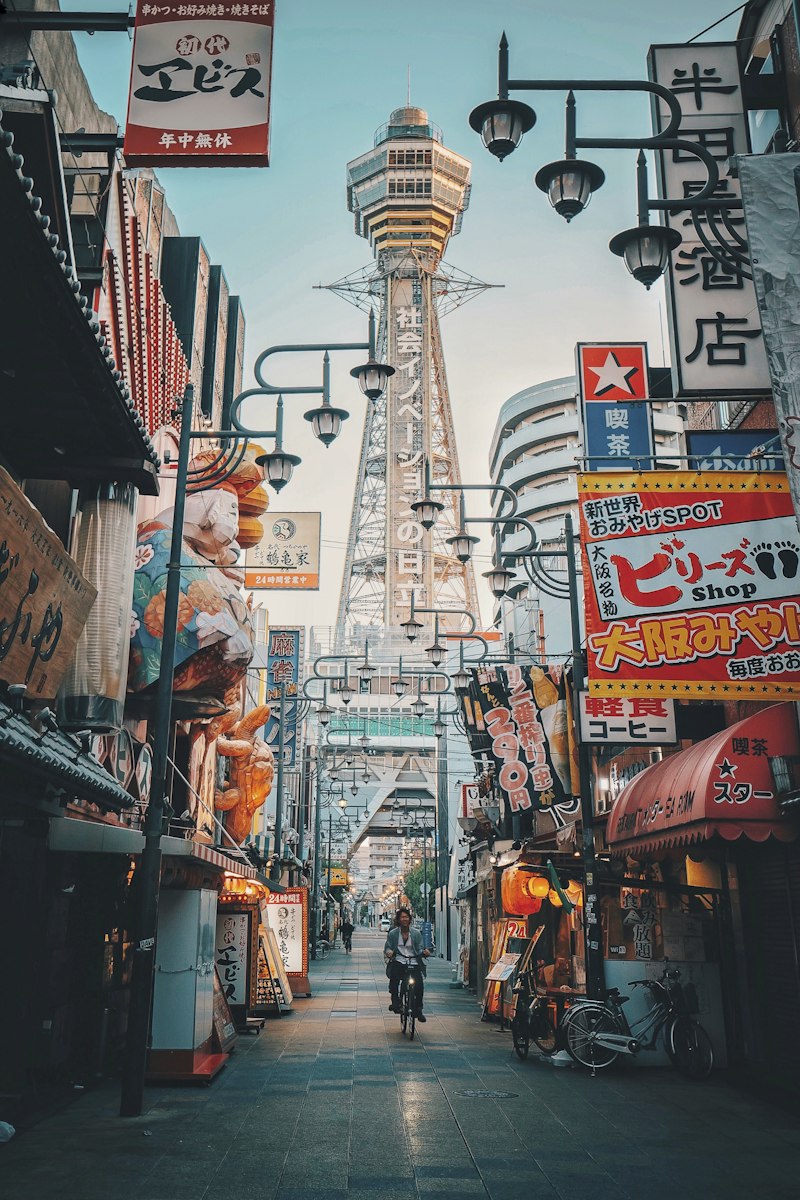
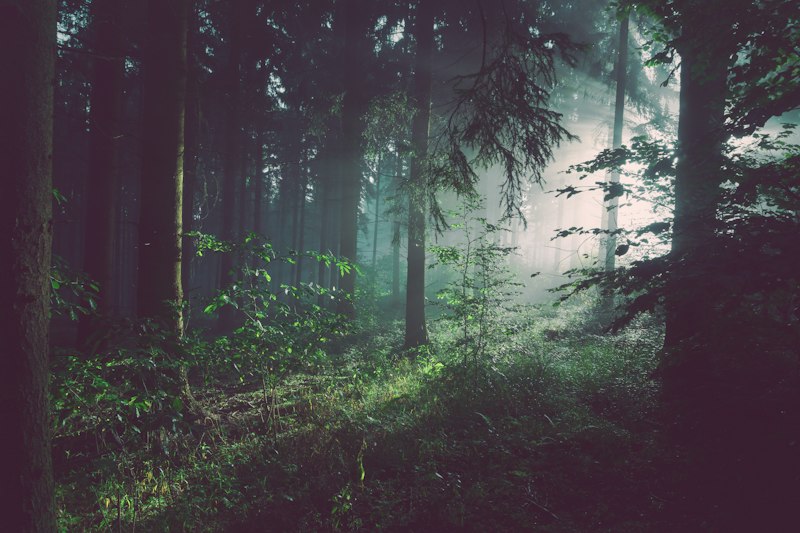
hot spring onsen historic Meiji era Spirited Away
Matsuyama Castle
📍 Matsuyama, Ehime Spring (cherry blossoms), Autumn

Matsuyama Castle

Perched on 132-metre Mount Katsuyama in the heart of the city, Matsuyama Castle is one of only twelve Japanese castles with an original, unrestored wooden keep — a rarity that sets it apart from most concrete reconstructions. The ropeway or gondola ride up rewards visitors with sweeping views over Matsuyama and the Seto Inland Sea. Inside, steep original ladders lead through exhibits of armour, swords, and the castle's four-century history.

castle hilltop original keep samurai Edo period
Ohenro 88-Temple Pilgrimage
📍 All Shikoku Prefectures Spring and Autumn

Ohenro 88-Temple Pilgrimage

The Shikoku Ohenro is a 1,200-kilometre circuit of 88 Buddhist temples associated with the monk Kobo Daishi, founder of Shingon Buddhism, who is said to walk alongside every pilgrim. White-robed henro have followed this route for over a thousand years, ringing temple bells and collecting red stamps in their pilgrim books. Completing the full walk on foot takes around 30–60 days, but many visitors join for a section, joining a living spiritual tradition unlike anywhere else in the world.

pilgrimage Buddhism Kobo Daishi walking spiritual
Iya Valley Vine Bridges (Kazurabashi)
📍 Miyoshi, Tokushima Spring, Summer, Autumn

Iya Valley Vine Bridges (Kazurabashi)

Deep in the forested Iya Valley, ancient suspension bridges woven from mountain wisteria vines sway above a clear emerald river — originally built so that defeated Heike clan warriors could flee into the mountains and cut the bridges behind them. The most famous, Kazurabashi, creaks and sways underfoot with gaps between each step offering vertiginous views down to the gorge below. Surrounding the bridges is one of Japan's most isolated and visually dramatic hidden valleys.

vine bridge gorge historic remote Tokushima
Ritsurin Garden
📍 Takamatsu, Kagawa Spring (plum and cherry blossom), Autumn (maple)

Ritsurin Garden

Ritsurin Garden is consistently ranked among Japan's finest stroll gardens, a masterpiece of Edo-period landscape design developed over a hundred years by successive lords of the Takamatsu domain. Six ponds and thirteen sculpted hills are framed by 1,400 hand-pruned pine trees, each shaped over decades into living architecture. Every step along the winding paths reveals a new composed view — a tea house reflected in still water, a red arched bridge, a borrowed mountain framed by foliage.

Japanese garden stroll garden Edo period Takamatsu manicured
Kochi Castle
📍 Kochi City, Kochi Spring (cherry blossoms), Autumn

Kochi Castle

Kochi Castle is one of Japan's twelve surviving original wooden castles, remarkable for retaining not only its keep but also its entire second bailey complex — a completeness found nowhere else in the country. Built in the early Edo period and rebuilt after a fire in 1727, its steep stone walls rise dramatically from the forested hilltop above the city. The castle's interior houses a superb collection of artefacts relating to the Yamauchi clan and the great local hero Sakamoto Ryoma.

castle original keep Edo period samurai Kochi
Naruto Whirlpools
📍 Naruto, Tokushima Spring and Autumn (largest whirlpools during equinoctial tides)

Naruto Whirlpools

Four times a day, tidal surges between the Pacific Ocean and the Seto Inland Sea force billions of litres of water through the narrow Naruto Strait, generating spinning whirlpools up to 20 metres in diameter — among the largest tidal vortices in the world. Sightseeing boats plunge thrillingly close to the churning water, while the glass-floored Uzu-no-Michi walkway extends beneath the Onaruto Bridge 45 metres above the strait for a vertiginous view straight down into the spinning abyss. The spectacle is most dramatic during spring and autumn equinox tides.

whirlpool tidal ocean boat tour Naruto Strait
Cape Ashizuri
📍 Tosashimizu, Kochi Spring (camellia bloom, January–March), Autumn

Cape Ashizuri

Shikoku's southernmost point is a cathedral of white granite cliffs plunging 80 metres straight into the Pacific, wrapped in subtropical vegetation and battered by open-ocean swells. A lighthouse has stood here since 1914, and the cape is the site of Temple 38 on the Ohenro pilgrimage, making it one of the route's most dramatic and remote waypoints. In winter and early spring, thousands of brilliant red tsubaki camellias bloom against the dark ocean backdrop, their petals scattered by the sea wind.

cape cliffs ocean southernmost dramatic scenery
Kotohira-gu (Konpira-san)
📍 Kotohira, Kagawa Spring, Autumn

Kotohira-gu (Konpira-san)

Konpira-san is one of Japan's most beloved Shinto shrines, dedicated to the deity of seafarers and sailors, reached by climbing 785 stone steps up a forested mountainside — or 1,368 steps if you continue to the inner shrine. The long staircase, flanked by stone lanterns and souvenir sellers who are permitted to trade only at the base, is itself a rite of passage that has drawn pilgrims for centuries. At the main hall, naval artefacts, ship models, and nautical instruments donated by grateful mariners line the walls, telling the story of Japan's relationship with the sea.

shrine mountain steps pilgrimage Kagawa sea god
Uchiko Historic Town
📍 Uchiko, Ehime Spring and Autumn

Uchiko Historic Town

Uchiko grew wealthy during the Meiji era as a centre of Japanese wax production, and its Yokaichi-Gokoku district preserves an extraordinarily intact street of white-walled merchant houses with latticed windows and heavy tiled roofs, largely unchanged since the late nineteenth century. Several merchant villas are open to visitors as museums, including the wax merchant's home with its original family quarters, storehouses, and display of the traditional wax-making process. The town also has a beautifully restored 1916 kabuki theatre, the Uchiko-za, that still hosts performances.

Edo period wax merchant preserved street historic Ehime
🍜

Gourmet

5 spots
Katsuo no Tataki
📍 Kochi City, Kochi Year-round (spring bonito April–June, autumn bonito September–October)

Katsuo no Tataki

Kochi's most iconic dish is thick slabs of skipjack tuna seared at furious heat over a roaring straw fire, leaving the interior raw and the outside smoky and charred — a technique called tataki that dates back to the domain era. Served with sliced garlic, ginger, ponzu, and a fistful of fresh spring onions, it arrives still crackling from the flame in dedicated tataki restaurants across the city. The flavour is simultaneously delicate and boldly savoury, and absolutely nothing like sashimi.

bonito straw-seared seafood Kochi local specialty
Sanuki Udon
📍 Takamatsu and across Kagawa Year-round

Sanuki Udon

Kagawa Prefecture is so synonymous with its thick, chewy wheat noodles that it is unofficially known as Udon Prefecture — a self-bestowed title the locals take entirely seriously. Sanuki udon are distinguished by their firm, polished texture and the deeply savoury dashi broth made from iriko (dried sardines), eaten at bare-bones roadside shops where you carry your own tray and add toppings from a communal counter. A bowl costs as little as 150 yen, and udon-hopping between five or six shops in a morning is a legitimate local pastime.

udon noodles Kagawa wheat roadside restaurant
Tai-meshi (Uwajima Style)
📍 Uwajima, Ehime Year-round

Tai-meshi (Uwajima Style)

Uwajima's tai-meshi is a dish of striking simplicity and elegance: paper-thin slices of raw sea bream (tai) are dressed in a sauce of egg yolk, dashi, miso, and sesame, then laid over steaming white rice. The ritual is to mix everything vigorously at the table until the egg and fish dissolve into a silky, savoury coating for each grain. Unlike the Matsuyama version of tai-meshi — where the fish is cooked — the Uwajima style celebrates the pure sweetness of the freshest possible local sea bream.

sea bream raw fish rice bowl Uwajima Ehime
Sudachi
📍 Across Tokushima Prefecture Autumn harvest (August–October), used year-round

Sudachi

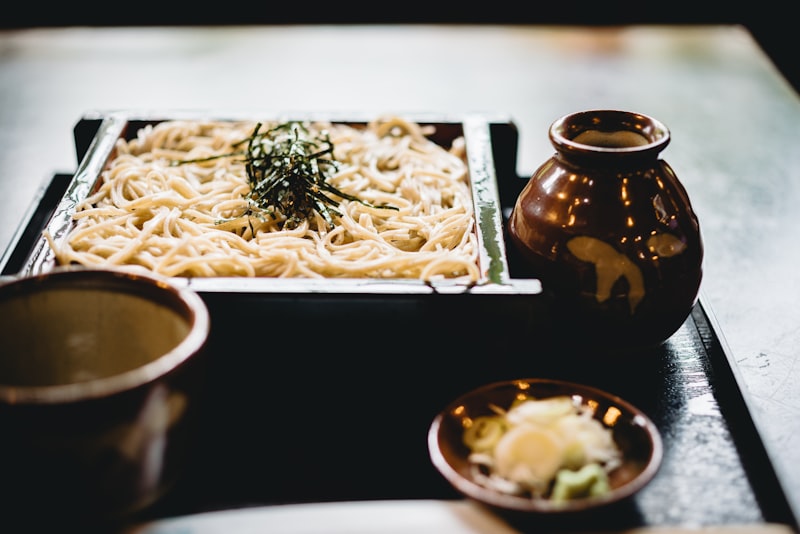
Tokushima produces over 90 percent of Japan's entire sudachi harvest — a small, intensely fragrant green citrus that functions as the prefecture's culinary signature. Squeezed over soba noodles, grilled fish, sanma, or sashimi, sudachi delivers a bright, floral acidity that is more complex and less sharp than lemon, somewhere between yuzu and lime. Visitors can seek out sudachi-flavoured everything from soba to soft-serve ice cream, and local restaurants treat it with the reverence that Kyoto chefs reserve for kinome.

citrus yuzu local ingredient Tokushima condiment
Imabari Yakitori
📍 Imabari, Ehime Year-round

Imabari Yakitori

Imabari's yakitori is unmistakably its own: chicken skin skewers are laid flat on a wide iron griddle rather than held over charcoal on a narrow grill, pressed down with weights as they cook until the skin crisps to a salty, golden crackle. The style is more similar to teppanyaki than to Tokyo-style yakitori, and local izakaya serve the skewers with a sharp squeeze of sudachi or a dab of local miso. After a day cycling the Shimanami Kaido, an Imabari yakitori session is the ideal reward.

yakitori chicken skin grilled Imabari Ehime
🏔️

Nature

9 spots
Iya Valley Vine Bridges (Kazurabashi)
📍 Miyoshi, Tokushima Spring, Summer, Autumn

Iya Valley Vine Bridges (Kazurabashi)

Deep in the forested Iya Valley, ancient suspension bridges woven from mountain wisteria vines sway above a clear emerald river — originally built so that defeated Heike clan warriors could flee into the mountains and cut the bridges behind them. The most famous, Kazurabashi, creaks and sways underfoot with gaps between each step offering vertiginous views down to the gorge below. Surrounding the bridges is one of Japan's most isolated and visually dramatic hidden valleys.

vine bridge gorge historic remote Tokushima
Ritsurin Garden
📍 Takamatsu, Kagawa Spring (plum and cherry blossom), Autumn (maple)

Ritsurin Garden

Ritsurin Garden is consistently ranked among Japan's finest stroll gardens, a masterpiece of Edo-period landscape design developed over a hundred years by successive lords of the Takamatsu domain. Six ponds and thirteen sculpted hills are framed by 1,400 hand-pruned pine trees, each shaped over decades into living architecture. Every step along the winding paths reveals a new composed view — a tea house reflected in still water, a red arched bridge, a borrowed mountain framed by foliage.

Japanese garden stroll garden Edo period Takamatsu manicured
Naruto Whirlpools
📍 Naruto, Tokushima Spring and Autumn (largest whirlpools during equinoctial tides)

Naruto Whirlpools

Four times a day, tidal surges between the Pacific Ocean and the Seto Inland Sea force billions of litres of water through the narrow Naruto Strait, generating spinning whirlpools up to 20 metres in diameter — among the largest tidal vortices in the world. Sightseeing boats plunge thrillingly close to the churning water, while the glass-floored Uzu-no-Michi walkway extends beneath the Onaruto Bridge 45 metres above the strait for a vertiginous view straight down into the spinning abyss. The spectacle is most dramatic during spring and autumn equinox tides.

whirlpool tidal ocean boat tour Naruto Strait
Shimanto River
📍 Shimanto City and along the river basin, Kochi Late Spring to Autumn

Shimanto River

The Shimanto is celebrated as Japan's last major undammed, free-flowing river — a 196-kilometre ribbon of remarkably clear water winding through forested mountains in the heart of Kochi Prefecture. In place of bridges with guard rails, 47 traditional chinkabashi (low-water bridges) sit just centimetres above the surface, designed to be submerged and self-cleaning during floods rather than damming the river's natural flow. Visitors come to kayak, canoe, or simply sit by the water and watch the ayu sweetfish leap in a landscape that feels genuinely unhurried.

river undammed kayaking fishing pristine
Cape Ashizuri
📍 Tosashimizu, Kochi Spring (camellia bloom, January–March), Autumn

Cape Ashizuri

Shikoku's southernmost point is a cathedral of white granite cliffs plunging 80 metres straight into the Pacific, wrapped in subtropical vegetation and battered by open-ocean swells. A lighthouse has stood here since 1914, and the cape is the site of Temple 38 on the Ohenro pilgrimage, making it one of the route's most dramatic and remote waypoints. In winter and early spring, thousands of brilliant red tsubaki camellias bloom against the dark ocean backdrop, their petals scattered by the sea wind.

cape cliffs ocean southernmost dramatic scenery
Oboke Gorge
📍 Miyoshi, Tokushima Spring (fresh green), Autumn (foliage)

Oboke Gorge

The Yoshino River carves through Oboke Gorge in a series of deep jade-green pools flanked by soaring walls of metamorphic rock that glow pink and violet in the right light. Glass-roofed sightseeing boats drift silently through the 2-kilometre gorge while guides describe the geological history of rocks formed over 200 million years. In spring the ravine walls are feathered with fresh bamboo and cherry blossoms, while November turns the overhanging maples into a riot of crimson and gold reflected in the still water below.

gorge river boat tour green water Tokushima
Shikoku Karst
📍 Kumakogen (Ehime) / Tsuno (Kochi) border Late Spring to Autumn (summer for grazing cows)

Shikoku Karst

At 1,400 metres on the Ehime-Kochi border, the Shikoku Karst plateau is an otherworldly landscape of white limestone outcrops jutting from rolling green meadows, with dairy cows grazing between the rocks under wide blue skies. The 25-kilometre ridge is East Asia's largest karst terrain, and on clear days the panorama stretches from the Pacific coast to the peaks of the Tsurugi range. The contrast between bleached white rock, vivid green grass, and the calm cows browsing between them feels more like Ireland or New Zealand than Japan.

karst limestone plateau cows highland scenery
Tsurugi-san
📍 Miyoshi, Tokushima Summer hiking, Autumn foliage

Tsurugi-san

At 1,955 metres, Tsurugi-san is Shikoku's second-highest peak and one of Japan's 100 Famous Mountains — a sacred summit venerated for over a thousand years and still home to a small mountain shrine. Its upper slopes are blanketed in ancient beech and silver fir forest that turns copper and gold in October, while rime ice coats the branches in winter creating a ghostly world in white. A ropeway carries hikers most of the way up, leaving a short but atmospheric ridge walk to the summit and its sweeping views over the island.

mountain sacred beech forest hiking Tokushima
Shimanami Kaido Cycling
📍 Imabari, Ehime to Onomichi, Hiroshima Spring and Autumn

Shimanami Kaido Cycling

The Shimanami Kaido is a 70-kilometre cycling route that island-hops across the Seto Inland Sea on six bridges — each with a dedicated cycling lane suspended high above shimmering blue water — linking Imabari in Shikoku to Onomichi in Hiroshima Prefecture. The route passes through six islands of lemon orchards, fishing villages, and coastal temples, with spectacular bridge-top views of the sea scattered with hundreds of pine-covered islands. Rental bicycles are available at both ends and can be returned at any point, making it easy to do a partial route.

cycling Seto Inland Sea island hopping bridge Onomichi
🎿

Leisure

9 spots
Dogo Onsen Honkan
📍 Matsuyama, Ehime Year-round

Dogo Onsen Honkan

Japan's oldest continuously operating hot spring bathhouse, Dogo Onsen Honkan is a three-story wooden marvel built in 1894 that is widely believed to have inspired the bathhouse in Studio Ghibli's Spirited Away. The tiered Meiji-era architecture, crowned with a white heron weather vane, is itself a national landmark. Guests soak in the same mineral waters that once soothed samurai lords and Emperor Meiji, surrounded by tatami rooms and centuries of ritual.
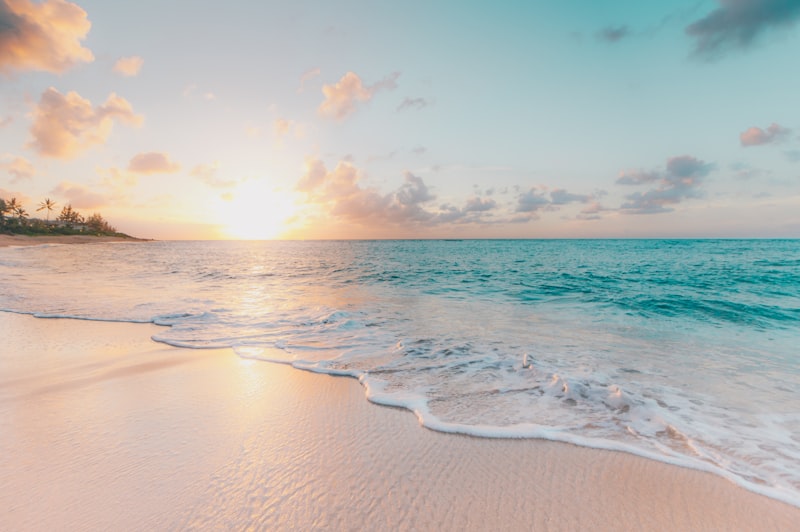
hot spring onsen historic Meiji era Spirited Away
Ohenro 88-Temple Pilgrimage
📍 All Shikoku Prefectures Spring and Autumn

Ohenro 88-Temple Pilgrimage

The Shikoku Ohenro is a 1,200-kilometre circuit of 88 Buddhist temples associated with the monk Kobo Daishi, founder of Shingon Buddhism, who is said to walk alongside every pilgrim. White-robed henro have followed this route for over a thousand years, ringing temple bells and collecting red stamps in their pilgrim books. Completing the full walk on foot takes around 30–60 days, but many visitors join for a section, joining a living spiritual tradition unlike anywhere else in the world.

pilgrimage Buddhism Kobo Daishi walking spiritual
Shimanto River
📍 Shimanto City and along the river basin, Kochi Late Spring to Autumn

Shimanto River

The Shimanto is celebrated as Japan's last major undammed, free-flowing river — a 196-kilometre ribbon of remarkably clear water winding through forested mountains in the heart of Kochi Prefecture. In place of bridges with guard rails, 47 traditional chinkabashi (low-water bridges) sit just centimetres above the surface, designed to be submerged and self-cleaning during floods rather than damming the river's natural flow. Visitors come to kayak, canoe, or simply sit by the water and watch the ayu sweetfish leap in a landscape that feels genuinely unhurried.

river undammed kayaking fishing pristine
Oboke Gorge
📍 Miyoshi, Tokushima Spring (fresh green), Autumn (foliage)

Oboke Gorge

The Yoshino River carves through Oboke Gorge in a series of deep jade-green pools flanked by soaring walls of metamorphic rock that glow pink and violet in the right light. Glass-roofed sightseeing boats drift silently through the 2-kilometre gorge while guides describe the geological history of rocks formed over 200 million years. In spring the ravine walls are feathered with fresh bamboo and cherry blossoms, while November turns the overhanging maples into a riot of crimson and gold reflected in the still water below.

gorge river boat tour green water Tokushima
Tsurugi-san
📍 Miyoshi, Tokushima Summer hiking, Autumn foliage

Tsurugi-san

At 1,955 metres, Tsurugi-san is Shikoku's second-highest peak and one of Japan's 100 Famous Mountains — a sacred summit venerated for over a thousand years and still home to a small mountain shrine. Its upper slopes are blanketed in ancient beech and silver fir forest that turns copper and gold in October, while rime ice coats the branches in winter creating a ghostly world in white. A ropeway carries hikers most of the way up, leaving a short but atmospheric ridge walk to the summit and its sweeping views over the island.

mountain sacred beech forest hiking Tokushima
Dogo Onsen Resort District
📍 Matsuyama, Ehime Year-round

Dogo Onsen Resort District

Beyond the Honkan bathhouse, the Dogo Onsen district is a full quarter of Meiji-era arcaded streets lined with ryokan, sake shops, manju confectioners, and smaller public baths — an onsen town that has barely changed in atmosphere since the early twentieth century. Guests staying in the traditional inns can hop between multiple baths in the district wearing yukata robes and wooden geta sandals, a ritual that feels genuinely timeless. The recently renovated Asuka-no-Yu, a second grand bathhouse in the complex, offers a theatrical soaking experience alongside the landmark Honkan.

onsen town ryokan street baths hot spring Matsuyama
Kotohira-gu (Konpira-san)
📍 Kotohira, Kagawa Spring, Autumn

Kotohira-gu (Konpira-san)

Konpira-san is one of Japan's most beloved Shinto shrines, dedicated to the deity of seafarers and sailors, reached by climbing 785 stone steps up a forested mountainside — or 1,368 steps if you continue to the inner shrine. The long staircase, flanked by stone lanterns and souvenir sellers who are permitted to trade only at the base, is itself a rite of passage that has drawn pilgrims for centuries. At the main hall, naval artefacts, ship models, and nautical instruments donated by grateful mariners line the walls, telling the story of Japan's relationship with the sea.

shrine mountain steps pilgrimage Kagawa sea god
Shimanami Kaido Cycling
📍 Imabari, Ehime to Onomichi, Hiroshima Spring and Autumn

Shimanami Kaido Cycling

The Shimanami Kaido is a 70-kilometre cycling route that island-hops across the Seto Inland Sea on six bridges — each with a dedicated cycling lane suspended high above shimmering blue water — linking Imabari in Shikoku to Onomichi in Hiroshima Prefecture. The route passes through six islands of lemon orchards, fishing villages, and coastal temples, with spectacular bridge-top views of the sea scattered with hundreds of pine-covered islands. Rental bicycles are available at both ends and can be returned at any point, making it easy to do a partial route.

cycling Seto Inland Sea island hopping bridge Onomichi
Uchiko Historic Town
📍 Uchiko, Ehime Spring and Autumn

Uchiko Historic Town

Uchiko grew wealthy during the Meiji era as a centre of Japanese wax production, and its Yokaichi-Gokoku district preserves an extraordinarily intact street of white-walled merchant houses with latticed windows and heavy tiled roofs, largely unchanged since the late nineteenth century. Several merchant villas are open to visitors as museums, including the wax merchant's home with its original family quarters, storehouses, and display of the traditional wax-making process. The town also has a beautifully restored 1916 kabuki theatre, the Uchiko-za, that still hosts performances.

Edo period wax merchant preserved street historic Ehime
🎆

Events

3 spots
Awa Odori Festival
📍 Tokushima City, Tokushima August 12–15

Awa Odori Festival

Awa Odori is Japan's largest dance festival — four nights in mid-August when over a million spectators line the streets of Tokushima to watch tens of thousands of dancers in cotton yukata moving through the city in hypnotic synchronized procession. The signature dance involves stylised arm sweeps and shuffling steps to a driving two-beat rhythm of shamisen, taiko, and hand bells, performed to the chant: 'The fool dances and the fool watches — if both are fools, you might as well dance!' Audience members are regularly pulled in to join the procession by enthusiastic ren troupes.

festival dance Obon summer Tokushima
Yosakoi Festival
📍 Kochi City, Kochi August (second week)

Yosakoi Festival

Founded in Kochi in 1954, Yosakoi is the original of a dance festival format that has since spread to hundreds of cities across Japan — teams of dancers in flamboyant custom costumes performing fast, athletic choreography while rhythmically clacking naruko wooden clappers. Each team's dance and costume is entirely self-designed around the requirement to incorporate a traditional Kochi folk melody somewhere in their music, producing an exhilarating diversity of styles from traditional to hip-hop fusion. Over 18,000 dancers from across Japan compete across dozens of venues throughout the city.

festival dance Kochi summer naruko clappers
Niihama Taiko Festival
📍 Niihama, Ehime October (third weekend)

Niihama Taiko Festival

The Niihama Taiko Festival is one of Shikoku's most visually overwhelming spectacles: over fifty massive taiko-dai floats — ornate golden festival platforms weighing up to 3 tonnes each and decorated with hand-embroidered tapestries — are shouldered by competing neighbourhood teams and carried through the city in a display of collective strength and pride. Each float carries a taiko drummer on top beating a thunderous rhythm while dozens of men below stagger under the weight, the platforms swaying dangerously as teams try to raise them higher than their rivals. The finale, where teams gather to display and jostle their floats together, is a wall of sound, gold, and barely-controlled chaos.

festival taiko-dai portable shrine Niihama Ehime

📖 Recommended Travel Guides

Shikoku Region Travel Guide
Destination
Naoshima Art Island Japan Complete Guide 2026
Destination
Shikoku Pilgrimage Travel Guide 2026
Destination
Shikoku Travel Guide 2026: Pilgrimage and Beyond

🏨 Find Hotels in Shikoku Region

Compare prices and availability across hundreds of hotels.

Search Hotels on Booking.com →

🎌 Tours & Day Trips

Book guided tours, day trips, and cultural experiences in the region.

Browse Tours on Viator →

🗺️ Activities & Attractions

Skip the queues — pre-book entry tickets, day tours, and local experiences.

Explore on GetYourGuide →

🎟️ Things to Do in Shikoku Region

Discover tickets, transport passes, and unique local experiences in Shikoku Region with Klook.

Book on Klook →