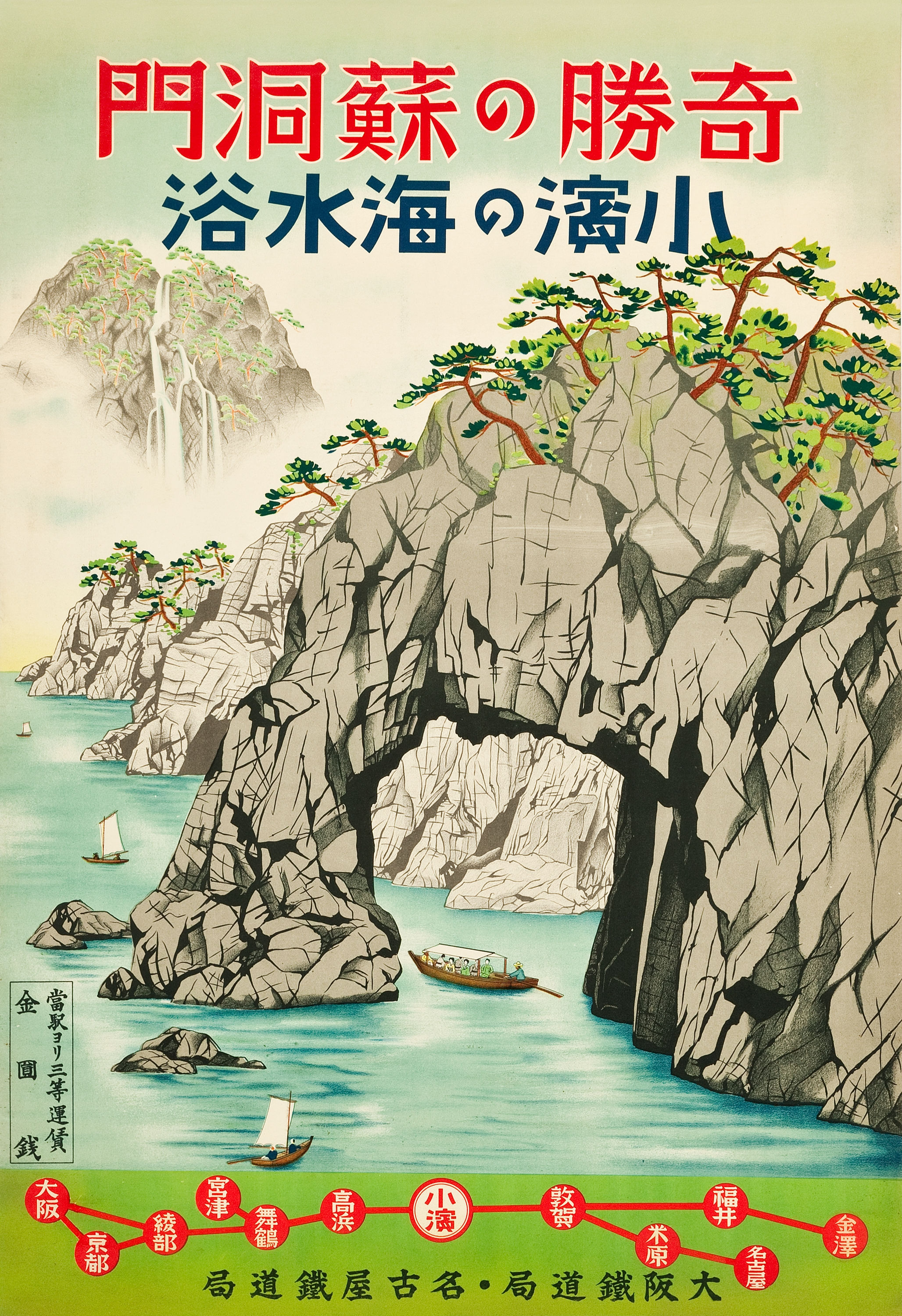
Japan Autumn Leaves 2026 Forecast: Peak Times by Region — Your Complete Seasonal Guide
There is no more breathtaking time to visit Japan than autumn. From late September through early December, a slow-burning wave of crimson, gold, and amber sweeps southward across the archipelago, transforming ancient temples, mountain gorges, and city parks into living paintings. If you’re planning a trip and searching for the Japan autumn leaves 2026 forecast peak times by region, you’ve come to the right place. After fifteen autumns spent chasing koyo (紅葉, autumn foliage) from Hokkaido’s northern highlands to Kyushu’s volcanic valleys, I’ve learned that timing is everything — and that the best autumn trips pair the leaves with Japan’s extraordinary seasonal cuisine, regional festivals, and insider knowledge that you simply won’t find in a standard guidebook.
This guide gives you specific forecasted dates for every major region, tells you exactly what to eat and where, and shares the kind of local tips that turn a good trip into an unforgettable one.
Why Autumn in Japan Is Unlike Anywhere Else
Japan’s autumn foliage is special for reasons that go beyond pretty trees. The country’s extraordinary north-to-south length (roughly equivalent to the U.S. East Coast from Maine to Florida), its mountainous terrain, and its mix of deciduous species — Japanese maple (momiji), ginkgo (icho), Japanese beech, larch, and dozens more — create a foliage season that lasts nearly three months. You can literally chase the colors.
But it’s not just visual. Autumn in Japan is a sensory immersion: the smell of roasting sweet potatoes from street vendors, the crunch of fallen ginkgo leaves underfoot, the taste of freshly harvested rice paired with sanma (Pacific saury) grilled over charcoal, the sound of temple bells echoing through misty mountain valleys. The Japanese have a word — shokuyoku no aki (食欲の秋, “autumn appetite”) — because this is the season when the country’s food reaches its absolute peak.
When Exactly to Go: Japan Autumn Leaves 2026 Forecast Peak Times by Region
Autumn foliage timing in Japan depends on temperature patterns, and while the Japan Meteorological Corporation won’t release its official 2026 forecast until late summer, we can predict peak times with remarkable accuracy based on historical averages and recent climate trends. Autumn has been arriving 3–7 days later than the historical norm over the past decade due to warmer September and October temperatures, and this trend is expected to continue in 2026.
Here is your month-by-month, region-by-region forecast:
September 20 – October 10: Hokkaido (Northern Japan)
Hokkaido is where autumn begins. The Daisetsuzan mountain range — Japan’s largest national park — typically sees its first colors around September 20, with peak foliage at higher elevations (above 1,500m) from late September to early October. Lower elevations around Sapporo, Otaru, and Hakodate peak from October 15–25.
- Daisetsuzan (Asahidake): Peak September 25 – October 5
- Jozankei Gorge (near Sapporo): Peak October 10 – 20
- Lake Shikotsu & Lake Toya: Peak October 15 – 25
- Hakodate: Peak October 25 – November 5
October 10 – November 5: Tohoku (Northern Honshu)
Tohoku is Japan’s most underrated autumn destination — fewer crowds, dramatic mountain scenery, and world-class hot springs.
- Hakkoda Mountains (Aomori): Peak October 5 – 15
- Oirase Gorge (Aomori): Peak October 15 – 25
- Naruko Gorge (Miyagi): Peak October 25 – November 5
- Yamadera Temple (Yamagata): Peak October 25 – November 5
- Dakigaeri Gorge (Akita): Peak October 15 – 25
October 25 – November 20: Kanto (Tokyo Region)
Tokyo and the surrounding Kanto region hit their stride from late October.
- Nikko (Tochigi): Peak October 20 – November 5
- Hakone: Peak November 5 – 20
- Mt. Takao (western Tokyo): Peak November 15 – 28
- Meiji Jingu Gaien Ginkgo Avenue (Tokyo): Peak November 18 – 30
- Rikugien Garden (Tokyo): Peak November 20 – December 5
November 1 – November 25: Chubu (Central Japan / Japanese Alps)
The Japanese Alps deliver some of the country’s most dramatic autumn scenery.
- Kamikochi (Nagano): Peak October 10 – 25
- Tateyama Kurobe Alpine Route: Peak October 1 – 20
- Kenrokuen Garden (Kanazawa): Peak November 10 – 25
- Korankei Gorge (Aichi): Peak November 10 – 25
November 10 – December 5: Kansai (Kyoto, Osaka, Nara)
This is what most visitors dream of: Kyoto wrapped in maple fire. The Japan autumn leaves 2026 forecast peak times by region data suggests Kyoto’s peak will arrive around November 18–30, slightly later than the historical average.
- Eikando Temple (Kyoto): Peak November 15 – 28
- Tofukuji Temple (Kyoto): Peak November 15 – 30
- Arashiyama (Kyoto): Peak November 18 – December 2
- Koyasan (Wakayama): Peak November 1 – 15
- Minoo Park (Osaka): Peak November 15 – 28
- Nara Park: Peak November 15 – 30
November 15 – December 10: Western Japan & Kyushu
The foliage season’s final act plays out in the warmer south.
- Miyajima Island (Hiroshima): Peak November 15 – 28
- Kirishima Mountains (Kagoshima/Miyazaki): Peak November 1 – 15
- Dazaifu (Fukuoka): Peak November 15 – 30
- Yufuin (Oita): Peak November 10 – 25
What to Avoid
- Kyoto on November weekends: The famous temples (especially Tofukuji and Kiyomizudera) become crushingly crowded on Saturday and Sunday in mid-to-late November. Visit on a Tuesday or Wednesday, and arrive before 8:00 AM.
- National holidays: November 3 (Culture Day) and November 23 (Labor Thanksgiving Day) create long weekends. Accommodation prices spike and trains fill up. Book months in advance or avoid these dates.
- Early November in Tokyo: Many visitors arrive too early. Tokyo’s foliage reliably peaks in the final week of November, not the first.
What You’ll See: Seasonal Highlights Beyond the Leaves
Autumn in Japan is more than foliage. Here’s what else awaits:
Illuminated Night Foliage (Lightup)
Many temples and gardens offer evening illuminations during peak foliage. Kyoto’s Eikando, Kitano Tenmangu, and Kodaiji transform after dark, with colored maples reflected in still ponds. These events typically run from mid-November to early December and are genuinely magical — the air is cold, the crowds thin after 8 PM, and the silence is profound.
Autumn Festivals
- Jidai Matsuri (Kyoto): October 22 — A historical costume parade stretching 2 km through central Kyoto
- Karatsu Kunchi (Saga): November 2–4 — Massive ornamental floats paraded through streets
- Chichibu Night Festival (Saitama): December 2–3 — One of Japan’s top three float festivals, with fireworks against winter skies
- Shichi-Go-San (Nationwide): November 15 — Watch families in kimono visiting shrines with their children aged 3, 5, and 7
Harvest Season at Farms and Orchards
In Nagano, Yamanashi, and Tohoku, you can pick apples, persimmons, and grapes (including premium Shine Muscat). Many farms welcome visitors for fruit picking (kudamono-gari) from October through November.
What to Eat This Season: Japan’s Autumn Cuisine by Region
This is where autumn in Japan truly becomes transcendent. Shokuyoku no aki — autumn appetite — is a cultural institution. Here’s your region-by-region eating guide:
Hokkaido (September–October)
- Ikura don (salmon roe rice bowl): September–November is peak ikura season. The roe is plump, glistening, and bursts with ocean sweetness. Head to Nijo Market in Sapporo or any coastal town.
- Soup curry: Sapporo’s signature dish, perfect as temperatures drop. Try Suage+ or Garaku.
- Akiajishake (autumn salmon): Grilled, in nabe (hot pot), or as ruibe (semi-frozen sashimi).
- Yubari melon (late season): The tail end of the melon season overlaps with early autumn.
Tohoku (October–November)
- Kiritanpo nabe (Akita): Pounded rice formed around cedar skewers, then added to a chicken hot pot with seri (Japanese parsley) and maitake mushrooms. Deeply warming, deeply local.
- Wanko soba (Iwate): Tiny bowls of buckwheat noodles served in rapid succession — aim for 100+.
- Imoni (Yamagata): A taro and beef stew cooked outdoors along riverbanks. Yamagata holds the Imoni Festival in mid-September where they make stew in a 6-meter cauldron.
Kanto / Tokyo (November–December)
- Sanma (Pacific saury): The quintessential autumn fish. Grilled whole with a squeeze of sudachi citrus and grated daikon. Increasingly precious as stocks decline — savor it.
- Matsutake mushrooms: Rare and expensive, but many restaurants offer matsutake gohan (rice) or dobinmushi (clear soup in a teapot) during October–November. Splurge-worthy.
- Roasted sweet potatoes (yakiimo): You’ll hear the slow-moving yakiimo trucks playing their haunting melody through residential streets. Buy from street vendors — varieties like Beniharuka and Silk Sweet are impossibly creamy.
- New-harvest rice (shinmai): Rice harvested in September/October is noticeably sweeter and more aromatic. Every restaurant in Japan is serving shinmai in autumn. You’ll taste the difference.
Chubu / Japanese Alps (October–November)
- Shinshu soba (Nagano): Buckwheat noodles at their finest, made with freshly harvested flour. Eat them cold (zaru soba) to taste the grain’s nuttiness. Togakushi, near Nagano City, is the holy land.
- Oyaki (Nagano): Stuffed dumplings filled with seasonal vegetables like nozawana (mustard greens) or kabocha pumpkin.
- Hida beef (Takayama): Often compared to Kobe beef but less touristy. Seared on a hoba leaf with miso (hoba miso yaki) — a dish that smells like autumn itself.
- Jibuni (Kanazawa): A slow-simmered duck stew thickened with wheat flour, featuring seasonal vegetables. Kanazawa’s most iconic dish.
Kansai / Kyoto-Osaka-Nara (November–December)
- Kaburamushi (Kyoto): Steamed grated turnip over white fish with ginkgo nuts — a subtle, elegant dish that embodies Kyoto in late autumn.
- Yuba (Kyoto): Fresh tofu skin, available year-round but particularly beautiful in autumn kaiseki courses.
- Momiji tempura (Osaka/Minoo): Deep-fried maple leaves — yes, actual leaves, preserved in salt for a year, then battered and fried. Crunchy, lightly sweet, and only available in the Minoo area near Osaka.
- Kaki no ha sushi (Nara): Sushi wrapped in persimmon leaves. The leaf imparts a subtle fragrance. Available at Tanaka Nakazushi in Nara.
Western Japan & Kyushu (November–December)
- Momiji manjū (Hiroshima/Miyajima): Maple leaf-shaped cakes filled with red bean, custard, chocolate, or matcha. Fresh from the iron is best.
- Hiroshima-style okonomiyaki: Layered (not mixed) with noodles, cabbage, and locally caught oysters — oyster season starts in October.
- Yufuin pudding (Oita): A regional obsession. Rich, wobbly custard from local eggs.
- Tonkotsu ramen (Fukuoka): Not seasonal, but cold autumn evenings at a Nakasu yatai (street food stall) with a steaming bowl of Hakata ramen is a peak Japan experience.
Top Spots to Visit: 7 Unmissable Autumn Destinations
1. Kyoto — The Crown Jewel of Koyo
Skip the most famous spots on weekends. Instead, visit Komyo-ji Temple in Nagaokakyo (20 minutes from Kyoto Station) — a staggering tunnel of maples with a fraction of Tofukuji’s crowds. For iconic Kyoto, Eikando remains the best single temple for autumn leaves, with evening illuminations that will stop your heart.
Practical tip: Buy a one-day Kyoto bus pass (700 yen) and start at Eikando at 8:30 AM, walk to Nanzenji, then take a bus to Tofukuji by 10 AM before the tour groups arrive.
2. Oirase Gorge, Aomori — The Quiet Masterpiece
A 14-km riverside walking trail through primeval beech and maple forest with waterfalls every few hundred meters. Peak foliage around October 15–25. This is my personal favorite autumn spot in all of Japan.
Practical tip: The road alongside the gorge is closed to private cars during peak weekends. Take the shuttle bus from Yakeyama trailhead and walk downstream — the light is better facing this direction in the morning.
3. Nikko, Tochigi — Where History Meets Nature
The ornate shrines and temples of Nikko are a UNESCO World Heritage site, and when the surrounding forests turn, the contrast of vermillion gates against orange and red foliage is extraordinary. Don’t miss Ryuzu Falls and the Irohazaka Winding Road viewpoints.
Practical tip: Take the first Tobu Railway limited express from Asakusa (7:30 AM). The Nikko area is large — rent a car or use the Tobu all-area pass for buses.
4. Koyasan, Wakayama — Autumn Among the Monks
Stay overnight in a shukubo (temple lodging) on this sacred mountain. Walk through the ancient cemetery of Okunoin at dusk, when moss-covered tombstones glow beneath golden maples. Peak color: November 1–15.
Practical tip: Book temple lodging at least 6 weeks in advance for November. The shojin ryori (Buddhist vegetarian cuisine) served at temples like Eko-in is a culinary highlight of any Japan trip.
5. Miyajima Island, Hiroshima — Floating Torii and Fiery Maples
The iconic floating torii gate framed by autumn maples in Momijidani Park is postcard perfection. Take the ropeway up Mt. Misen for panoramic views over the Seto Inland Sea.
Practical tip: Stay overnight on the island. After the day-trippers leave (by 5 PM), you’ll have the shrine nearly to yourself. Evening is also when the wild deer become most photogenic.
6. Kamikochi, Nagano — Alpine Autumn at Its Finest
This highland valley in the Northern Alps, at 1,500m elevation, peaks early (October 10–25) with golden larch and birch trees reflected in the crystal-clear Azusa River. The views of the Hotaka mountain range are among Japan’s most dramatic.
Practical tip: Private cars are prohibited. Take the bus from Matsumoto or Takayama. The valley closes for winter on November 15 — don’t miss the window.
7. Naejima & Tsuruoka, Yamagata (Dewa Sanzan Region) — The Deep Japan Experience
If you want to go where almost no foreign visitors go, head to the Dewa Sanzan mountains. The five-story pagoda of Hagurosan surrounded by 1,000-year-old cedars and blazing maples is one of the most spiritual autumn scenes in the country.
Practical tip: Combine with a visit to a shukubo on Mt. Haguro and the seafood-rich port city of Sakata. The shojin ryori here incorporates mountain vegetables foraged by the monks themselves.
Getting There & Around
International Flights
Most visitors arrive at Narita (NRT) or Haneda (HND) airports near Tokyo, or Kansai International (KIX) near Osaka. For Hokkaido trips, New Chitose Airport (CTS) near Sapporo has direct flights from several Asian cities. Book international flights by May 2026 for the best autumn fares — prices spike dramatically after August for November travel.
Japan Rail Pass
The Japan Rail Pass remains the best value for multi-city autumn itineraries. For a 14-day trip covering Hokkaido to Kyushu, the 21-day pass (currently around ¥60,000) pays for itself quickly. The 7-day pass (around ¥50,000) works well for a Tokyo–Kyoto–Hiroshima route.
Important 2026 note: JR Pass prices were restructured in late 2023. Check the official JR Pass website for current pricing before purchasing.
Regional Transport
- Hokkaido: Rent a car. Public transport between scenic spots is limited and infrequent.
- Tohoku: A mix of JR trains and rental cars works best. The JR East Tohoku Area Pass is excellent value.
- Kansai: Trains and buses cover everything. No car needed.
- Japanese Alps: Buses are essential for Kamikochi and the Tateyama Alpine Route. Check seasonal schedules.
Domestic Flights
For long hops (Tokyo to Sapporo, Tokyo to Fukuoka), budget carriers like Peach, Jetstar Japan, and Spring Japan offer fares from ¥4,000–8,000 if booked early. Sometimes cheaper and faster than the Shinkansen.
Where to Stay
Budget (¥3,000–8,000/night)
- Hostels: Nui (Tokyo), Piece Hostel Sanjo (Kyoto), and Unplan Shinjuku offer excellent design and social atmospheres.
- Capsule hotels: Nine Hours and First Cabin chains are clean, modern, and perfectly located.
- Guesthouses in rural areas: Tohoku and Hokkaido have wonderful family-run guesthouses from ¥4,000/night including breakfast.
Mid-Range (¥10,000–25,000/night)
- Business hotels with onsen: Dormy Inn chain has natural hot spring baths and free late-night ramen (yes, really). Locations in every major city.
- Ryokan (traditional inns): Mid-range ryokan in places like Kinosaki Onsen (Hyogo), Nyuto Onsen (Akita), or Kurokawa Onsen (Kumamoto) offer the full kaiseki dinner + hot spring experience for ¥15,000–25,000 including two meals.
- Kyoto: Stay in the Higashiyama or Southern Higashiyama area to be walking distance from the best foliage spots. Book by July 2026 — Kyoto in November sells out.
Luxury (¥40,000+/night)
- Aman Kyoto: Hidden in a forest north of Kinkakuji. Autumn here is otherworldly.
- Hoshinoya Karuizawa (Nagano): A riverside retreat surrounded by autumn forest, with private onsen.
- Zaborin (Niseko, Hokkaido): Minimalist luxury with private onsen rooms and views of early autumn colors.
- Suiran (Kyoto, Arashiyama): Luxury ryokan on the Hozu River, perfectly placed for Arashiyama’s foliage.
👉 Booking tip: For the best selection during peak autumn, especially in Kyoto and popular onsen towns, book 4–6 months in advance. Use Booking.com or Japanican (for ryokan). Many high-end ryokan only take reservations through their own websites or by phone.
Local Tips: Insider Knowledge for Autumn 2026
These are things I’ve learned from fifteen years of living here that rarely appear in guidebooks:
-
Check the live foliage reports, not the forecast. Once you’re in Japan, the single most useful website is Weathernews Koyo-ch (koyo.weathermap.jp) — it shows real-time color status for hundreds of spots. Plans should stay flexible.
-
Overcast days produce better photos. Bright sun creates harsh shadows through foliage. The soft, diffused light of a cloudy day makes the reds and golds glow. Rain-soaked leaves on the ground are incredibly photogenic.
-
Visit temples at closing time. Most tourists hit temples between 10 AM and 2 PM. Arriving 30 minutes before closing (usually 4:30–5:00 PM) gives you near-empty grounds and golden-hour light.
-
Fallen leaves (ochiba) are part of the beauty. Don’t be disappointed if you arrive after peak — the carpet of red and gold leaves on temple paths and garden moss is considered equally beautiful in Japanese aesthetics. Some gardeners deliberately leave the leaves unswept for days.
-
Layer your clothing. Autumn temperatures swing wildly: 18°C during sunny afternoons, dropping to 5°C at night in Kyoto. Bring a packable down jacket and a light rain shell. You’ll need both.
-
Eat at department store basements (depachika). During autumn, the food halls in places like Isetan Kyoto, Takashimaya Osaka, and Mitsukoshi Ginza have seasonal bento, wagashi (sweets), and take-away items that rival any restaurant — at half the price.
-
The “second wave” destinations are often better. While everyone crowds Tofukuji, temples like Bishamondo, Joshoji, and Sanzenin (all in or near Kyoto) offer equally stunning foliage with one-tenth the visitors.
-
Convenience stores are your autumn friend. From October, 7-Eleven, Lawson, and FamilyMart stock seasonal items like imo-yokan (sweet potato jelly), chestnut mont blanc desserts, and limited-edition autumn snacks. Don’t sleep on convenience store food — it’s legitimately excellent.
-
Book “koyo kaiseki” dinners specifically. Many ryokan and traditional restaurants offer special autumn kaiseki courses that change weekly based on what’s in season. When reserving, ask for their aki no kaiseki (秋の会席) menu. These multi-course meals are edible art.
Frequently Asked Questions
When is the best time to see autumn leaves in Japan in 2026?
The Japan autumn leaves 2026 forecast peak times by region range from late September in Hokkaido’s mountains to early December in southern Kyushu and Tokyo’s gardens. For most visitors targeting Kyoto and Tokyo, the sweet spot is November 15–30, 2026.
How accurate are autumn foliage forecasts?
Long-range forecasts (issued in September) are usually accurate within 3–5 days. The biggest variable is whether a typhoon or sudden cold snap accelerates the colors. Once in Japan, use the live Weathernews koyo tracker for real-time updates and adjust your itinerary day by day.
Is it worth visiting Japan in early October for autumn leaves?
Absolutely — but head north. Early October is prime time for Hokkaido and the Tohoku mountains. You’ll also encounter fewer tourists and lower prices than the November Kyoto rush. The food in Hokkaido in October (salmon, ikura, crab season starting) is spectacular.
Can I see autumn leaves in Tokyo?
Yes! Tokyo has excellent foliage, and it peaks later than you’d expect — mostly in the last week of November through early December. Top spots include Meiji Jingu Gaien (ginkgo avenue), Rikugien Garden (with evening illumination), Koishikawa Korakuen, and Mt. Takao (a 50-minute train ride from Shinjuku).
How crowded is Kyoto in November?
Very crowded, especially on weekends and around November 23 (national holiday). However, Kyoto is manageable with strategy: visit temples at opening (8:30 AM) or closing time, go on weekdays, and explore lesser-known temples. The northern Kyoto area (Ohara, Takao) is significantly less crowded than eastern Kyoto.
Do I need to book accommodation far in advance for autumn?
For Kyoto in November: yes, book 4–6 months ahead. Popular ryokan in onsen towns also fill up quickly. Tokyo and Osaka have more hotel inventory, so 2–3 months ahead is usually sufficient. Hokkaido and Tohoku are easier to book, even 1–2 months out.
What should I pack for an autumn trip to Japan?
Layers are essential. Bring a light waterproof jacket, a packable down layer, comfortable walking shoes (temple paths can be uneven and slippery with wet leaves), and a small packable bag for the food and souvenirs you’ll inevitably buy. A compact umbrella is essential — autumn can bring rain showers. If you plan to visit illuminated gardens at night, bring gloves and a scarf for November evenings.
Autumn in Japan is a season of profound beauty, extraordinary food, and quiet moments that stay with you forever. Whether you find yourself watching the sun set through a canopy of crimson maples at a Kyoto temple, warming your hands around a bowl of kiritanpo nabe in a snow-dusted Akita inn, or standing in silent awe as golden larch trees reflect in an alpine river in Kamikochi — you’ll understand why the Japanese consider autumn the most poetic season of all. Start planning now, book early, and prepare to fall deeply in love.