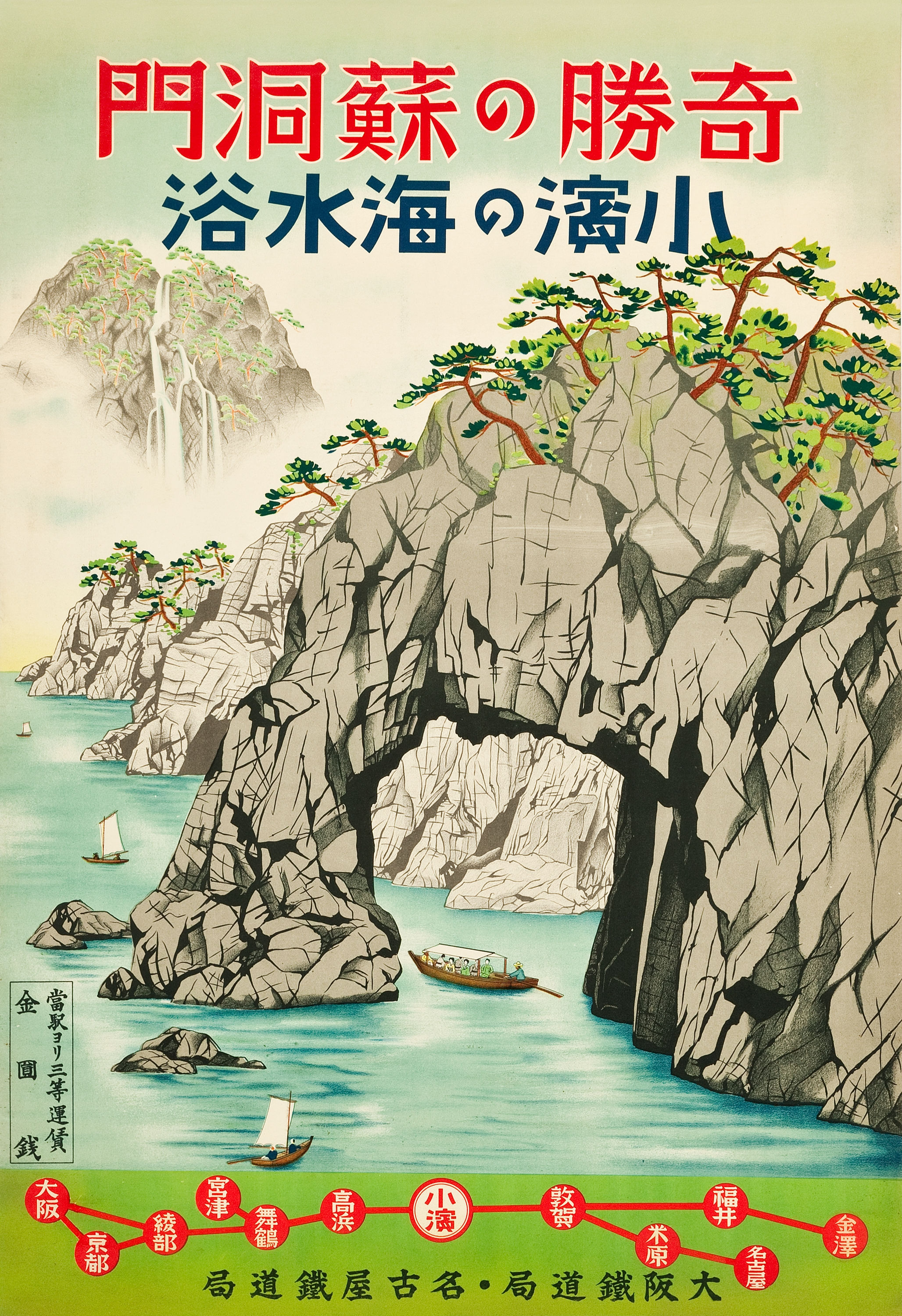
Japan Summer Festivals 2026: The Ultimate Matsuri Schedule, Dates & Insider Guide
There is no better time to witness Japan at its most electrifying than during the summer months, when the entire country erupts in a blaze of fireworks, thundering taiko drums, and thousands of dancers weaving through lantern-lit streets. If you’re planning a trip around the Japan summer festivals 2026 matsuri schedule dates, you’re in for something truly extraordinary — a season that reveals a side of Japan that no amount of temple-hopping or bullet-train-riding can match.
I’ve spent fifteen summers in Japan, and every year I’m still stunned by the sheer variety and emotional power of matsuri season. From the million-person spectacles of Nebuta in Aomori to a tiny neighborhood bon odori where a grandmother pulls you into the dance circle, summer festivals are where Japan drops its reserved exterior and celebrates with an intensity that will stay with you forever. This guide is your comprehensive roadmap — exact dates, regional food you must eat, practical logistics, and the insider tips that will make the difference between watching from the sidelines and truly experiencing the magic.
Why Summer in Japan Is Unmissable
Let me be honest: Japanese summers are hot. July and August in Tokyo, Osaka, and Kyoto regularly hit 35°C (95°F) with crushing humidity that makes you feel like you’re breathing through a warm, wet towel. Many travel guides steer visitors away from summer for this reason.
Those guides are wrong.
Summer is when Japan is most alive. The festival season — roughly mid-June through early September — transforms cities and villages across the country. You’ll see things that exist nowhere else on earth: three-story illuminated floats charging through streets in Aomori, a million people lining a riverbank for the world’s most spectacular fireworks, ancient Shinto rituals performed in torchlight, children in cotton yukata catching goldfish at street stalls, and the hauntingly beautiful sound of wind chimes (fūrin) tinkling from every eave.
Beyond festivals, summer brings its own natural beauty: hydrangeas blooming in June, fields of lavender in Hokkaido in July, sunflower fields in August, and dramatic thunderstorms that clear the air and leave behind spectacular sunsets. The season also brings Japan’s most refreshing and creative cuisine — dishes specifically designed to cool you down and restore your energy.
When Exactly to Go: The 2026 Japan Summer Festivals Matsuri Schedule Dates
Timing is everything. Here’s your month-by-month breakdown of the Japan summer festivals 2026 matsuri schedule dates, based on historical patterns and confirmed schedules. Note that while most major matsuri follow fixed calendar dates, a few are tied to specific weekends — I’ve noted which are which.
June 2026: The Warm-Up
June is rainy season (tsuyu) across most of Honshu, but festivals still happen — and crowds are thinner.
- Sanno Matsuri, Tokyo — June 7–17, 2026 (held in even-numbered years, so 2026 is on). The grand procession through central Tokyo happens around June 12–13. One of Tokyo’s three great festivals.
- Yosakoi Soran Festival, Sapporo — Early June (typically the second Wednesday through Sunday; expect around June 10–14, 2026). Hokkaido’s biggest dance festival — 30,000 dancers from across Japan.
- Hydrangea Festivals — Throughout June at temples across Kamakura (Meigetsu-in, Hase-dera) and Kyoto. Peak bloom is usually June 10–25.
July 2026: The Season Ignites
This is when things get serious. The Japan summer festivals 2026 matsuri schedule dates hit peak density in July.
- Gion Matsuri, Kyoto — The entire month of July, but the key dates are:
- Yoiyama (eve-of-festival street party): July 14–16 (Saki Matsuri) and July 21–23 (Ato Matsuri)
- Yamaboko Junko (grand float procession): July 17 (Saki Matsuri, 23 floats) and July 24 (Ato Matsuri, 11 floats)
- July 17 is THE day. Arrive by 8:00 AM to secure a spot along Shijo-dori or Oike-dori.
- Tenjin Matsuri, Osaka — July 24–25, 2026. One of Japan’s top three festivals. The boat procession on the evening of July 25 along the Okawa River, followed by massive fireworks, is absolutely unforgettable.
- Sumida River Fireworks, Tokyo — Last Saturday of July, likely July 25, 2026. One million spectators, 20,000 fireworks. The biggest fireworks event in Tokyo.
- Fuji Rock Festival, Naeba — Last weekend of July (likely July 24–26, 2026). Japan’s premier outdoor music festival.
- Nagaoka Fireworks Festival, Niigata — August 2–3 (technically early August, but plan in July). The “Phoenix” firework sequence — a 2-kilometer-wide display — will make you weep.
August 2026: The Grand Climax
August is matsuri madness. The first week alone is staggering.
- Nebuta Matsuri, Aomori — August 2–7, 2026. The undisputed king of Japanese summer festivals. Enormous illuminated warrior floats (some 5 meters tall and 9 meters wide) are paraded through the streets while dancers called haneto leap and shout “Rassera! Rassera!” The final night (August 7) features a spectacular float parade on the water.
- Kanto Matsuri, Akita — August 3–6, 2026. Performers balance 12-meter bamboo poles laden with 46 paper lanterns on their foreheads, hips, and palms. It looks impossible. It is mesmerizing.
- Tanabata Matsuri, Sendai — August 6–8, 2026. Sendai’s shopping arcades are transformed by thousands of elaborate streamer decorations. The most visually photogenic festival in Tohoku.
- Awa Odori, Tokushima — August 12–15, 2026. Japan’s largest dance festival. The famous refrain: “The dancers are fools, the watchers are fools, both are fools, so why not dance?” Over 100,000 dancers perform through the streets, and yes, you can join in.
- Obon Period — August 13–16, 2026. Not a single festival but a nationwide ancestor-honoring tradition. Bon odori (community dances) happen in virtually every neighborhood. Gozan no Okuribi (the “Daimonji” bonfires on Kyoto’s mountainsides) occurs on August 16 — arrive by 7:00 PM to secure a viewing spot.
- Tōrō Nagashi (floating lantern ceremonies) — August 15–16 in Hiroshima (particularly moving at the Peace Memorial Park), Miyajima, and countless other locations.
Early September 2026: The Encore
- Owara Kaze no Bon, Toyama — September 1–3, 2026. This is my personal favorite festival in all of Japan. In the small hillside town of Yatsuo, dancers in deep straw hats perform hauntingly slow, graceful dances to the sound of the kokyū (a bowed string instrument) and shamisen. No shouting, no fireworks — just ethereal beauty in the night air. It’s the perfect counterpoint to the bombastic festivals of August.
What You’ll See: Seasonal Highlights Beyond Festivals
Summer festivals dominate the season, but Japan offers more sensory spectacles:
Natural Beauty
- Lavender fields in Furano, Hokkaido — Peak bloom around July 10–25. Farm Tomita is the iconic spot, but Choei Lavender Farm has fewer crowds.
- Sunflower fields — Late July to mid-August in Hokuto (Yamanashi), Akeno, and Zama (Kanagawa).
- Bioluminescent squid in Toyama Bay — June through July, though the peak season technically ends in May. Boat tours occasionally still run in early June.
- Sea of clouds — Early mornings at Unkai Terrace (Tomamu, Hokkaido) from mid-June through October. Arrive by 5:00 AM.
Cultural Experiences
- Yukata (summer kimono) — Rental shops abound in Kyoto, Asakusa, and Kanazawa. Wearing yukata to a festival is absolutely encouraged and earns you warm smiles from locals.
- Beer gardens — Rooftop beer gardens open across Japan from June through September. Department store rooftops in cities like Osaka and Tokyo become open-air drinking venues with all-you-can-drink plans for around ¥4,000–5,000.
- Noryo-yuka (riverside dining platforms) — In Kyoto along the Kamo River, restaurants extend dining platforms over the water from May through September. Book well ahead for the popular kaiseki restaurants on Pontocho alley.
What to Eat This Season: Essential Summer Food by Region
Japanese cuisine is profoundly seasonal, and summer brings some of the most refreshing and creative dishes in the culinary calendar. Here’s what to eat, where, and why.
Nationwide Summer Essentials
- Kakigōri (shaved ice) — Not the syrupy snow cone you’re imagining. Japan’s artisan kakigōri uses naturally harvested ice shaved to a snow-like texture, topped with handmade syrups from real fruit, condensed milk, and sometimes matcha or kinako. Seek out Himitsudo in Tokyo (Yanaka area; expect a 2-hour line in August) or Housekibako in Nara.
- Hiyashi chūka — Cold ramen noodles topped with thin strips of ham, cucumber, egg, and tomato in a tangy sesame or vinegar-soy dressing. Available at virtually every ramen shop and convenience store from June onward.
- Sōmen — Impossibly thin wheat noodles served ice-cold in chilled water, dipped in tsuyu sauce. Some restaurants serve nagashi sōmen, where noodles flow down a bamboo half-pipe and you catch them with chopsticks.
- Unagi (freshwater eel) — Doyo no Ushi no Hi (Midsummer Day of the Ox) falls on July 21, 2026. The entire country eats grilled eel on this day, believed to give stamina for the summer heat. You’ll see lines out the door at famous unagi restaurants.
Regional Summer Specialties
Aomori (during Nebuta)
- Oma maguro (wild Pacific bluefin tuna from the Tsugaru Strait — the most prized in Japan)
- Jappa-jiru is a winter dish, but summer brings fresh hotate (scallops) and uni (sea urchin) from Mutsu Bay
- Baked apple desserts and apple cider at local craft beverage shops
Sendai (during Tanabata)
- Gyūtan (grilled beef tongue) — Sendai’s signature dish. Go to Aji Tasuke (the originator) on Kokubuncho for thick-sliced, charcoal-grilled tongue with barley rice and oxtail soup. The lunch set runs about ¥1,800.
- Zundamochi — Sweet rice cakes coated in bright green edamame paste. Available everywhere, but particularly good at Zunda Saryo in Sendai Station.
Osaka (during Tenjin Matsuri)
- Takoyaki from festival yatai (street stalls) — Yes, you’ve had takoyaki. No, you haven’t had it fresh from a matsuri stall at midnight along the Okawa River. Different experience entirely.
- Kaki-gōri with ujikintoki (matcha and sweet red bean)
- Ikayaki — pressed squid grilled on a hot plate, a cheap Osaka street snack that pairs perfectly with festival beer.
Tokushima (during Awa Odori)
- Tokushima ramen — A distinctive pork-bone and soy sauce broth with a raw egg on top and sweet stewed pork belly. Find it at Inotani Ramen downtown.
- Sudachi citrus — This tiny green citrus is Tokushima’s pride. You’ll squeeze it on everything from sashimi to beer. Buy a bag at the festival stalls.
Kyoto (during Gion Matsuri)
- Hamo (pike conger eel) — THE Gion Matsuri food. This bony fish requires incredible knife technique to prepare (the bones are sliced hundreds of times to become edible). Served as tempura, in soup, or otoshi-style. Available at kaiseki restaurants throughout July; expect to pay ¥5,000–15,000 for a hamo-focused meal.
- Mizu-yokan — Chilled sweet bean jelly, lighter than the winter version. Beautiful wagashi shops along Teramachi Street sell seasonal varieties.
Hokkaido (any time in summer)
- Melon — Yubari melon is the famous (and absurdly expensive) variety, but affordable Hokkaido melons are sold at roadside stands throughout Furano and Kamikawa for ¥500–1,000 each. They’re achingly sweet.
- Soup curry — Sapporo’s signature dish. Thick, spiced curry broth with vegetables and chicken. Suage+ and Garaku are local favorites.
- Fresh corn — Hokkaido summer corn, simply boiled and served with butter, is a street food revelation. Available at every festival and roadside stall from late July.
Top Spots to Visit: The 7 Best Japan Summer Festival Destinations for 2026
1. Aomori — For the Nebuta Experience
Why: The scale of Nebuta is incomprehensible until you see it in person. Twenty-two massive illuminated floats depicting warriors, myths, and legends are pushed through the streets by teams of dozens while thousands of haneto dancers leap around them.
Practical tip: You can join the haneto dancers by renting or buying the traditional costume (about ¥10,000 for a full set from shops near Aomori Station). No registration required — just show up in costume and join a group. This transforms you from spectator to participant.
Logistics: The parade runs along the 3.1 km route from about 7:10 PM to 9:00 PM nightly. Paid reserved seats (about ¥3,500) go on sale in late May through Nebuta festival’s official site and are worth every yen for the August 2–6 evening parades.
2. Kyoto — For Gion Matsuri
Why: The oldest and most prestigious festival on this list (dating to 869 AD). The yamaboko floats are UNESCO Intangible Cultural Heritage items, some carrying priceless Gobelin tapestries traded via the Silk Road.
Practical tip: Skip July 17 if crowds overwhelm you. The Ato Matsuri procession on July 24 has fewer floats but drastically fewer tourists — and the magnificent Ofune Boko (ship float) only appears in this procession. The Yoiyama street party on the nights of July 21–23 is also more manageable than July 14–16.
3. Akita — For Kanto Matsuri
Why: The physics-defying balancing act is unlike anything else in Japanese festival culture. Performers balance poles weighing up to 50 kg on their foreheads and palms. The sight of hundreds of lantern poles swaying against the night sky is unforgettable.
Practical tip: Afternoon practice sessions (around 1:00 PM at the Kanto Daytime Venue) let you try balancing a mini kanto pole yourself. It’s much harder than it looks.
4. Tokushima — For Awa Odori
Why: The largest, most participatory dance festival in Japan. The energy is absolutely wild.
Practical tip: Niwaka-ren groups accept anyone who wants to dance. Show up at the designated niwaka-ren gathering points (listed in the official festival program, available free at Tokushima Station) and you’ll be dancing through the streets within minutes. Free. No costume needed.
5. Toyama Prefecture — For Owara Kaze no Bon
Why: The polar opposite of the Tohoku Big Three festivals — quiet, elegant, deeply moving. The small town of Yatsuo fills with the soft sound of shamisen and dancers whose faces are hidden beneath amigasa (deep woven hats). It feels like stepping into a ukiyo-e print.
Practical tip: September 1 is the least crowded of the three nights. The dance performances run from about 8:00 PM until 3:00 AM and move between eleven neighborhoods. Walk the hillside streets between stages for the most atmospheric experience. There is very little accommodation in Yatsuo — most visitors stay in Toyama City and take the JR Takayama Line (25 minutes). Last trains back fill up fast, so consider watching until the small hours and catching the first morning train.
6. Osaka — For Tenjin Matsuri
Why: The boat procession on the Okawa River on the evening of July 25 — a flotilla of over 100 boats lit by sacred bonfires, with 5,000 fireworks exploding above — is one of the most spectacular sights in Japan.
Practical tip: The best free viewing for fireworks is from the west bank of the Okawa River between Tenmabashi and Sakuranomiya bridges. Arrive by 5:00 PM to stake out a spot. Bring a picnic sheet, beer from the nearby konbini, and takoyaki from any of the festival stalls.
7. Sendai — For Tanabata Matsuri
Why: Sendai’s version of the Tanabata celebration is visually stunning, with thousands of enormous sasatake (bamboo decorations) arching over the shopping arcades. It’s also the most accessible of the Tohoku festivals, with Sendai being a major city with excellent transportation.
Practical tip: The evening before Tanabata (August 5) features the Sendai Tanabata Fireworks on the Nishi-Koen area — 16,000 fireworks. It’s actually more exciting than the festival itself for some visitors.
Getting There & Around
International Arrival
Most visitors arrive via Narita (NRT) or Haneda (HND) in Tokyo, or Kansai International (KIX) near Osaka. For Tohoku festivals, consider flying into Sendai (SDJ) on domestic connections — it saves hours.
The Japan Rail Pass Question
A 7-day or 14-day Japan Rail Pass is essential if you’re hitting multiple festival regions. The 14-day pass (¥70,000 for ordinary class as of 2024; confirm 2026 pricing on japanrailpass.net) pays for itself if you’re doing a Tokyo → Sendai → Akita → Aomori → Tokyo circuit.
Critical note: Book shinkansen reserved seats as early as possible during festival periods. The Tohoku Shinkansen to Sendai and beyond gets extremely crowded during the August 2–8 window. Seats can be reserved up to one month in advance at any JR ticket window or through the SmartEX app.
Getting Around Festival Cities
- Walk. Most festival routes are closed to traffic and designed for pedestrian access.
- Arrive early. Festival events typically start at 6:00–7:00 PM. Arrive in the city by early afternoon to settle in, eat, and scope out viewing spots.
- Return transport: Trains and buses after festivals are crushingly packed. Consider staying near the festival route rather than commuting.
Where to Stay
Budget (¥3,000–8,000/night)
- Hostels and guesthouses — Book through Hostelworld or Booking.com. In Aomori, consider A-Factory area hostels. In Kyoto, stay in the Shimogyo or Fushimi area (away from the central Gion Matsuri crush but on direct subway/bus lines).
- Capsule hotels — Nine Hours chain (locations in Kyoto, Tokyo, Sendai) offers clean, design-forward capsules from about ¥4,000.
- Manga cafes (manga kissa) — A genuine last-resort option for about ¥2,000–3,000/night. Private booths with reclining seats, showers, and free drinks. Popeye Club and Kaikatsu Club chains are nationwide.
Mid-Range (¥10,000–25,000/night)
- Business hotels — Dormy Inn chain is my top mid-range recommendation. Every location has a rooftop onsen (hot spring bath) and free late-night soba noodles. Locations in Akita, Sendai, Aomori, and Osaka. Book 3–4 months ahead for festival dates.
- Ryokan (traditional inns) — A midsummer ryokan stay adds enormously to the experience. In Toyama (for Owara Kaze no Bon), try a ryokan in Yatsuo itself if you can find availability — they book out a year in advance, but cancellations do appear.
Luxury (¥35,000+/night)
- Hoshinoya Kyoto — Accessible only by private boat up the Oi River. Otherworldly during the sweltering Gion Matsuri period because it’s nestled in a cool riverside valley. From ¥80,000/night.
- Hotel Nikko Aomori — The best upscale option for Nebuta, directly facing the festival route.
- Ritz-Carlton Osaka — Provides privileged Tenjin Matsuri viewing packages some years. Check directly with the hotel.
Booking tip: For the Tohoku festival circuit (August 2–8), accommodation books out 4–6 months in advance. I cannot stress this enough — book your August Tohoku accommodation by March 2026 at the latest. Use Booking.com, Japanican.com, or Rakuten Travel. Set cancellation alerts for sold-out properties.
Local Tips: Insider Knowledge for Japan Summer Festivals 2026
These are things I’ve learned from fifteen years of attending matsuri that you won’t find in standard guidebooks:
-
Carry a tenugui (thin cotton towel). Available at any 100-yen shop or convenience store. You’ll use it to wipe sweat, sit on, wave during dances, and tie around your head. It’s the single most useful item for summer festival survival.
-
Drink mugicha (barley tea), not just water. Convenience stores sell cold mugicha everywhere in summer. It replaces minerals lost through sweating far better than plain water. Locals swear by it.
-
Frozen PET bottles. Buy a frozen water or sports drink bottle from any konbini freezer section. Hold it against your neck to cool down, then drink it as it melts. Locals do this constantly.
-
Cooling spray and sheets. Japanese drugstores (Matsumoto Kiyoshi, Welcia) sell mentholated body sheets and cooling spray that provide instant relief. The Gatsby brand ice-type deodorant sheets are a summer survival essential.
-
Festival food strategy. Hit the yatai (food stalls) early — between 5:00–6:00 PM — before the main event starts. Once the procession or dance begins, the stalls get mobbed. Buy your yakisoba, kakigōri, and beer beforehand and find your spot.
-
Coin lockers fill up fast. Store your bags at the station coin lockers before noon on festival days. If they’re full, ecbo cloak (an app-based luggage storage service) can stash your bags at nearby shops and cafes.
-
The back streets are magic. During large festivals like Nebuta and Gion Matsuri, the side streets one or two blocks from the main route offer intimate views with a fraction of the crowd. Some of the most beautiful moments I’ve experienced were on quiet side streets as a float unexpectedly turned a corner.
-
Learn three phrases. “Rassera!” (the Nebuta chant), “Yatto-sa!” (the Awa Odori chant), and “Dokkoisho!” (a general matsuri shout of encouragement). Using them earns instant camaraderie with festival-goers around you.
-
Post-festival onsen. After hours of standing in heat and humidity, finding a sento (public bath) or onsen near the festival grounds is life-changing. Google “日帰り温泉” (higaeri onsen) + the city name to find day-use facilities.
Frequently Asked Questions
How far in advance should I plan a trip around Japan summer festivals 2026 matsuri schedule dates?
Start planning 6–9 months in advance, especially for the Tohoku Big Three (Nebuta, Kanto, Tanabata) in early August. Book accommodation by March 2026. JR Pass and shinkansen reservations can be made 1 month in advance — set a calendar reminder for exactly 30 days before your first travel day.
Can I attend multiple Tohoku festivals in one trip?
Absolutely — this is one of the great Japanese summer travel itineraries. The dates align perfectly: Nebuta (Aug 2–7), Kanto (Aug 3–6), and Tanabata (Aug 6–8). A classic circuit is Sendai → Akita → Aomori over 5–6 days. The Tohoku Shinkansen and local JR lines connect all three cities.
Is it safe to travel Japan in summer with children?
Yes. Japan is extraordinarily safe, and children are welcomed warmly at all festivals. The main concern is heat — bring sun hats, portable fans (available at any electronics store or Daiso for ¥300–1,000), and enforce frequent water breaks. Many festivals have designated family areas with seating. The goldfish scooping (kingyo sukui) and candy sculpting stalls at every matsuri are unforgettable for kids.
What should I wear to a Japanese summer festival?
Light, breathable clothing. Renting a yukata (summer kimono) is highly recommended — it’s culturally appropriate, surprisingly comfortable in heat (the cotton is light and loose), and adds enormously to the atmosphere. Yukata rental shops in Kyoto, Asakusa, and other tourist areas charge ¥3,000–5,000 for a full set including dressing assistance. Wear geta (wooden sandals) or comfortable sandals — you’ll be walking and standing for hours.
Do Japan summer festivals get cancelled for rain or typhoons?
Light rain rarely stops a matsuri — festivals like Nebuta carry on regardless, and participants simply get wet. However, typhoons (most likely late August through September) can cause cancellations. Monitor weather via the Japan Meteorological Agency website (jma.go.jp) and the Windy app. Typhoon cancellations are announced on the morning of the event via official festival websites and local news. Have a backup plan for any late-August festival travel.
Are festivals free to attend?
Watching festivals from public streets and sidewalks is completely free. Some festivals offer paid reserved seating (typically ¥3,000–5,000) which is very much worth the cost for popular events like Nebuta, Gion Matsuri, and Kanto Matsuri. Paid seats guarantee an unobstructed front-row view, and for Nebuta especially, the difference between general standing and reserved seating is dramatic. Tickets go on sale through each festival’s official website, usually in May or June.
What’s the single best festival for a first-time visitor to Japan?
If I had to choose one, I’d say Nebuta Matsuri in Aomori. It combines jaw-dropping visuals (the illuminated floats are simply unbelievable), participatory energy (you can dance as a haneto), manageable logistics (the parade route is well-organized with clear viewing areas), and a level of emotional intensity that genuinely changes people. I’ve seen stoic businessmen in tears. I’ve seen tourists who arrived as spectators dancing until midnight. Pair it with the other Tohoku festivals in the same week, and you have the trip of a lifetime.
Summer in Japan isn’t always comfortable. You’ll sweat through your shirt. You’ll fight for space on a packed train. You’ll stand for hours in humid evening air waiting for a float to round a corner.
And then it will round that corner — glowing and towering and impossible — and the crowd will roar, and the drums will hit your chest like a second heartbeat, and you’ll understand exactly why people travel from every corner of the world for this.
The Japan summer festivals 2026 matsuri schedule dates are waiting. Book early, pack light, bring your tenugui, and prepare to fall completely in love.