Kyoto Autumn Colors: Best Temples & Fall Foliage Spots for an Unforgettable Visit
There are moments in travel that stop you cold — that make you forget the camera, the itinerary, the next train. In Kyoto, that moment happens in autumn. When the ancient capital’s 1,600+ temples, shrines, and gardens ignite with crimson, gold, and amber, the entire city transforms into what might be the most beautiful urban landscape on Earth. If you’re searching for the Kyoto autumn colors best temples fall foliage spots, you’ve come to the right place. After fifteen autumns living in Japan — and more than fifty trips to Kyoto during koyo (紅葉, the turning of the leaves) — I’ve distilled everything I know into this guide: exact timing, the temples that will take your breath away, the seasonal food you absolutely must eat, and the local tricks that keep you one step ahead of the crowds.
Kyoto’s autumn is not just scenery. It’s a sensory experience that weaves together the rustle of falling maple leaves, the sharp bite of November air, the warmth of a bowl of freshly made yudofu, and the golden late-afternoon light filtering through a bamboo grove. This is Japan at its most poetic, and this guide will help you experience every dimension of it.
When Exactly to Go: Kyoto Autumn Colors Peak Dates and Timing
Kyoto’s autumn foliage season stretches roughly from late October through early December, but the window for peak color is surprisingly narrow. Here’s a month-by-month breakdown based on years of personal observation and data from the Japan Meteorological Corporation.
Late October (Oct 20–31)
The earliest hints of color appear in the northern mountains — specifically Kurama and Kibune. Higashiyama temples still show mostly green canopies with occasional yellow edges. This is a beautiful time to visit if you prefer fewer crowds and don’t mind that the colors are “early stage.” Temperatures are pleasant: highs around 20°C (68°F), lows around 11°C (52°F).
Early to Mid-November (Nov 1–17)
A transitional period. The northern temples (Takao area, including Jingo-ji and Kozan-ji) hit their peak around November 5–12. Central Kyoto temples begin showing strong color from mid-November onward. This is my personal favorite window — the crowds are building but haven’t peaked, and the colors are stunning in the hills. The famous nighttime illuminations (light-ups) at major temples typically begin around November 10–15.
Late November (Nov 18–30)
This is the peak. For the most famous Kyoto autumn colors — the best temples and fall foliage spots like Tofuku-ji, Eikan-do, and Kiyomizu-dera — plan to be here between approximately November 20 and December 1. Expect fiery reds at their most saturated. Also expect significant crowds, especially on weekends and the November 23 holiday (Labor Thanksgiving Day, a national holiday). Temperatures: highs around 14°C (57°F), lows around 5°C (41°F).
Early December (Dec 1–10)
A hidden gem period. Many visitors have left, but late-coloring temples like Shimogamo Shrine’s Tadasu no Mori forest and the grounds of Kitano Tenmangu often hold gorgeous color into the first week of December. Fallen leaves carpeting moss gardens create a different but equally beautiful aesthetic. Some light-up events extend through December 3–8.
What to Avoid
- The weekend closest to November 23 is the single most crowded period of the year in Kyoto. If possible, visit on weekdays during peak.
- Rain accelerates leaf drop. Check the 10-day forecast before finalizing plans.
- The first strong cold snap after peak strips many trees within 48 hours.
What You’ll See: Kyoto Autumn Colors at the Best Temples and Fall Foliage Spots
The Colors Themselves
Kyoto’s autumn palette is dominated by Japanese maple (momiji, Acer palmatum), which turns deep crimson and scarlet. You’ll also see:
- Ginkgo trees — blazing yellow, often lining temple approaches
- Cherry trees (sakura) — yes, they turn orange and copper in autumn
- Japanese zelkova — russet and brown tones
- Camphor and evergreen oak — deep green backdrops that make the reds pop
The interplay between these species creates the layered, multi-tonal effect that makes Kyoto’s autumn uniquely photogenic. Against grey temple wood, orange torii gates, and green moss, the colors become almost surreal.
Seasonal Festivals & Events
- Jidai Matsuri (Festival of Ages) — October 22. A grand procession of 2,000 people in historical costumes from Kyoto Imperial Palace to Heian Shrine. One of Kyoto’s three great festivals.
- Autumn Light-Ups — Major temples including Kiyomizu-dera, Eikan-do, Kodai-ji, and Kitano Tenmangu offer spectacular nighttime illuminations from mid-November. Eikan-do’s light-up, where red maples reflect in Hojo Pond, is legendary.
- Arashiyama Hanatouro — A lantern-lit walkway event in mid-December (dates vary slightly each year), illuminating the bamboo grove and Togetsukyo Bridge.
- Ohitaki-sai (Sacred Fire Ceremony) at Fushimi Inari — November 8. Thousands of prayer sticks are burned in a massive bonfire.
What to Eat This Season: Kyoto’s Autumn Regional Cuisine
This section might be the most important in the entire guide. Kyoto’s food culture (Kyo-ryori) is inseparable from the seasons, and autumn is arguably its greatest culinary moment. The city’s cuisine is rooted in shojin ryori (Buddhist vegetarian cooking), kaiseki (multi-course haute cuisine), and street-level comfort food — all of which shift dramatically with the fall harvest.
Must-Eat Autumn Dishes
Yudofu (湯豆腐) — Hot Tofu in Kombu Broth Kyoto’s iconic dish becomes essential in autumn. Silky soft tofu, made with pristine local water, is gently simmered in kombu kelp broth and served with grated ginger, scallions, and soy-based dipping sauce. The best places are clustered around Nanzen-ji temple — Okutan (founded in 1635) and Junsei serve this in gorgeous garden settings where you’ll eat while gazing at autumn leaves. A yudofu lunch set runs ¥3,000–¥4,500. Don’t rush it. This is meditation in a bowl.
Nishiki Market Seasonal Treasures Wander through Nishiki Market (“Kyoto’s Kitchen”) and you’ll encounter autumn-only offerings:
- Kuri (chestnuts) — roasted, in rice (kuri gohan), or as sweets
- Matsutake mushrooms — the king of autumn. Fragrant, earthy, and breathtakingly expensive (¥5,000–¥50,000+ per mushroom). Try them in dobinmushi (clear soup steamed in a clay teapot) or grilled with a squeeze of sudachi citrus. Affordable matsutake-flavored dishes are available at many restaurants even if the whole mushroom is a splurge.
- Shishito peppers, maitake mushrooms, ginko nuts — all grilled on skewers at market stalls
- Hamo (pike conger) — still available in early autumn; sliced paper-thin with vinegar-miso
Kaiseki Ryori (懐石料理) — The Ultimate Autumn Meal Kyoto is the spiritual home of kaiseki, and autumn is when this multi-course art form reaches its zenith. Expect to see:
- Persimmon (kaki) used in vinegared dishes
- Chrysanthemum petals as edible garnish
- Sweet potato in delicate preparations
- Momiji (maple leaf) motifs carved into vegetables
- Mukago (Japanese mountain yam bulbils) in rice
- Dishes served on ceramic ware chosen specifically for the autumn season
Reservations at top kaiseki restaurants like Kikunoi, Hyotei, or Giro Giro Hitoshina (a more casual, affordable kaiseki experience at ¥4,000–¥6,000) should be made 2–4 weeks ahead. A full kaiseki dinner at Kikunoi runs ¥15,000–¥30,000, but the lunch course (¥8,000–¥13,000) is a more accessible entry point.
Matcha and Autumn Wagashi (和菓子) Kyoto’s traditional sweet shops create autumn-only wagashi (Japanese confections) shaped like maple leaves, persimmons, and chrysanthemums. Pair them with thick matcha at Toraya (near the Imperial Palace), Kagizen Yoshifusa in Gion, or Nakamura Tokichi in Uji. The visual artistry alone is worth the visit — these are edible sculptures.
Street Food & Comfort Picks
- Yatsuhashi — Kyoto’s signature souvenir sweet. The raw version (nama yatsuhashi), with autumn fillings like chestnut or sweet potato, is sold everywhere.
- Oden — Simmered fish cakes, daikon, and boiled eggs in dashi broth. Perfect after a cold evening temple visit. Nishiki Market has excellent stalls.
- Saba-zushi (mackerel pressed sushi) — A Kyoto specialty year-round, but the richness of autumn mackerel makes this season’s version especially good. Izuju in Gion is the classic choice.
- Kyoto-style ramen — Rich chicken broth (tori paitan) at places like Menya Inoichi near Kyoto Station. The warmth hits different after a day of temple-hopping in the cold.
Top Spots to Visit: Kyoto Autumn Colors at the Best Temples and Fall Foliage Sites
1. Tofuku-ji (東福寺) — The Icon
Tofuku-ji’s Tsutenkyo Bridge spanning a valley of 2,000 maples is perhaps the single most famous autumn view in all of Japan. The sea of red below the bridge is almost disorienting in its intensity.
Practical tips:
- Arrive before 8:00 AM. The temple opens at 8:30, but lines form by 8:00 on peak weekends. Weekday mornings are substantially better.
- Admission: ¥600 for Tsutenkyo Bridge area; ¥500 for the Hojo garden (worth it — Mirei Shigemori’s abstract rock garden is stunning).
- Walk down into the valley floor for an upward perspective of the bridge framed by maples. Most visitors miss this.
- 10-minute walk from Tofuku-ji Station (JR Nara Line or Keihan Line).
2. Eikan-do Zenrin-ji (永観堂禅林寺) — Best Night Light-Up
Eikan-do has earned the nickname “Autumn Leaves Eikan-do” (Momiji no Eikan-do) over centuries, and it delivers. The daytime visit is wonderful, but the nighttime illumination — red maples reflected perfectly in the mirror-still Hojo Pond — is genuinely one of the most beautiful things I’ve ever seen in Japan.
Practical tips:
- The light-up runs from approximately November 6 to December 1 (confirm dates yearly), 5:30 PM–9:00 PM (last entry 8:30 PM).
- Daytime and nighttime require separate admissions (¥1,000 each during autumn). The temple clears between sessions.
- For the light-up, arrive by 5:00 PM to queue. The line gets long, but it moves steadily. Bring a book or podcast.
- The standing Amida Buddha inside — with its head turned to look over its shoulder — is unique in all of Japanese Buddhist art. Don’t skip the interior.
3. Kiyomizu-dera (清水寺) — The Classic
The famous wooden stage of Kiyomizu-dera, jutting out over a hillside of blazing maples, is Kyoto’s most recognizable autumn image. The autumn light-up here, with the temple’s dramatic silhouette against the night sky, is a bucket-list experience.
Practical tips:
- The approach streets (Sannen-zaka and Ninen-zaka) are as much a part of the experience as the temple. Allow 30–45 minutes for the walk up.
- Early morning (6:00 AM opening) is transformative — you may have the stage nearly to yourself.
- Autumn light-up: approximately November 18 to November 30, 5:30 PM–9:00 PM.
- Admission: ¥400 (a bargain for what you get).
- The Joju-in garden, usually closed, sometimes opens for special autumn viewings — check the temple website.
4. Arashiyama & Jojakko-ji (嵐山・常寂光寺) — The Hillside Tapestry
Arashiyama is Kyoto’s western mountain district, and autumn turns its forested hillsides into a patchwork of color visible from the iconic Togetsukyo Bridge. But the real treasure is hiking up to Jojakko-ji, a small hillside temple where moss-covered stone steps are scattered with fallen maple leaves and the view over the city is breathtaking.
Practical tips:
- Jojakko-ji (¥500 admission) is dramatically less crowded than nearby Tenryu-ji. Arrive by 9:00 AM.
- Nearby Gio-ji (¥300) is a tiny thatched-roof temple surrounded by moss and maples — perfect for quiet contemplation.
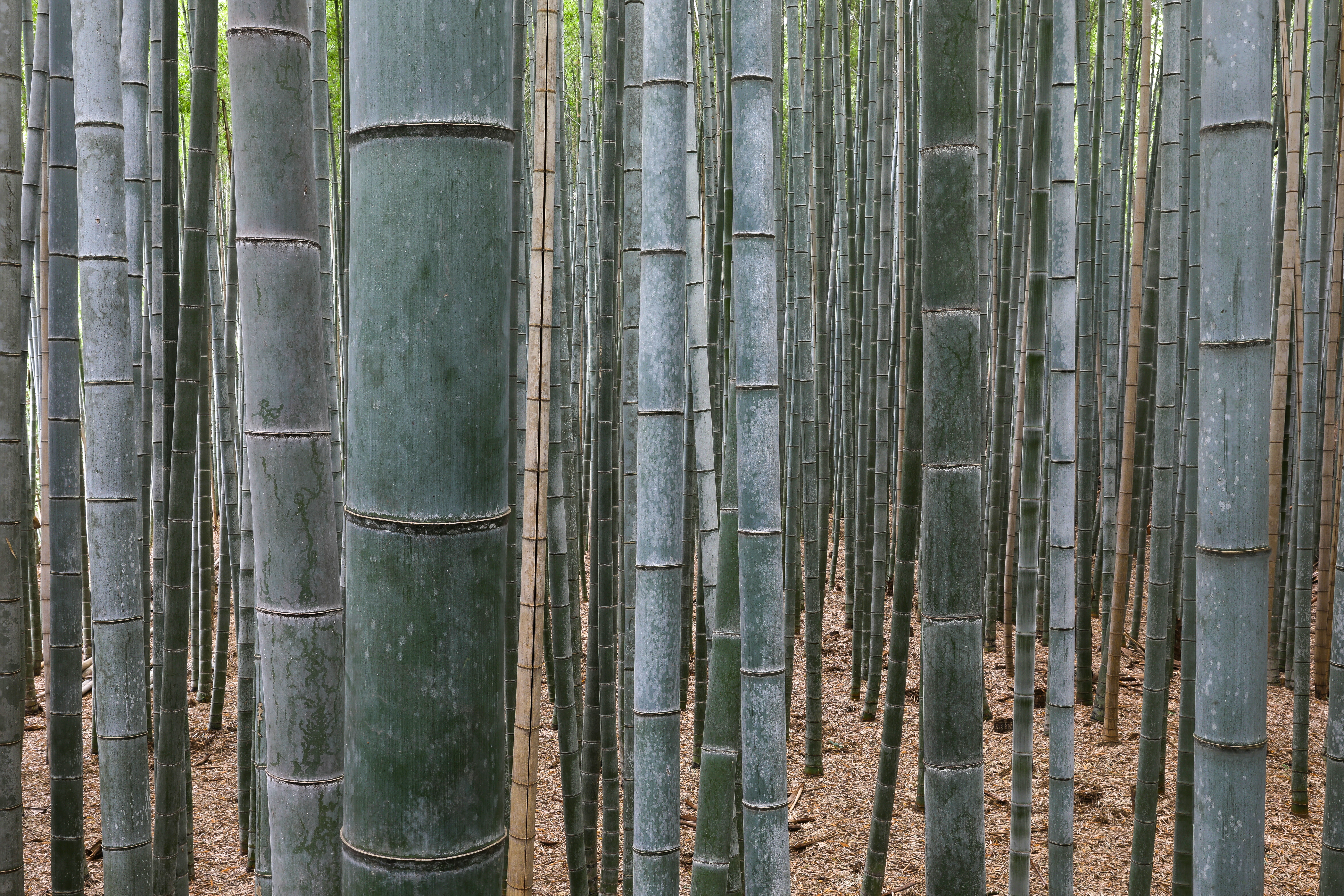
- The Bamboo Grove is on the way but will be packed by 10:00 AM. Visit at 7:30 AM or skip it entirely during peak autumn; the temple gardens are more rewarding.
- Rent a bicycle from one of the shops near Arashiyama Station — it’s the best way to cover the spread-out sites here.
5. Nanzen-ji (南禅寺) — Grandeur and Aqueduct
Nanzen-ji is one of the most important Zen temples in Japan, and its autumn setting is magnificent. The massive sanmon (main gate) offers a panoramic view of the city framed by maples — the same view that inspired the famous kabuki line, “What a view! What a view!” The brick Roman-style aqueduct on the grounds adds a surreal touch.
Practical tips:
- Climb the sanmon gate (¥600) for the aerial autumn view. This is not widely advertised to tourists. Go.
- Visit the sub-temple Tenju-an (¥500) for an exquisite garden with maples reflected in a pond. Far fewer visitors than the main grounds.
- Combined easily with Eikan-do (a 10-minute walk north) and the Philosopher’s Path.
- After visiting, walk to Okutan or Junsei for yudofu lunch — they’re both within 5 minutes.
6. Kitano Tenmangu & Kamishichiken (北野天満宮・上七軒) — The Local’s Pick
This Shinto shrine dedicated to the god of learning has a maple garden (Momijien) with 350 trees that is, frankly, as good as Tofuku-ji but with a fraction of the visitors. The garden opens only during autumn (late October to early December) and features a paper lantern-lit nighttime viewing.
Practical tips:
- Admission: ¥1,200 (includes a traditional tea ceremony set with matcha and a confection — excellent value).
- The adjacent Kamishichiken geisha district is Kyoto’s oldest and most authentic. Walk through its quiet streets after your visit. You might see a maiko (apprentice geisha) on her way to an engagement.
- Saturday flea market on the 25th of each month draws antique hunters. If November 25 falls on your visit, go early.
7. Daigo-ji (醍醐寺) — The Underrated Masterpiece
Located southeast of central Kyoto, Daigo-ji is a UNESCO World Heritage Site that most foreign visitors overlook. This is a mistake. The five-story pagoda (Kyoto’s oldest surviving structure, built in 951) surrounded by blazing maples is one of the great autumn scenes in Japan. The Bentendo Hall and its vermilion bridge reflected in a pond of golden leaves may be the most photogenic single composition in all of Kyoto.
Practical tips:
- Admission is a combined ticket for multiple areas (¥1,500 in autumn).
- Allow 2–3 hours; the complex is vast and spread across a mountainside.
- Access: Take the Tozai subway line to Daigo Station, then walk 10 minutes.
- Significantly less crowded than central Kyoto temples, even at peak.
Getting There & Around
Reaching Kyoto
- From Tokyo: Tokaido Shinkansen, 2 hours 15 minutes (Nozomi), ¥13,970. With a Japan Rail Pass, take the Hikari (2 hours 40 minutes).
- From Osaka: JR Special Rapid, 30 minutes, ¥580. Hankyu Railway to Kawaramachi or Keihan Railway to Gion are also excellent options (¥400–¥410).
- From Kansai Airport (KIX): Haruka Express to Kyoto Station, 75 minutes, ¥3,640 (discounts with ICOCA & Haruka package).
Getting Around Kyoto
- City buses are the traditional way to reach most temples. Buy a Kyoto Bus & Subway 1-Day Pass (¥1,100) if taking 3+ rides. Warning: During peak autumn, buses in eastern Kyoto (routes 100, 206) can be standing-room-only and painfully slow due to traffic. Avoid buses on the Higashiyama corridor on weekends.
- Subway has only two lines but is useful for north-south (Karasuma Line) and east-west (Tozai Line) travel. Fast and uncrowded.
- Keihan Railway is the secret weapon for eastern Kyoto. It runs from Fushimi Inari to Demachiyanagi (near Shimogamo Shrine) with stops near Tofuku-ji, Kiyomizu-dera area, Gion, and Nanzen-ji area. Faster and less crowded than buses.
- Bicycle is my #1 recommendation for central Kyoto. The city is flat. Rental shops near Kyoto Station charge ¥800–¥1,200/day. You’ll cover twice as much ground as bus riders and see the city between the famous spots. Tip: Park legally — Kyoto impounds illegally parked bicycles aggressively.
- Walking is essential and rewarding. The eastern Higashiyama district (Kiyomizu → Kodai-ji → Maruyama Park → Chion-in → Nanzen-ji → Eikan-do) is a 3–4 hour walking route that is the single best autumn day in Kyoto.
Where to Stay
Kyoto accommodations book early for autumn, especially for the November 18–30 peak period. Book at least 6–8 weeks ahead for this window; 3 months is better.
Budget (¥3,000–¥8,000/night)
- Piece Hostel Sanjo — Stylish hostel near Sanjo Station with excellent common areas and a café. Well-located for eastern Kyoto walks.
- Len Kyoto Kawaramachi — Right on the Kamo River with a bar overlooking the water. Dorm and private rooms available.
- Guesthouses in Nishijin (northwestern Kyoto) — Quieter neighborhood with traditional machiya (townhouse) guesthouses. Farther from the action but authentic.
Mid-Range (¥10,000–¥30,000/night)
- Hotel Kanra Kyoto — Near Kyoto Station with a contemporary Japanese aesthetic. Rooms have tatami areas and deep soaking tubs. Stellar breakfast.
- Machiya rentals — Renting a renovated traditional townhouse through companies like Kyomachiya Ryokan Sakura or Nazuna puts you in a residential neighborhood. Cook your own meals with Nishiki Market ingredients. This is my top mid-range recommendation for autumn — having your own wooden house with a small garden is magical when the leaves are falling.
- The Royal Park Hotel Kyoto Sanjo — Central location, modern rooms, reasonable rates for the quality.
Luxury (¥40,000–¥150,000+/night)
- Hoshinoya Kyoto — Accessible only by boat up the Oi River in Arashiyama. The autumn setting is indescribable. Multi-course kaiseki dinner on the riverside terrace. Book months ahead.
- The Ritz-Carlton Kyoto — On the Kamo River in central Kyoto. Impeccable service. River-view rooms with autumn mountain views.
- Tawaraya Ryokan — The 300-year-old ryokan considered Japan’s finest traditional inn. A transformative experience. Autumn garden views from your room. Expect ¥80,000–¥150,000/night per person including exquisite kaiseki meals.
👉 Book your Kyoto autumn accommodation now — peak-season rooms sell out fast, and prices only increase as November approaches.
Local Tips: Insider Knowledge for Kyoto Autumn Colors
These are things I’ve learned from living here that rarely appear in guidebooks:
-
Chase the “second peak." After the main leaves fall, visit moss gardens (Gio-ji, Saiho-ji, Koto-in) to see red and gold leaves scattered across emerald moss. This usually happens in the first week of December and is, to my eye, more beautiful than peak color on the trees.
-
Avoid the Higashiyama bus corridor on weekends. Routes 100 and 206 become gridlocked from about 10:00 AM to 4:00 PM between late October and early December on Saturdays, Sundays, and holidays. Walk, cycle, or take the Keihan train instead.
-
Visit temples at opening time, then eat lunch. The rhythm of a perfect autumn day is: arrive at a temple at opening (8:00–9:00 AM), enjoy it in relative peace for 90 minutes, then head to a second temple or a long, slow lunch. Reverse the tourist instinct to eat breakfast at the hotel and arrive at temples at 10:00 AM.
-
The Philosopher’s Path is better south-to-north. Starting at Nanzen-ji and walking north toward Ginkaku-ji means the afternoon sun is behind you, lighting the maples ahead. Most tour groups walk the opposite direction.
-
Bring layers, not a heavy coat. November Kyoto mornings can be 3°C; afternoons in sun can feel like 16°C. A light down jacket, scarf, and a layer you can remove is more practical than a winter coat. Temple interiors are unheated, but you’ll warm up quickly walking between them.
-
Convenience store hot drinks are your friend. At 3:00 PM when the temperature drops, a ¥150 hot hojicha latte from 7-Eleven or Lawson is a lifesaver. No need to queue at a crowded café.
-
Check Weathernews Japan’s koyo forecast (koyo.walkerplus.com) — it’s updated weekly with temple-by-temple color status. It’s in Japanese, but Google Translate handles it well, and the color-coded maps are intuitive.
-
Carry coins for temple admission. Many smaller temples and sub-temples don’t accept credit cards or IC cards. ¥100 and ¥500 coins are essential. Withdraw cash at 7-Eleven ATMs, which reliably accept foreign cards.
-
Koto-in, a sub-temple of Daitoku-ji, has one of the most serene maple-lined approaches in Kyoto and is routinely ignored by foreign visitors. It reopened in 2023 after renovations — check current status. Admission ¥400.
Frequently Asked Questions
When is the absolute best week for Kyoto autumn colors?
Historically, the most reliable period for peak color at the majority of famous temples is November 20–28. However, climate variations can shift this by 3–7 days in either direction. Check the Weathernews koyo forecast 2–3 weeks before your trip and be prepared to adjust.
Is the Japan Rail Pass worth it just for Kyoto?
If you’re only visiting Kyoto from Tokyo, the math is tight — a round-trip Shinkansen costs ¥27,940, while a 7-day JR Pass costs ¥50,000 (2024 price). The pass is worthwhile if you’re also visiting Osaka, Nara, Hiroshima, or other cities within the 7-day window. For Kyoto-only trips from Osaka, it’s not necessary.
How crowded is Kyoto in autumn, really?
Very crowded at the famous sites during peak, especially on weekends. But “crowded” in Kyoto means long queues and slow-moving paths, not unsafe or unpleasant. The atmosphere is festive. Strategic timing (early mornings, weekdays, lesser-known temples) makes a huge difference. Kyoto has over 2,000 temples and shrines — you don’t need to fight for space.
Can I see autumn colors and still visit Fushimi Inari / Kinkaku-ji / the bamboo grove?
Absolutely. These iconic sites are beautiful in any season. Visit Fushimi Inari at dawn (it’s open 24 hours and nearly empty before 8:00 AM). See Kinkaku-ji right at opening (9:00 AM). The bamboo grove is best before 8:00 AM. Then devote your afternoons to autumn foliage temples.
Should I buy a Kyoto city bus pass?
The 1-day Bus & Subway Pass (¥1,100) is worthwhile if you plan 3+ bus or subway rides in a day. However, during peak autumn weekends, I honestly recommend cycling or combining the Keihan Railway with walking. Buses in eastern Kyoto can be frustratingly slow due to traffic congestion.
What should I wear for temple visits in November?
Comfortable walking shoes are essential — you’ll cover 15,000–25,000 steps per day. Slip-on shoes are ideal because you remove footwear frequently at temples. Bring warm socks (temple floors are cold). Dress in layers. A compact umbrella handles occasional rain. There’s no strict dress code, but very short shorts or revealing tops may attract disapproving looks at sacred sites.
Is it worth visiting Nara as a day trip during autumn?
Yes — emphatically. Nara Park’s maples turn color slightly later than central Kyoto (peaking around November 25–December 5), and the combination of free-roaming deer and autumn foliage is enchanting. Kasuga Taisha and Todai-ji in fall colors are spectacular. The Keihan/Kintetsu train ride from Kyoto takes about 45 minutes. If Kyoto feels overwhelming, a day in quieter Nara can be the perfect autumn counterpoint.
Kyoto in autumn is not simply a place to visit — it’s an experience that recalibrates your sense of beauty. The ancient capital has been inspiring poets, painters, and pilgrims for over a thousand years during this season, and it will do the same for you. Go early, eat well, wander slowly, and let the leaves find you.