Osaka in October: Weather, Events & What to Do — The Ultimate Autumn Guide
October is when Osaka finally exhales. After months of punishing summer humidity that can leave even the hardiest traveler wilting, the city transforms into something magical — crisp mornings, golden afternoon light, and a culinary scene that shifts into high gear with autumn harvests. If you’re researching Osaka in October weather events what to do, you’ve landed on the best possible month to experience Japan’s second city. I’ve lived in the Kansai region for over fifteen years, and October is when I fall in love with Osaka all over again, every single year.
This isn’t Tokyo’s buttoned-up autumn elegance. October in Osaka is rowdier, warmer (in every sense), and infinitely more delicious. Street food vendors in Dotonbori start pushing seasonal specials, temple gardens begin their slow-burn transformation from green to gold, and the city’s famous festival culture kicks into overdrive. The summer crowds have thinned, prices haven’t yet spiked for peak autumn foliage season, and the weather is — frankly — close to perfect.
Let me walk you through everything you need to know to make the most of Osaka in October, from exactly which days to target, to the seasonal dishes you absolutely cannot miss.
Best Time to Visit: Osaka in October Week by Week
Understanding Osaka in October weather down to the week level will help you plan the perfect trip. Here’s my honest month-by-month — or rather, week-by-week — breakdown:
Early October (October 1–10)
- Temperature: Highs of 25–27°C (77–81°F), lows around 17–19°C (63–66°F)
- Conditions: Still warm, occasionally humid. You might get a lingering typhoon threat (though rare this late). Think light layers — a t-shirt by day, a light jacket at night.
- Crowds: Moderate. Golden Week is long gone, and the autumn foliage tourists haven’t arrived yet. This is arguably the sweet spot for budget travelers.
- What’s happening: The Danjiri Matsuri in nearby Kishiwada (if scheduled for early October — check yearly dates) echoes through the region. Autumn menus start appearing at restaurants.
Mid-October (October 11–20)
- Temperature: Highs of 22–25°C (72–77°F), lows around 14–17°C (57–63°F)
- Conditions: This is the Goldilocks zone. Clear skies, comfortable walking weather, low humidity. Perfect for spending all day on your feet exploring neighborhoods.
- Crowds: Starting to pick up, especially around weekends. Book accommodations at least 3–4 weeks ahead.
- What’s happening: Autumn festivals ramp up. The first subtle color changes appear on trees in temple gardens (the very earliest maples start turning, though peak foliage is still weeks away). Halloween decorations start appearing in Amerikamura and Universal Studios Japan.
Late October (October 21–31)
- Temperature: Highs of 20–23°C (68–73°F), lows around 12–14°C (54–57°F)
- Conditions: Crisp and gorgeous. You’ll want a proper jacket for evening outings. Rain is possible but generally brief.
- Crowds: Halloween week (especially October 28–31) brings enormous, chaotic costume crowds to Dotonbori and Shinsaibashi. If you love that energy, lean in. If you don’t, avoid those areas on Halloween weekend evenings.
- What’s happening: Early autumn foliage begins in earnest at higher-elevation spots. Halloween events peak at Universal Studios Japan. The autumn food scene is in full swing.
What to Avoid
- Typhoon awareness: While October typhoons hitting Osaka directly are uncommon, it happens. Check forecasts a week before your trip and have a flexible backup day built into your itinerary.
- Halloween weekend in Dotonbori: I need to be blunt — the Dotonbori-Shinsaibashi area on October 31st (and the weekend closest to it) becomes an absolute madhouse. Thousands of costumed revelers pack the streets, many drinking heavily. It can be exhilarating or overwhelming depending on your temperament. Plan accordingly.
What You’ll See: Osaka’s October Seasonal Highlights
The First Whispers of Autumn Color
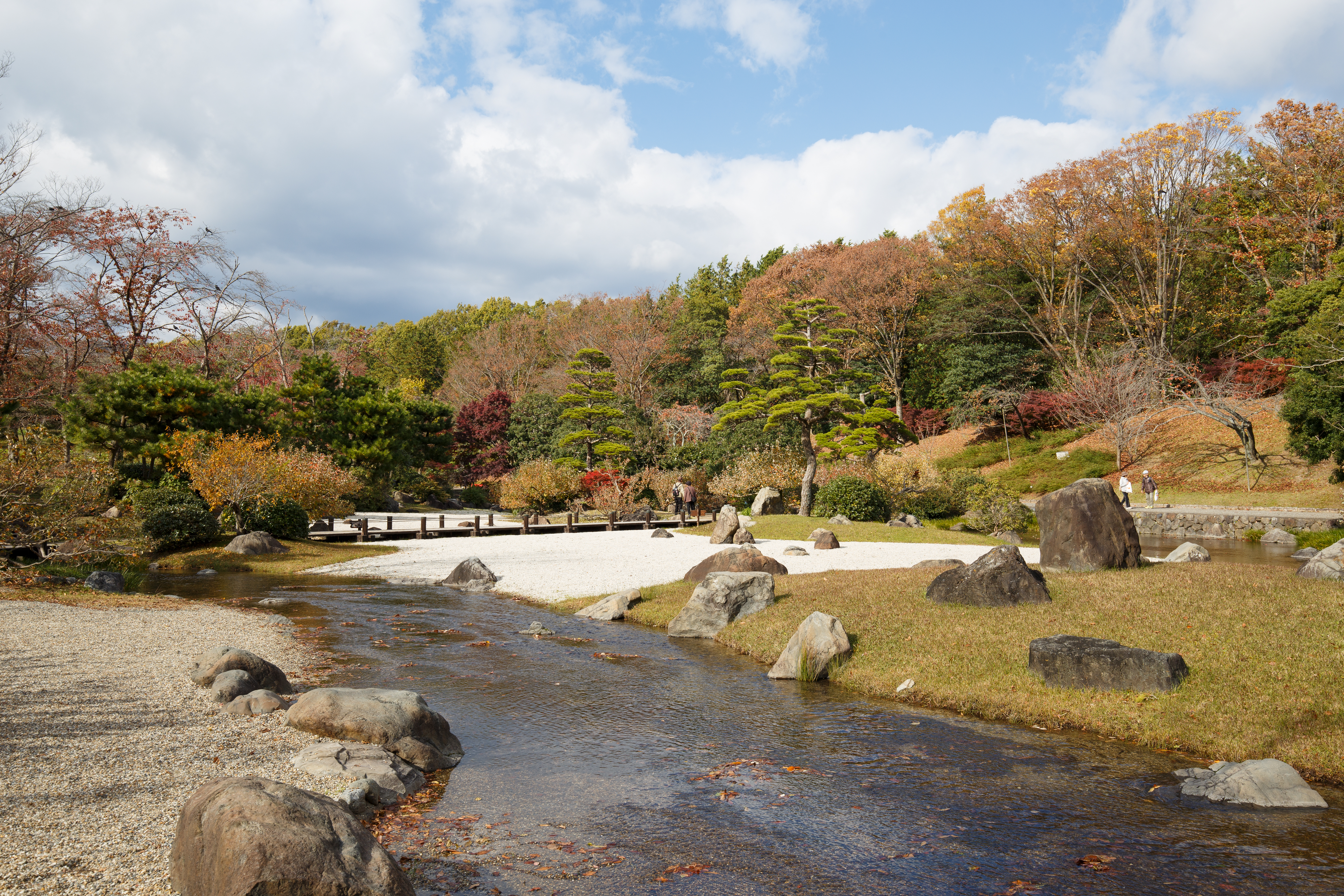
Let me set expectations honestly: October in Osaka is not peak koyo (autumn foliage). The blazing reds and oranges that define Japanese autumn hit Osaka’s lowland temples in mid-to-late November. However, October offers something I actually prefer — the transition. You’ll see trees shifting from deep green to yellow-green to gold, with the occasional early-turning maple offering a preview of crimson against a still-green canopy.
The best spots to catch early October color changes:
- Minoh (Minoo) Park: At slightly higher elevation, the maples here start turning in late October — earlier than downtown Osaka. The famous Minoh Waterfall trail is gorgeous even before peak color, and you’ll enjoy it without the November crowds.
- Osaka Castle Park: The ginkgo trees along the moat start turning golden in late October. The combination of yellow ginkgo leaves, the castle’s white-and-green profile, and blue autumn skies is deeply photogenic.
- Mount Kongo: The highest point in Osaka Prefecture. The summit area can start showing vivid color by the last week of October. It’s a rewarding day hike that most tourists never consider.
Festivals and Events
October is festival season in Osaka, and these aren’t tourist performances — they’re living, breathing community celebrations.
Kishiwada Danjiri Matsuri (if early October dates apply) While the main September festival is the famous one, some years feature an October component. Massive wooden floats (danjiri) are pulled through narrow streets at dangerous speeds, with young men leaping onto rooftops performing acrobatic dances. It’s raw, electrifying, and unlike any festival you’ve seen.
Tenjin Matsuri Autumn Events While the main Tenjin Matsuri is in July, Osaka Tenmangu Shrine hosts smaller autumn ceremonies and markets throughout October that are beautifully atmospheric and nearly tourist-free.
Midosuji Autumn Illumination (late October start) The iconic Midosuji Boulevard — Osaka’s Champs-Élysées — begins its annual illumination in late October (typically around October 20–25, though dates vary yearly). Over 4 kilometers of ginkgo trees are lit in golden LEDs, creating one of Osaka’s most stunning evening walks. The timing, when ginkgo leaves are also turning naturally golden, creates an almost surreal doubling effect.
Universal Studios Japan Halloween Horror Nights Running throughout October, USJ transforms into a genuinely terrifying horror experience after dark. Zombies roam the park, special haunted mazes open, and the energy is wild. Even if you’re not a theme-park person, Halloween Horror Nights at USJ is a uniquely Japanese-American cultural mashup worth experiencing. Book tickets well in advance — popular dates sell out.
Autumn Sumo Tournament (not in Osaka) Note: Osaka’s sumo tournament is in March. But if you’re flexible, the autumn basho is in Tokyo in November. Worth knowing if you’re planning a multi-city trip.
What to Eat This Season: Osaka’s Autumn Food at Its Peak
Osaka calls itself kuidaore no machi — “the city that eats until it drops” — and in October, you’ll understand why. Autumn is when Osaka’s food scene transforms, as summer ingredients give way to the rich, warming flavors the region does best. This section is essential because eating seasonally in Osaka isn’t optional — it’s the entire point.
Osaka’s Year-Round Regional Classics (Better in Autumn)
Takoyaki (Octopus Balls) Yes, you can eat takoyaki any time. But October’s cooler evenings make standing at a street stall, burning your tongue on molten batter, infinitely more enjoyable than doing so in August’s sweat bath. Head to Wanaka near Namba or Aizuya in Tamade (widely considered the birthplace of takoyaki) for the real thing.
Okonomiyaki (Savory Pancake) October is when seasonal toppings start appearing. Look for versions with kinoko (autumn mushrooms) or negi (green onions at their autumn sweetness). For the definitive experience, go to Mizuno in Dotonbori (expect a line) or Kiji in the Umeda Sky Building basement (arrive right at opening — 11:30 AM — or you’ll wait 90 minutes).
Kushikatsu (Deep-Fried Skewers) Shinsekai’s famous kushikatsu joints are perfect October fuel. The autumn additions often include sweet potato (satsumaimo), lotus root (renkon), and chestnut (kuri) — all at their seasonal peak. Daruma is the tourist standard, but locals prefer Yaekatsu two blocks away for better quality and shorter waits.
Seasonal October Specialties You Must Try
Sanma (Pacific Saury) This is THE autumn fish of Japan, and October is prime season. Grilled whole over charcoal, served with grated daikon radish and a squeeze of sudachi citrus — it’s simple, smoky perfection. The fish is at its fattiest and most flavorful right now. You’ll find it at practically any izakaya, but for the best preparation, seek out small charcoal-grilling places in the Tenma and Nakazakicho neighborhoods.
Matsutake Mushroom Dishes Matsutake, Japan’s legendary autumn mushroom, commands extraordinary prices (sometimes ¥30,000+ per kilogram for domestic specimens). In October, you’ll find it in matsutake gohan (rice steamed with matsutake), in dobin mushi (a delicate broth served in a teapot), and grilled with a splash of sudachi. Higher-end restaurants in Kitashinchi and around Hommachi offer seasonal kaiseki courses built around matsutake. Even mid-range izakayas will offer affordable matsutake dishes — often using imported mushrooms, which are perfectly delicious.
Kuri (Chestnut) Everything October is chestnut season, and Osaka goes all-in. Look for kuri gohan (chestnut rice), kuri kinton (sweet chestnut paste), and Mont Blanc desserts at every bakery and café. Rikuro Ojisan’s (famous for their jiggly cheesecake) often runs autumn chestnut specials.
Shin-Soba (New-Harvest Buckwheat Noodles) The first buckwheat harvest arrives in October, and fresh shin-soba made from new-crop flour has a delicate fragrance and sweetness that year-round soba can’t match. Serious soba shops will advertise shin-soba — it’s a seasonal event. Try Dotonbori Imai for the Osaka-style lighter broth that lets the noodle’s flavor shine.
Kani (Crab) Season Begins While peak crab season is November through February, some varieties become available in October, and Osaka’s famous crab restaurants start their autumn campaigns. The giant mechanical crab on Dotonbori (Kani Doraku) is a tourist icon, but the restaurant itself is genuinely good. Book ahead for their autumn course featuring kani-suki (crab hot pot) — it’s warming, celebratory, and worth the splurge.
Oden As temperatures drop, konbini (convenience store) oden pots reappear and izakayas add oden to their menus. This simmered-ingredients-in-dashi-broth dish is Osaka comfort food at its most fundamental. Seek out old-school oden places in the Ura-Namba neighborhood for the real experience.
Where to Graze: Osaka’s Food Markets in October
Kuromon Market (the “Kitchen of Osaka”) is the famous choice, and while it’s become increasingly tourist-oriented, it’s still worth a morning visit for seasonal fruit stalls showcasing autumn persimmons (kaki), pears (nashi), and incredible Shine Muscat grapes.
For a more local experience, try Kizu Market (near Namba, wholesale market area) early in the morning, or simply walk the backstreets of Tenjinbashisuji Shopping Arcade — Japan’s longest covered shopping street — where small food shops rotate their offerings with the season.
Top Spots to Visit in October: Where to Go and When
1. Osaka Castle and Nishinomaru Garden
Why October: The park’s 600+ cherry trees are green, but the surrounding ginkgo trees start their golden transformation. The reduced crowds compared to cherry blossom season mean you can actually enjoy the castle grounds peacefully. The interior museum is worth the ¥600 admission for its Toyotomi Hideyoshi exhibits.
Practical tip: Go in the morning (before 10 AM) for the best photography light and smallest crowds. The rooftop observation deck offers 360-degree city views.
2. Minoh (Minoo) Park and Waterfall
Why October: The 2.7-kilometer riverside trail to Minoh Waterfall is gorgeous in early autumn, with the first maple leaves beginning to turn by late October. The trail vendors sell momiji tempura — deep-fried maple leaves that are a regional specialty you literally cannot get anywhere else. They’re crunchy, lightly sweet, and totally unique.
Practical tip: Go on a weekday. The trail is paved and easy, but narrow in spots — weekend crowds make it less enjoyable. The hike takes about 40 minutes one way. Have lunch at one of the trail-side restaurants on the way back.
3. Dotonbori and Namba
Why October: Cooler weather makes the sensory overload of Dotonbori’s neon-lit food streets genuinely enjoyable rather than a sweaty ordeal. The evening atmosphere in October — jacket weather, glowing signage reflecting off the canal, street food steam rising into cool air — is peak Osaka.
Practical tip: For the iconic Glico Running Man photo, go to the Ebisubashi Bridge just after sunset (around 5:30–6:00 PM in October) for the best lighting. Then dive into the back alleys behind the main strip for less touristic eating options.
4. Shinsekai and Tsutenkaku Tower
Why October: This retro neighborhood is atmospheric year-round, but October’s comfortable walking weather and occasional autumn festivals make it shine. The nostalgic, slightly rough-around-the-edges vibe is the antithesis of Tokyo’s polish, and that’s exactly the point.
Practical tip: Visit for a late lunch (2–3 PM) to avoid the kushikatsu restaurant queues. Climb Tsutenkaku Tower for sunset views — it’s not the most spectacular observation deck in Osaka, but it’s charming and uncrowded. After dark, the neon-lit streetscape is wildly photogenic.
5. Nakazakicho
Why October: This hidden neighborhood of converted old houses turned into cafés, galleries, and vintage shops is best explored on foot in cool weather. October is when you can wander for hours without overheating. It’s the Osaka that Instagram hasn’t fully discovered yet — a quiet, creative counterpoint to Dotonbori’s chaos.
Practical tip: Start at Nakazakicho Station and just wander. There’s no set route — the joy is in discovery. Salon de AManTo is a legendary café in a converted house that’s been serving coffee for decades. Go on a weekday afternoon.
6. Sumiyoshi Taisha Shrine
Why October: One of Japan’s oldest and most important shrines, Sumiyoshi Taisha is stunning in autumn light. The iconic arched bridge (Taikobashi) over the reflecting pond, framed by trees starting to turn, is one of Osaka’s most beautiful scenes. October’s autumn festival events (check the shrine’s schedule) feature traditional performances in an intimate setting.
Practical tip: Take the charming Hankai Tramway (Osaka’s last remaining streetcar line) from Tennoji — the ride itself is an experience. The shrine is free to enter and rarely crowded compared to Kyoto’s temples.
7. Tempozan and the Bay Area
Why October: Clear October skies make the Tempozan Giant Ferris Wheel ride spectacular — you can see all the way to Kobe and Awaji Island. The nearby Kaiyukan Aquarium is one of the world’s best, and October’s moderate crowds mean shorter wait times.
Practical tip: Buy combined Ferris wheel + aquarium tickets for a discount. Visit Kaiyukan in the late afternoon (after 3 PM) — school groups visit in the morning.
Getting There & Around Osaka in October
Getting to Osaka
From Kansai International Airport (KIX):
- Nankai Rapi:t Limited Express to Namba: 38 minutes, ¥1,290. The retro-futuristic train design is a joy.
- JR Haruka Express to Tennoji (30 min) or Shin-Osaka (50 min): ¥1,800–2,500. Best if you’re heading to the northern part of the city or continuing to Kyoto.
- Airport limousine bus to various city hotels: 50–70 minutes, ¥1,600. Comfortable, convenient if your hotel is a stop.
From Tokyo:
- Shinkansen (bullet train): 2 hours 30 minutes to Shin-Osaka Station, ¥13,870. Covered by Japan Rail Pass.
- Budget flights: Peach Aviation and Jetstar fly Tokyo Narita to KIX for as low as ¥4,000–6,000 if booked early.
Getting Around Osaka
Osaka Metro: Clean, efficient, covers everywhere you need to go. Buy an ICOCA card (rechargeable IC card) at any station — it works on all trains, buses, and in most convenience stores and vending machines.
Osaka Amazing Pass (1-day ¥2,800 / 2-day ¥3,600): Includes unlimited Metro rides plus free entry to 40+ attractions including Osaka Castle, Tempozan Ferris Wheel, and river cruises. In October, the 1-day pass easily pays for itself.
Walking: October weather makes Osaka incredibly walkable. The flat terrain means you can cover Namba-to-Shinsaibashi-to-Amerikamura-to-Dotonbori entirely on foot in a pleasant afternoon.
Day trips: Kyoto is 15 minutes by Shinkansen or 40–50 minutes by Hankyu/Keihan line (¥400–500). Nara is 35 minutes by Kintetsu line (¥680). Kobe is 20 minutes by JR (¥420). All are exceptional October day trips.
Where to Stay in Osaka in October
October pricing sits in a comfortable middle ground — higher than deep winter, lower than cherry blossom season or peak autumn foliage (November). Book 3–6 weeks ahead for the best selection.
Budget (Under ¥8,000/night)
Area: Shinsekai or Nishinari Once rough around the edges, this area has gentrified significantly and now offers excellent budget hostels and guesthouses. Fuku Hostel and Hotel Toyo offer clean private rooms from ¥3,500–5,000. You’re walking distance to Tennoji and Shinsekai’s food scene.
Area: Namba (capsule hotels) Osaka’s capsule hotel game is strong. First Cabin Namba offers airplane-first-class-style pods with privacy curtains from ¥4,000. Not for everyone, but an authentically Japanese experience.
Mid-Range (¥8,000–25,000/night)
Area: Namba/Shinsaibashi This is where most visitors should stay. You’re in the beating heart of Osaka’s food and nightlife, with excellent transit connections. Hotel Monterey Grasmere Osaka and Cross Hotel Osaka offer stylish rooms with unbeatable locations. Dormy Inn Namba deserves special mention for its rooftop onsen (hot spring bath) — soaking in an outdoor bath on an October evening is sublime.
Area: Honmachi/Kitahama Quieter, more residential, surprisingly central. Hotel the Flag Shinsaibashi and Mitsui Garden Hotel Osaka Premier offer excellent value in a neighborhood that feels more local.
Luxury (¥25,000+/night)
Area: Kitashinchi/Umeda Osaka’s business and luxury dining district. The Ritz-Carlton Osaka and Conrad Osaka (the views from upper floors are staggering) are world-class. W Osaka on Midosuji Boulevard is newer and design-forward, perfectly positioned for the autumn illumination walk.
Area: Tennoji Osaka Marriott Miyako Hotel occupies the upper floors of Abeno Harukas, Japan’s tallest building. The room views alone justify the rate.
👉 Book your Osaka accommodation early for October — while it’s not peak season, popular mid-range hotels in Namba fill up quickly, especially for weekend stays around Halloween.
Local Tips: Insider Knowledge for October in Osaka
These are things I’ve learned from fifteen years of living here that you won’t find in standard guidebooks:
-
The konbini seasonal rotation is incredible in October. Japanese convenience stores (7-Eleven, Lawson, FamilyMart) launch autumn-limited products: chestnut-flavored desserts, sweet potato chips, matsutake-flavored rice balls, autumn-seasonal drinks. Budget ¥500/day just for konbini exploration. Seriously.
-
Carry a light rain layer, not an umbrella. October rain in Osaka tends to be brief and light. A packable rain jacket beats fumbling with an umbrella in crowded shopping arcades. However, if a typhoon approaches, buy a proper ¥500 clear vinyl umbrella at any konbini — that’s what locals do.
-
Eat dinner early or late. Popular restaurants in Namba and Dotonbori hit peak crowds between 6:30–8:30 PM. Eat at 5:30 PM (many places open at 5:00) or after 9:00 PM and you’ll skip the worst waits. This is especially true for okonomiyaki and kushikatsu spots.
-
The Hankyu department store basement (Umeda) is better than Kuromon Market. I’ll probably get mail about this, but the depachika (department store basement food hall) at Hankyu Umeda is the single best food shopping experience in Osaka. In October, the seasonal displays — wagashi (Japanese sweets) with autumn motifs, bento boxes with autumn ingredients, fresh matsutake — are extraordinary. You can assemble a gourmet dinner for ¥2,000.
-
October evenings by the river are magic. Walk along the Okawa River (near Tenma) or the Dotonbori canal boardwalk after dark. The reflections, the temperature, the city sounds — this is Osaka at its most atmospheric. Grab a canned highball from a konbini and join the locals sitting along the water.
-
Wear shoes you can remove easily. You’ll be entering and exiting shoes repeatedly at temples, some restaurants (especially traditional ones), and ryokan-style accommodations. Slip-ons beat lace-up boots every time.
-
Nakazakicho → Tenma → Kyobashi is the locals' evening food crawl. Start with coffee and vintage shopping in Nakazakicho, walk south to Tenma’s izakaya strip (the highest concentration of small bars and restaurants in Osaka), then east to Kyobashi’s gloriously retro standing-bar scene. This route is 95% Japanese locals and absolute October perfection.
-
Tax-free shopping is easy. Spend over ¥5,000 at one store and you can get the 10% consumption tax refunded. Bring your passport everywhere. October is a great time to shop — autumn clothing collections are out and stores aren’t as hectic as during sale seasons.
Frequently Asked Questions: Osaka in October
Is October a good time to visit Osaka?
October is arguably the best time to visit Osaka. The weather is comfortable (18–26°C), summer humidity has broken, typhoon risk is low, crowds are manageable (except Halloween weekend), and the food scene is at its autumn peak. You won’t see full autumn foliage — that’s November — but you’ll get better weather, lower prices, and a more relaxed experience.
What should I pack for Osaka in October?
Light layers are key. Bring t-shirts and a light sweater or flannel for early October; add a proper jacket for late October evenings. Comfortable walking shoes are essential — you’ll cover 15,000–20,000 steps daily. A packable rain jacket, sunglasses, and a small daypack round out the essentials. Leave heavy winter wear at home.
Does Osaka have autumn foliage in October?
Early and limited. The first color changes appear in late October, primarily at higher elevations like Minoh Park and Mount Kongo. The ginkgo trees around Osaka Castle start turning golden. Full, peak autumn foliage in Osaka’s lowland temples (Katsuo-ji, Shitennoji) doesn’t arrive until mid-to-late November. If autumn leaves are your primary goal, visit in the second half of November instead.
What Halloween events happen in Osaka in October?
Universal Studios Japan runs its famous Halloween Horror Nights throughout October (separate evening ticket recommended for full access to horror mazes). Dotonbori and Shinsaibashi become massive street-costume parties on October 31st and the nearest weekend. Amerikamura hosts smaller, more creative costume gatherings. Many bars and clubs hold Halloween parties throughout the last week of October.
How many days do I need in Osaka in October?
Three full days is ideal for Osaka proper. With a fourth and fifth day, add day trips to Nara (autumn deer photos among temple grounds) and Kyoto (starting to see early temple garden color changes). A week allows you to fully explore Osaka’s neighborhoods, food scene, and surrounding Kansai region at a relaxed pace.
Is October rainy in Osaka?
October averages 100–120mm of rainfall across roughly 8–10 rainy days, but most rain comes in short bursts rather than all-day downpours. The first half of October can occasionally see typhoon-related rain, while the second half tends to be drier and sunnier. It’s significantly less rainy than June (rainy season) or September.
Can I use the Japan Rail Pass for getting around Osaka?
The JR Pass covers JR trains within Osaka (JR Loop Line, JR lines to the airport) and Shinkansen between cities, but Osaka’s main Metro system is run by Osaka Metro, which is not covered by the JR Pass. For getting around within the city, buy an ICOCA card or an Osaka Amazing Pass. The JR Pass is most valuable for inter-city travel (Osaka-Kyoto-Nara-Kobe-Hiroshima).
October in Osaka is the convergence of perfect weather, incredible seasonal food, vibrant city energy, and the first hints of Japan’s famous autumn transformation. It’s not the flashiest season — it won’t give you cherry blossoms or blazing red temples — but it might just be the most enjoyable time to experience what makes Osaka the soul of Japan. Grab your light jacket, bring your appetite, and come eat until you drop. Osaka is waiting.