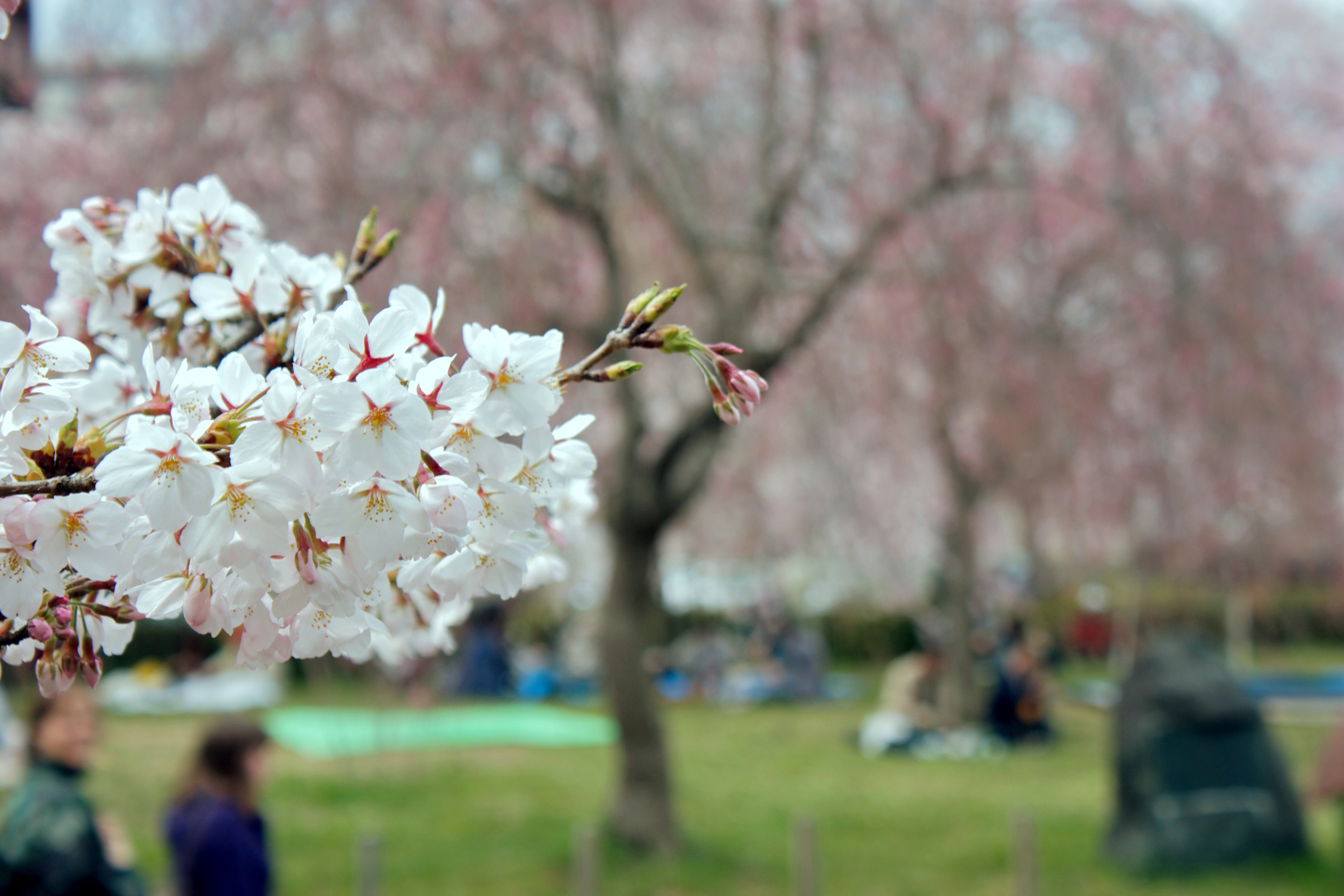
Tohoku Cherry Blossoms Late April Early May: The Best Spots for Japan’s Most Spectacular Hanami
Introduction: Why Tohoku Is Japan’s Best-Kept Cherry Blossom Secret
If you’ve ever dreamed of standing beneath a canopy of cherry blossoms without fighting through crowds of thousands, Tohoku is where that dream comes true. While Tokyo and Kyoto grab international headlines every late March and early April, the Tohoku cherry blossoms in late April and early May offer something those famous cities simply cannot: space, authenticity, and a sense of wonder that feels undiscovered.
I’ve lived in Japan for fifteen years, and I’ll be honest — I spent my first five springs dutifully chasing sakura in Kyoto and Tokyo like everyone else. Then a Japanese friend from Akita quietly told me, “You’re doing it wrong. Come north.” That single trip to Tohoku in late April changed everything I thought I knew about hanami (cherry blossom viewing).
Tohoku — the six prefectures of northern Honshu comprising Aomori, Akita, Iwate, Yamagata, Miyagi, and Fukushima — is where spring arrives fashionably late. The cherry blossom front (sakura zensen) sweeps northward from Kyushu beginning in late March, and by the time it reaches Tohoku, most international tourists have already flown home. What remains is an unhurried, deeply Japanese spring experience: castle grounds reflected in pink-tinged moats, 2,000-year-old cherry trees guarded by wooden fences, rivers lined with kilometers of blossoms, and locals spreading blue tarps for evening hanami parties where they’ll absolutely insist you sit down and share their homemade pickles and sake.
The regional cuisine alone is worth the trip north. Tohoku is Japan’s rice bowl and sake heartland, and spring brings a wave of seasonal ingredients — sansai (mountain vegetables), fresh river fish, and tender local beef — that pair perfectly with cool evening air and the soft pink glow of illuminated sakura.
This is the comprehensive guide I wish I’d had on that first Tohoku spring trip. Let’s get into exactly when to go, what to see, what to eat, and the local secrets that will make your experience unforgettable.
When Exactly to Go: The Precise Timing of Tohoku Cherry Blossoms
The Month-by-Month Breakdown
Mid-April (April 10–20): Southern Tohoku Blooms First
The cherry blossom front hits southern Tohoku — Fukushima and southern Miyagi — around April 10–15 in an average year. The famous Miharu Takizakura (Miharu Waterfall Cherry Tree) in Fukushima typically reaches full bloom (mankai) between April 12–18. Sendai’s cherry blossoms in Tsutsujigaoka Park usually peak around April 12–16.
Late April (April 20–30): The Heart of Tohoku Sakura Season
This is the sweet spot. By the third week of April, the blossoms are reaching full bloom across central and northern Tohoku simultaneously:
- Kakunodate (Akita): Peak bloom typically April 25–May 2
- Hirosaki (Aomori): Peak bloom typically April 23–May 1
- Kitakami (Iwate): Peak bloom typically April 20–27
- Tsuruoka/Yamagata City: Peak bloom typically April 15–22
Early May (May 1–10): The Grand Finale and Hanafubuki
By early May, many Tohoku cherry blossoms enter hanafubuki — the “cherry blossom blizzard” stage where petals fall like snow. At Hirosaki, this creates the legendary hanaikada (petal rafts) on the castle moat, arguably the most photographed cherry blossom scene in all of Japan. Some late-blooming varieties and higher-elevation spots (like Mt. Iwaki’s foothills) may still be in full bloom through May 5–8.
What to Avoid
- Golden Week (April 29–May 5): This is Japan’s biggest holiday period. Hotel prices spike, trains are packed, and Hirosaki Castle Park alone draws over 2 million visitors during its festival period. If possible, aim for April 20–28 to catch peak bloom before Golden Week begins. If you must visit during Golden Week, book accommodation 3–4 months in advance and arrive at popular spots before 8:00 AM.
- Don’t rely solely on “average” bloom dates. Check the Japan Meteorological Corporation’s cherry blossom forecast (sakura kaika yosou) starting in early March. In warm years, Tohoku can bloom 5–7 days early; cold springs can push everything back by a week.
My Recommended Window
April 22–30 is the single best week for Tohoku cherry blossoms in a normal year. You’ll catch peak bloom at multiple major sites, avoid the worst of Golden Week crowds, and still have reasonable hotel availability.
What You’ll See: Seasonal Highlights Beyond the Blossoms
Cherry blossoms are the headliner, but Tohoku spring offers a full supporting cast:
Cherry Blossom Varieties
Tohoku’s cooler climate means you’ll see Somei Yoshino (the classic pale pink variety) blooming alongside weeping cherries (shidarezakura), double-petaled varieties (yaezakura), and the rare oshimazakura with its distinctive white blossoms and bronze-green leaves. At Hirosaki alone, there are 52 varieties and 2,600 trees.
Spring Festivals
- Hirosaki Cherry Blossom Festival (April 23–May 5): Night illuminations, food stalls, boat rides on the moat, and a festive atmosphere that’s been running since 1918.
- Kakunodate Cherry Blossom Festival (late April–early May): Weeping cherry trees along samurai residences, traditional performances, and local craft demonstrations.
- Kitakami Tenshochi Cherry Blossom Festival (April 15–May 5): 10,000 cherry trees along 2 kilometers of riverside, with koinobori (carp streamers) flying overhead for Children’s Day.
Fresh Green Mountains
The mountains surrounding Tohoku’s valleys are transitioning from winter brown to brilliant fresh green (shinryoku). The contrast of pink sakura against these emerald hillsides — especially visible from Kakunodate and along the Kitakami River — creates a layered landscape that’s almost impossibly beautiful.
Remaining Snow on Peaks
One of Tohoku’s unique visual gifts in late April: snow-capped mountains visible behind cherry blossoms. Mt. Iwaki behind Hirosaki Castle and the Ou Mountains behind Kakunodate create compositions you simply cannot get anywhere in southern Japan.
What to Eat This Season: Tohoku’s Spring Feast
This is where Tohoku truly separates itself from every other cherry blossom destination in Japan. The regional cuisine here is robust, deeply seasonal, and largely unknown to international visitors. Every dish I’m about to describe is something I’ve eaten under cherry trees in Tohoku, and every one of them made me wonder why I’d ever bothered with convenience store onigiri at Tokyo hanami parties.
Sansai (Mountain Vegetables) — The Taste of Tohoku Spring
Sansai are foraged wild mountain vegetables that appear in markets and on menus from mid-April through May. They’re the culinary embodiment of spring in northern Japan:
- Kogomi (ostrich fern fiddleheads): Lightly blanched and served with sesame dressing. Tender, slightly nutty, with a faint bitterness that’s utterly addictive.
- Tara no me (angelica tree buds): Deep-fried as tempura — the single best bite of spring in Tohoku. The bud unfurls into a crispy, herbaceous cloud.
- Urui (plantain lily shoots): Served raw in salads or lightly pickled. Mild, crunchy, refreshing.
- Warabi (bracken fern): Simmered in dashi broth, a classic side dish at any spring meal.
Where to find them: Every izakaya in Tohoku will have a sansai menu in late April. For the full experience, order a sansai teishoku (mountain vegetable set meal) at ryokan restaurants in Kakunodate or Tsuruoka.
Kiritanpo Nabe (Akita)
Akita’s signature dish: pounded rice wrapped around cedar skewers, toasted over charcoal, then simmered in a rich chicken broth with maitake mushrooms, seri (Japanese parsley), burdock root, and spring onions. Technically a winter dish, but locals eat it well into spring, and you absolutely should too. The seri — which peaks in spring — adds a bright, peppery counterpoint to the hearty broth.
Best spot: Sakura in Kakunodate (the restaurant, not the blossoms) serves an outstanding version. In Akita City, try Noshiro-ya near the station.
Wanko Soba (Iwate)
Morioka’s famous “all-you-can-eat” soba experience: small bowls of buckwheat noodles are placed before you in rapid succession by servers. You eat, they refill, and it continues until you place the lid on the bowl. It’s part meal, part sport, and the average tourist manages 15–30 bowls (each is just a few mouthfuls). Spring buckwheat has a delicate, slightly sweet flavor.
Best spot: Azumaya in central Morioka, operating since 1907.
Gyutan (Sendai)
Sendai’s obsession: charcoal-grilled beef tongue, sliced thick, seasoned with salt and pepper, and served with barley rice, pickled vegetables, and oxtail soup. It’s smoky, tender, and intensely savory. Not specifically seasonal, but it’s essential Tohoku eating and the perfect lunch before or after viewing Sendai’s cherry blossoms.
Best spot: Aji Tasuke in downtown Sendai — the originator of the dish since 1948. Expect a 30-minute line at lunch; it’s worth every minute.
Regional Sake — Tohoku’s Liquid Gold
Tohoku produces some of Japan’s finest sake, thanks to pristine snowmelt water, premium rice cultivation, and cold winter brewing temperatures. Spring releases (haru shikomi or shiboritate) are fresh, bright, and slightly effervescent — perfect for outdoor drinking under cherry trees.
Must-try breweries/brands:
- Juyondai (Yamagata): Nearly impossible to find in Tokyo, but available at many Yamagata izakaya. Fruity, elegant, ethereal.
- Aramasa (Akita): Modern, acidic, almost wine-like. The No. 6 series is superb.
- Nanbu Bijin (Iwate): Clean, balanced, and an excellent introduction to northern sake.
Pro tip: At Hirosaki’s cherry blossom festival, several local sake breweries set up tasting booths. The fresh nigorizake (cloudy sake) from Aomori breweries is a seasonal treat you won’t find anywhere else.
Other Seasonal Specialties
- Inaniwa udon (Akita): Japan’s most elegant udon — thin, flat, silky-smooth, served cold with dipping sauce. The spring version often comes with mountain vegetable tempura.
- Dashi (Yamagata): A cold, diced vegetable relish served over rice or tofu. Refreshing on warmer spring days.
- Imoni (Yamagata): A taro root and beef stew. While autumn is the traditional imoni season, spring versions with lighter dashi broth appear at some restaurants.
Top Spots to Visit: The 7 Best Tohoku Cherry Blossom Destinations
1. Hirosaki Castle Park (Aomori Prefecture)
Why it’s unmissable: Widely considered the single best cherry blossom spot in Japan — yes, all of Japan. 2,600 cherry trees of 52 varieties surround a 400-year-old castle, with blossoms reflecting in the castle moat. The hanaikada (petal rafts) that form on the moat surface in early May are a once-in-a-lifetime sight.
Peak bloom: April 23–May 1 (average) Night illumination: Until 11:00 PM during the festival Practical tips: Enter from the south gate for the iconic moat tunnel photo. Arrive before 7:00 AM during Golden Week for uncrowded photos. Paid area (castle inner grounds) is ¥320; the outer park is free. Rent a rowboat (¥1,000/30 minutes) for moat-level views — lines are shortest on weekday mornings.
2. Kakunodate Samurai District (Akita Prefecture)
Why it’s unmissable: 400 weeping cherry trees (shidarezakura) line a perfectly preserved samurai district with black wooden fences and traditional residences. The trees were gifted by Kyoto nobility 350 years ago. Along the Hinokinai River, 2 kilometers of Somei Yoshino create a continuous tunnel of pink.
Peak bloom: April 25–May 2 (average) Practical tips: The samurai district is stunning at any time of day, but golden hour light (5:30–6:30 PM) through the weeping branches is extraordinary. Walk the full length of the riverside path — most visitors cluster near the bridge and miss the quieter stretches to the south. The Aoyagi Samurai House Museum is worth ¥500 for its garden alone.
3. Kitakami Tenshochi (Iwate Prefecture)
Why it’s unmissable: 10,000 cherry trees along a 2-kilometer stretch of the Kitakami River, combined with colorful carp streamers (koinobori) strung across the water for Children’s Day. The combination of blossoms, river, streamers, and distant mountains is uniquely Tohoku.
Peak bloom: April 20–27 (average) Practical tips: Take the horse-drawn carriage ride (¥500) for a leisurely trip through the cherry tunnel. Evening illumination creates beautiful reflections on the river. Less crowded than Hirosaki or Kakunodate even during Golden Week.
4. Miharu Takizakura (Fukushima Prefecture)
Why it’s unmissable: A single, 1,000-year-old weeping cherry tree — one of Japan’s three great cherry trees (nihon sandai zakura). Its cascading branches span 25 meters and, in full bloom, it genuinely looks like a pink waterfall (takizakura means “waterfall cherry”).
Peak bloom: April 12–18 (average) Practical tips: Entry is ¥500 during bloom season. Evening illumination (6:00–9:00 PM) transforms the tree into something almost supernatural. Arrive at dawn (5:30 AM — the site is open 24 hours during bloom) for the most dramatic photos with mist rising from the surrounding rice paddies. Temporary shuttle buses run from Miharu Station during peak bloom.
5. Tsuruga Castle (Aizuwakamatsu, Fukushima Prefecture)
Why it’s unmissable: The only castle in Japan with red-tiled roofing (akagawara), surrounded by 1,000 cherry trees. The contrast of red tiles, white castle walls, and pink blossoms is a color combination you won’t find anywhere else in the country.
Peak bloom: April 12–20 (average) Practical tips: Climb the castle tower (¥410) for aerial views of the blossoms. The tea house Rinkaku in the castle grounds serves matcha and wagashi with a direct view of the cherry-lined path — one of the most peaceful 20 minutes you’ll spend in Tohoku. Combine with a visit to the nearby Iimoriyama hill for historical context on the Boshin War.
6. Shiroishi Castle and Hitome Senbonzakura (Miyagi Prefecture)
Why it’s unmissable: Hitome Senbonzakura means “a thousand cherry trees at a glance,” and the name doesn’t lie. Along an 8-kilometer stretch of the Shiroishi River, approximately 1,200 Somei Yoshino create a continuous wall of pink with the snow-capped Zao Mountains as a backdrop.
Peak bloom: April 10–18 (average) Practical tips: The best viewpoint is from the Shibata Senbonzakura Bridge area — take the JR Tohoku Line to Ogawara Station and walk 15 minutes south. Less famous than other spots on this list, meaning you may have entire stretches of riverside to yourself on weekday mornings. Shiroishi Castle itself is a compact, charming fortress worth a brief visit.
7. Tsuruoka Park and Mt. Gassan Foothills (Yamagata Prefecture)
Why it’s unmissable: Tsuruoka Park’s 730 cherry trees surround the ruins of Tsurugaoka Castle, and the nearby foothills of Mt. Gassan offer wild cherry trees blooming at higher elevations into early May. Yamagata Prefecture is also the gateway to Dewa Sanzan, the sacred three mountains of Shugendo mountain worship.
Peak bloom: April 15–22 (Tsuruoka Park); early May at higher elevations Practical tips: Combine cherry blossom viewing with a day trip to Hagurosan (Mt. Haguro), where the five-story pagoda stands in an ancient cedar forest — not sakura-specific but staggeringly beautiful in any season. The shojin ryori (Buddhist vegetarian cuisine) served at temple lodgings on Hagurosan incorporates spring mountain vegetables and is an unforgettable meal.
Getting There & Around
From Tokyo to Tohoku
Shinkansen (bullet train): The Tohoku Shinkansen from Tokyo Station is your primary gateway.
- Tokyo → Sendai: 1 hour 30 minutes (Hayabusa), ~¥11,400
- Tokyo → Morioka: 2 hours 10 minutes (Hayabusa), ~¥14,700
- Tokyo → Kakunodate: 2 hours 45 minutes (Komachi), ~¥17,000
- Tokyo → Shin-Aomori: 3 hours (Hayabusa), ~¥17,700
Japan Rail Pass: If you’re visiting 3+ cities, the JR East Tohoku Area Pass (¥20,360 for 5 flexible days) is excellent value. It covers all Tohoku shinkansen lines plus most local JR trains. The full nationwide JR Pass also works but is less cost-effective if you’re only visiting Tohoku.
Getting Around Within Tohoku
Local trains: The Akita Shinkansen (Komachi) connects Morioka to Kakunodate (45 minutes) and Akita City. Local JR lines connect most major towns but can be infrequent — check schedules in advance using the Jorudan or Navitime apps.
Rental car: For maximum flexibility, especially to reach spots like Miharu Takizakura or rural Yamagata, a rental car is ideal. Reserve from Toyota Rent-a-Car, Times Car Rental, or Nippon Rent-a-Car at any major station. An international driving permit is required. Roads are well-maintained, and spring means no snow concern at lower elevations. Budget approximately ¥6,000–8,000/day for a compact car.
Highway buses: Budget-friendly options connect major Tohoku cities. The Sendai–Hirosaki highway bus takes approximately 4 hours and costs around ¥5,000 one way.
Suggested Routing (7-Day Itinerary)
Day 1: Tokyo → Fukushima (Miharu Takizakura, Tsuruga Castle) Day 2: Fukushima → Sendai (gyutan lunch, Tsutsujigaoka Park, Sendai evening) Day 3: Sendai → Kitakami or Shiroishi side trip → Morioka Day 4: Morioka (wanko soba, city sakura) → Kakunodate Day 5: Full day Kakunodate (samurai district, riverside, kiritanpo dinner) Day 6: Kakunodate → Hirosaki (full afternoon and evening at the castle park) Day 7: Hirosaki morning → Shin-Aomori → Tokyo
Where to Stay
Budget (Under ¥8,000/night)
- Sendai: Guesthouse Dorm beds near Sendai Station start around ¥3,000. Try Guesthouse Meguri for a clean, social atmosphere.
- Morioka: Business hotels like Route Inn Morioka Ekimae offer functional singles from ¥5,500 with free breakfast.
- Hirosaki: Hirosaki Youth Hostel is walking distance from the castle park and costs around ¥3,500/night.
Mid-Range (¥8,000–20,000/night)
- Kakunodate: Folkloro Kakunodate (JR Hotels group) — clean, comfortable, and literally adjacent to Kakunodate Station. Doubles from ¥12,000. Book early for cherry blossom season; this one fills up by February.
- Sendai: Hotel Metropolitan Sendai — connected to the station, excellent location, doubles from ¥14,000.
- Hirosaki: Art Hotel Hirosaki City — 10-minute walk to the castle, modern rooms, from ¥10,000. Their breakfast buffet features local Aomori dishes.
Luxury / Ryokan (¥20,000+/night)
- Kakunodate: Tamachi Bukeyashiki Hotel — a beautifully designed boutique hotel within the samurai district. Spring kaiseki dinner with sansai mountain vegetables. From ¥25,000 per person with two meals.
- Nyuto Onsen (near Kakunodate): Tsurunoyu Onsen — one of Japan’s most famous rural hot spring inns. Milky-white outdoor baths surrounded by forest. From ¥12,000 per person with two meals (exceptional value for the experience). Book 2–3 months ahead; open-air mixed bath requires a towel.
- Ginzan Onsen (Yamagata): Not specifically a cherry blossom destination, but this gaslit riverside onsen town — the inspiration for Spirited Away — is magical in any season. Combine with Yamagata cherry blossoms for a perfect spring trip. Ryokan from ¥20,000 per person with meals.
📌 Booking tip: For Golden Week stays in Tohoku, book accommodations by late January. Japanese booking platforms like Jalan.net and Rakuten Travel often have better ryokan availability than international sites. Both have English interfaces now.
Local Tips: Things Only Residents Know
-
The “second peak” at Hirosaki is better than the first. Most tourists aim for full bloom (mankai), but locals know the real magic happens 3–5 days after peak when petals begin falling. The moat fills with pink petals, creating the famous hanaikada (petal raft) effect. Early May at Hirosaki is arguably the most beautiful cherry blossom scene in Japan, and it’s a scene of impermanence that embodies what sakura season is truly about.
-
Bring layers. Tohoku in late April can swing from 18°C at midday to 5°C at night. I’ve worn shorts and a T-shirt for afternoon hanami and needed a down jacket by 8:00 PM. Evening illumination viewing requires proper warmth — gloves aren’t overkill.
-
Yozakura (nighttime cherry blossoms) at Kakunodate’s riverside is almost empty. Everyone heads to the samurai district for evening illumination, but the riverside Somei Yoshino are also lit up with far fewer visitors. Walk south along the Hinokinai River after 7:00 PM for an almost private experience.
-
Stock up at ekiben (train station bento) shops. Tohoku’s station bento culture is legendary. Sendai Station alone has over 70 ekiben varieties. The Oshiushi Bento (pressed Sendai beef) and Harakomeshi (salmon roe over rice) are local favorites. Eating these on the shinkansen with a cold Asahi is peak Japan travel.
-
The free hot spring foot baths are everywhere. Many Tohoku stations and parks have free ashiyu (foot baths). After a long day of walking cherry blossom trails, soaking your feet at the foot bath outside Kakunodate Station is the kind of small pleasure that makes Japan travel extraordinary.
-
Learn one phrase and use it constantly: “Kirei desu ne” (It’s beautiful, isn’t it?). Say this while looking at cherry blossoms near Japanese visitors and you’ll likely be invited to share food, sake, or conversation. Tohoku people are famously warm and generous, especially during hanami season.
-
Don’t skip the conbini for hanami supplies. Japanese convenience stores in spring stock special sakura-themed snacks, pink mochi, seasonal bento, inexpensive sake cups, and pocket hand warmers (essential for evening viewing). A ¥1,500 conbini run can furnish a complete hanami picnic that rivals any restaurant meal.
-
Check for closed days. Some local attractions in Tohoku close on Mondays or specific weekdays even during cherry blossom season. The samurai houses in Kakunodate are generally open daily during the festival period, but verify before planning.
Frequently Asked Questions
1. Are the Tohoku cherry blossoms as beautiful as Kyoto’s?
Honestly, many Japanese people — myself included — think they’re more beautiful. Tohoku’s cooler temperatures mean blossoms last longer (up to 10 days at peak versus 5–7 in warmer areas), the scale of plantings is enormous (Hirosaki alone has more cherry trees than most Kyoto sites combined), and the backdrop of snow-capped mountains and samurai architecture creates a visual depth that’s hard to match. The main trade-off is accessibility — Kyoto is easier to reach from major airports.
2. Can I see cherry blossoms in Tohoku without a Japan Rail Pass?
Absolutely. Individual shinkansen tickets work fine, especially if you’re only visiting one or two cities. However, if you plan to visit three or more Tohoku destinations, the JR East Tohoku Area Pass (¥20,360 for 5 flexible days) pays for itself after just two shinkansen rides. It’s the most cost-effective option for a multi-city Tohoku cherry blossom trip.
3. Is Golden Week really that bad for cherry blossom viewing in Tohoku?
It’s busy, particularly at Hirosaki (the biggest draw), but it’s not the crushing, immovable crowds you’d experience at peak season in Kyoto. Hirosaki Castle Park is enormous and absorbs visitors well. The biggest issue is accommodation — hotels book out months in advance and prices double or triple. Trains are also packed, especially on April 29 and May 3–5. If you visit during Golden Week, embrace early mornings (before 8:00 AM) and you’ll have many spots largely to yourself.
4. What if the cherry blossoms bloom early or late?
This is the inherent gamble of sakura travel. Start monitoring forecasts from the Japan Meteorological Corporation (tenki.jp) and Weathernews beginning in early March. If blooms are trending early, shift your trip a few days earlier if possible. Tohoku’s advantage is geographic diversity — Fukushima blooms nearly two weeks before Aomori, so spreading your itinerary across multiple prefectures gives you a much wider window to catch peak blossoms somewhere.
5. Is Tohoku safe and easy to navigate for non-Japanese speakers?
Very safe, and moderately easy. Shinkansen stations have English signage and announcements. Google Maps works flawlessly for navigation, including public transit. In smaller towns like Kakunodate, English is limited but locals are extremely helpful — gestures, translation apps, and smiles go a long way. Restaurant menus increasingly have photos or picture menus. Rental car GPS systems can be set to English.
6. What else can I do in Tohoku besides cherry blossom viewing?
Spring in Tohoku offers incredible onsen (hot springs) — Nyuto Onsen, Ginzan Onsen, and Naruko Onsen are all accessible from cherry blossom routes. The Dewa Sanzan mountain pilgrimage in Yamagata is deeply spiritual. Hiraizumi (Iwate) is a UNESCO World Heritage Site with the golden Konjikido hall at Chusonji Temple. Matsushima Bay near Sendai is considered one of Japan’s three most scenic views. And honestly, simply wandering through small Tohoku towns, soaking in onsen, and eating regional food is one of the finest travel experiences in Japan — sakura or no sakura.
7. Should I book a guided cherry blossom tour or go independently?
For Tohoku specifically, I recommend independent travel. The region is well-connected by train, the key sites are straightforward to reach, and going at your own pace allows you to linger at a particularly beautiful spot or change plans based on bloom conditions. Guided tours lock you into fixed dates that may not align with actual peak bloom. The exception: if you’re uncomfortable navigating Japan’s rural transit system, a small-group tour with a knowledgeable guide can remove stress and provide cultural context you’d miss on your own.
Tohoku in late April and early May is where Japan’s most beloved natural event meets its most underappreciated region. The blossoms are extraordinary, the food is some of Japan’s finest, and the people will make you feel genuinely welcome. Start planning now — and don’t forget those layers for evening hanami.