Tokyo in December: The Ultimate Guide to Winter Illuminations, Christmas Markets & Seasonal Food
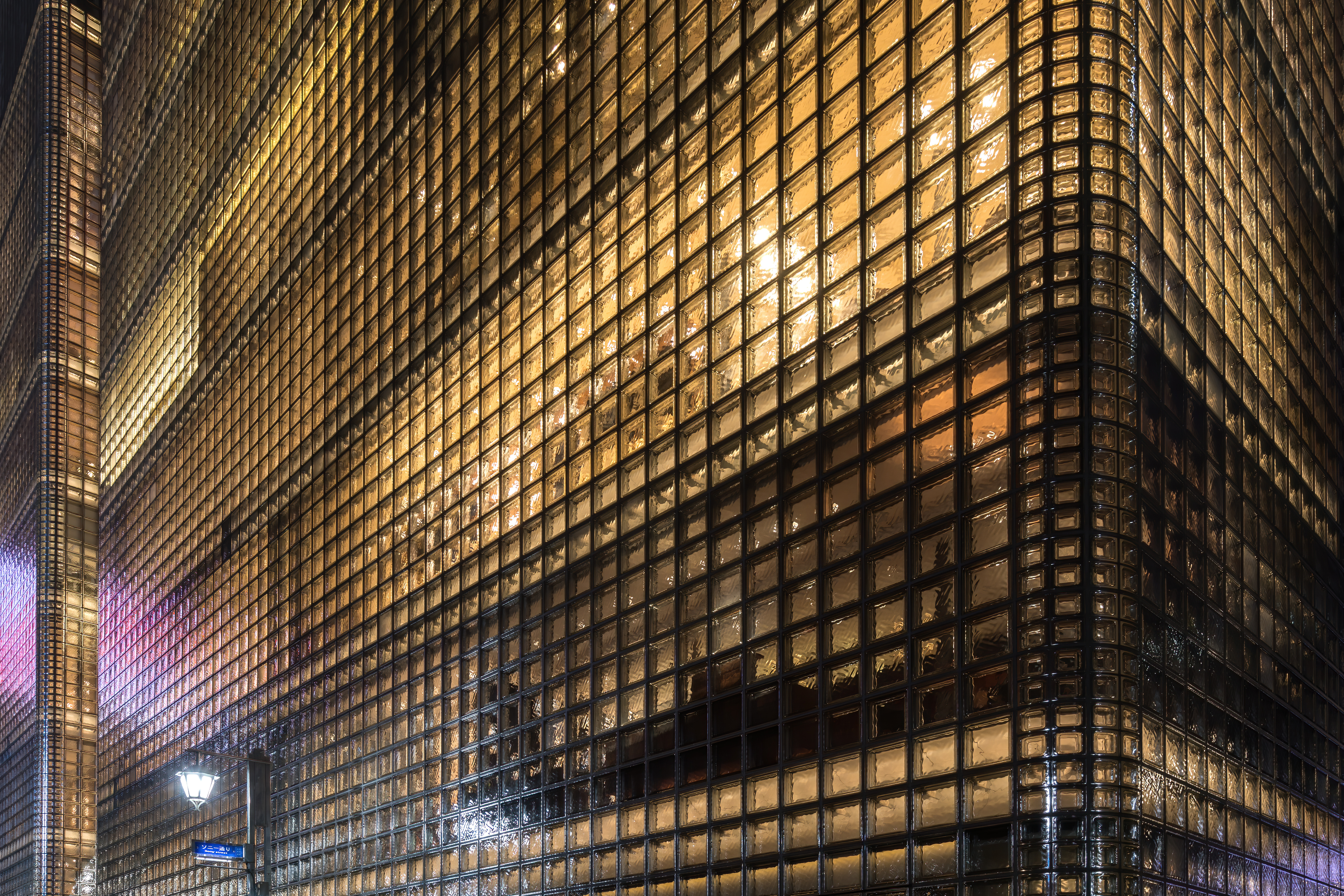
There is something almost magical about Tokyo in December. The air turns crisp, the ginkgo trees shed their last golden leaves, and suddenly—almost overnight—the entire city transforms into a shimmering wonderland of light. If you have never experienced Tokyo in December winter illuminations Christmas season, you are missing one of the most visually stunning urban spectacles on the planet. This is not a quiet, sleepy winter. This is Tokyo at its most dazzling: millions of LED lights draped across tree-lined avenues, elaborate Christmas displays in department stores, steaming bowls of seasonal ramen at tiny counter shops, and a festive energy that feels uniquely, wonderfully Japanese.
Having lived in Tokyo for over fifteen years, I can tell you that December consistently ranks as one of my favorite months in this city. The summer humidity is a distant memory, the autumn crowds at temples have thinned, and there is a special warmth in the culture—year-end parties called bonenkai, boxes of seasonal sweets exchanged between friends, and an almost childlike excitement about illuminations that transcends age. Whether you are planning a romantic trip, a family holiday, or a solo adventure, this guide will give you everything you need to make your December Tokyo trip extraordinary.
Why December in Tokyo Is Unlike Anywhere Else
Japan adopted certain Western Christmas traditions decades ago, but what emerged is something entirely its own. Christmas in Tokyo is not religious—it is romantic, commercial, and spectacularly aesthetic. Couples dress up for Christmas Eve dates at French restaurants. Convenience stores sell elaborately decorated Christmas cakes (a tradition dating back to the 1970s). And the illuminations—oh, the illuminations—are not just strings of lights tacked onto buildings. They are choreographed, themed, and engineered with the kind of precision you would expect from a country that builds bullet trains.
December also marks the transition into Tokyo’s winter food season. This is when the city’s kitchens start producing dishes that exist specifically for cold weather: rich, miso-based stews, freshly pounded mochi, citrus-bright yuzu in everything from cocktails to hot baths. The combination of visual spectacle and seasonal eating makes December Tokyo an experience for every sense.
When Exactly to Go: Specific Dates and Peak Periods
Early December (December 1–10)
This is the sweet spot. Most major illuminations have launched by late November and are in full swing. The autumn foliage season is wrapping up, meaning you can sometimes catch the last of the golden ginkgo leaves alongside the lights—a combination that is almost unbearably beautiful. Crowds are manageable on weekdays. Hotel prices have not yet spiked.
Mid-December (December 11–20)
Illuminations are at their peak. Christmas markets are fully operational. The weather is reliably cold (average highs around 10°C/50°F, lows near 3°C/37°F) but rarely harsh. This is when department store depachika (basement food halls) start overflowing with year-end gift sets and seasonal sweets. Weekends get crowded at popular illumination spots, but weekday evenings remain pleasant.
Late December (December 21–31)
Christmas Eve (December 24) and Christmas Day are peak romantic evenings—restaurants are fully booked weeks in advance, and popular illumination spots like Roppongi and Marunouchi draw enormous crowds. December 25 itself is a normal working day in Japan, which surprises many visitors. The period from December 28–31 shifts to oshogatsu (New Year) preparation mode: some shops and restaurants close, but there is a beautiful end-of-year energy. The famous Comiket convention (typically December 28–31) adds crowds to the Odaiba area.
What to Avoid
- Christmas Eve at popular illumination spots without a plan. Roppongi Hills and Marunouchi on December 24 can feel like rush hour on the Yamanote Line. Go on a weeknight earlier in the month instead.
- Expecting everything open December 31–January 3. Many restaurants and shops close for New Year. Plan accordingly.
- Underestimating the cold. Tokyo’s December cold is damp and penetrating. Dress in layers.
My recommendation: Arrive around December 5–7 and stay through December 14–16. You get peak illuminations, comfortable crowds, full restaurant availability, and the best hotel rates of the month.
What You’ll See: Tokyo’s December Seasonal Highlights
Winter Illuminations
Tokyo’s illumination season typically runs from mid-November through mid-February, but December is when the city truly commits. Here is what makes it special:
The sheer scale is staggering. In a typical December, Tokyo displays an estimated 30-40 million LED lights across dozens of installations. These are not afterthoughts—companies like Panasonic and Mitsubishi sponsor elaborate productions that double as technology showcases.
Late Autumn Foliage Overlap
In early December, you can still catch autumn color at certain Tokyo gardens. Rikugien Garden sometimes holds its autumn light-up into early December (check dates annually, as they vary). The contrast of crimson maples illuminated against dark water is one of Tokyo’s most photographed scenes.
Christmas Markets
German-style Christmas markets have become a beloved Tokyo December tradition:
- Tokyo Christmas Market at Meiji Jingu Gaien (late November through Christmas): The largest, with a towering Christmas pyramid imported from Germany, mulled wine, and German sausages.
- Roppongi Hills Christmas Market: Smaller but more atmospheric, set against the Roppongi illumination backdrop.
- Yokohama Red Brick Warehouse Christmas Market (a short train ride from central Tokyo): Excellent ambiance, waterfront setting, and less crowded on weekdays.
Year-End Traditions
December is bonenkai (forget-the-year party) season. You will notice groups of coworkers and friends packed into izakaya restaurants every evening. On December 31, many temples hold joya no kane—the ringing of the temple bell 108 times at midnight to cleanse the 108 worldly desires. Zojoji Temple, with Tokyo Tower illuminated behind it, is the most iconic spot for this.
What to Eat This Season: December’s Essential Tokyo Food
This section is critical. Tokyo’s December food scene is one of the strongest arguments for visiting this month. Here is what to eat, where, and why.
Oden (おでん)
Japan’s ultimate winter comfort food. A simmering pot of dashi broth holds an assortment of ingredients: soft-boiled eggs, daikon radish (which has been simmering for hours until it is translucent and butter-soft), chikuwa fish cakes, konnyaku jelly, and stuffed tofu pouches. Every convenience store in Tokyo sells excellent oden from their counter in December—Seven-Eleven’s version is genuinely good. For the real experience, visit an oden-ya (dedicated oden restaurant). Otafuku in Asakusa has been serving oden since 1945.
Nabe (Hot Pot / 鍋)
December is peak nabe season. Families and friend groups gather around bubbling pots of:
- Chanko nabe: Sumo wrestler hot pot, packed with chicken, tofu, and vegetables. Head to the Ryogoku neighborhood near the sumo stadium for authentic versions.
- Kimchi nabe: Japan’s beloved spicy variation, available everywhere.
- Mizutaki: A Hakata-style chicken hot pot with a milky collagen broth. Hakata Mizutaki Hashida in Ginza is outstanding.
Fugu (Blowfish / ふぐ)
Fugu season peaks from November through February. Tokyo has dozens of licensed fugu restaurants where you can try fugu sashimi (paper-thin slices arranged in chrysanthemum patterns), fugu nabe (hot pot), and hirezake (warm sake with charred fugu fin). Zuboraya or Usukifugu Yamadaya in Nishi-Azabu offer memorable experiences. Budget around ¥8,000–15,000 per person for a full course.
Christmas Cake (クリスマスケーキ)
This is a uniquely Japanese tradition. On or before December 25, nearly every household buys an elaborately decorated sponge cake with whipped cream and strawberries. The best ones come from hotel patisseries and high-end bakeries. Patisserie Sadaharu Aoki and Henri Charpentier produce stunning seasonal versions. Department store depachika like Isetan Shinjuku become battlegrounds for the best cakes—arrive early on December 23 or 24.
KFC Christmas Dinner
Yes, it is real. Since a wildly successful 1974 marketing campaign, Kentucky Fried Chicken on Christmas Eve has become a genuine Japanese tradition. Families pre-order “Christmas Barrels” weeks in advance. Lines at KFC on December 24 can stretch around the block. It is bizarre, it is wonderful, and you should absolutely experience it at least once—but order ahead online or in-store by early December, or you will wait over an hour.
Toshikoshi Soba (年越しそば)
On December 31, the Japanese eat long buckwheat noodles to symbolize longevity and the cutting away of the old year’s hardships. Nearly every soba restaurant in Tokyo serves special year-end versions. For exceptional soba, try Kanda Matsuya in Kanda or Honmura An in Roppongi.
Seasonal Sweets and Drinks
- Yuzu (citrus) appears in everything: cocktails, desserts, yuzu-koshō (yuzu pepper paste), and even bath salts.
- Roasted sweet potatoes (yaki-imo) are sold from trucks that cruise neighborhoods playing a distinctive jingle. Chase that sound.
- Amazake (sweet fermented rice drink) is served warm at temple markets and New Year stalls.
- Convenience stores stock incredible seasonal items: strawberry cream daifuku, chestnut mont blanc sweets, and yuzu-flavored Kit-Kats.
Top Spots to Visit: Tokyo’s Best December Destinations
1. Marunouchi Winter Illumination (丸の内イルミネーション)
Where: Marunouchi Naka-dori, between Tokyo Station and the Imperial Palace Why: Over 1.2 million champagne-gold LEDs line 1.2 kilometers of tree-lined boulevard. The elegant, restrained color palette feels distinctly Tokyo—sophisticated rather than garish. Practical tip: Walk from Tokyo Station’s red-brick Marunouchi exit toward the Imperial Palace. The illumination is best after 5:30 PM. Combine with dinner at one of the area’s excellent restaurants. The KITTE building rooftop garden offers a free view of the illuminated Tokyo Station facade.
2. Roppongi Hills & Tokyo Midtown
Where: Roppongi Why: Two massive developments, two completely different illumination styles. Roppongi Hills features the Keyakizaka illumination—400 meters of zelkova trees wrapped in blue-white LEDs, framing Tokyo Tower in the distance. Tokyo Midtown’s Starlight Garden creates an immersive LED field that changes color and pattern. Practical tip: Visit both in one evening—they are a 10-minute walk apart. Start at Midtown around 5 PM (illuminations begin at 5:00), then walk to Roppongi Hills. Grab dinner in between at one of Roppongi Hills' restaurants—Afuri ramen on the basement level is perfect for warming up.
3. Shibuya and Omotesando
Where: Shibuya to Harajuku corridor Why: Omotesando Avenue’s zelkova trees draped in warm champagne lights create one of Tokyo’s most romantic winter strolls. Shibuya’s scramble crossing and surrounding area pulse with commercial Christmas energy. The Yebisu Garden Place in nearby Ebisu features a massive Baccarat crystal chandelier—one of the largest in the world—displayed in a glass atrium. Practical tip: Start at Ebisu for the chandelier (free to view), then take the train one stop to Shibuya, walk through Shibuya’s chaos, and continue up Cat Street or the main Omotesando avenue toward Harajuku. This is a perfect 2-3 hour evening route.
4. Caretta Shiodome Illumination
Where: Shiodome, near Shimbashi Station Why: This free illumination features a synchronized light-and-music show that runs every 20 minutes. The theme changes annually, and the productions are always impressive—past themes have included Disney collaborations and ocean-inspired installations. Practical tip: Arrive 15 minutes before a show to secure a front-row spot. The area is less crowded than Roppongi, making it ideal for families. Combine with a visit to nearby Hamarikyu Gardens, which is stunning in the late afternoon winter light.
5. Meiji Jingu Gaien Ginkgo Avenue
Where: Aoyama, near Gaienmae Station Why: In early December, the famous double row of 146 ginkgo trees may still have golden leaves clinging to their branches—or you’ll walk on a carpet of fallen gold. The nearby Christmas Market adds festive energy. Practical tip: The ginkgo trees typically peak in late November but can last into the first week of December depending on temperatures. Morning light here is spectacular. Visit the Christmas Market in the evening.
6. teamLab Borderless (Azabudai Hills)
Where: Azabudai Hills, Toranomon Why: While not strictly a December attraction, teamLab’s immersive digital art museum often features seasonal winter and holiday-themed installations. The experience—walking through rooms of cascading digital waterfalls and infinite reflections—is especially powerful when the world outside is cold and dark. Practical tip: Book tickets online in advance. This venue sells out, especially on December weekends. Weekday mornings are least crowded. Allow 2-3 hours.
7. Asakusa and Senso-ji Temple
Where: Asakusa Why: Tokyo’s oldest temple has a different beauty in December. The Nakamise shopping street sells seasonal treats, the pagoda looks magnificent against clear winter skies, and the area is significantly less crowded than during cherry blossom or autumn seasons. December 17–19 hosts the Hagoita-Ichi (Battledore Fair), a centuries-old market selling elaborately decorated wooden paddles. Practical tip: Visit early morning (before 8 AM) when you might have the temple grounds nearly to yourself. Warm up afterward with oden at Otafuku or a bowl of tempura soba at Namiki Yabusoba, one of Tokyo’s three great old soba houses.
Getting There & Around
Getting to Tokyo
Narita International Airport (NRT): The Narita Express (N’EX) reaches Tokyo Station in approximately 60 minutes (¥3,250). The budget option is the Access Express/Keisei Skyliner combination or the ¥1,300 discount bus services.
Haneda Airport (HND): Closer to central Tokyo (20-40 minutes by monorail or Keikyu Line). Most domestic flights and an increasing number of international flights use Haneda. It is the more convenient airport.
Getting Around
- Suica or Pasmo IC card: Load one of these rechargeable cards at any station. Tap on, tap off. Works on all trains, subways, buses, and even convenience stores. This is non-negotiable—buy one immediately upon arrival.
- Subway and JR trains: Tokyo’s rail network is one of the most efficient on earth. Google Maps provides accurate real-time transit directions in English. Most illumination spots are directly adjacent to major stations.
- Walking: December’s clear, cool weather makes Tokyo one of the best walking cities in the world. Many illumination routes are designed as walking courses.
- Taxis: Expensive but useful late at night when trains stop (roughly midnight to 5 AM). Taxi apps like GO (Japan’s version of Uber/Lyft) work well and eliminate the language barrier.
Local transport tip: The Tokyo Subway 24-hour/48-hour/72-hour pass (¥800/¥1,200/¥1,500) covers Tokyo Metro and Toei Subway lines. If you plan to illumination-hop across the city in evenings, the 24-hour pass pays for itself quickly.
Where to Stay: December Accommodation Guide
December hotel prices in Tokyo are generally moderate compared to cherry blossom season (late March–mid April) or autumn foliage season (November). The exception is the Christmas Eve period (December 23–25), when luxury hotels charge premium rates for romantic packages.
Budget (¥3,000–8,000/night)
- Khaosan Tokyo Kabuki (Asakusa): Clean, social hostel in a great location for temple visits and traditional food.
- Unplan Shinjuku or Unplan Kagurazaka: Stylish hostels with excellent common areas, perfect for solo travelers.
- Capsule hotels: Tokyo’s capsule hotels have evolved dramatically. Nine Hours Shinjuku is sleek and modern. Not for the claustrophobic, but an authentic experience.
Mid-Range (¥10,000–25,000/night)
- Hotel Gracery Shinjuku (yes, the Godzilla hotel): Central location, reliable quality, and Godzilla’s head peers over the building. Book a room facing the illuminated Kabukicho district.
- Mitsui Garden Hotel Ginza Premier: Excellent Ginza location, walking distance to Marunouchi illuminations, with a stunning top-floor restaurant.
- SEQUENCE Miyashita Park (Shibuya): Trendy, design-forward hotel literally on top of Miyashita Park, steps from Shibuya’s illuminations.
Luxury (¥40,000+/night)
- Aman Tokyo (Otemachi): Minimalist perfection with views over the Imperial Palace grounds. December sunrises from the upper floors are transcendent.
- The Peninsula Tokyo (Marunouchi): Steps from the Marunouchi illumination, with its own spectacular Christmas decorations. Their afternoon tea in December features seasonal themes.
- Park Hyatt Tokyo (Shinjuku): The Lost in Translation hotel. December views of snow-capped Mount Fuji from the 52nd-floor bar, with a cocktail in hand, are worth every yen.
Where to base yourself: For illumination access, Marunouchi/Ginza and Roppongi/Akasaka put you within walking distance of the biggest displays. Shinjuku offers the best transport connections if you plan to explore widely.
👉 Book your Tokyo December hotel early—especially if your dates include Christmas Eve. Use Booking.com or Agoda for the widest selection of Tokyo properties, and look for free cancellation policies in case your plans shift.
Local Tips: Insider Knowledge for December Tokyo
These are things I have learned from fifteen winters in this city:
-
The best illumination photos come on rainy nights. Wet pavement reflects the lights and creates double the visual impact. Do not cancel your illumination walk because of drizzle—embrace it. Bring a clear umbrella (available at every convenience store for about ¥500) so you can see the lights while staying dry.
-
Carry disposable hand warmers (kairo). Available at any convenience store or drugstore for about ¥100 for a pack of two. Slip them into your coat pockets or stick the adhesive versions onto your lower back inside your shirt. Every Japanese person does this. They last 10+ hours.
-
Department store illuminations are underrated. While everyone crowds into outdoor installations, the lobbies and facades of Ginza’s department stores—Wako, Mitsukoshi, Ginza Six—feature gorgeous, less-crowded Christmas displays. Walk the main Ginza Chuo-dori street on a weekend evening when it is pedestrianized.
-
Eat at the counter. December in Tokyo means packed restaurants. Solo travelers or couples should seek out counter (kaunta) seating at ramen shops, sushi bars, and izakaya. You will get seated faster and often have better interaction with the chef. Look for the word カウンター on restaurant signs.
-
Visit shrines and temples in the morning, illuminations in the evening. This seems obvious, but many tourists try to do everything in the afternoon and miss both. Tokyo’s December daylight hours are roughly 6:45 AM to 4:30 PM. Illuminations turn on between 4:30 and 5:30 PM. Structure your days accordingly.
-
The depachika (department store basement food halls) go on sale after 6 PM. This is when prepared foods, sushi, and bento boxes get marked down 20-50%. Isetan Shinjuku, Takashimaya Nihonbashi, and Daimaru Tokyo all have extraordinary depachika. This is how you eat like royalty on a budget.
-
December 25 is a regular working day. If you are expecting a holiday atmosphere on Christmas Day itself, you will be disappointed. The magic is on Christmas Eve. By December 26, Christmas decorations start coming down and the oshogatsu (New Year) decorations go up. The cultural shift is fascinatingly rapid.
-
Reserve restaurants early for December 24. Christmas Eve dinner is the biggest date night of the Japanese year. Popular restaurants—especially French, Italian, and upscale Japanese—book out by early December. If you want a special dinner, reserve the moment you confirm your trip. Platforms like TableCheck and Hot Pepper Gourmet allow English-language reservations.
Frequently Asked Questions
Does it snow in Tokyo in December?
Rarely. Tokyo sees snowfall only a few times per winter, and it almost never happens in December—January and February are more likely. December weather is cold and dry with frequent clear skies. Average temperatures range from 3°C (37°F) at night to 10°C (50°F) during the day. Pack layers, a warm coat, and a scarf. You can often see snow-capped Mount Fuji from Tokyo on clear December days, which is its own kind of winter magic.
Are Tokyo’s Christmas illuminations free?
The vast majority are completely free. Marunouchi, Roppongi Hills, Tokyo Midtown, Omotesando, Caretta Shiodome, and Yebisu Garden Place all charge nothing. A few special garden illuminations (like Rikugien, if still running in early December) charge a small admission fee (typically ¥300–500). You could spend an entire week illumination-hopping and barely open your wallet.
Is a JR Rail Pass worth it for a Tokyo-only December trip?
No. The Japan Rail Pass is designed for long-distance travel between cities. For Tokyo-only travel, use a Suica/Pasmo IC card combined with the Tokyo Subway pass. However, if you are combining Tokyo with day trips to Kamakura, Nikko, or Hakone, or traveling onward to Kyoto/Osaka, the rail pass can offer savings. Run the numbers using online rail pass calculators before purchasing.
What should I wear in Tokyo in December?
Dress in layers. A typical December day calls for a thermal base layer, a sweater or fleece mid-layer, and a warm coat. Evenings—especially while standing outdoors at illuminations—get genuinely cold. Bring a good scarf, warm gloves, and consider thermal leggings under your pants. Japanese buildings and trains are well-heated, so layers you can remove are key. Comfortable walking shoes are essential—you will walk 15,000-20,000 steps daily.
Is Tokyo crowded in December?
Compared to cherry blossom season (late March–early April) or autumn foliage (November), December is moderately busy. The holiday shopping season and year-end parties mean evenings are lively, especially in Shinjuku, Shibuya, and Ginza. Popular illumination spots draw large crowds on weekend evenings and especially on December 23–24. Weekday evenings and early December weekends are the most comfortable times to visit.
Can I do a day trip from Tokyo to see snow in December?
Yes! Karuizawa (about 70 minutes by Shinkansen from Tokyo Station) is a beautiful mountain town that often has snow or frost by mid-December. GALA Yuzawa ski resort (77 minutes by Shinkansen) typically opens in mid-December—you can literally ski and return to Tokyo the same day. Nikko, with its ornate temples set against snowy mountains, is spectacular in winter and reachable in about 2 hours.
Is Tokyo a good destination for New Year’s Eve?
Absolutely, but the experience is very different from Western New Year celebrations. There are no massive public countdown events or fireworks displays. Instead, the Japanese celebrate with joya no kane (temple bell ringing at midnight), visits to shrines for hatsumode (first prayer of the new year), and quiet family gatherings. Zojoji Temple with Tokyo Tower behind it, and Meiji Jingu Shrine in Harajuku, are the most popular spots. The atmosphere is reverent and beautiful rather than wild and party-driven. Many restaurants close December 31–January 2, so plan meals carefully.
Final Thoughts
Tokyo in December is a city that proves winter does not have to mean dormancy. It is a city of light—literally and figuratively—at a time of year when much of the world feels gray. The illuminations give you a reason to stay out after dark. The food gives you a reason to explore every neighborhood. The cultural traditions—from Christmas cake to temple bells—give you a window into a society that absorbs outside influences and transforms them into something uniquely its own.
Bundle up, charge your camera, bring your appetite, and let Tokyo’s December magic do the rest.
Have you experienced Tokyo’s winter illuminations? Planning your first December trip? Drop your questions below—I’m always happy to help with recommendations.