
Winter in Japan is the country’s most underrated season for overseas visitors. While spring cherry blossoms and autumn leaves command most of the attention, winter offers something distinct: a Japan stripped back to essentials, where the landscape’s bones become visible and the cultural experiences are unmediated by tourist crowds. The illuminations of Tokyo and Osaka transform city streets into glowing corridors of light; New Year at a great shrine is one of the most profound experiences Japan offers; the powder snow of Niseko and Hakuba is among the world’s best; and the Sapporo Snow Festival’s frozen sculptures are works of genuine artistry. Hotel prices outside the New Year period are the best of the year. Winter deserves more visitors than it gets.
🎄 December — Illuminations, Year-End & Ski Season Opens
Weather: Tokyo 6–12°C; Kyoto 4–10°C; Sapporo -5–2°C; Niseko -10–0°C
December in Japan moves through two distinct modes: the festive kurisumasu (Christmas) atmosphere of the first three weeks — department store decorations, couples' dinners, illumination events — followed by the sobering close of the year (nenmatsu), when the country prepares for the most significant transition in its calendar. The first snowfall in the mountains announces ski season; Kyoto’s temples hold quiet year-end services; and on December 31, Japan falls nearly silent before the midnight bells ring at every Buddhist temple across the country.
Christmas Illuminations
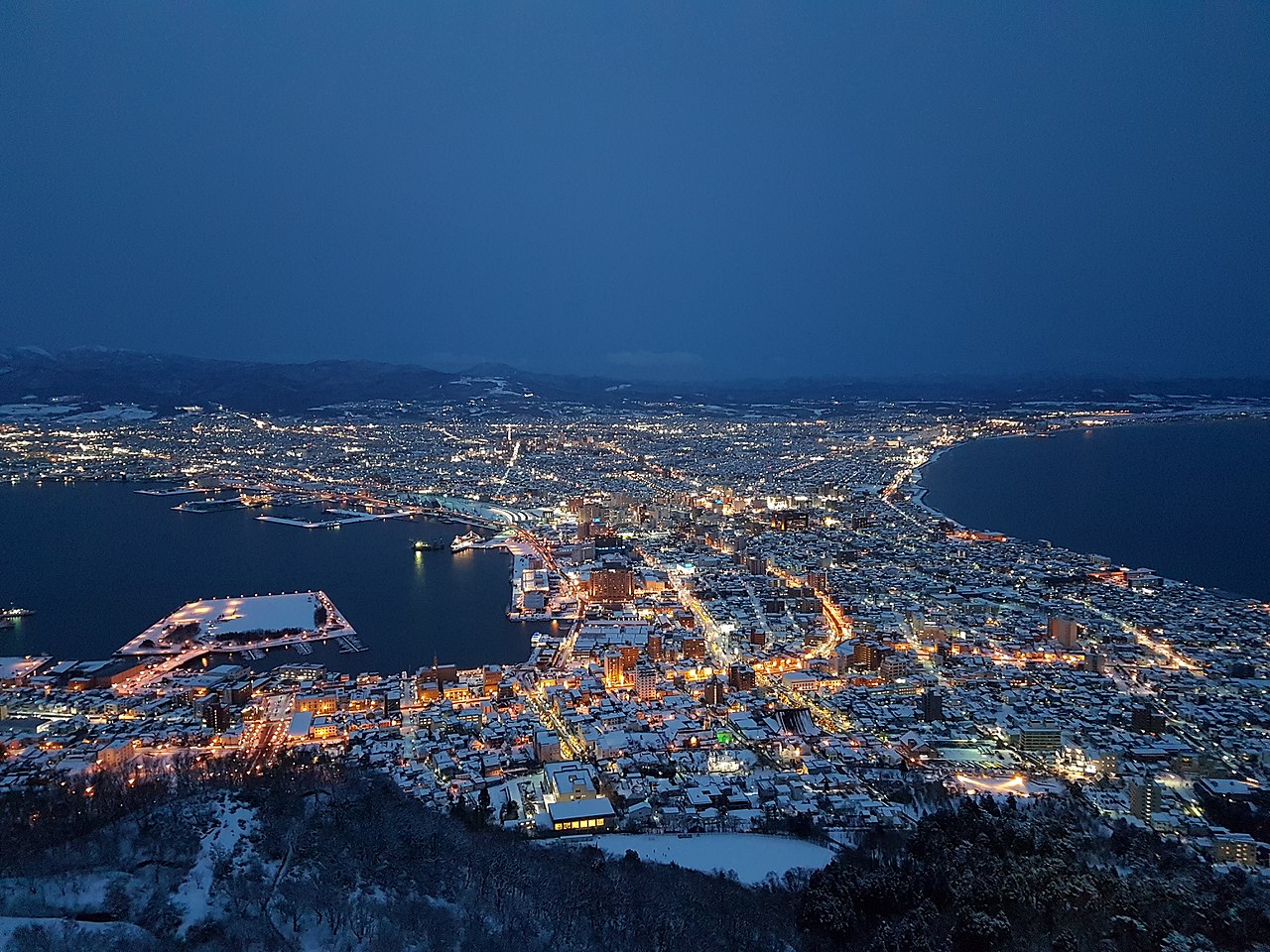
Japan adopted the Christmas illumination tradition with characteristic enthusiasm and has elevated it into large-scale urban spectacles. The illumination season runs November through February; peak installations are December–January:
| Location | Highlights | Access |
|---|---|---|
| Roppongi Hills, Tokyo | 800,000-LED keyaki-zaka tunnel | Roppongi Station |
| Marunouchi Illumination, Tokyo | 1.2km of copper-coloured LED zelkova trees | Tokyo Station |
| Nabana no Sato, Mie | Japan’s most spectacular; 8 million LEDs | Nagashima Station bus |
| Midosuji, Osaka | 4km illuminated boulevard | Multiple metro stations |
| Kobe Luminarie | Memorial light installation (see below) | Motomachi Station |
| Shiodome, Tokyo | Italian-themed; Caretta shopping centre | Shiodome Station |
Kobe Luminarie — Early December
Kobe Luminarie is Japan’s most emotionally resonant illumination event, established in 1995 as a memorial to the victims of the Great Hanshin Earthquake (January 17, 1995). Intricate metal archway structures are covered in thousands of bulbs, creating a corridor of light through Kobe’s central streets. The scale and craftsmanship are extraordinary. Held for approximately 10 days in early December; free admission. Access: Motomachi Station (JR or Hanshin Line).
Chichibu Night Festival — December 3
The Chichibu Yo Matsuri (Chichibu Night Festival) is classified as one of Japan’s three great float festivals alongside Kyoto’s Gion Matsuri and Gifu’s Furukawa Festival. On December 2–3, six enormous floats (yatai) are drawn through the old post town of Chichibu by hundreds of participants, accompanied by fireworks launched directly overhead. The combination of the glowing floats, the frozen winter air, and the fireworks exploding above the procession is visually spectacular. Access: Seibu Chichibu Station from Ikebukuro (80 minutes).
Ski Season Opens
Japan’s ski season begins in late November at higher-altitude resorts and December 1–15 at most major ski areas:
| Resort | Opening (typical) | Snow type | Access from Tokyo |
|---|---|---|---|
| Niseko (Hokkaido) | Late November | Deep dry powder (champagne snow) | Sapporo 2hr bus/car |
| Hakuba, Nagano | Early December | Good powder; large skiable area | 5hr Limited Express + bus |
| Nozawa Onsen, Nagano | Late November | Powder; traditional village | 4hr Shinkansen + bus |
| Zao, Yamagata | Late November | Juhyo (snow monsters) | 3hr Shinkansen + bus |
| Furano, Hokkaido | Late November | Powder; quieter than Niseko | Sapporo 2hr |
Niseko (Hokkaido) has become Japan’s premier international ski destination — the annual snowfall of 8–15 metres of light, dry powder is among the world’s best. The resort area comprises four interconnected mountains (Niseko United) with ski-in ski-out accommodation and strong English-language services developed for the large Australian, Hong Kong, and Singaporean ski communities. December is less crowded than January–February peak.
Key Events — December
December Destination Recommendations
Hokkaido early skiing (Niseko) — December Niseko is Hokkaido at its most accessible for first-time powder skiers. The snowpack builds through December with reliable powder conditions from early to mid-month. Compared to the January–February peak, December has shorter lift queues, more accommodation availability (though the Christmas–New Year window is an exception), and lower prices. Non-skiers find the onsen (hot spring) culture around Niseko and neighbouring Kutchan compelling in itself.
Kanazawa winter snow — Kanazawa receives heavy snowfall from the Sea of Japan and is often draped in snow from December through February. Kenroku-en garden in snow is a different experience from the crowds of spring and autumn — the pine trees in their distinctive conical yukitsuri rope frames (installed every November 1) are one of Japan’s most characteristic winter images. The Higashi Chaya district lanterns illuminated against snow and the traditional crafts (Kenroku lacquerware, Kaga silk) make Kanazawa one of Japan’s best winter city breaks.
Tokyo illuminations circuit — Two days in Tokyo over the illumination season allows a practical circuit: Marunouchi/Tokyo Station → Roppongi Hills → Shiodome → Midtown (Roppongi). All are accessible by Tokyo Metro in a single evening.
⛩️ January — New Year, Hatsumode & Deep Winter
Weather: Tokyo 2–10°C; Kyoto 1–8°C; Sapporo -8–0°C; Hakuba -10–-2°C
January begins in the most intense domestic travel period of the Japanese calendar and settles into the deepest, quietest winter weeks of the year. The New Year (January 1–3) is Japan’s most significant annual event — a time of family gathering, shrine visits, and elaborate traditional customs accumulated over more than a thousand years. Cities that are empty on the night of December 31 fill with hatsumode pilgrims by January 1 morning. By January 4–5, however, the pressure abates completely, and January becomes Japan’s most uncrowded, most affordable, and most atmospherically serene travel month.
New Year (正月) — The Most Japanese Experience
The Japanese New Year sequence begins on December 31 and extends through January 3 (a period called oshogatsu). For overseas visitors, it represents one of the most immersive cultural experiences available:
December 31:
- Toshikoshi soba (year-crossing noodles) eaten at midnight — long noodles representing longevity, crossed from the old year to the new
- Joya no Kane (temple bell ceremony) — midnight bell-ringing at every Buddhist temple
- NHK Kohaku Uta Gassen — the nationally watched music competition broadcast from 19:15
January 1–3:
- Hatsumode — the first shrine or temple visit of the new year; Japan’s most significant religious participation event
- Osechi ryori — traditional New Year feast foods in lacquered boxes, prepared in advance, eaten over the first three days
- Kakizome — first calligraphy of the year, traditionally performed on January 2
- Fukubukuro — “lucky bags” sold by department stores on January 1–2, containing merchandise worth more than the purchase price
Hatsumode — First Shrine Visit

Hatsumode (初詣) is the first visit to a shrine or temple in the New Year, traditionally made to pray for health, success, and happiness in the coming year. The most visited sites for hatsumode:
| Shrine/Temple | Location | Jan 1–3 Visitors |
|---|---|---|
| Meiji Jingu | Tokyo (Harajuku) | ~3.2 million |
| Naritasan Shinshoji | Narita, Chiba | ~3.0 million |
| Kawasaki Daishi | Kawasaki, Kanagawa | ~3.0 million |
| Fushimi Inari Taisha | Kyoto | ~2.7 million |
| Nishiyama Honmon-ji | Fujinomiya, Shizuoka | ~2.5 million |
Nozawa Onsen Fire Festival (Dosojin) — January 15
The Nozawa Onsen Dosojin Fire Festival is one of Japan’s three great fire festivals, held annually on January 15 in the traditional ski village of Nozawa Onsen (Nagano). The ritual centers on the Dosojin — stone deities protecting travellers and households — and involves the men of the village aged 25 and 42 (the “yakudoshi” unlucky ages) defending a wooden shrine structure from torches while other villagers attempt to set it alight. The event concludes when the shrine is engulfed in a fire that illuminates the snow-covered village. A deeply local, minimally-touristed event of considerable power.
Shirakawa-go Winter Illuminations — January–February

The UNESCO World Heritage village of Shirakawa-go (Gifu) — famous for its thatched-roof (gassho-zukuri) farmhouses in snow — holds illumination events on selected winter evenings when the snow-covered village is lit from within, the farmhouses glowing against the blue winter darkness. The dates are limited (typically 4–6 evenings in January and February) and released with approximately 3 months' notice. Accommodation in the village books out within hours; day-trip buses from Kanazawa and Takayama are available.
Key Events — January
January Destination Recommendations
Hakuba and Niseko skiing — January is Japan’s powder ski month. The snowpack is at peak depth; temperatures are cold enough to preserve the dry, light powder (champagne snow) that makes Hokkaido and the Japanese Alps world-famous. Niseko is most international (strong English language; ski-in/ski-out hotels); Hakuba has the largest skiable area (10 interconnected resorts) and better Shinkansen access from Tokyo. Nozawa Onsen is the most authentically Japanese ski village, with the bonus of the January 15 fire festival.
Ginzan Onsen, Yamagata — One of Japan’s most beautiful hot spring towns (onsen machi), Ginzan Onsen (silver mountain hot spring) looks like a painting in January: wooden ryokan buildings three storeys tall line a narrow river gorge, draped in snow, with steam rising from the thermal water. A 19th-century gas lamp illuminates the central bridge at night. The ryokan experience here — multi-course kaiseki dinner, yukata, private or shared outdoor baths — represents Japanese hospitality at its most complete. Book months ahead for January and February.
❄️ February — Sapporo Snow Festival, Plum Blossoms & Setsubun
Weather: Tokyo 2–9°C; Kyoto 2–8°C; Sapporo -6–-1°C; Sendai -1–6°C
February is Japan’s coldest month and also, in many ways, its most dramatically beautiful. The Sapporo Snow Festival transforms Hokkaido’s capital into an outdoor sculpture museum of international calibre. Setsubun’s bean-throwing rituals at shrines and temples across Japan mark the traditional turning point from winter to spring. And along the Pacific coast, the first plum (ume) blossoms open — the same pale pink flowers referenced in Man’yoshu poetry of the 8th century — announcing that the year’s warmth is coming. The cold is real, but manageable, and the winter colours — the white of Ginzan Onsen, the blue-white of Zao’s snow monsters, the pale pink of Atami’s plum grove against grey sea — are uniquely February.
Sapporo Snow Festival (Sapporo Yuki Matsuri)

The Sapporo Snow Festival is the world’s most ambitious snow sculpture event — a five-day festival (typically early February) in which enormous sculptures are constructed in Odori Park (the main site), Tsudome (outdoor family site), and formerly Susukino (ice sculptures in the entertainment district). The scale is remarkable: sculptures in the main Odori site reach 15 metres in height and 20 metres in width, depicting castles, famous world monuments, anime characters, and abstract forms. International teams compete in a snow sculpture contest with entries from 10–15 countries.
Practical details:
| Item | Detail |
|---|---|
| Duration | 5 days, typically first or second week of February |
| Main site | Odori Park (Odori Station, Namboku/Tozai Line) |
| Access from Tokyo | Sapporo New Chitose Airport; ANA/JAL flights ~1h 40min |
| Entry | Free for all outdoor sculpture areas |
| Best time | 07:00–09:00 for photography before crowds; evening for illuminated sculptures |
Zao Snow Monsters (Juhyo)

Zao Onsen ski resort in Yamagata Prefecture contains one of Japan’s most singular natural phenomena: juhyo (樹氷, “tree ice” or “snow monsters”) — Siberian fir trees encased in successive layers of ice and snow until they resemble enormous white alien creatures. The juhyo require specific conditions (persistent fog from the volcanic crater lake below, followed by extreme cold) and reach maximum size in February. The resort’s gondola rises through a field of juhyo, which are lit at night for the illumination event. Access: Yamagata Shinkansen to Yamagata Station (2.5hr from Tokyo), then bus to Zao Onsen (40 min).
Plum Blossoms — Japan’s First Spring Signal

The ume (plum blossom) season anticipates the cherry blossom season by 6–8 weeks, with the earliest blossoms opening in late January at coastal Atami (Shizuoka) and progressing northward through February–March. Plum blossoms are more fragrant than cherry and come in a wider range of colours — white, pale pink, deep rose, and red varieties. Key viewing locations:
| Location | Peak | Notes |
|---|---|---|
| Atami Baien (Shizuoka) | Late January–mid-February | Japan’s earliest plum; 469 trees; sea backdrop |
| Mito Kairaku-en (Ibaraki) | Mid-February–mid-March | 3,000 plum trees; one of Japan’s three great gardens |
| Yushima Tenmangu (Tokyo) | Mid-February–early March | Urban; ume festival from Feb 8 |
| Osaka Tenmangu | Mid-February–March | Large shrine plum garden |
Mito Kairaku-en (Ibaraki Prefecture, 45 minutes from Tokyo by Limited Express) is the most impressive large-scale plum garden in Japan. The 13-hectare garden contains 3,000 plum trees in 100 varieties; the annual plum festival runs February–March with illuminated evening sessions on selected dates.
Setsubun — February 3
Setsubun (節分) marks the traditional last day of winter in the Japanese lunar calendar — the day before risshun (the start of spring, around February 3–4 in the solar calendar). The principal ritual is mamemaki (bean-throwing): roasted soybeans are thrown while chanting “Oni wa soto! Fuku wa uchi!” (“Demons out! Good fortune in!") to drive away evil spirits. At temples and shrines, celebrities and sumo wrestlers perform public mamemaki ceremonies with beans thrown into crowds of hundreds or thousands. Naritasan Shinshoji (Chiba), Senso-ji (Asakusa), and Yoshida Jinja (Kyoto) hold the most spectacular ceremonies.
Key Events — February
February Destination Recommendations
Sapporo Snow Festival — The most compelling single-event reason to visit Japan in winter. Two to three days in Sapporo allows the Odori Park sculptures (arrive at 07:00 for photography before crowds), the Susukino ice sculpture area, the Tsudome interactive site, and a day trip to Otaru’s romantic canal town (30 minutes by JR). The food — Sapporo ramen, Hokkaido crab, Genghis Khan lamb barbecue, soup curry — is one of Japan’s best regional cuisines.
Tohoku Snow Country — Yamagata’s Zao Onsen for juhyo (snow monsters); Ginzan Onsen (Yamagata) for the quintessential snow onsen experience; Yokote (Akita) for the Kamakura festival. A Tohoku Shinkansen pass provides excellent access. This circuit represents Japan that most overseas visitors never see — rural, snowy, deeply traditional, and extraordinarily beautiful.
Kyoto in winter — An argument can be made for Kyoto in February as the best time to visit the city. Hotel prices are 40–60% lower than November foliage peak; popular temples (Ginkaku-ji, Kinkaku-ji, Fushimi Inari) are accessible without crowds; many temples hold special winter openings (betsu-in fukyukai) of normally restricted gardens and treasures. The bare trees and grey-blue winter light give the city’s architecture a severe, clarifying beauty that disappears under the green of spring.
🗓️ Winter Events Quick Reference
| Date | Event | Location | Free? |
|---|---|---|---|
| Late November–December | Ski resorts open | Niseko, Hakuba, Nozawa | Lift pass ¥6,000+ |
| Early December | Kobe Luminarie | Kobe | ✓ Free |
| November–February | Tokyo/Osaka illuminations | Tokyo, Osaka, Nagoya | ✓ Free (most) |
| December 2–3 | Chichibu Night Festival | Chichibu, Saitama | ✓ Free |
| December 31 midnight | Joya no Kane (temple bells) | Buddhist temples nationwide | ✓ Free |
| January 1–3 | Hatsumode (New Year visits) | Shrines nationwide | ✓ Free |
| January 2 | New Year’s first bargain bags (fukubukuro) | Department stores nationwide | — |
| Jan–Feb (sel. evenings) | Shirakawa-go winter illumination | Shirakawa-go, Gifu | ✓ Free |
| January 15 | Nozawa Onsen Dosojin Fire Festival | Nozawa Onsen, Nagano | ✓ Free |
| February 3 | Setsubun (bean throwing) | Shrines/temples nationwide | ✓ Free |
| Early February | Sapporo Snow Festival (5 days) | Sapporo (Odori Park) | ✓ Free |
| February 15–16 | Yokote Kamakura Festival | Yokote, Akita | ✓ Free |
| Late January–mid-Feb | Atami plum blossoms | Atami, Shizuoka | ✓ Free |
| Mid-Feb–mid-Mar | Mito Kairaku-en plum festival | Mito, Ibaraki | ¥300 |
✈️ Winter Travel Planning Tips
When to Book
New Year period (December 28–January 4): This is Japan’s most congested domestic travel period. Shinkansen seats for December 28–30 and January 2–4 sell out as soon as the 1-month booking window opens. Hotels near major shrines (Meiji Jingu, Naritasan, Fushimi Inari) book out for January 1–3 months ahead. If your trip includes New Year, book the moment the window opens.
Sapporo Snow Festival (early February): Book accommodation 3–4 months ahead — as soon as the festival dates are announced (typically September). Flights from Honshu to Sapporo also peak sharply. The central Odori area fills first; consider Susukino or JR Tower area hotels as alternatives.
January 5–31 and December 1–24: The lowest-pressure booking periods of the winter season. Excellent value, minimal advance planning required. This is when Kyoto is most relaxed, Tokyo is least crowded, and onsen ryokan rooms have maximum availability at minimum price.
Layering for Japanese Winter Cold
Japan’s winter cold varies dramatically by region. Tokyo’s cold is moderate (2–10°C); Sapporo’s is serious (-8–0°C); the Tohoku hot spring towns (-5–-2°C). An effective layering system:
Base layer: Merino wool or moisture-wicking synthetic — essential for both skiing and urban sightseeing. Cotton base layers retain sweat and become cold; avoid them.
Mid layer: Fleece or light down jacket. Japanese uniqlo stores sell excellent mid-layers at reasonable prices; their Heattech thermal underwear is a useful purchase on arrival.
Outer layer: Waterproof shell or insulated jacket. A shell is more versatile for city travel; an insulated jacket is warmer for Hokkaido or Tohoku conditions.
Extremities: Gloves, scarf, and a hat for anywhere north of Kyoto in January. For Hokkaido skiing: proper ski gloves and balaclava.
Onsen in Winter
Winter is Japan’s finest onsen season. The combination of outdoor hot spring baths (rotenburo) and cold air — with snow falling on the steam rising from the water — is one of Japan’s most transported experiences. Essential onsen etiquette:
- Wash before entering: All onsen require a thorough shower/wash at the individual shower stations before entering the bath
- No swimwear: Public baths are used nude; swimwear is not permitted in traditional onsen (some modern facilities are exceptions)
- No towels in the water: A small modesty towel is used to walk between changing room and bath; it is placed on the head or at the side of the bath, not in the water
- Tattoos: Many traditional onsen prohibit visible tattoos; check policy before arrival. Private baths (kashikiri) are available at most ryokan and allow tattooed visitors
- Tie back long hair: Required at most facilities
JR Pass Value in Winter
The JR Pass (14-day: approximately ¥70,000; 21-day: approximately ¥90,000) offers particular value for winter travel itineraries that combine multiple regions:
A recommended winter circuit that maximises JR Pass value: Tokyo → Kyoto → Kanazawa (Hokuriku Shinkansen) → Shirakawa-go (bus from Kanazawa) → Toyama → Tokyo (Hokuriku Shinkansen return) → Yamagata (Yamagata Shinkansen, for Zao or Ginzan Onsen) → Aomori → Sapporo (JR Seikan Tunnel or flight). The full circuit covers five distinct winter landscapes in two weeks.
Powder Snow Skiing — A Guide for First-Timers
Japan’s powder snow (japow) has become internationally famous — particularly Hokkaido’s “champagne powder,” which is lighter and drier than European or North American powder due to the cold temperatures and specific moisture conditions of the Sea of Japan snowfall patterns.
For first-time visitors to Japan’s ski resorts:
- Niseko United: Four interconnected mountains; best international infrastructure; large English-speaking staff base. Book ski-in accommodation at Niseko Village, Annupuri, or Grand Hirafu. Gondola passes available for non-skiers.
- Hakuba: 10 resorts in one valley; Hakuba 47/Goryu and Happo-One are most international. Better Shinkansen access from Tokyo (5 hours). Larger overall ski area than Niseko.
- Furano: Quieter than Niseko; excellent powder; combined with lavender season for summer return visits. The resort town retains more authentic character than Niseko’s increasingly international character.
- Booking strategy: Lift passes, ski hire, and lessons can all be arranged on arrival; no pre-booking required for lift access (though weekend queues at Niseko can be significant — consider mid-week skiing)